
Ferrari
Ferrari has built sports cars in Maranello since 1947, when the 125 S became the first car to officially carry the Ferrari name. Its story connects competition, high-revving engines and grand touring, with a clear evolution from classic V12 families such as the 250, 330 and 365 to modern mid-engined V8 berlinettas including the 360, 458 and 488. Recent generations add a new technical dimension: the SF90 Stradale introduced Ferrari’s first series-production plug-in hybrid system, while the 296 GTB combines a twin-turbo V6 with an electric motor. The available catalogue covers 51 models and 119 variants from 1948 to 2026, showing the continuity between racing-derived cars, road-going coupes, spiders, front-engined grand tourers and mid-engined sports cars.
Models from A to Z

12Cilindri
166
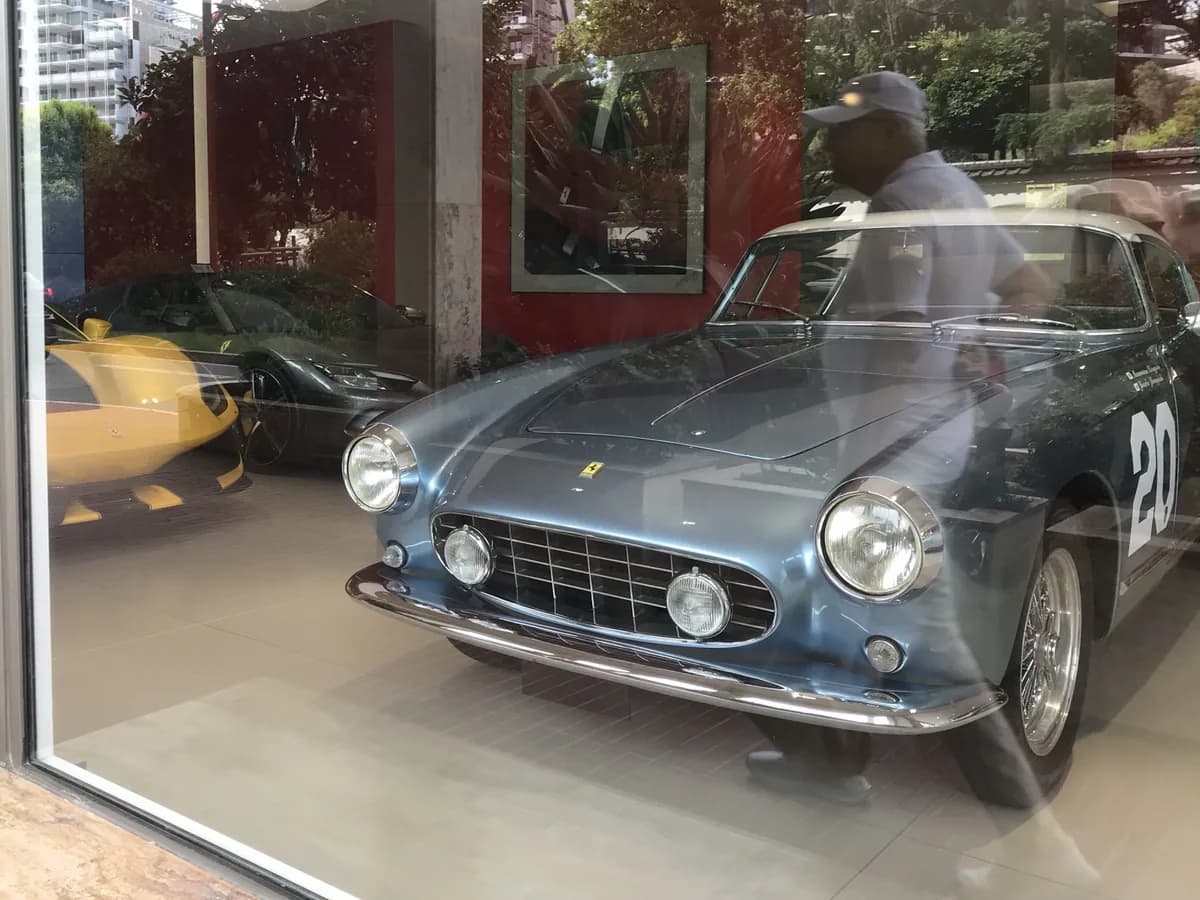
250

275
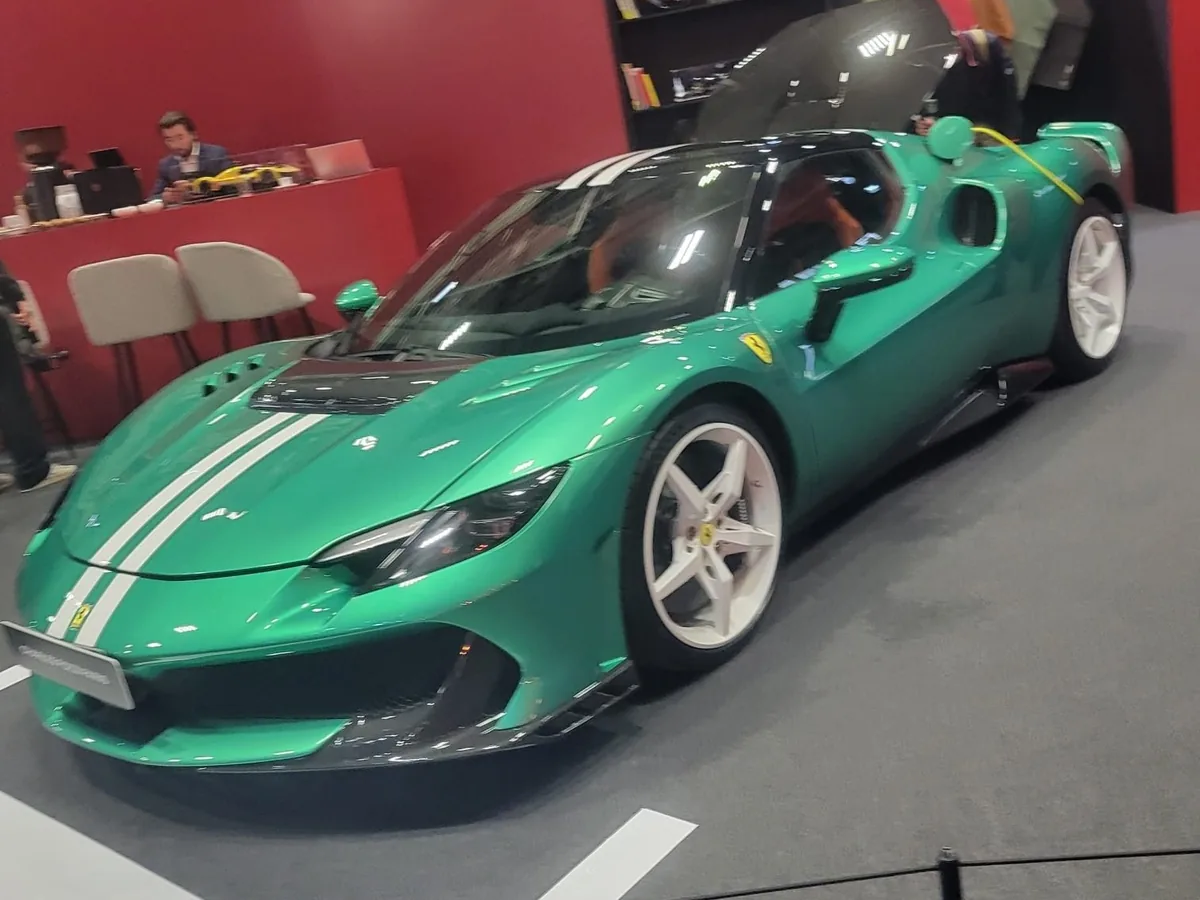
296
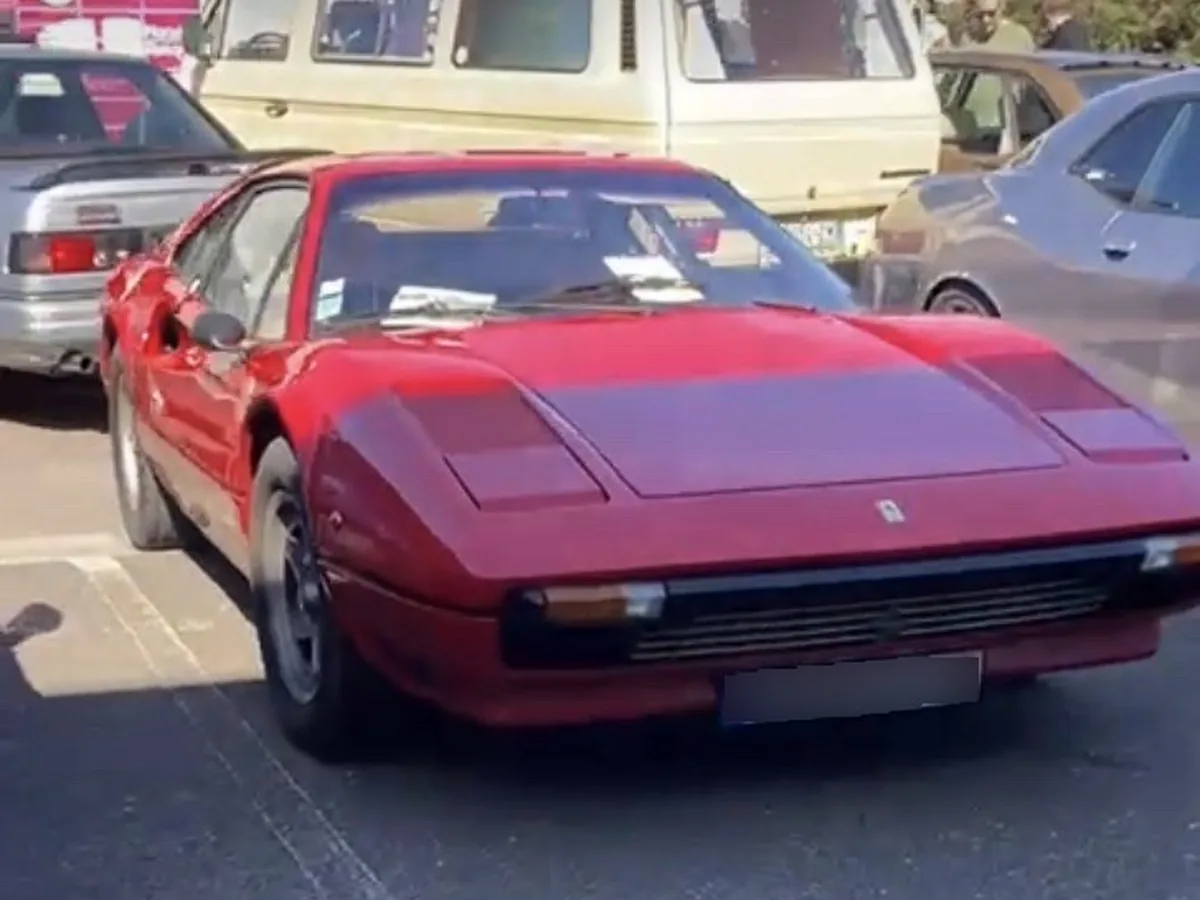
308
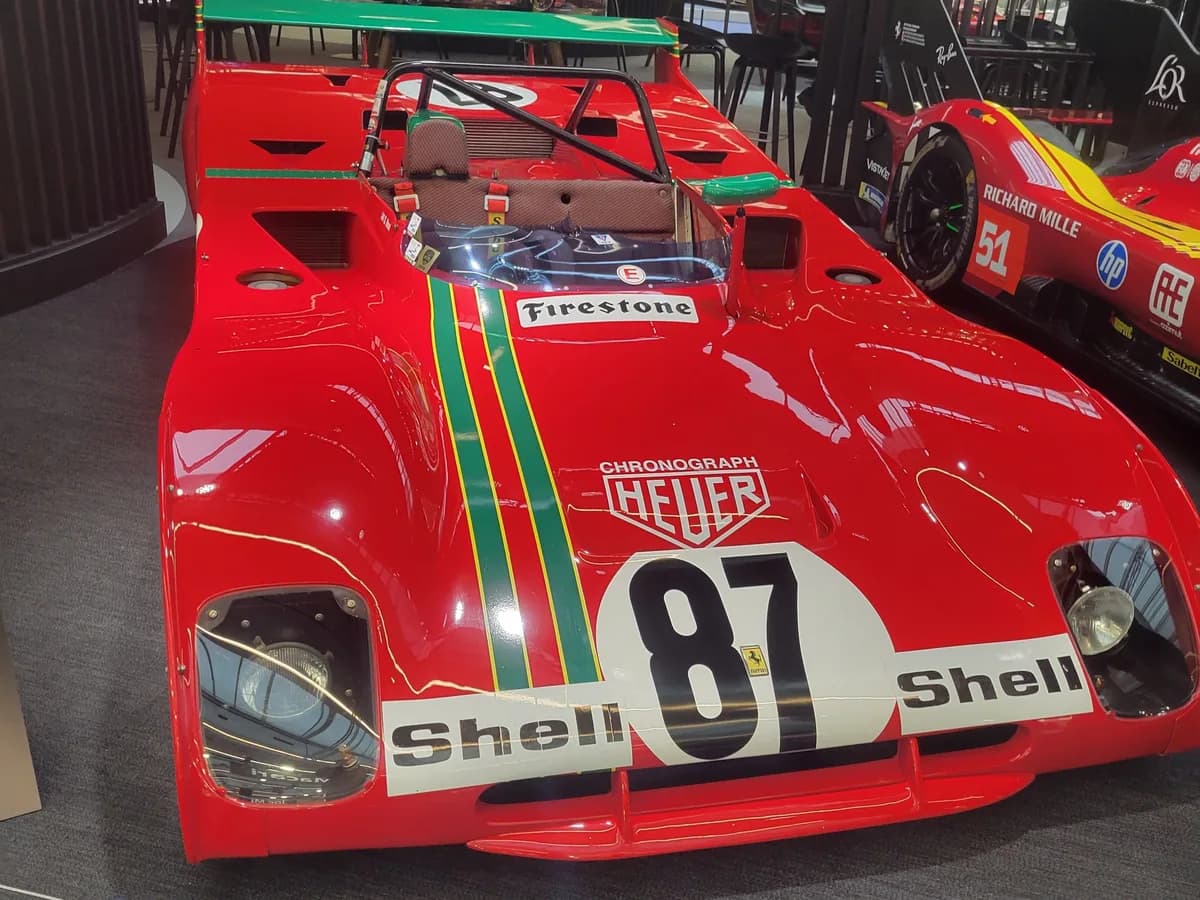
312
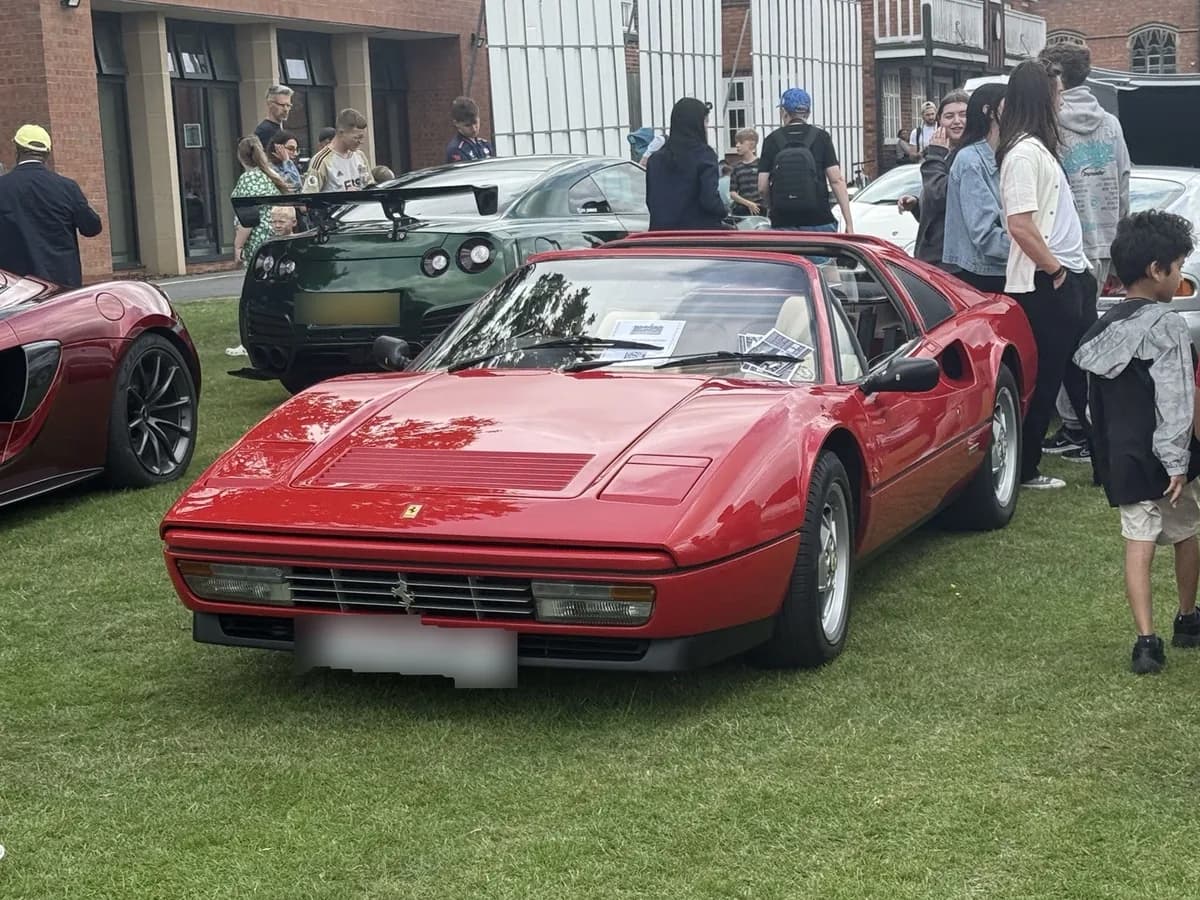
328
330

348

360
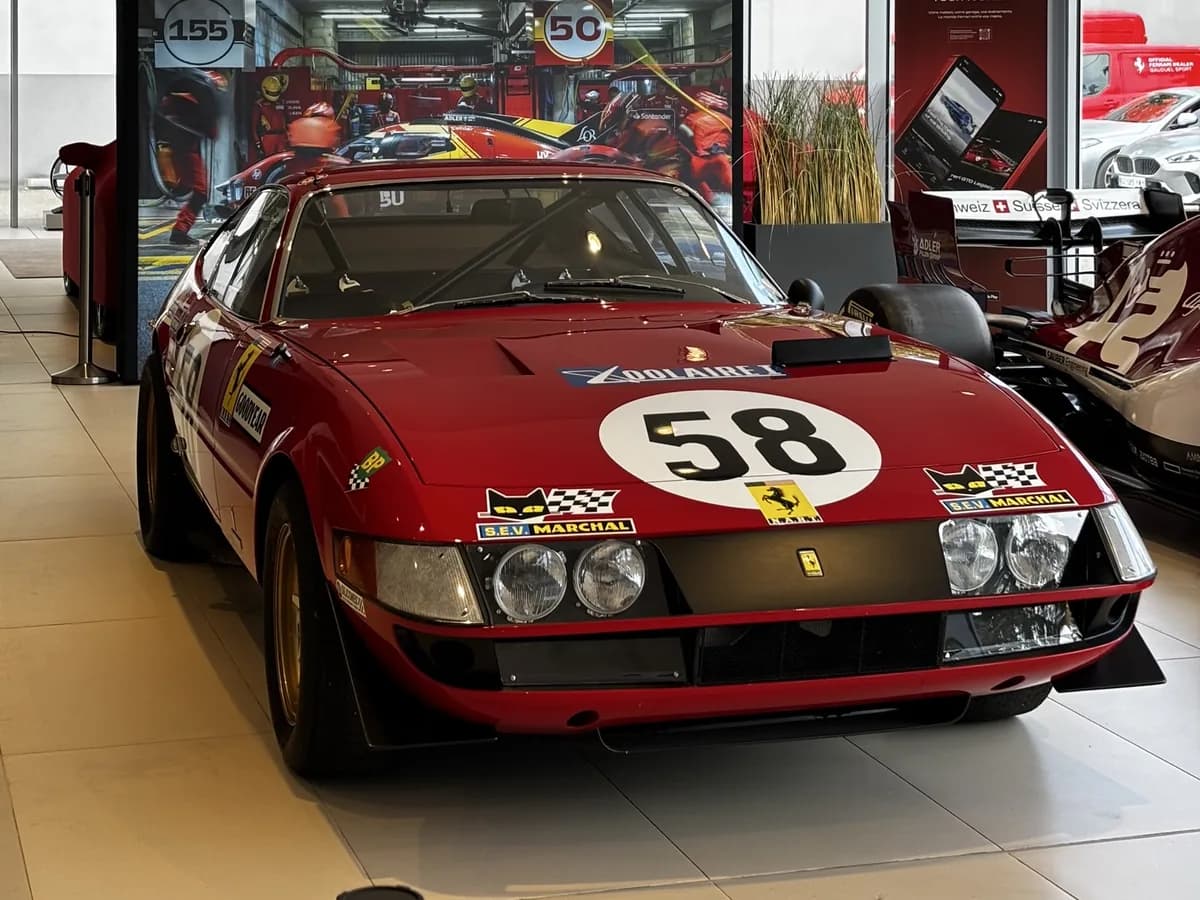
365
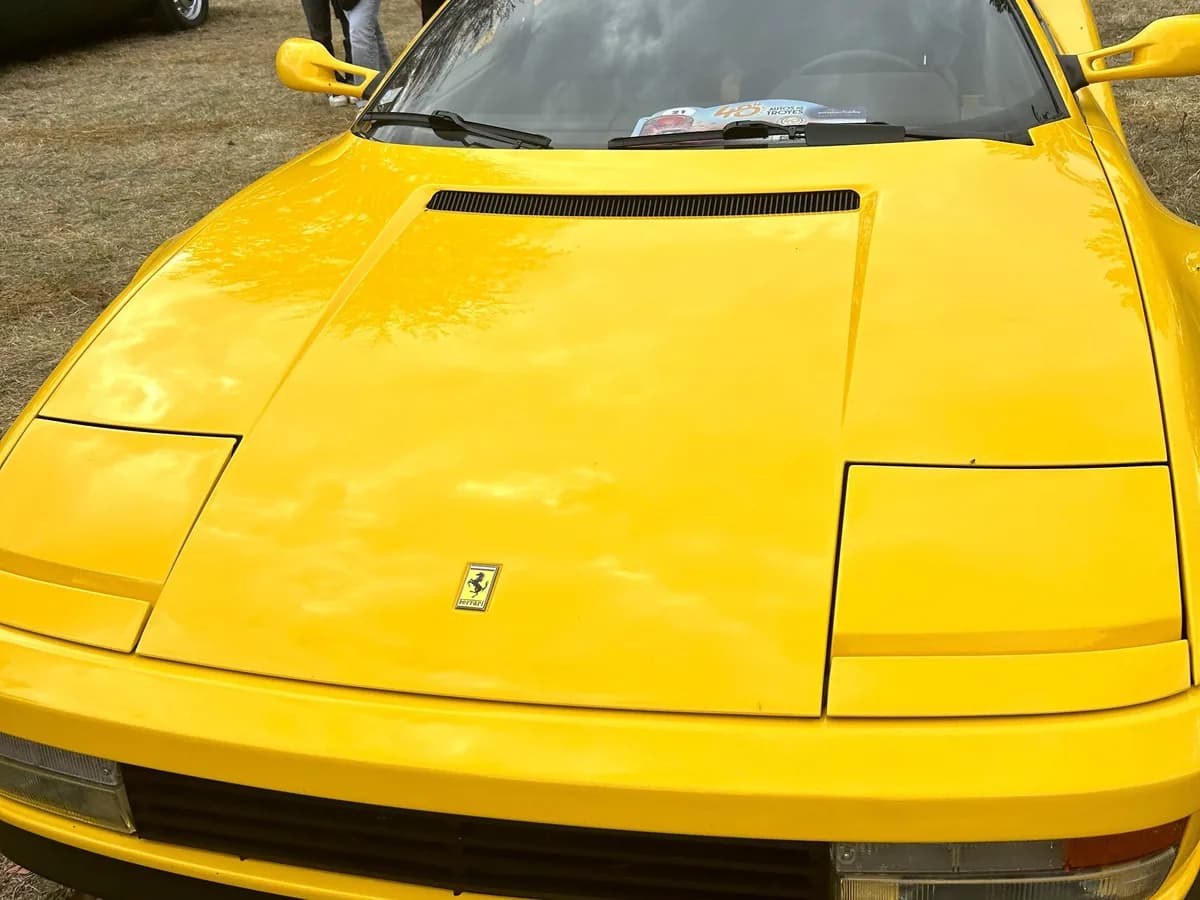
400
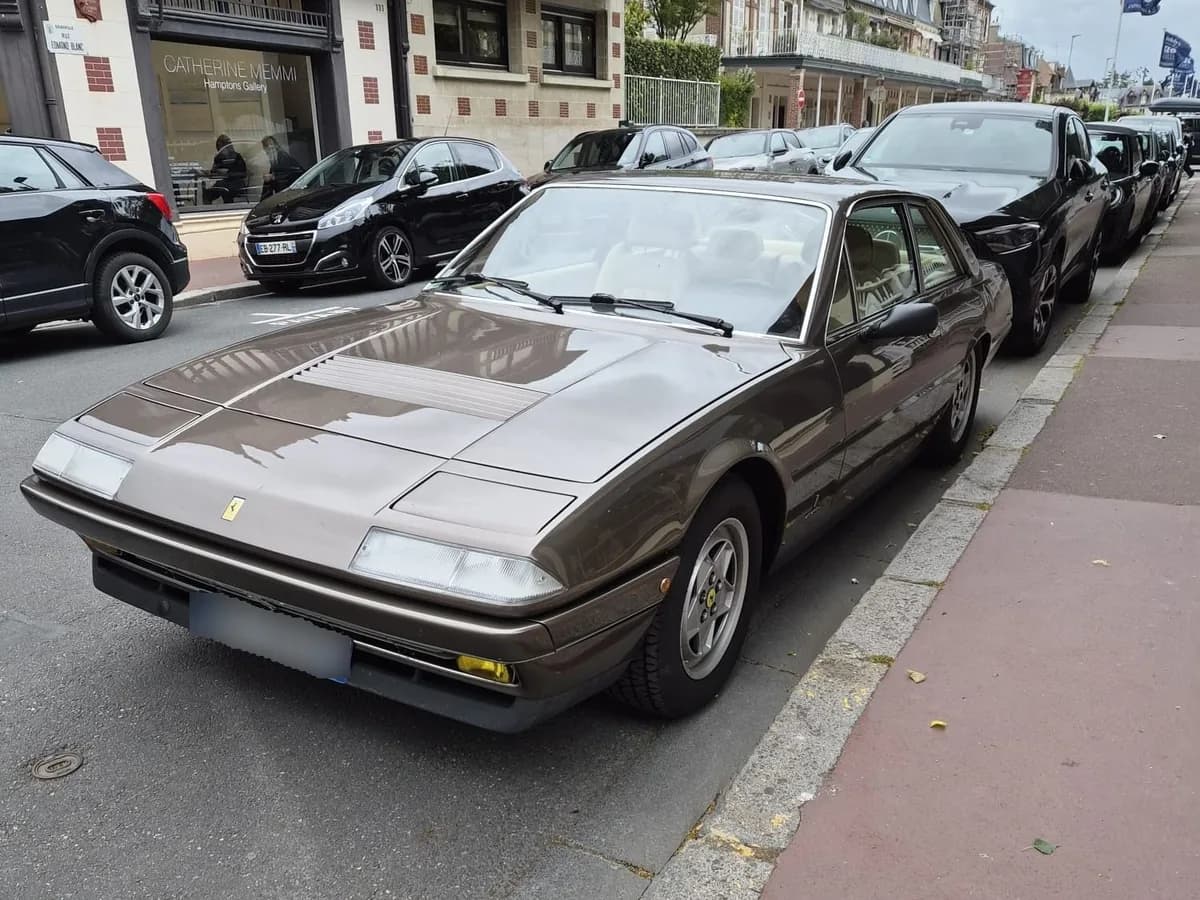
412
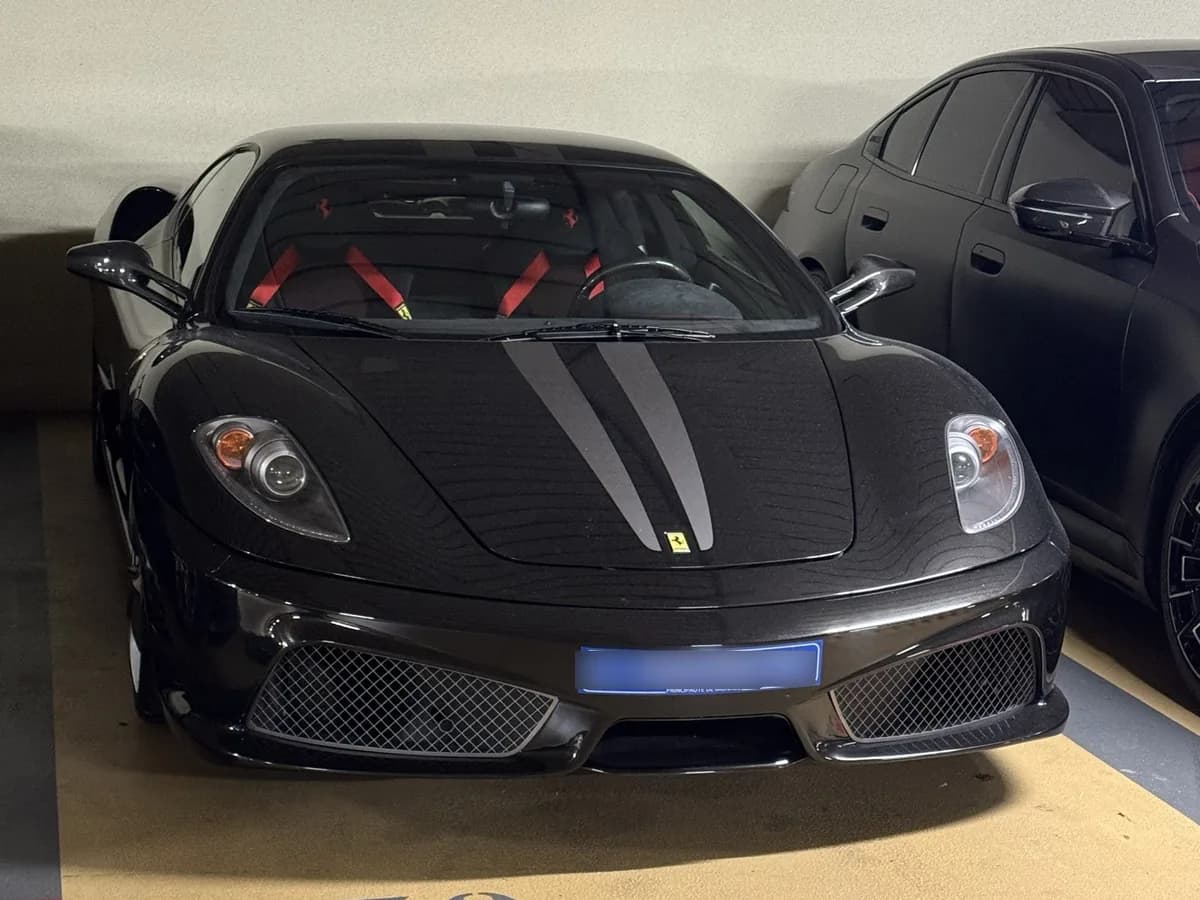
430 Scuderia

456
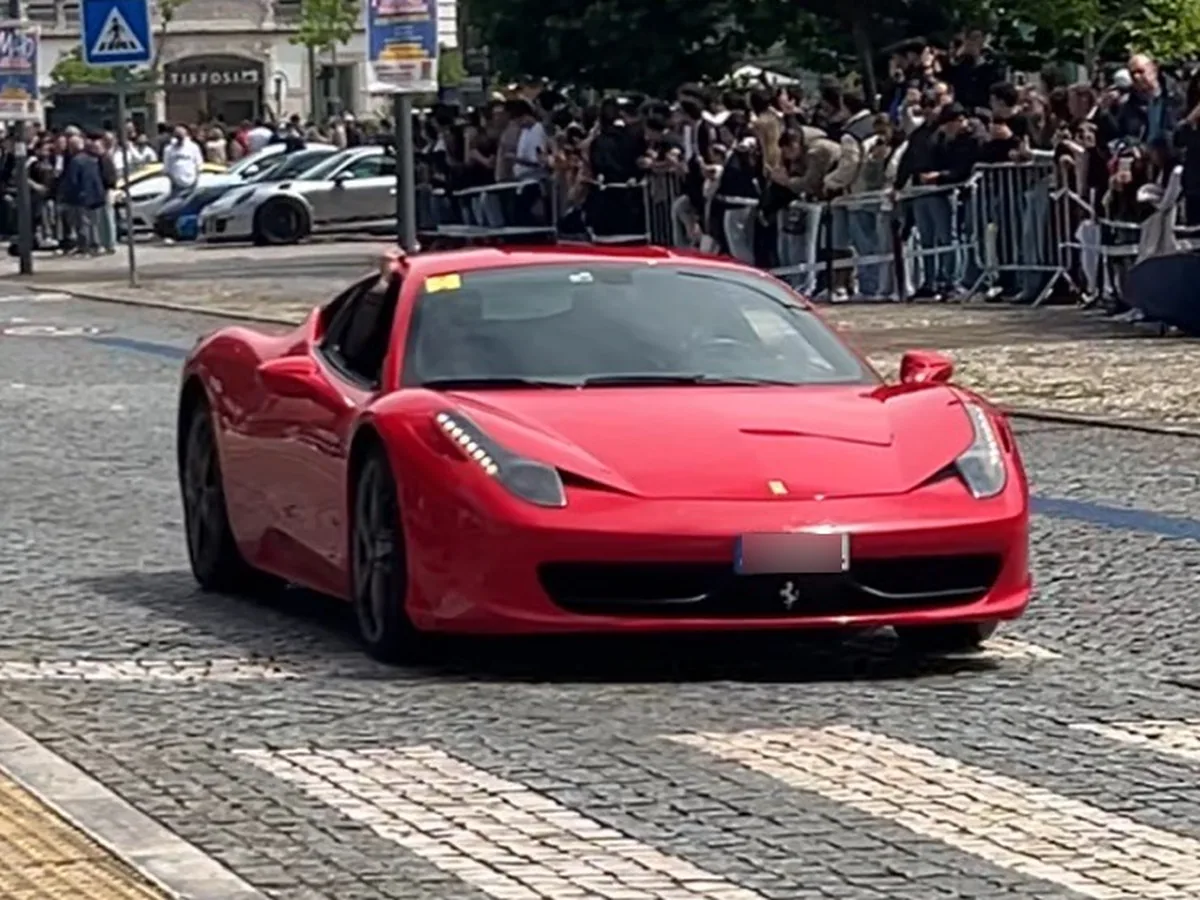
458
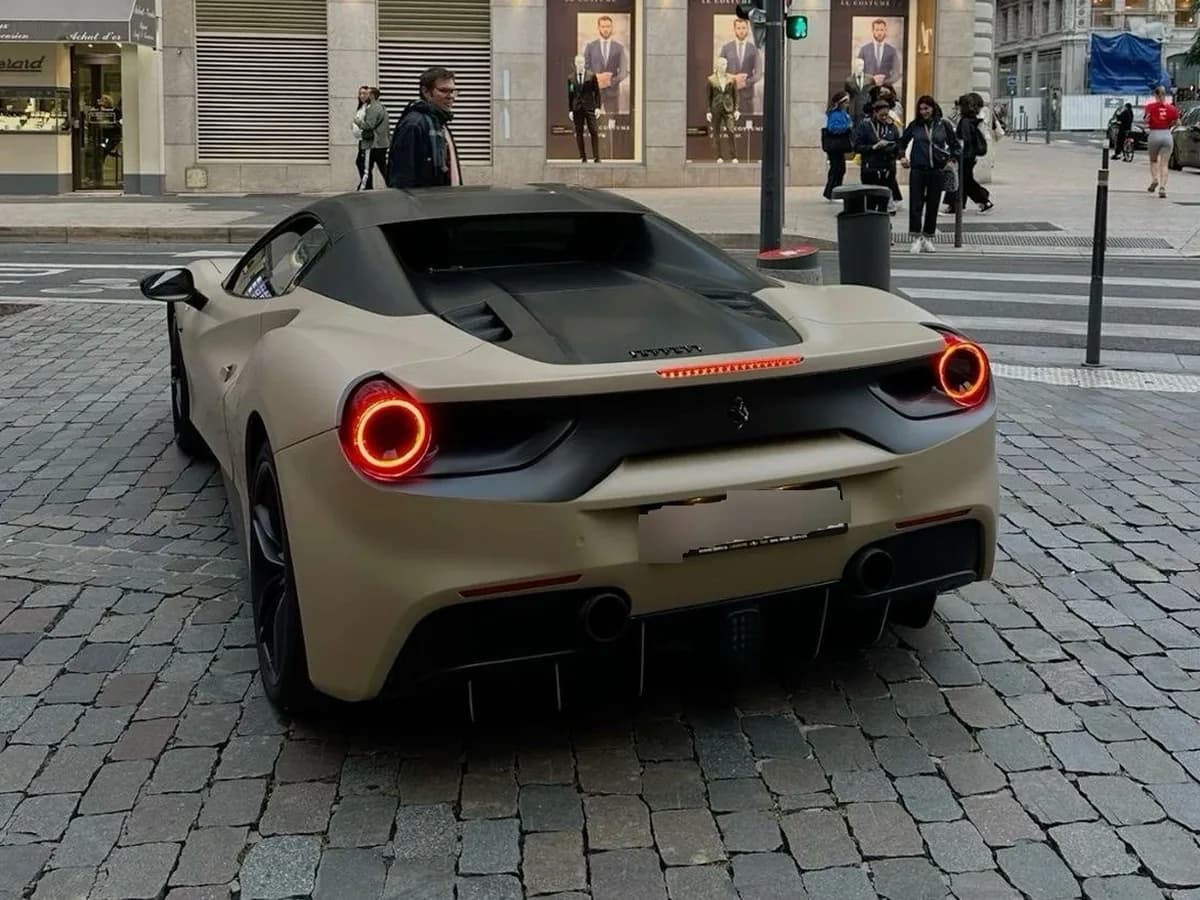
488

499P
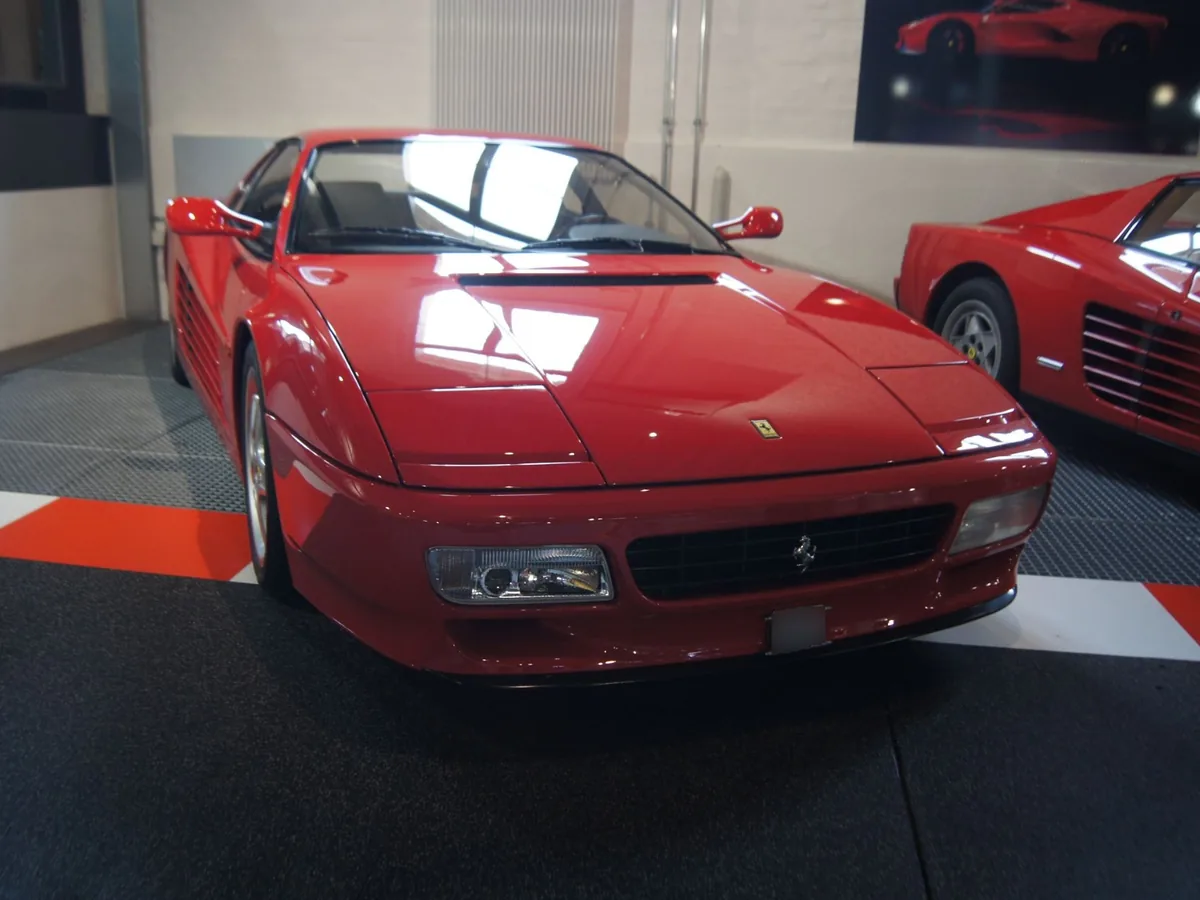
512

550
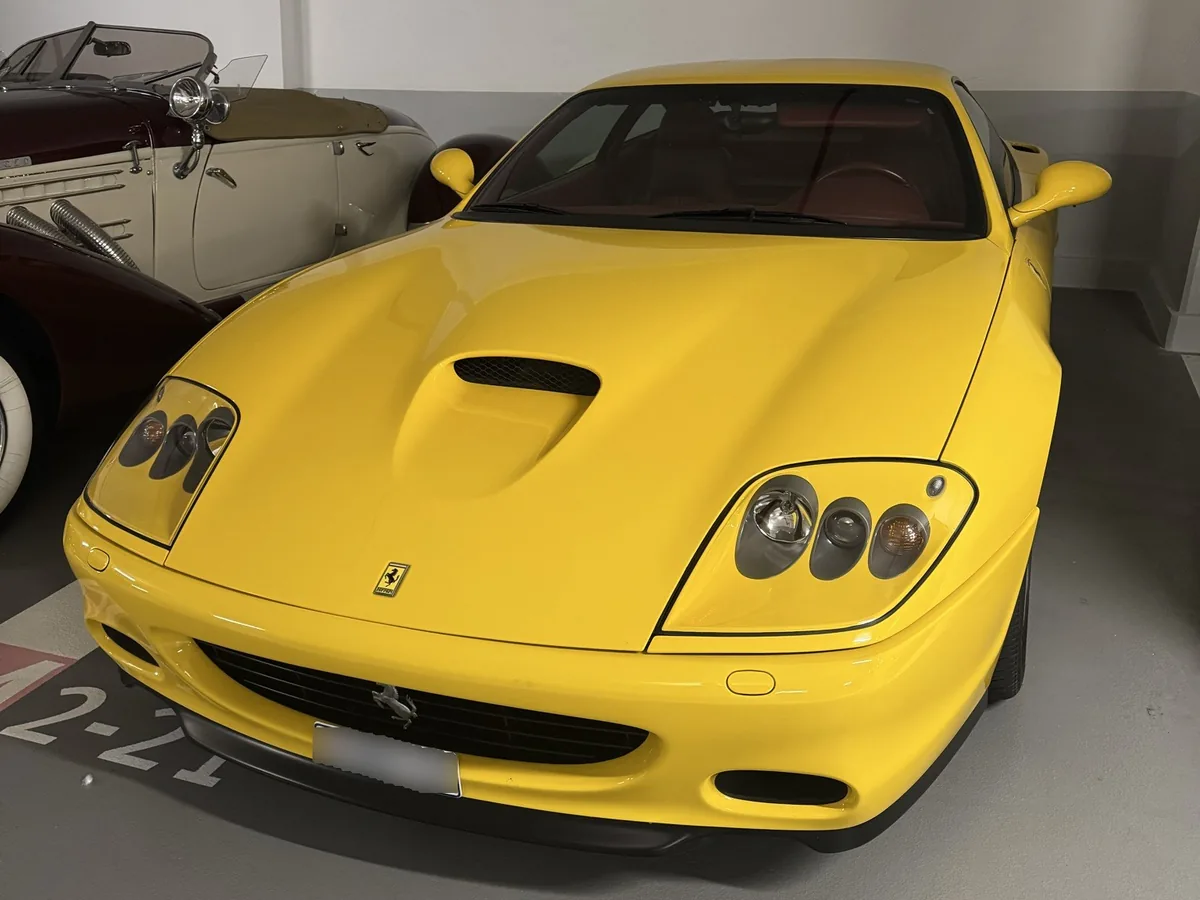
575M
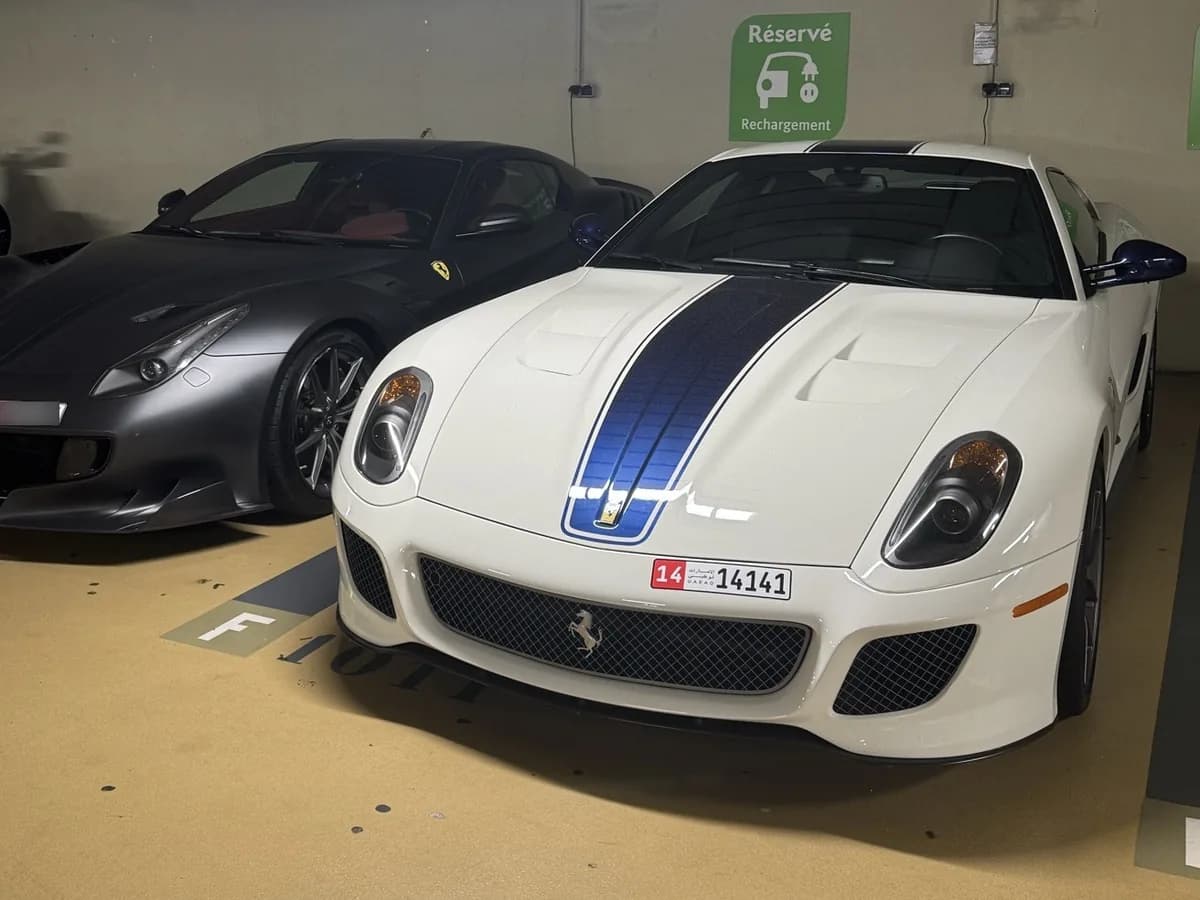
599

612
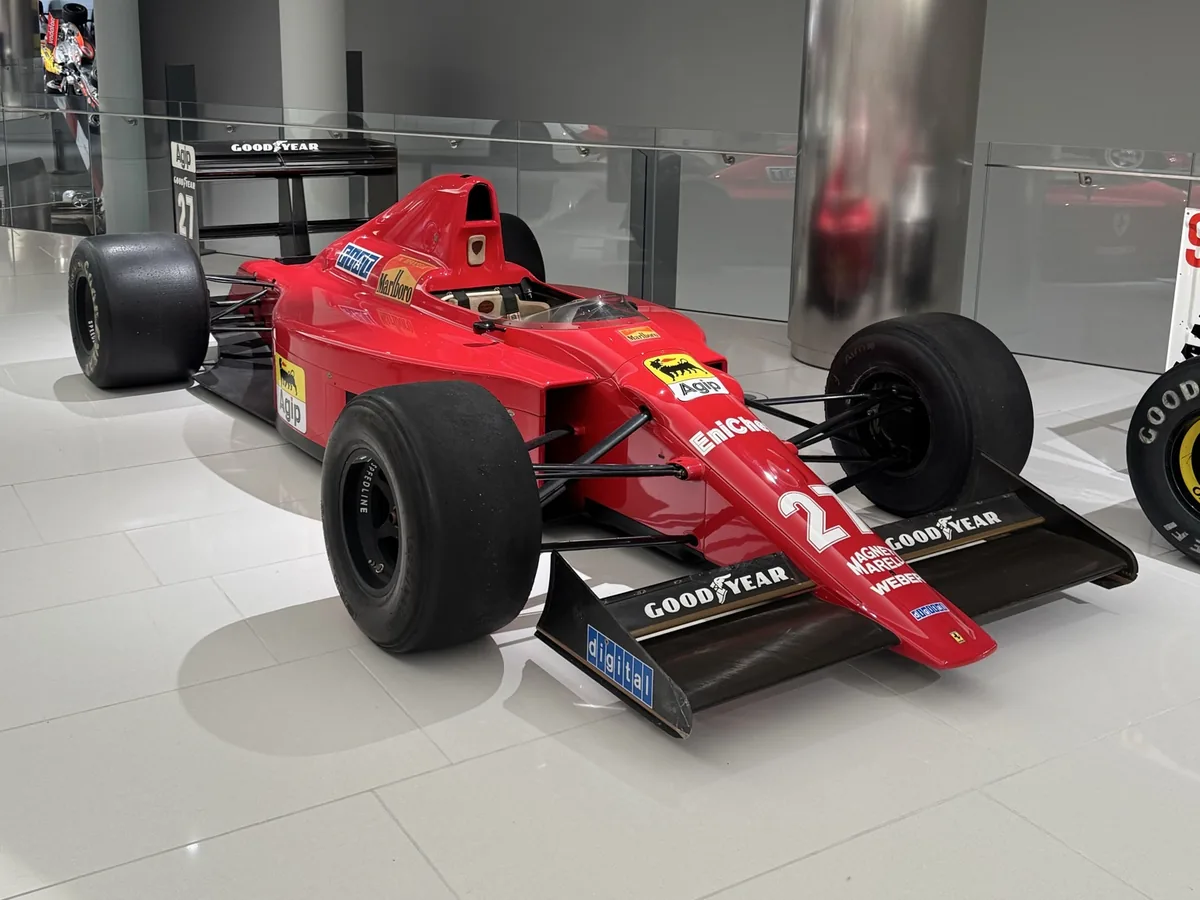
640
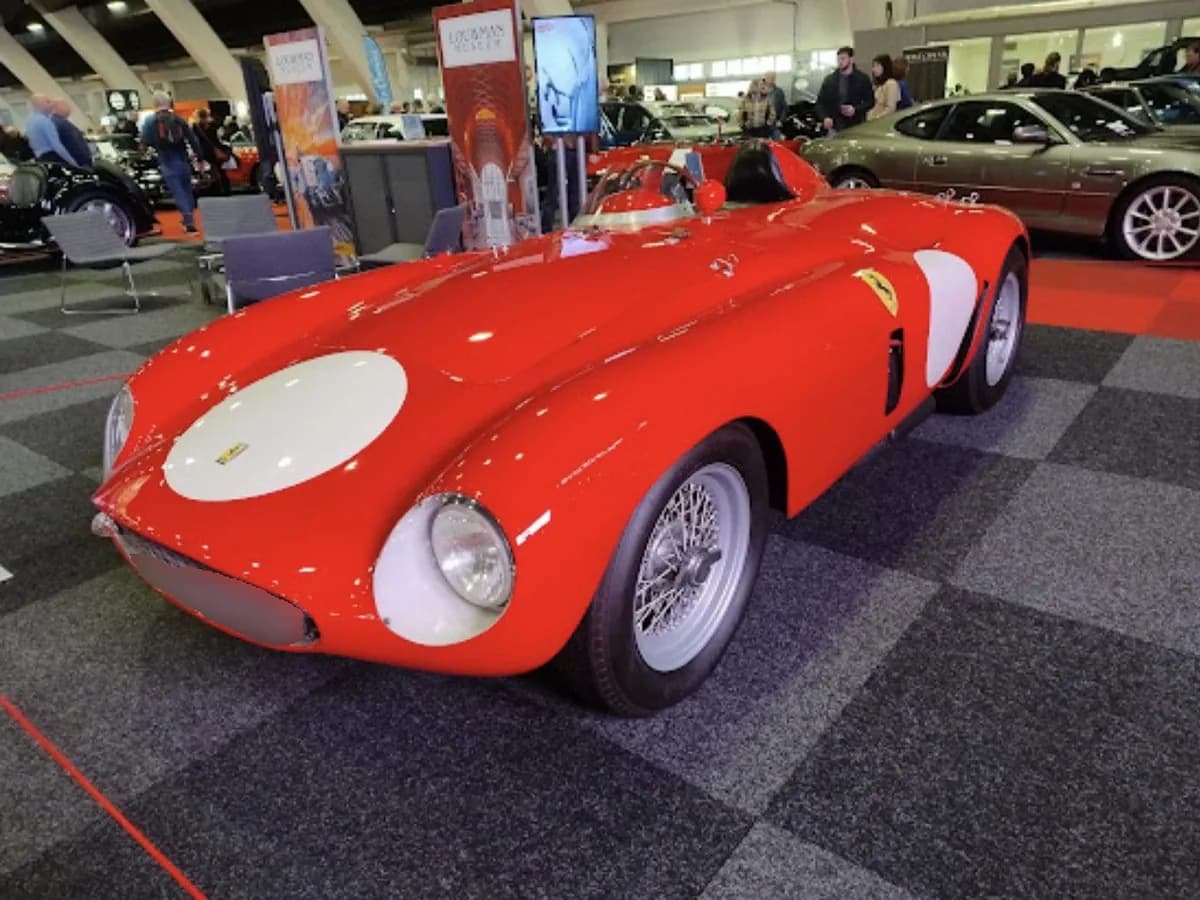
750 Monza

812

849 Testarossa

Amalfi

California
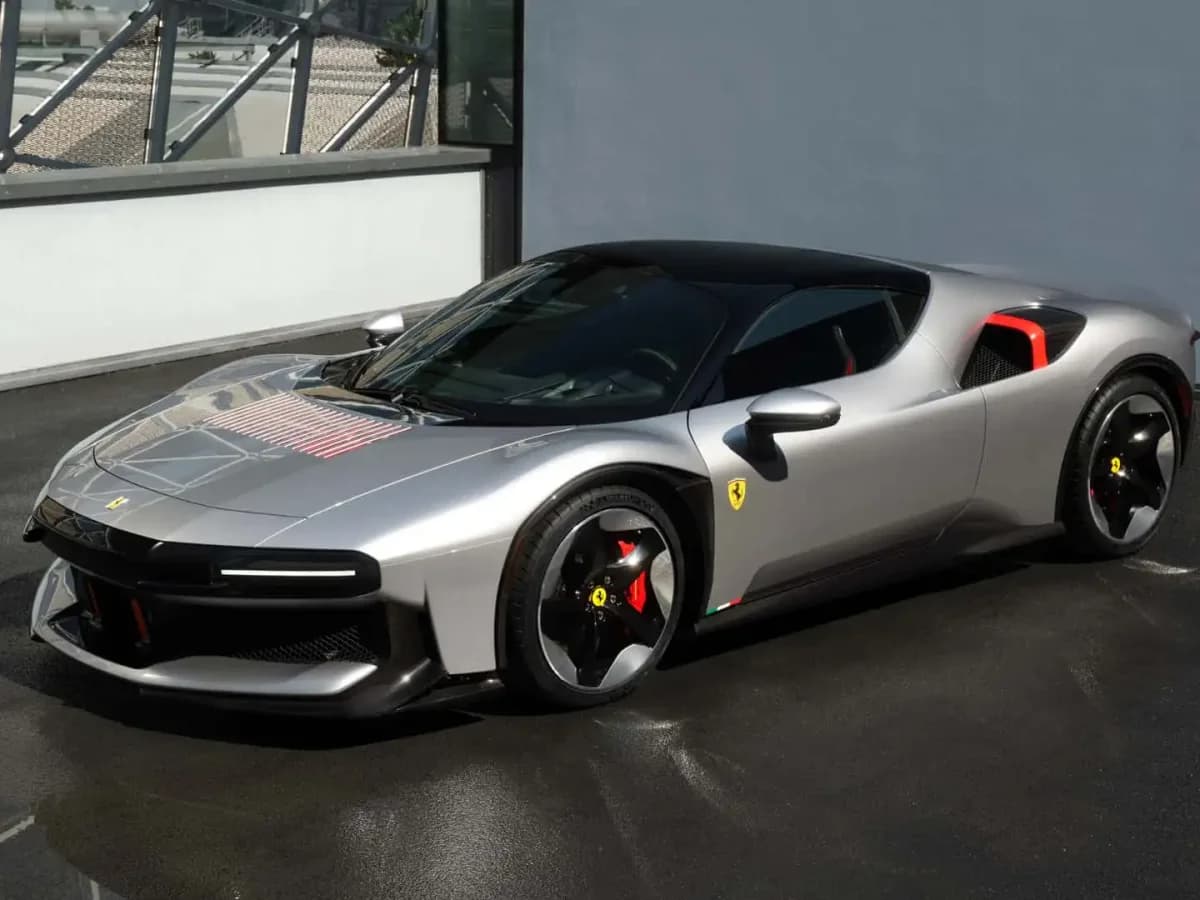
CZ26
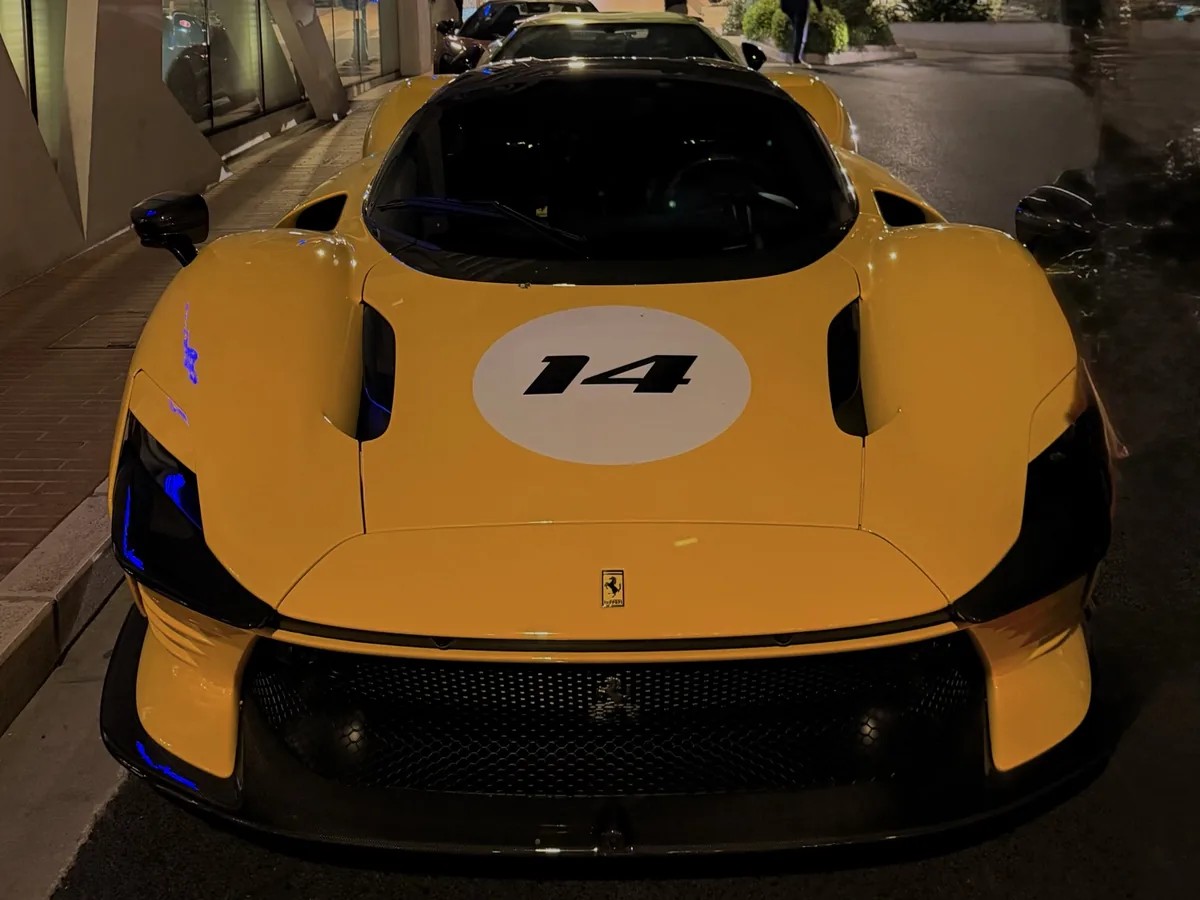
Daytona SP3
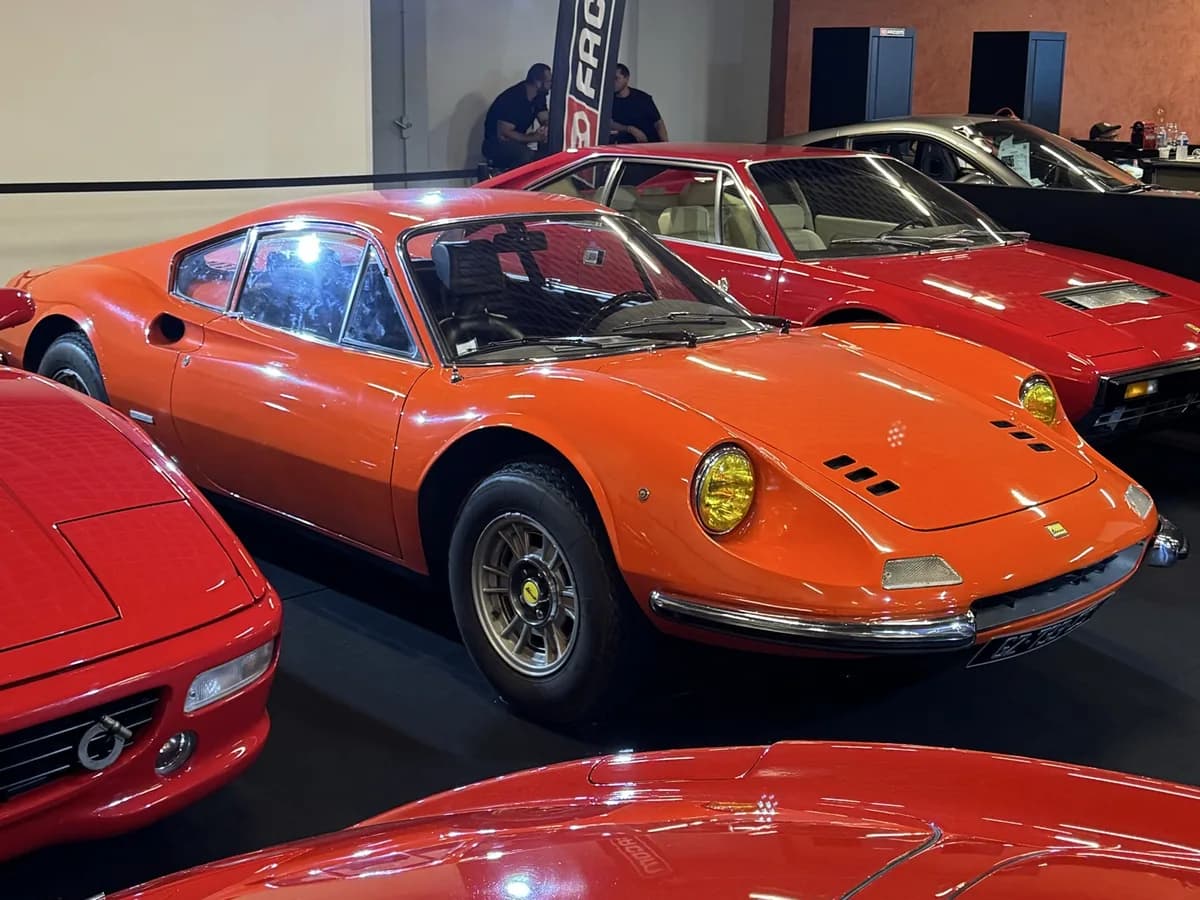
Dino 246
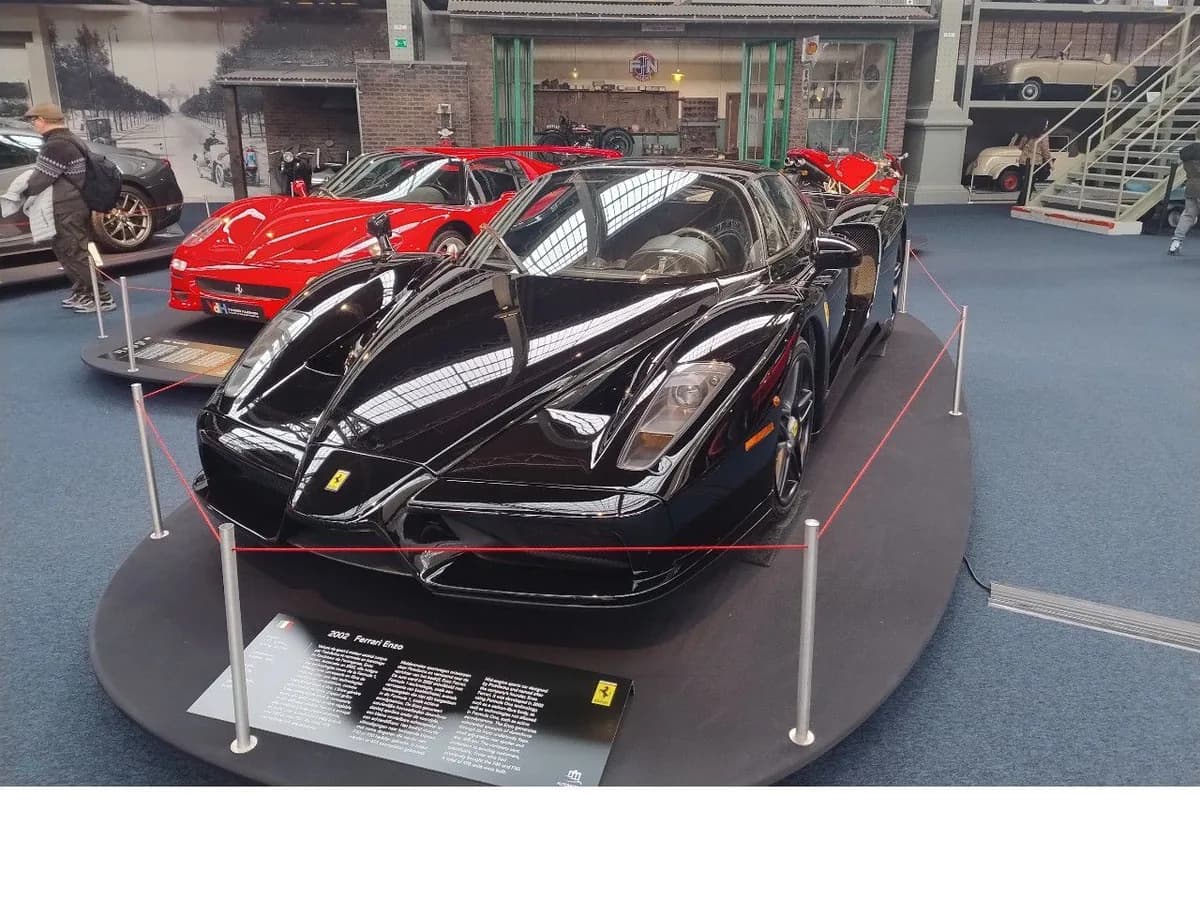
Enzo
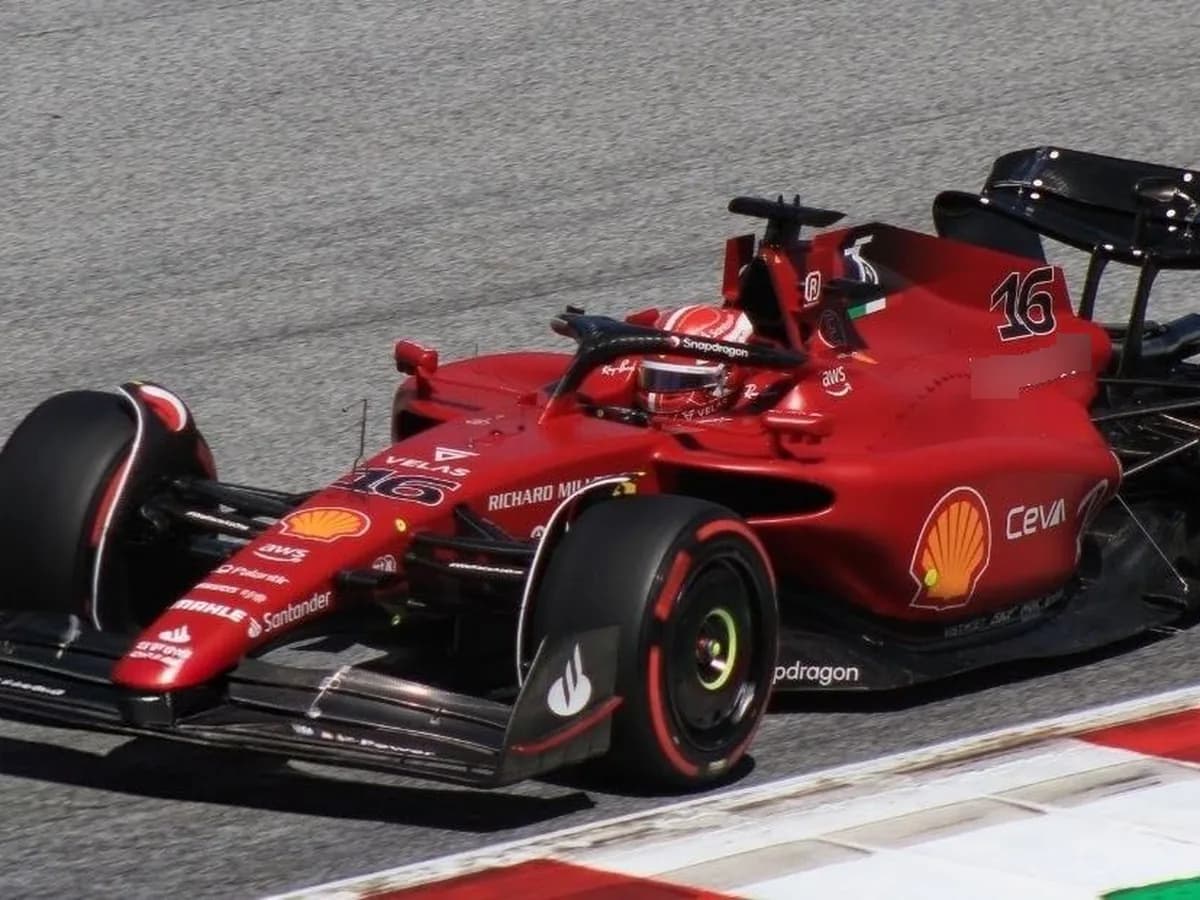
F1-75
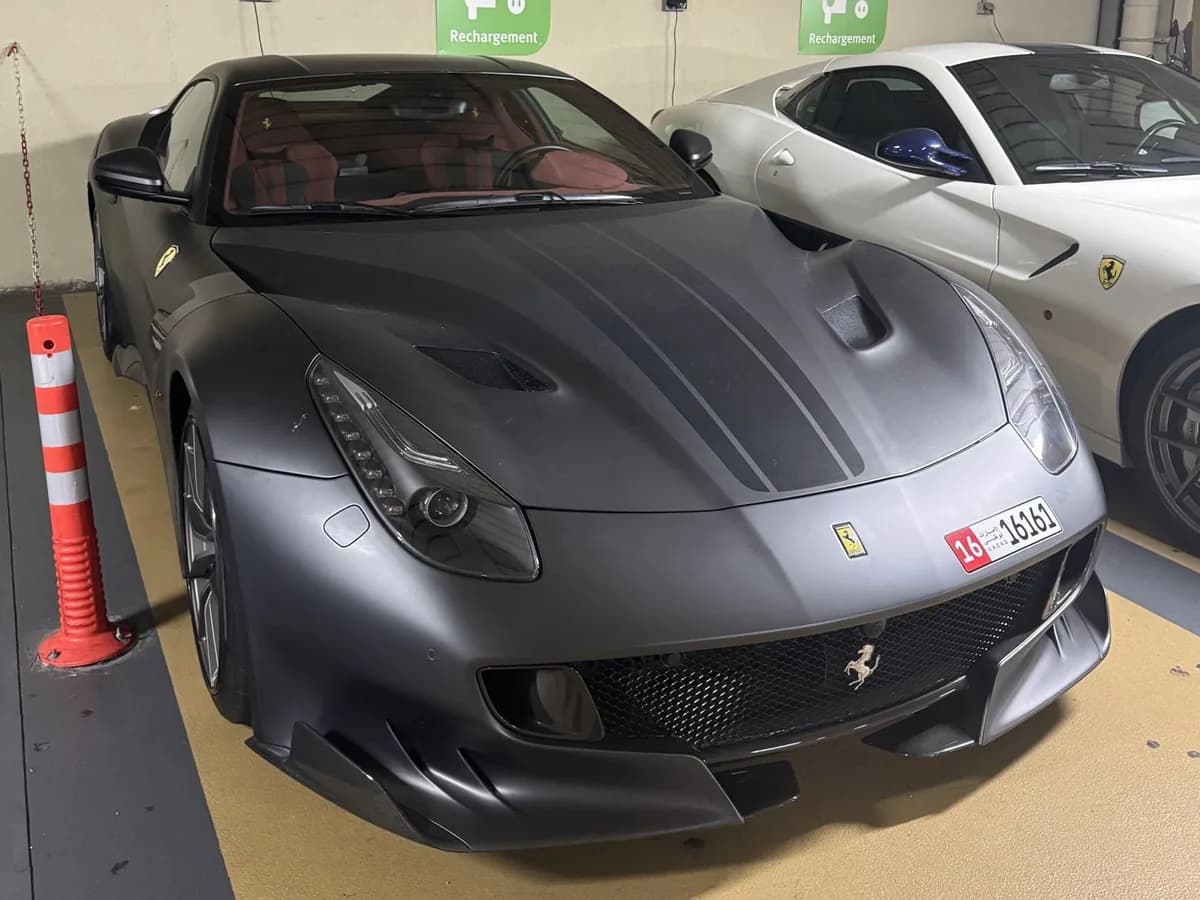
F12
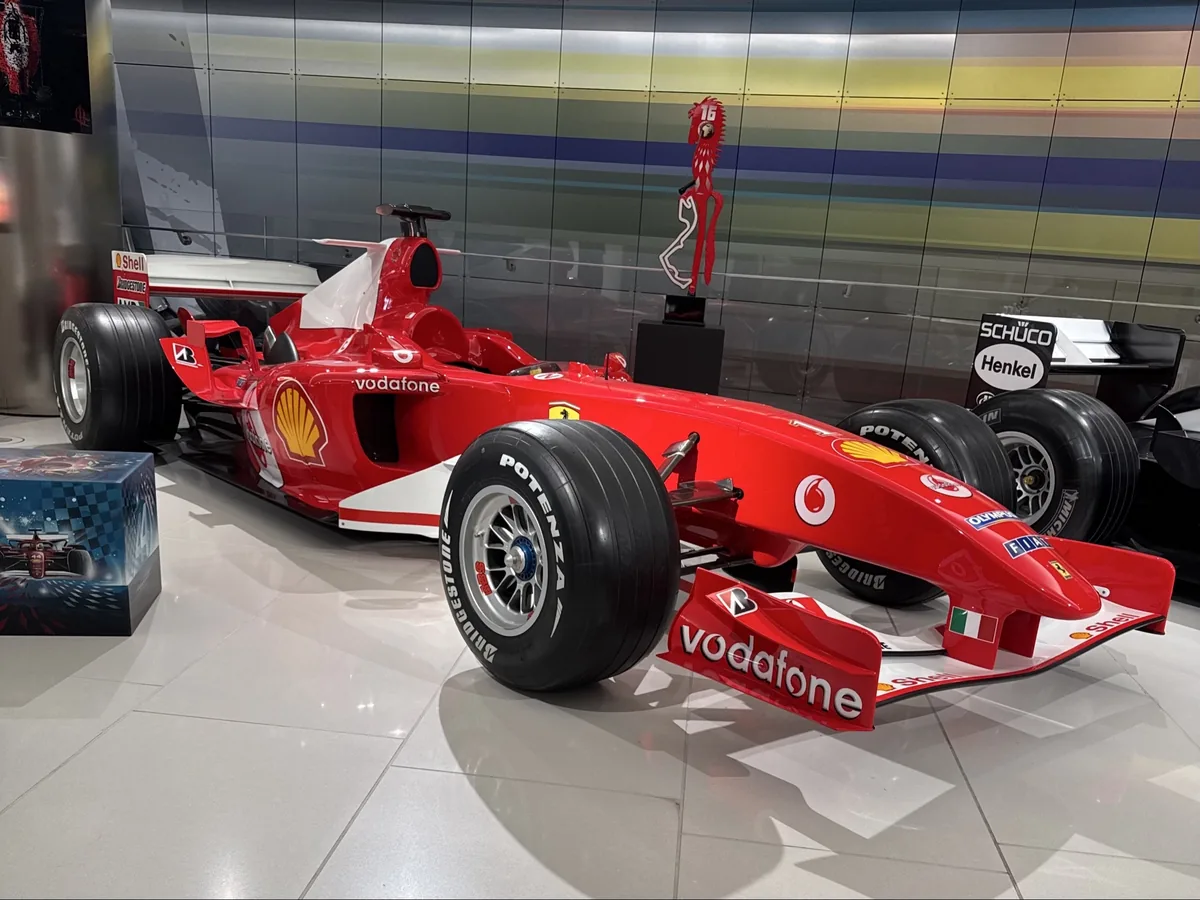
F2003-GA
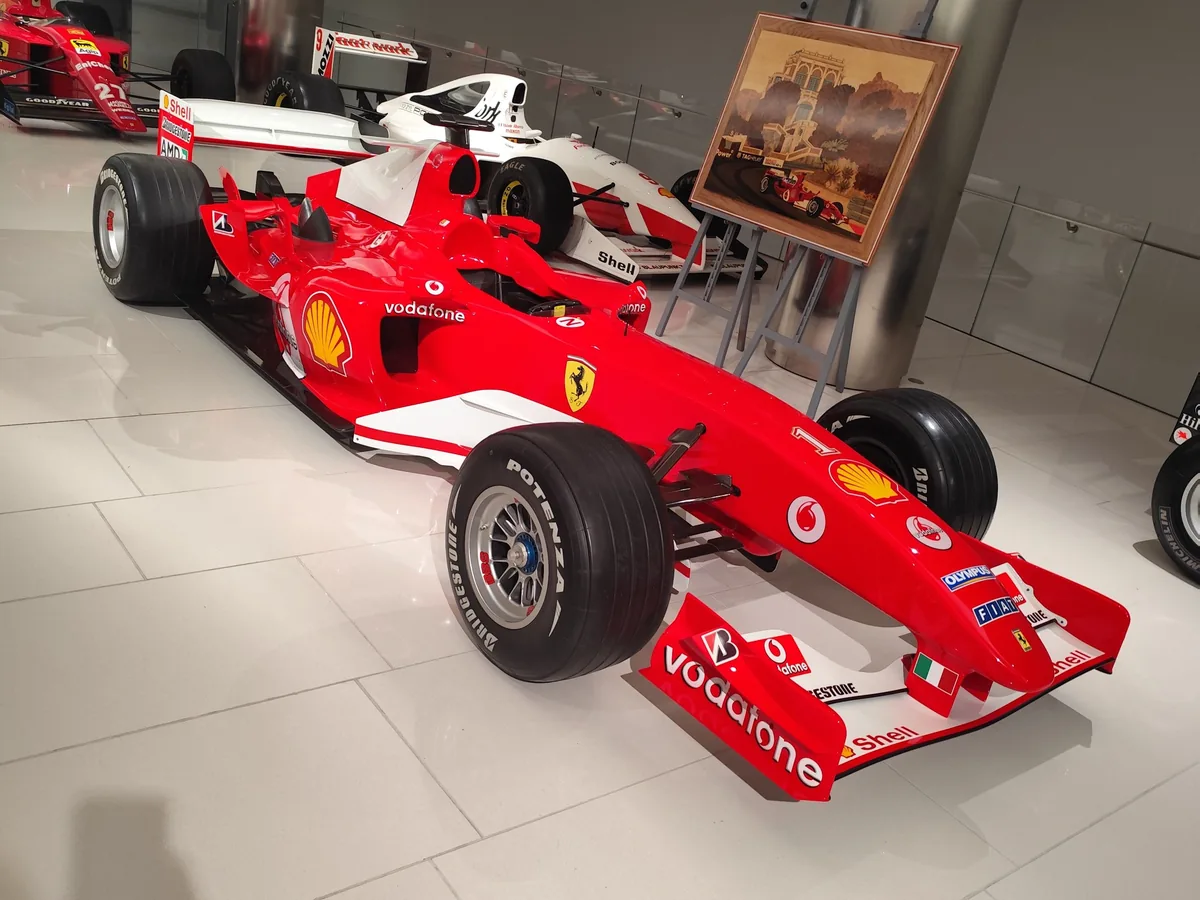
F2004

F355
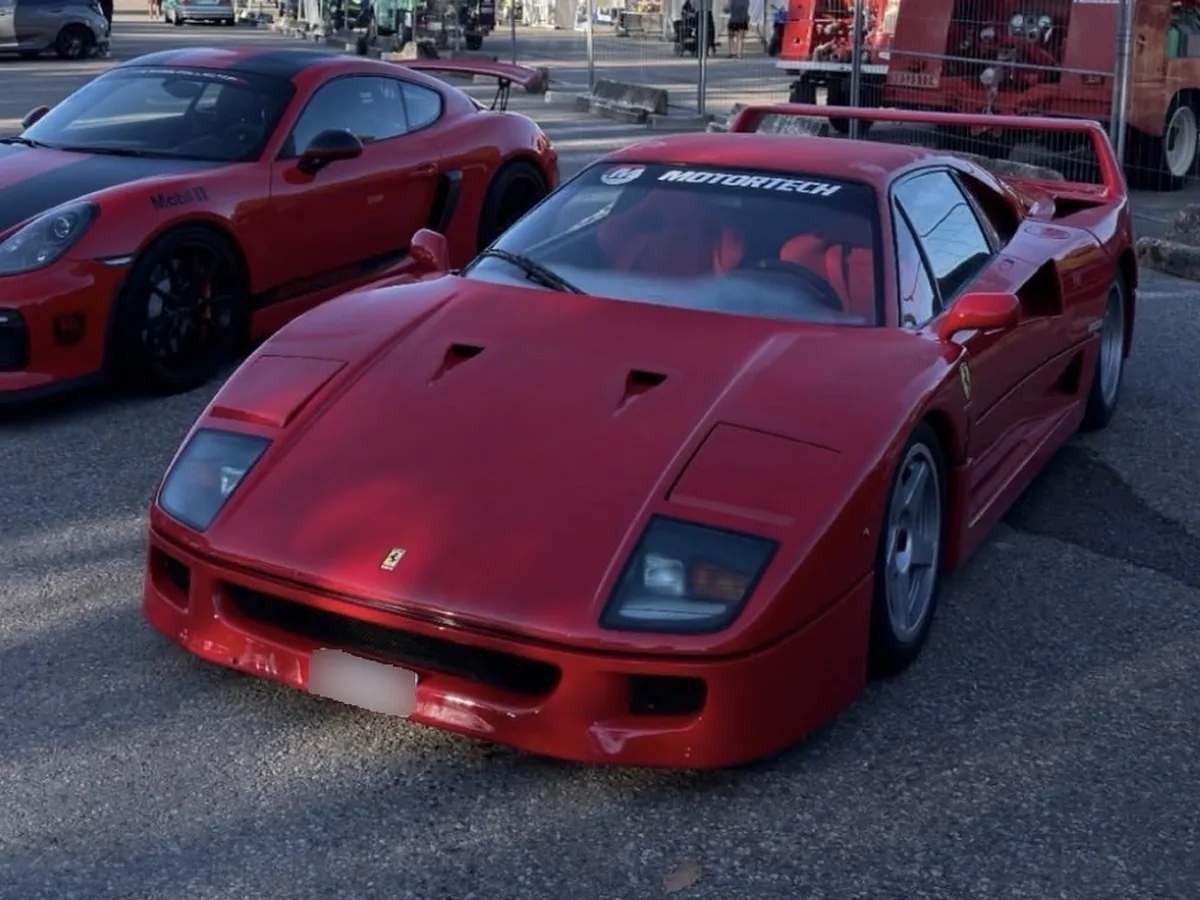
F40
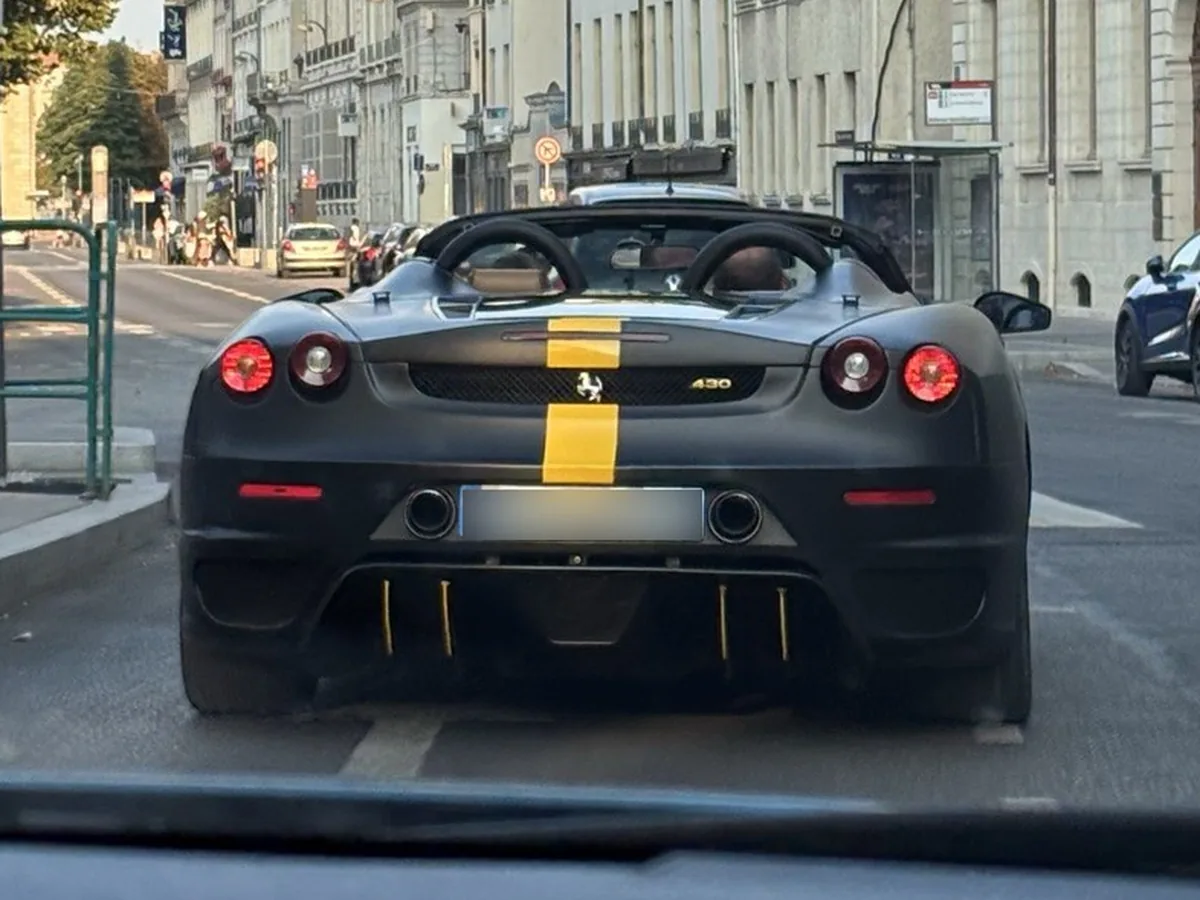
F430

F50

F8
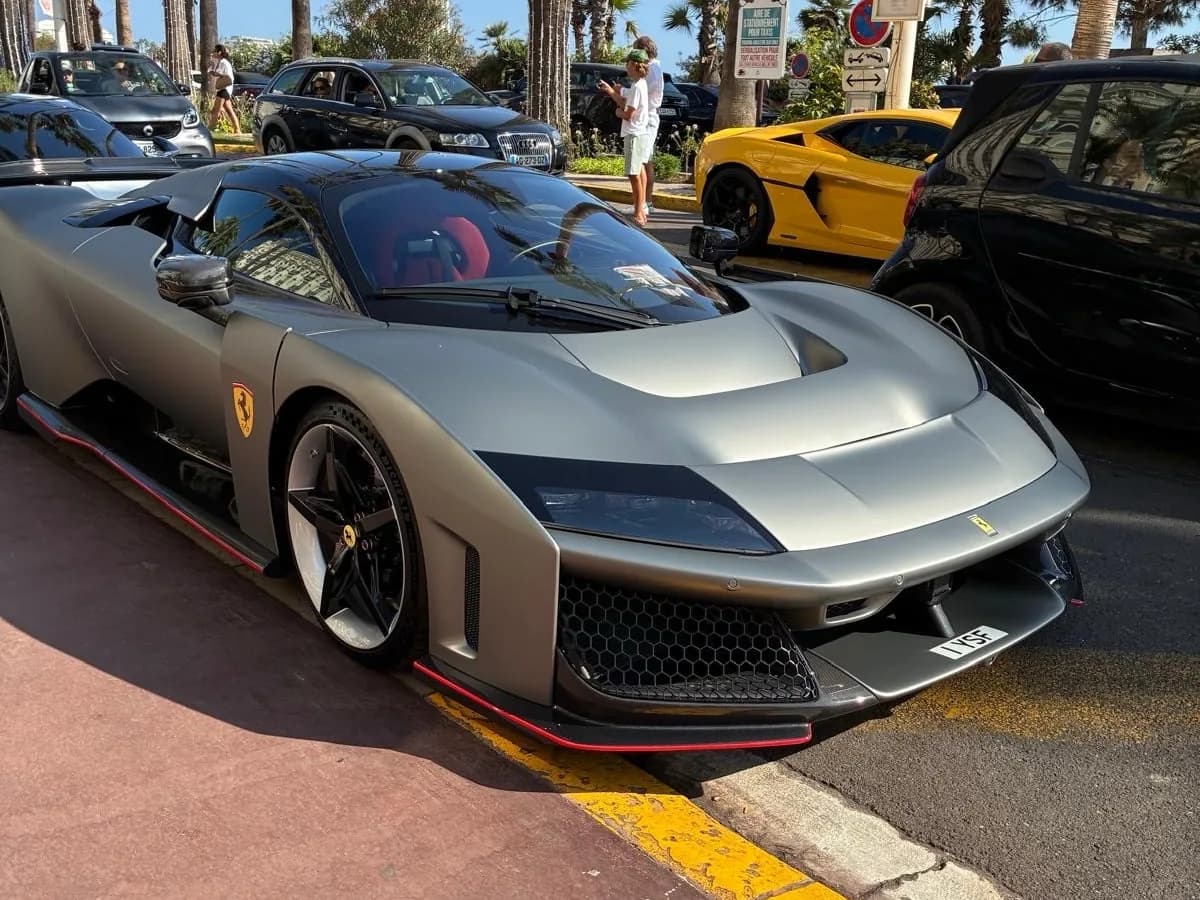
F80
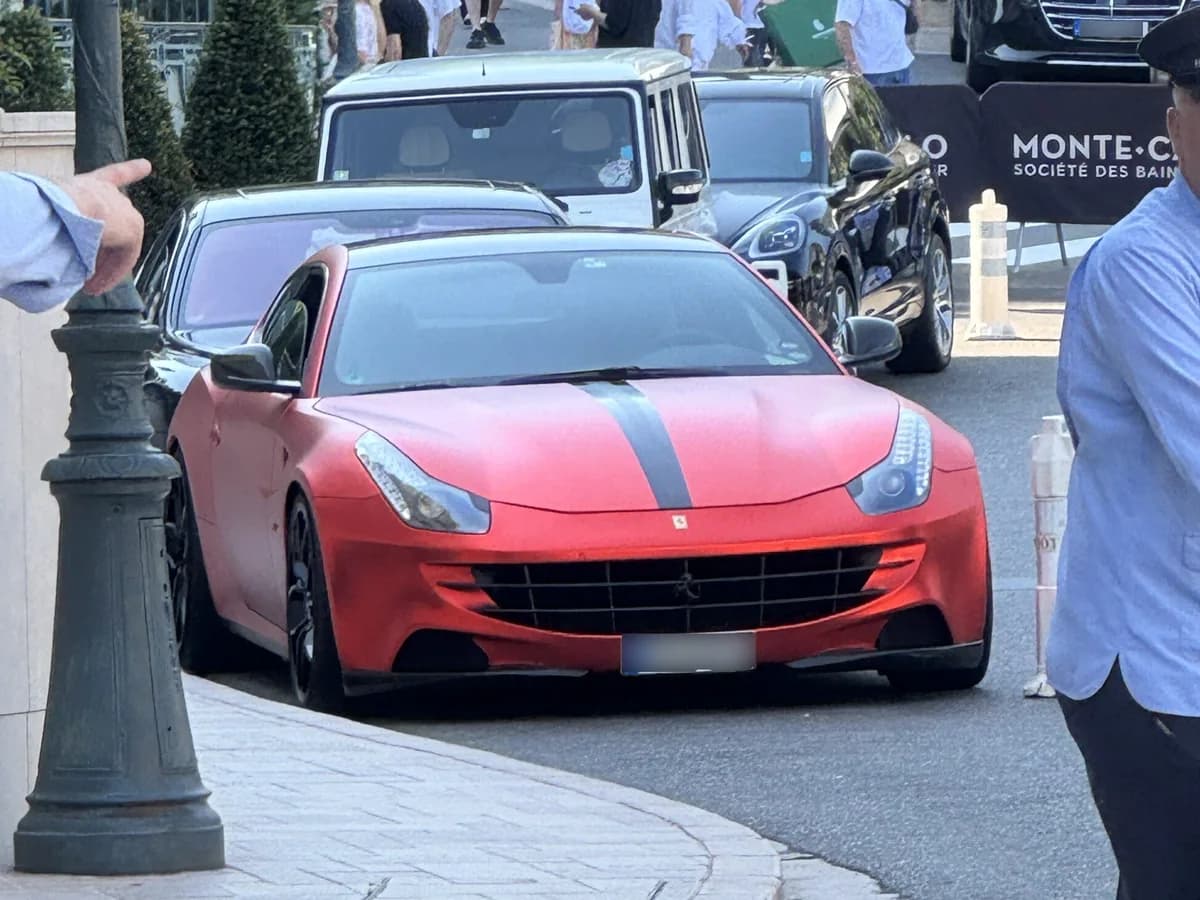
FF

GTC4 Lusso
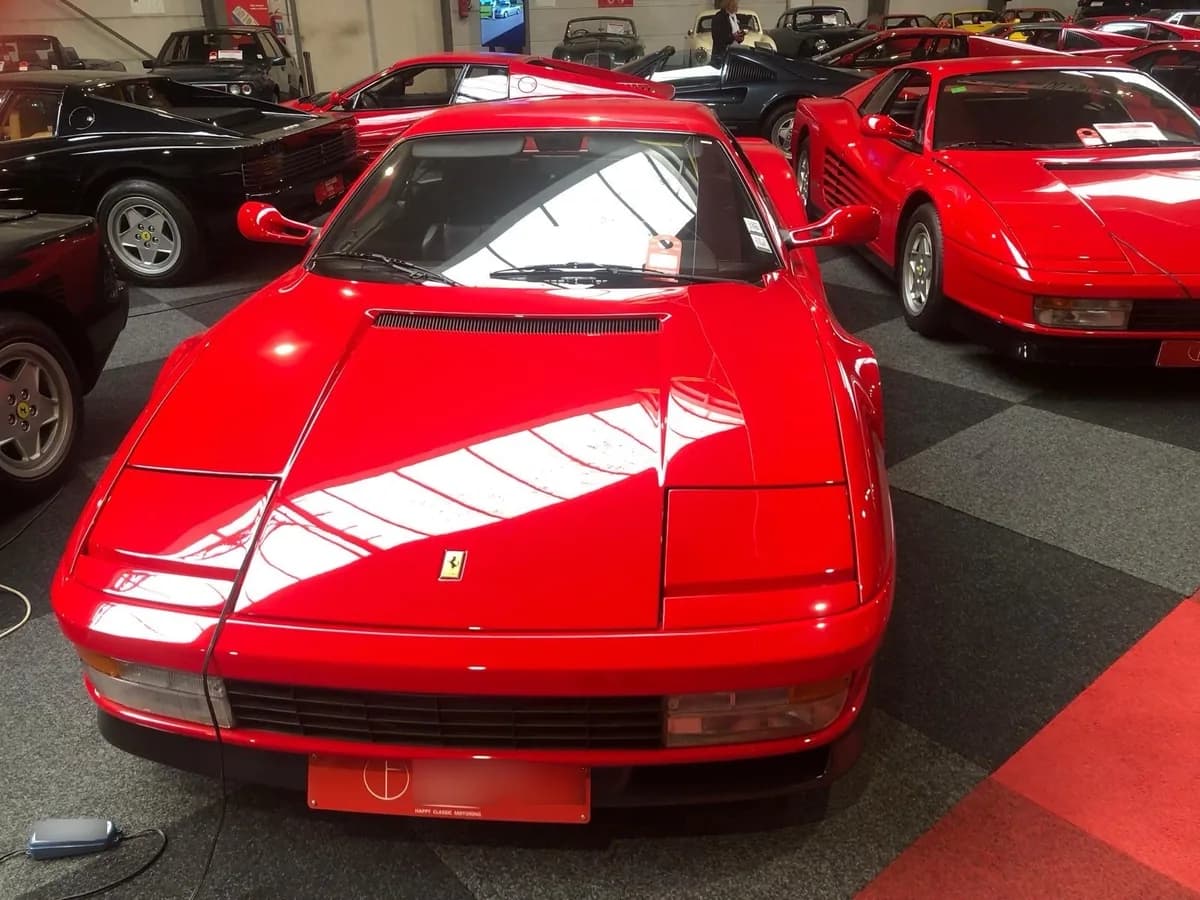
GTO
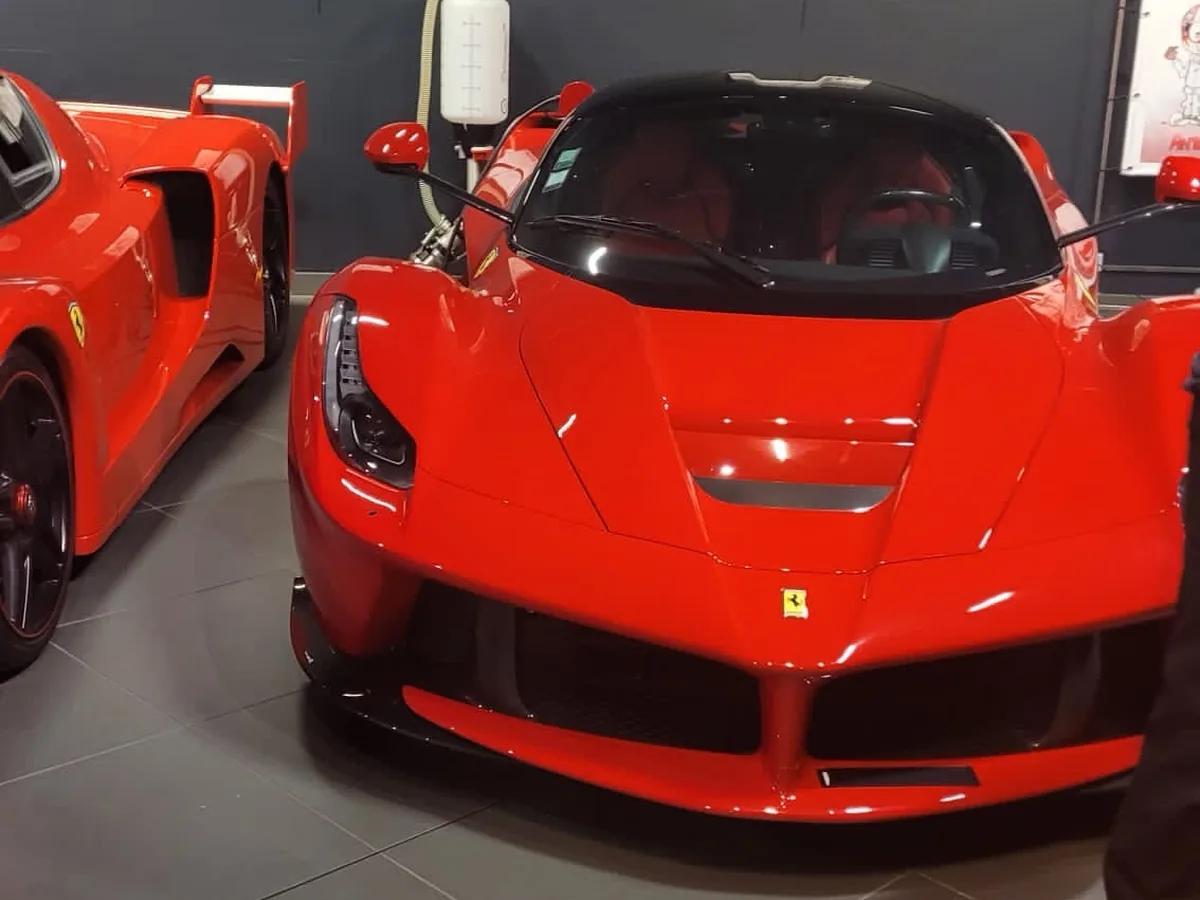
LaFerrari
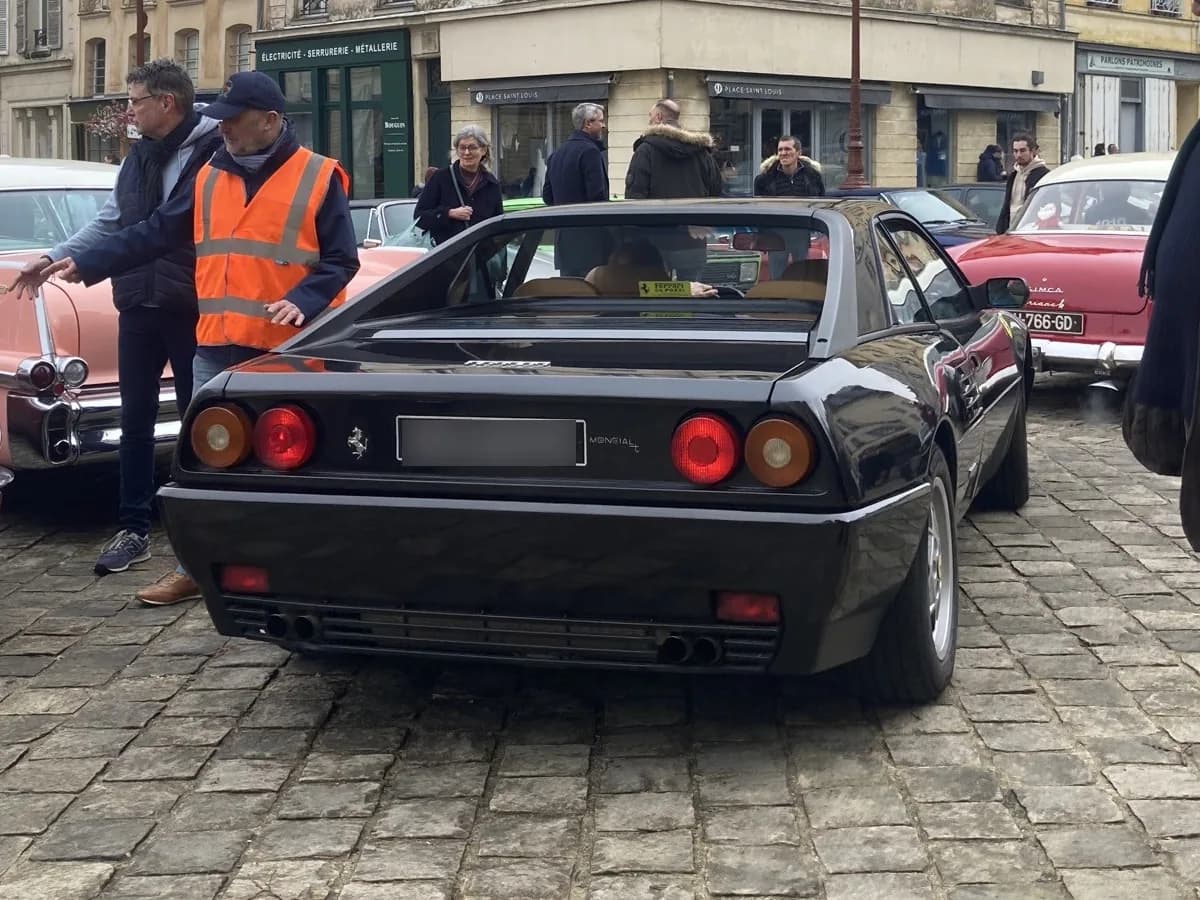
Mondial
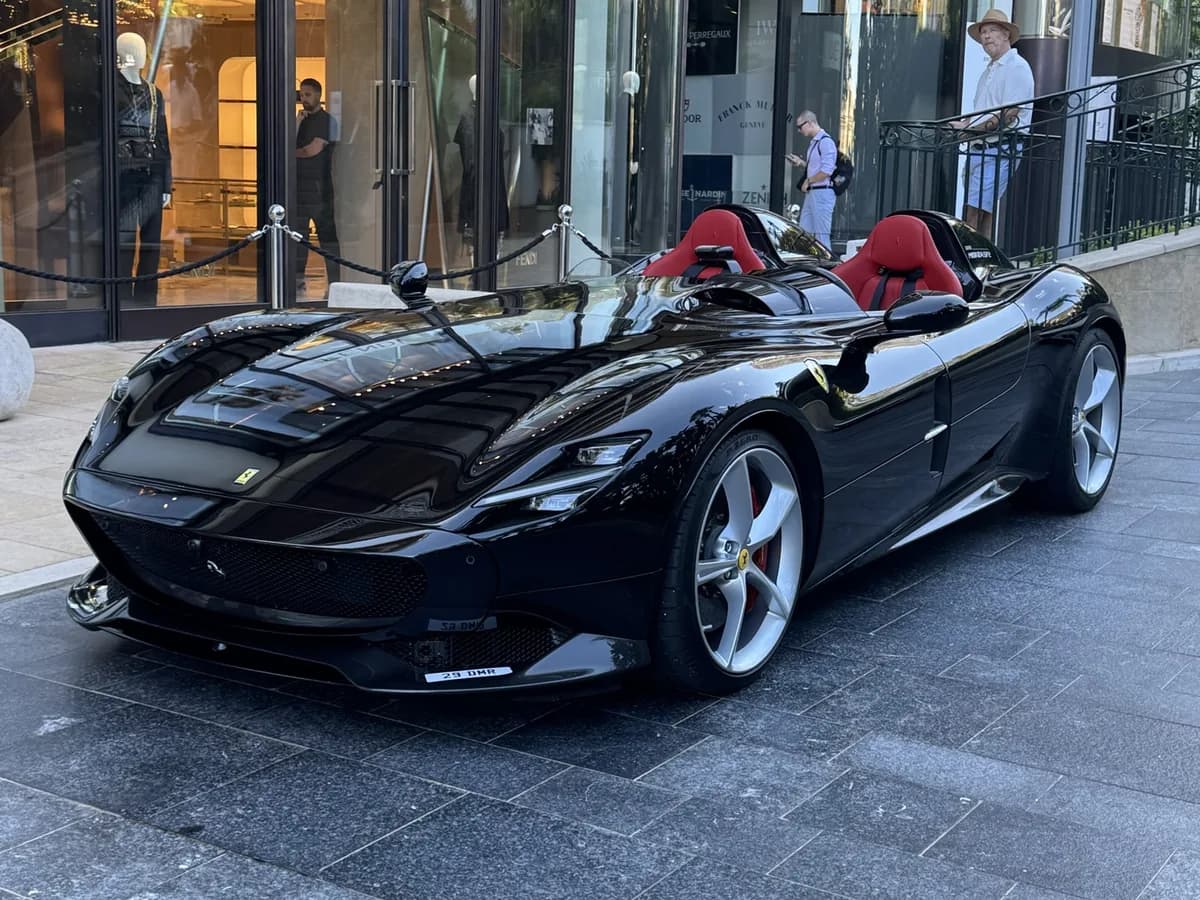
Monza SP
P4 5
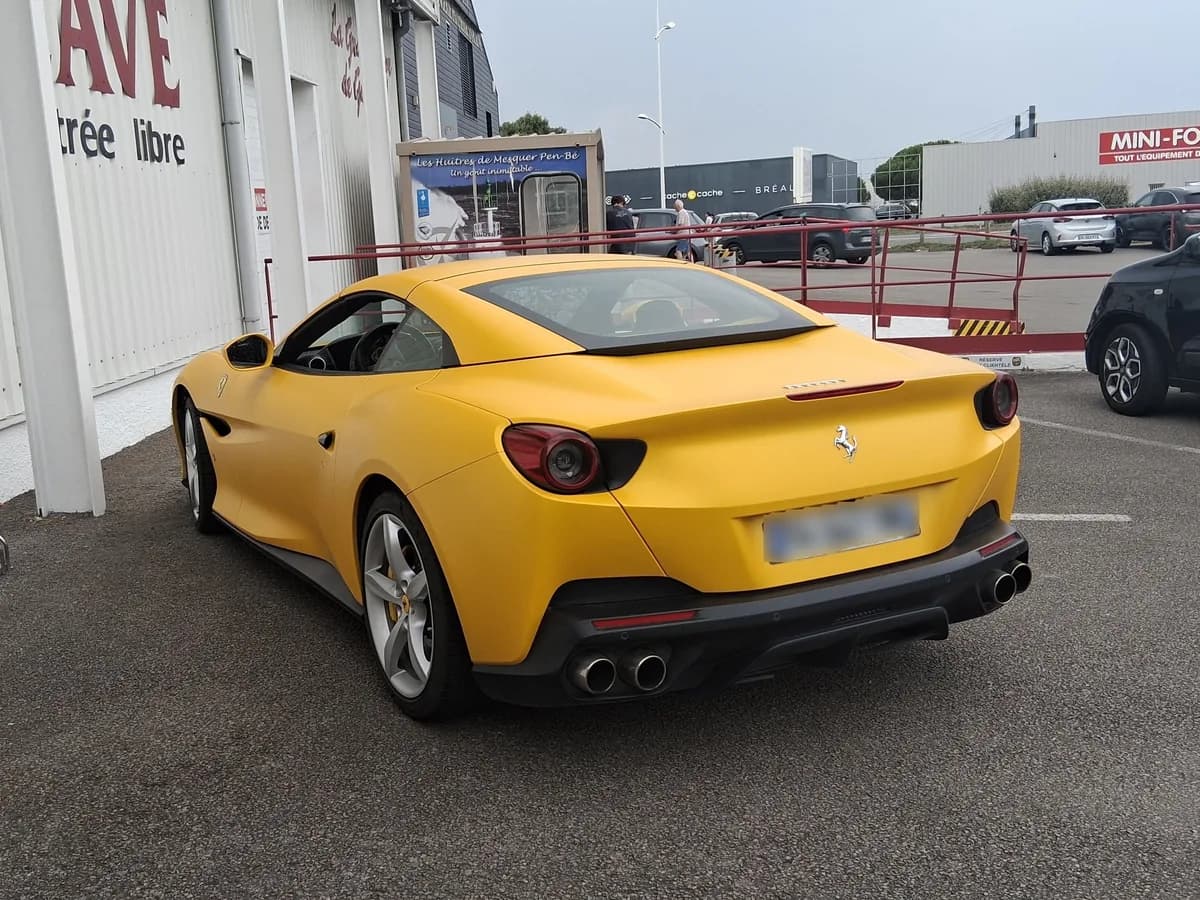
Portofino
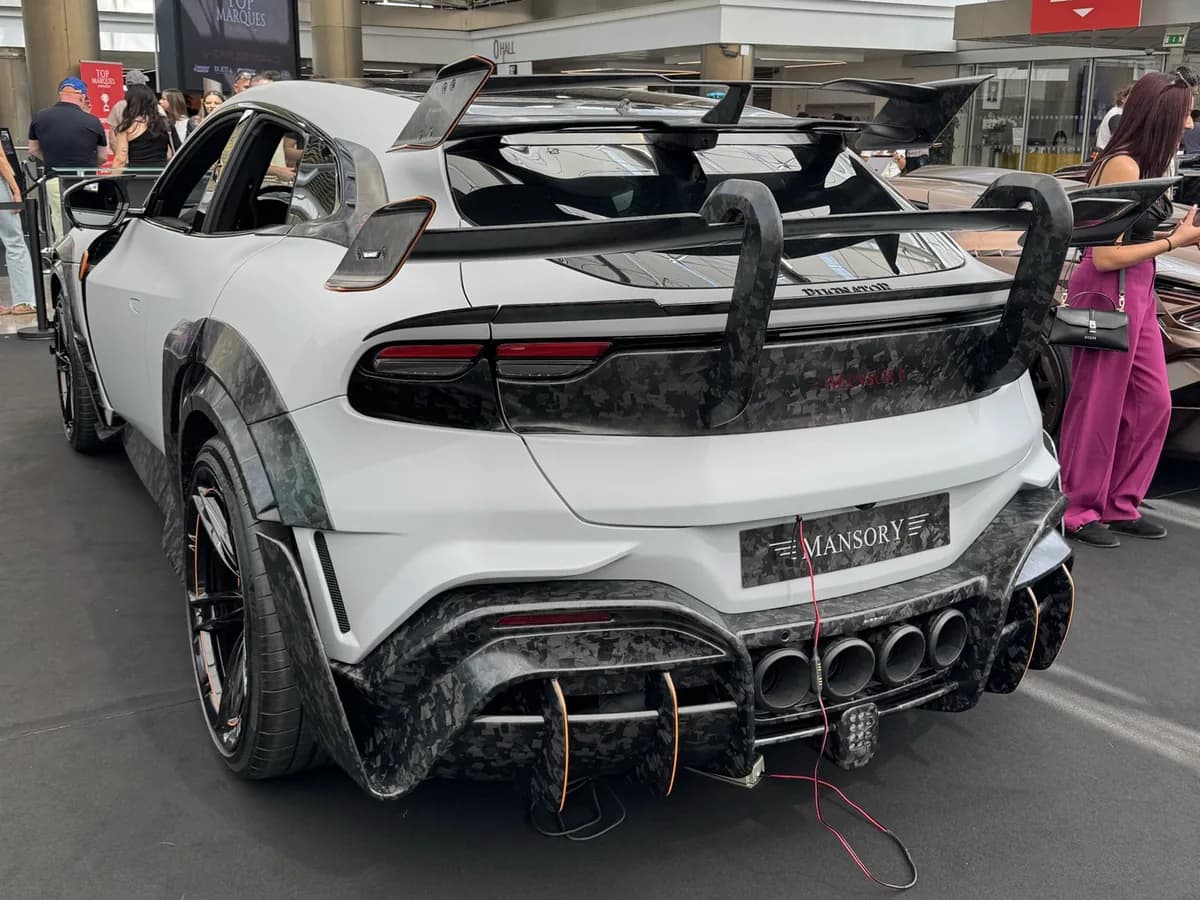
Purosangue
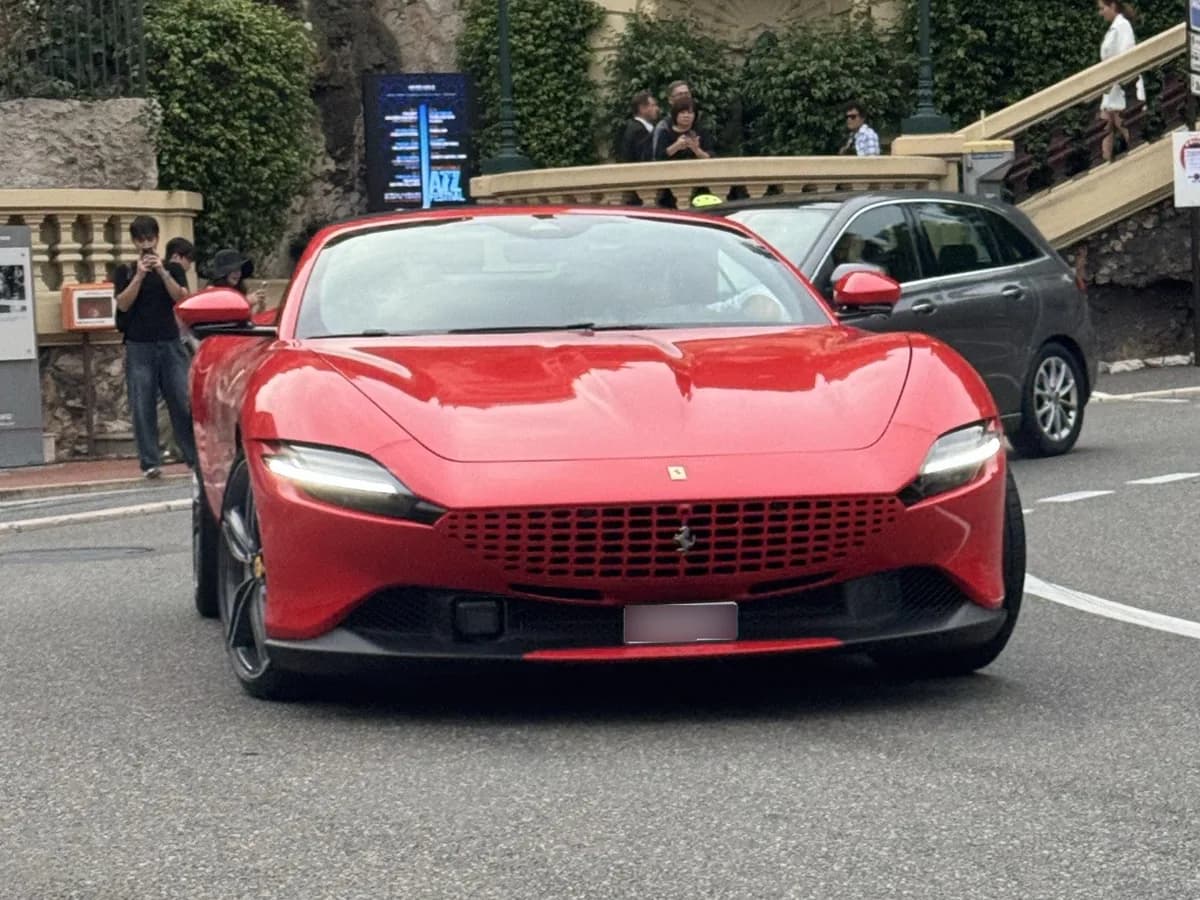
Roma

Scuderia Spider 16M
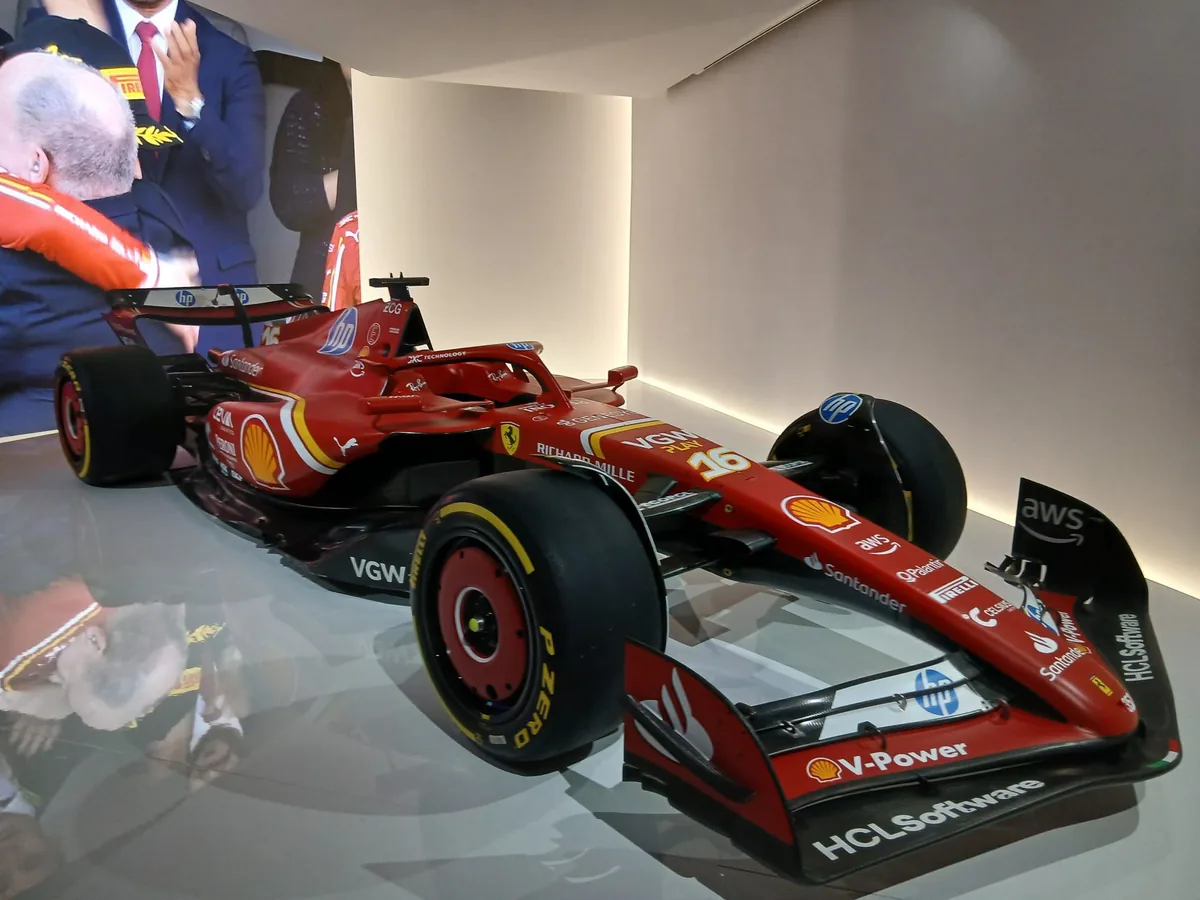
SF-24
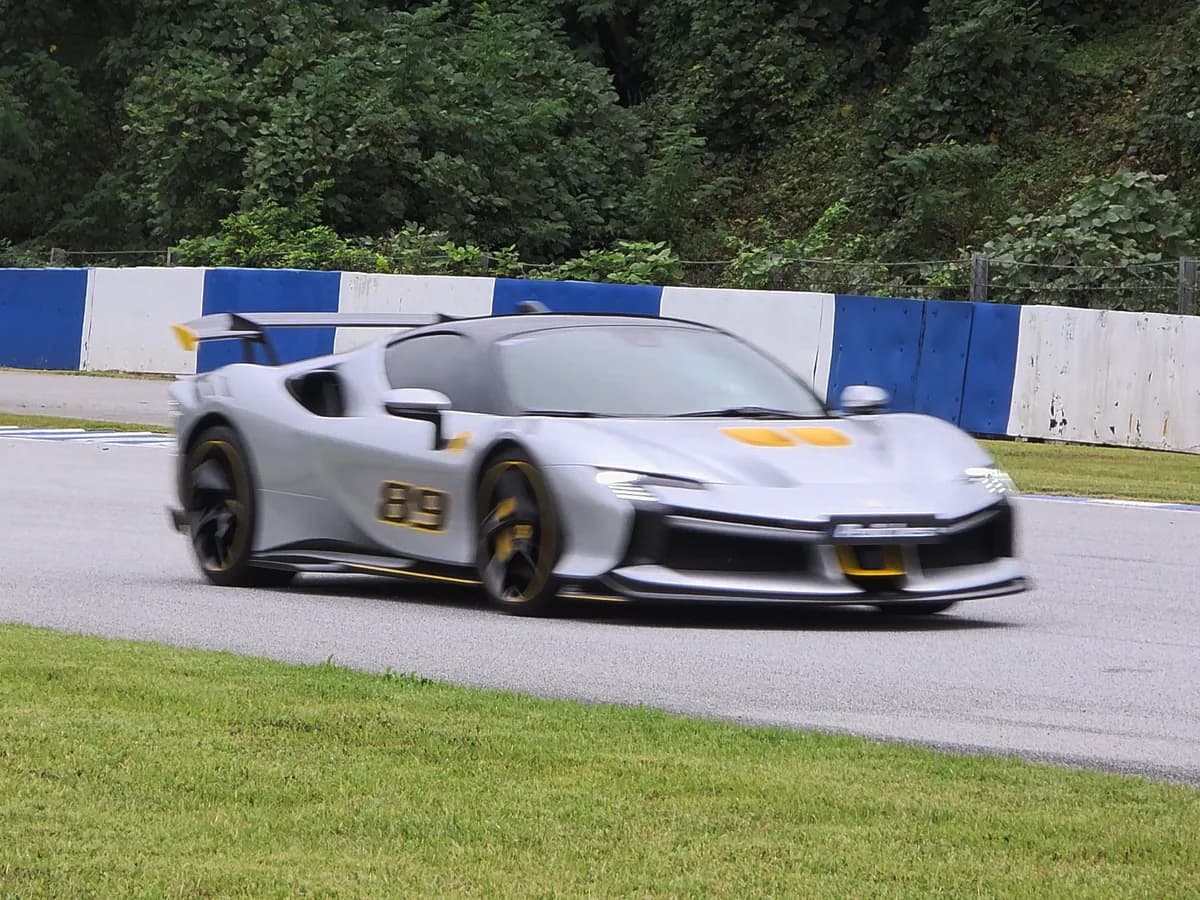
SF90
SP3JC
Superamerica
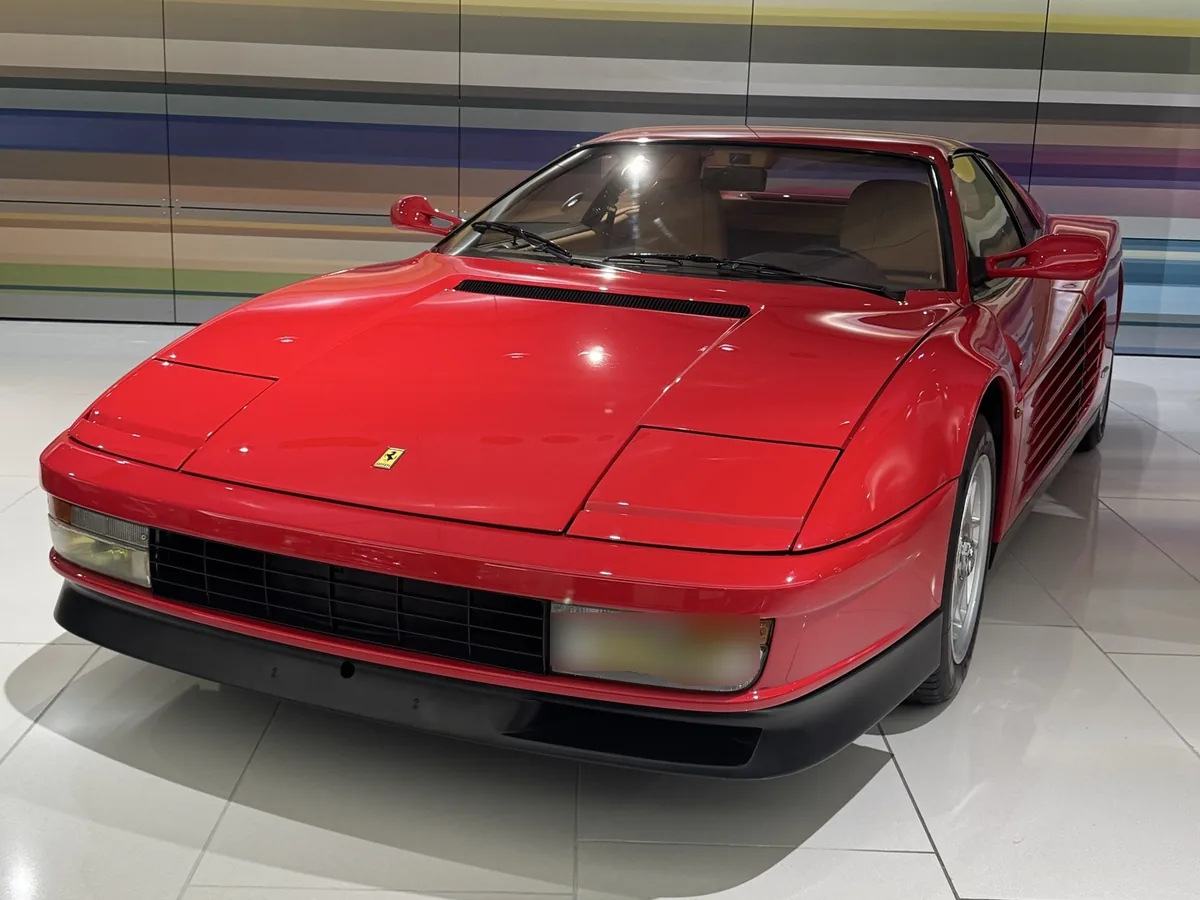
Testarossa
Ferrari overview
Ferrari history
Ferrari’s automotive history begins in Maranello in 1947. On March 12, the engine of the 125 S was started for the first time; on May 25, Franco Cortese gave Ferrari its first victory at the Rome Grand Prix. The company initially relied on a V12 architecture developed under Enzo Ferrari’s direction, a solution that soon proved effective in both racing and road cars. The 166 MM won the 24 Hours of Le Mans in 1949, while the 250, 330 and 365 families established Ferrari in the prestige grand-touring market. Introduced in 1962, the 250 GTO became one of the marque’s defining cars and won the International Championship for GT Manufacturers in 1962, 1963 and 1964. During the 1970s, the 365 GT4 BB introduced a rear-mid-engined Ferrari V12 road car. The 348, 360, 458 and 488 then continued the mid-engined V8 berlinetta lineage. Since 2019, electrification has become a major technical theme through the SF90 Stradale and 296 GTB. This development does not erase Ferrari’s historic identity; it represents an adaptation to changing engineering and regulatory demands.
Ferrari positioning
Ferrari operates in a space where performance is closely tied to exclusivity, technology and driving enjoyment. The manufacturer describes the Prancing Horse as a symbol of exclusivity, performance and quality, while its history directly connects competition cars with road-going models. This explains the coexistence of several distinct characters within the range: front-engined V12 cars emphasise smooth power and grand-touring ability, mid-engined V8s focus more strongly on agility and response, and special series intensify track-oriented performance. The SF90 Stradale and 296 GTB show how plug-in hybrid systems can be integrated into that philosophy rather than replacing it. The Purosangue broadens the product mix further with four doors and four seats while retaining a naturally aspirated V12. The cautious interpretation is therefore one of controlled diversification, not a departure from Ferrari’s traditional two-seat sports-car identity.
Recognizing a Ferrari in a photo
Identifying a Ferrari requires looking first at the period, body shape and likely mechanical layout rather than relying only on the badge. Historic 250, 330 and 365 models are generally front-engined GT cars, often recognisable by their long bonnets and bodies shaped by Italian coachbuilders. The 348, 360, 458 and 488 use the more compact proportions associated with mid-engined V8 berlinettas. The 458 is notable for its naturally aspirated 4.5-litre V8, while the 488 introduced a twin-turbo V8 within that model lineage. The 812 belongs to Ferrari’s large front-engined V12 tradition; its four round rear lamps and fastback profile can help separate it from other generations. The SF90 and 296 require closer attention: their contemporary lighting signatures and hybrid systems place them in a different technical era. Naming conventions can still vary according to body style, market and special-series specification, so visual identification should be treated as a strong clue rather than absolute proof.
Important Ferrari models
The 250 family is one of Ferrari’s principal historical foundations. It includes the 250 GTO, introduced in 1962 with a nearly 3.0-litre front-mounted V12, along with several road and racing cars produced during the 1950s and 1960s. The 330 and 365 continued Ferrari’s front-engined V12 tradition, with road and competition variants spanning 1962-1966 and 1966-1973 respectively. The 512 marks another important stage, associated with Ferrari’s twelve-cylinder, mid-engined cars during the 1970-1992 period. In the modern era, the 360 and 458 demonstrate the development of mid-engined V8 berlinettas, while the 488 represents the move to a twin-turbocharged V8. The 812 carries forward the large front-engined V12 berlinetta concept. Finally, the SF90 and 296 represent the arrival of plug-in hybrid technology: a V8 with all-wheel drive in the former, and a 120-degree V6 with rear-wheel drive in the latter.
References
- About usFerrari Corporate
- Ferrari HistoryFerrari
- Ferrari 250 GTO: Ferrari HistoryFerrari
- Mythbusters: The first Ferrari V12Ferrari Magazine
- Bloodlines: mid-engined V8s - Part 2Ferrari Magazine
- The Ferrari SF90 Stradale – the new series-production supercarFerrari
- 296 GTB: defining fun to driveFerrari Corporate
- Ferrari Purosangue: Unlike any otherFerrari Corporate