
328
Introduced at the 1985 Frankfurt Motor Show, the Ferrari 328 was the final development of Ferrari's transverse mid-mounted V8 two-seater line that began with the 308. Its name combined a 3.2-liter engine capacity with eight cylinders, while Ferrari quoted 270 hp for the naturally aspirated, four-valve-per-cylinder V8. The car retained a compact two-seat layout, a five-speed manual gearbox, and Pininfarina styling, but gained softer body surfacing, color-matched bumpers, and a redesigned cabin. The range was divided into two body styles: the fixed-roof 328 GTB Berlinetta and the 328 GTS with a removable central roof panel, a configuration more accurately described as a Targa than a conventional convertible. Built until 1989, the 328 represents the final refinement of the 308 formula before Ferrari introduced the 348.
What about the car you photographed?
Upload a photo to get a suggested make, model and likely year.
No account needed for the result · Publish only if you choose
Variants by year
Make: Ferrari · Model: 328
2 / 2 versions shown
1985
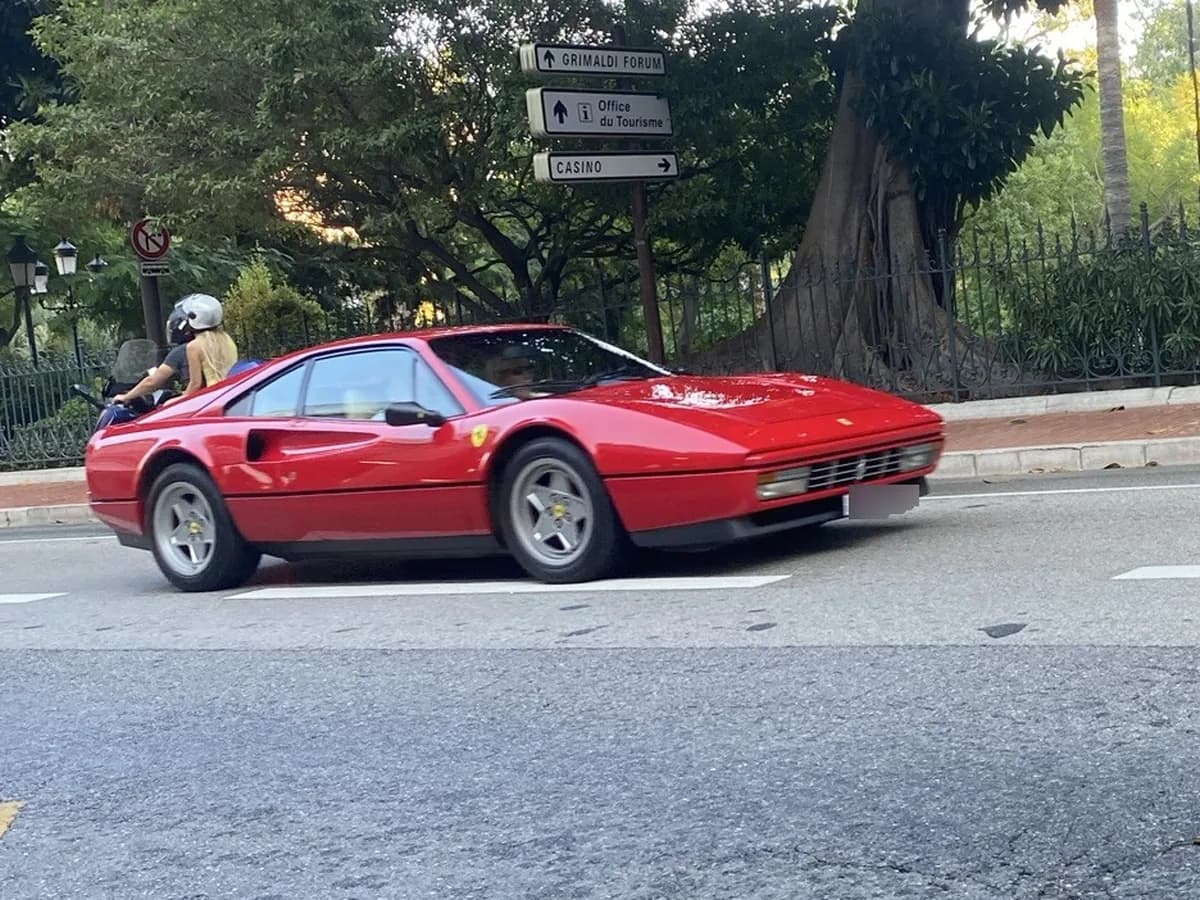
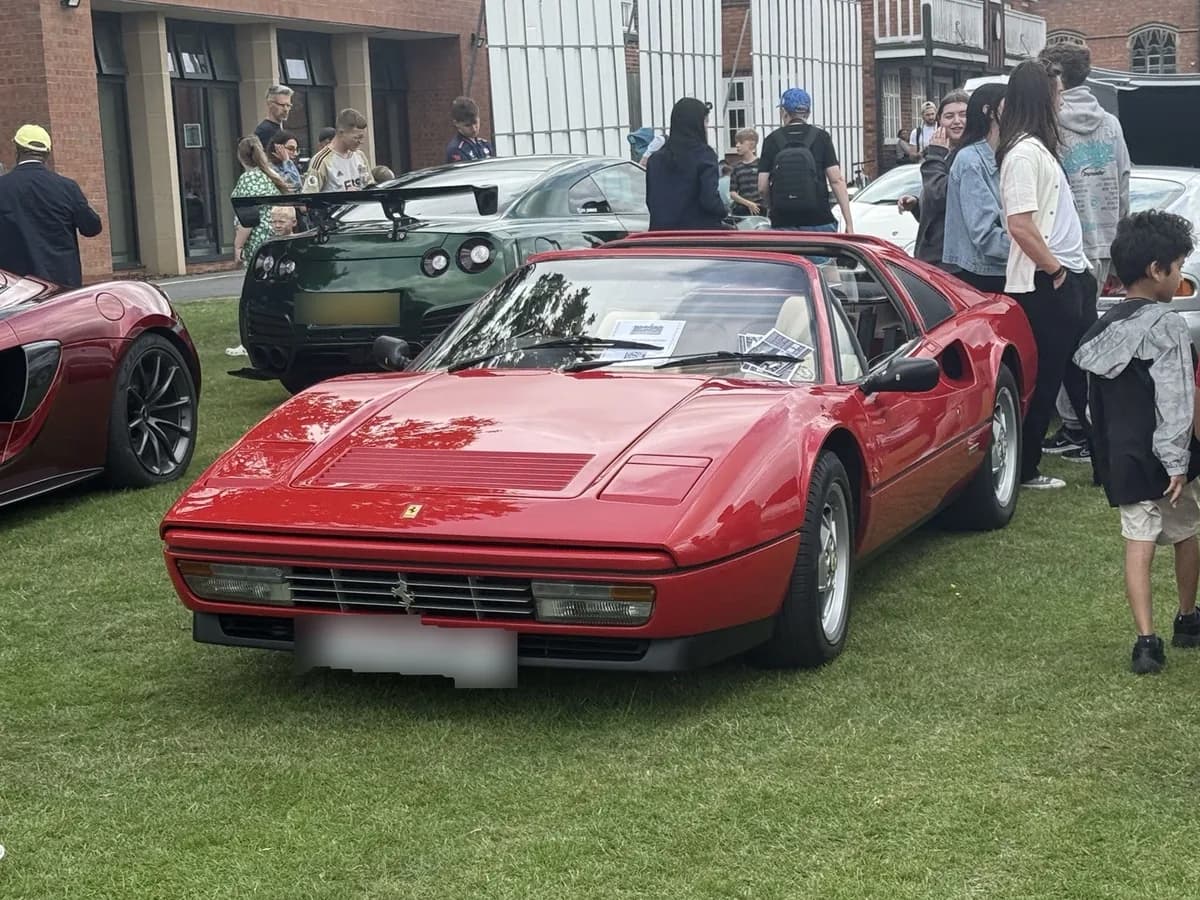
Ferrari 328 photos
Model summary
Data from the ScanRacer library, organized to compare versions quickly.
Model introduction
Introduced at the 1985 Frankfurt Motor Show, the Ferrari 328 was the final development of Ferrari's transverse mid-mounted V8 two-seater line that began with the 308. Its name combined a 3.2-liter engine capacity with eight cylinders, while Ferrari quoted 270 hp for the naturally aspirated, four-valve-per-cylinder V8. The car retained a compact two-seat layout, a five-speed manual gearbox, and Pininfarina styling, but gained softer body surfacing, color-matched bumpers, and a redesigned cabin. The range was divided into two body styles: the fixed-roof 328 GTB Berlinetta and the 328 GTS with a removable central roof panel, a configuration more accurately described as a Targa than a conventional convertible. Built until 1989, the 328 represents the final refinement of the 308 formula before Ferrari introduced the 348.
History
The Ferrari 328 arrived in 1985 as the successor to the 308 Quattrovalvole. Ferrari did not abandon the established formula: the car kept a 90-degree V8 mounted transversely behind the passenger compartment, a manual transmission, and a tubular steel chassis with independent suspension. The main mechanical change was the increase in displacement to 3,185 cc, accompanied by revised engine internals and electronic ignition. Pininfarina reshaped the body with softer surfaces and a less sharply wedged profile. Color-matched bumpers, a redesigned front treatment, and revised hood ventilation helped distinguish the 328 from the final 308 models while preserving the recognizable mid-engined Ferrari theme. The cabin was also updated, with revised seats, dashboard elements, door panels, and center-console controls. During 1988, Ferrari revised the front suspension geometry and steering arrangement to accommodate anti-lock braking. Later cars can also be identified by their convex-faced 16-inch alloy wheels. Production ended in 1989, when the 348 introduced a more substantial change in Ferrari's mid-engined V8 range. In historical terms, the 328 is best understood as a carefully developed conclusion to the 308 architecture rather than an entirely new generation.
Generations
Ferrari did not formally divide the 328 into several named generations. Its development can nevertheless be understood in two broad phases. The first cars, introduced in 1985, used the original specification: a 3.2-liter V8, updated Pininfarina bodywork, a five-speed manual gearbox, and concave-faced alloy wheels. This configuration remained the foundation of the model for most of its production life. A later phase appeared during 1988, when Ferrari revised the suspension and steering arrangement to improve the chassis and accommodate anti-lock braking. The convex-faced alloy wheels are the easiest external clue to these later cars, although equipment varied by market and model year. In the United States, ABS became standard for 1989 models according to specialist sources, while earlier availability differed by market. For that reason, a calendar year alone is not always enough to identify a car's specification; the chassis number, delivery market, and factory documentation provide a more reliable reference. Across the entire range, the fundamental distinction is therefore not between multiple generations but between the GTB fixed-roof Berlinetta and the GTS removable-roof Targa. The 328's story is one of progressive refinement leading to the 348, not a series of radically separate designs.
Key differences
The principal difference is between the 328 GTB Berlinetta and the 328 GTS Targa. The GTB has a fixed roof and the continuous profile of a conventional coupe, while the GTS uses a removable central roof panel above the occupants. Ferrari sometimes referred to it as a Spider, but the design is more accurately described as a Targa than as a soft-top convertible. Both versions share the same transverse 3.2-liter V8, five-speed manual transmission, and basic chassis architecture. The meaningful variations therefore concern body structure, cabin light, and the ability to drive with the roof panel removed. The GTS was produced in considerably greater numbers than the GTB, making it the more commonly encountered body style. Differences between later model years relate mainly to suspension revisions, wheel design, and anti-lock braking rather than a fundamental change in engine identity. Exact specifications should still be checked against the car's delivery market, chassis number, and original documentation, because equipment and terminology were not identical worldwide.
Photo recognition
A Ferrari 328 is first identified by its mid-engined two-seat profile, pop-up headlamps, and integrated bumpers painted in the body color. Compared with the 308 Quattrovalvole, the 328 has a softer front design, more modern combined indicator and driving-lamp units, and revised hood ventilation. Flush-fitting door handles and five-spoke alloy wheels are also typical features. To distinguish the body styles, inspect the roof: a GTB has a fixed roof, while a GTS uses a removable black central panel and a dedicated roof structure behind the seats. Later cars, generally associated with the 1988 update, may use convex-faced wheels instead of the earlier concave design. Some 1988 and 1989 examples also carry small Prancing Horse emblems on the door mirrors. These visual details are useful for an initial identification, but they should not be treated as conclusive evidence of model year or market specification. The chassis number, factory records, and original equipment remain the most dependable ways to confirm a particular car.
Important versions
The two essential versions are the 328 GTB and 328 GTS. GTB, meaning Gran Turismo Berlinetta, denotes the fixed-roof coupe and is the less numerous body style. GTS, derived from Ferrari's Gran Turismo Spider terminology, uses a removable central roof panel and accounts for most production. Both versions share the same naturally aspirated 3.2-liter V8 and five-speed manual transmission. Late-production cars, particularly those incorporating the 1988 chassis revisions and anti-lock braking where available for the relevant market, are often sought for their updated specification. They are not separate body styles or a new generation, but technical developments applied to the GTB and GTS. When comparing examples, the most important distinctions are body configuration, production phase, market equipment, originality, and documented maintenance rather than engine displacement.
References
- 328, Last Act: The Final Development of the SeriesFerrari
- The Last Analog Ferrari - 1986-1989 Ferrari 328 GTB/GTSHemmings
- https://www.carcollectorinternational.com/research/buyers-guides/ferrari/328carcollectorinternational.com
- https://www.ferrari.com/en-AU/history/garage/1985/328-gtbferrari.com
- https://www.ferrari.com/it-IT/history/momenti/1985/328-ultimo-atto/moreferrari.com
- https://autopolis.wordpress.com/2018/10/28/1985-1989-ferrari-328-moving-from-magnum/autopolis.wordpress.com
Technical specifications
Structured data available for versions linked to this model.
| Version | Power | Torque | Top speed | Drivetrain | Fuel |
|---|---|---|---|---|---|
| Base | 198.6 KW @ 7000 RPM270 HP @ 7000 RPM266 BHP @ 7000 RPM | 224 lb-ft @ 5500 RPM304 Nm @ 5500 RPM | 163 mph (262 km/h) | Rear Wheel Drive / 5-speed manual | Gasoline |
Frequently asked questions
- What years was the Ferrari 328 produced?
- ScanRacer's referenced versions cover 1985.
- How many Ferrari 328 examples are documented on ScanRacer?
- 6 published scans from 6 members, with the latest photo added in September 2026.
- What is the power output of the Ferrari 328?
- The sourced technical data lists 198.6 KW @ 7000 RPM270 HP @ 7000 RPM266 BHP @ 7000 RPM.
What about the car you photographed?
Upload a photo to get a suggested make, model and likely year.
No account needed for the result · Publish only if you choose