
308
Introduced in 1975, the Ferrari 308 GTB is a two-seat berlinetta with a transversely mounted mid-rear V8, styled by Leonardo Fioravanti for Pininfarina. It followed the Dino 246 GT in Ferrari’s road-car range and established a shape and layout that would define the company’s V8 sports cars for years. The 308 GTS arrived in 1977, retaining the GTB’s basic chassis, engine and styling while adding a removable center roof panel in targa form. Early cars were powered by a 2.9-liter V8 fed by four Weber carburetors, although output and equipment varied between markets. In the ScanRacer catalogue, the opening period is represented by the 1975 GTB and the 1977 GTS. They share the same design language, but the roof configuration provides the clearest first distinction.
What about the car you photographed?
Upload a photo to get a suggested make, model and likely year.
No account needed for the result · Publish only if you choose
Variants by year
Make: Ferrari · Model: 308
2 / 2 versions shown
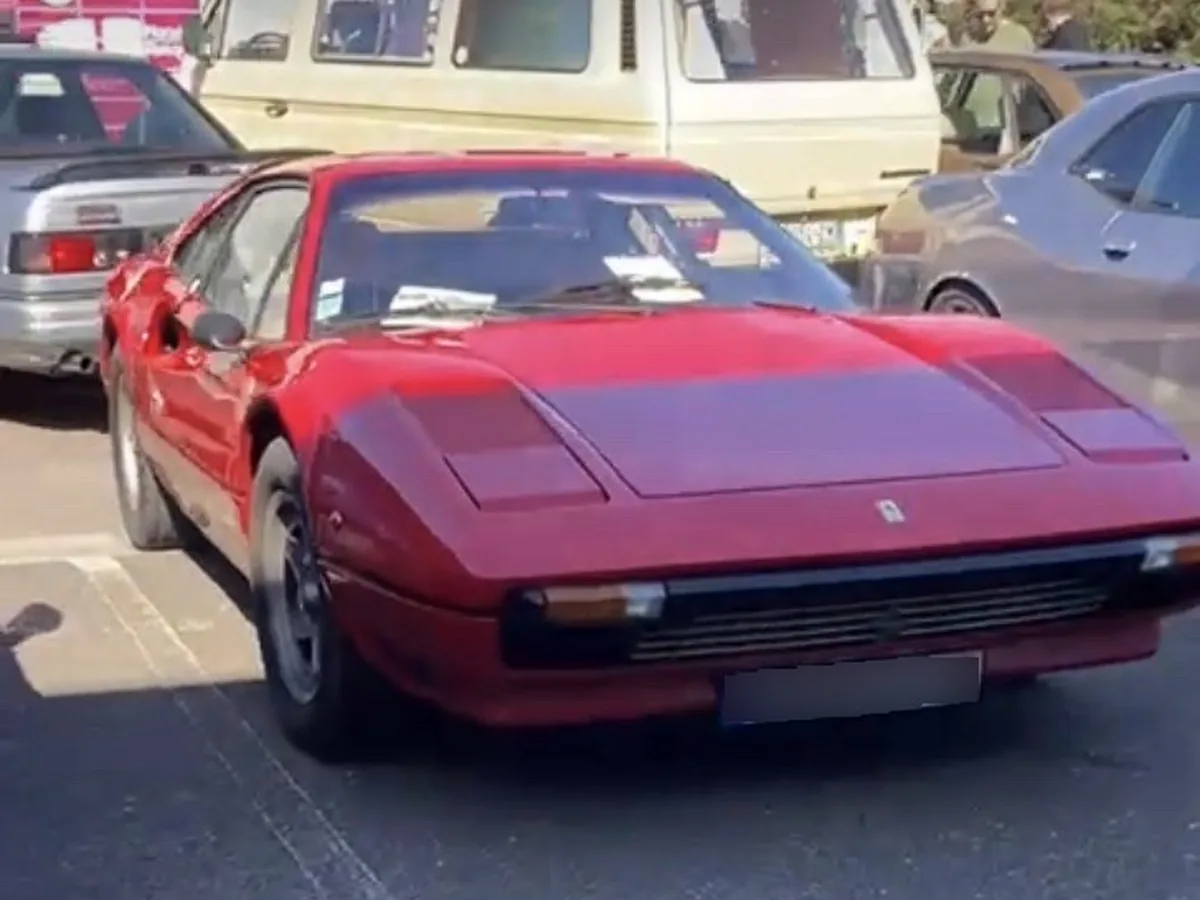
1977
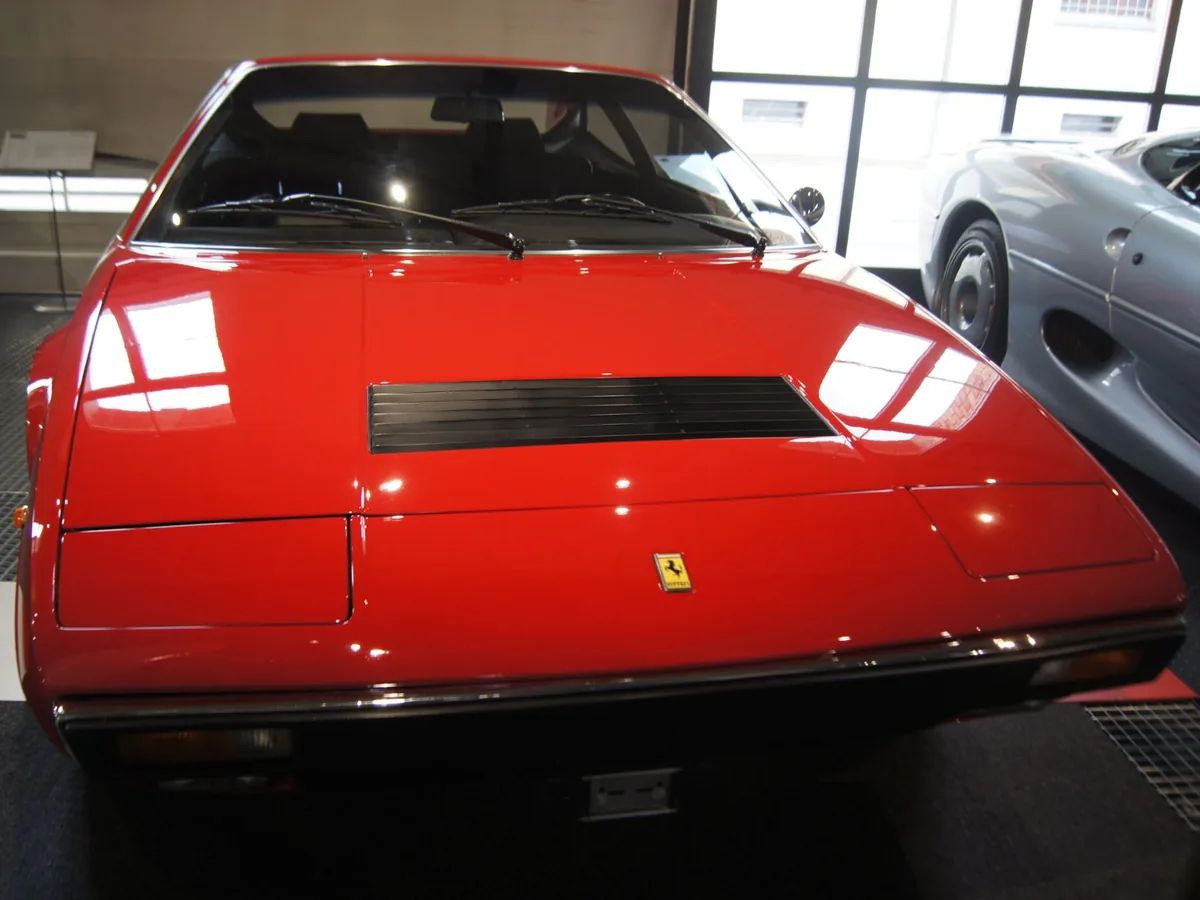
1975
Ferrari 308 photos
Model summary
Data from the ScanRacer library, organized to compare versions quickly.
Model introduction
Introduced in 1975, the Ferrari 308 GTB is a two-seat berlinetta with a transversely mounted mid-rear V8, styled by Leonardo Fioravanti for Pininfarina. It followed the Dino 246 GT in Ferrari’s road-car range and established a shape and layout that would define the company’s V8 sports cars for years. The 308 GTS arrived in 1977, retaining the GTB’s basic chassis, engine and styling while adding a removable center roof panel in targa form. Early cars were powered by a 2.9-liter V8 fed by four Weber carburetors, although output and equipment varied between markets. In the ScanRacer catalogue, the opening period is represented by the 1975 GTB and the 1977 GTS. They share the same design language, but the roof configuration provides the clearest first distinction.
History
The 308 GTB was unveiled at the 1975 Paris Motor Show as Ferrari’s new mid-engined V8 sports car. Its Pininfarina styling, created by Leonardo Fioravanti, moved away from the softer appearance of the Dino 246 and introduced the sharper profile associated with the later 308 family. The car used a 2,926.9cc V8 mounted transversely behind the cabin, driving through a five-speed manual gearbox. The earliest GTBs were notable for fiberglass body panels, chosen to reduce weight. Ferrari later changed to steel construction during the production run. Published totals for the fiberglass cars vary according to whether different production stages and markets are counted, so a precise single figure should be treated cautiously; specialist sources commonly place the number in the low hundreds. Ferrari expanded the range in 1977 with the 308 GTS. Rather than being a full convertible, it used a removable roof section and retained the GTB’s basic mid-engined layout and mechanical identity. The 308 line then evolved through several stages. Fuel-injected GTBi and GTSi models arrived around 1980, followed by the four-valve Quattrovalvole versions in 1982. These changes addressed emissions and performance requirements while preserving the underlying 308 concept. In 1985, the 328 GTB and GTS succeeded the 308 with revised styling and a larger 3.2-liter engine.
Generations
The 308 family did not change through formal generations in the modern sense; Ferrari developed it through successive body and mechanical phases. The first phase consists of the carbureted 308 GTB introduced in 1975. It used a 2.9-liter V8 with four Weber carburetors, while the earliest examples also featured fiberglass bodywork. Ferrari later adopted steel panels, changing the car’s weight and construction without abandoning the basic Pininfarina design. The next major step was the 308 GTS, introduced in 1977. It preserved the GTB’s core identity but added a removable center roof panel and distinctive rear-quarter treatment. Cars supplied to the United States may also differ from European examples because of market-specific safety, emissions and equipment requirements. As a result, the model year alone cannot establish every specification on an individual car. In 1980, Ferrari replaced carburetors with Bosch K-Jetronic mechanical fuel injection on the GTBi and GTSi. The 1982 Quattrovalvole models brought four valves per cylinder and further detail changes to the body and interior. These later versions are essential to the complete 308 story, but they should be kept separate from the early carbureted GTB and GTS models represented by the 1975 and 1977 ScanRacer entries.
Key differences
The defining difference is body style: the 308 GTB is a closed berlinetta, while the 308 GTS is a targa-roof model. The GTB has a fixed roof and a broad rear window. The GTS uses a removable center roof panel, commonly finished in black, so it is not a conventional full convertible. The GTS also has louvered rear-quarter panels in place of the GTB’s small side glazing. That feature is a useful visual clue, although it should be treated carefully on restored, modified or replica-bodied cars. Both versions share the transverse mid-rear V8 layout, five-speed manual transmission, two-seat cabin and much of the Pininfarina body design. Published power figures differ by market because of emissions equipment and regional tuning. For identification or valuation, the chassis documentation, engine specification and original-market equipment are more reliable than applying one universal performance figure to every 308 GTB or GTS.
Photo recognition
A 308 GTB or GTS can first be identified by its low mid-engined sports-car profile, black side air intakes and pop-up headlamps. Pininfarina’s design combines a tapered nose, a straight beltline and strong rear buttresses. The GTB has a fixed roof and conventional rear-quarter glazing. The GTS is marked by its removable center roof panel, black roof surround and louvered panels behind the doors. Early-model identification requires examining several features rather than relying on one visual detail. The first GTBs are associated with fiberglass bodywork, followed by steel construction, but production boundaries and transition dates are reported differently by specialists. Wheels, bumpers, side repeaters, emissions equipment and dashboard instruments can also vary according to delivery market. A car carrying the 308 name is not automatically an early carbureted GTB or GTS: the later GTBi, GTSi and Quattrovalvole models retained a broadly similar shape. Chassis-number records, factory plates and period documentation are therefore more conclusive than color, wheel style or a single body panel.
Important versions
The two key versions for the opening period are the 1975 308 GTB and the 1977 308 GTS. The GTB established the formula: a 2.9-liter mid-rear V8, five-speed manual transmission and Pininfarina berlinetta bodywork. The earliest fiberglass-bodied examples are especially notable among collectors, although their identity should be confirmed through chassis records and documented history rather than appearance alone. The GTS added a removable targa roof and broadened the 308’s appeal without changing its fundamental architecture. In the model’s wider history, the 1980 GTBi and GTSi introduced mechanical fuel injection, while the 1982 Quattrovalvole versions added four valves per cylinder. Those derivatives are important milestones, but they remain distinct from the early carbureted GTB and GTS models associated with the first production years.
References
- Ferrari 308 GTS: Ferrari HistoryFerrari
- 1975-1989 Ferrari 308/328 GTB/GTS Classic Buyers GuideMotorTrend
- Ferrari 308 GTB/GTS: history, specs and buying guideevo
- Ferrari 308GTB/GTS buyer’s guideClassic & Sports Car
- Ferrari 308 GTB/GTSMotor Sport Magazine
- https://www.ferrari.com/it-SM/history/garage/1977/308-gtsferrari.com
- https://www.ferrari.com/ja-JP/history/garage/1977/308-gtsferrari.com
Technical specifications
Structured data available for versions linked to this model.
| Version | Power | Torque | Top speed | Drivetrain | Fuel |
|---|---|---|---|---|---|
| — | 255 hp (188 kW) at 7,700 rpm | — | — | Rear-wheel drive / Five-speed manual | — |
Frequently asked questions
- What years was the Ferrari 308 produced?
- ScanRacer's referenced versions cover 1975 - 1977.
- How many Ferrari 308 examples are documented on ScanRacer?
- 6 published scans from 6 members, with the latest photo added in October 2026.
- What is the power output of the Ferrari 308?
- The sourced technical data lists 255 hp (188 kW) at 7,700 rpm.
What about the car you photographed?
Upload a photo to get a suggested make, model and likely year.
No account needed for the result · Publish only if you choose