
512
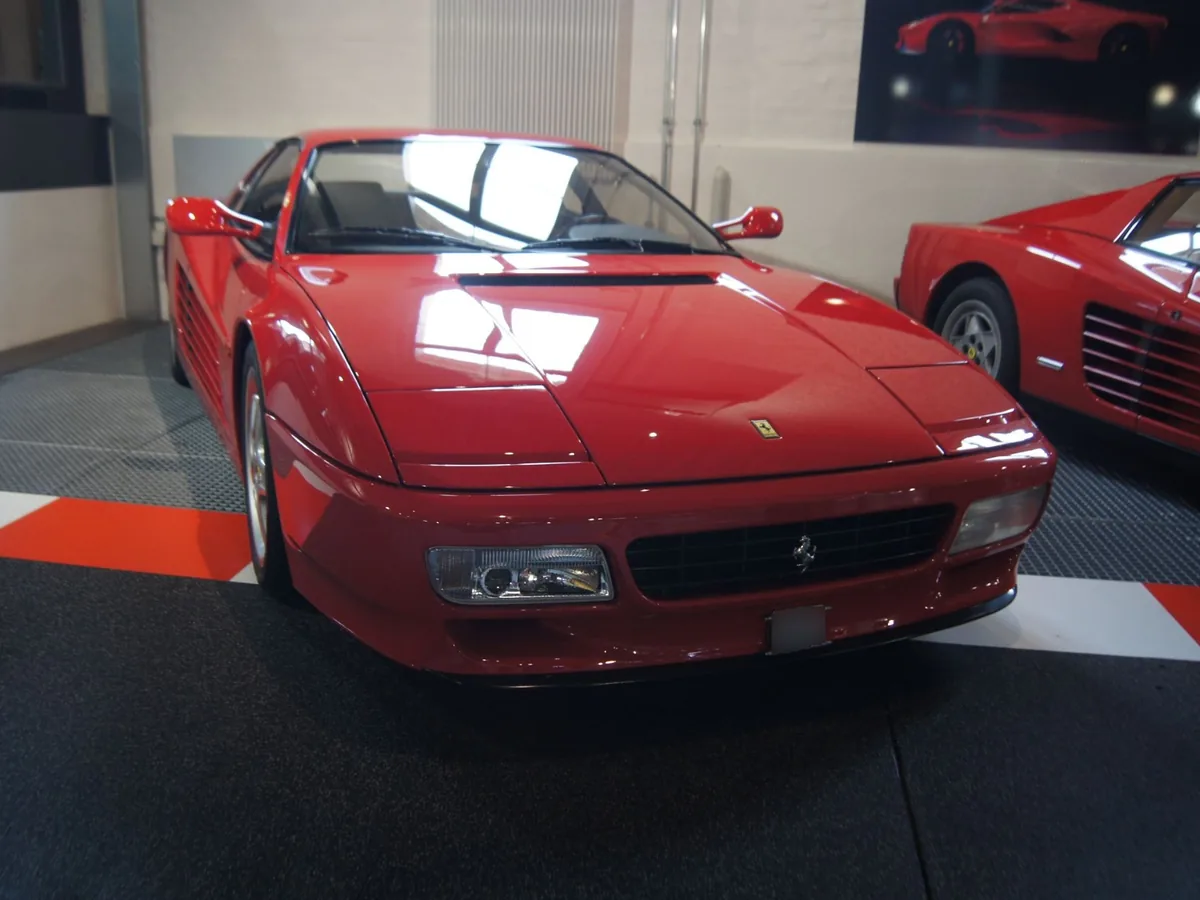
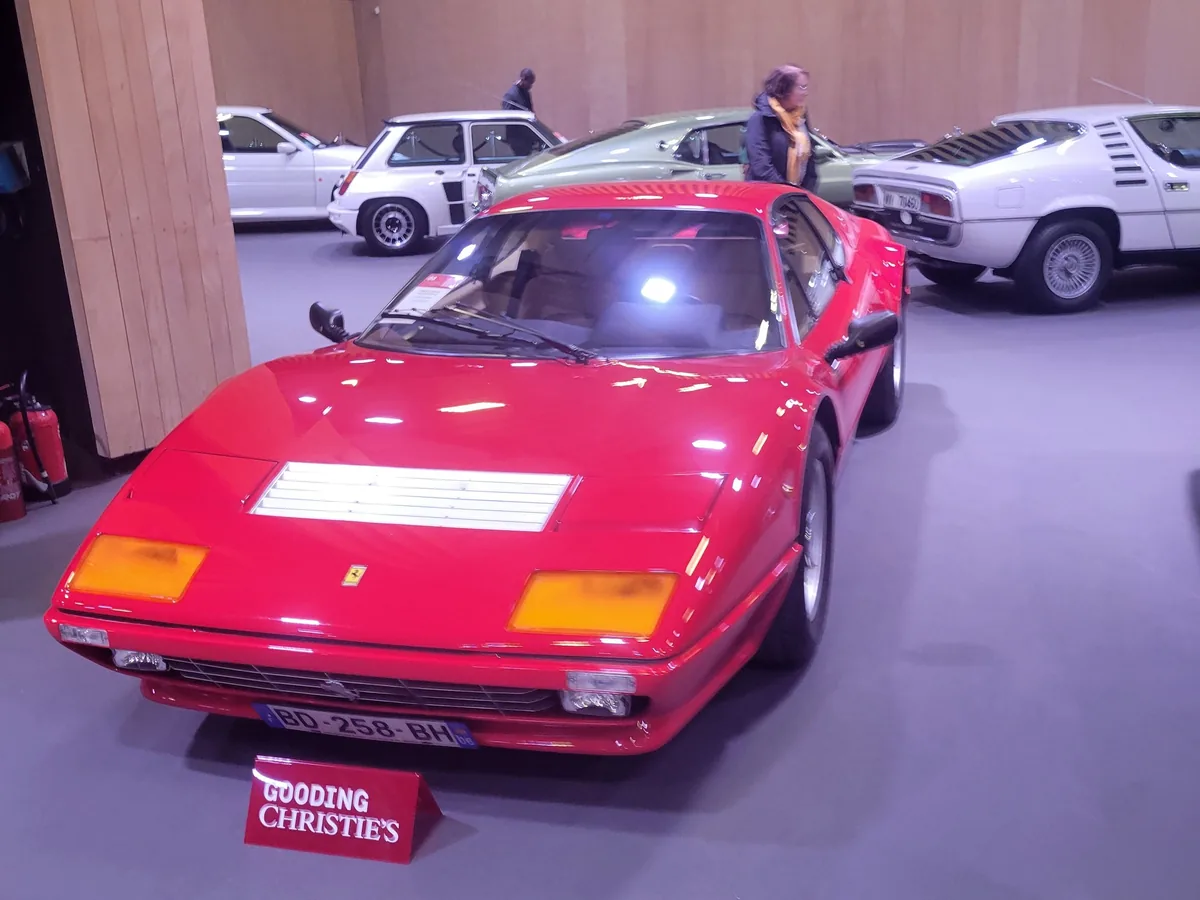
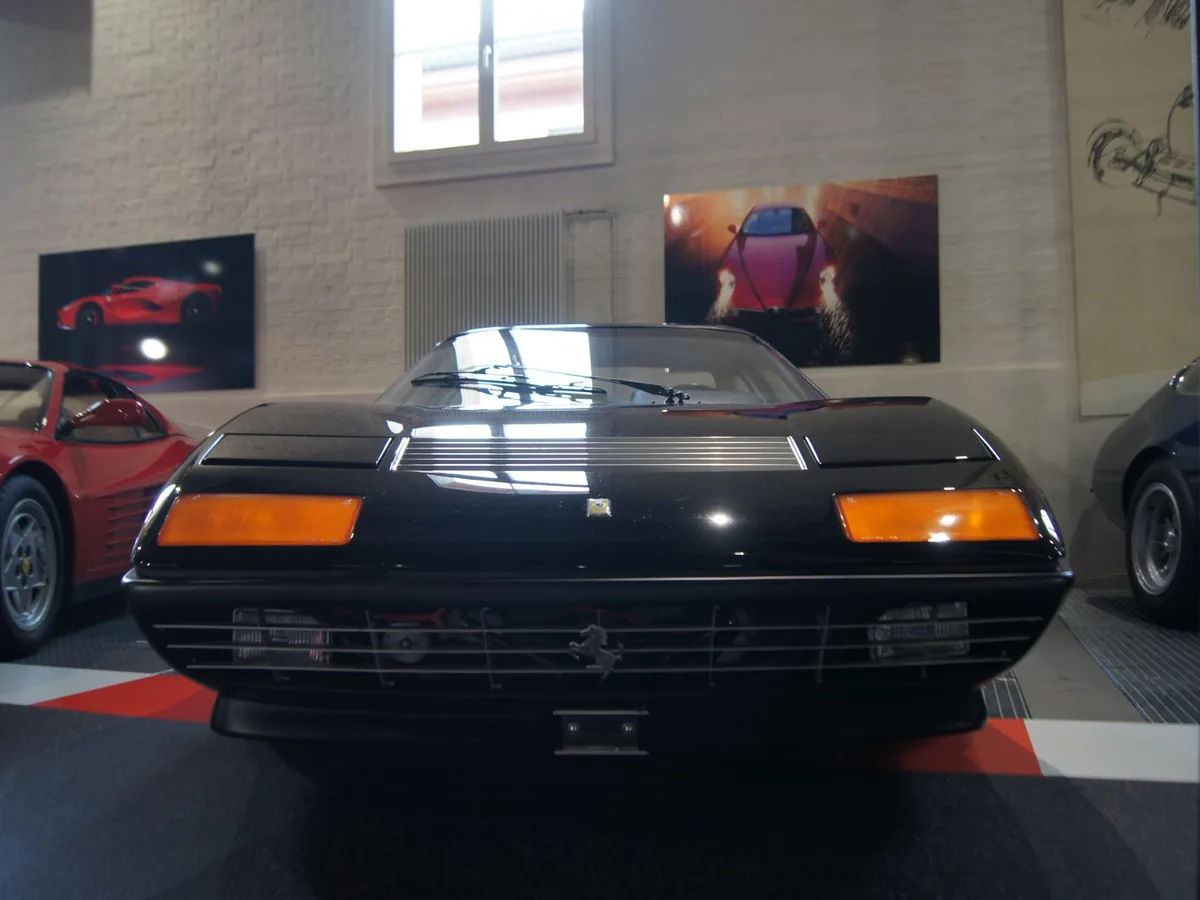
The Ferrari 512 name covers several twelve-cylinder Ferraris built for very different purposes, from the 1970 Group 5 sports prototype to the road-going 512 BB, and finally the 512 TR derived from the Testarossa. The 512 S introduced the family with a mid-mounted, nearly 5.0-litre V12 rated at 550 hp in its initial specification. The 1976 512 BB applied the “5” to engine capacity and the “12” to cylinder count, while moving the concept toward a more usable road car. In 1981, the 512 BBi replaced carburettors with Bosch mechanical fuel injection. The 1991-1992 512 TR then substantially updated the Testarossa with electronic fuel injection, revised aerodynamics and 428 hp in European specification. The shared name should not suggest a single continuous model line: these cars differ significantly in construction, purpose and era.
What about the car you photographed?
Upload a photo to get a suggested make, model and likely year.
No account needed for the result · Publish only if you choose
Variants by year
Make: Ferrari · Model: 512
4 / 4 versions shown
1992
1981
1976
1970
Ferrari 512 photos
Model summary
Data from the ScanRacer library, organized to compare versions quickly.
Model introduction
The Ferrari 512 name covers several twelve-cylinder Ferraris built for very different purposes, from the 1970 Group 5 sports prototype to the road-going 512 BB, and finally the 512 TR derived from the Testarossa. The 512 S introduced the family with a mid-mounted, nearly 5.0-litre V12 rated at 550 hp in its initial specification. The 1976 512 BB applied the “5” to engine capacity and the “12” to cylinder count, while moving the concept toward a more usable road car. In 1981, the 512 BBi replaced carburettors with Bosch mechanical fuel injection. The 1991-1992 512 TR then substantially updated the Testarossa with electronic fuel injection, revised aerodynamics and 428 hp in European specification. The shared name should not suggest a single continuous model line: these cars differ significantly in construction, purpose and era.
History
Ferrari developed the 512 S for the 1970 World Sports Car Championship’s 5-litre prototype class. Homologation required 25 examples, and the project was completed in an exceptionally short period. The car used a lightweight tubular semi-monocoque alloy structure and a mid-mounted 4,993.53 cc V12. Ferrari gives an initial output of 550 hp and a top speed of 340 km/h. Both closed-cockpit and open versions were built, and the 512 S scored, among other results, a victory at the 12 Hours of Sebring. A more powerful and aerodynamically developed 512 M appeared late in the 1970 season, although Ferrari did not continue its official development after the company moved toward 3-litre prototypes for 1972. The 1976 512 BB followed a different path as a road-going berlinetta with a rear-mounted longitudinal 4,943 cc 180-degree V12. It remained in production until 1981, when the mechanically fuel-injected 512 BBi took over. The 512 TR later carried the flat-twelve formula into the 1990s as the successor to the Testarossa, combining revised bodywork and cabin details with a significantly updated engine.
Generations
It is more accurate to describe broad technical families than official generations, because Ferrari reused the 512 designation for distinct cars. The first family comprises the 1970 512 S and 512 M racing prototypes. Their nearly 5.0-litre V12 was mounted in the middle of the chassis, and the cars appeared with both closed and open bodywork. “S Modulo” should be treated as a styling interpretation associated with the 512 S: the Pininfarina Modulo was an extraordinary design study, not a road-going production series comparable with the 512 BB. The second family consists of Ferrari’s road-going flat-twelve berlinettas. Introduced in 1976, the 512 BB used a revised mechanical package and a simpler name than the earlier 365 GT4 BB. The 1981 512 BBi retained the general layout but adopted Bosch K-Jetronic mechanical fuel injection. The third family is the 512 TR. Despite sharing the 512 name, it was not a direct continuation of the 512 BBi; it evolved from the Testarossa. Its 4,943 cc engine used four valves per cylinder and Bosch Motronic electronic injection, while the body, cabin, suspension details and braking system were all revised.
Key differences
The main differences are functional as well as mechanical. The 512 S is a mid-engined racing prototype built for homologation and competition, whereas the 512 BB is a rear-mounted, longitudinal-engined road car. The 512 BB can be identified by its 4,943 cc flat-twelve with four triple-choke Weber carburettors, revised front spoiler and two large rear light clusters. The BBi kept a similar overall appearance but replaced the carburettors with Bosch K-Jetronic mechanical fuel injection; Ferrari lists 340 hp and a 280 km/h top speed. The 512 TR is newer and technically distinct. It uses Bosch Motronic electronic injection, four valves per cylinder, ventilated brakes with four-piston calipers and 18-inch wheels. Its redesigned nose, black side intake sections and revised rear details help separate it from the Testarossa. The S Modulo should not be compared directly with the production cars: it was a Pininfarina design study associated with a 512 S chassis. These distinctions are important when interpreting the shared 512 label.
Photo recognition
Identification should begin with the car’s shape and apparent purpose. A very low prototype body with either a closed or open cockpit and a mid-mounted engine points to the 512 S rather than to a road-going berlinetta. The S Modulo is unmistakable: it has a wedge-shaped body, partially covered wheels, an extremely forward windscreen and almost flush-fitting body elements. Its appearance is unlike a normal Ferrari production car. The 512 BB has a two-seat berlinetta shape with a rear-mounted engine, while its characteristic early configuration uses three rear light clusters and three exhaust outlets on each side. Later 512 BB details include two larger rear lights and two exhaust outlets, with NACA-style ducts ahead of the rear wheels. The BBi looks very similar to the BB, so reliable identification often requires badges, period documentation or chassis information rather than appearance alone. The 512 TR retains the Testarossa’s prominent side intakes but adds a redesigned front grille, distinctive alloy wheels and more integrated body details. Pop-up headlights remain a useful clue, although they are not sufficient on their own to distinguish every car.
Important versions
The four variants listed here capture the breadth of the 512 name. The 1970 512 S Modulo represents Pininfarina’s futuristic design interpretation based around the racing prototype. The 1976 512 BB is the road-going 4,943 cc flat-twelve berlinetta with carburettors; Ferrari records 929 examples sold through 1981. The 1981 512 BBi followed with Bosch K-Jetronic mechanical fuel injection and a stated 340 hp. The 512 TR, associated with 1992 in the library classification, was the evolution of the Testarossa and produced 428 hp in European specification according to Ferrari. These names therefore do not describe four trim levels of one uninterrupted model. They cover a racing car, a design study and two generations of road-going Ferrari flat-twelve berlinettas.
References
Frequently asked questions
- What years was the Ferrari 512 produced?
- ScanRacer's referenced versions cover 1970 - 1992.
- How many Ferrari 512 examples are documented on ScanRacer?
- 12 published scans from 9 members, with the latest photo added in September 2026.
What about the car you photographed?
Upload a photo to get a suggested make, model and likely year.
No account needed for the result · Publish only if you choose