
250
Unveiled in Paris in 1954, the Ferrari 250 GT established a formula that would shape much of Maranello’s road-car production for the following decade. The name refers to a family of cars rather than a single model: elegant coupés, open cars developed for the American market, competition berlinettas, and four-seat grand tourers all shared a common mechanical and design lineage. The range evolved through cars such as the 250 Europa, 250 GT, 250 GT California, 250 GT 2+2, 250 GTO, and 250 LM. Most combined a tubular chassis, coachwork from leading Italian design houses, and a three-litre V12, while the racing versions placed greater emphasis on low weight and aerodynamic efficiency. That breadth is essential to understanding the 250 name: it can describe cars with very different body styles, purposes, and competition ambitions. (ferrari.com)
What about the car you photographed?
Upload a photo to get a suggested make, model and likely year.
No account needed for the result · Publish only if you choose
Variants by year
Make: Ferrari · Model: 250
9 / 9 versions shown
1963

1962
1960
1957
1956
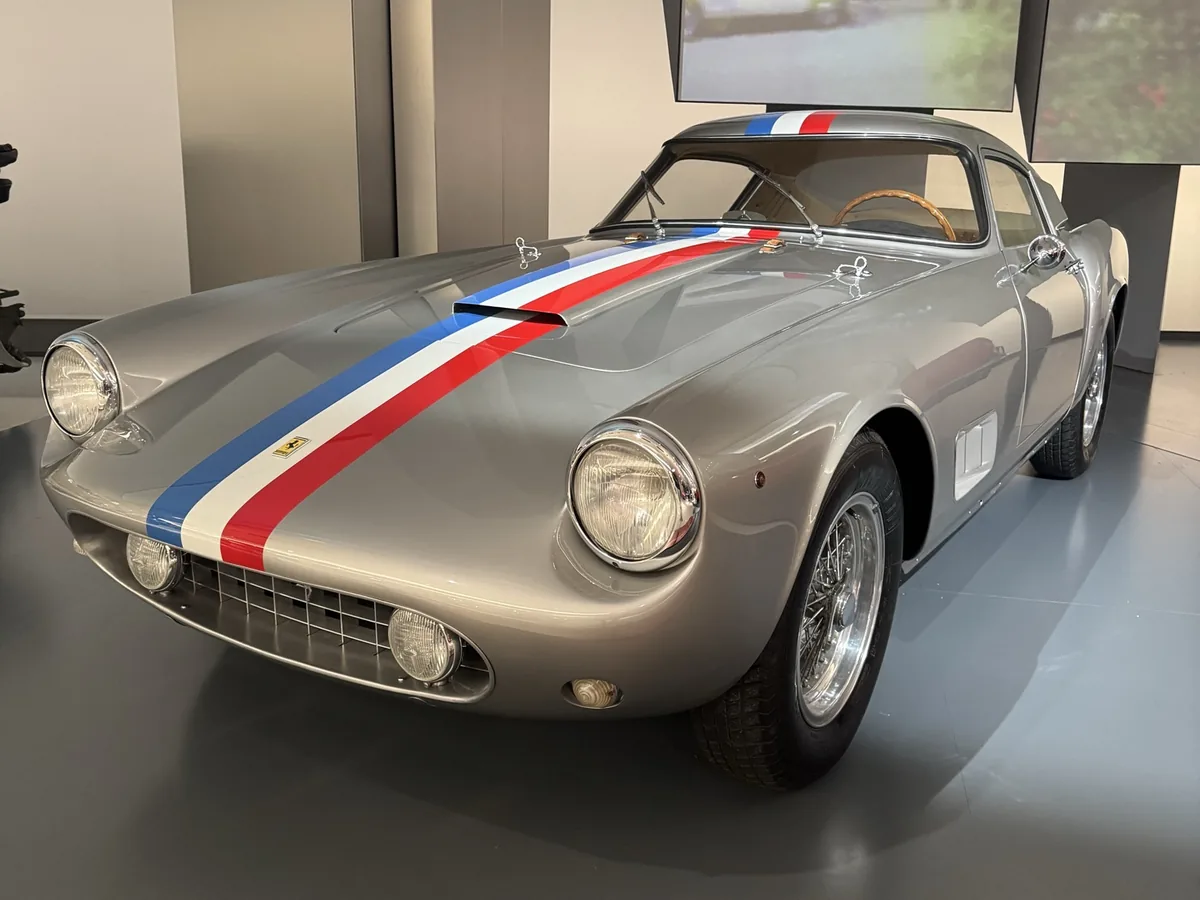
1954
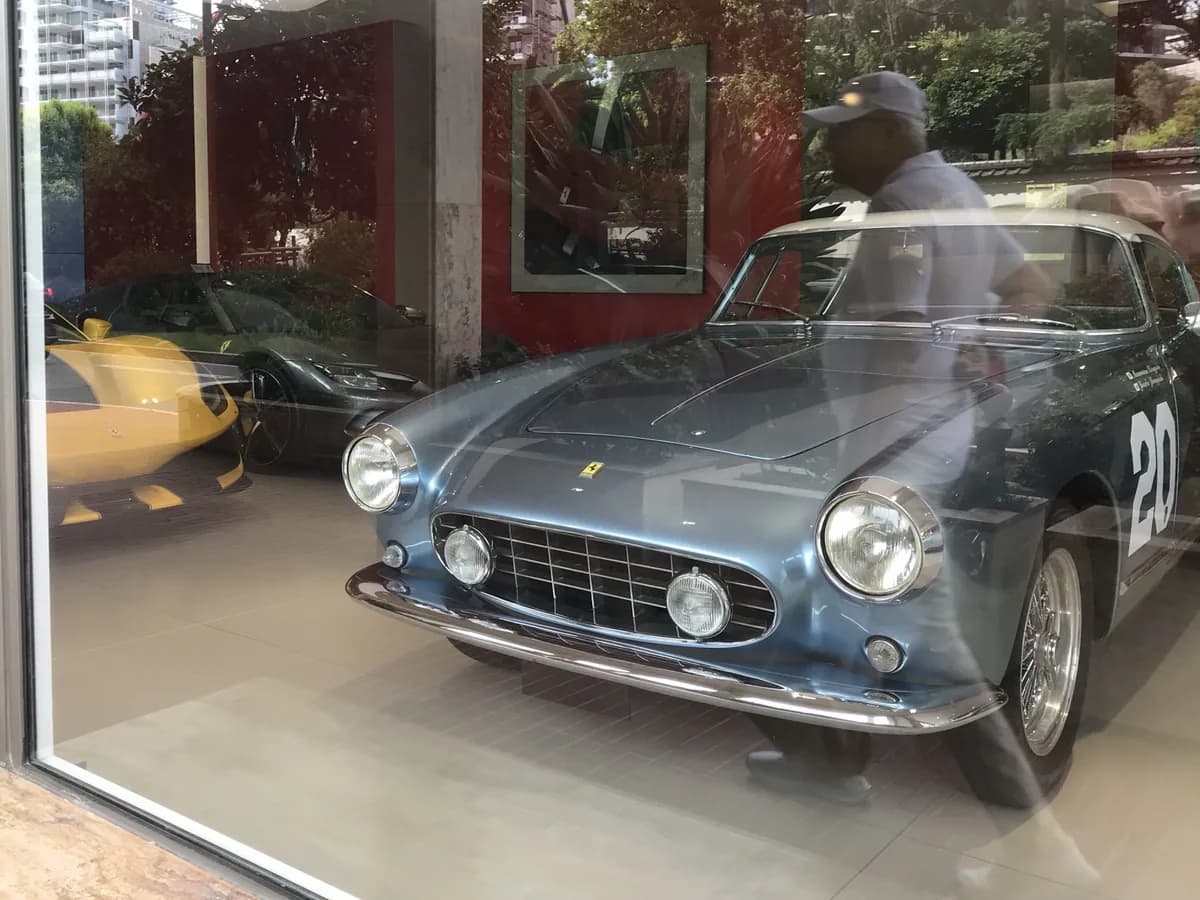
1953
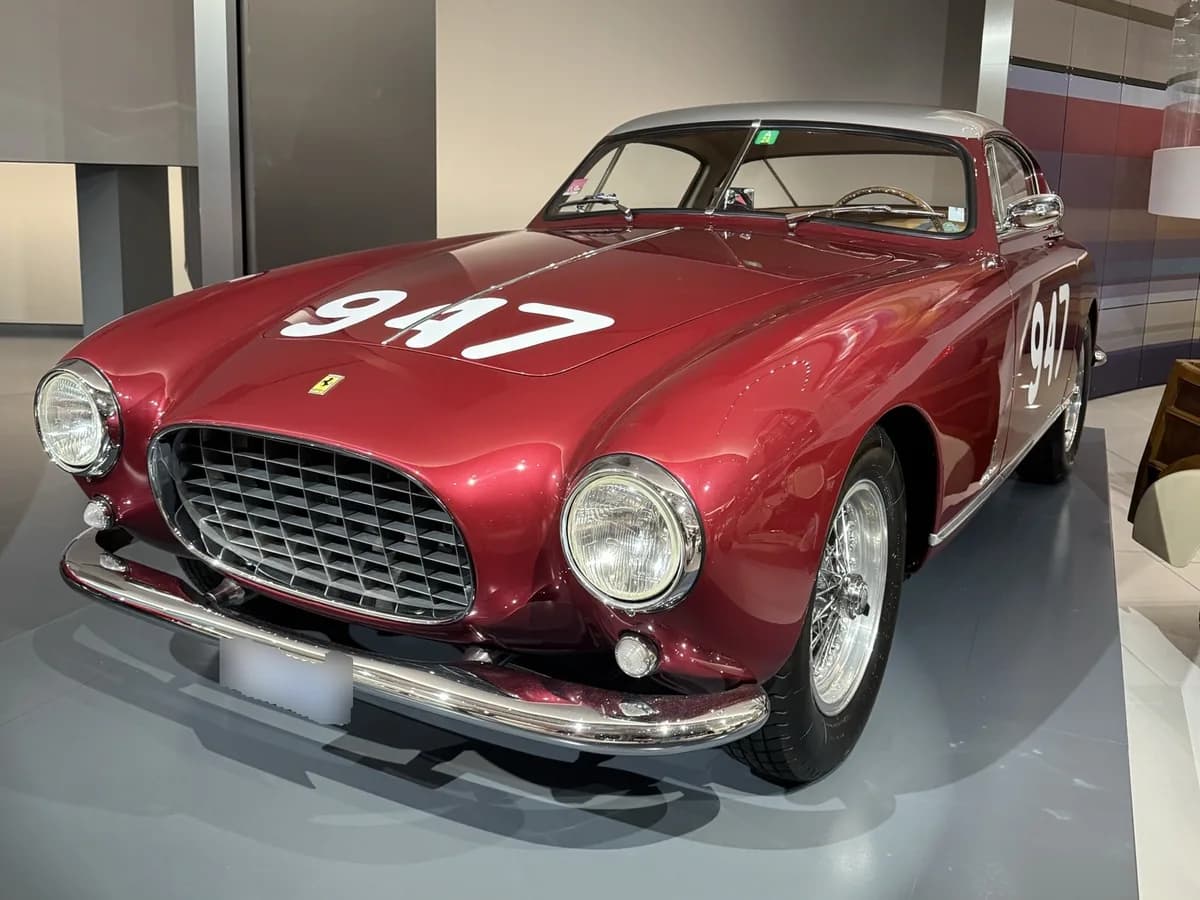
1952
Ferrari 250 photos
Model summary
Data from the ScanRacer library, organized to compare versions quickly.
Model introduction
Unveiled in Paris in 1954, the Ferrari 250 GT established a formula that would shape much of Maranello’s road-car production for the following decade. The name refers to a family of cars rather than a single model: elegant coupés, open cars developed for the American market, competition berlinettas, and four-seat grand tourers all shared a common mechanical and design lineage. The range evolved through cars such as the 250 Europa, 250 GT, 250 GT California, 250 GT 2+2, 250 GTO, and 250 LM. Most combined a tubular chassis, coachwork from leading Italian design houses, and a three-litre V12, while the racing versions placed greater emphasis on low weight and aerodynamic efficiency. That breadth is essential to understanding the 250 name: it can describe cars with very different body styles, purposes, and competition ambitions. (ferrari.com)
History
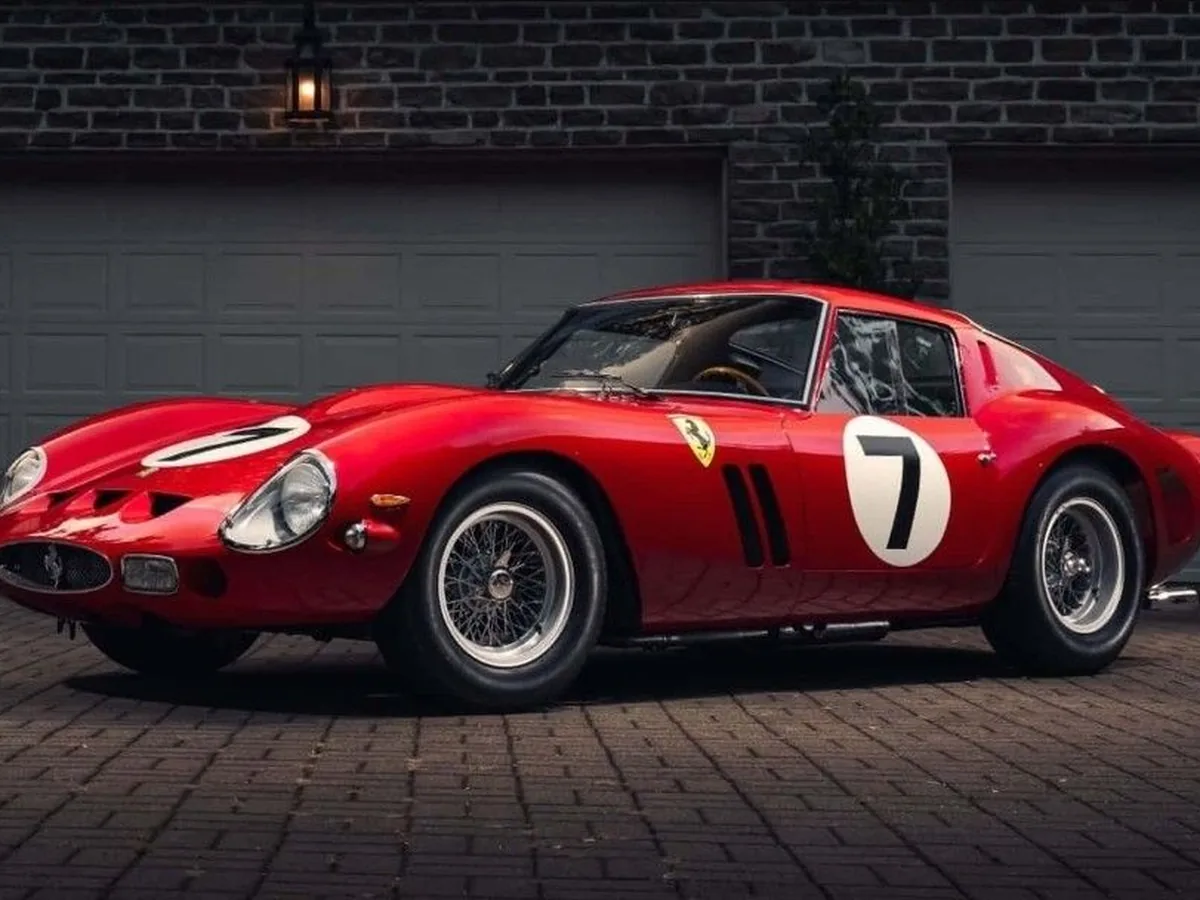
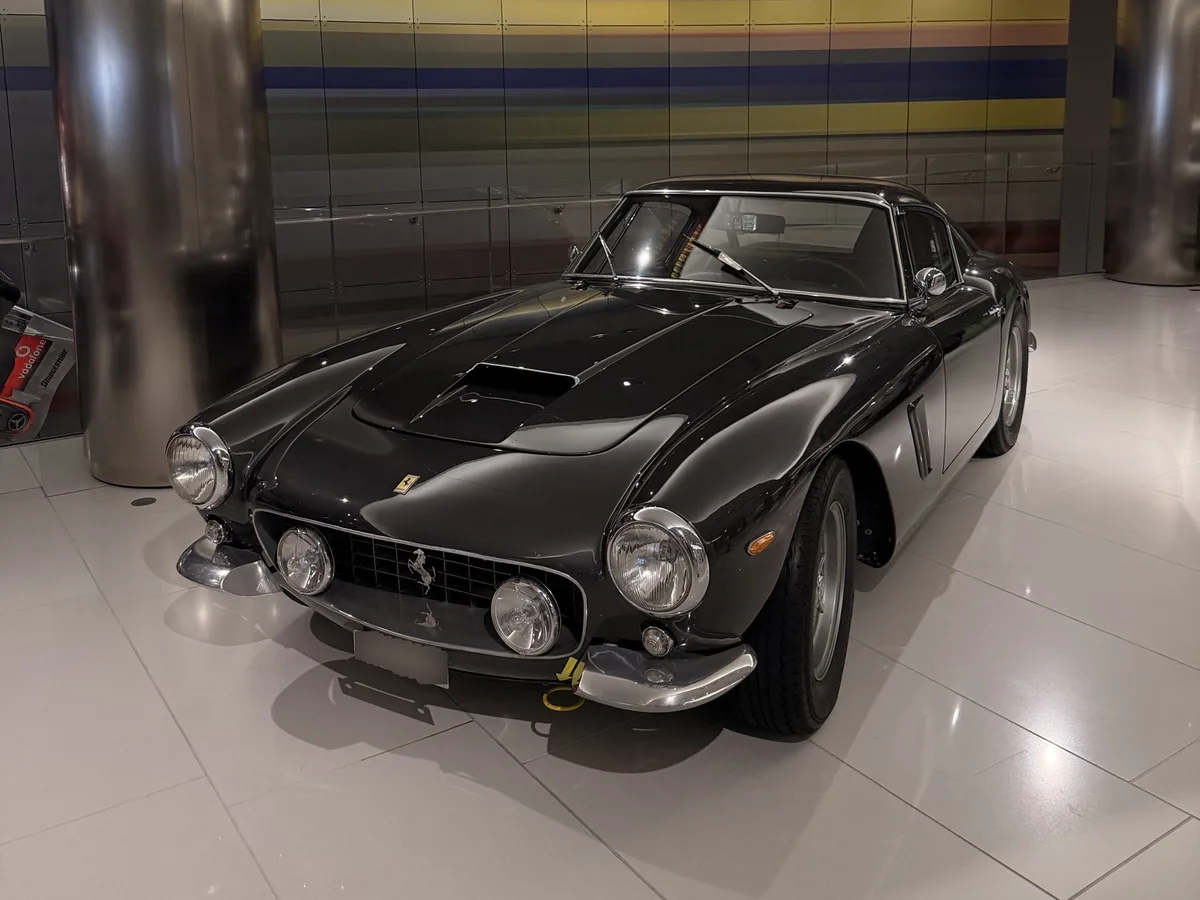
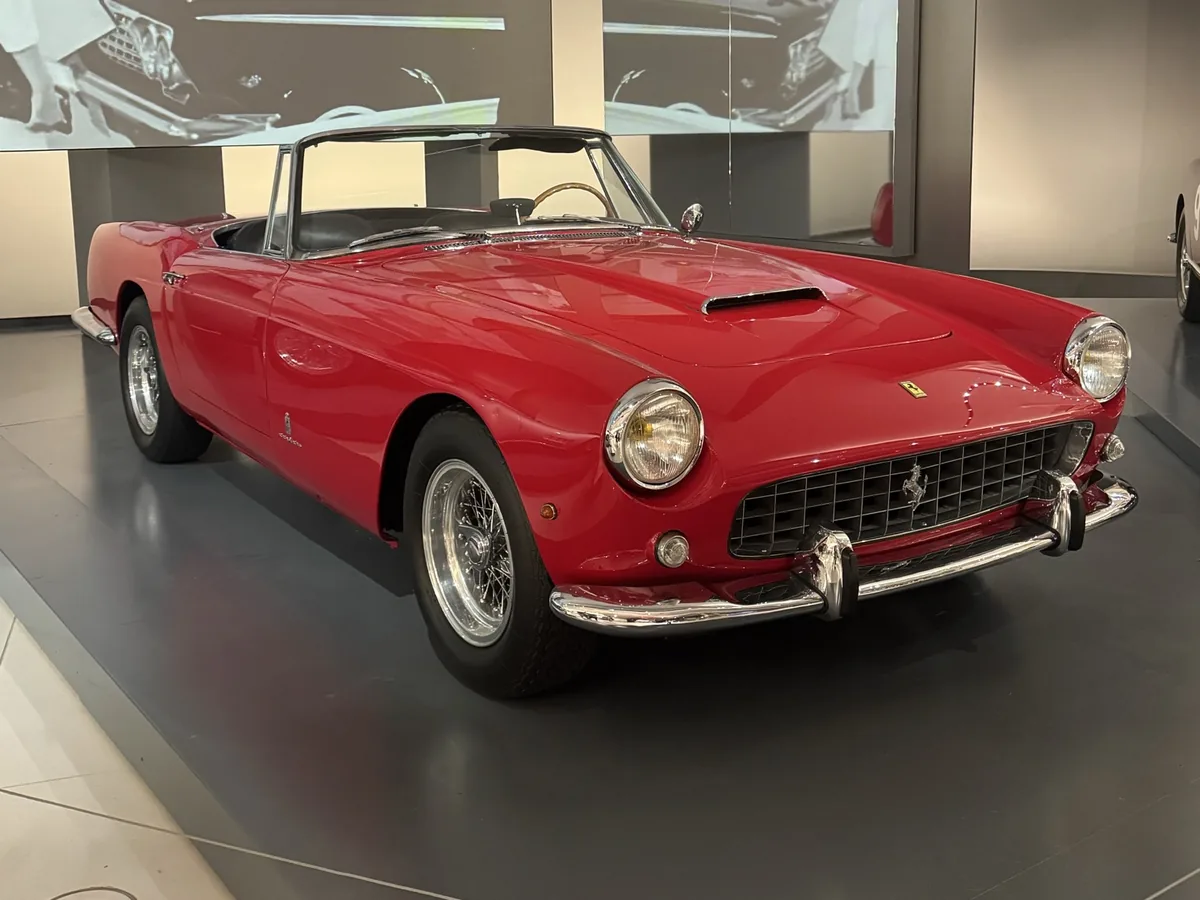
The story began with the 250 Europa, introduced at the 1953 Paris Salon. One year later, the Europa GT adopted a more sporting definition and became the starting point for the long-running 250 GT road-car family. Ferrari and Pinin Farina established a lasting styling partnership, while Maranello’s engineers developed different versions of Colombo- and Lampredi-related V12 designs according to each car’s intended role. Early competition cars extended the same concept through the 250 MM, created for road races, and through berlinettas that achieved success in touring and endurance events. In 1957, the 250 GT California Spider answered an American demand for an open Ferrari with strong performance. The short-wheelbase 250 GT Berlinetta then sharpened the family’s sporting character. In 1960, the 250 GT 2+2 broadened the range with four-seat practicality. Finally, the 1962 250 GTO turned the road-going berlinetta into a homologated competition weapon, while the 250 LM continued the development with a mid-mounted engine layout. (w3.rmsothebys.com)
Generations
The 250 family does not divide neatly into official generations in the modern sense. A more accurate approach is to follow several technical and commercial phases. The first covers the early-1950s 250 Europa and Europa GT: relatively long-wheelbase grand tourers intended to combine speed with comfort. The second introduced the broader 250 GT road and racing derivatives, with increasingly varied bodywork and more specialized roles. The third phase brought short-wheelbase cars, especially the sporting berlinettas and the California Spider SWB. Their more compact chassis and sharper presentation placed them closer to competition machinery. The fourth phase focused on more versatile grand touring cars, most notably the 250 GT 2+2, Ferrari’s first four-seat model produced on a substantial scale. The final phase belongs to the most uncompromising racing cars: the 250 GTO retained a front engine and berlinetta profile, while the 250 LM moved to a rear-mid-engine layout beneath a closed prototype-style body. (w3.rmsothebys.com)
Key differences
The differences between 250 models are primarily defined by their intended role. An Europa or road-going GT emphasizes fast touring, with enclosed coachwork and a more comfortable presentation. The California Spider is a two-seat open car developed in response to American-market demand and bodied by Scaglietti. The 250 GT 2+2 stands apart through its four-seat cabin, 2,600 mm wheelbase, and grand-touring mission. At the opposite end, the GTO is a front-engined competition berlinetta derived from the short-wheelbase 250 GT. The LM represents a more fundamental change: its V12 sits behind the cockpit, following the layout of a sports prototype. The 250 designation therefore does not guarantee identical bodywork or completely uniform mechanical specifications. Changes in chassis design, brakes, wheelbase, and engine displacement appeared over time and should be assessed on an individual car-by-car basis. (ferrari.com)
Photo recognition
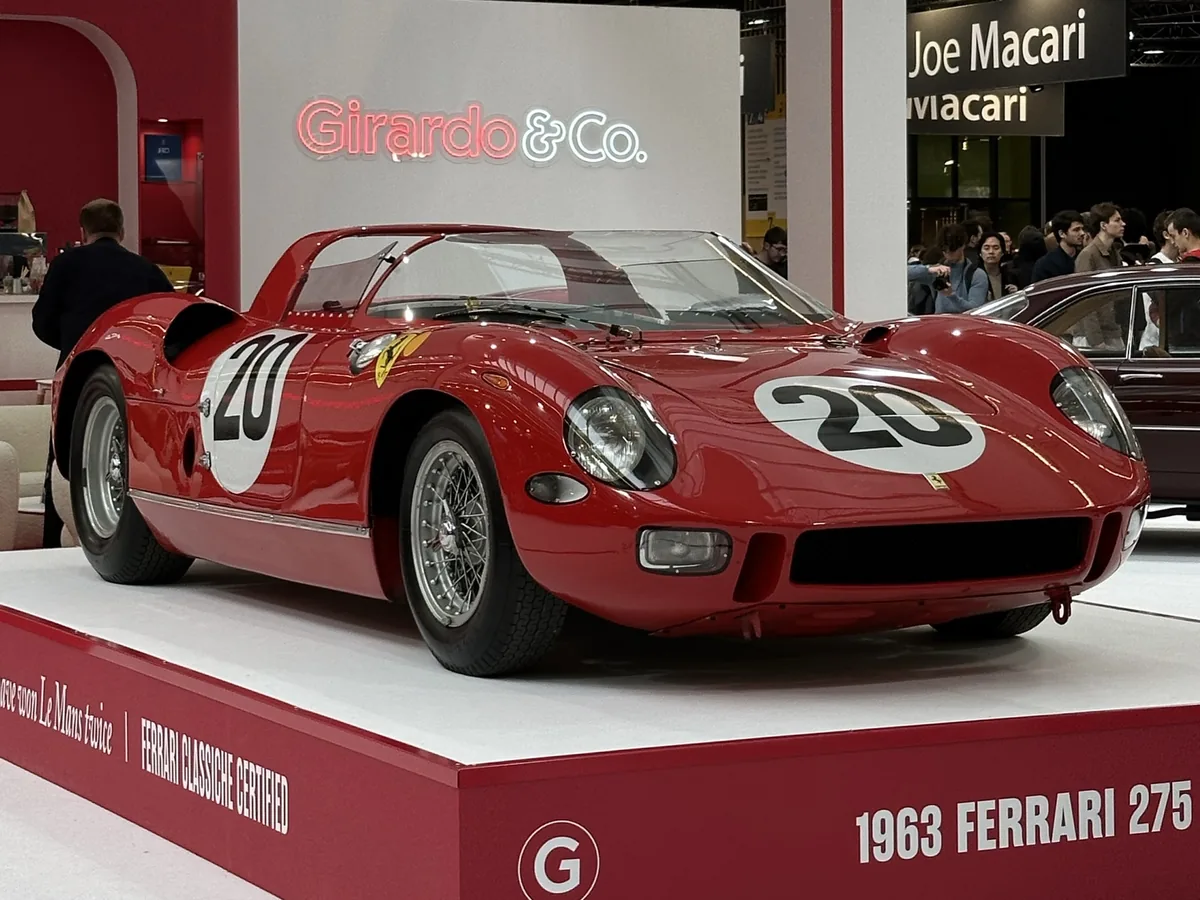
Identifying a Ferrari 250 should begin with the body shape rather than the badge. A conventional Europa or GT generally has a front-engined coupé profile and a two-seat cabin. The California Spider is recognized by its open body, berlinetta-like proportions, and Scaglietti coachwork details; long-wheelbase and short-wheelbase cars should not be treated as identical. The 250 GT 2+2 has a longer-looking body and four seats, with roof and pillar proportions designed for greater practicality. The GTO combines a low stance with bonnet air outlets, side vents, and body details that can differ between individual cars. The 250 LM is easier to separate from the others through its forward-set cockpit, rear air intakes, and mid-engine configuration. Headlights, body openings, wheels, and bumpers may nevertheless vary by production period or later restoration. Chassis-number records and factory documentation remain essential when authenticity matters. (ferrari.com)
Important versions
The most significant versions include the 250 Europa and Europa GT, which established the foundations of Ferrari’s modern grand-touring line, and the 250 MM, associated with road-racing competition. The 250 GT California Spider represents the open model developed for the American market and remains one of the family’s most sought-after body styles. The 250 GT 2+2 served a different purpose: Ferrari records 957 cars built, making the V12 more practical for regular touring. The 250 GTO was the high point of the front-engined competition 250 GT; Ferrari states that it won the International Championship for GT Manufacturers in 1962, 1963, and 1964. The 250 LM finally moved to a closed, mid-engined sports-racing layout. Ferrari identifies only 32 examples and records its outright victory at the 1965 24 Hours of Le Mans. (ferrari.com)
References
- The 250 GT Is UnveiledFerrari
- Ferrari 250 GT 2+2Ferrari
- California Dreaming: A Legendary Name for the 250Ferrari
- Masterpiece: Unveiling of Iconic 250 GTOFerrari
- Ferrari’s Unsung Racing HeroFerrari Magazine
- Ferrari 250 LM: Ferrari HistoryFerrari
- 1955 Ferrari 250 Europa GT Coupé by Pinin FarinaRM Sotheby’s
- https://www.ferrari.com/en-EN/history/garage/1962/250-gtoferrari.com
Technical specifications
Structured data available for versions linked to this model.
| Version | Power | Torque | Top speed | Drivetrain | Fuel |
|---|---|---|---|---|---|
| Base | 220.7 KW @ 7500 RPM 300 HP @ 7500 RPM 296 BHP @ 7500 RPM | 217 lb-ft @ 5500 RPM 294 Nm @ 5500 RPM | 174 mph (280 km/h) | Rear Wheel Drive / 5-speed manual | Gasoline |
Frequently asked questions
- What years was the Ferrari 250 produced?
- ScanRacer's referenced versions cover 1952 - 1963.
- How many Ferrari 250 examples are documented on ScanRacer?
- 30 published scans from 18 members, with the latest photo added in October 2026.
- What is the power output of the Ferrari 250?
- The sourced technical data lists 220.7 KW @ 7500 RPM 300 HP @ 7500 RPM 296 BHP @ 7500 RPM.
What about the car you photographed?
Upload a photo to get a suggested make, model and likely year.
No account needed for the result · Publish only if you choose