
Audi
Built around the work of August Horch, Audi takes its name from the Latin translation of “Horch,” meaning “listen.” The brand developed through several defining periods: the Auto Union legacy, the return of the Audi name after 1965, the introduction of quattro all-wheel drive in 1980, and the expansion of its range during the 1990s. The Audi 80 and 100 established the foundations for the later A4 and A6, while the A3 helped place Audi in the premium compact segment. The A, S, RS and Q families now cover sedans, estates, coupes, performance cars and SUVs. Audi’s identity is generally associated with restrained design, a strong focus on engineering and technology, and a long competition history. That combination explains why older numbered models remain important alongside newer letter-and-number series.
Models from A to Z
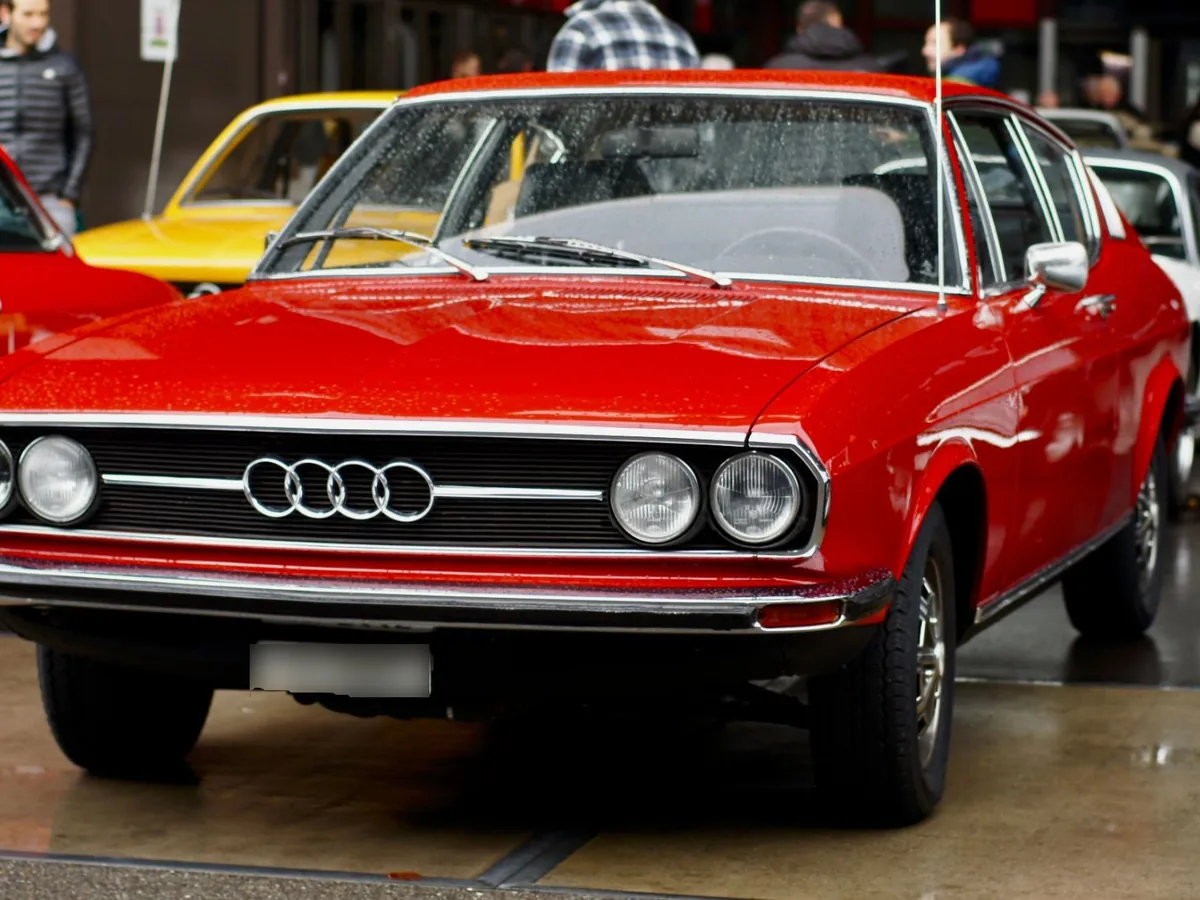
100
200
4000
50
5000
60
75

80
90
920

A1
A2
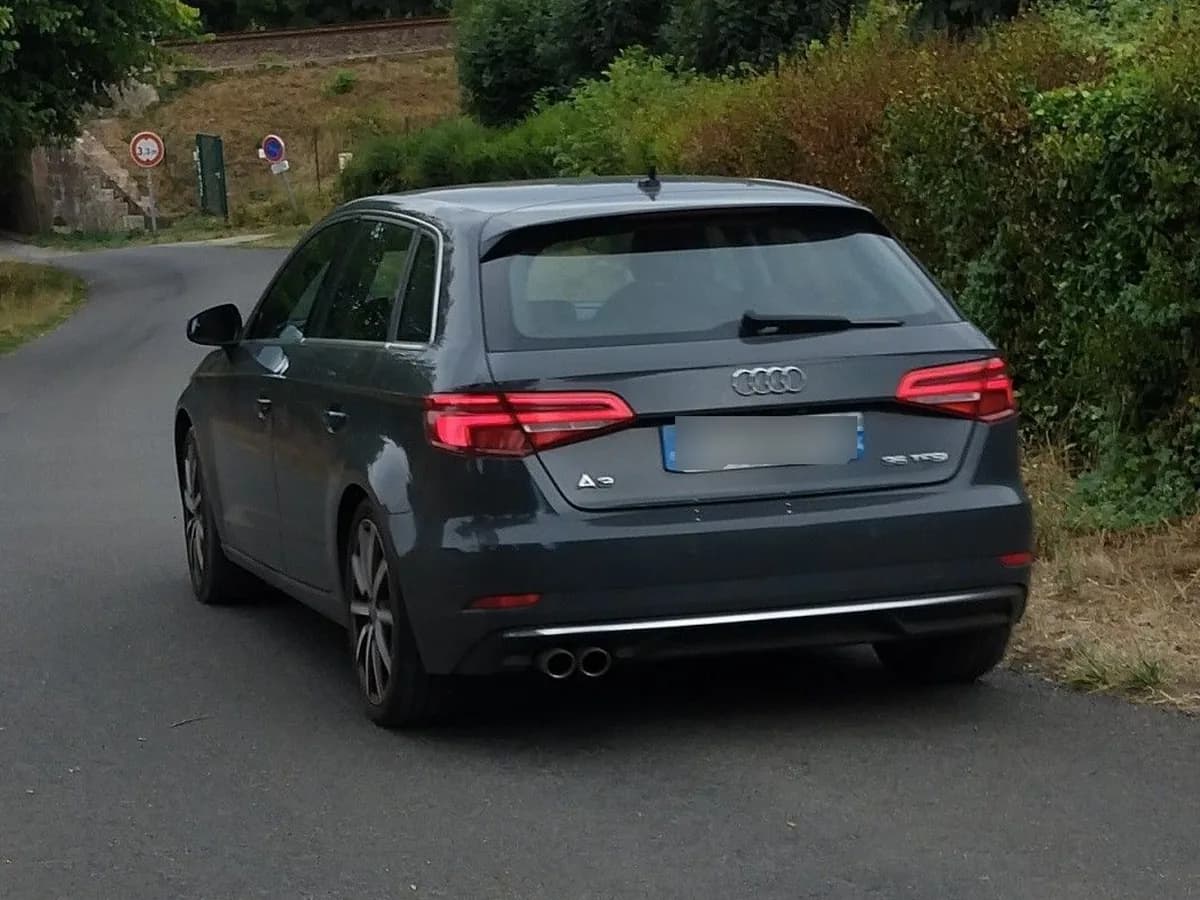
A3

A4

A5

A6

A6 e-tron

A7

A8
Cabriolet

Coupé

e-tron

e-tron GT
E5
F103
Front

Nuvolari

Q2

Q3

Q4 e-tron

Q5
Q6

Q6 e-tron

Q7

Q8

Q9

Quattro
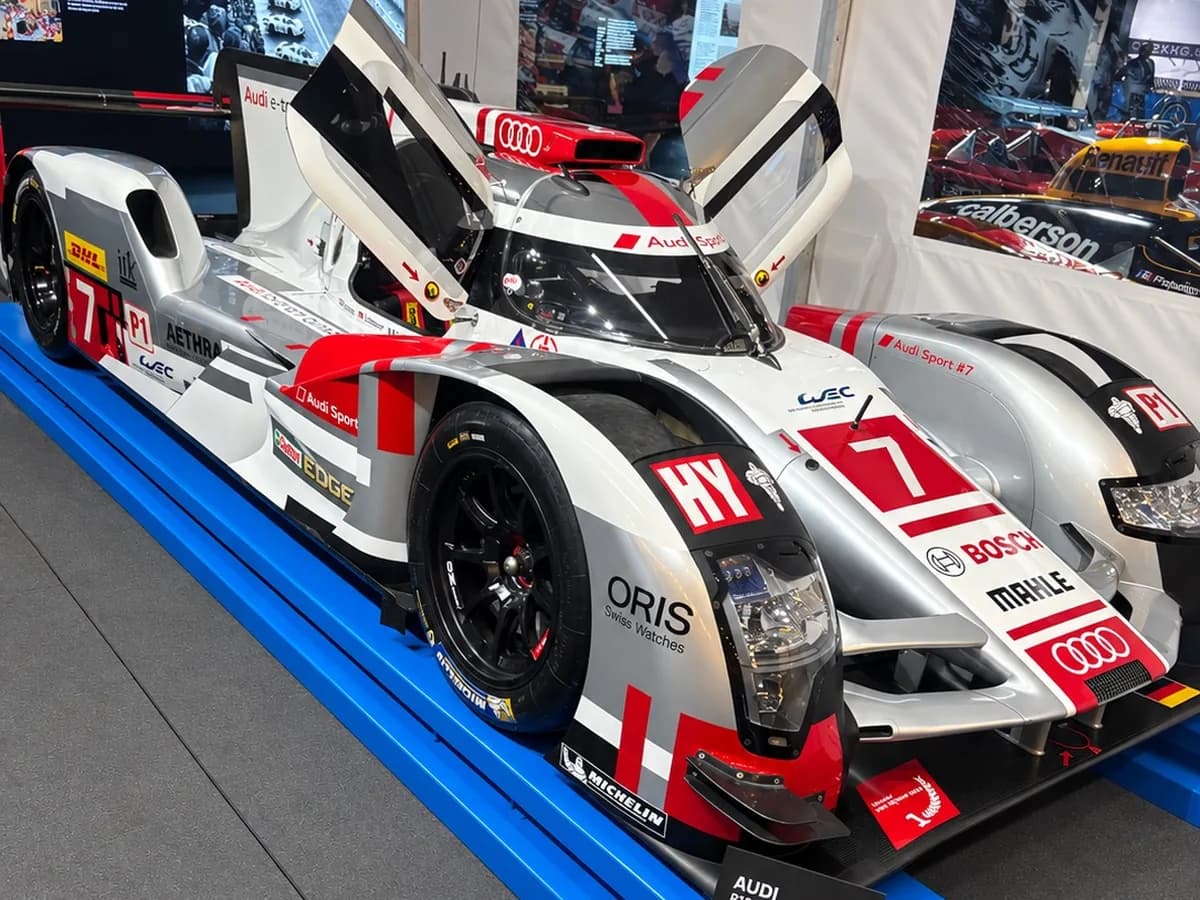
R18

R26

R8
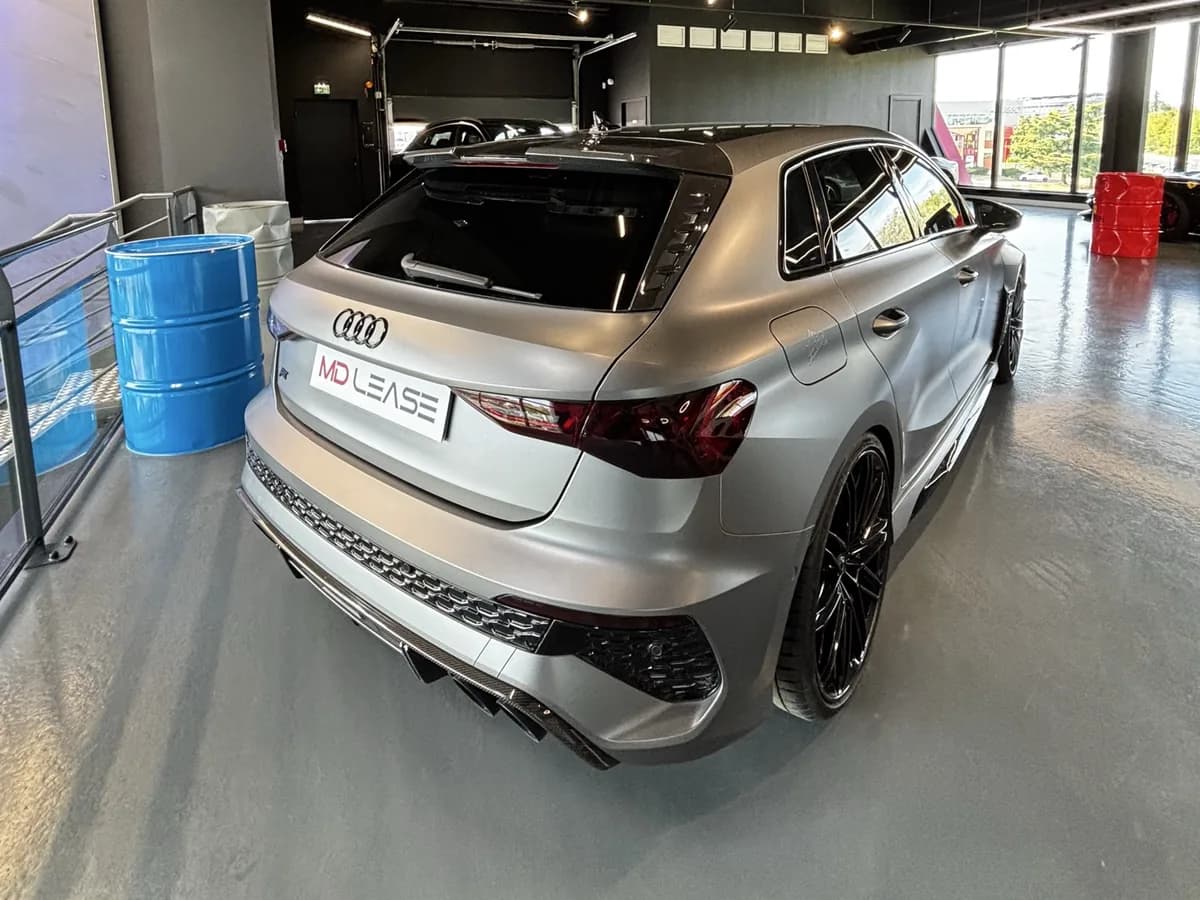
RS 3

RS 6 Avant

RS e-tron GT

RS Q3

RS Q8

RS2

RS3

RS4

RS5

RS6

RS7

S e-tron GT
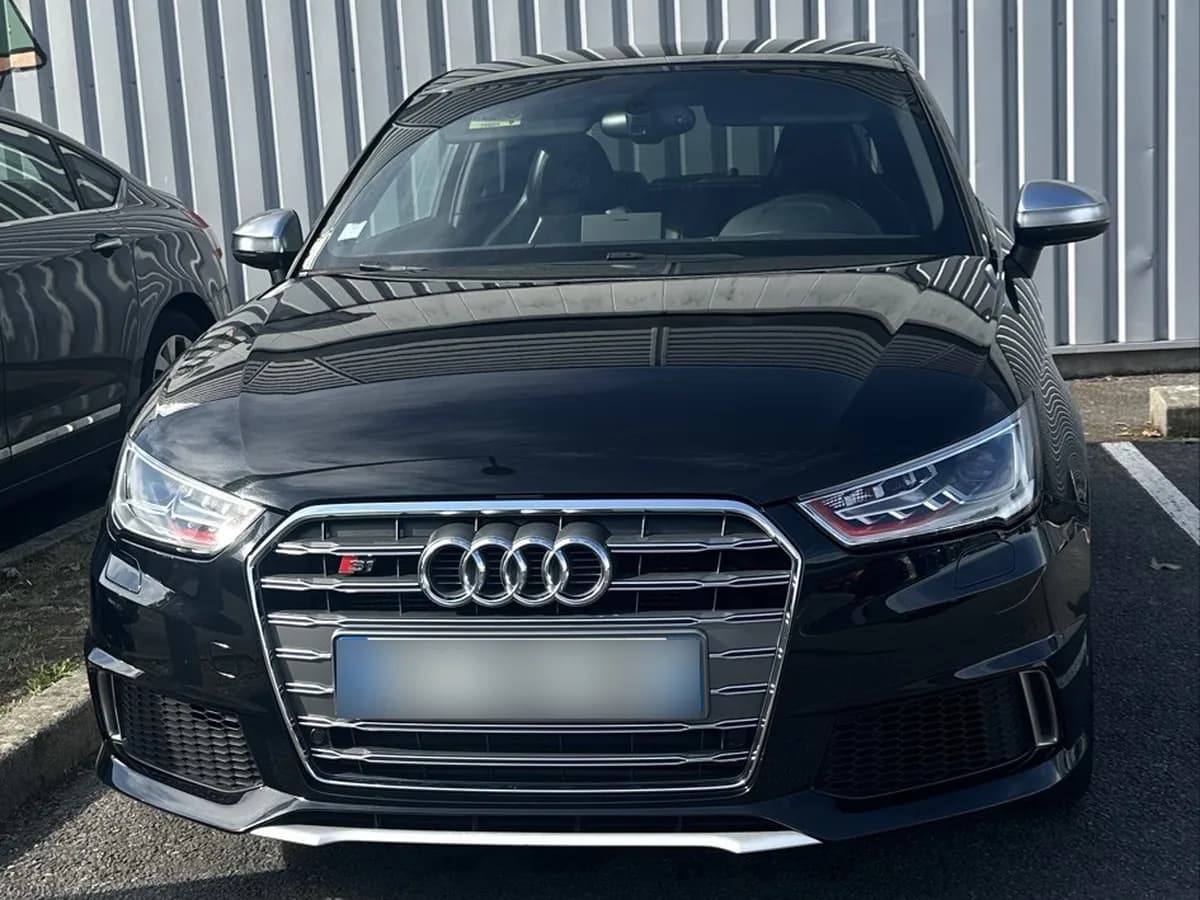
S1

S2

S3

S4

S5

S6
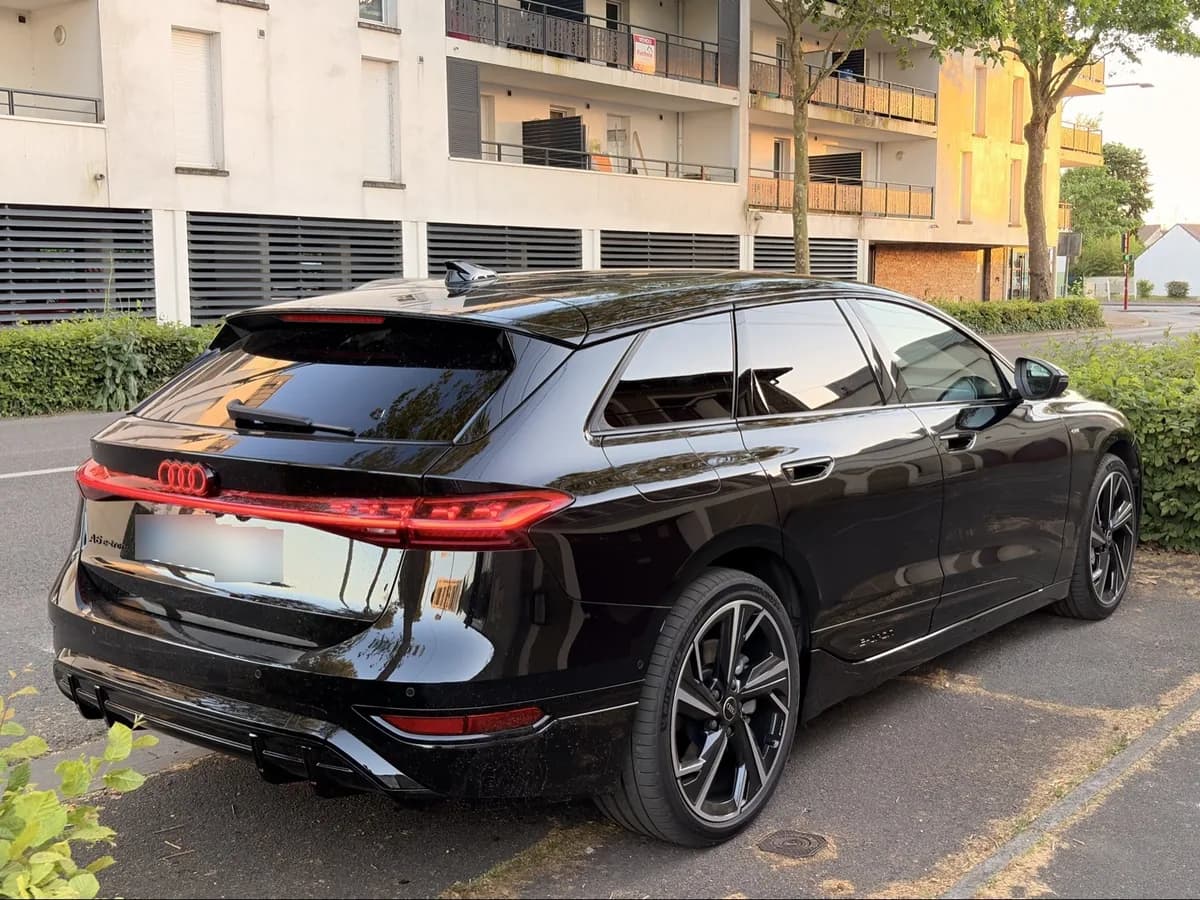
S6 e-tron

S7

S8
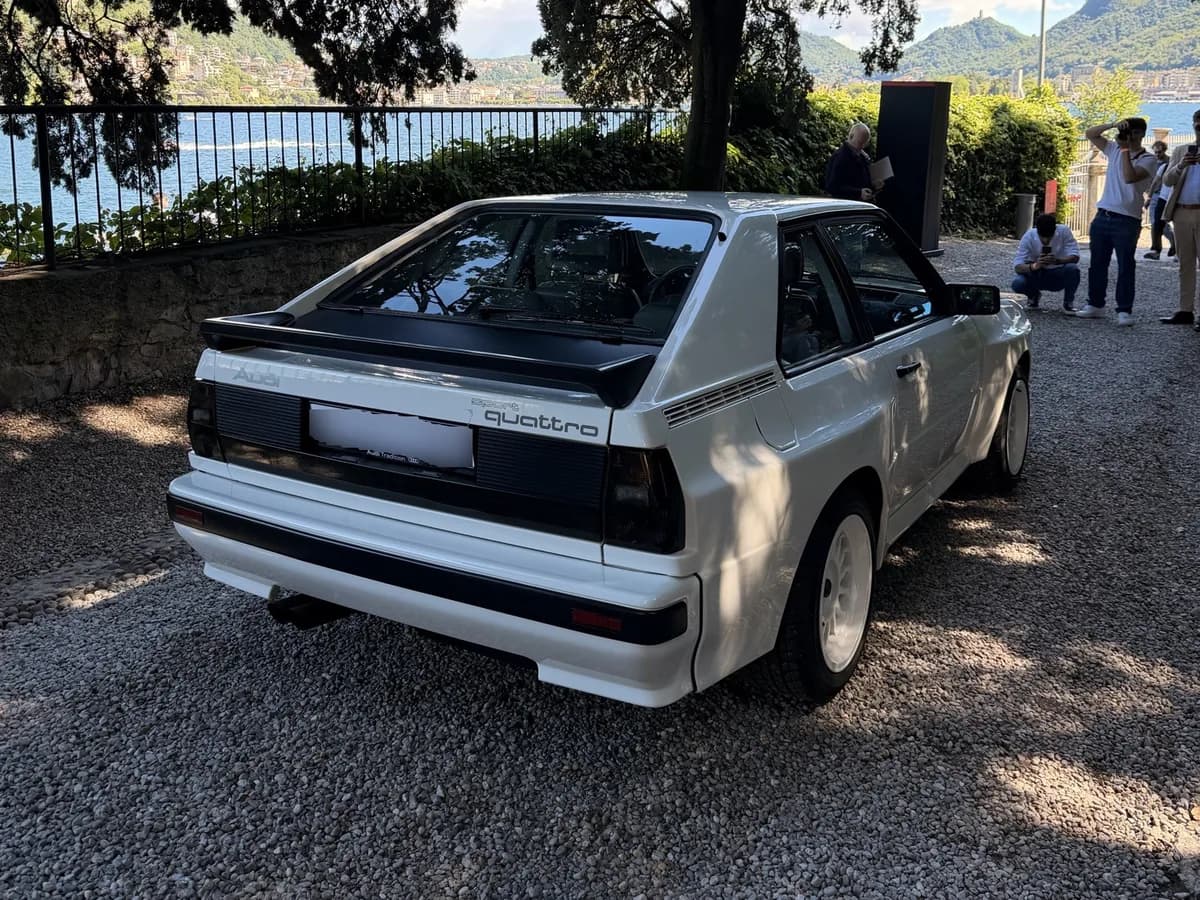
Sport Quattro
SQ2

SQ5

SQ6 e-tron
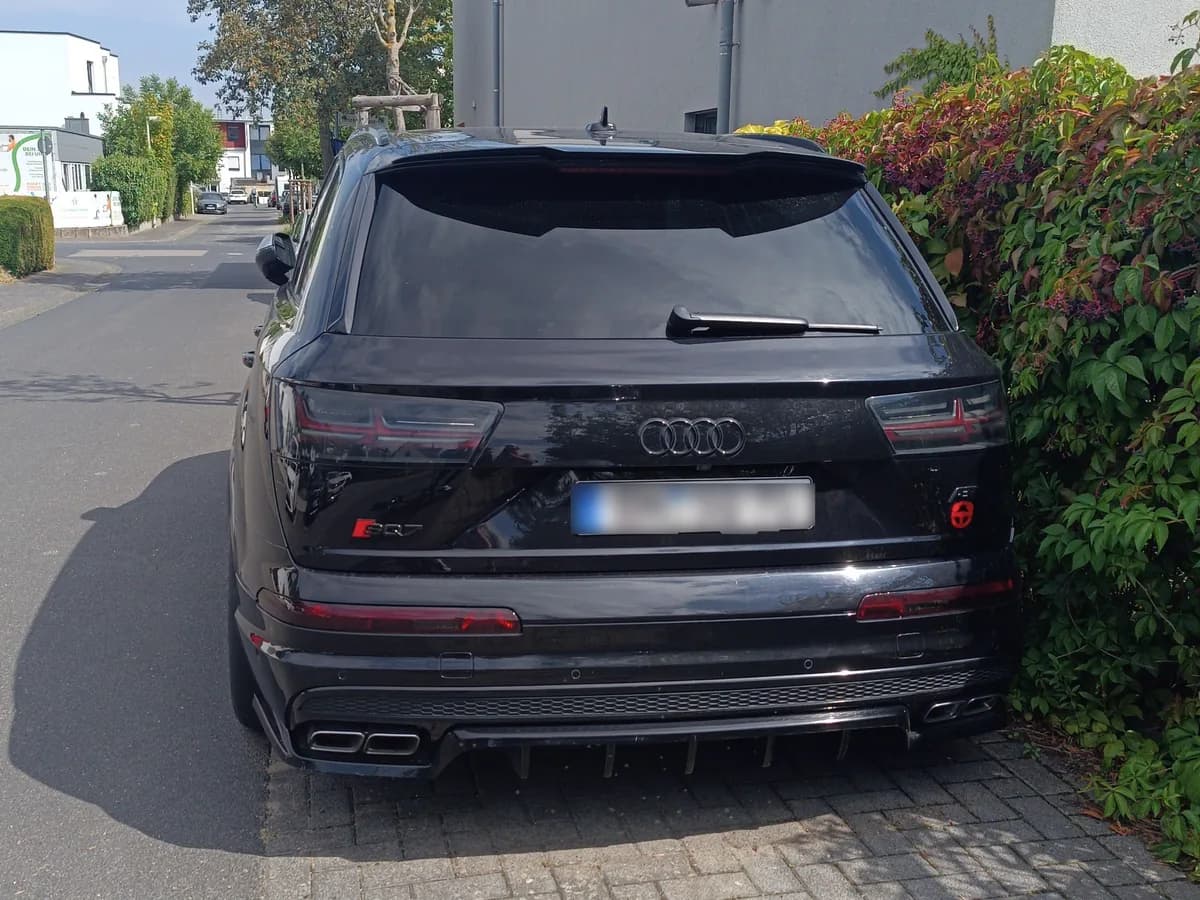
SQ7

SQ8
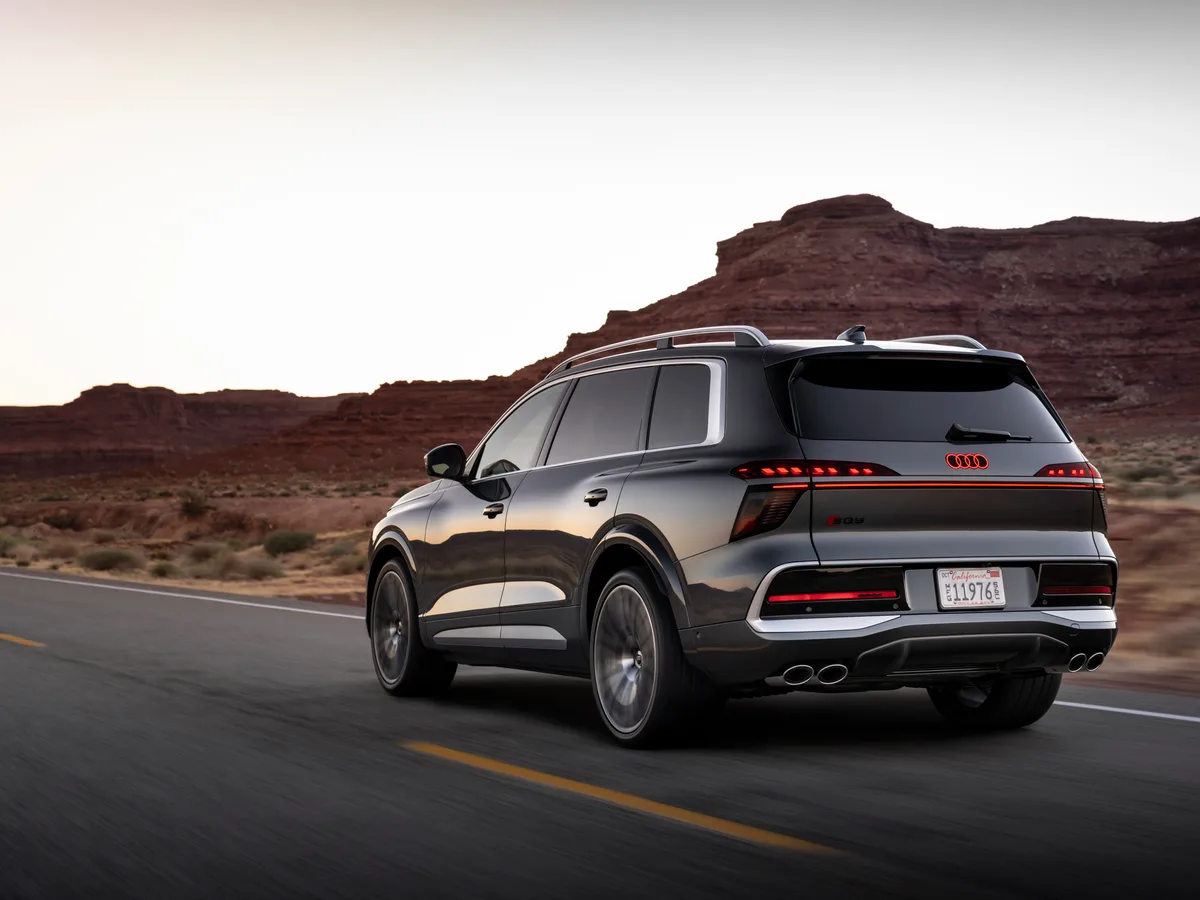
SQ9

TT

TT RS
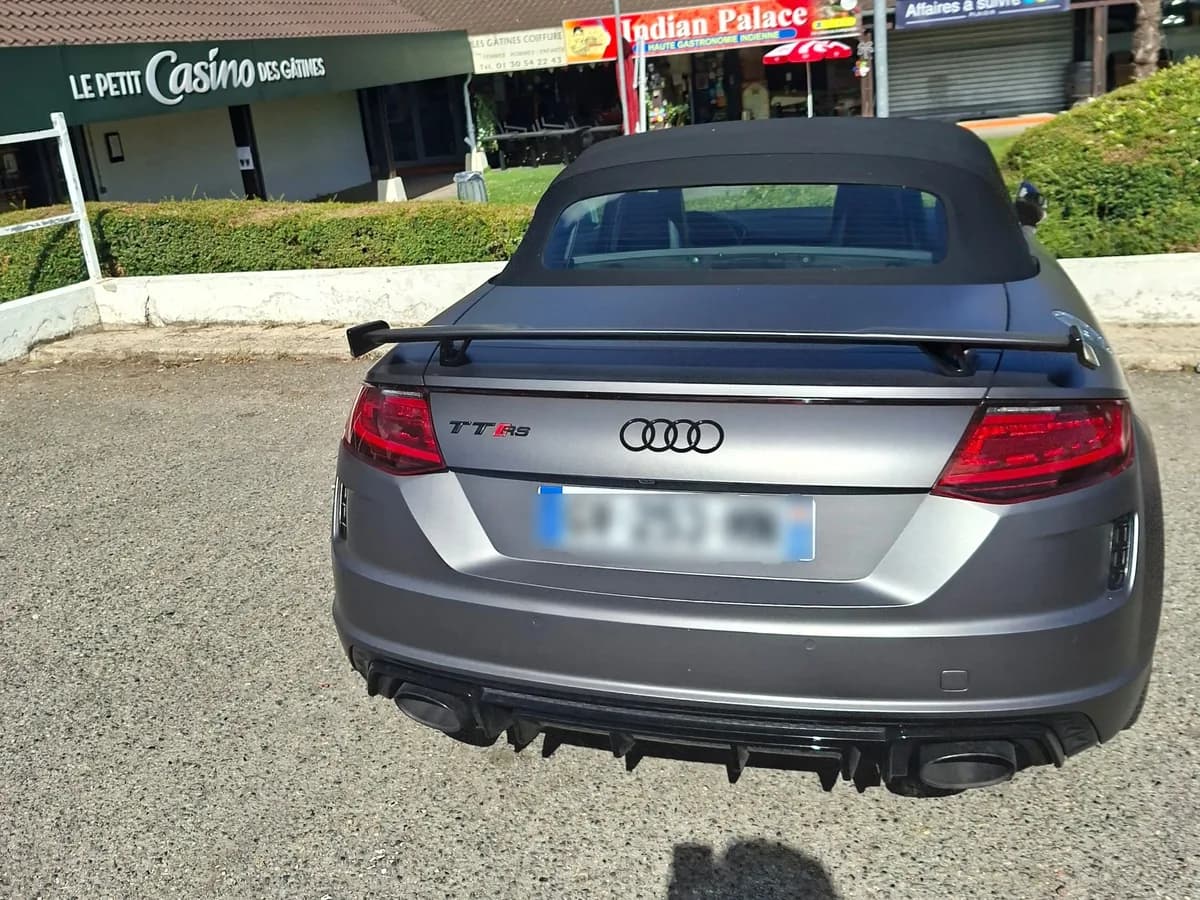
TT RS roadster
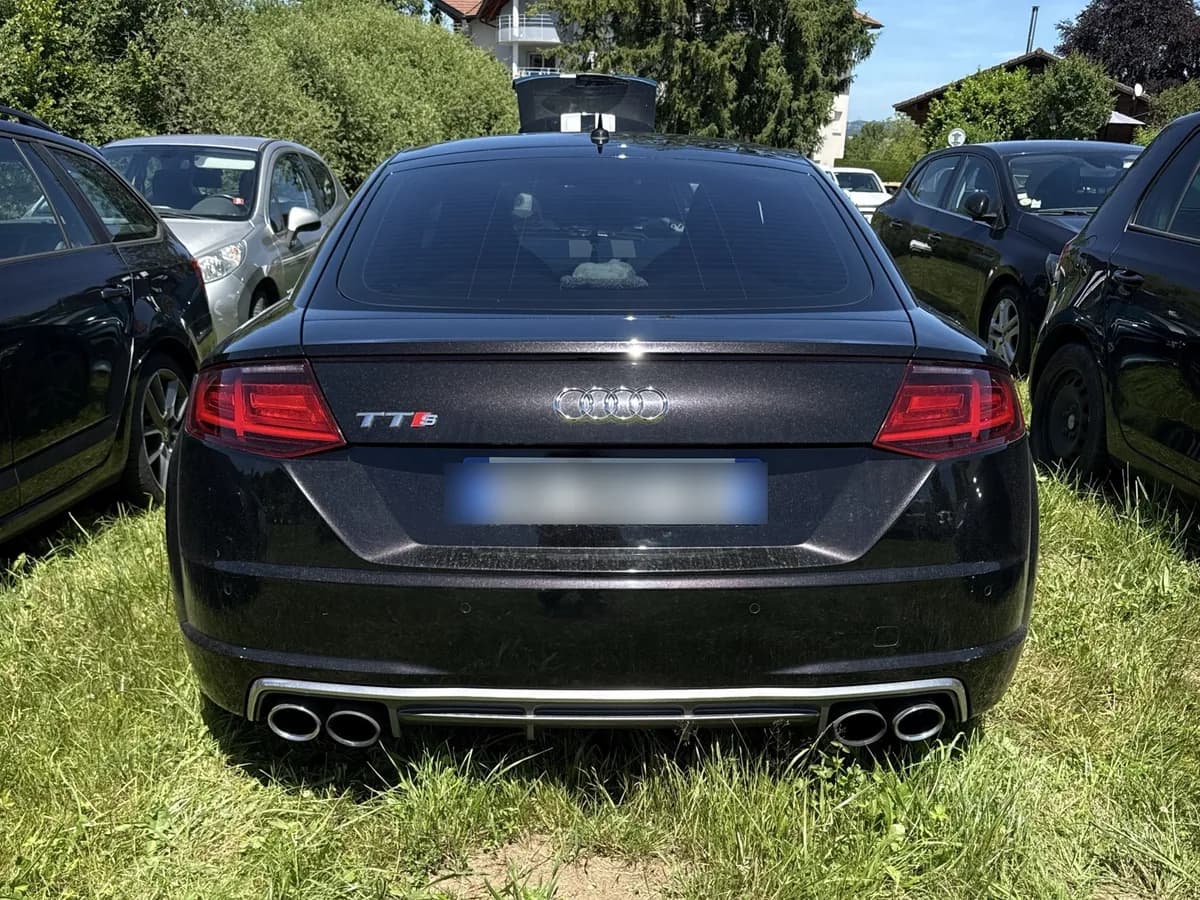
TTS
V8
Audi overview
Audi history
August Horch founded A. Horch & Cie. in Cologne on November 14, 1899. After leaving that company, he established Audi in 1909; the first car to carry the new Audi name appeared in 1910. On June 29, 1932, Audi, DKW, Horch and Wanderer merged to form Auto Union AG. The four rings represented this union, with each marque assigned a different market segment. Auto Union also became prominent in 1930s Grand Prix racing with mid-engined cars that later became known as the Silver Arrows. After the Second World War, a new Audi model was introduced in 1965, while the company was still called Auto Union GmbH. The 1969 merger with NSU created Audi NSU Auto Union AG. In 1985, the company officially adopted the name AUDI AG. In the meantime, the quattro system introduced in 1980 changed Audi’s technical image and became closely associated with its rally and circuit-racing programs. The 1990s brought the A8, A4 and A6, together with a new design strategy and Audi Space Frame technology. The A3, launched in 1996, expanded the brand into premium compact cars. Later, the TT, R8, RS models and Q SUVs added stronger design, performance and lifestyle dimensions to the range.
Audi positioning
Audi occupies the German premium-car sector, with a range extending from the A3 compact car to large sedans, Q SUVs and S and RS performance models. Its position is not based on one single feature; it combines interior presentation, onboard technology, road comfort and a competition-derived image. The quattro system has been central to that identity, but it does not represent one identical mechanical layout across the entire range. Its operation varies by model and generation. The A3 serves as an entry point to Audi and helped establish the premium compact category from 1996 onward. At the performance end, the RS4 and RS6 demonstrate the idea of highly capable cars that can still be used every day. The Q5 occupies an important place among midsize family SUVs, while the A5 adds a more design-focused and sporting character. This family-based structure makes the portfolio easier to understand, although equipment, engines and drivetrains can differ substantially by market and model year.
Recognizing a Audi in a photo
To identify an Audi, begin with the body style, production period and naming system rather than relying only on the grille. Older 80, 100 and 200 models use numerical names, while later generations are organized mainly around the A, Q, S and RS families. Audi states that the letters A and Q distinguish low-floor and high-floor vehicles, while the number indicates their position within the range. Suffixes such as Avant, Sportback, Sedan, Cabriolet and Allroad then describe the body style or its interpretation. S and RS versions often feature sportier bodywork, distinctive bumpers, larger wheels and different mechanical specifications, although the details vary by generation. The quattro badge indicates an Audi all-wheel-drive application, but it does not guarantee the same system on an A3, A4, Q5 or R8. For a reliable identification, record the generation code, headlight shape, body style and complete badge. Engine badges alone can be misleading because naming conventions and available powertrains have changed over time and between markets.
Important Audi models
Audi’s most representative models span several distinct eras. The Audi 80, produced through four generations between 1972 and 1994–1995, is the direct predecessor of the A4, introduced in 1994. The Audi 100 played a similar role for the A6. The 1980 quattro remains a major technical and sporting reference, particularly because of its influence on rallying. The A3, introduced in 1996, established Audi in the premium compact category. The TT, launched in 1998, made a lasting impression through its Bauhaus-inspired design. In the performance range, the 1994 RS2 Avant established the idea of a family car with sports-car capability, with Porsche involved as a development and production partner. The RS4 and RS6 later extended that formula by combining powerful engines, all-wheel drive and everyday usability. Launched in 2008, the Q5 became an important model among Audi’s midsize SUVs. The R8 gave the brand a true mid-engined sports car, while more recent generations have added electrified models to Audi’s continuing technical story.
Audi model names follow a precise logic — with a few exceptions. Decode a Audi name
References
- Company historyAudi
- History of the Four RingsAudi
- Auto UnionAudi
- Audi captures the zeitgeist with this car: first Audi 80 unveiled 50 years agoAudi
- In top form: the Audi A3 and new A3 allstreetAudi
- A timeless design icon: the Audi TT turns 25Audi
- Legendary: The History — Audi RS 4 AvantAudi
- 20 years, four generations – Audi RS 6Audi