
S e-tron GT
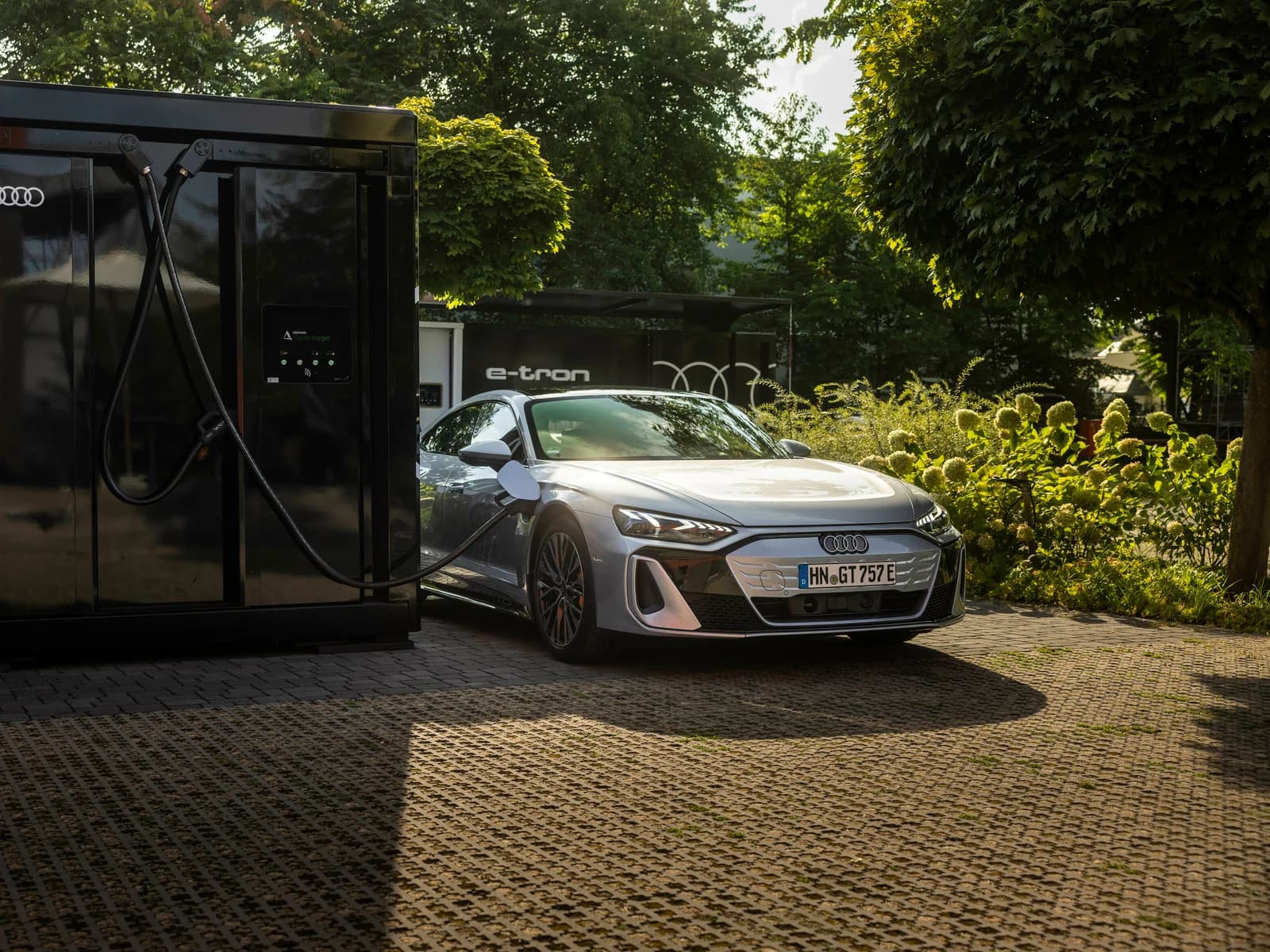
The Audi S e-tron GT is a four-door electric grand tourer introduced in 2024 as part of a substantial update to the e-tron GT family. It combines two permanent-magnet synchronous motors with Audi’s electric quattro all-wheel drive and a high-voltage battery rated at 105 kWh gross, or 97 kWh usable according to Audi. Its maximum system output is quoted at 500 kW, equivalent to 679 hp, allowing a claimed 0–100 km/h time of 3.4 seconds and a 245 km/h top speed. Depending on specification and test conditions, its WLTP range can reach 609 kilometres. The S e-tron GT also uses an 800-volt electrical system, supports DC charging at up to 320 kW, and benefits from revised chassis technology intended to combine long-distance comfort with high-speed stability and sharper handling.
Variants by year
2024
Model summary
Data from the ScanRacer library, organized to compare versions quickly.
Model introduction
The Audi S e-tron GT is a four-door electric grand tourer introduced in 2024 as part of a substantial update to the e-tron GT family. It combines two permanent-magnet synchronous motors with Audi’s electric quattro all-wheel drive and a high-voltage battery rated at 105 kWh gross, or 97 kWh usable according to Audi. Its maximum system output is quoted at 500 kW, equivalent to 679 hp, allowing a claimed 0–100 km/h time of 3.4 seconds and a 245 km/h top speed. Depending on specification and test conditions, its WLTP range can reach 609 kilometres. The S e-tron GT also uses an 800-volt electrical system, supports DC charging at up to 320 kW, and benefits from revised chassis technology intended to combine long-distance comfort with high-speed stability and sharper handling.
History
The S e-tron GT’s story begins with the Audi e-tron GT quattro, introduced as Audi’s electric performance flagship when sales started in 2021. Series production had begun in late 2020 at the Böllinger Höfe facility in Neckarsulm, Germany, a site also associated with the R8. That location placed Audi’s new electric grand tourer alongside the brand’s low-volume performance models. The original e-tron GT used technology developed within the Volkswagen Group and shared important engineering links with the Porsche Taycan, while retaining Audi-specific bodywork, chassis calibration, interior design, and quattro branding. In June 2024, Audi presented a major revision of the family. The range was reorganized around the S e-tron GT, RS e-tron GT, and RS e-tron GT performance. The update goes well beyond revised bumpers and lighting details. Audi introduced a lighter, higher-capacity battery, new electric motors, stronger regenerative-braking capability, and an increase in maximum DC charging power from 270 to 320 kW. The suspension and other chassis systems were also reworked. The S e-tron GT is therefore the performance-oriented entry point of the revised range, rather than merely a cosmetic trim applied to the earlier e-tron GT. Exact equipment and availability can vary by market.
Generations
Audi does not describe the S e-tron GT as a separate historical generation with its own independent lineage. It is the 2024 performance-oriented derivative of the broader e-tron GT family. Two stages are useful when tracing its development. The first is the original e-tron GT quattro, launched in 2021. That model established Audi’s low-slung electric grand tourer concept: a four-door fastback with electric all-wheel drive, strong straight-line performance, and a chassis tuned to blend sportiness with long-distance comfort. The second stage is the major revision revealed in 2024. It retains the general proportions and core concept of the original car, but changes many of the components beneath the familiar body. The S e-tron GT uses a 105-kWh gross battery, 97 kWh usable, permanent-magnet synchronous motors, and a quoted maximum system output of 500 kW. Audi also gives it a possible WLTP range of up to 609 kilometres, an ideal-condition 10–80 percent DC charging time of about 18 minutes, and charging capability of up to 320 kW. Exterior changes include a revised front treatment, a redesigned rear diffuser, and Audi’s updated two-dimensional ring emblem. The most accurate description is therefore a heavily re-engineered first-generation e-tron GT, not a completely new second generation.
Key differences
The 2024 S e-tron GT differs from the earlier e-tron GT quattro through a more powerful drivetrain, a denser battery, and faster charging capability. Audi quotes 500 kW of maximum system output and a 97-kWh usable battery, while the previous model used an earlier battery and motor specification. Maximum DC charging power rises from 270 to 320 kW, and the revised battery is designed to maintain high charging performance across a wider operating window. Regenerative braking capability also increases to as much as 400 kW. Compared with the RS e-tron GT and RS e-tron GT performance, the S has a more restrained visual treatment. Its inverted closed Singleframe-style front element is framed by a black mask, whereas the RS derivatives use a more pronounced honeycomb pattern and more aggressive aerodynamic detailing. The S produces 500 kW and reaches 100 km/h in a claimed 3.4 seconds; the RS is rated at 630 kW and 2.8 seconds, while the RS performance reaches 680 kW and 2.5 seconds. Wheels, brakes, interior trim, and other equipment remain dependent on market specification and selected options.
Photo recognition
The S e-tron GT is easiest to identify by its very low fastback grand-tourer shape: a long bonnet, sharply sloping roof, broad shoulders, and four doors. Its front end does not use a conventional open grille. Instead, it features an inverted closed Singleframe-style element surrounded by a black mask, with shaped air curtains guiding airflow around the front wheels. The S version generally appears more restrained than the RS derivatives, which use stronger honeycomb and blade-like aerodynamic details. At the rear, the aerodynamic diffuser with vertical fins is a useful clue for the revised 2024 model. The broad horizontal rear-light treatment remains a defining feature, while the Audi rings may use the flatter two-dimensional emblem introduced with the brand’s updated corporate identity. Audi offered new 20-inch multi-spoke wheels for the S, although wheel design is market- and option-dependent. Inside, the top-and-bottom-flattened steering wheel, standard Sports seats plus, and displays showing battery temperature and available charging power help identify the 2024 update. S badging, brake colors, trim materials, and lighting equipment can vary with individual specification.
Important versions
The S e-tron GT is the performance-oriented reference model in the revised 2024 e-tron GT family, positioned below the two RS derivatives. Audi quotes 500 kW, 679 hp, 740 Nm in some market specification sheets, a claimed 0–100 km/h time of 3.4 seconds, and a 245 km/h top speed. Its 105-kWh gross battery, with 97 kWh usable, supports a quoted WLTP range of up to 609 kilometres depending on specification. DC fast charging can reach 320 kW under suitable conditions. The 2024 family also includes the RS e-tron GT and RS e-tron GT performance, both offering higher output and more aggressive performance equipment. In the ScanRacer context provided here, the S e-tron GT is represented by one “Base” variant for the 2024 model year. That label should be treated as a library designation rather than a universally consistent Audi trim name across all markets.
The name “S e-tron GT” follows Audi naming, with its rules and its exceptions. Decode a Audi name
References
- Audi S e-tron GT (2024) reviewCompleteCar.ie
- Exterior design and aerodynamicsAudi
- https://www.greencarguide.co.uk/car-reviews-and-road-tests/audi-s-e-tron-gt-2024-review/greencarguide.co.uk
- https://media.audi.com/is/content/audi/nemo/sg/Models/etronGT/Audi_RS_e-tron_GT_Digital_Spec_Sheet_Dec_23_for_Jan_24.pdfmedia.audi.com
- https://www.countrylife.co.uk/luxury/motoring/audi-s-e-tron-gt-is-this-the-ev-that-will-save-us-from-a-dull-and-silent-futurecountrylife.co.uk
Frequently asked questions
- What years was the Audi S e-tron GT produced?
- ScanRacer's referenced versions cover 2024.
- How many Audi S e-tron GT examples are documented on ScanRacer?
- 8 published scans from 1 member, with the latest photo added in July 2026.