
RS3
The Audi RS3 is a high-performance compact car built around a 2.5-liter turbocharged five-cylinder engine, a defining feature of the model since its launch in 2011. The first RS3 was offered exclusively as a Sportback and was aimed primarily at European markets. The version introduced in 2015 kept the hatchback body style while bringing higher output and revised engineering. Audi later added an RS3 Sedan, including for North America from 2017. The next generation, unveiled in 2021, continued the formula with quattro all-wheel drive, a dual-clutch automatic transmission, and a turbocharged five-cylinder engine. ScanRacer’s RS3 coverage spans model years from 2011 through 2024 and includes Sedan, Sportback, and Base entries among its available variant labels.
What about the car you photographed?
Upload a photo to get a suggested make, model and likely year.
No account needed for the result · Publish only if you choose
Variants by year
Make: Audi · Model: RS3
9 / 9 versions shown
2024
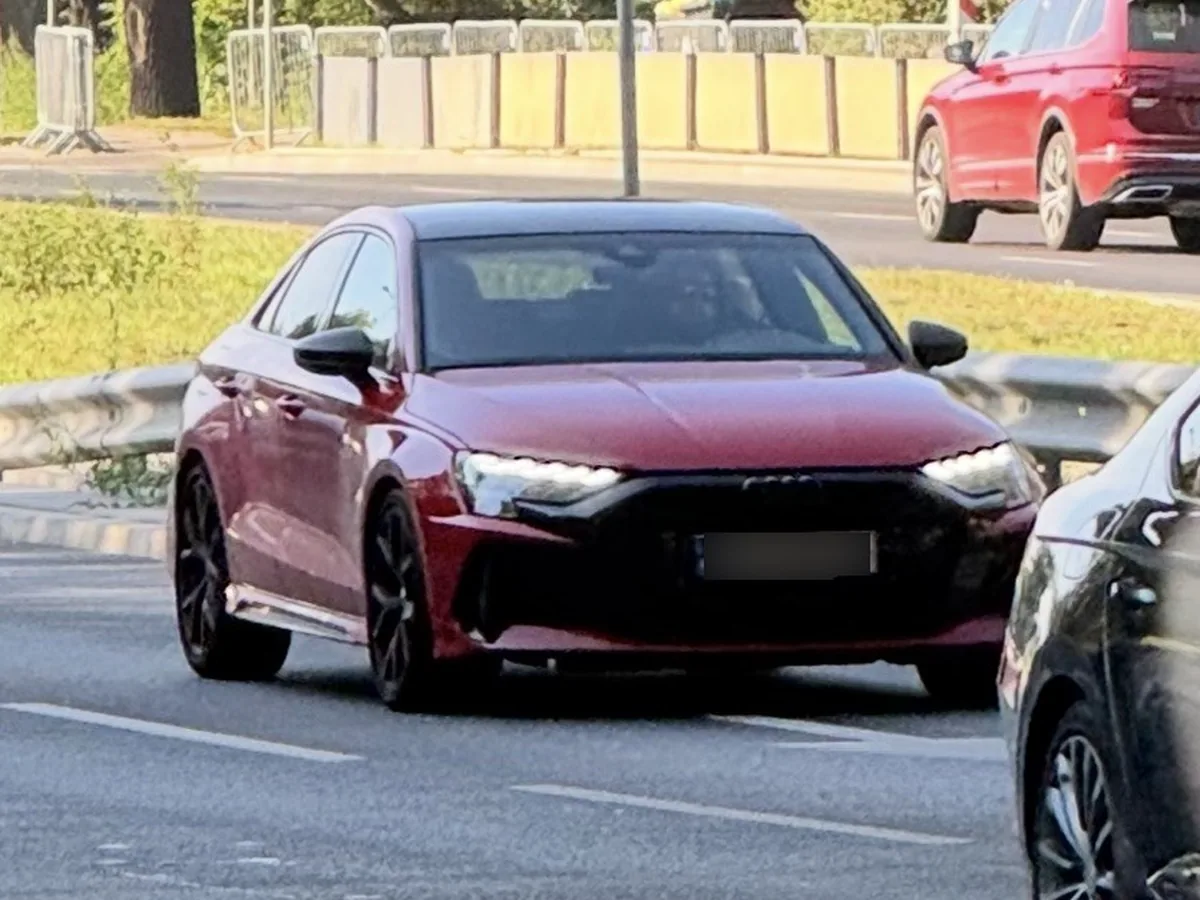

2022
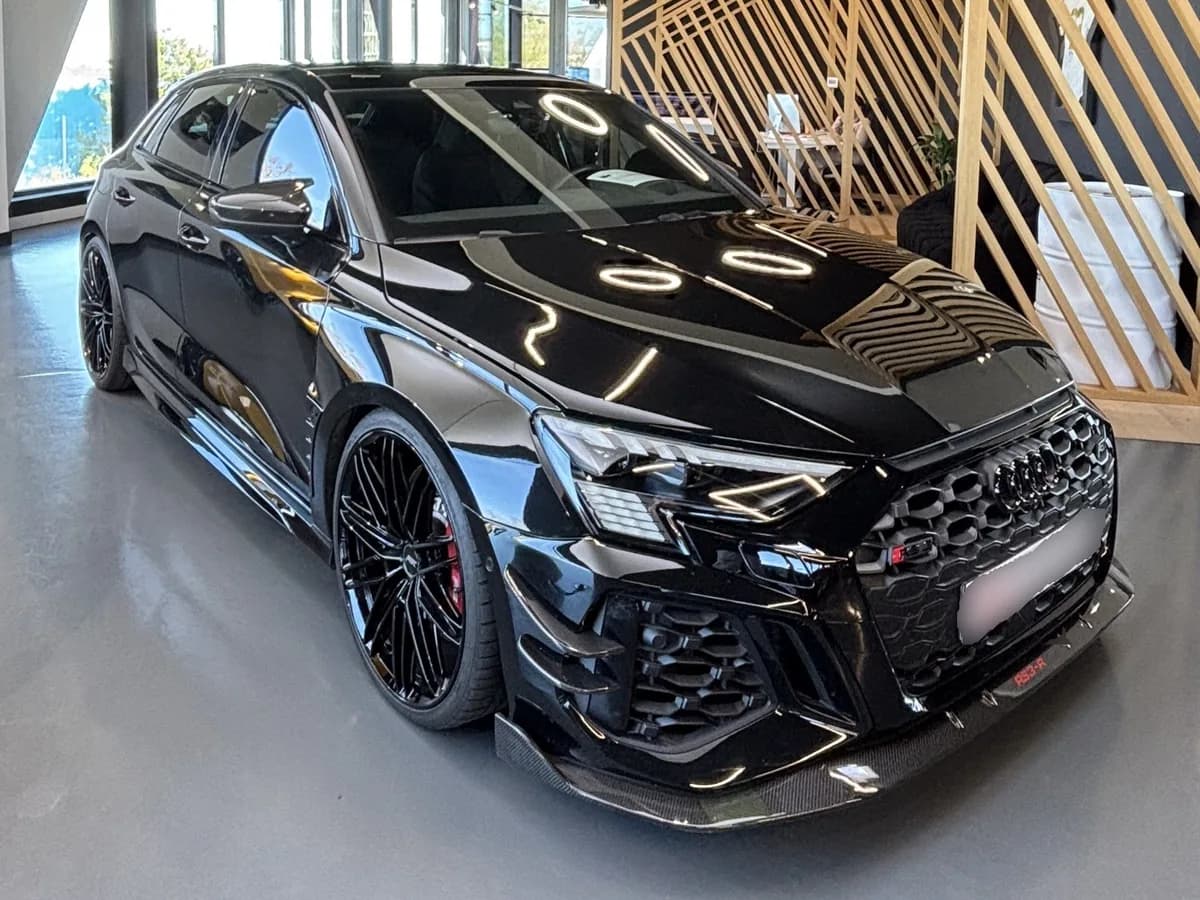
2021
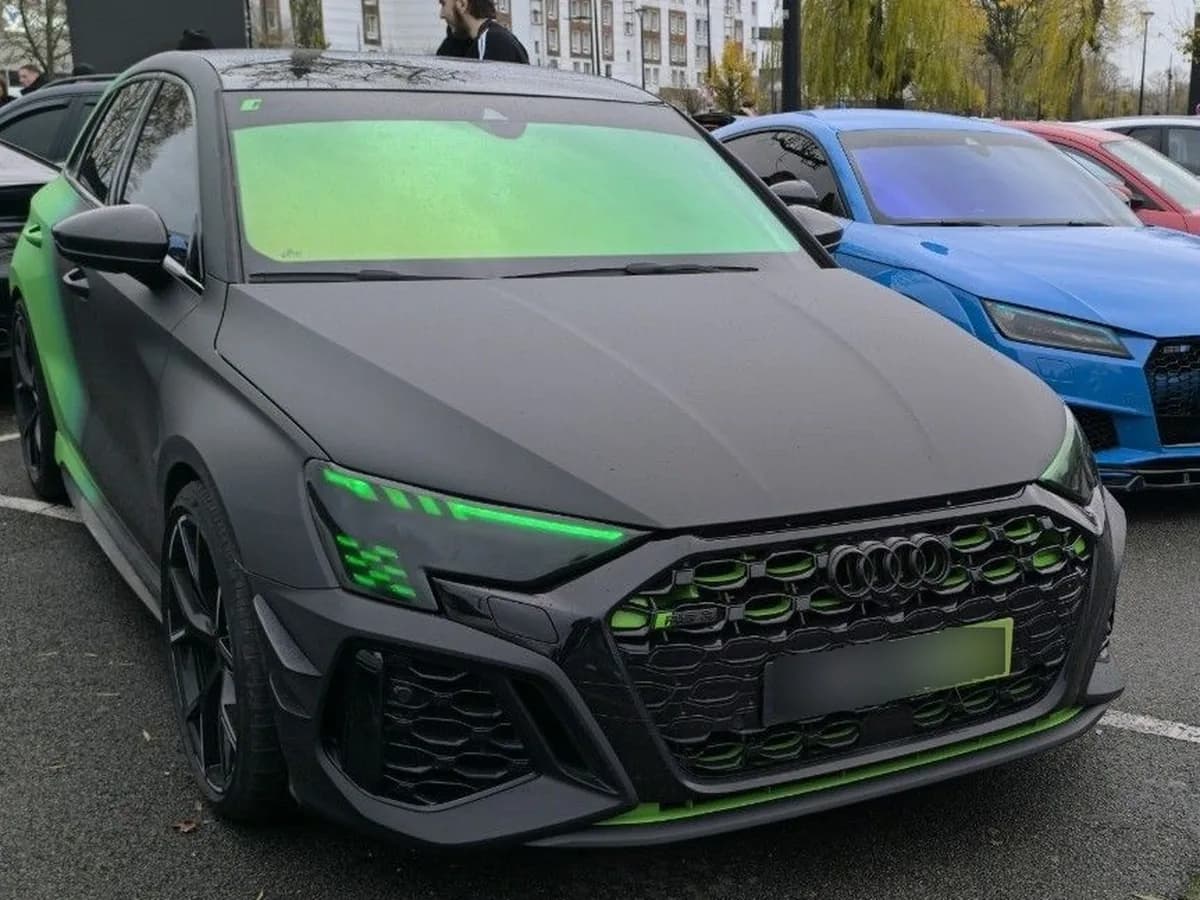
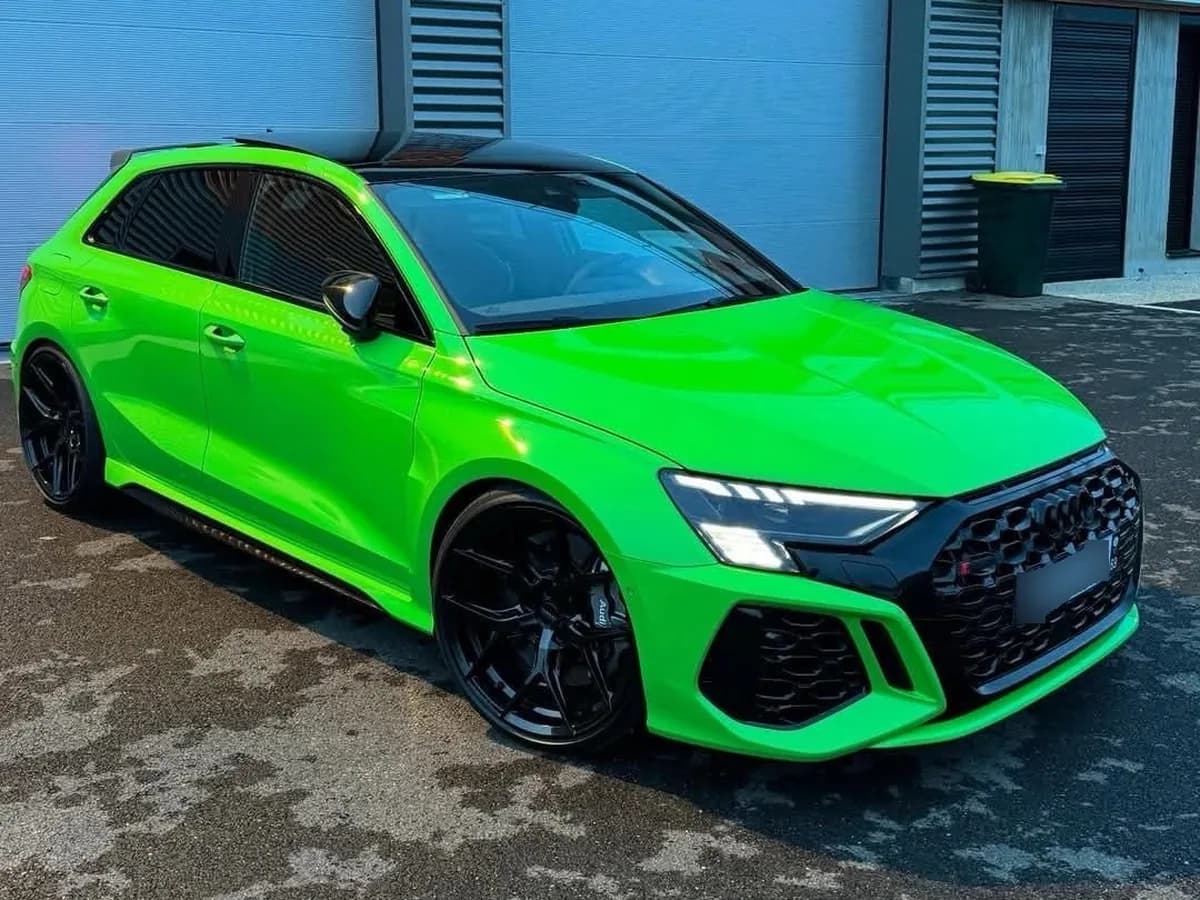
2017
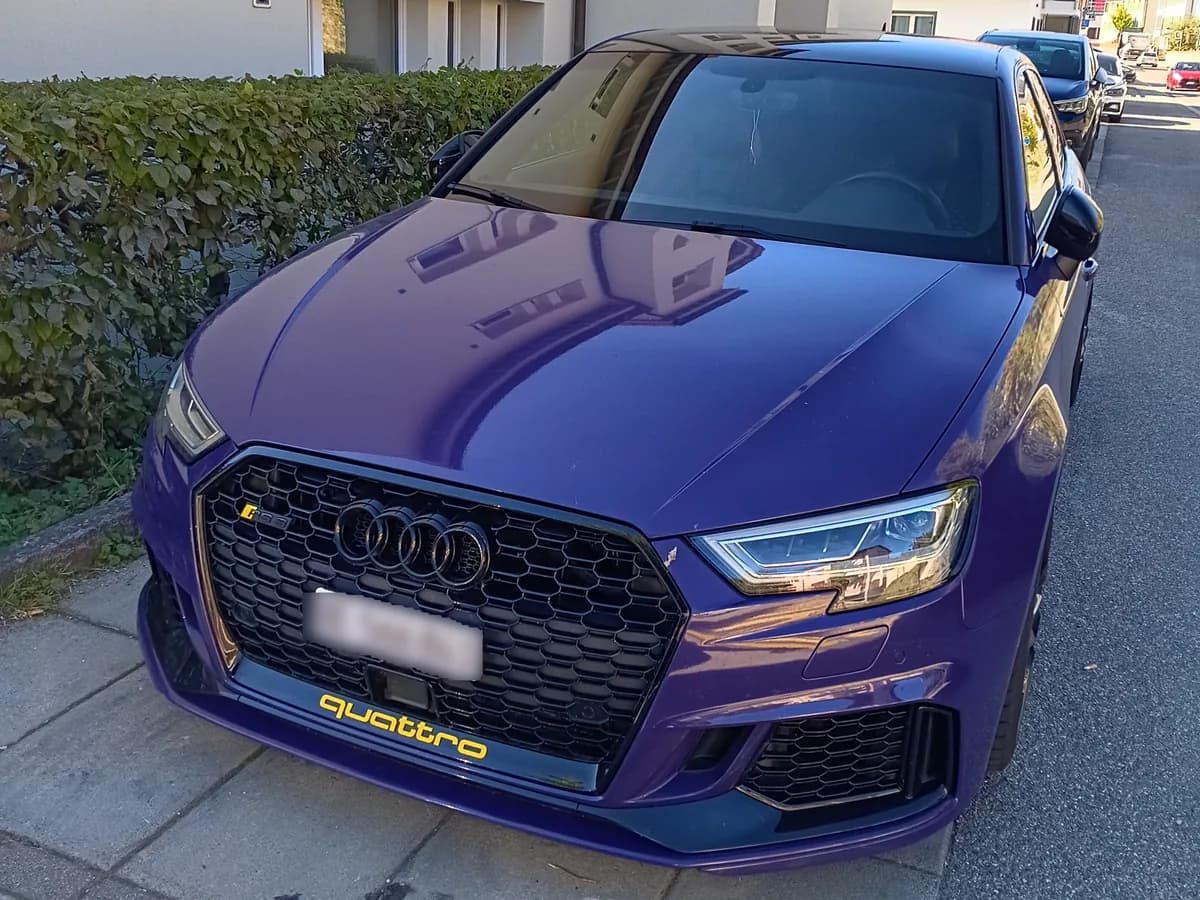
2016
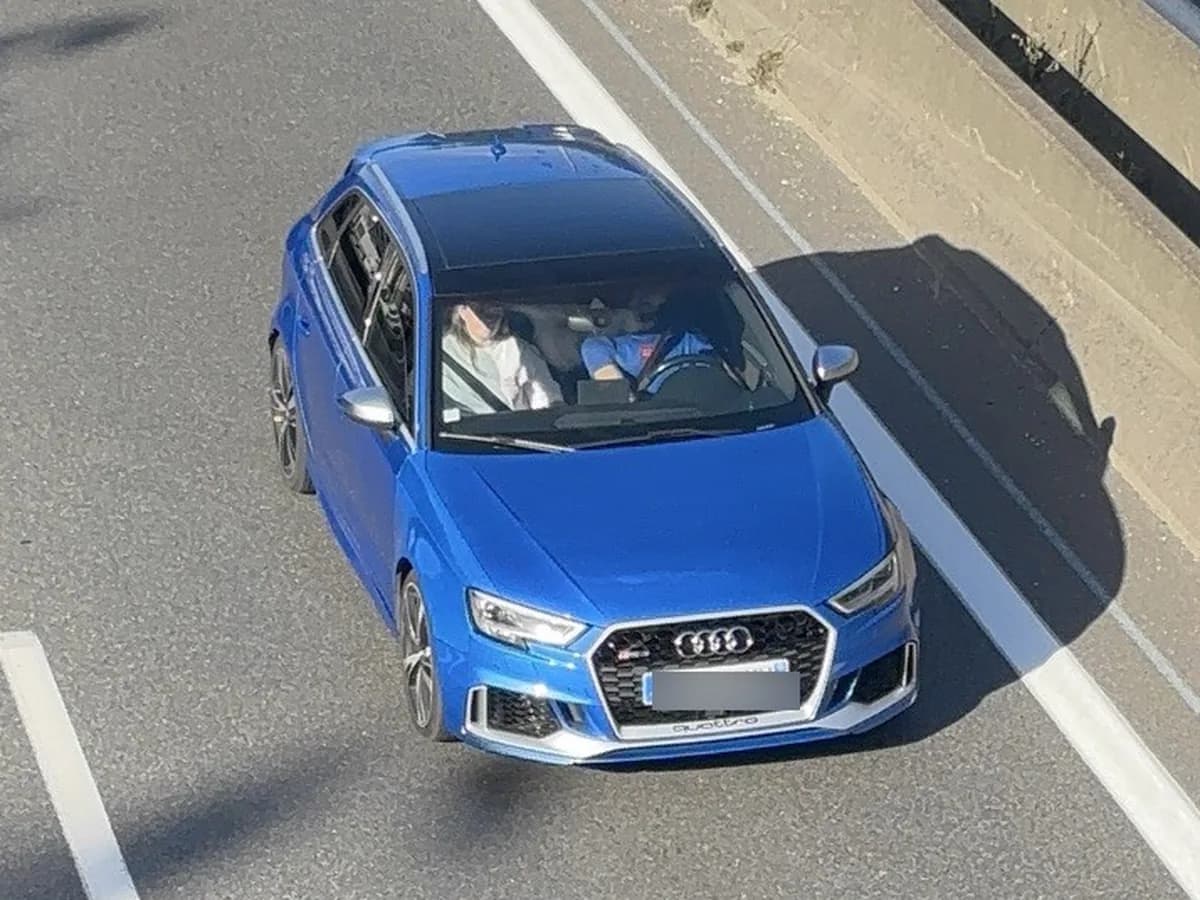
2015
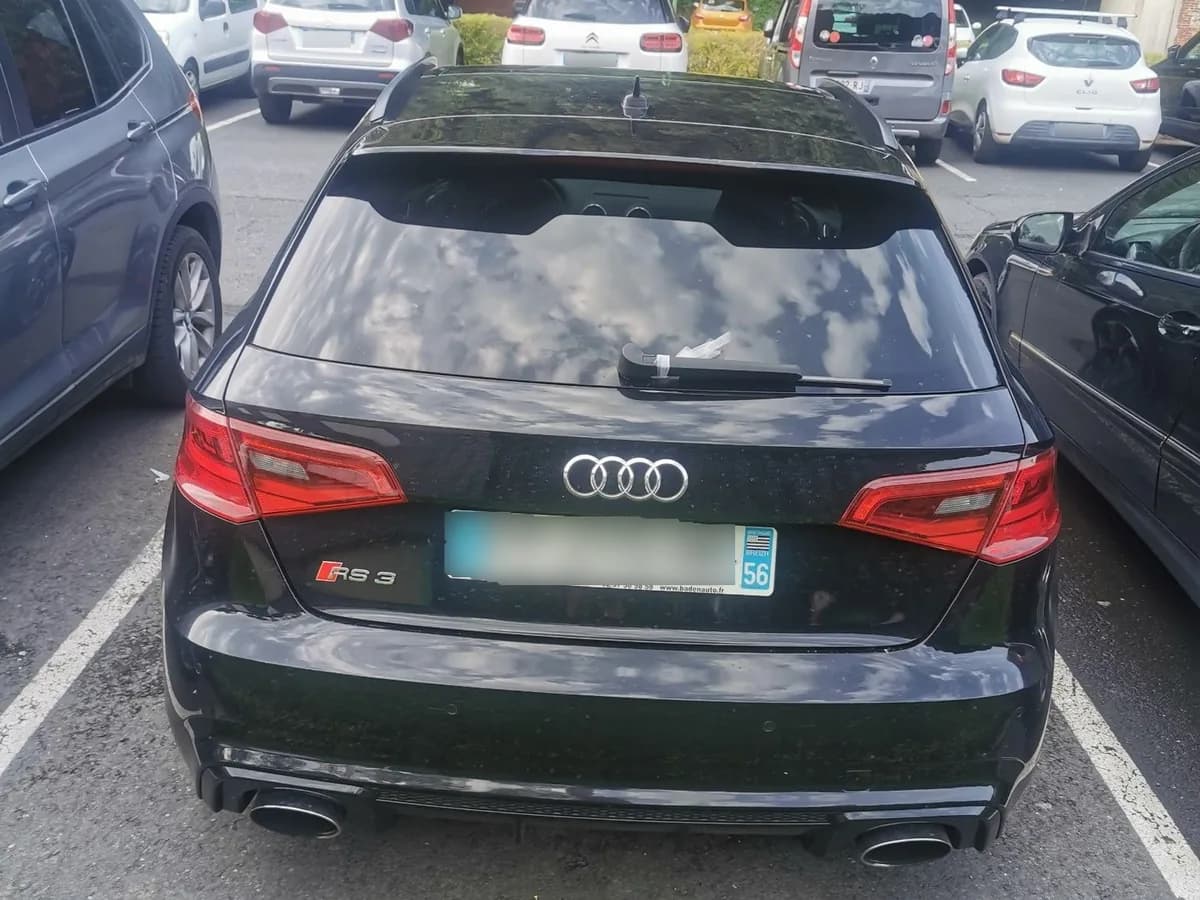
2011
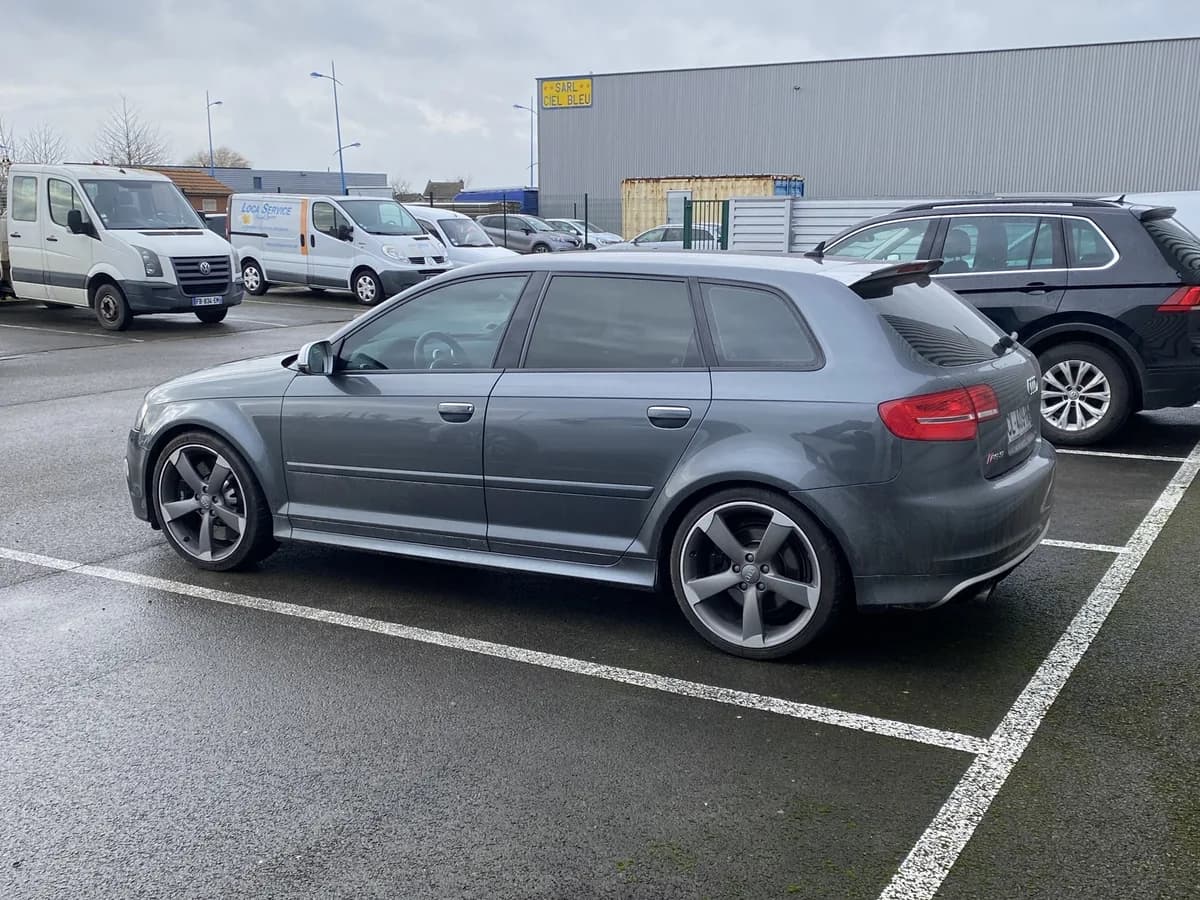
Audi RS3 photos
Model summary
Data from the ScanRacer library, organized to compare versions quickly.
Model introduction
The Audi RS3 is a high-performance compact car built around a 2.5-liter turbocharged five-cylinder engine, a defining feature of the model since its launch in 2011. The first RS3 was offered exclusively as a Sportback and was aimed primarily at European markets. The version introduced in 2015 kept the hatchback body style while bringing higher output and revised engineering. Audi later added an RS3 Sedan, including for North America from 2017. The next generation, unveiled in 2021, continued the formula with quattro all-wheel drive, a dual-clutch automatic transmission, and a turbocharged five-cylinder engine. ScanRacer’s RS3 coverage spans model years from 2011 through 2024 and includes Sedan, Sportback, and Base entries among its available variant labels.
History
Audi introduced the RS3 Sportback in spring 2011 as the performance flagship of the A3 range. That first version was based on the second-generation A3 and already used the 2.5-liter turbocharged five-cylinder engine, quattro all-wheel drive, and a dual-clutch S tronic transmission. Car and Driver reported that its limited production and lack of U.S. availability made it relatively uncommon outside Europe. Its reception nevertheless exceeded Audi’s expectations, supporting the continuation of the model line. The second RS3 Sportback arrived in 2015 on the A3’s 8V-generation platform. Audi quoted 367 horsepower and 465 Nm of torque, together with lighter construction and an updated five-cylinder engine. A later facelift increased output to 400 horsepower on certain versions. In 2017, Audi introduced the RS3 Sedan, the first three-box body style in the family and the first RS3 officially sold in the United States. The third generation was revealed in 2021 in both Sportback and Sedan forms. It retained the five-cylinder engine but added more sophisticated torque management between the axles, intended to improve agility. These milestones are supported by Audi material and established automotive publications; exact equipment and availability can still differ by market and model year.
Generations
The first generation, commonly associated with the A3 8P platform, is the RS3 Sportback launched in 2011. Its main identifiers are the five-door body, wider performance-oriented styling, and a 340-horsepower 2.5-liter turbocharged five-cylinder engine. It established the RS3 formula, but it should not be treated as technically identical to later cars simply because the engine retained the same displacement. The second generation is based on the A3 8V and began in 2015 as a Sportback. It launched with 367 horsepower and used a newer underlying architecture. The Sedan introduced in 2017 belongs to the same broad technical period, even though its body style and some equipment vary by market. Facelifted examples may produce 400 horsepower and feature revised exterior details. The third generation, linked to the A3 8Y, was revealed in 2021. It was offered as both Sportback and Sedan and kept the turbocharged five-cylinder engine, while its chassis and drivetrain management changed substantially. Audi highlighted a rear torque splitter designed to vary torque distribution and sharpen cornering behavior. Correct identification therefore requires combining model year, body style, and visual details: a 2015 Sportback and a 2017 Sedan are not separate generations, while a 2022 8Y represents a new technical stage.
Key differences
Differences between RS3 models are not limited to body style. The 2011 first generation used an early version of the 2.5-liter turbocharged five-cylinder engine and was available only as a Sportback. The 2015 8V generation introduced a lighter underlying structure and quoted 367 horsepower; facelifted versions could reach 400 horsepower. The Sedan introduced in 2017 belonged to the same technical family, but its trunked body, market availability, and equipment separated it from the Sportback. The 8Y generation, beginning in 2021, retained the five-cylinder engine while improving chassis tuning and rear torque management. This can make the car feel more adjustable in corners, but it does not mean every market version has identical settings or options. Power figures, brakes, seats, wheels, exhaust systems, and driver-assistance equipment should be checked against the relevant model year and market. Labels such as Base, Sedan, and Sportback therefore describe catalog categories rather than universally fixed equipment levels.
Photo recognition
Start with the body style when identifying an RS3. The first generation was exclusively a five-door Sportback, so an RS3 Sedan cannot predate the arrival of that body style in 2017. The most consistent mechanical clue is the five-cylinder engine, whose distinctive sound can be more revealing than a badge. Visual modifications and aftermarket parts, however, can make identification by appearance unreliable. On early generations, look for a wider front treatment, dedicated air intakes, contrasting mirror caps, oval exhaust outlets, and RS details on the grille or wheels. Facelifted 8V cars use revised lighting signatures and a redesigned grille compared with the earlier 8V versions. The 8Y can be recognized by its sharper front-end design, slimmer headlamps, and newer digital interior presentation. The most dependable identification combines the vehicle identification number, production year, body style, and factory documentation; exterior appearance alone cannot establish the exact power output or equipment level.
Important versions
The 2011 RS3 Sportback is the founding version: a relatively rare five-door model powered by the family’s first 2.5-liter turbocharged five-cylinder engine. The 2015 Sportback marked a major step with 367 horsepower and a newer technical base. The 2017 RS3 Sedan is especially important in markets where the three-box body style complemented or replaced the Sportback, including the United States. Facelifted 8V versions deserve attention for their quoted 400-horsepower output and revised styling. Finally, the 8Y generation launched in 2021 represents the modern continuation of the concept, combining Sportback and Sedan bodies with the five-cylinder engine and more advanced rear torque management. ScanRacer’s available years and labels should be treated as catalog categories; they do not imply identical specifications in every country.
The name “RS3” follows Audi naming, with its rules and its exceptions. Decode a Audi name
References
- 2017 Audi RS3 Sedan First DriveCar and Driver
- The Hottest Hatch: 2015 Audi RS3 Sportback Driven!Car and Driver
- Tested: 2022 Audi RS3 Hits 60 MPH in 3.3 SecondsCar and Driver
- https://www.caranddriver.com/audi/rs3-2017caranddriver.com
- https://www.caranddriver.com/reviews/a15079146/2017-audi-rs3-test-review/caranddriver.com
- https://www.carmax.com/research/audi/rs3carmax.com
Technical specifications
Structured data available for versions linked to this model.
| Version | Power | Torque | Top speed | Drivetrain | Fuel |
|---|---|---|---|---|---|
| Base | 294.2 KW @ 5600-7000 RPM 400 HP @ 5600-7000 RPM 395 BHP @ 5600-7000 RPM | 369 lb-ft @ 2250-5600 RPM 500 Nm @ 2250-5600 RPM | 155 mph (249 km/h) | All Wheel Drive / 7- automatic speed S Tronic | Gasoline |
| Base | 228 KW @ 5450-6500 RPM 310 HP @ 5450-6500 RPM 306 BHP @ 5450-6500 RPM | 295 lb-ft @ 2000-5450 RPM 400 Nm @ 2000-5450 RPM | 155 mph (249 km/h) | All Wheel Drive / 7-speed automatic S tronic | Gasoline |
Frequently asked questions
- What years was the Audi RS3 produced?
- ScanRacer's referenced versions cover 2011 - 2024.
- How many Audi RS3 examples are documented on ScanRacer?
- 53 published scans from 25 members, with the latest photo added in September 2026.
What about the car you photographed?
Upload a photo to get a suggested make, model and likely year.
No account needed for the result · Publish only if you choose