Audi RS3 Sportback 2015
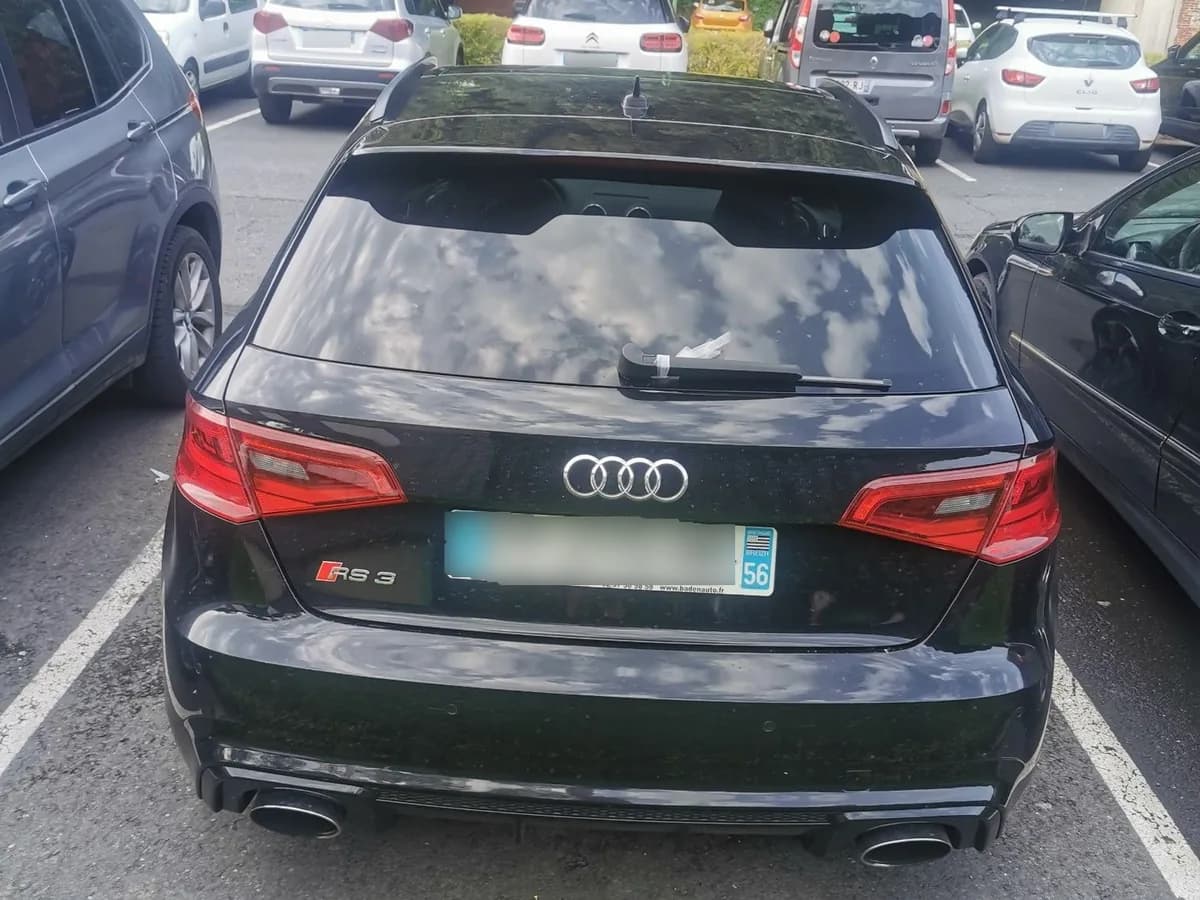
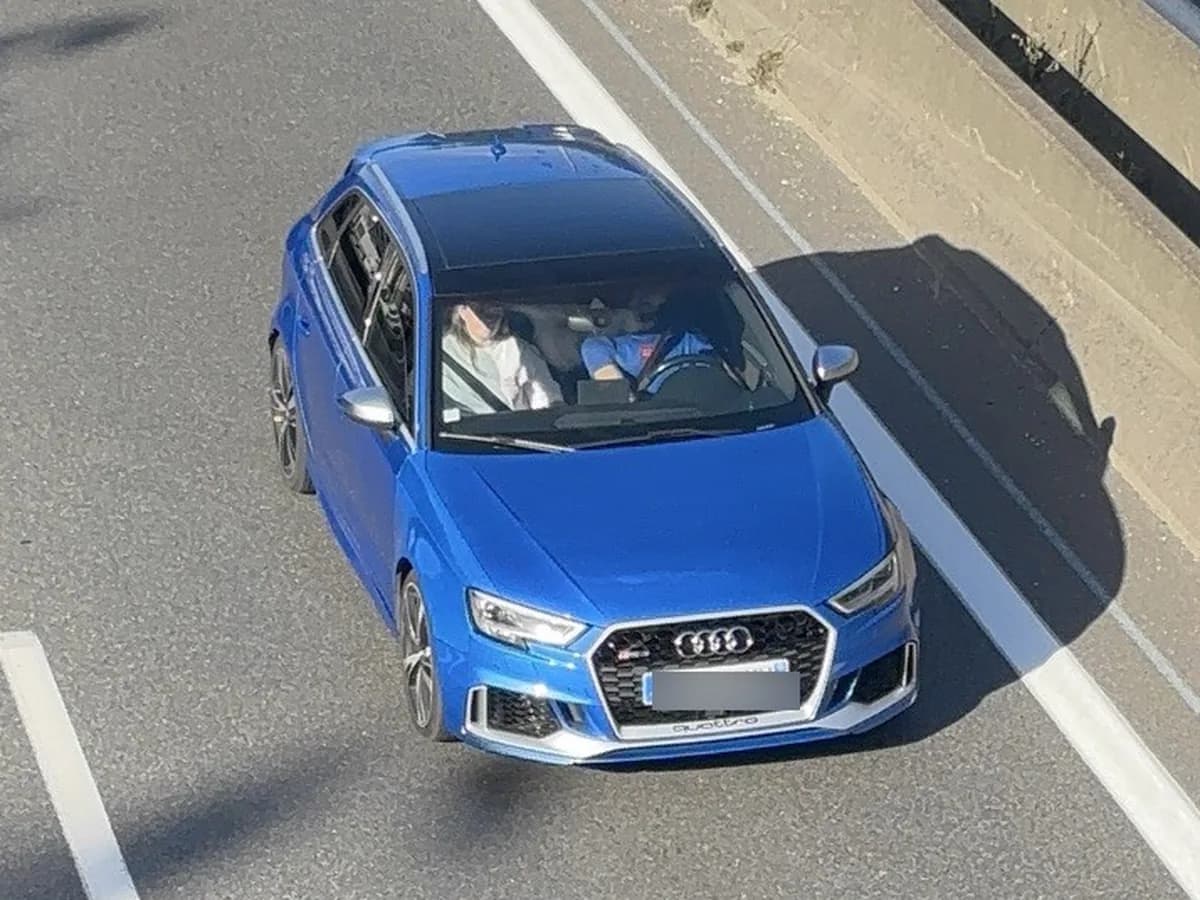
The 2015 Audi RS 3 Sportback is a five-door performance compact powered by a 2.5-liter TFSI inline-five engine. This second-generation model produces 367 hp and 465 Nm, with power sent to all four wheels through a seven-speed S tronic transmission. Audi positioned it as the most powerful car in the premium compact class when it was introduced, combining the MQB-based A3 platform with a chassis specifically developed for the RS range. Its claimed 0–100 km/h time of 4.3 seconds placed it firmly among the fastest hot hatches of its period, alongside the Mercedes-AMG A 45. The Sportback body retained everyday practicality while gaining wider arches, a honeycomb grille, larger air intakes and distinctive RS exterior details.
Curious about this car?
Explore RS3, then try your own photo.
No account needed for the result · Publish only if you choose
History
The 2015 RS 3 Sportback followed the first RS 3, introduced in 2011. Audi had placed that earlier car at the top of the A3 range, but it arrived relatively late in the life cycle of the previous A3 generation. The second-generation model was planned from the outset around the MQB-based A3 platform. This change brought a claimed weight reduction, as reported by Car and Driver, together with a 27-hp increase over the earlier RS 3. The 2.5 TFSI inline-five remained the defining feature, but it was substantially revised and now produced 367 hp. Audi also quoted 465 Nm of torque from 1,625 to 5,550 rpm. The quattro all-wheel-drive system received model-specific software, while the suspension sat 25 mm lower than that of a standard A3 Sportback. In Japan, sales began on October 20, 2015, representing the local introduction of the second-generation RS 3 Sportback.
Latest scans
Photos added by the community for this page.
Anecdotes
The RS 3’s inline-five belongs to a broader Audi tradition linked to competition and rally cars of the 1980s. Audi also notes that the 2.5 TFSI first appeared in the TT RS in 2009 and won the 2.0-to-2.5-liter category of the International Engine of the Year awards for five consecutive years from 2010 to 2014. Its distinctive sound and unusual firing sequence became important parts of the RS 3’s character, setting it apart from four-cylinder rivals.
Production
The 2015 RS 3 Sportback marked the commercial launch of the model’s second generation. Audi stated that the new version appeared in the summer of 2015, while individual markets began sales or deliveries later that year. Production formed part of Audi’s performance-car range and was based on the A3 Sportback architecture, but the sources reviewed do not provide a verified worldwide production total for the 2015 model. A precise volume should therefore not be stated. The documented specification clearly identifies this version through its 367-hp five-cylinder engine, five-door body, seven-speed S tronic transmission and quattro all-wheel drive. Market launch dates and equipment details varied between countries.
Press reception
Automotive publications generally praised the RS 3 Sportback’s performance while noting its highly focused character. Car and Driver highlighted the weight reduction, the stronger five-cylinder engine and the effectiveness of the all-wheel-drive system. MotorTrend emphasized the claimed 4.3-second 0–100 km/h acceleration and described the car as capable of covering long distances as well as delivering rapid performance. Autocar acknowledged its class-leading output at the time, while stressing that the car needed more than headline power to stand out dynamically. The Guardian focused on the acceleration, engine sound and theatrical personality, awarding it an 8/10 “cool” rating. Taken together, the reviews present a very fast and distinctive, if not understated, compact car.
Evolution
The change from the 2011 RS 3 to the 2015 model involved more than a revised engine. Moving to the MQB platform made the car lighter according to figures supplied to the press, while the five-cylinder gained 27 hp and reached 367 hp. The seven-speed S tronic dual-clutch transmission received faster shift programming and remained the only gearbox identified in the sources reviewed. Audi also revised the control strategy of the quattro system to respond more effectively to driving style and available grip. The chassis gained wider tracks, a lower ride height and upgraded brakes. Together, these changes gave the second-generation RS 3 a more developed balance of straight-line performance, traction and everyday usability than its predecessor.
Variants
References
- Audi RS 3 Sportback, model year 2015Audi MediaCenter
Supports the 2015 launch timing, 2.5 TFSI inline-five engine, 270 kW output and 465 Nm torque.
- 新型Audi RS 3 Sportbackを発売Audi Japan Press Center
Supports the Japanese launch date, engine, output, torque, S tronic transmission, quattro system and chassis details.
- The Hottest Hatch: 2015 Audi RS3 Sportback Driven!Car and Driver
Supports the MQB platform discussion, weight reduction, performance figures, transmission availability and optional top-speed information.
- 2015 Audi RS3 Sportback First Drive - And We Might Get itMotorTrend
Supports contemporary road-test observations, acceleration figures, drivetrain description and everyday usability.
- Audi RS3 Sportback 2015-2016 reviewAutocar
Supports contemporary press positioning, power comparison and comments on handling and predecessor improvements.
- On the road: Audi RS 3 Sportback – car reviewThe Guardian
Supports contemporary reception, quoted performance figures and the 8/10 cool rating.
- https://www.audi.com/en/rs-3-sportback-15/technical-data?show=tfsi-294-kwaudi.com
Source found by OpenAI web search for this vehicle page.
- https://www.autobild.de/artikel/audi-rs-3-sportback-2015-preis-5498269.htmlautobild.de
Source found by OpenAI web search for this vehicle page.