
S6 e-tron
The Audi S6 e-tron is a high-performance electric executive car unveiled in 2024 and offered in two body styles: Sportback and Avant. It uses the Premium Platform Electric (PPE), an architecture developed for the Volkswagen Group’s premium battery-electric models. Its dual-motor quattro system and 100-kWh gross battery place it at the top of the A6 e-tron range, while leaving the more extreme positioning traditionally associated with Audi RS models. In Audi’s German technical data, the S6 e-tron produces 370 kW, with up to 405 kW available in Launch Control, and accelerates from 0 to 100 km/h in 4.1 seconds, or 3.9 seconds using that function. The Sportback emphasizes aerodynamic efficiency through its fastback profile, while the Avant retains the long-roof practicality expected of a station wagon. (uploads.audi-mediacenter.com)
Variants by year
2024
Model summary
Data from the ScanRacer library, organized to compare versions quickly.
Model introduction
The Audi S6 e-tron is a high-performance electric executive car unveiled in 2024 and offered in two body styles: Sportback and Avant. It uses the Premium Platform Electric (PPE), an architecture developed for the Volkswagen Group’s premium battery-electric models. Its dual-motor quattro system and 100-kWh gross battery place it at the top of the A6 e-tron range, while leaving the more extreme positioning traditionally associated with Audi RS models. In Audi’s German technical data, the S6 e-tron produces 370 kW, with up to 405 kW available in Launch Control, and accelerates from 0 to 100 km/h in 4.1 seconds, or 3.9 seconds using that function. The Sportback emphasizes aerodynamic efficiency through its fastback profile, while the Avant retains the long-roof practicality expected of a station wagon. (uploads.audi-mediacenter.com)
History
The S6 e-tron’s history begins with the electrification of Audi’s A6 family. Unlike previous S6 generations, which generally used six- or eight-cylinder combustion engines depending on the period, this model uses a fully electric powertrain. It should not be described simply as an electric conversion of the preceding S6, however: Audi developed it around the PPE platform, shared with other recent premium electric models from Audi and the wider Volkswagen Group. Audi unveiled the S6 Sportback e-tron and S6 Avant e-tron on July 31, 2024, alongside the new A6 e-tron family. The launch represented a significant step for the brand because the S6 name was applied to both a large electric fastback and a production electric estate for the first time. PPE production is associated with Audi’s Neckarsulm facility in Germany, a site already responsible for high-end Audi models. The S6 e-tron therefore continues a familiar Audi formula: a discreet, fast and practical executive car, but with the combustion engine, conventional gearbox and exhaust system replaced by a dual-motor electric drive, a high-voltage battery and rapid DC charging capability. Its place in the range is best understood as a performance-oriented S model rather than an RS derivative. (audi-mediacenter.com)
Generations
The S6 e-tron does not yet have a long sequence of documented generations: the model introduced in 2024 is its first known generation. It is therefore more accurate to describe an initial generation offered in two body styles than to suggest a history of multiple series that Audi has not established. This first generation belongs to the A6 e-tron family and differs fundamentally from earlier combustion-powered S6 models through its PPE electric architecture. Audi uses two electric motors, one on each axle, to provide quattro all-wheel drive. The 2024 technical sheet lists a 100-kWh gross lithium-ion battery, equivalent to 94.9 kWh net, a maximum output of 370 kW and a temporary 405 kW available through Launch Control. Audi quotes a governed top speed of 240 km/h, while DC fast charging from 10 to 80 percent can take approximately 21 minutes under the stated conditions. The two body styles share the same technical concept but serve slightly different purposes. The Sportback has a more steeply sloping rear profile, which generally benefits aerodynamic efficiency and official range. The Avant uses a longer roof and a more upright tailgate, features that support easier loading. Range and consumption figures can differ with body style, wheel design, equipment, test market and approval procedure. (uploads.audi-mediacenter.com)
Key differences
The main difference between the two S6 e-tron versions is their body design rather than their mechanical philosophy. The Sportback uses a five-door fastback shape, with a more steeply angled rear window and a visually lower roofline. It is intended to combine the appearance of a large sedan with the practicality of a hatchback. Audi’s available Sportback data lists combined WLTP electricity consumption of 15.7 to 16.7 kWh/100 km, depending on the approved configuration. The Avant is a five-door estate with a longer roof and a more upright rear section. It is aimed more directly at buyers who value versatility, loading access and a more conventionally useful cargo area. Audi’s consulted data gives the Avant a slightly higher combined consumption range of 16.4 to 17.4 kWh/100 km. Both body styles retain quattro all-wheel drive, the same nominal high-voltage battery capacity and the S6’s headline performance figures. Exact differences in range, weight and luggage capacity should be checked against the relevant country specification and model year, because equipment and approval data can vary. (audi-mediacenter.com)
Photo recognition
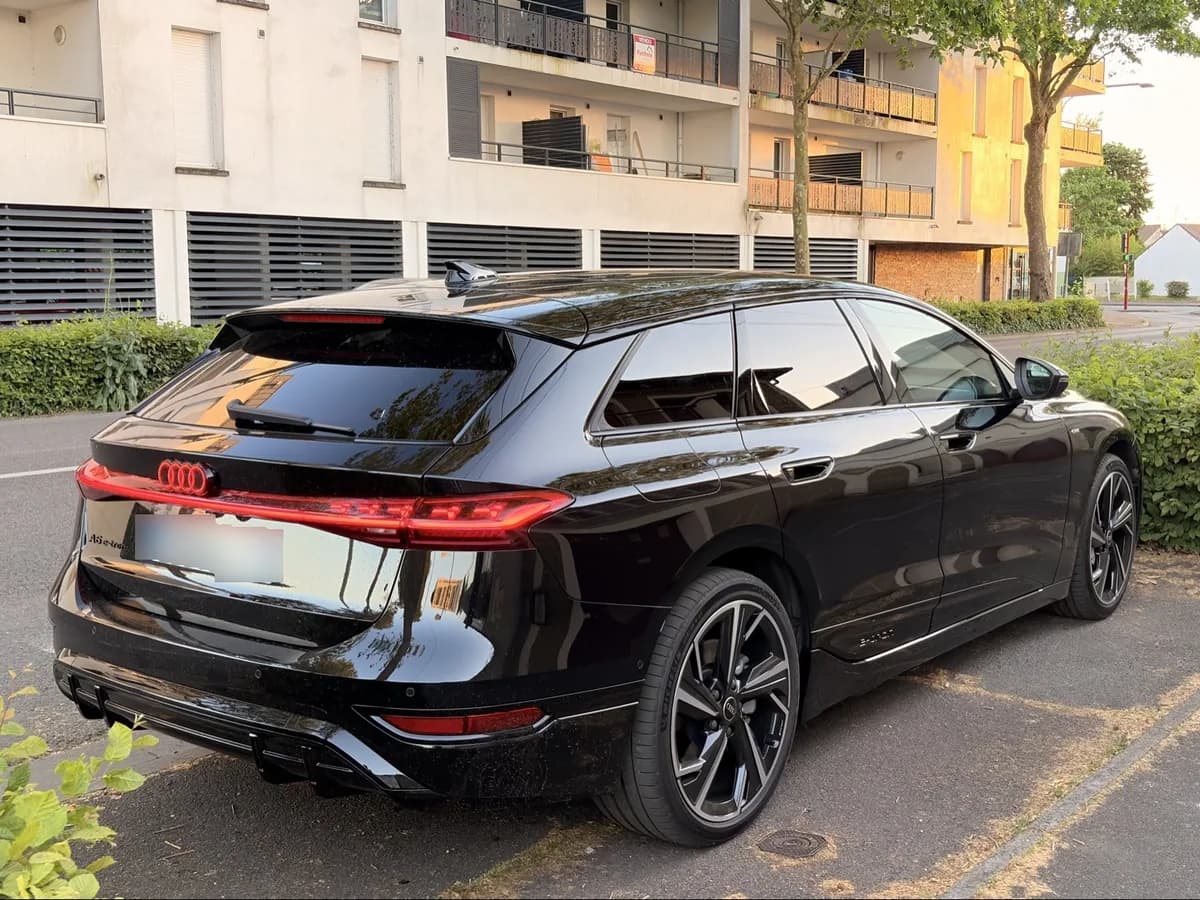
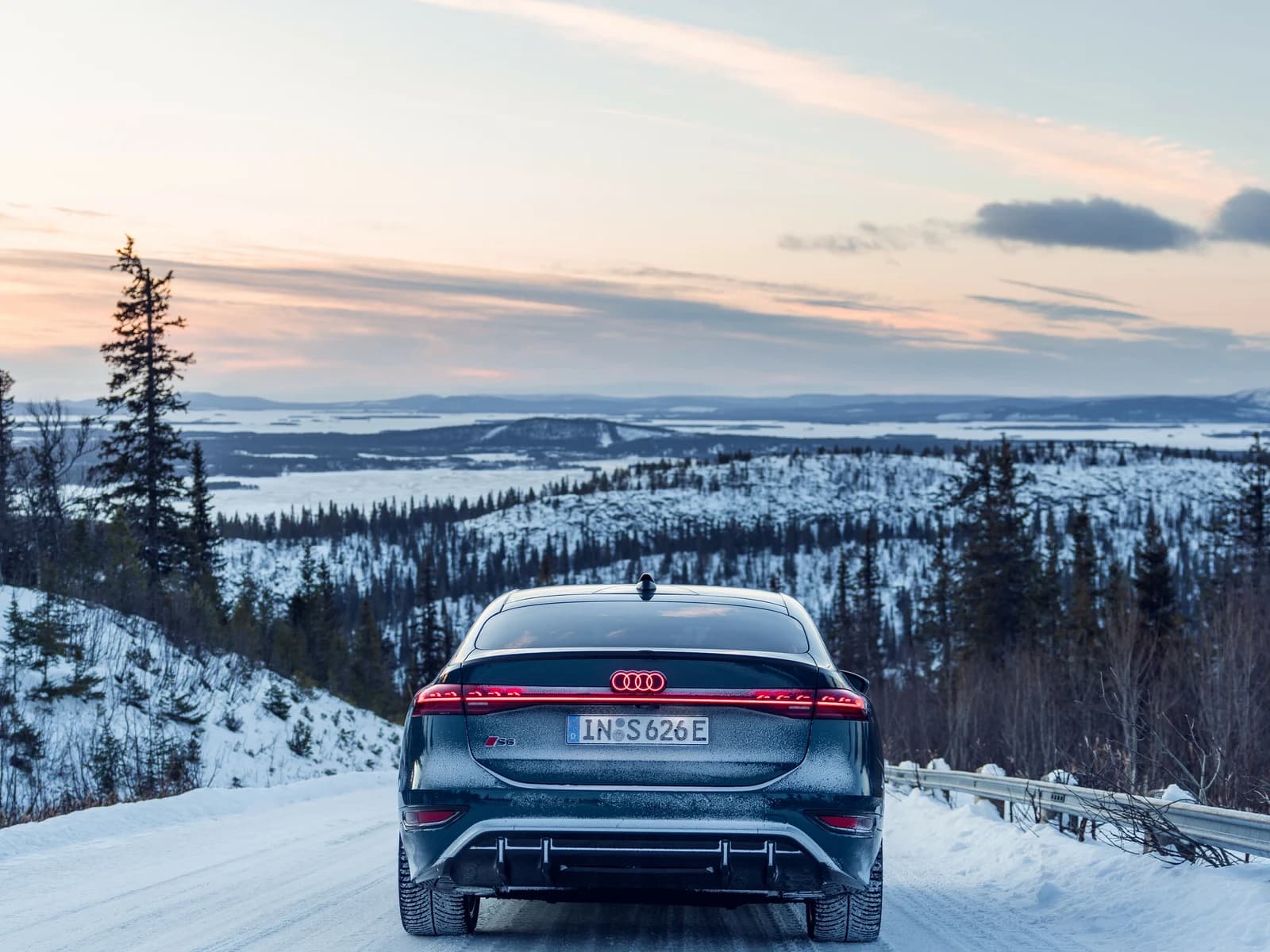
The S6 e-tron can first be recognized by its low, wide stance, large electric Audi proportions and the absence of exhaust outlets. Its front end uses a closed grille treatment and highly developed lighting signatures, with digital lighting details depending on specification. Typical S-family cues include S badges, sportier bumpers, large-diameter wheels and model-specific exterior trim, although these details can change with optional appearance packages. The rear profile is the most reliable way to distinguish the two body styles. The Sportback has a sharply sloping rear window that continues into a large liftback, giving it a fastback-sedan appearance. The Avant keeps a more horizontal roofline toward the tailgate and has a more upright rear end. The difference remains clear in side view even though both cars share much of their front-end design. Identification should not rely solely on paint color, wheel design or badges, since those elements may be changed or retrofitted. The full S6 e-tron name, the rear body shape and the combination of Audi’s electric A6-family design cues provide stronger evidence. Regional equipment differences can also alter lighting, trim and wheel details.
Important versions
For the period covered by the ScanRacer library, the Audi S6 e-tron appears in two 2024 body-style versions: Avant and Sportback. The Avant is the estate version, identified by its extended roof and more upright tailgate. It is intended for family and long-distance versatility while retaining the sportier presentation associated with Audi’s S models. The Sportback is the fastback-bodied version. It emphasizes a smoother silhouette and potentially better aerodynamic efficiency, although its rear shape is less box-like than the Avant’s. Both variants belong to the same generation introduced in 2024 and use the same basic concept of dual-motor electric quattro all-wheel drive. Equipment, official range figures and some luggage measurements may still vary by market and approved specification.
The name “S6 e-tron” follows Audi naming, with its rules and its exceptions. Decode a Audi name
References
Frequently asked questions
- What years was the Audi S6 e-tron produced?
- ScanRacer's referenced versions cover 2024.
- How many Audi S6 e-tron examples are documented on ScanRacer?
- 17 published scans from 2 members, with the latest photo added in July 2026.