
RS5
The Audi RS5 is the high-performance member of the A5 family, developed by Audi Sport. Introduced in 2010 as a coupe, it originally combined a naturally aspirated 4.2-liter V8 producing 450 PS with a seven-speed S tronic transmission and quattro all-wheel drive. The generation introduced in 2017 replaced the V8 with a 2.9-liter twin-turbo V6 rated at 450 PS, while the five-door Sportback joined the range in 2018. For 2026, Audi substantially changes the formula: the Avant and Sedan bodies use a plug-in hybrid powertrain pairing a twin-turbo V6 with an electric motor. Across its development, the RS5 has therefore appeared as a coupe, convertible, five-door liftback, estate, and sedan, while retaining its position as a fast road car with everyday usability.
What about the car you photographed?
Upload a photo to get a suggested make, model and likely year.
No account needed for the result · Publish only if you choose
Variants by year
Make: Audi · Model: RS5
7 / 7 versions shown
2026
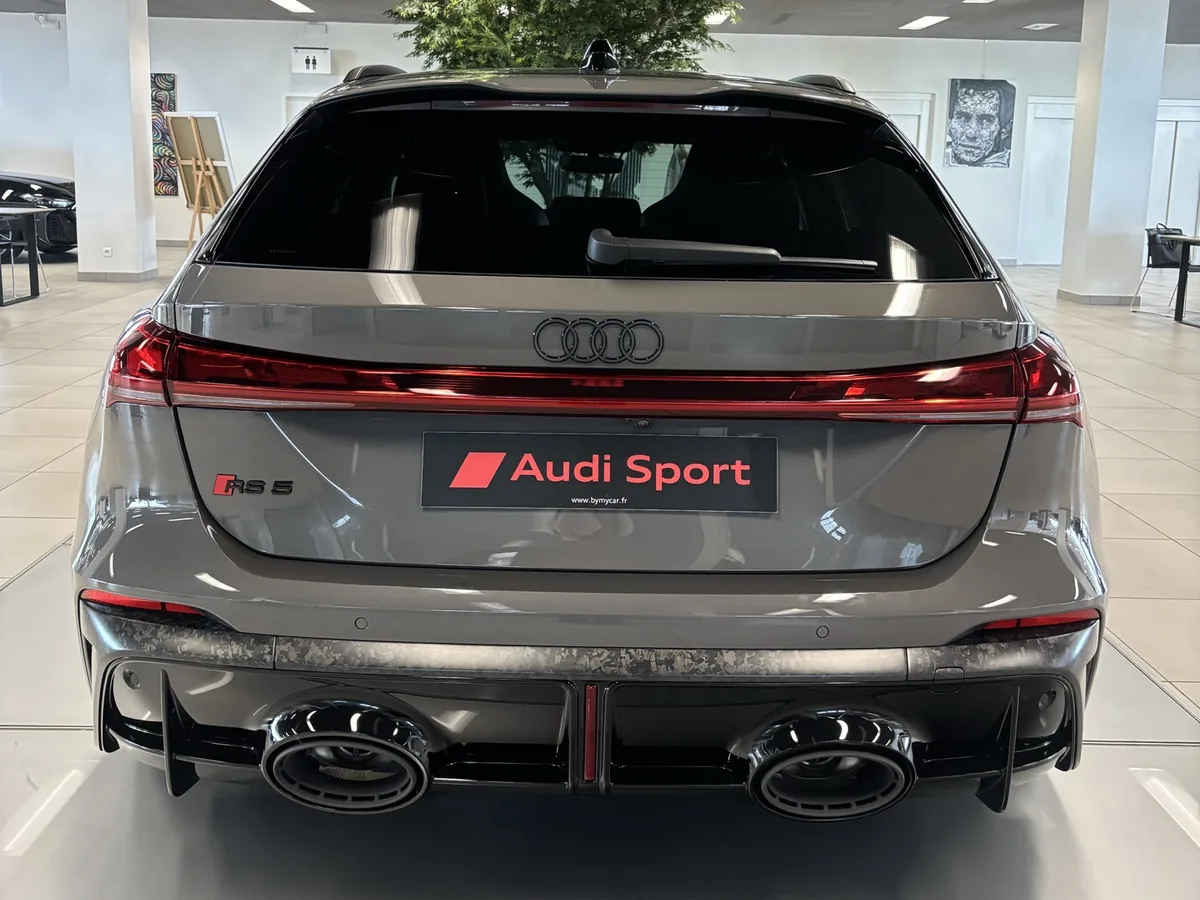
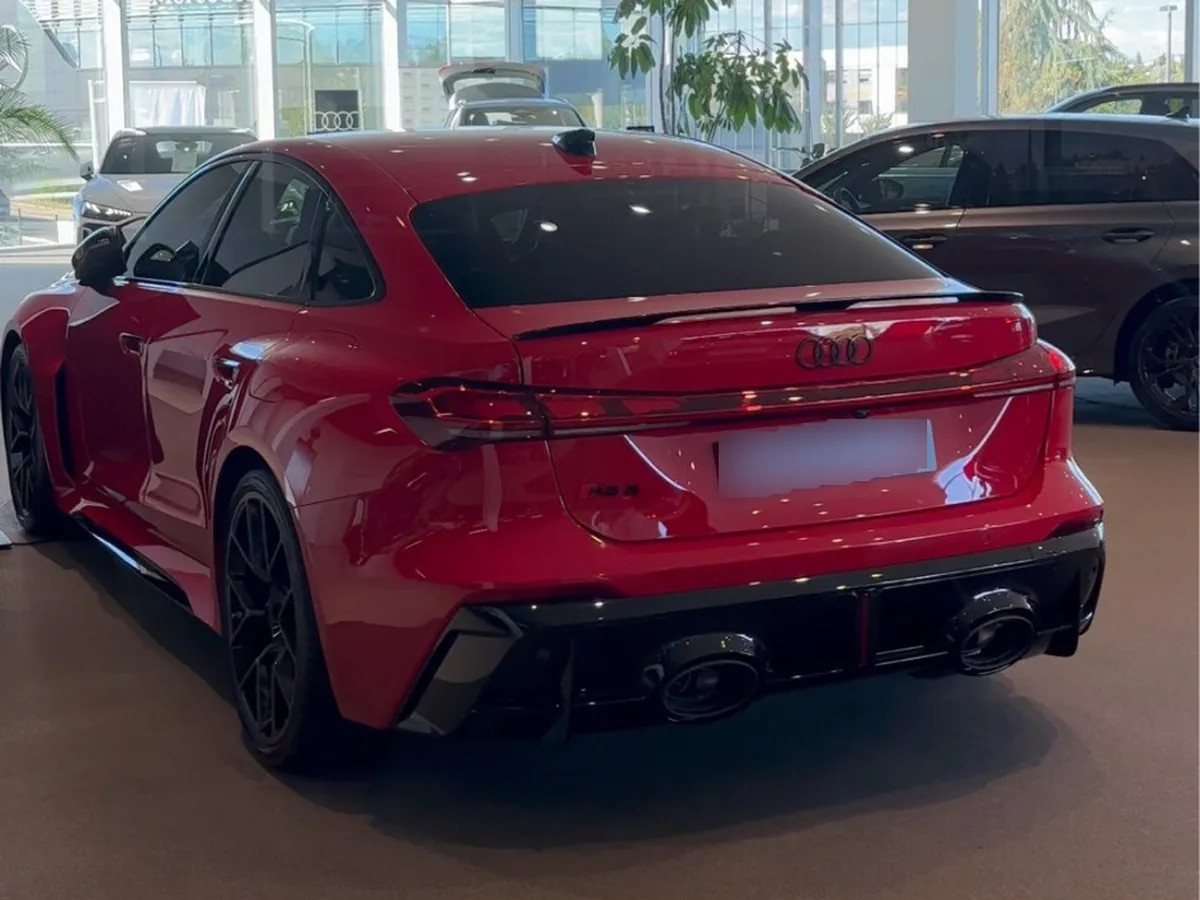
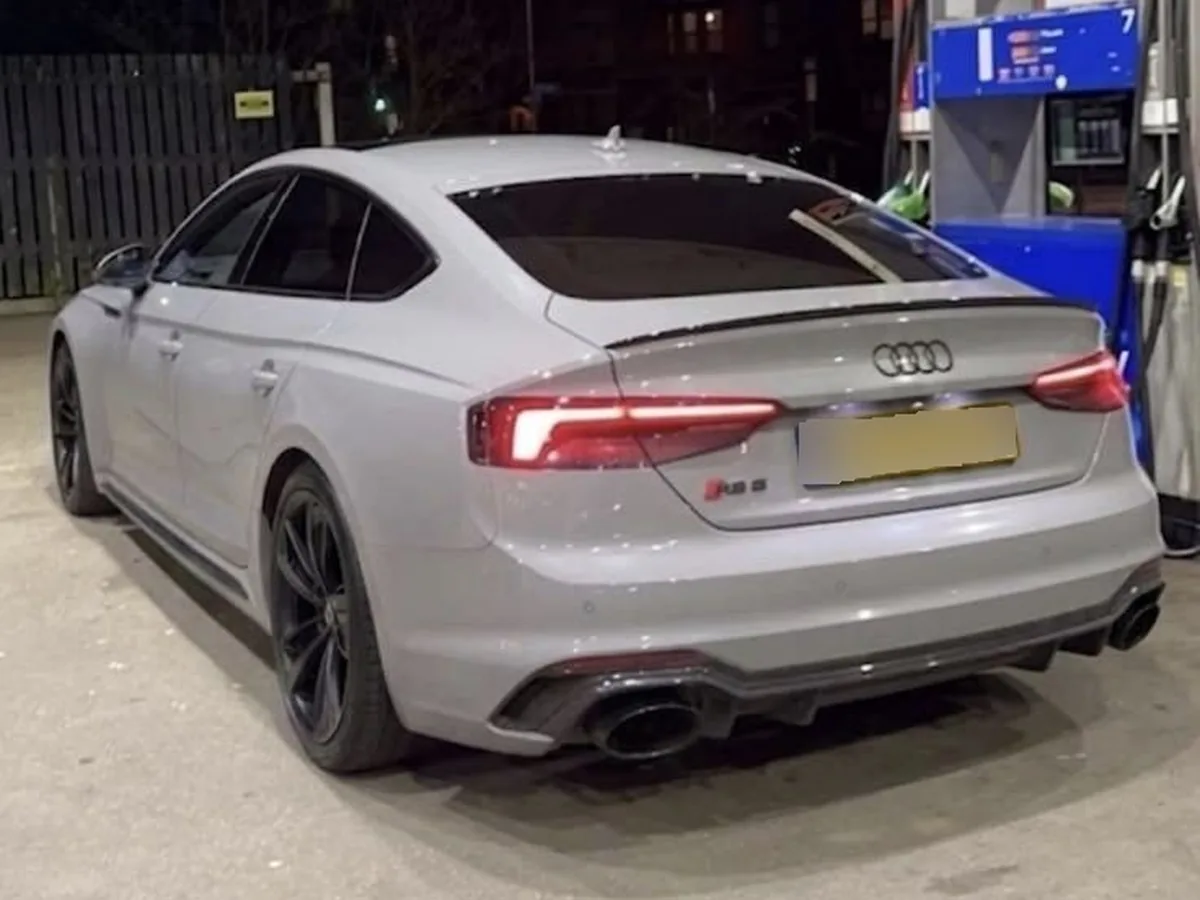
2018
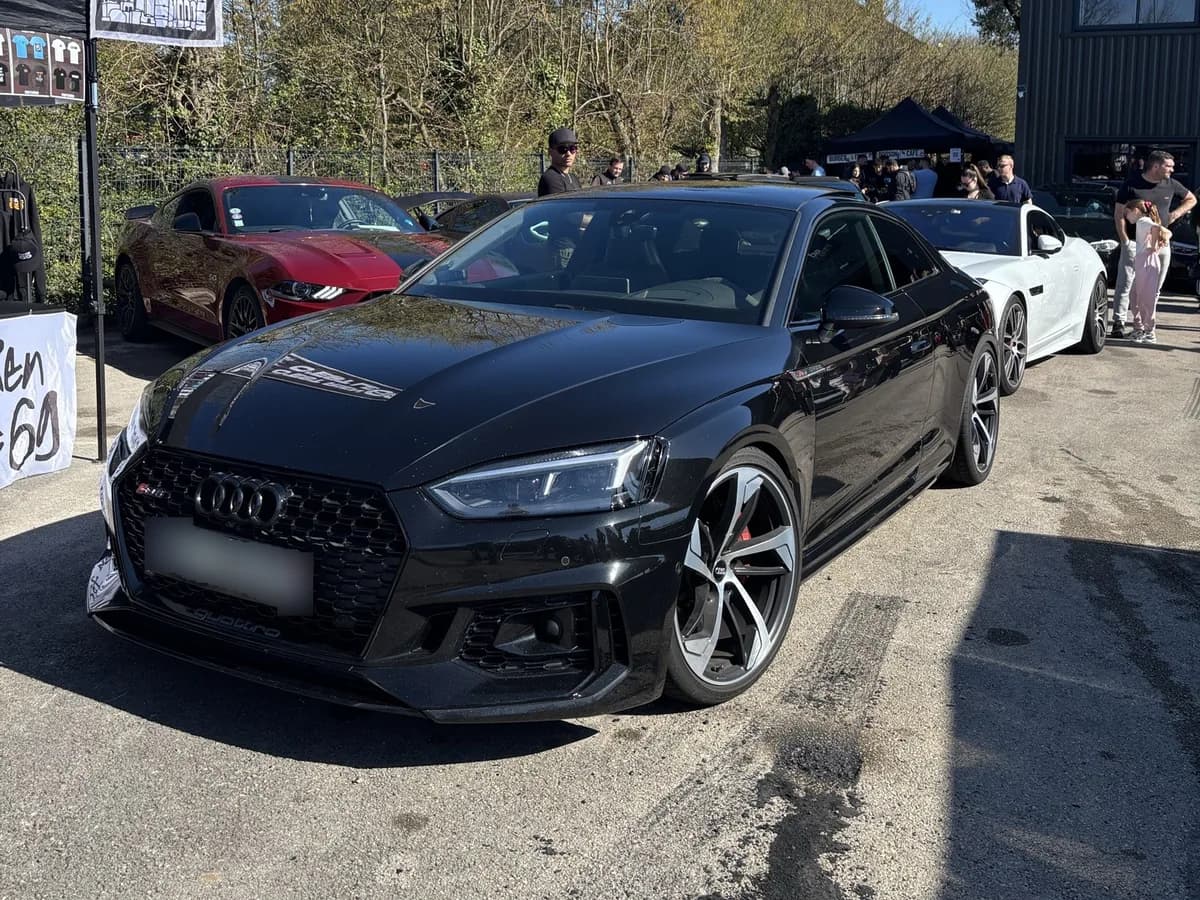
2017
2012

2010
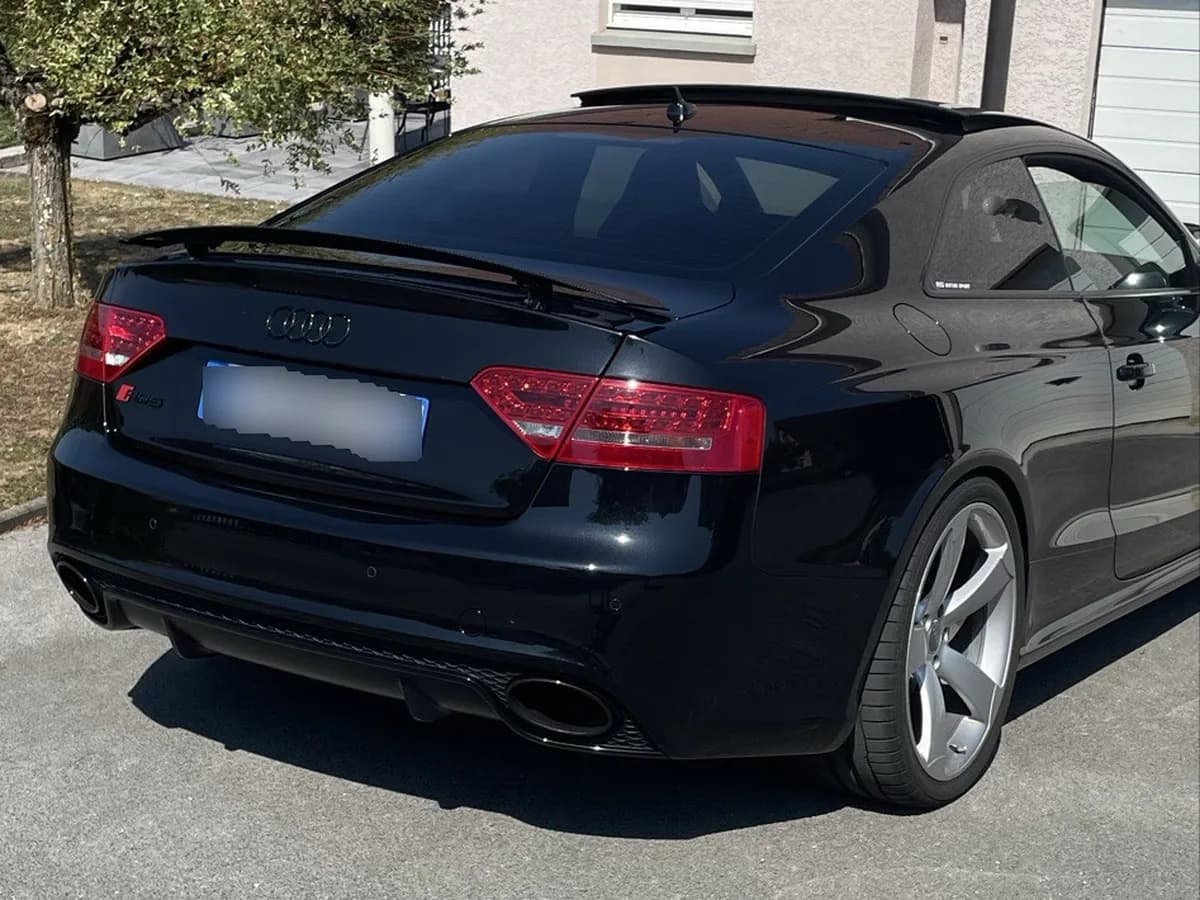
Audi RS5 photos
Model summary
Data from the ScanRacer library, organized to compare versions quickly.
Model introduction
The Audi RS5 is the high-performance member of the A5 family, developed by Audi Sport. Introduced in 2010 as a coupe, it originally combined a naturally aspirated 4.2-liter V8 producing 450 PS with a seven-speed S tronic transmission and quattro all-wheel drive. The generation introduced in 2017 replaced the V8 with a 2.9-liter twin-turbo V6 rated at 450 PS, while the five-door Sportback joined the range in 2018. For 2026, Audi substantially changes the formula: the Avant and Sedan bodies use a plug-in hybrid powertrain pairing a twin-turbo V6 with an electric motor. Across its development, the RS5 has therefore appeared as a coupe, convertible, five-door liftback, estate, and sedan, while retaining its position as a fast road car with everyday usability.
History
The Audi RS5 debuted in 2010 as a performance coupe derived from the A5. The first version used a naturally aspirated 4.2-liter FSI V8 producing 450 PS, paired with a seven-speed S tronic transmission and quattro all-wheel drive. Audi quoted a 0–100 km/h time of 4.6 seconds. This first period also brought the RS5 Cabriolet, introduced in 2012 with the same 450-PS V8. Its character was closer to that of a powerful grand touring convertible than a stripped-back track car. A major redesign arrived in 2017. The coupe switched to a 2.9-liter twin-turbo TFSI V6 producing 450 PS and 600 Nm, together with an eight-speed automatic transmission. The body retained the flared wheel arches associated with RS models, but the powertrain philosophy changed: strong low- and mid-range torque replaced the V8’s high-revving delivery. In 2018, Audi introduced the RS5 Sportback, a five-door liftback designed to add everyday practicality while retaining the twin-turbo V6. For 2026, Audi introduced another significant step with the RS5 Avant and Sedan. Their plug-in hybrid system combines a 2.9-liter V6 rated at 510 PS with an electric motor, for an advertised system output of up to 639 PS. This marks a clear technical break from the earlier combustion-only versions and places electrification at the center of the RS5 formula.
Generations
The first RS5 generation represented in the model family covers 2010–2017 and is based on the first-generation A5 coupe. Its defining mechanical feature is the naturally aspirated 4.2-liter FSI V8. The Cabriolet introduced in 2012 belongs to this same technical period and follows the grand touring character of the coupe, adding a folding roof while retaining four seats. The second generation began in 2017 with the RS5 Coupe. It replaced the V8 with a 2.9-liter twin-turbo TFSI V6. Audi quoted 450 PS and 600 Nm, combined with quattro all-wheel drive and an eight-speed automatic transmission. The changes extended beyond the engine: the body adopted a sharper RS design, wider fenders, and a more modern cabin. The RS5 Sportback launched in 2018 used the same core powertrain in a five-door configuration. It is not merely a coupe with extra doors; its roofline and rear hatch give it a different practical profile while preserving the model’s performance positioning. For 2026, Audi introduced a new range configuration with the RS5 Avant and Sedan. Their plug-in hybrid system combines a twin-turbo V6, an electric motor integrated into the transmission, and a quattro drivetrain with rear torque-control functions. These cars should be distinguished from the earlier combustion-only RS5 models, even though they continue the same performance-focused lineage.
Key differences
The clearest differences concern the powertrain and body style. An RS5 from 2010 to 2017 is identified primarily by its naturally aspirated 4.2-liter V8 and seven-speed S tronic transmission. The next generation, introduced from 2017, uses a 2.9-liter twin-turbo V6, produces 600 Nm, and adopts an eight-speed automatic transmission. The 2018 RS5 Sportback retains this mechanical basis in a five-door body. The Cabriolet belongs to the earlier period, combining a soft top with the V8 engine. The 2026 Avant and Sedan represent a substantial technical change: they pair a 510-PS twin-turbo V6 with an electric motor in a plug-in hybrid system. Their output should therefore not be compared directly with the 450-PS figures of older cars unless the type of rating is specified—engine output versus total system output. Equipment, transmissions, engines, and body availability may also differ by market and model year, so a precise identification should use the vehicle’s date and specification.
Photo recognition
Start with the body style when identifying an RS5. The Coupe has two doors and a low roofline; the Cabriolet adds a soft top and a more open profile. The Sportback is recognized by its five doors, rear hatch, and fastback shape. For 2026, the Avant uses an estate body, while the Sedan has a conventional three-box silhouette with a strongly sloping roofline. The engine is another useful clue. The first RS5 uses a naturally aspirated 4.2-liter V8, typically associated with a deeper exhaust note and progressively building high-rpm power. The 2017 Coupe and 2018 Sportback use a 2.9-liter twin-turbo V6. Flared fenders, oval exhaust outlets, and RS-specific exterior details can help, but these items may vary with options and market specifications. The 2026 RS5 models are distinguished by their plug-in hybrid architecture and their Avant or Sedan body styles. RS badges alone are not enough to confirm an RS5, since trim details and replacement parts can be changed over time.
Important versions
The 2010 RS5 Coupe introduced the range with a 450-PS 4.2-liter FSI V8, quattro all-wheel drive, and a seven-speed S tronic transmission. The 2012 RS5 Cabriolet carried this foundation into a four-seat convertible body. The 2017 RS5 Coupe brought the most important change of the combustion era, switching to a 2.9-liter twin-turbo V6 producing 450 PS and 600 Nm. The 2018 RS5 Sportback applied the same mechanical concept to a five-door body, emphasizing access and everyday usability. Finally, the 2026 RS5 Avant and Sedan introduce plug-in hybrid power, combining a 510-PS V6 with an electric motor and an advertised total system output of up to 639 PS.
The name “RS5” follows Audi naming, with its rules and its exceptions. Decode a Audi name
Technical specifications
Structured data available for versions linked to this model.
| Version | Power | Torque | Top speed | Drivetrain | Fuel |
|---|---|---|---|---|---|
| Base | 245 KW @ 5500-6500 RPM 333 HP @ 5500-6500 RPM 329 BHP @ 5500-6500 RPM | 325 lb-ft @ 2900-5300 RPM 441 Nm @ 2900-5300 RPM | 155 mph (249 km/h) | All Wheel Drive / 7-speed automatic (S tronic) | Gasoline |
Frequently asked questions
- What years was the Audi RS5 produced?
- ScanRacer's referenced versions cover 2010 - 2026.
- How many Audi RS5 examples are documented on ScanRacer?
- 32 published scans from 13 members, with the latest photo added in September 2026.
- What is the power output of the Audi RS5?
- The sourced technical data lists 245 KW @ 5500-6500 RPM 333 HP @ 5500-6500 RPM 329 BHP @ 5500-6500 RPM.
What about the car you photographed?
Upload a photo to get a suggested make, model and likely year.
No account needed for the result · Publish only if you choose