
Q7
The Audi Q7 was the first SUV introduced by the four-ring brand. Revealed in 2005, it combined a substantial body, quattro all-wheel drive, and seating for up to seven people. Its career can be divided into three major generations: the 4L, produced from 2005 to 2015; the 4M, introduced in 2015 and substantially revised several times; and the 4N, unveiled in June 2026. Depending on the market and model year, the Q7 has been offered with gasoline, diesel, and plug-in hybrid powertrains, alongside performance-oriented SQ7 derivatives. Over time, the model gained more comfort equipment, digital systems, and driver-assistance technology while retaining its family-focused layout and all-wheel-drive identity. The years and variants represented in the ScanRacer library span this development from 2005 through 2026.
What about the car you photographed?
Upload a photo to get a suggested make, model and likely year.
No account needed for the result · Publish only if you choose
Variants by year
Make: Audi · Model: Q7
6 / 6 versions shown
2026
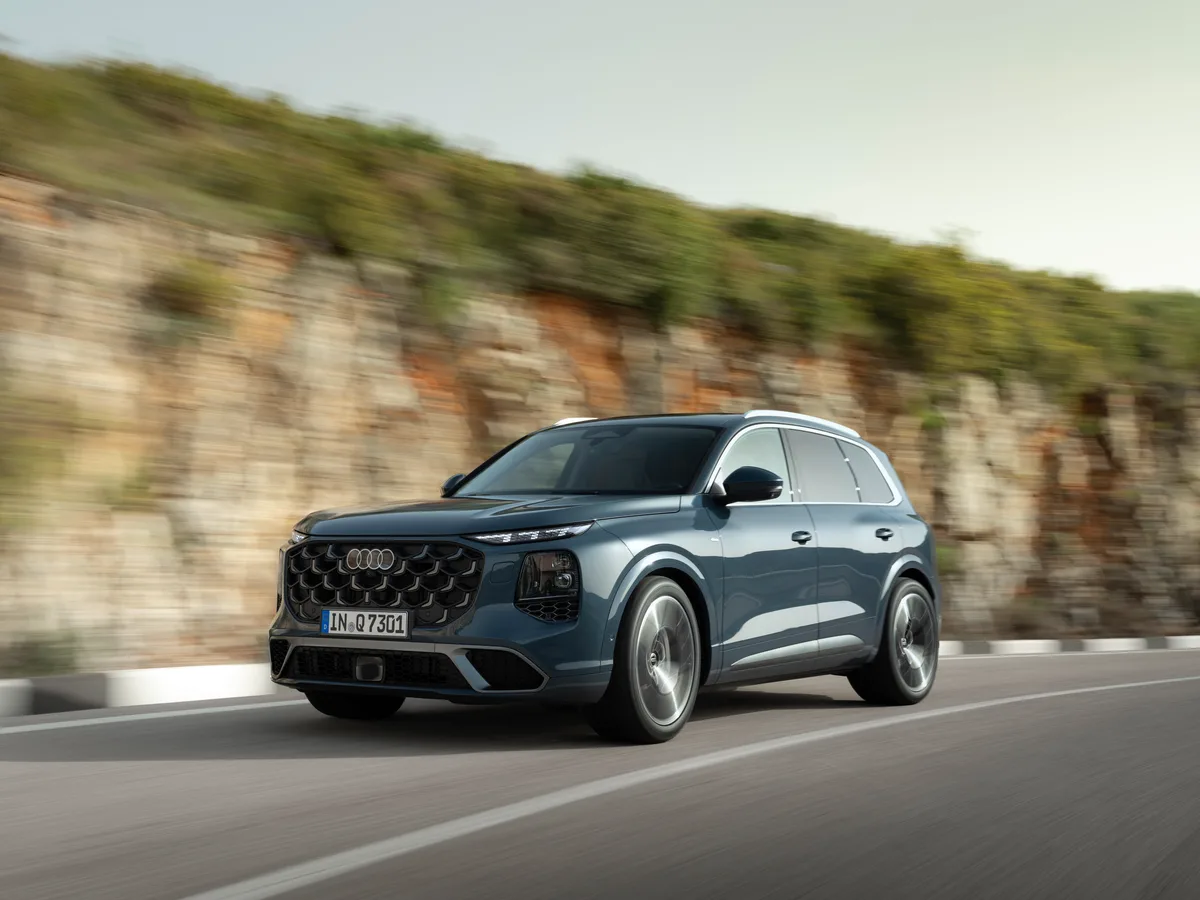
2024
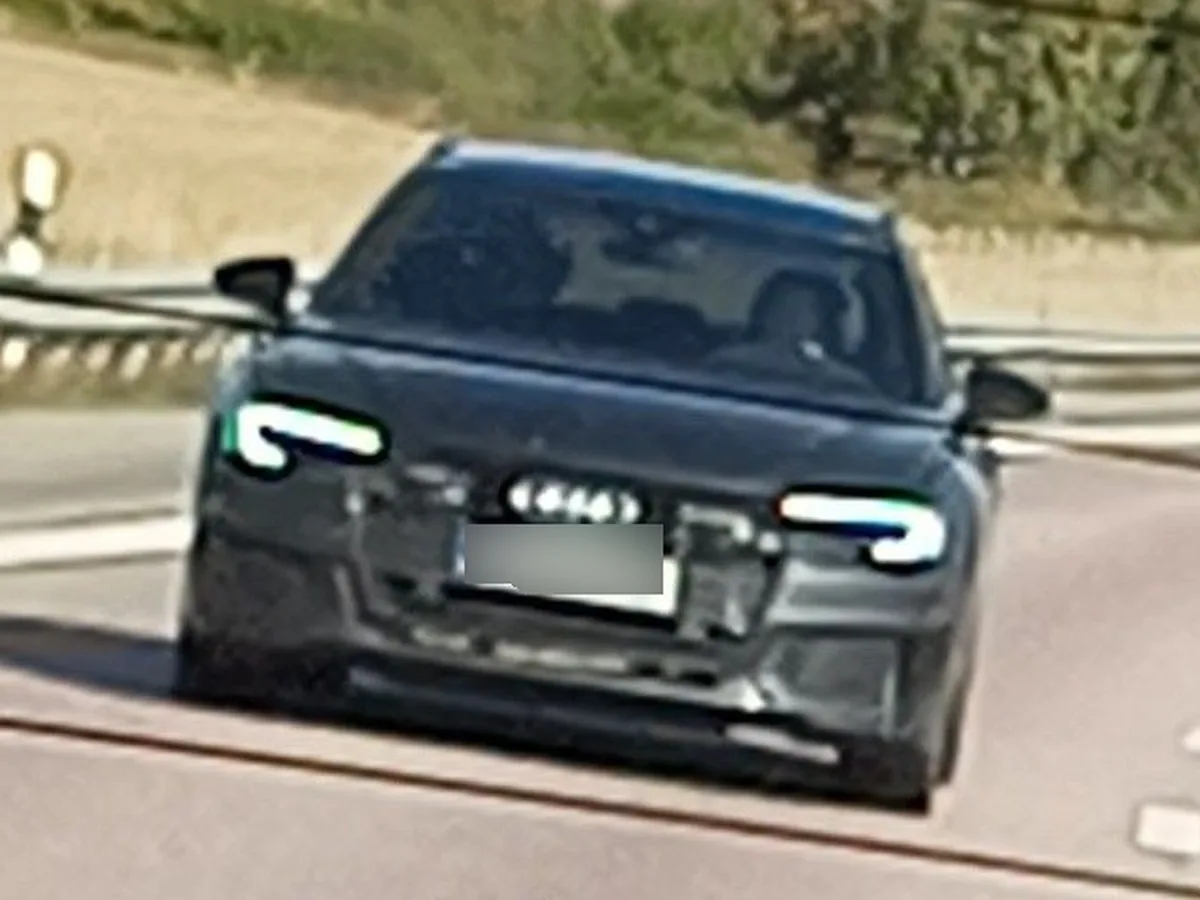
2019

2015
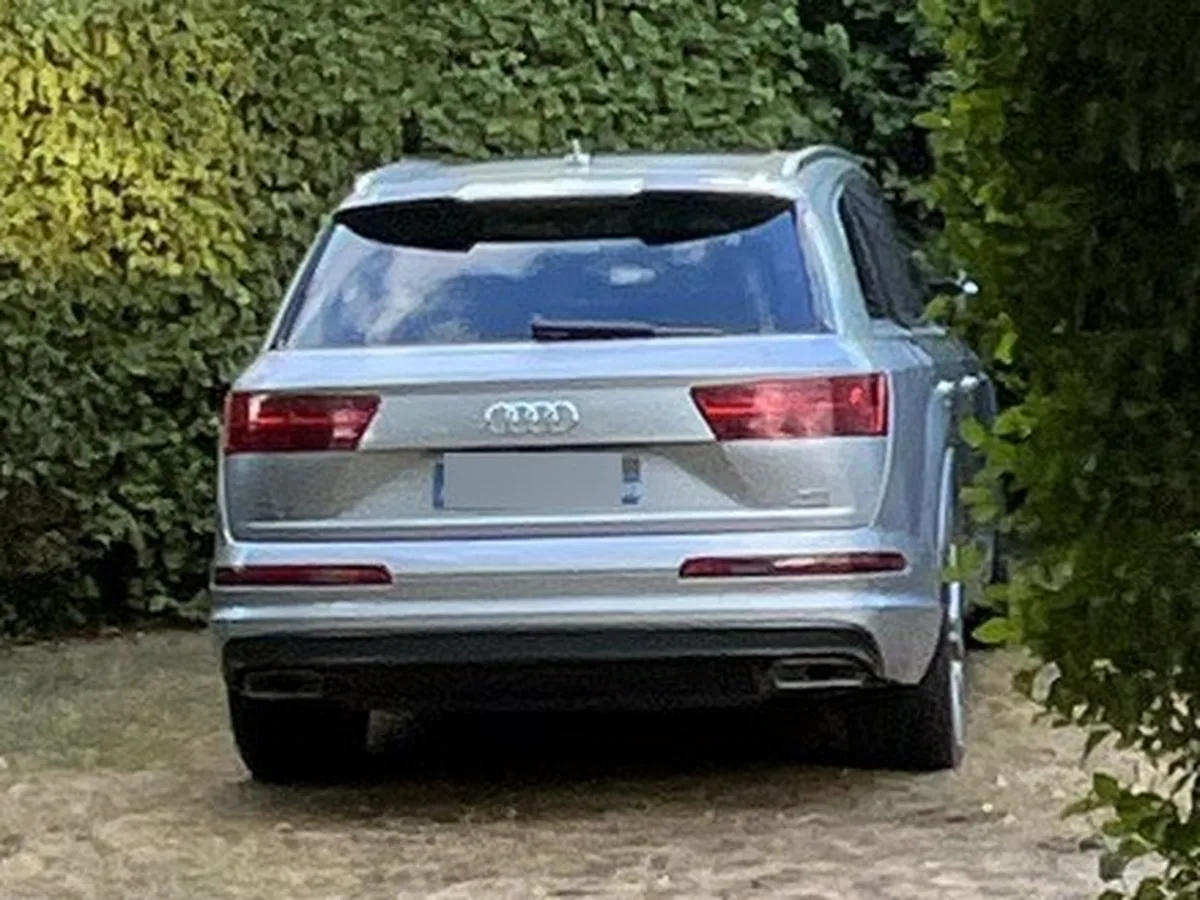
2009
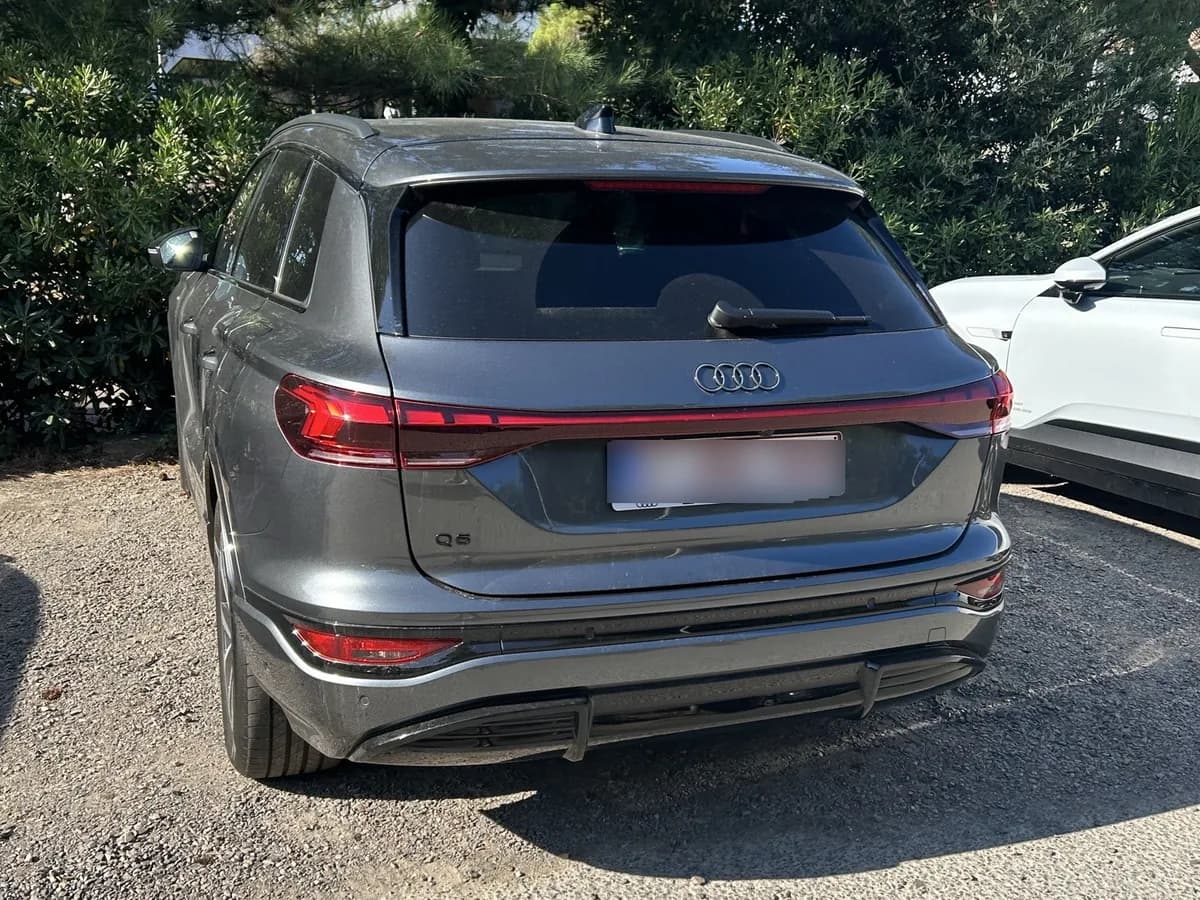
2005

Audi Q7 photos
Model summary
Data from the ScanRacer library, organized to compare versions quickly.
Model introduction
The Audi Q7 was the first SUV introduced by the four-ring brand. Revealed in 2005, it combined a substantial body, quattro all-wheel drive, and seating for up to seven people. Its career can be divided into three major generations: the 4L, produced from 2005 to 2015; the 4M, introduced in 2015 and substantially revised several times; and the 4N, unveiled in June 2026. Depending on the market and model year, the Q7 has been offered with gasoline, diesel, and plug-in hybrid powertrains, alongside performance-oriented SQ7 derivatives. Over time, the model gained more comfort equipment, digital systems, and driver-assistance technology while retaining its family-focused layout and all-wheel-drive identity. The years and variants represented in the ScanRacer library span this development from 2005 through 2026.
History
The Q7 was presented at the Frankfurt Motor Show in 2005 before reaching different markets in stages. It was Audi’s first production SUV and shared technical family links with the Porsche Cayenne and Volkswagen Touareg. The first generation, internally known as the 4L, emphasized interior room, long-distance comfort, and premium equipment. It received a substantial update in 2009, bringing styling, equipment, and powertrain changes that varied by market. This generation also included especially notable derivatives, including the V12 TDI offered in selected European markets. The second generation, designated 4M, was unveiled in 2015. It was lighter and more sharply styled than its predecessor, with a newer electronic architecture and an updated engine range. Audi introduced a major refresh for 2020, adding a redesigned front end, revised lighting, and an interior centered around the MMI touch response interface. Another product update followed for the 2024-2025 period, depending on the market, while gasoline, diesel, plug-in hybrid, and SQ7 versions broadened the range. The third Q7, known as the 4N, was announced on June 9, 2026. Audi describes it as an SUV available with five, six, or seven seats, launched in Europe with a V6 diesel engine using MHEV plus technology. Its introduction marks the transition from the long-running 4M generation to a new design and technology cycle.
Generations
The first generation, known as the 4L, generally covers 2005 to 2015. It is identified by rounded bodywork, a large Singleframe grille, and a notably long profile. The 2009 facelift changed several exterior elements, including the lighting and bumpers, without altering the vehicle’s overall identity. Engines and equipment differed substantially between markets, so the country of origin should be checked before linking a particular output or trim name to a model year. The second generation, the 4M, began in 2015. It introduced sharper body surfacing and a cleaner interior design. Compared with the 4L, it was shorter and lighter in some configurations while retaining seating for up to seven people. The first major facelift arrived for 2020, bringing a more pronounced octagonal grille, revised light signatures, and a cabin built around two touchscreens. Further updates for 2024-2025 focused mainly on styling, equipment, wheel designs, and personalization, with details depending on the market. The third generation, designated 4N, was announced in 2026. It brings a new exterior design, five- to seven-seat flexibility, digital lighting technology, and a V6 diesel with MHEV plus assistance at European launch. Commercial names and exact timing may differ between Europe, North America, and other regions.
Key differences
The most important differences involve the body design and interior interface. The 4L has a rounder appearance and a conventional cabin layout, while the 4M introduced sharper surfaces and a more advanced digital environment. The 2020 4M facelift can usually be identified by its two central displays and broader octagonal grille. The 2024-2025 vehicles remain part of the 4M family, although their lights, bumpers, wheels, and equipment may vary. The 4N introduced in 2026 should not be treated as another facelift: Audi identifies it as a third generation. It brings a new body, five-, six-, or seven-seat flexibility, and more advanced digital lighting functions. Mechanical distinctions are harder to generalize because engines, transmissions, and trim content vary by country. Badges such as TDI, TFSI, TFSI e, SQ7, and quattro are useful clues, but they should be combined with the model year, market, and vehicle identification number. A visual match alone can be misleading, particularly for late 4M models whose exterior updates overlap with earlier equipment packages.
Photo recognition
To identify a 4L Q7, look for its notably long body, relatively rounded sides, and first-generation Singleframe grille. Pre-2009 vehicles have simpler headlamp and bumper designs, while facelifted examples feature revised lighting signatures and bumper details. Higher trims may use larger wheels, distinctive exhaust outlets, or S line elements, but those features alone cannot date a vehicle accurately. The 2015-2019 Q7 4M has sharper bodywork and a slimmer-looking front end. The 2020 facelift is marked by a larger octagonal grille, narrower lamps, and a cabin with two central touchscreens. The 2024-2025 updates introduced revised light signatures, colors, and wheel designs in certain markets, but they remain within the 4M generation. The 2026 Q7 4N uses an entirely new body and more prominent digital lighting technology. For dependable identification, compare the front and rear design, dashboard layout, and local launch year. Badges and wheel styles are helpful supporting clues, but factory options and market differences can make them unreliable on their own.
Important versions
Several versions are especially significant in the Q7 story. The first-generation 4L established the model in the large premium-SUV segment and offered, depending on the market, V6 and V8 engines as well as the distinctive V12 TDI. The 4M broadened the range with newer gasoline and diesel powertrains, plus a TFSI e plug-in hybrid in selected countries. The SQ7 occupies a separate place because of its performance focus and more powerful engines, with specifications changing across generations. On recent vehicles, badges such as 45, 50, and 55 TFSI or TDI are not universal and must be interpreted in the context of the relevant market. The 4N introduced in 2026 launches in Europe with a V6 diesel using MHEV plus technology, while additional powertrains and trims may depend on regional availability and commercial timing.
The name “Q7” follows Audi naming, with its rules and its exceptions. Decode a Audi name
References
- Third generation of the successful SUV: new Audi Q7 combines versatility and performanceAudi MediaCenter
- Q7/SQ7 ModelsAudi USA Media
- The new Audi Q7 and SQ7 TDI: Press InformationAudi MediaCenter
- Audi Q7: Modelle, Technische Daten, PreiseADAC
- Audi Q7 – Alle Informationen zur Baureiheauto motor und sport
- https://www.iseecars.com/car/audi-q7/generationsiseecars.com
- https://www.cars.com/research/audi-q7/cars.com
- https://www.jdpower.com/cars/history/audi/q7jdpower.com
Technical specifications
Structured data available for versions linked to this model.
| Version | Power | Torque | Top speed | Drivetrain | Fuel |
|---|---|---|---|---|---|
| Base | 360.4 kw (490 hp) | 516.3 lb-ft (700 Nm) | 149 mph (240 km/h) | All Wheel Drive / 8-speed automatic tiptronic | Plug-in Hybrid |
Frequently asked questions
- What years was the Audi Q7 produced?
- ScanRacer's referenced versions cover 2005 - 2026.
- How many Audi Q7 examples are documented on ScanRacer?
- 14 published scans from 7 members, with the latest photo added in September 2026.
- What is the power output of the Audi Q7?
- The sourced technical data lists 360.4 kw (490 hp).
What about the car you photographed?
Upload a photo to get a suggested make, model and likely year.
No account needed for the result · Publish only if you choose