
R8
Unveiled at the 2006 Paris Motor Show, the Audi R8 was the brand’s first series-produced sports car with a mid-mounted engine. Its styling closely followed the themes of the 2003 Le Mans quattro concept, while its engineering combined an Audi Space Frame structure, quattro all-wheel drive and naturally aspirated petrol engines. The first generation launched with a 4.2-liter V8 FSI, followed by a 5.2-liter V10 FSI and the open-top Spyder body style. A second generation arrived in 2015 with sharper styling, updated technology and a V10-only range at launch. Across the 2006-2018 period, the R8 was offered as both Coupé and Spyder, with different power outputs, transmissions and limited-production derivatives depending on the model year.
What about the car you photographed?
Upload a photo to get a suggested make, model and likely year.
No account needed for the result · Publish only if you choose
Variants by year
Make: Audi · Model: R8
8 / 8 versions shown
2023
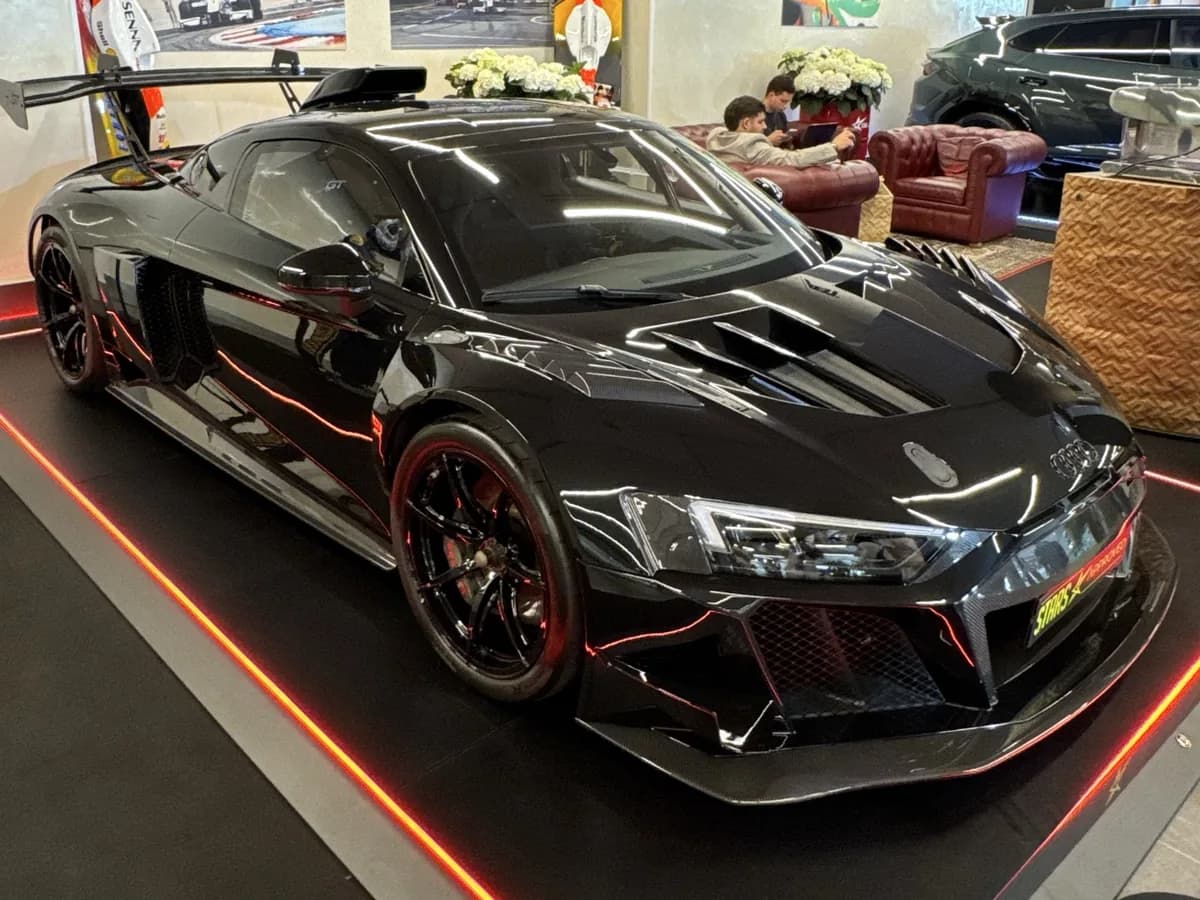
2018

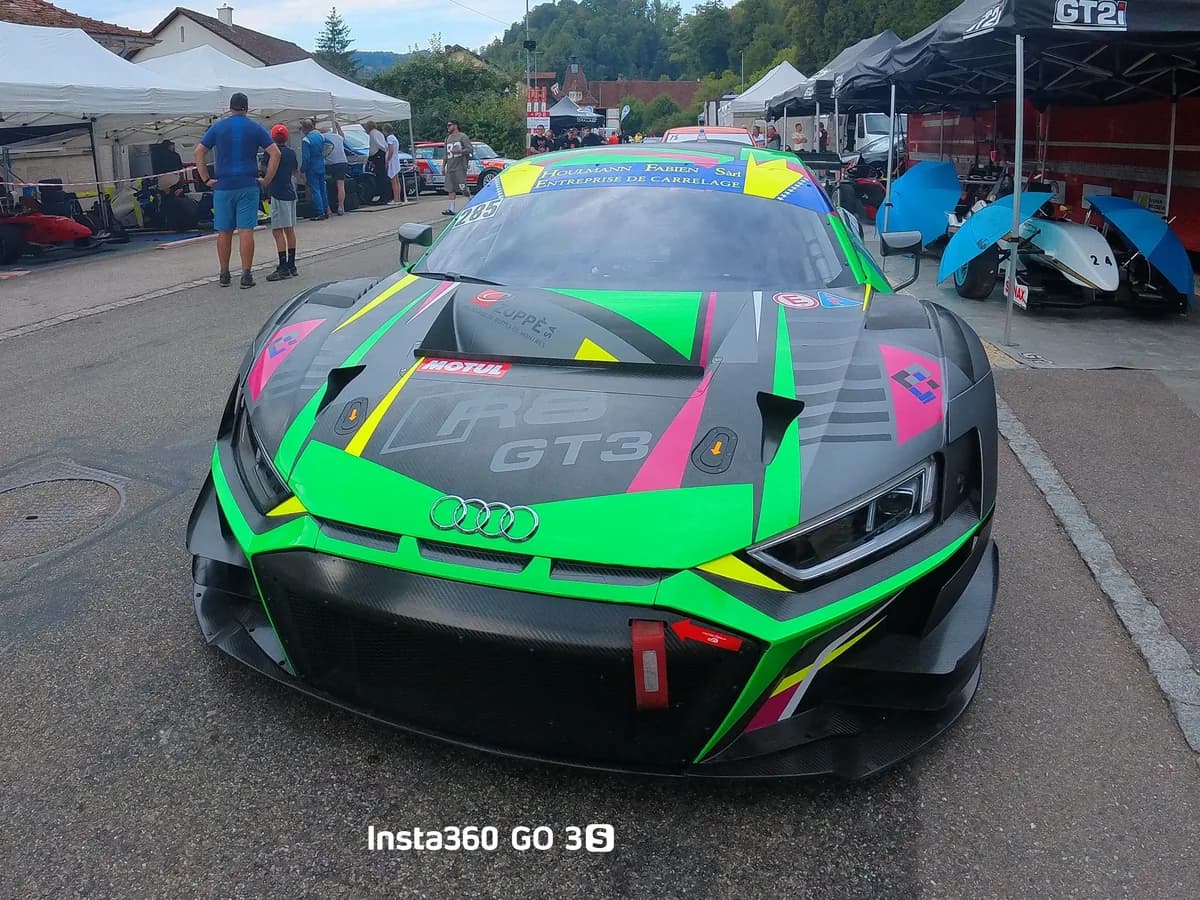

2016
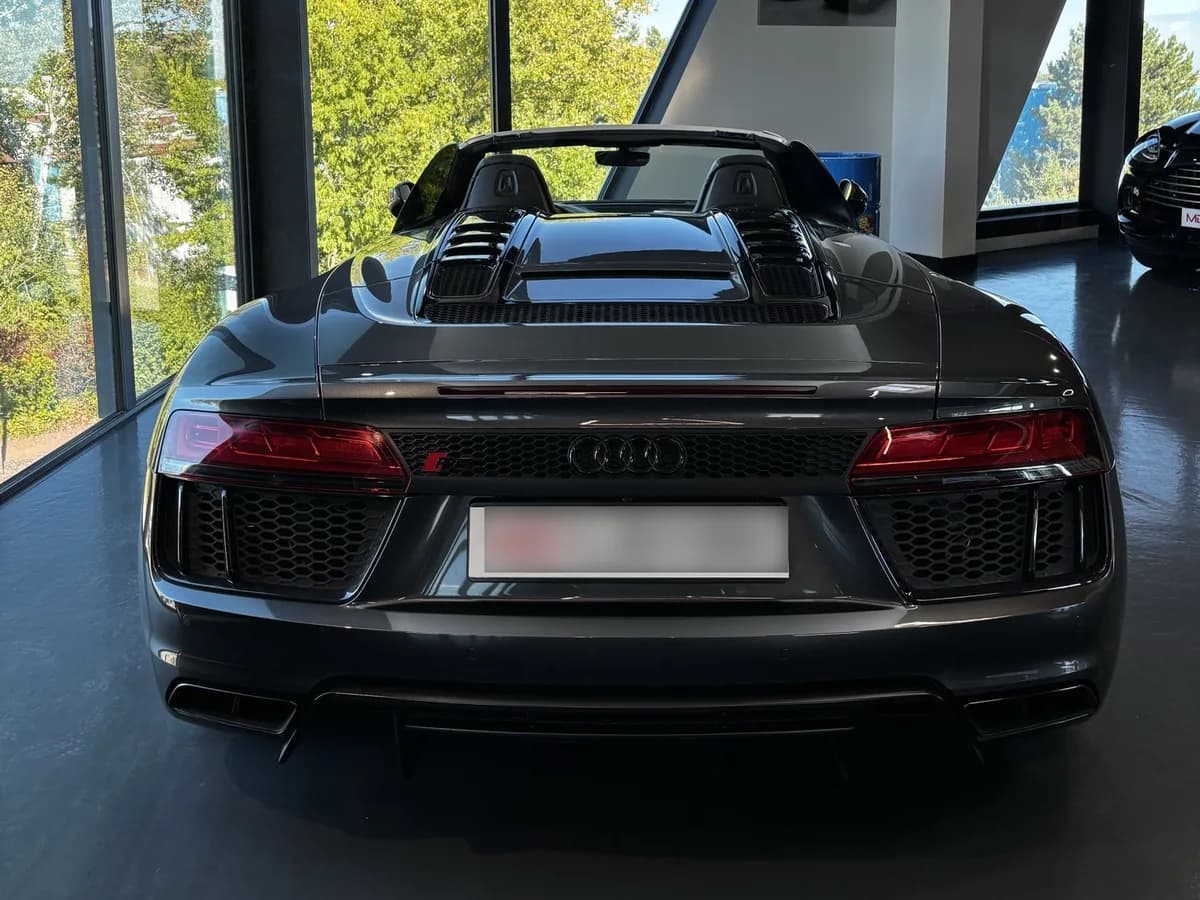
2015
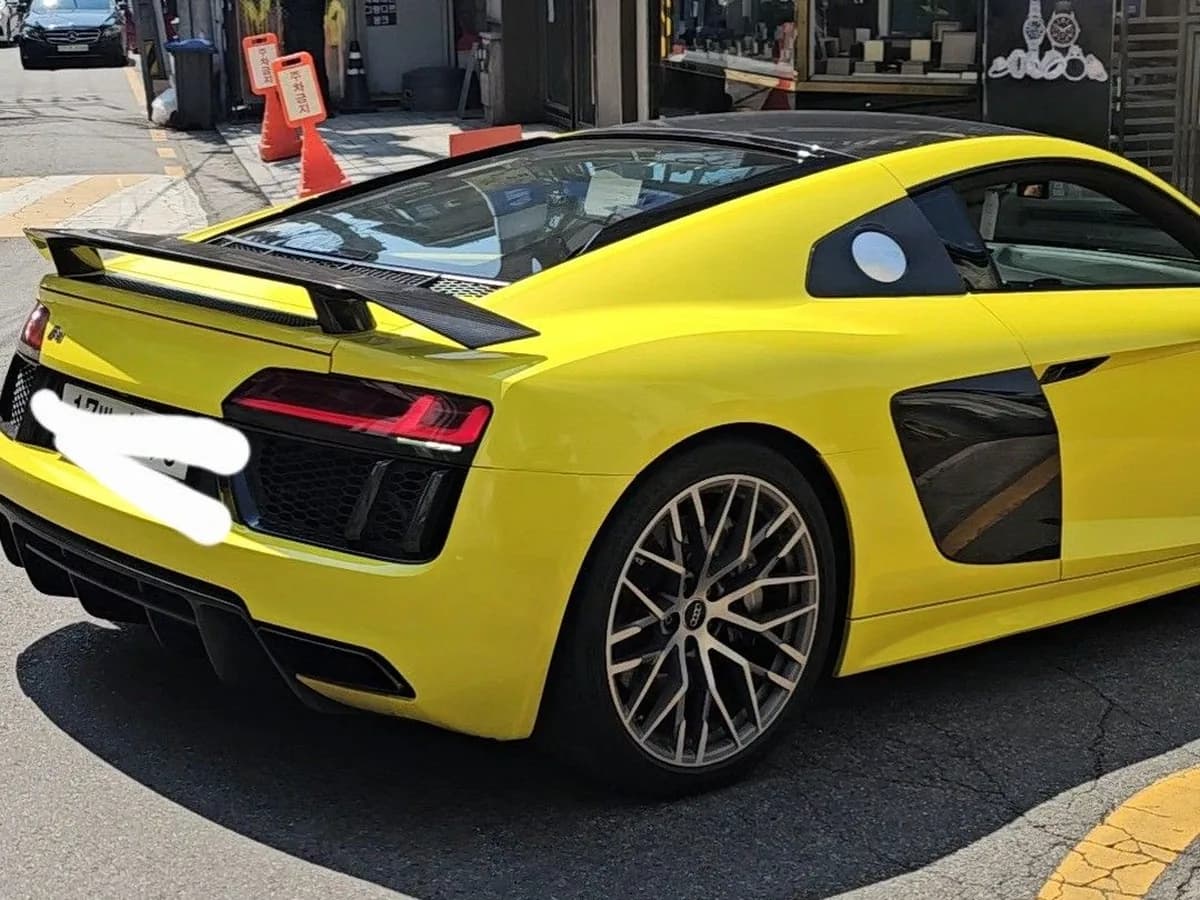
2008
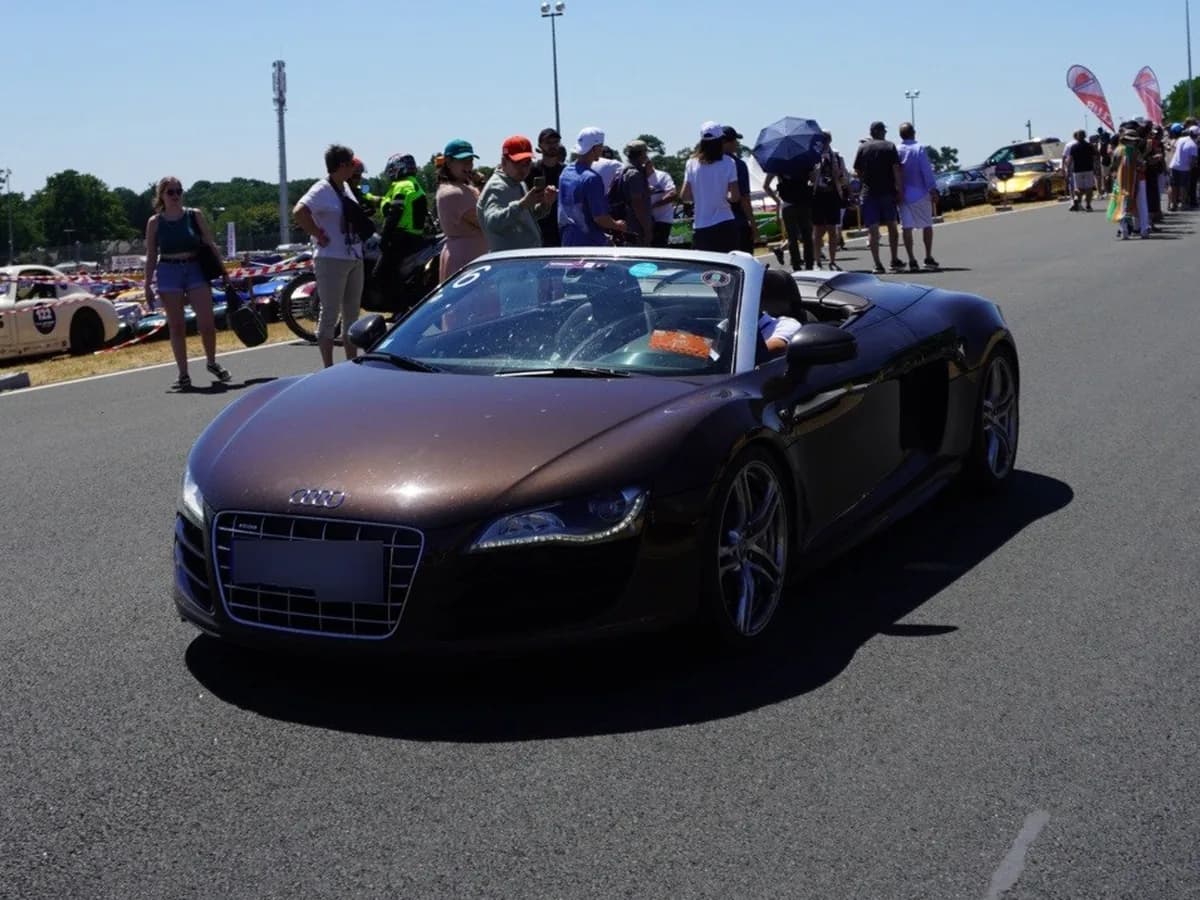
2006
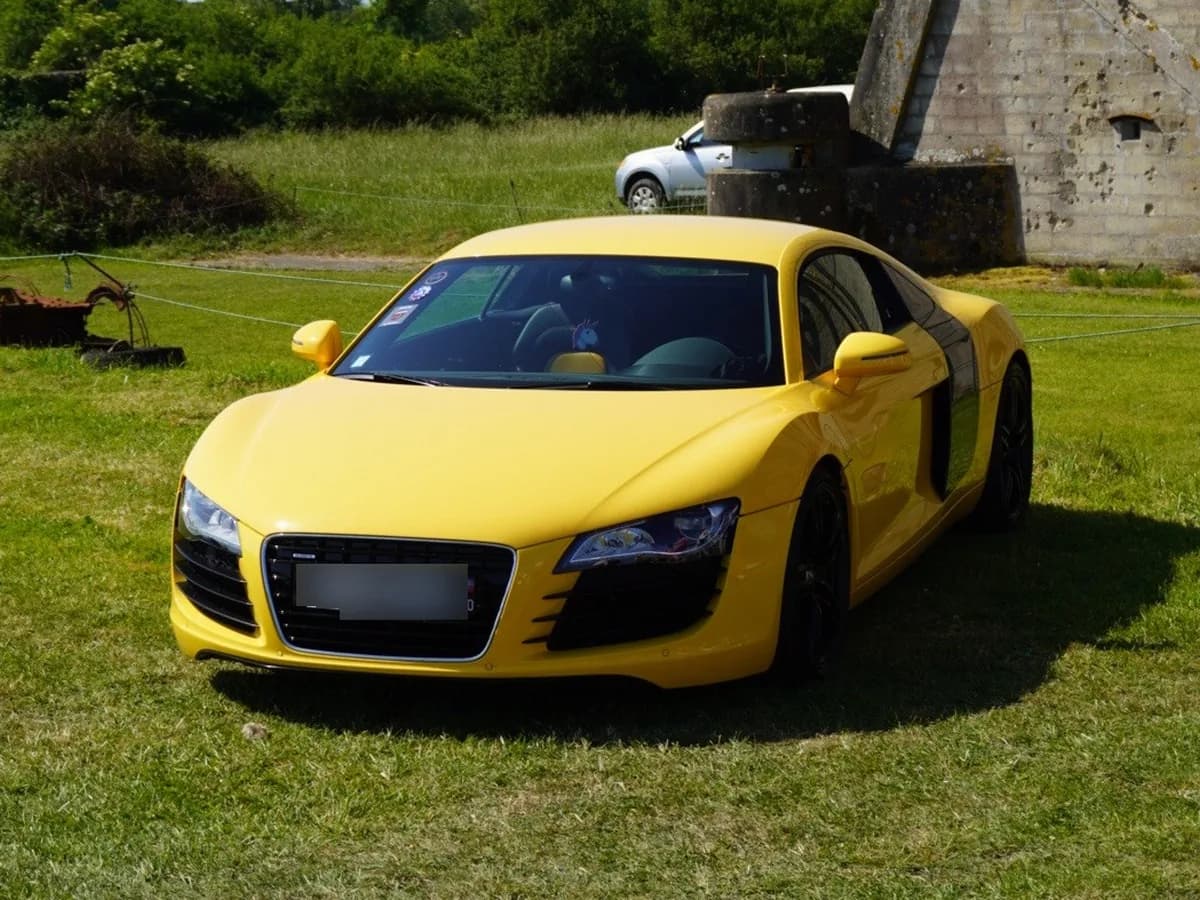
Audi R8 photos
Model summary
Data from the ScanRacer library, organized to compare versions quickly.
Model introduction
Unveiled at the 2006 Paris Motor Show, the Audi R8 was the brand’s first series-produced sports car with a mid-mounted engine. Its styling closely followed the themes of the 2003 Le Mans quattro concept, while its engineering combined an Audi Space Frame structure, quattro all-wheel drive and naturally aspirated petrol engines. The first generation launched with a 4.2-liter V8 FSI, followed by a 5.2-liter V10 FSI and the open-top Spyder body style. A second generation arrived in 2015 with sharper styling, updated technology and a V10-only range at launch. Across the 2006-2018 period, the R8 was offered as both Coupé and Spyder, with different power outputs, transmissions and limited-production derivatives depending on the model year.
History
The R8 name originally belonged to an Audi endurance prototype. The racing car entered at Le Mans from 2000 onward won the event five times between 2000 and 2005 and achieved 63 victories in 80 sports-car races, according to Audi. That record helped establish the performance credentials of the later road car, although the two vehicles were separate projects. The production R8 was developed as a high-performance car intended to remain usable on the road rather than as a simple road-legal version of the prototype. The 2003 Le Mans quattro concept previewed the proportions and design language of the production model. The first-generation R8 was unveiled in 2006 and hand-built at Böllinger Höfe near Neckarsulm. It initially used a 4.2-liter V8 FSI, followed by a 5.2-liter V10 FSI from the wider Volkswagen Group engine family also used by Lamborghini. The Spyder joined the range late in the decade. The second generation arrived in 2015. Audi retained the naturally aspirated V10 concept while extensively revising the structure, electronics and transmission. The R8 V10 RWS later introduced rear-wheel drive, a first for a road-going Audi of this type. The period covered through 2018 also includes V10 plus, GT and performance derivatives, although availability and naming varied by market and model year.
Generations
The first generation, launched in 2006, is identified by its relatively rounded body, forward-set cabin and distinctive side blades positioned behind the doors. It began as a Coupé with a 4.2-liter V8 FSI before gaining a 5.2-liter V10 FSI. Transmission choices also changed over time: a manual gearbox and R tronic were followed by the S tronic dual-clutch transmission from 2012. The Spyder added a fabric roof and a more open cabin while retaining the R8’s main design identity. Audi also states that the R8 became the first production car equipped with full-LED headlights in 2008. The second generation arrived in 2015. Its styling is sharper and more angular, with a wider-looking front end and aerodynamic features integrated more visibly into the bodywork. The naturally aspirated V10 became the core engine of the range, with different output levels depending on the derivative. The seven-speed S tronic transmission was paired with quattro on the main versions, while the V10 RWS used rear-wheel drive. By 2018, the range represented the early phase of the second generation, before the later facelift and subsequent power increases described by Audi.
Key differences
The main differences separate the two generations. The first-generation R8 was available with either a V8 or a V10, while the second generation adopted the V10 as its core engine from launch. Early cars could also be ordered with a manual gearbox or R tronic, while later first-generation models gained the S tronic dual-clutch transmission. The second generation relied primarily on the seven-speed S tronic. Driveline is another useful distinction. Most R8 versions use quattro all-wheel drive, but the second-generation V10 RWS is an exception because it sends power only to the rear wheels. Body style also separates the main variants: the Coupé has a fixed roof, whereas the Spyder uses a fabric roof and a different roofline. Cautious interpretation: reliable identification still requires checking the model year, exact badge, gearbox and original market. Power ratings and commercial names were not identical across all years and countries, so visual inspection alone may not establish the precise version.
Photo recognition
The most useful clues for identifying a first-generation R8 are its relatively rounded body, compact cabin and highly visible side blades behind the doors. Early examples may have a simpler grille and headlights that are not fully LED. Later cars received styling and technology updates, making the exact model year important when examining a vehicle. The second generation has sharper bodywork, more pronounced air intakes and a visually wider front end. The side blades remain a design link with the earlier car, but their treatment is more integrated and sculpted. The steering wheel, instrument display and center console can also help separate the generations, although they do not always identify a precise model year by themselves. The Coupé and Spyder are easy to separate by their roof structures: the Coupé has a fixed roof, while the Spyder uses a fabric top. Badges and aerodynamic details can assist with identifying V10 plus, GT, RWS or performance versions, but the vehicle identification number and original sales documentation are more reliable for confirming an exact derivative.
Important versions
The V8 R8 was the entry point of the first generation, using a 4.2-liter FSI engine. The R8 V10 added the 5.2-liter FSI V10, which became one of the model’s defining features. The V10 plus served as a higher-performance derivative, while the GT was a limited-production first-generation version. The Spyder carried the Coupé’s main mechanical concept into an open-top body style. In the second generation, V10 and V10 plus versions were separated mainly by output and performance positioning. The V10 RWS is especially significant for identification because it replaced quattro all-wheel drive with rear-wheel drive. Performance-badged models appeared later and should not automatically be treated as equivalent to earlier V10 plus cars. Since names, power ratings and equipment could vary between markets, each badge should be considered together with its model year and technical specification.
The name “R8” follows Audi naming, with its rules and its exceptions. Decode a Audi name
References
- The Audi R8: a captivating legendAudi
- Audi R8 (2006-2024)Audi
- The heart of the Audi R8 V10 engineAudi MediaCenter
- The Audi R8 until 2024: Updated dynamics for the high-performance sports carAudi MediaCenter
- https://www.audi.com/en/press-releases/audi-r8-claims-victory-in-farewell-race-8264audi.com
- https://www.audi.com/en/press-releases/the-audi-r8-a-captivating-legend-16374/downloadaudi.com
- https://www.audi.com/en/press-releases/50th-victory-for-an-audi-r8-8674audi.com
- https://www.audi.com/en/press-releases/japanese-audi-r8-wins-le-mans-8660audi.com
Technical specifications
Structured data available for versions linked to this model.
| Version | Power | Torque | Top speed | Drivetrain | Fuel |
|---|---|---|---|---|---|
| Base | 397.2 KW @ 8250 RPM 540 HP @ 8250 RPM 533 BHP @ 8250 RPM | 398 lb-ft @ 6500 RPM 540 Nm @ 6500 RPM | 198 mph (319 km/h) | All Wheel Drive / 7-speed automatic (S tronic) | Gasoline |
Frequently asked questions
- What years was the Audi R8 produced?
- ScanRacer's referenced versions cover 2006 - 2023.
- How many Audi R8 examples are documented on ScanRacer?
- 81 published scans from 50 members, with the latest photo added in September 2026.
- What is the power output of the Audi R8?
- The sourced technical data lists 397.2 KW @ 8250 RPM 540 HP @ 8250 RPM 533 BHP @ 8250 RPM.
What about the car you photographed?
Upload a photo to get a suggested make, model and likely year.
No account needed for the result · Publish only if you choose