
A1
Introduced in 2010, the Audi A1 became the four-ring brand’s entry model in the premium small-car segment. Its first generation was built in Brussels and initially offered a compact three-door body, followed by the five-door A1 Sportback in 2012. A second generation arrived in 2018, bringing an exclusively Sportback body, more interior room and connected technology adapted from larger Audi models. In 2019, the A1 citycarver added a more rugged interpretation, identified by increased ground clearance and contrasting exterior protection. The variants represented here include the Hatch, Sportback and Citycarver Allstreet names, covering model years from 2010 to 2019. The available material therefore spans the transition from the original urban hatchback to the more digital and spacious second-generation car.
What about the car you photographed?
Upload a photo to get a suggested make, model and likely year.
No account needed for the result · Publish only if you choose
Variants by year
Make: Audi · Model: A1
6 / 6 versions shown
2019
2018
2014
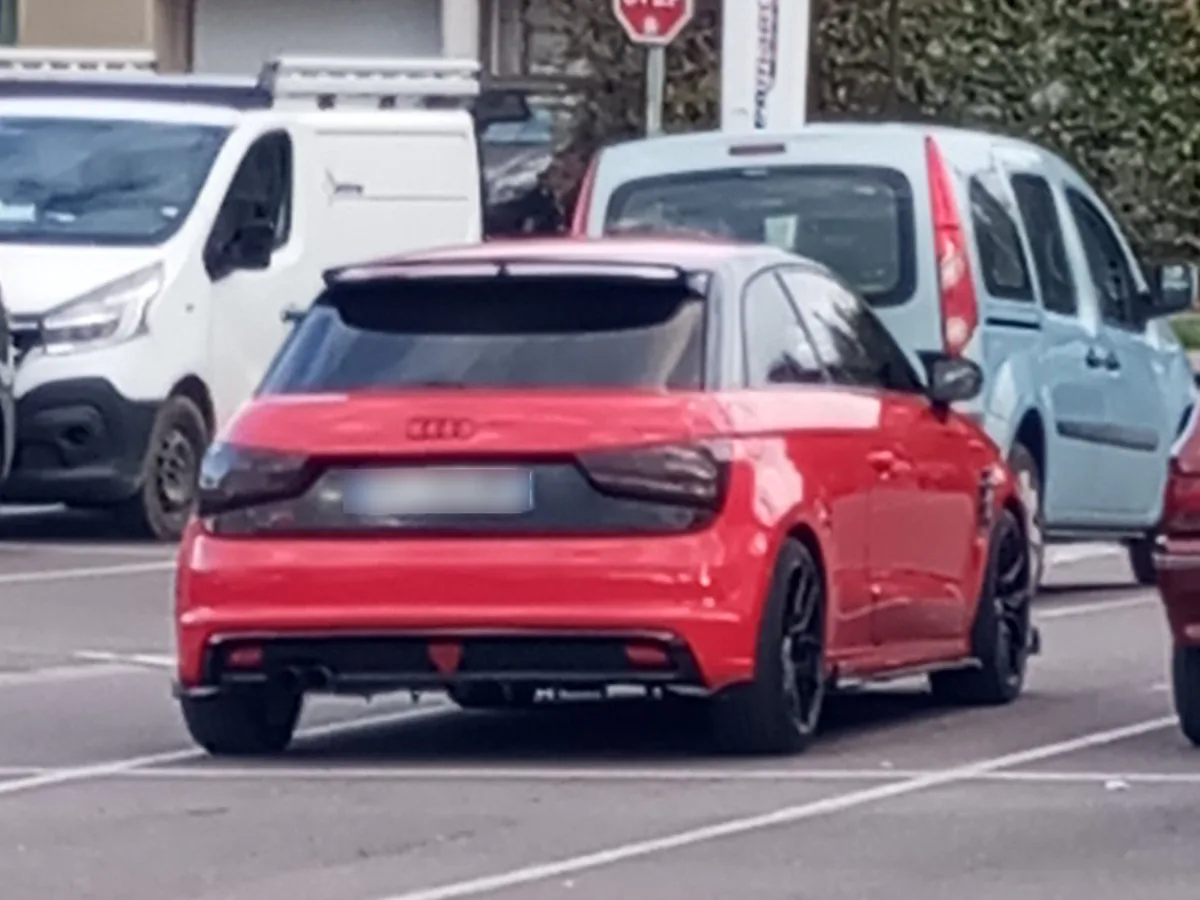

2012
2010
Audi A1 photos
Model summary
Data from the ScanRacer library, organized to compare versions quickly.
Model introduction
Introduced in 2010, the Audi A1 became the four-ring brand’s entry model in the premium small-car segment. Its first generation was built in Brussels and initially offered a compact three-door body, followed by the five-door A1 Sportback in 2012. A second generation arrived in 2018, bringing an exclusively Sportback body, more interior room and connected technology adapted from larger Audi models. In 2019, the A1 citycarver added a more rugged interpretation, identified by increased ground clearance and contrasting exterior protection. The variants represented here include the Hatch, Sportback and Citycarver Allstreet names, covering model years from 2010 to 2019. The available material therefore spans the transition from the original urban hatchback to the more digital and spacious second-generation car.
History
Audi officially began series production of the A1 in Brussels on May 11, 2010, following a reported €300 million investment in the Belgian plant. The car was positioned as a premium small hatchback, combining compact dimensions with a more carefully finished interior and a distinctly urban purpose. The launch also represented an important industrial step for Audi Brussels, which became closely associated with A1 production. Audi reported that 51,937 examples were built during the model’s first year of production. (audiworld.com) The range expanded in 2012 with the five-door A1 Sportback, produced in Brussels alongside the original body style. Its additional doors made it the more practical interpretation for regular rear-seat use and it became a central part of the A1 family. (audi-mediacenter.com) The second generation was introduced in 2018. It grew by 56 millimetres to approximately 4.03 metres and adopted a more digital interior, while being offered exclusively as a Sportback. In 2019, the citycarver was derived from this newer car, adding raised suspension, contrasting protective detailing and roughly four centimetres of extra ground clearance. (uploads.audi-mediacenter.com)
Generations
The first generation is the A1 introduced in 2010. It can be identified by its very compact proportions, relatively low roofline and traditional Audi Singleframe grille. The Hatch name represents the original body style within the covered range, while the A1 Sportback introduced in 2012 added rear doors and a more practical layout for everyday use. Production during this period took place in Brussels, where Audi Belgium states that the final Belgian-built A1 left the assembly line in 2018. (audi.be) The second generation, launched in 2018, brought a more substantial change. It was offered exclusively as a Sportback, used a longer body and provided a roomier cabin according to Audi. Its interior is marked by a 10.25-inch digital instrument display, while the infotainment and driver-assistance concept drew on technology used in larger Audi models. The TFSI engines announced at launch covered outputs from 95 to 200 horsepower, depending on specification and market. (audi-mediacenter.com)
Key differences
The main distinction is between the first and second A1 generations. The earlier car has a shorter, simpler shape, a conventional dashboard and, depending on body style, either two or four side doors. The second generation is longer, exclusively five-door and much more focused on digital presentation. Audi announced a standard 10.25-inch digital instrument display, while the optional central touchscreen could measure up to 10.1 inches depending on equipment. (audi-mediacenter.com) The A1 citycarver is not a separate generation. Audi described it as a derivative based on the A1 Sportback. Its changes focus on appearance and ride height: enlarged wheel-arch treatment, contrasting protective elements, styling cues associated with Audi SUVs and approximately four centimetres of additional ground clearance. It is therefore best understood as a more rugged-looking version of the second-generation Sportback rather than a completely separate model. (press.audi.co.uk)
Photo recognition
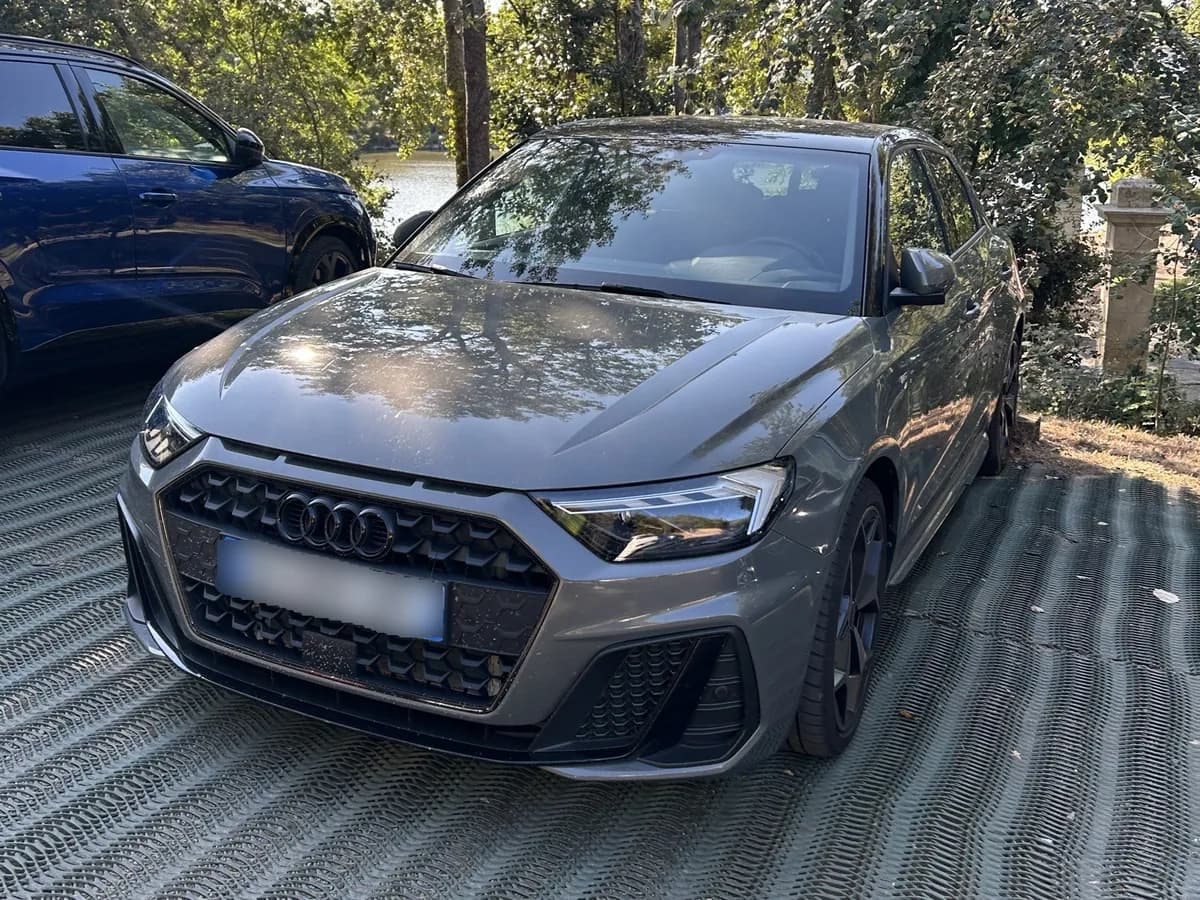
To identify a first-generation A1, start with its compact dimensions and lower-looking profile: it appears shorter and less substantial than the later car. The Hatch body has two side doors, while the Sportback has four. The rising beltline, small rear side-window area and conventional Singleframe grille are useful clues, although details vary with trim level, wheels and lighting equipment. The 2010–2014 period includes the early Hatch and Sportback forms represented in the available range. A second-generation A1 can be recognized by its longer body, exclusively Sportback layout, highly digital interior and sharper exterior treatment. The 2019 citycarver adds visibly stronger wheel-arch detailing, contrasting side sills, metallic-look underbody protection and a black octagonal grille. Its raised stance gives the car more visual height and easier access, but it should not be confused with a genuine off-road vehicle. (press.audi.co.uk)
Important versions
The main names covered are Hatch, associated with the early A1 and represented from 2010 to 2014, and Sportback, represented from 2012 to 2018 in the stated range. Sportback is particularly significant because it introduced the five-door body into the A1 family. The Citycarver Allstreet entry, represented for 2019, is the most rugged-looking derivative: it uses the second-generation A1 Sportback as its basis and adds raised suspension, greater ground clearance and exterior protection details. The name “Allstreet” should nevertheless be treated as a variant or catalogue label in the stated coverage, since Audi initially introduced this 2019 derivative under the name citycarver. (press.audi.co.uk)
The name “A1” follows Audi naming, with its rules and its exceptions. Decode a Audi name
References
- The stage is set: start of production of the Audi A1Audi Media
- New Audi A1 Sportback — ideal companion for an urban lifestyleAudi MediaCenter
- For the urban jungle - The new Audi A1 citycarverAudi UK Newsroom
- https://www.audi-mediacenter.com/en/photos/album/audi-a1-citycarver-2019-1497audi-mediacenter.com
- https://uploads.audi-mediacenter.com/system/production/uploaded_files/14742/file/f99bd37aff627605544513b83a411a86778ff4ff/20190124_AMC_ePresseInfo_Audi_A1_Sportback.pdf?1560258932=&disposition=attachmentuploads.audi-mediacenter.com
- https://www.audi-mediacenter.com/en/press-releases/refined-details-audi-gives-the-a1-a4-a5-q7-and-q8-a-sporty-new-look-for-the-new-model-year-13976/downloadaudi-mediacenter.com
- https://www.audi-mediacenter.com/en/photos/detail/audi-a1-citycarver-86457audi-mediacenter.com
- https://www.audi-mediacenter.com/en/press-releases/audi-a1-sportback-ideal-companion-for-an-urban-lifestyle-until-2026-10370/downloadaudi-mediacenter.com
Technical specifications
Structured data available for versions linked to this model.
| Version | Power | Torque | Top speed | Drivetrain | Fuel |
|---|---|---|---|---|---|
| Base | 105 KW @ 4200 RPM143 HP @ 4200 RPM141 BHP @ 4200 RPM | 236 lb-ft @ 1750-2500 RPM320 Nm @ 1750-2500 RPM | 135 mph (217 km/h) | Front Wheel Drive / 6-speed manual | Diesel |
| Base | 105 KW @ 4200 RPM143 HP @ 4200 RPM141 BHP @ 4200 RPM | 236 lb-ft @ 1750-2500 RPM320 Nm @ 1750-2500 RPM | 135 mph (217 km/h) | Front Wheel Drive / 6-speed manual | Diesel |
Frequently asked questions
- What years was the Audi A1 produced?
- ScanRacer's referenced versions cover 2010 - 2019.
- How many Audi A1 examples are documented on ScanRacer?
- 9 published scans from 6 members, with the latest photo added in August 2026.
- What is the power output of the Audi A1?
- The sourced technical data lists 105 KW @ 4200 RPM143 HP @ 4200 RPM141 BHP @ 4200 RPM.
What about the car you photographed?
Upload a photo to get a suggested make, model and likely year.
No account needed for the result · Publish only if you choose