
SQ5
The Audi SQ5 is the performance-oriented derivative of the Q5 family, introduced in autumn 2012 with a notable distinction: it was Audi’s first S model powered by a diesel engine. The first generation combined a twin-turbocharged 3.0-liter V6 TDI with quattro all-wheel drive and a more assertive chassis and appearance than the regular Q5. Depending on the market, the range later used a 3.0-liter TFSI gasoline V6, followed by diesel and gasoline powertrains supported by mild-hybrid systems. The second generation arrived from 2017 and was joined by the SQ5 Sportback in 2020, adding a coupé-like roofline to the SUV format. In 2024, Audi revealed a third-generation Q5 and SQ5 based on the Premium Platform Combustion, with a V6 TFSI and MHEV plus technology. The indexed versions cover model years from 2012 through 2025.
What about the car you photographed?
Upload a photo to get a suggested make, model and likely year.
No account needed for the result · Publish only if you choose
Variants by year
Make: Audi · Model: SQ5
6 / 6 versions shown
2025
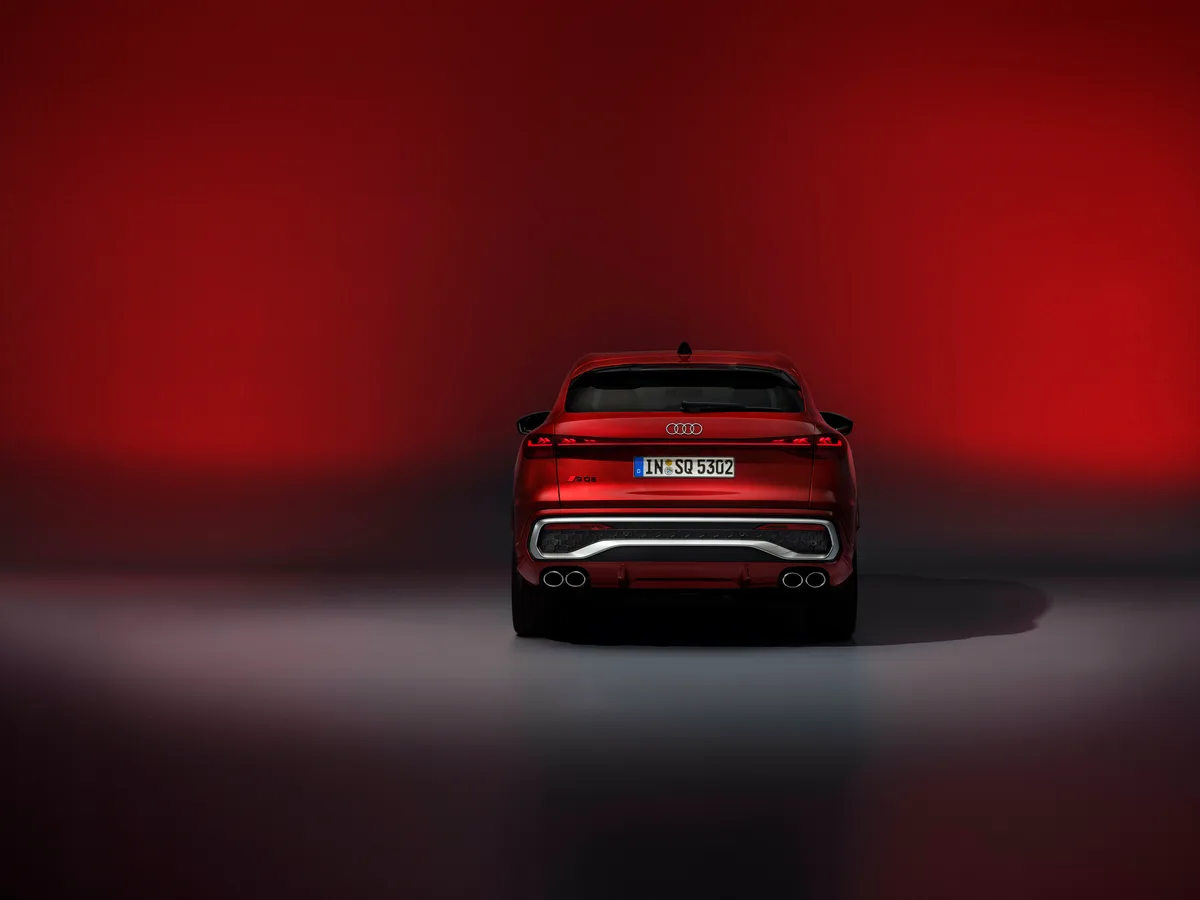
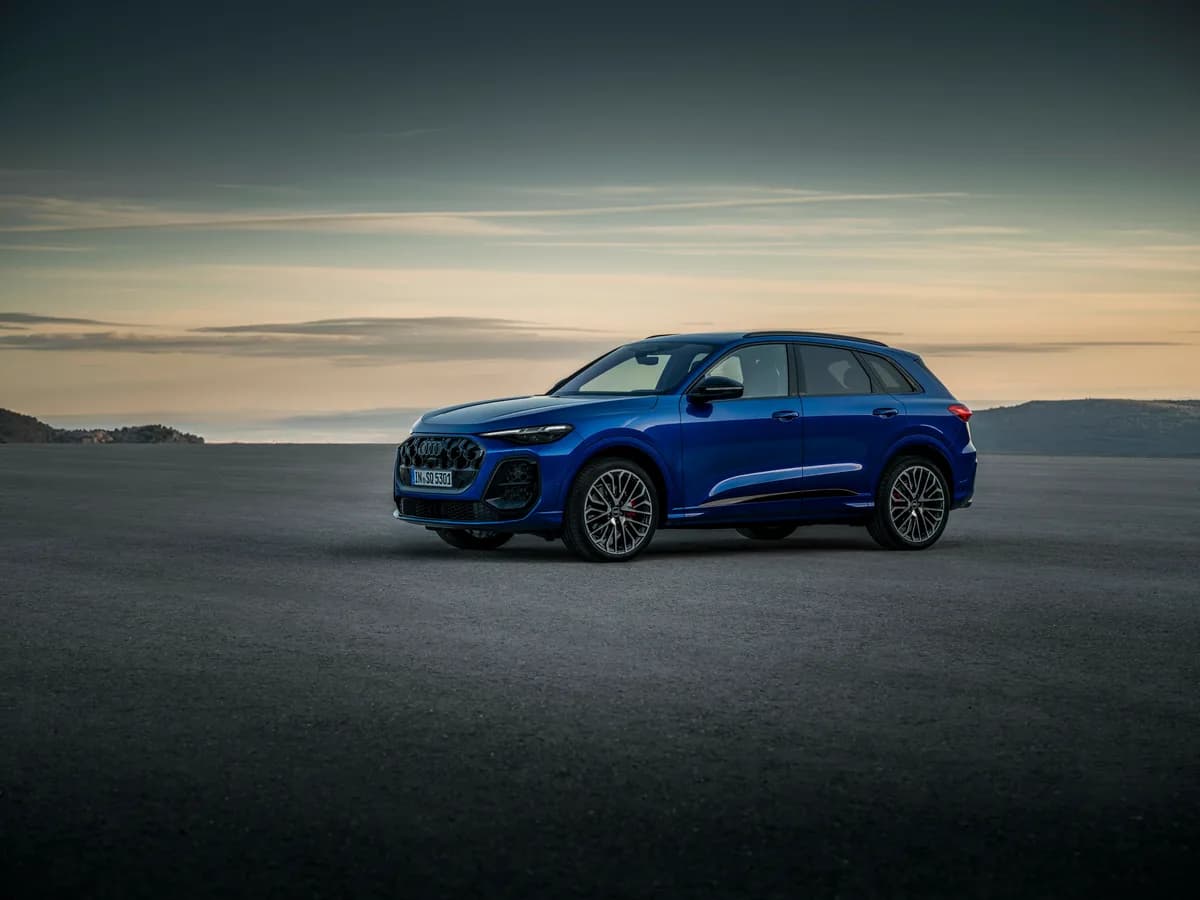
2020
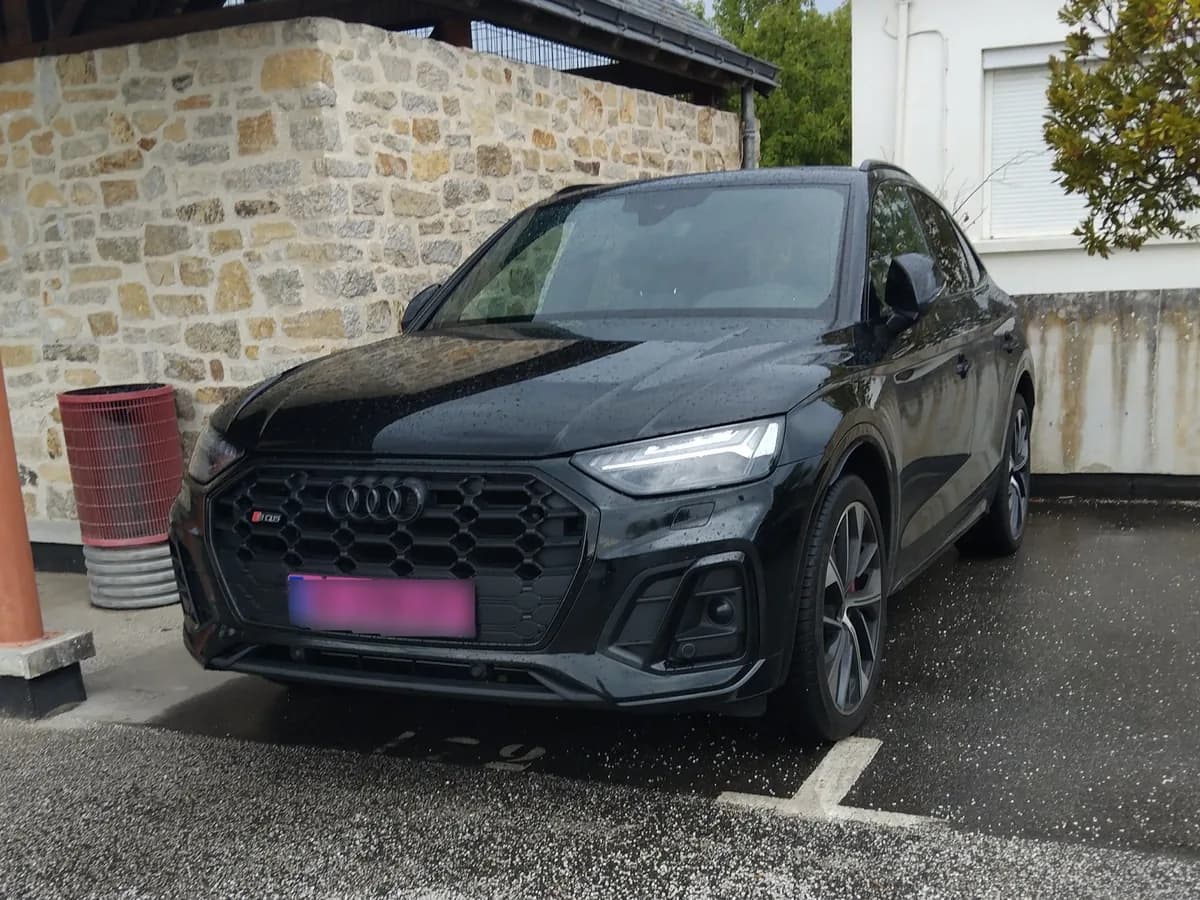
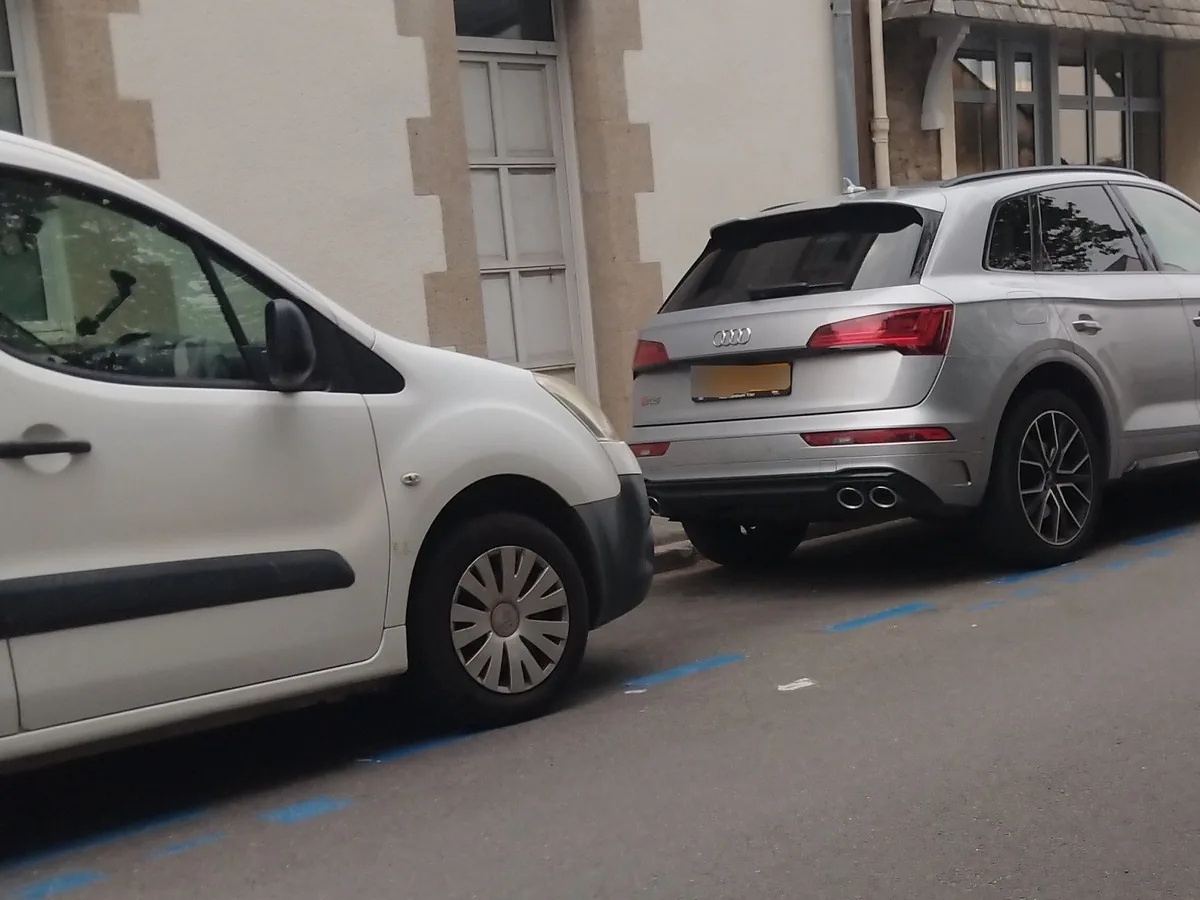
2017
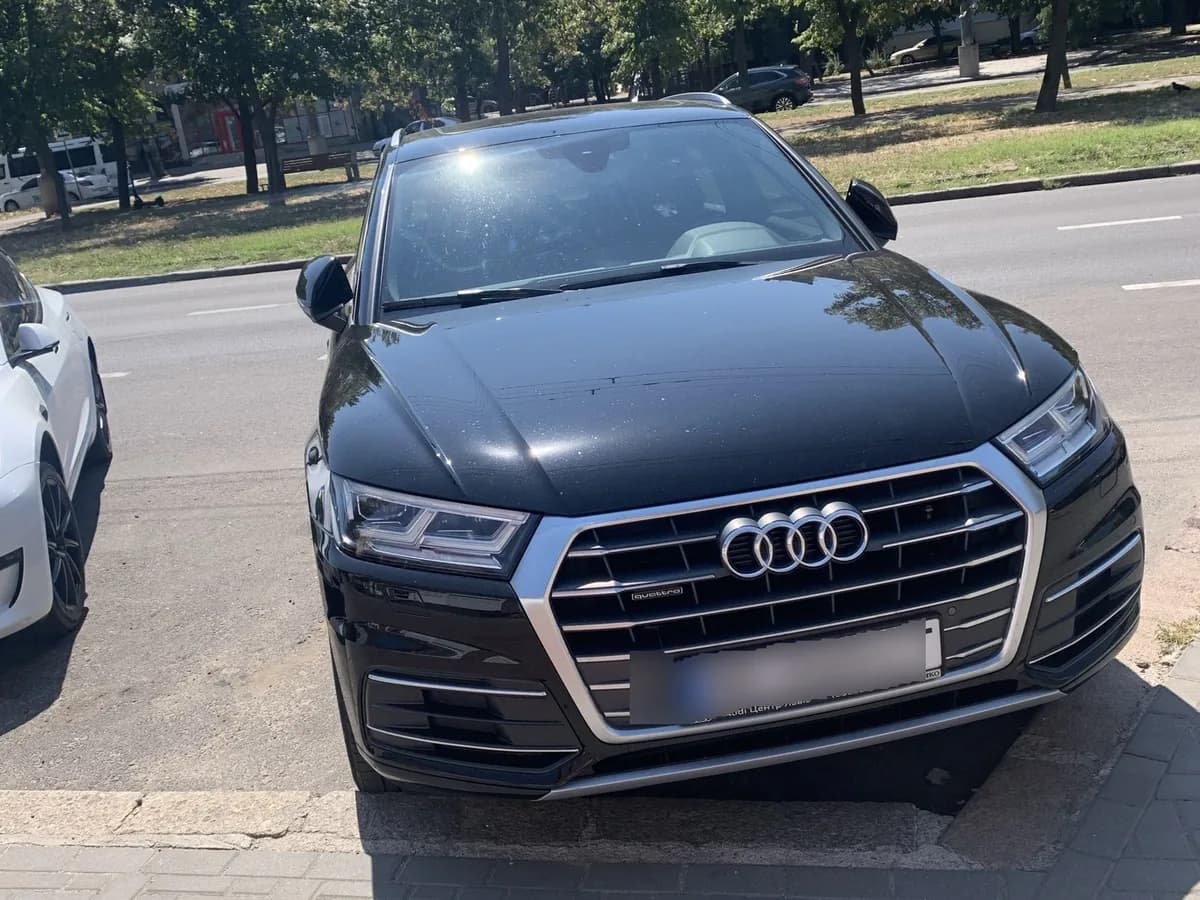
2012
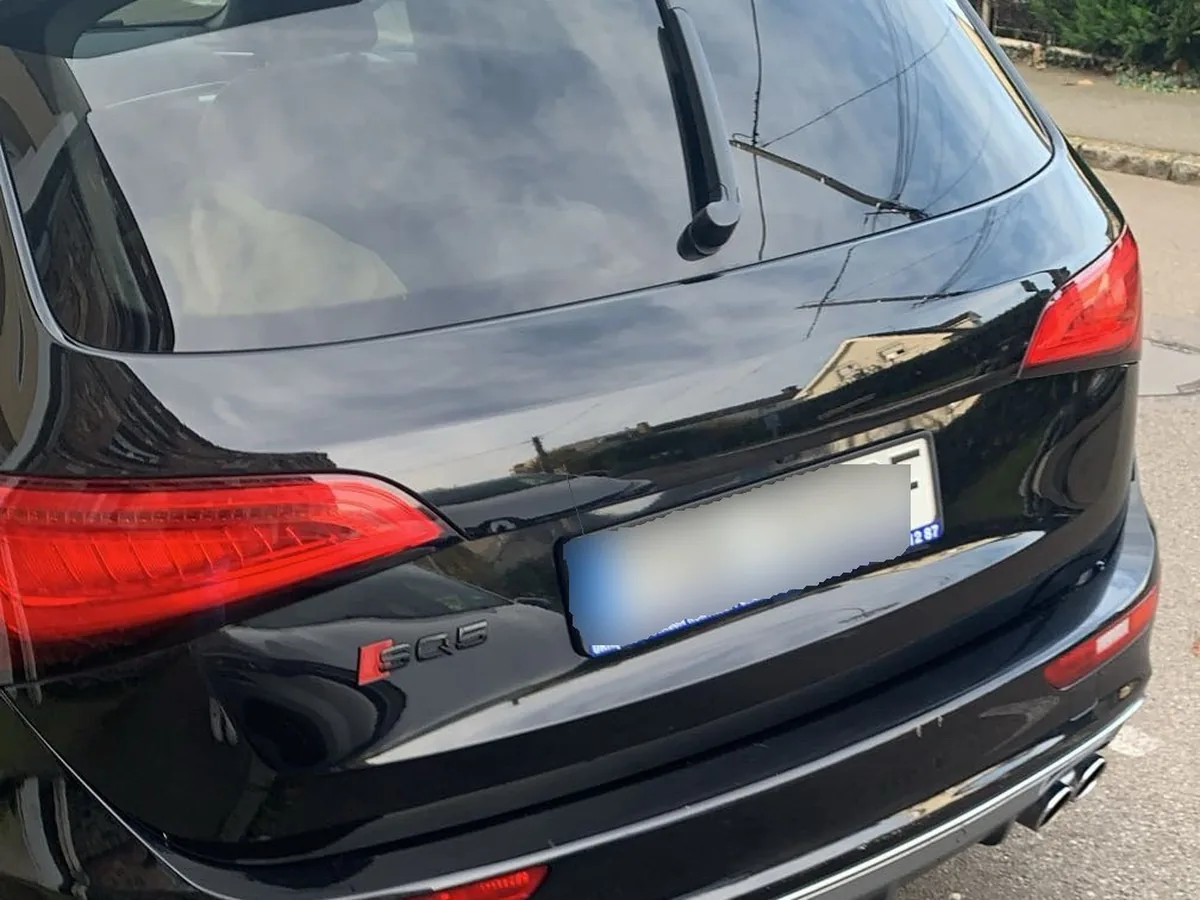
Audi SQ5 photos
Model summary
Data from the ScanRacer library, organized to compare versions quickly.
Model introduction
The Audi SQ5 is the performance-oriented derivative of the Q5 family, introduced in autumn 2012 with a notable distinction: it was Audi’s first S model powered by a diesel engine. The first generation combined a twin-turbocharged 3.0-liter V6 TDI with quattro all-wheel drive and a more assertive chassis and appearance than the regular Q5. Depending on the market, the range later used a 3.0-liter TFSI gasoline V6, followed by diesel and gasoline powertrains supported by mild-hybrid systems. The second generation arrived from 2017 and was joined by the SQ5 Sportback in 2020, adding a coupé-like roofline to the SUV format. In 2024, Audi revealed a third-generation Q5 and SQ5 based on the Premium Platform Combustion, with a V6 TFSI and MHEV plus technology. The indexed versions cover model years from 2012 through 2025.
History
Audi introduced the SQ5 in June 2012 around the 24 Hours of Le Mans, creating a new type of Q5 derivative: a compact premium SUV with sporting intent, yet enough practicality for everyday family use. Its 3.0-liter twin-turbocharged V6 TDI produced 313 hp and 650 Nm, while Audi quoted a 0–100 km/h time of 5.1 seconds. The company also identified it as the first diesel-powered S model in Audi history. Depending on the market, customer deliveries began in early 2013. The model’s international expansion brought different engine strategies. For North America, Audi presented a gasoline version at the 2013 Detroit Auto Show, using a supercharged 3.0-liter TFSI V6 rated at 354 hp. The second-generation SQ5 appeared alongside the new Q5 in 2017. It retained the V6, quattro all-wheel drive, and a performance-focused chassis, but moved to a new Q5 technical basis and a more modern body design. In Europe, the SQ5 TDI continued as an important variant, with later versions using a 347-hp or 341-hp 3.0-liter diesel depending on specification and market. Audi expanded the family again in November 2020 with the SQ5 Sportback TDI. Its sloping roof gave the SUV a coupé-style profile while retaining five-seat usability. In September 2024, Audi revealed the third-generation Q5. The corresponding SQ5, reaching several markets from 2025, moved to the PPC platform and adopted a 3.0-liter TFSI V6 with MHEV plus mild-hybrid technology.
Generations
The first SQ5 generation is based on the Q5 type 8R and spans the model’s 2012 introduction until the arrival of its successor. It is identifiable by relatively upright proportions, the earlier Singleframe grille treatment, horizontal rear lighting, and a sportier specification without a coupé-style body. In Europe, the launch engine was the twin-turbocharged 3.0-liter V6 TDI, while selected markets received the 3.0-liter TFSI gasoline engine. The second generation is associated with the Q5 type FY, revealed in 2016 and sold as an SQ5 from 2017. It brought a sharper body, more defined side surfaces, a redesigned dashboard, and a 3.0-liter TFSI V6 in several markets. European versions also used the 3.0-liter TDI, particularly in later updates that introduced 48-volt mild-hybrid assistance and, on relevant diesel specifications, an electrically powered compressor. Q5-family updates revised the lighting signatures, bumpers, and infotainment presentation. The SQ5 Sportback, introduced in 2020, belongs to this second technical era but is easy to separate visually because of its descending roofline and redesigned rear hatch. The third generation was unveiled in 2024 for market introduction from 2025. It moves to Audi’s Premium Platform Combustion architecture and combines the SQ5 name with a 3.0-liter TFSI V6, MHEV plus assistance, a new exterior design, and a substantially revised digital cabin.
Key differences
The main differences between SQ5 generations involve the engine strategy, technical platform, and body style. The 2012 model is historically distinct because it was Audi’s first S model with a diesel engine, using a twin-turbocharged 3.0-liter V6 TDI in several markets. The following generation broadened the range with a 354-hp 3.0-liter TFSI gasoline V6 in Audi’s 2017 presentation, while European markets continued to receive TDI versions depending on model year and local regulations. The second generation also brought a noticeably newer cabin, chassis structure, and driver-assistance package. The Sportback is not a separate technical generation: it uses the same general SQ5 basis as the SUV, but replaces the conventional rear profile with a sloping roof and different rear bodywork. The result is primarily a styling and packaging distinction, affecting rear access and cargo usability. The 2025 model represents a larger technical change. It uses Audi’s PPC platform and pairs a 3.0-liter TFSI V6 with MHEV plus technology. Direct comparisons of output, fuel economy, equipment, or transmission should therefore be made cautiously. Audi specifications vary by market, homologation cycle, drivetrain calibration, and trim level, so a European SQ5 TDI and a North American SQ5 TFSI should not be treated as identical versions.
Photo recognition
A first-generation SQ5 can be identified by the relatively upright and compact Q5 type 8R body, restrained S-model exterior details, and rear exhaust treatment integrated into the bumper area. European examples may carry an SQ5 TDI designation, but the badge alone does not establish the engine: North American markets notably received a gasoline version. The second-generation SQ5 has a more sharply creased body, a broader-looking grille, and, on early examples, a cabin centered around a freestanding infotainment display. Facelifted cars use newer lighting signatures and an updated multimedia interface. The Sportback is the easiest derivative to distinguish because its roof begins to fall earlier toward the tailgate, its rear side window tapers more strongly, and its rear body appears visually taller. The third-generation SQ5, represented by vehicles arriving from 2025, introduces a more horizontal front treatment, digitally designed lighting with customizable signatures, and a substantially more screen-oriented interior. Reliable identification requires more than reading the grille badge. Body style, model year, market, engine designation, lighting equipment, and interior layout should be considered together, particularly because Audi offered different gasoline and diesel specifications in different regions.
Important versions
The 2012 SQ5 TDI is the key historical version: it launched the family with a twin-turbocharged diesel V6 and became Audi’s first diesel-powered S model. The SQ5 TFSI presented in 2017 represents the move to a gasoline V6 in several markets, with Audi quoting 354 hp. The SQ5 Sportback TDI, revealed in 2020, added a sloping-roof body to the second-generation range. The next-generation SQ5 SUV and SQ5 Sportback, shown in 2024 and introduced from 2025 depending on market, bring the PPC platform and MHEV plus technology. In the supplied ScanRacer index, SUV entries cover 2017–2025, Sportback entries cover 2020–2025, and the Base label covers 2012. Those labels describe the available library indexing and should not automatically be interpreted as official Audi trim names.
The name “SQ5” follows Audi naming, with its rules and its exceptions. Decode a Audi name
References
- Sporty, practical and elegant: the Q5 Sportback and the SQ5 Sportback TDIAudi
- V6 power and superior dynamics: the Audi SQ5 TFSIAudi MediaCenter
- Sporty, powerful, and efficient: Audi presents the new generation of the SQ5 TDIAudi
- Audi SQ5 GenerationsiSeeCars
- Audi SQ5 - Model Years, Generations & NewsCars.com
- https://www.largus.fr/Audi_Sq5.htmllargus.fr
- https://uploads.audi-mediacenter.com/system/production/car_motorizations/1454/file_en/672f9dcac87decbc8e9fae6cde2683ae490b5fcd/eTD-Audi-SQ5-Sportback-TFSI_250408.pdf?1744125400=uploads.audi-mediacenter.com
- https://www.edmunds.com/audi/sq5/2020/review/edmunds.com
Technical specifications
Structured data available for versions linked to this model.
| Version | Power | Torque | Top speed | Drivetrain | Fuel |
|---|---|---|---|---|---|
| Base | 269.9 kw (367 hp) | 368.8 lb-ft (500 Nm) | 1391 mph (2239 km/h) | All Wheel Drive / 7- automatic speed S Tronic | Plug-in Hybrid |
| Base | 269.9 kw (367 hp) | 405.7 lb-ft (550 Nm) | 155 mph (249 km/h) | All Wheel Drive / 7- automatic speed S Tronic | Mild Hybrid |
Frequently asked questions
- What years was the Audi SQ5 produced?
- ScanRacer's referenced versions cover 2012 - 2025.
- How many Audi SQ5 examples are documented on ScanRacer?
- 27 published scans from 8 members, with the latest photo added in September 2026.
- What is the power output of the Audi SQ5?
- The sourced technical data lists 269.9 kw (367 hp).
What about the car you photographed?
Upload a photo to get a suggested make, model and likely year.
No account needed for the result · Publish only if you choose