
Mercedes-Benz
Mercedes-Benz traces its roots to the work of Carl Benz and Gottlieb Daimler, who developed separate automobiles in 1886. The Mercedes name emerged at Daimler after the racing success of the Mercedes 35 hp, introduced in 1901. The Mercedes-Benz brand was formally created in 1926, when the companies founded by Benz and Daimler were merged. Its history now spans compact cars, executive and luxury saloons, sports cars, off-road vehicles, and electric models. The 170, Type 220, E-Class, S-Class, G-Class, SL and AMG families show how the brand’s product range changed across successive generations. The EQS marks a more recent chapter, positioning a fully electric luxury saloon alongside Mercedes-Benz’s established premium models. (group.mercedes-benz.com)
Models from A to Z
170

190 SL
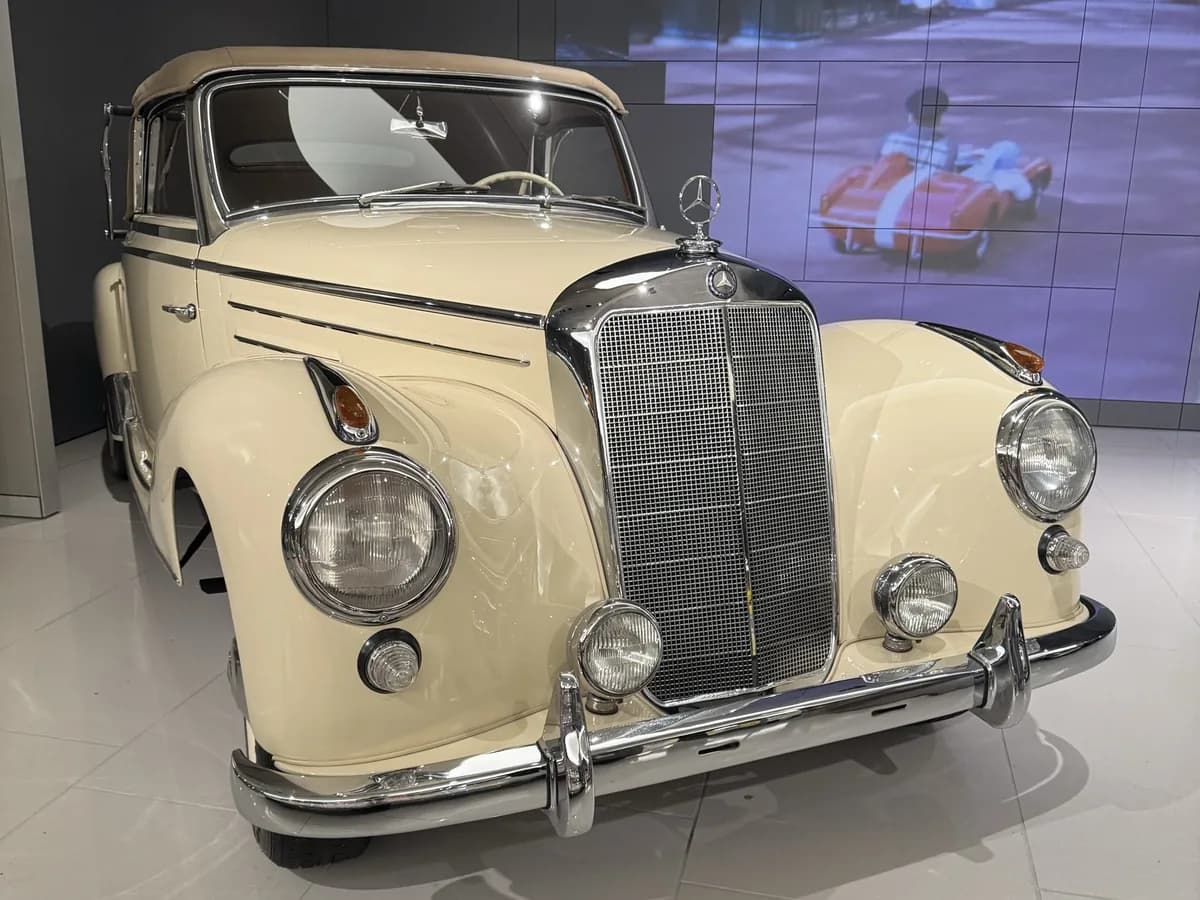
220
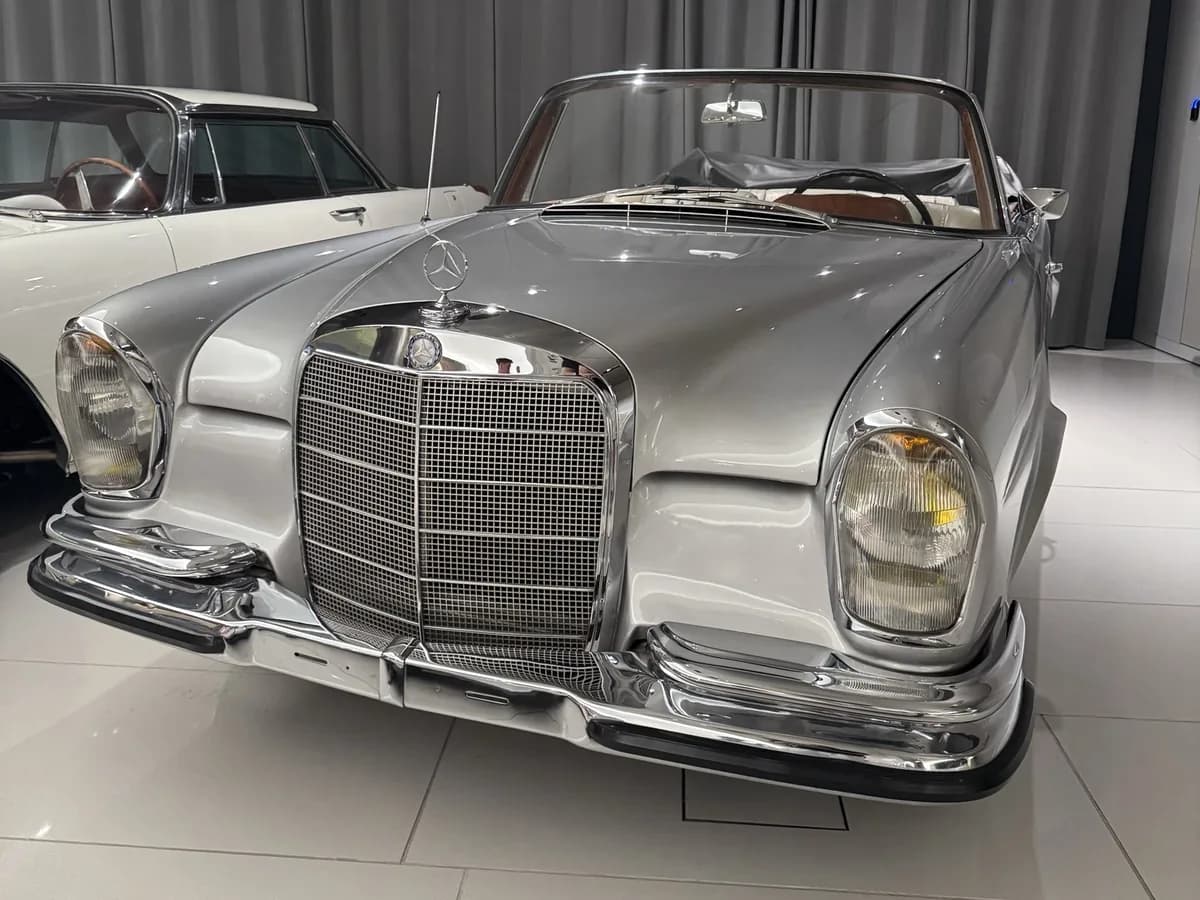
220 SE

300 SL

540 K
600
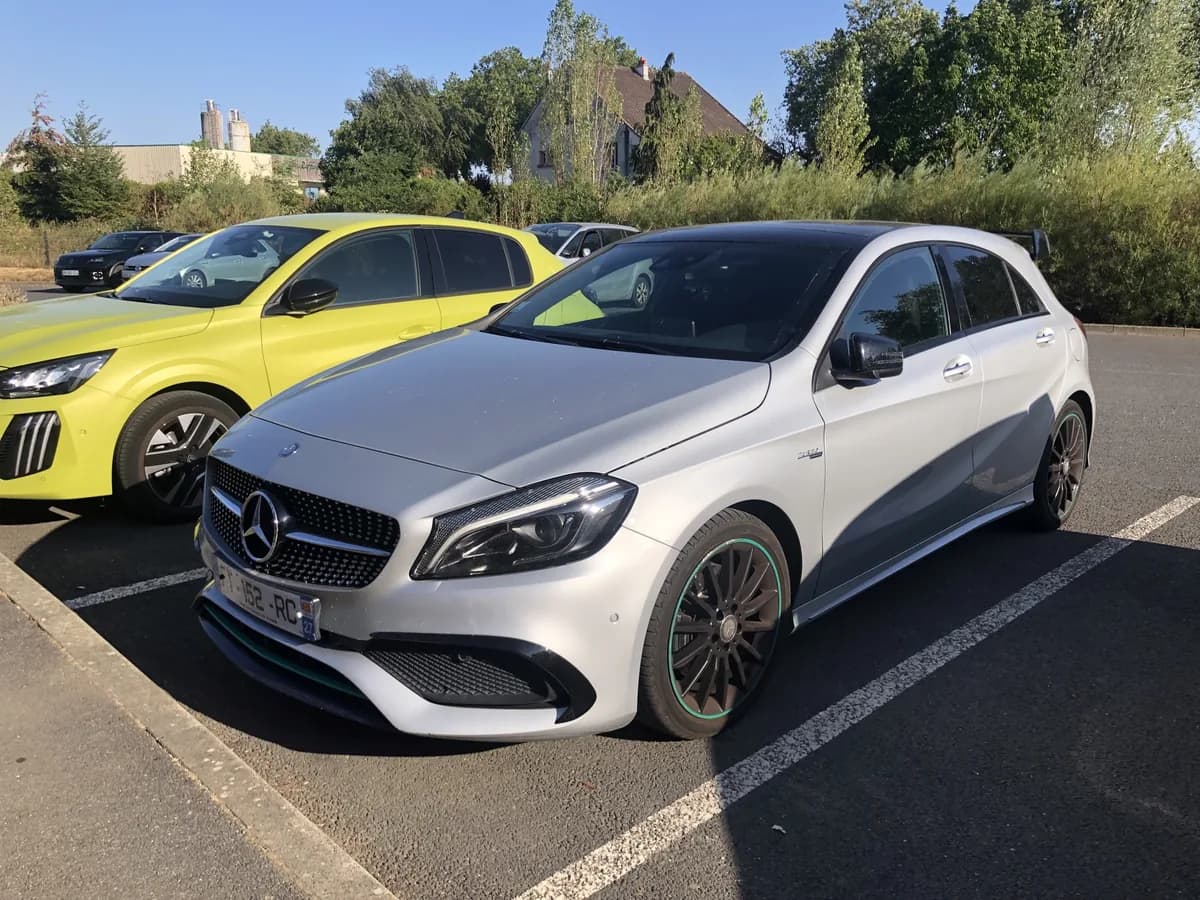
A-Klasse
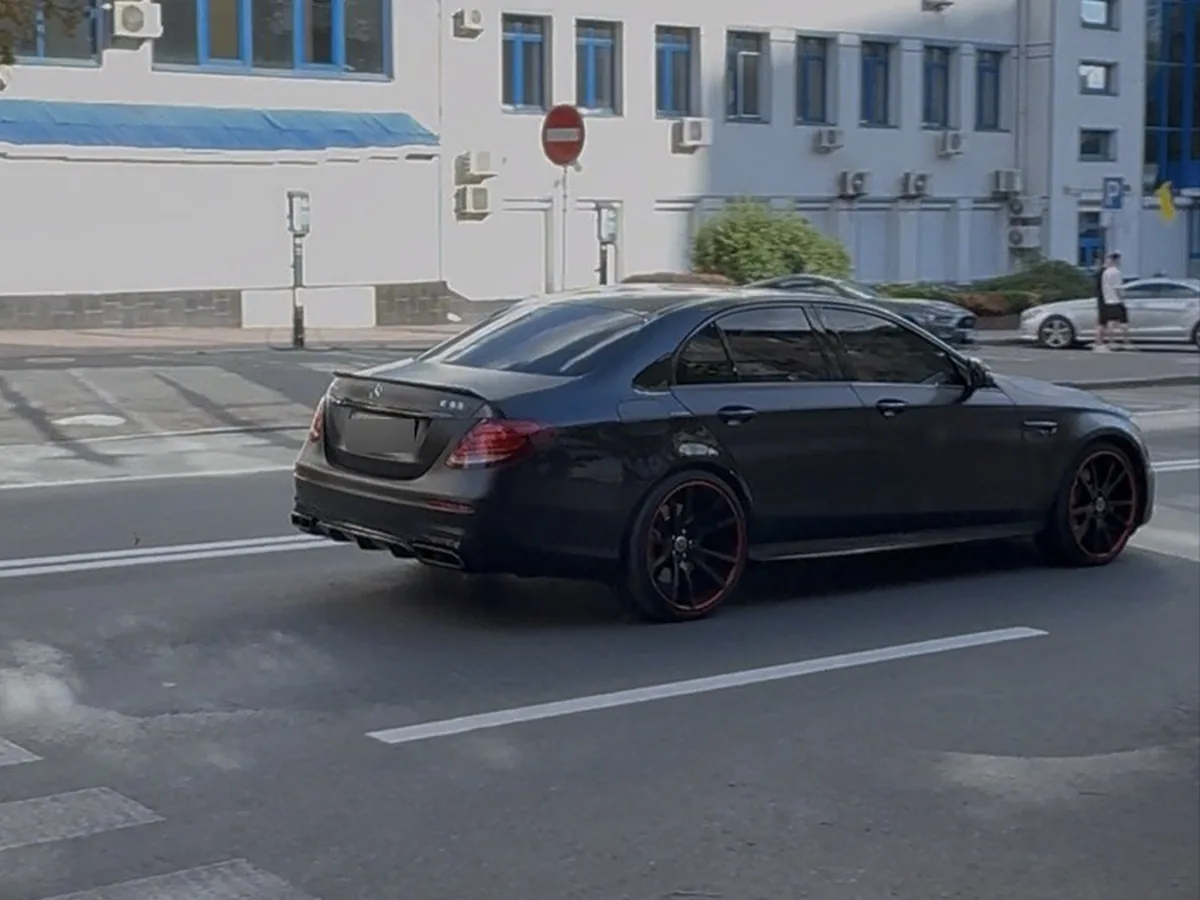
AMG E 63
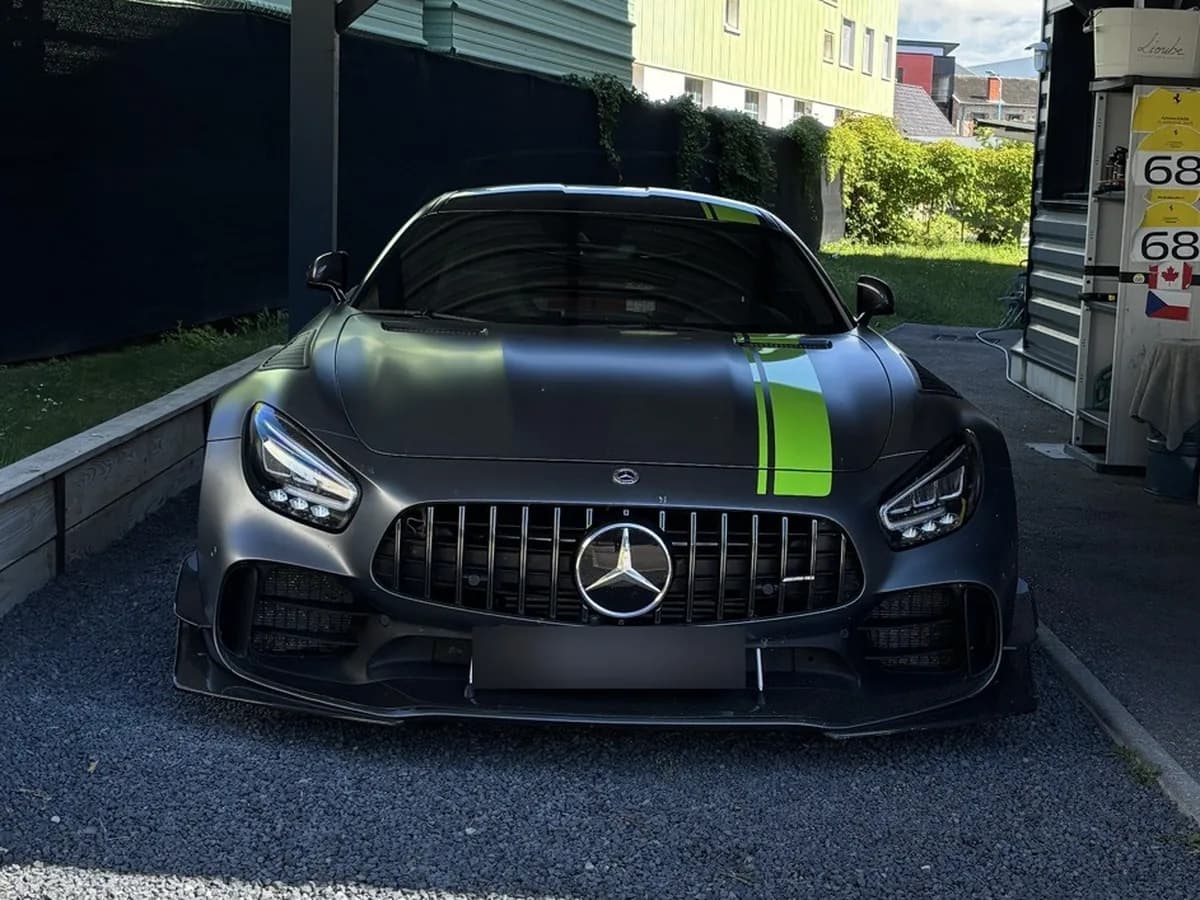
AMG GT
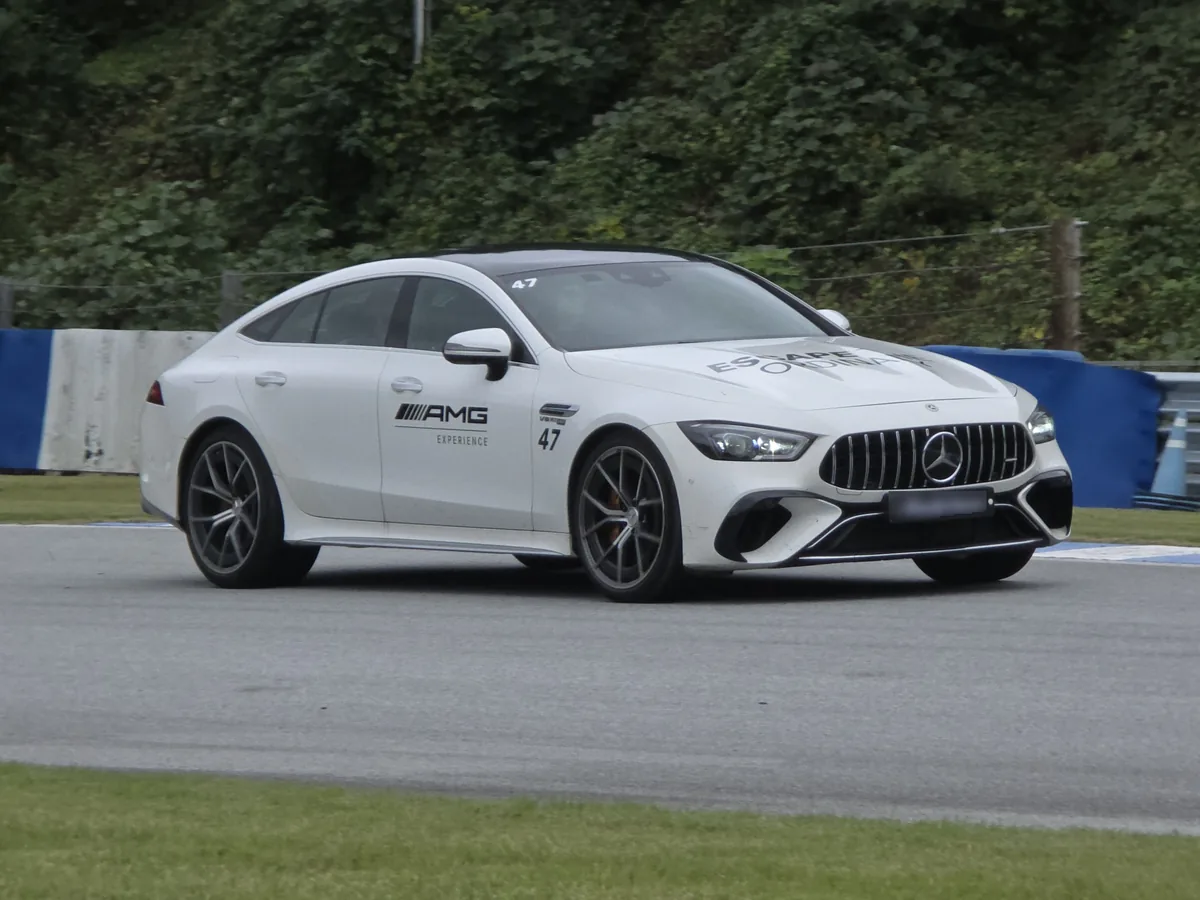
AMG GT 4-door Coupé
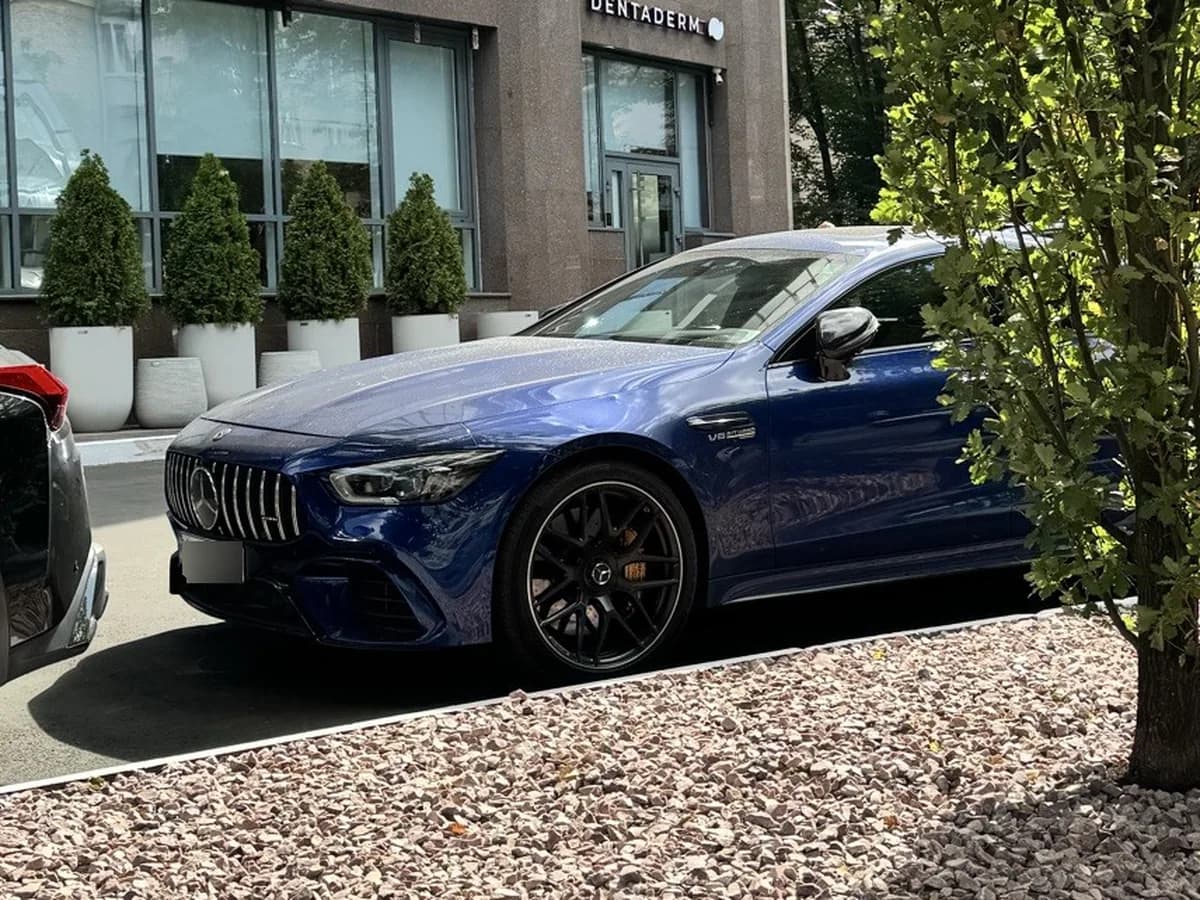
AMG GT Coupe
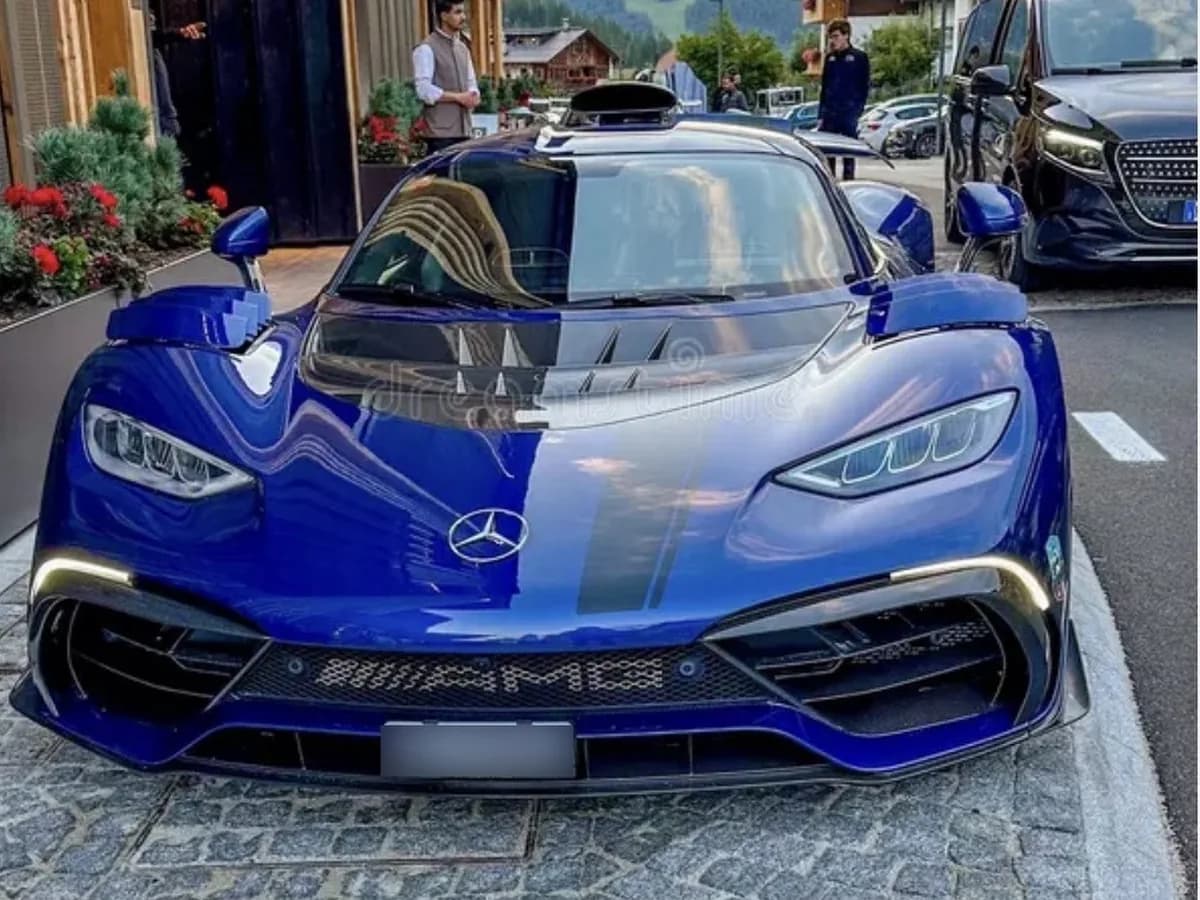
AMG One
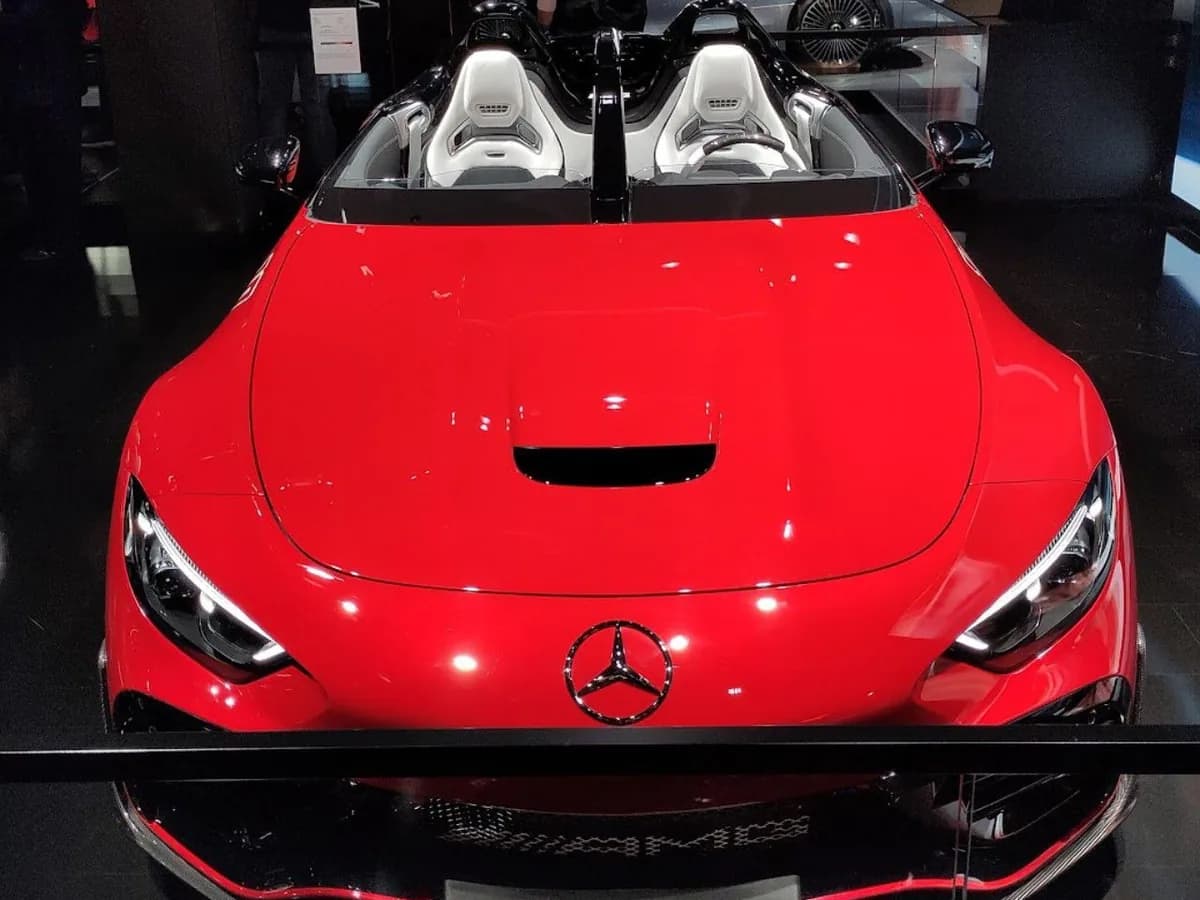
AMG PureSpeed
Atego
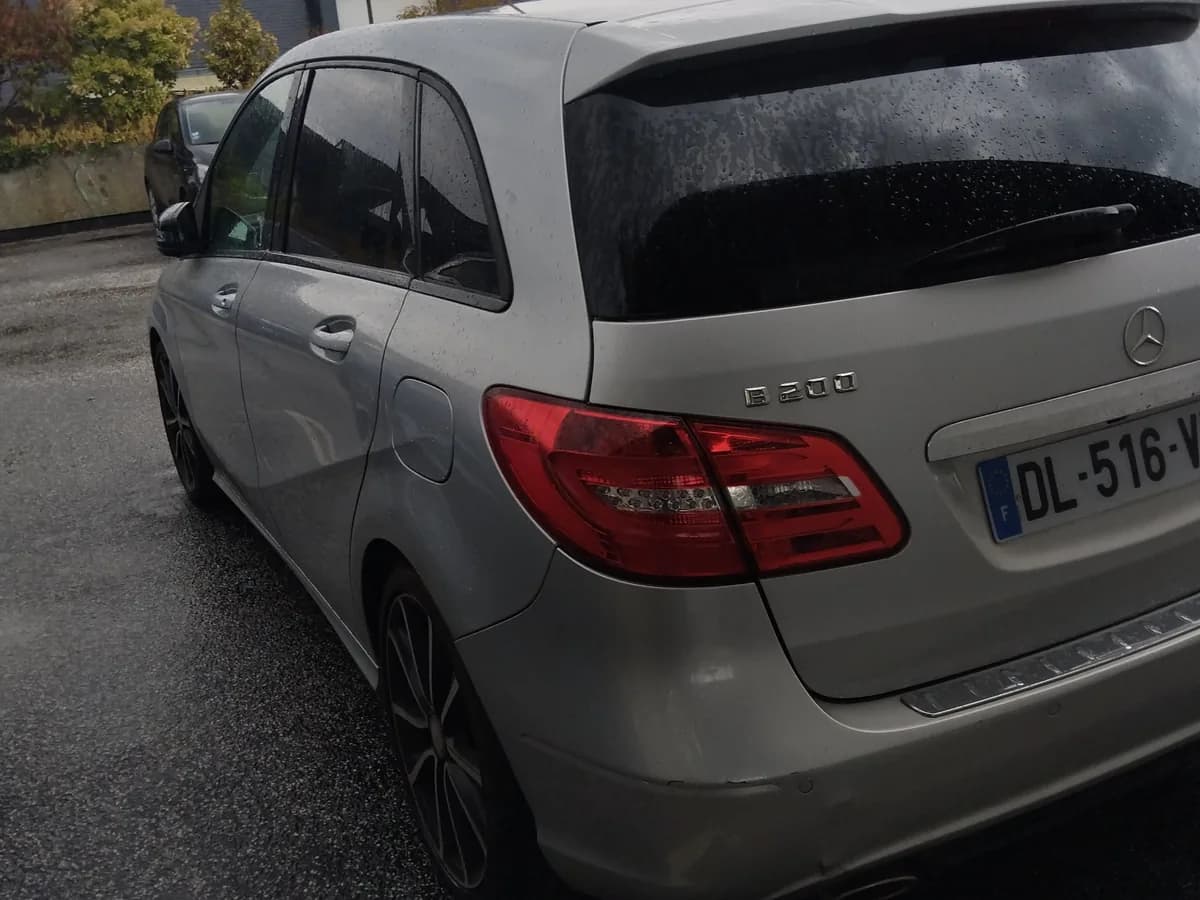
B-Klasse
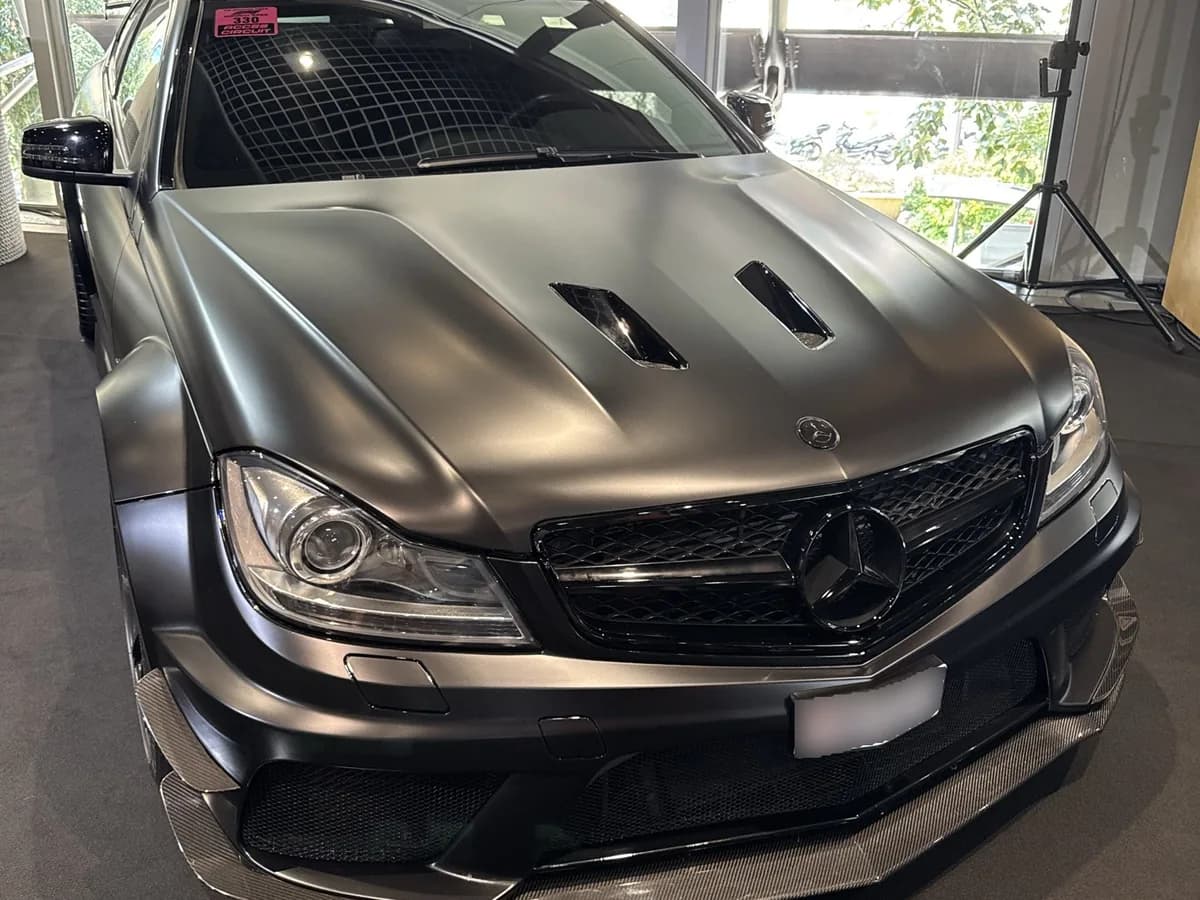
C-Class
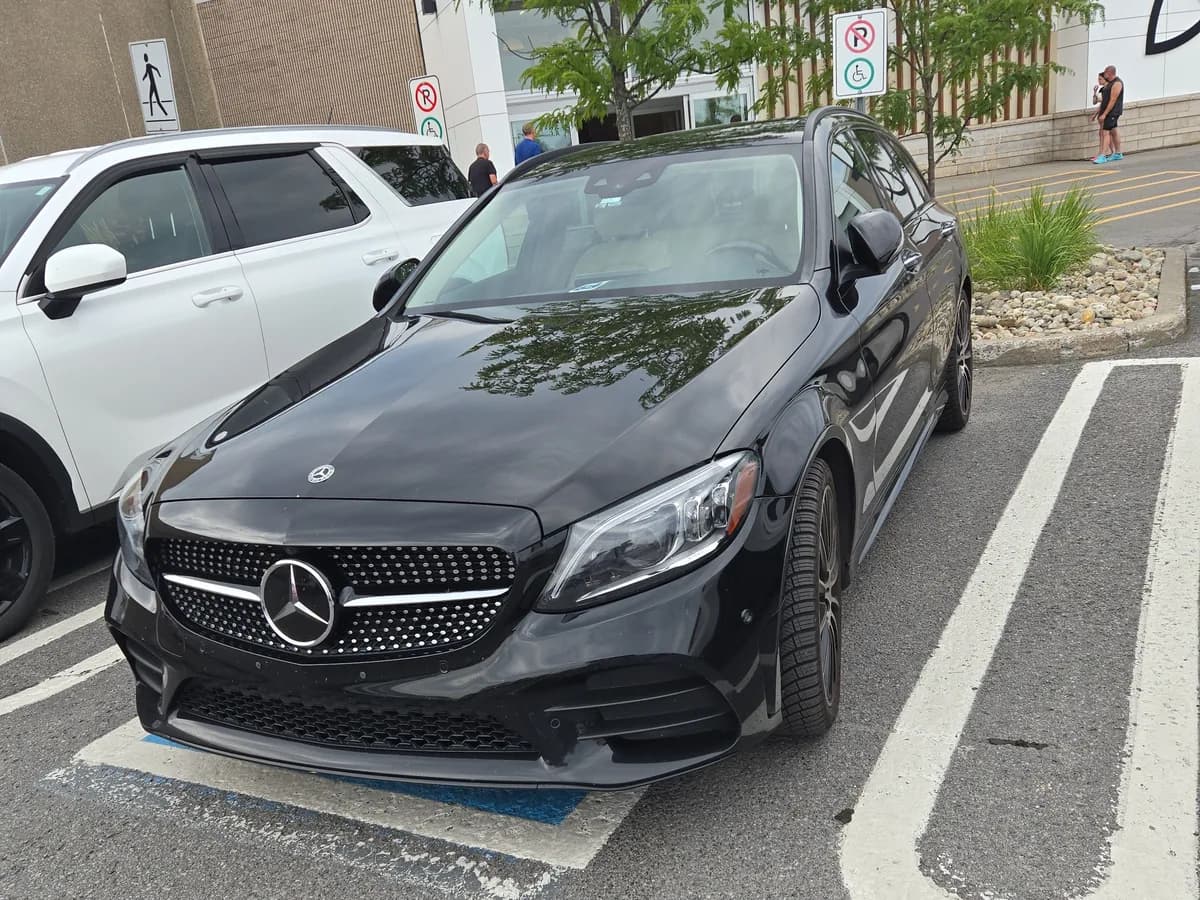
C-Klasse

C111
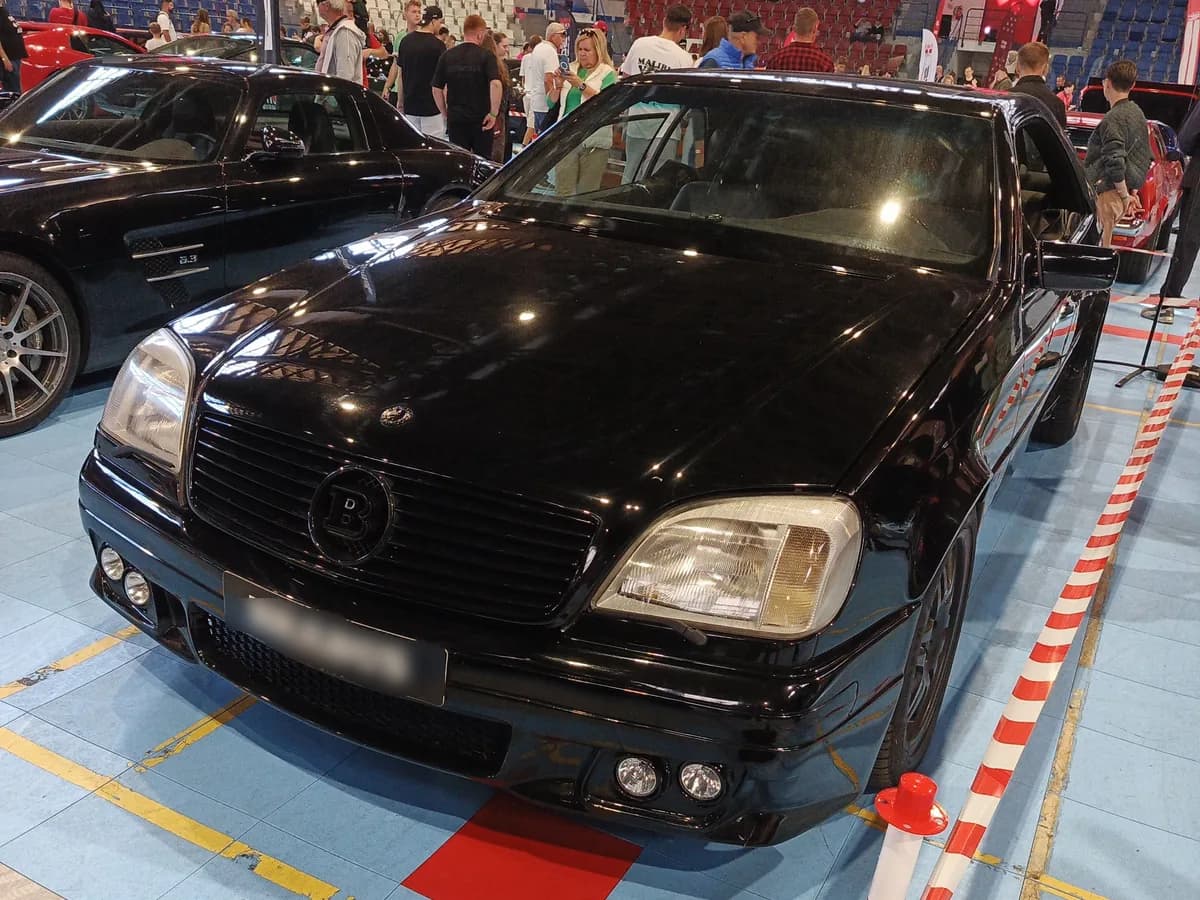
CL-Klasse

CLA

CLA-Klasse
CLC-Klasse
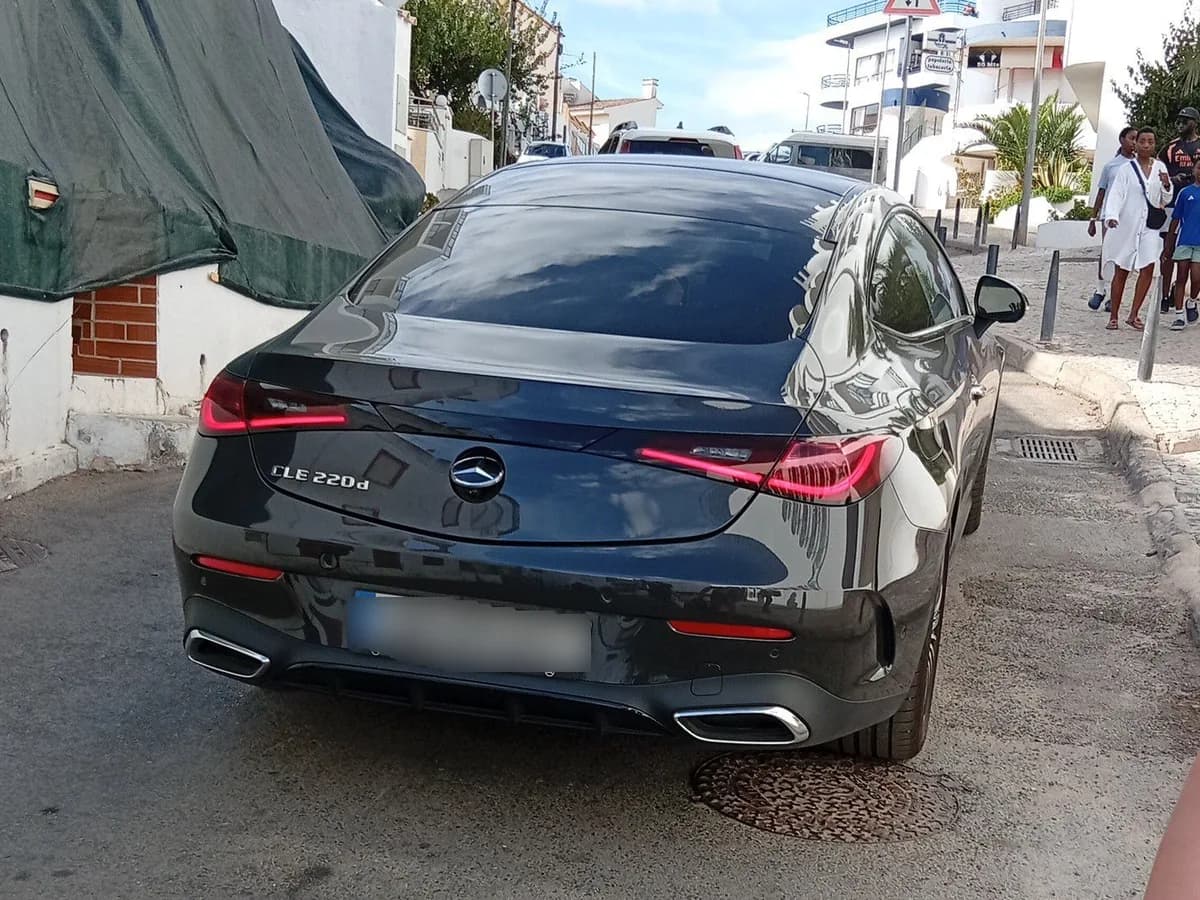
CLE
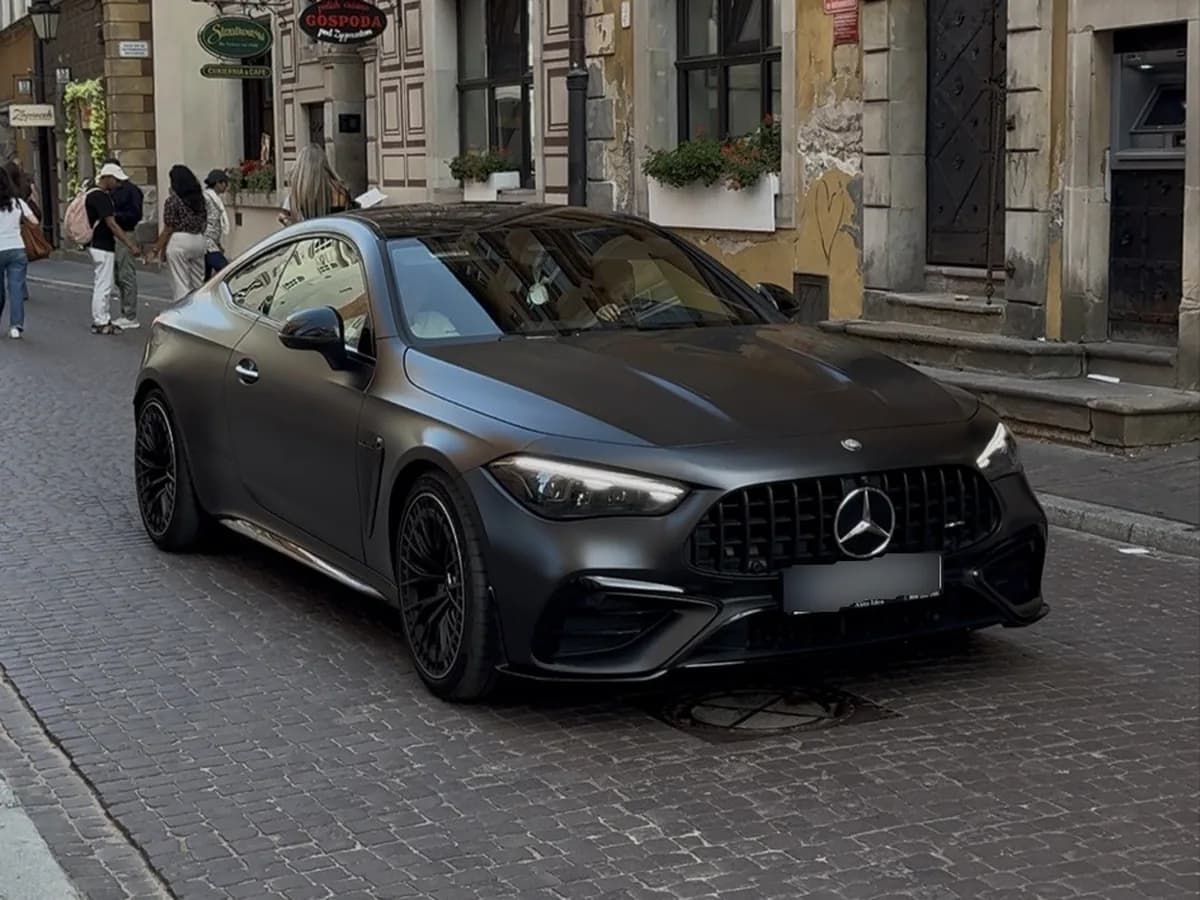
CLE-Klasse

CLK DTM AMG
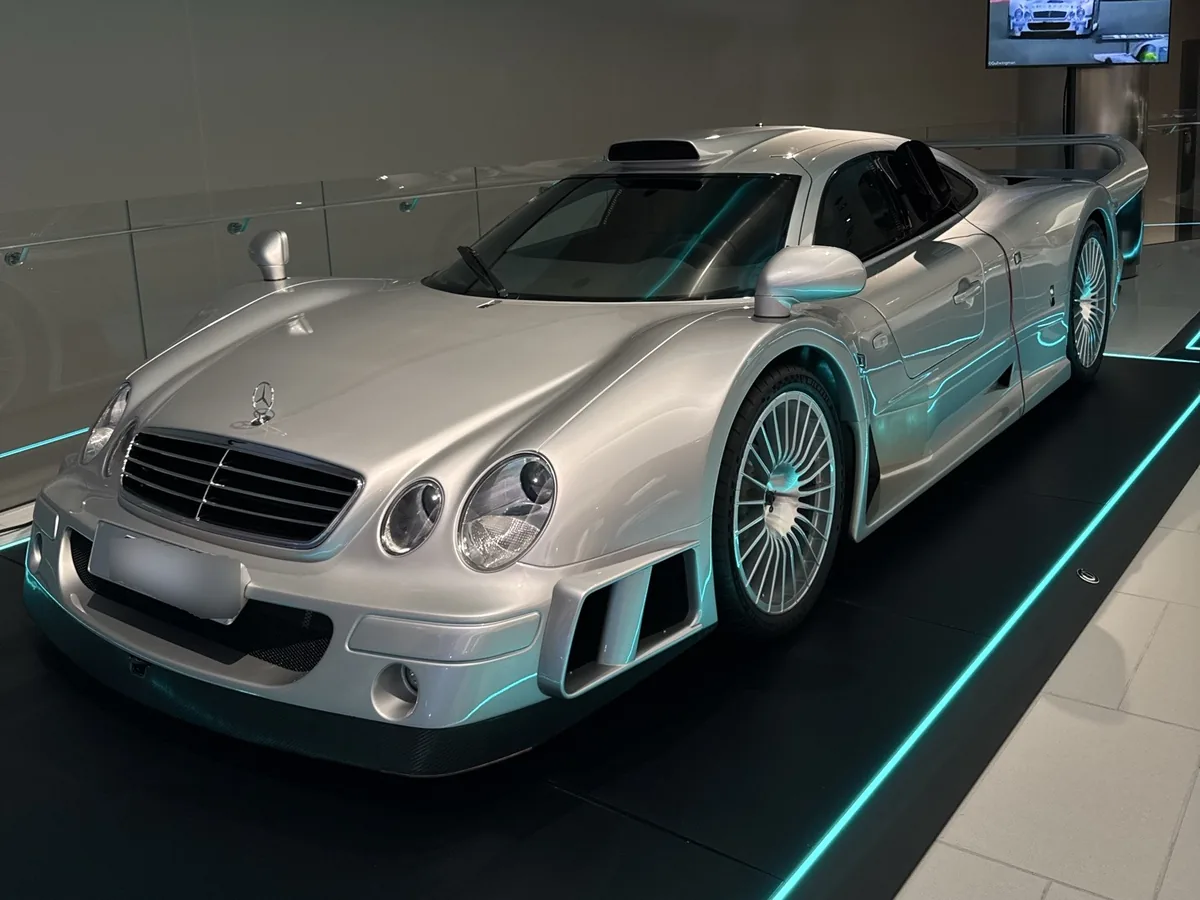
CLK GTR
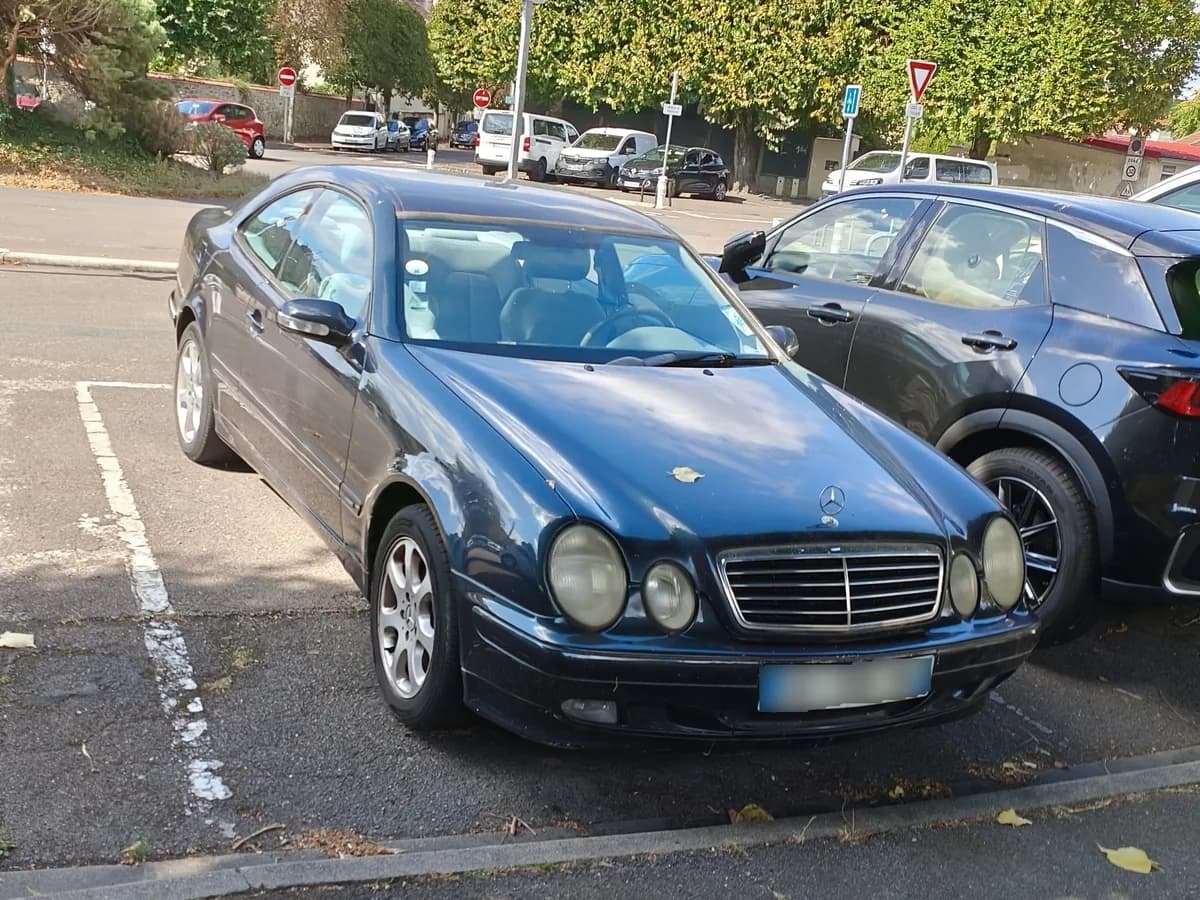
CLK-Klasse
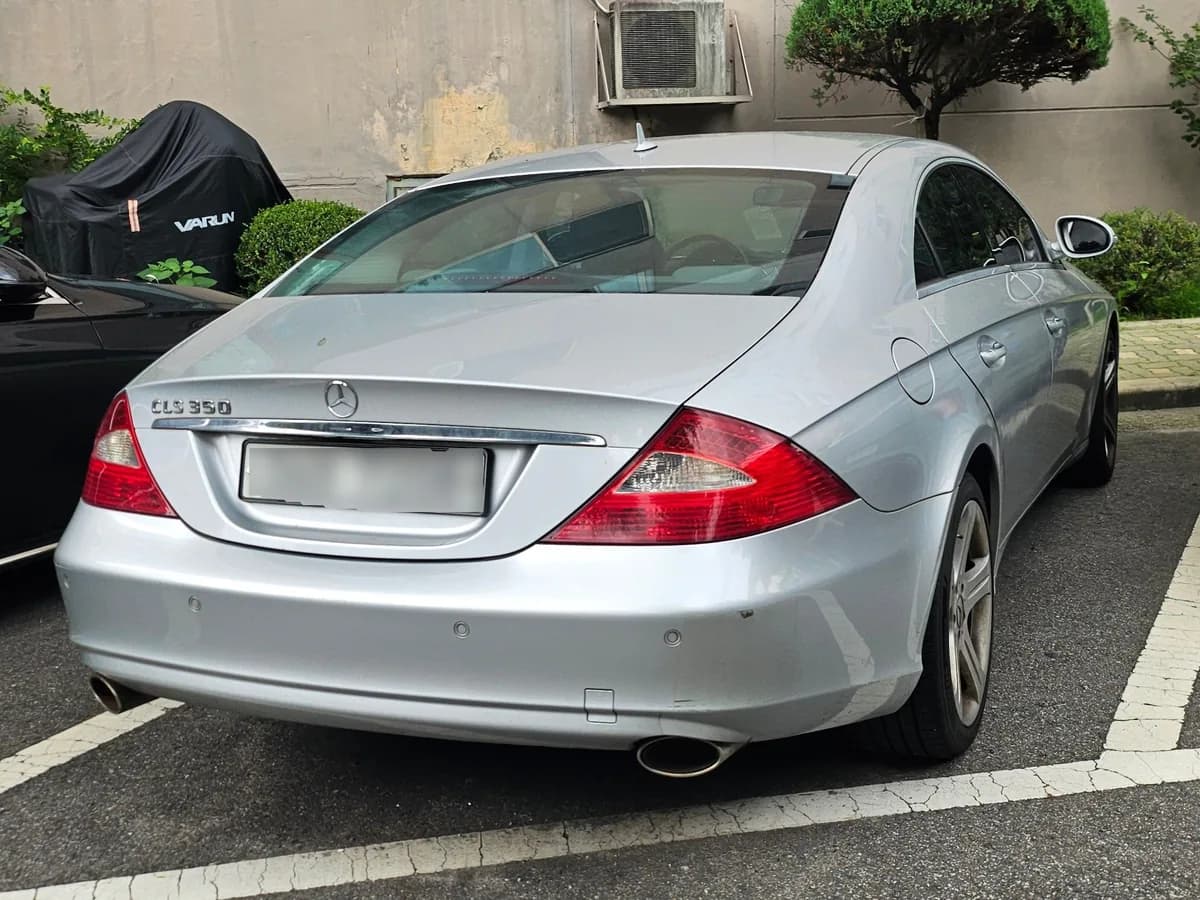
CLS-Klasse

Concept AMG GT XX
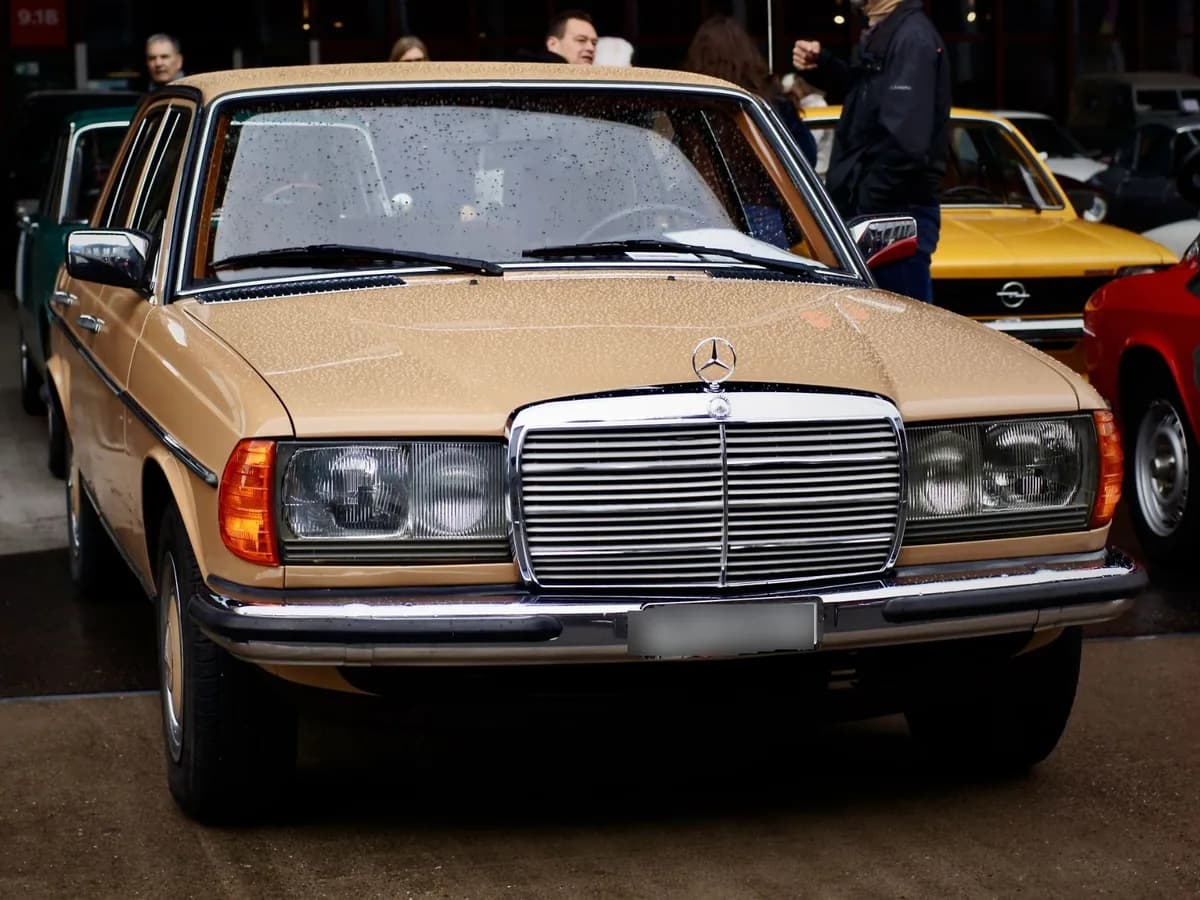
E-Klasse

EQA
EQB
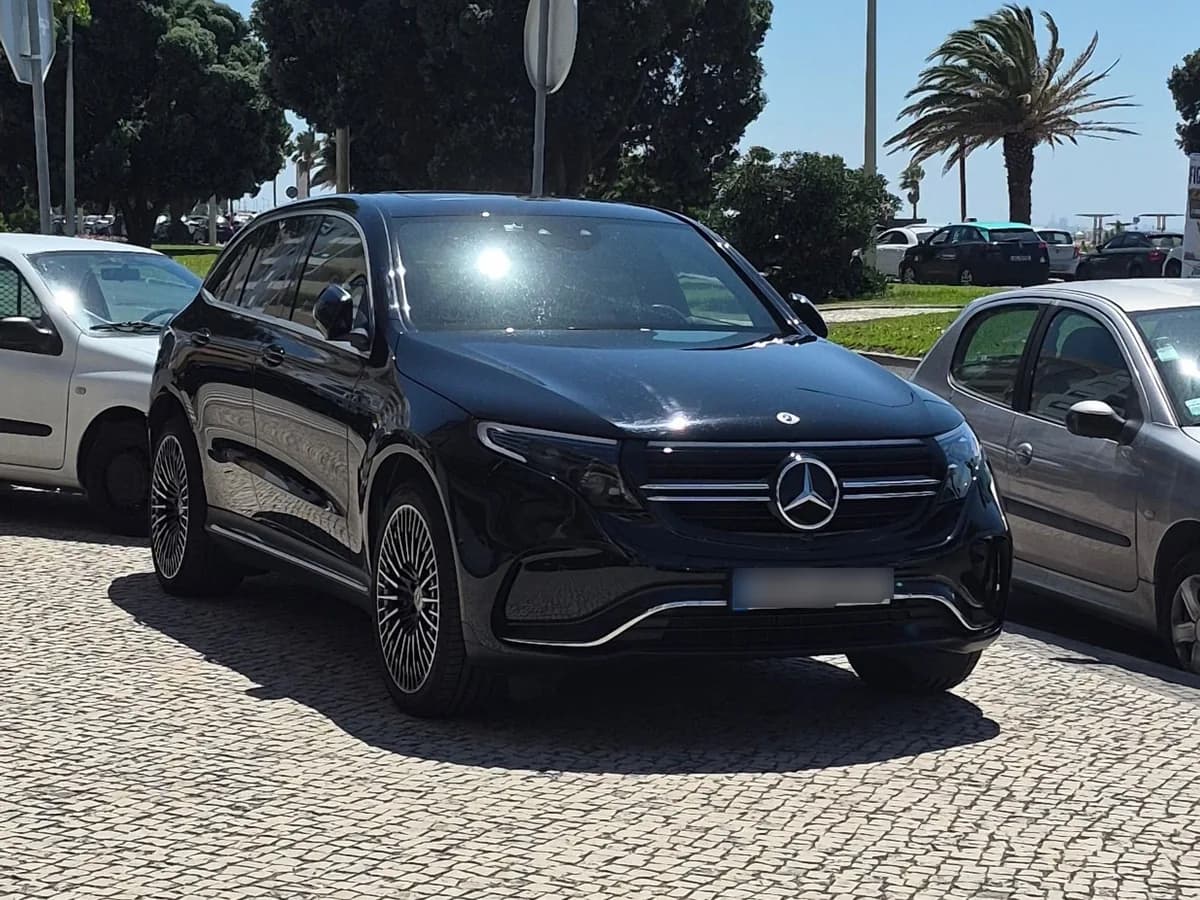
EQC
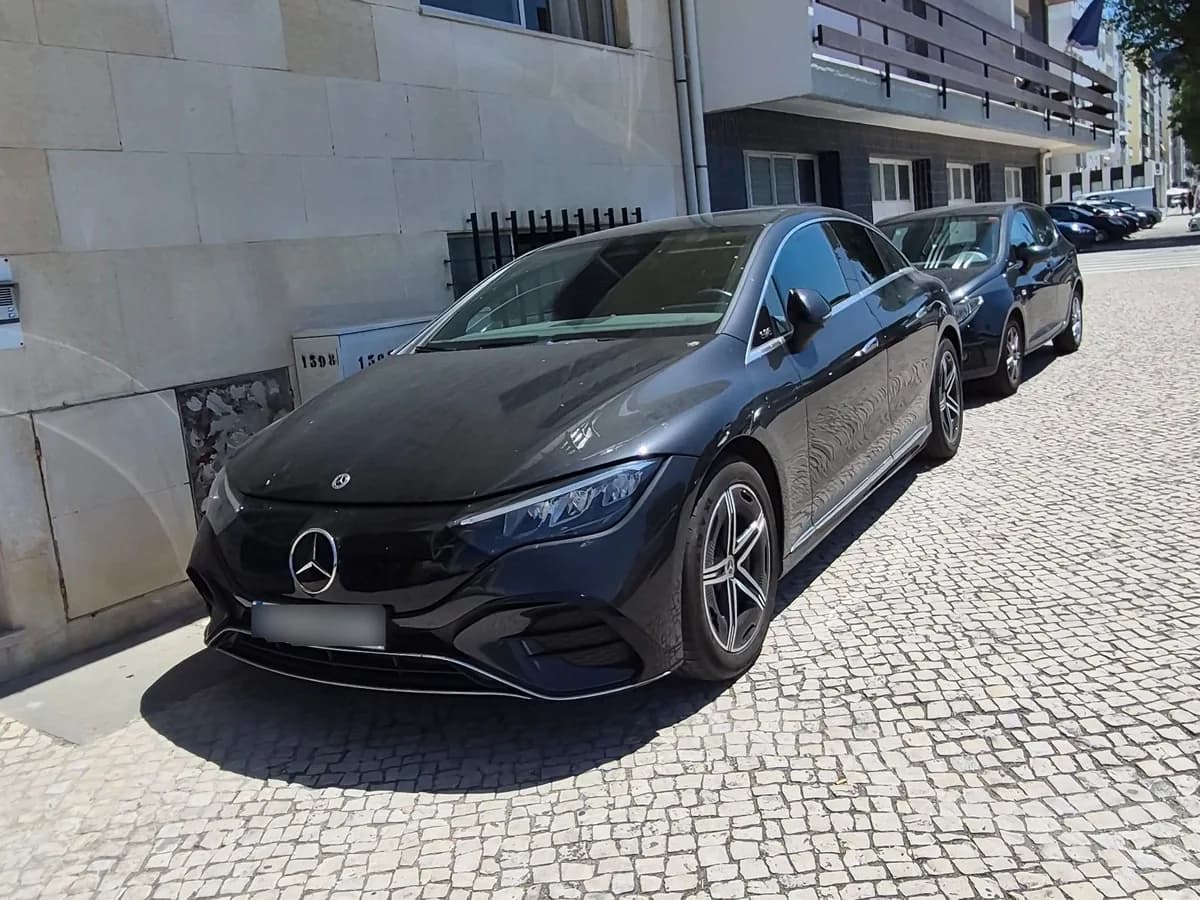
EQE
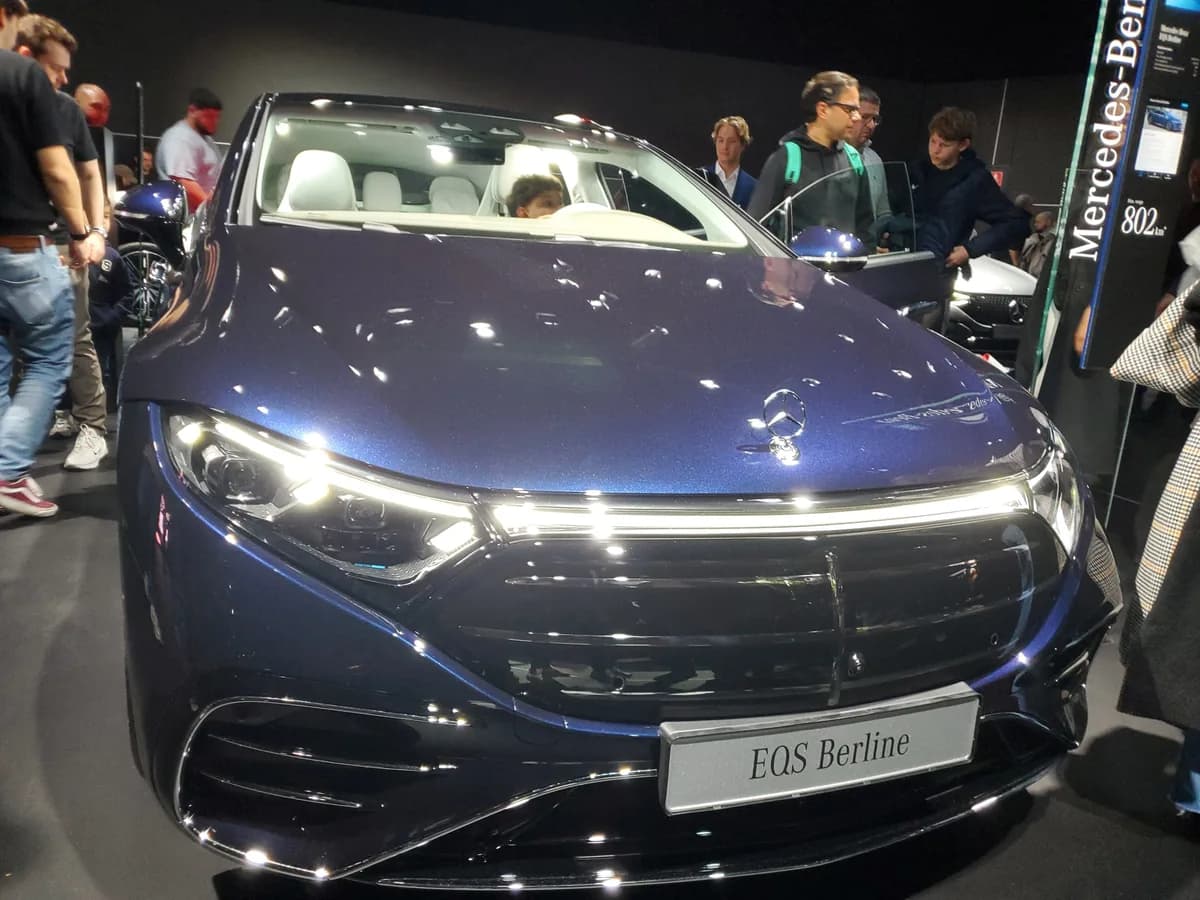
EQS
EQT
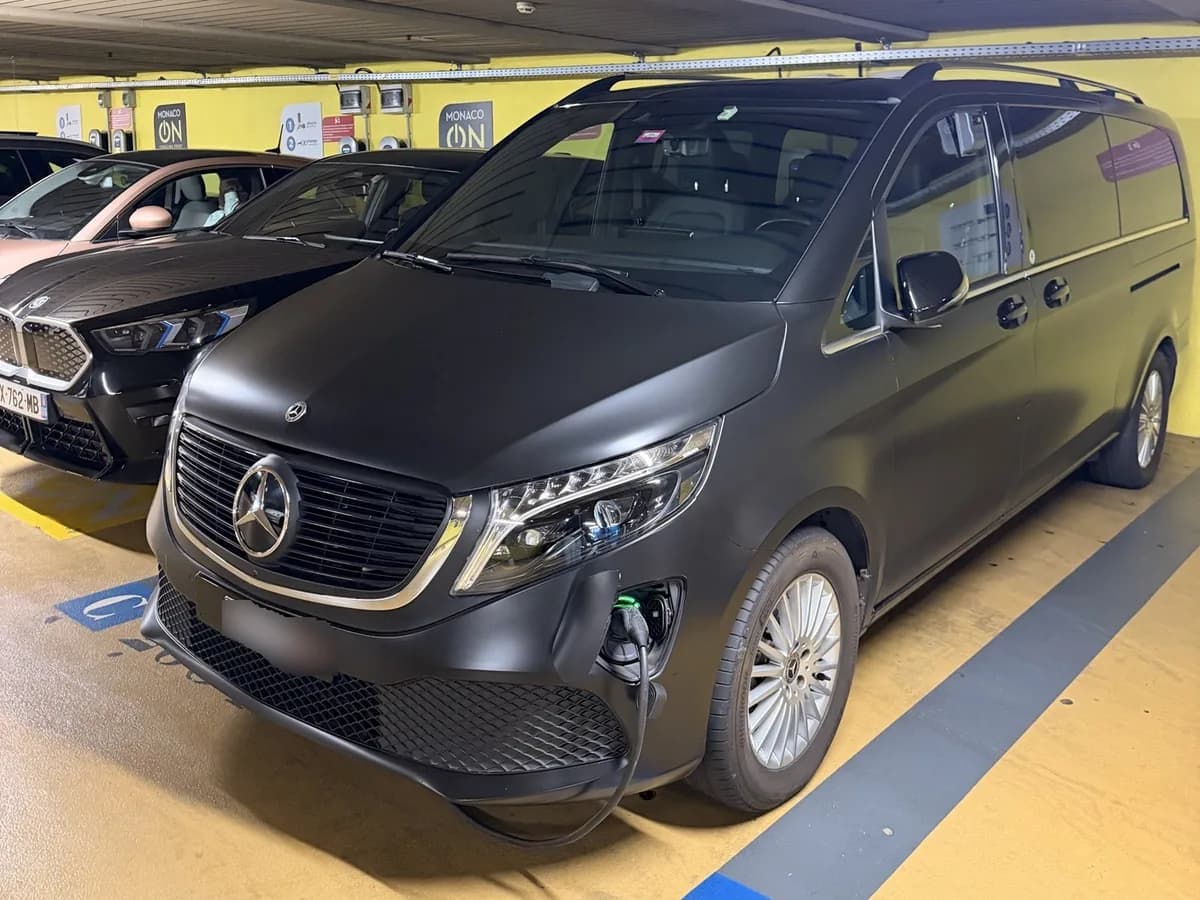
EQV
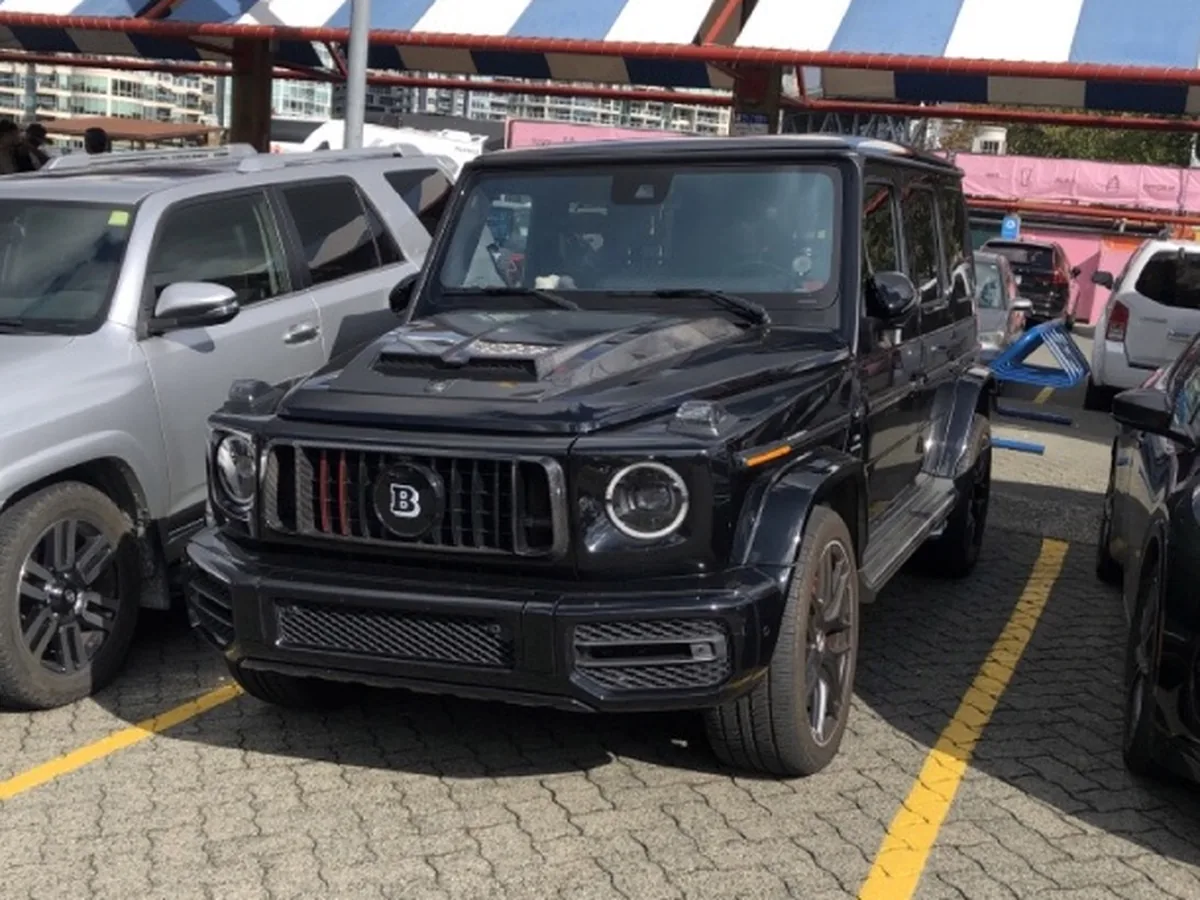
G-Class

G-Klasse
G4
GL-Klasse
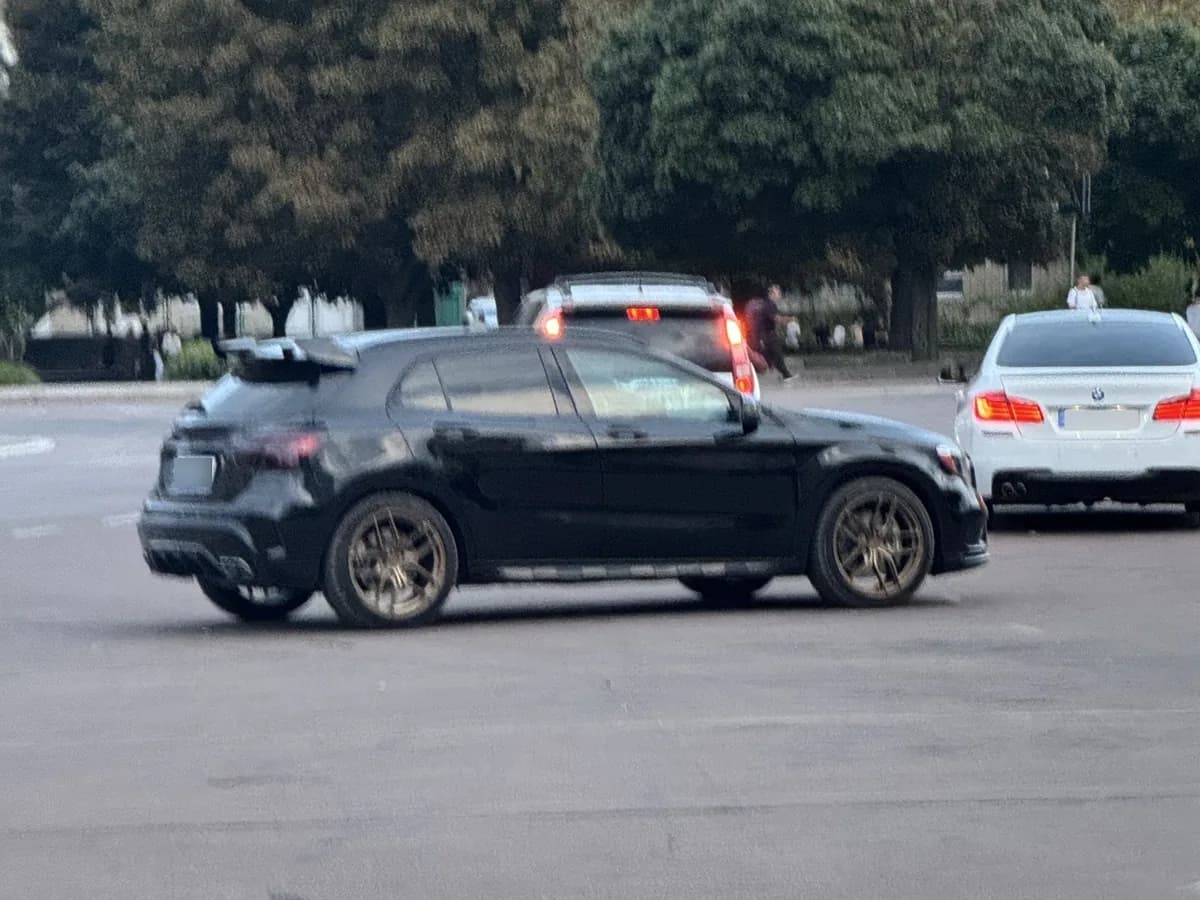
GLA
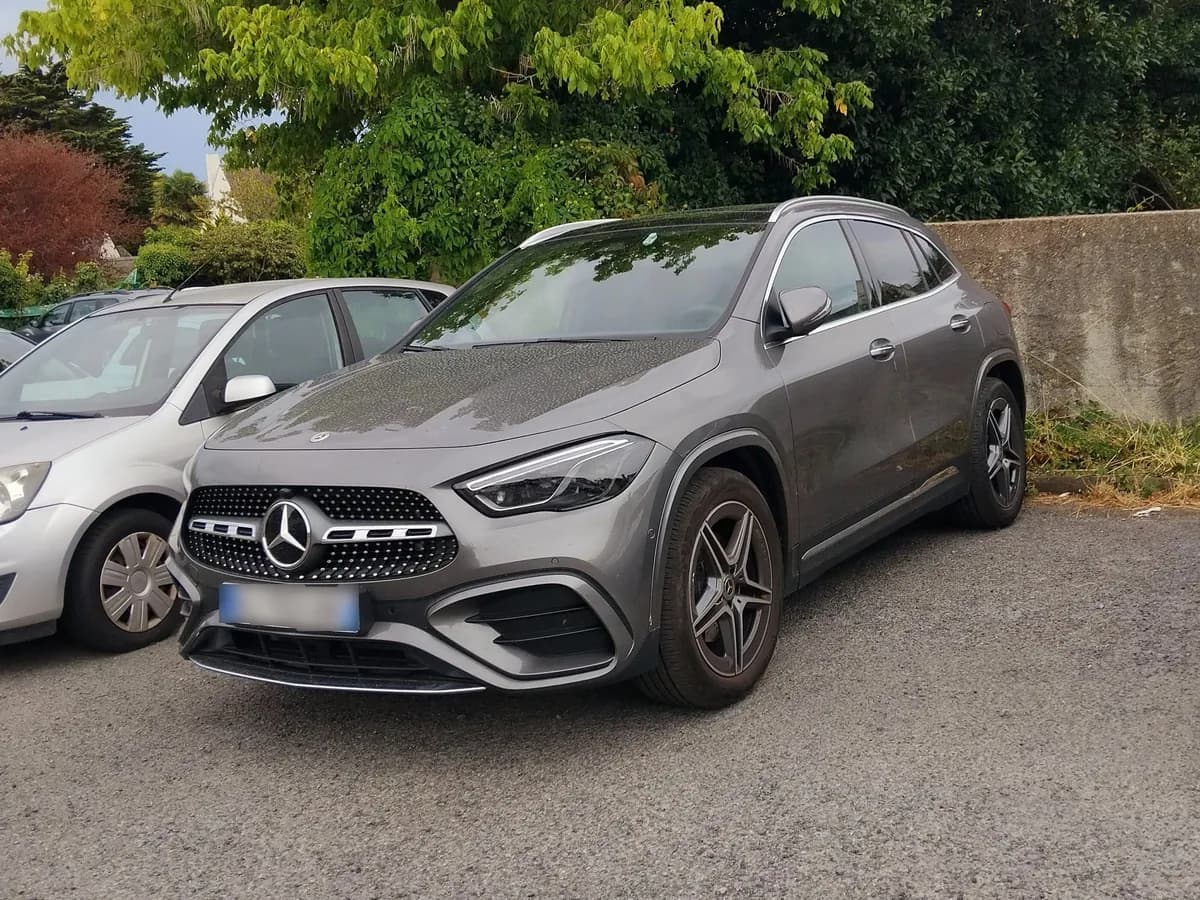
GLA-Klasse

GLB
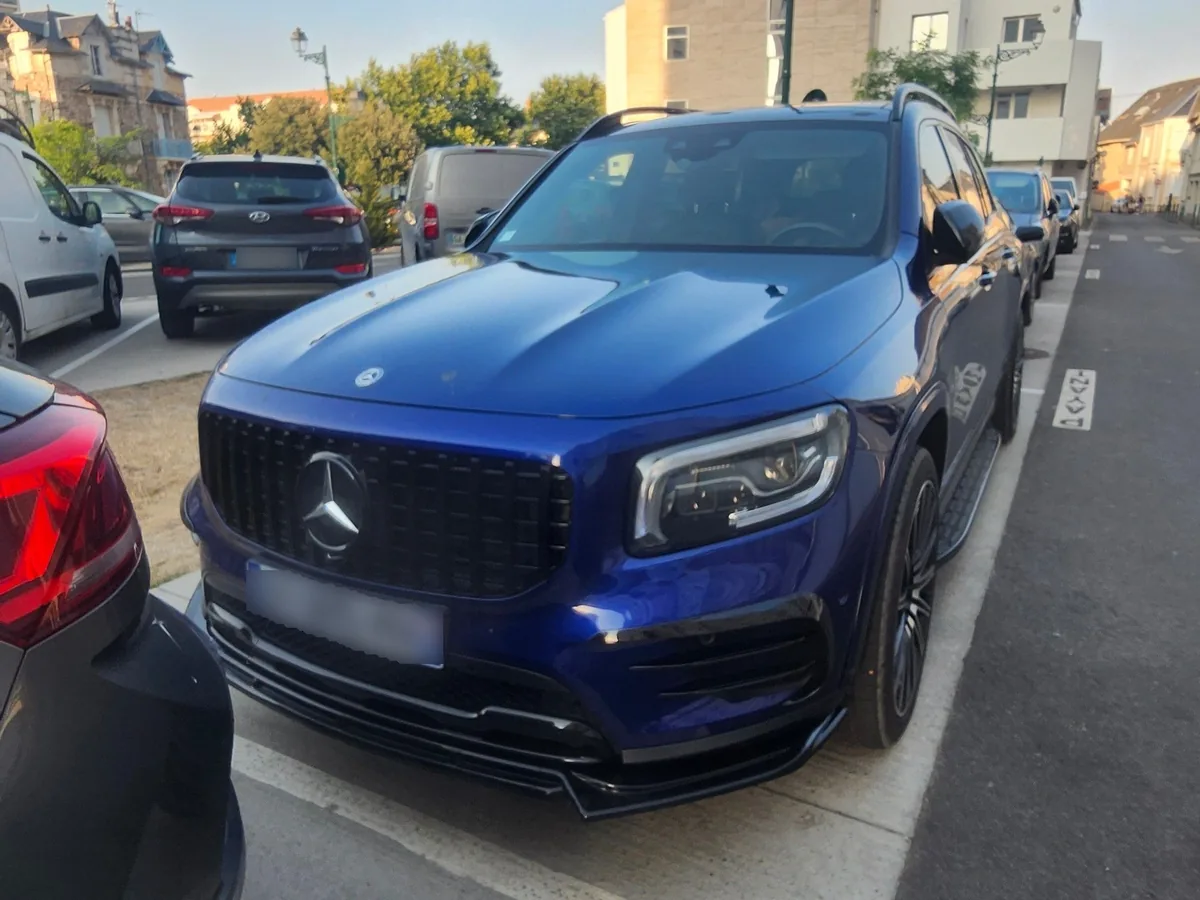
GLB-Klasse

GLC

GLC-Klasse
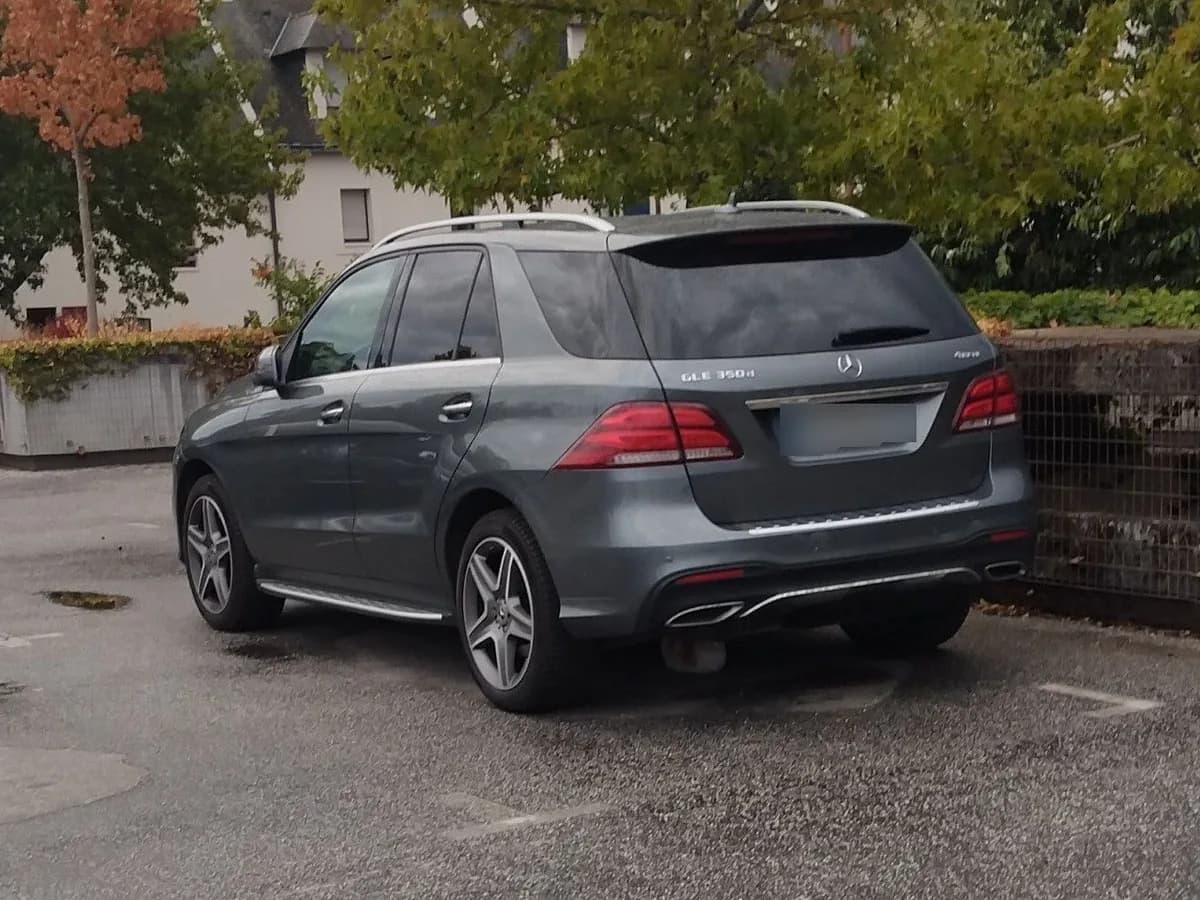
GLE
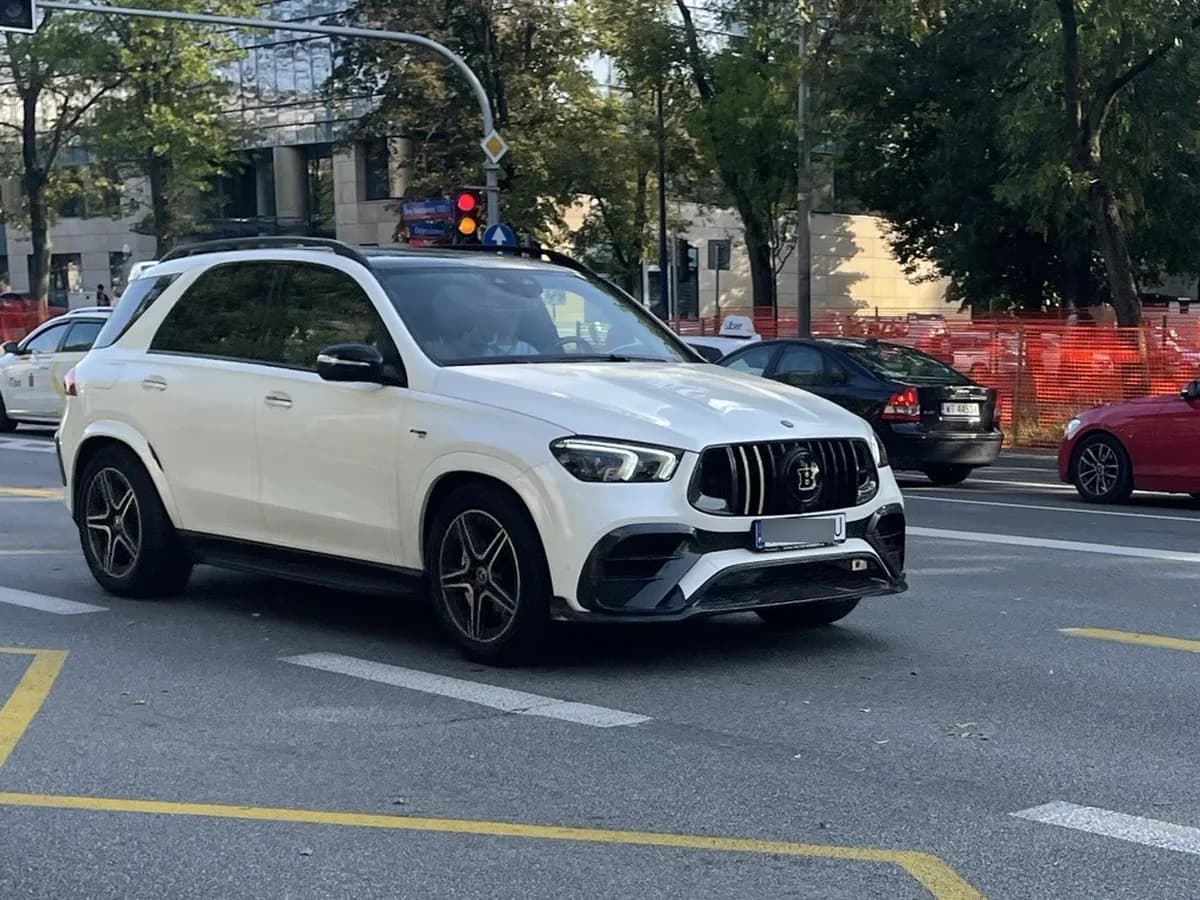
GLE-Klasse
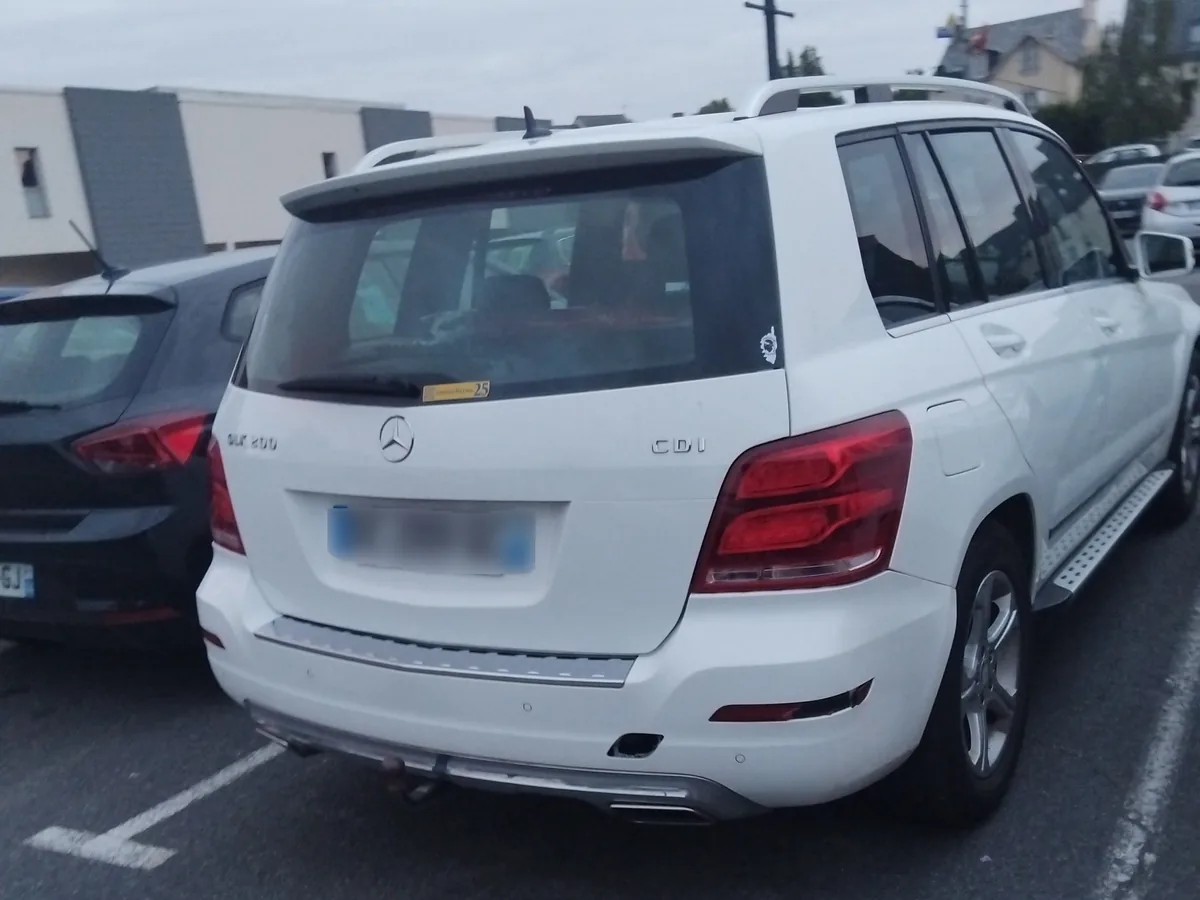
GLK-Klasse
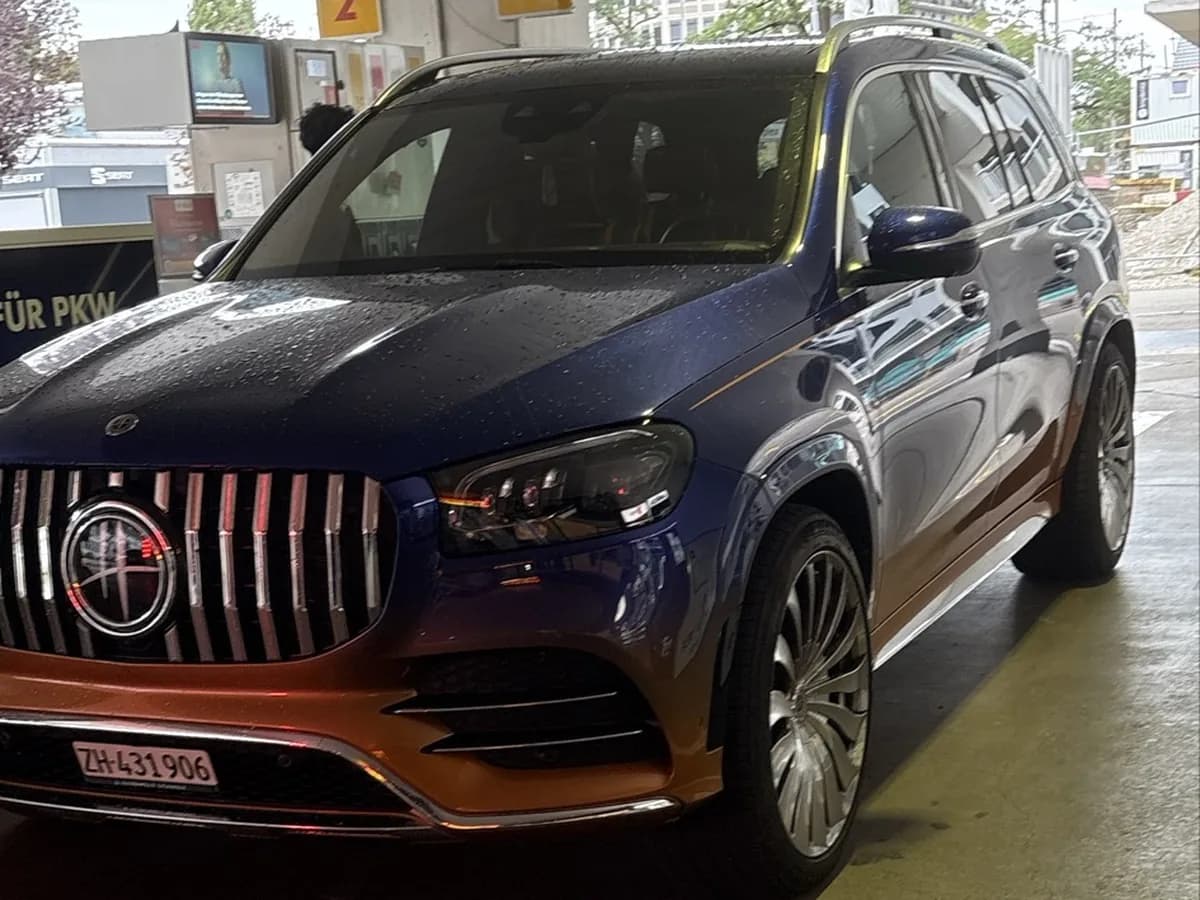
GLS
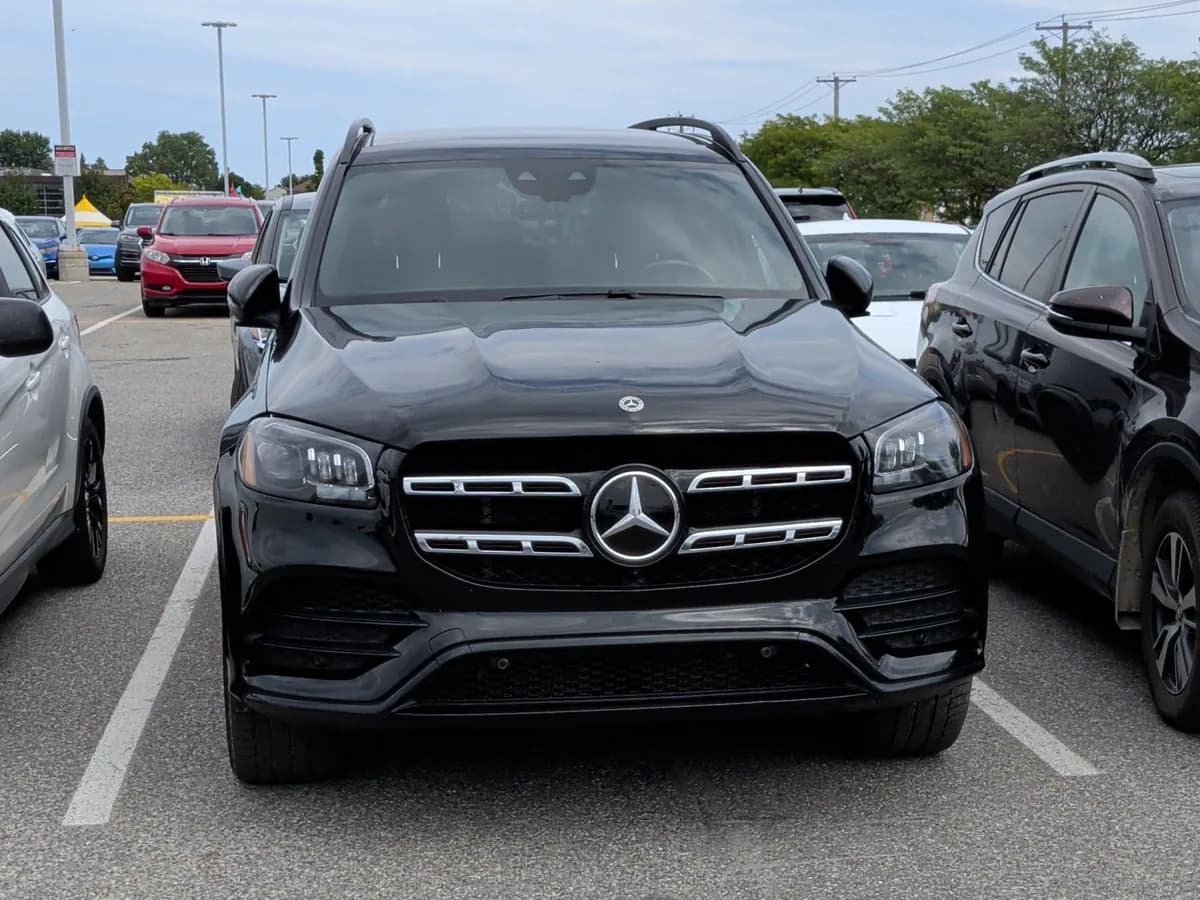
GLS-Klasse

Integro

LK-Series
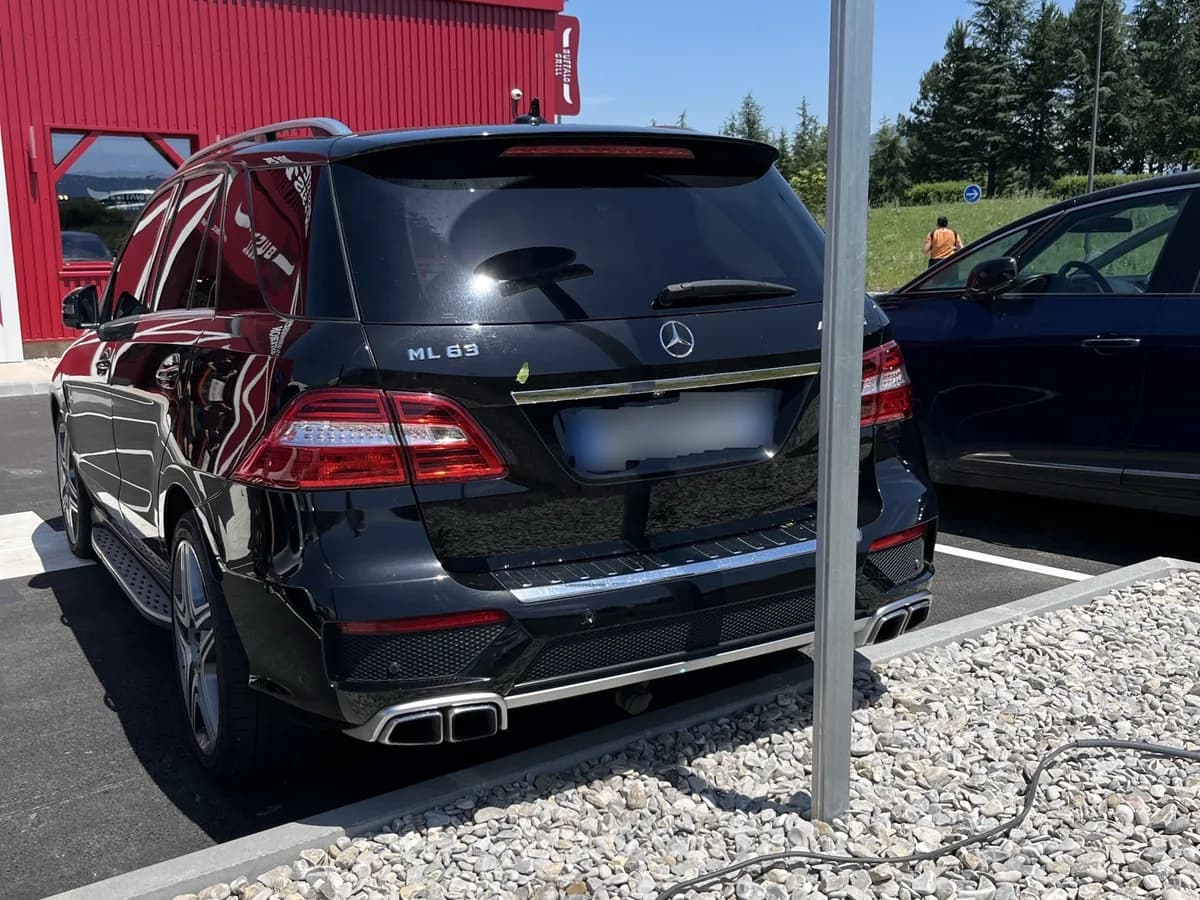
M-Klasse
MB Trac
MB-Series
O302
O303
O305
O405
O407
O500 Touro
O560 Intouro
R-Klasse

S-Class
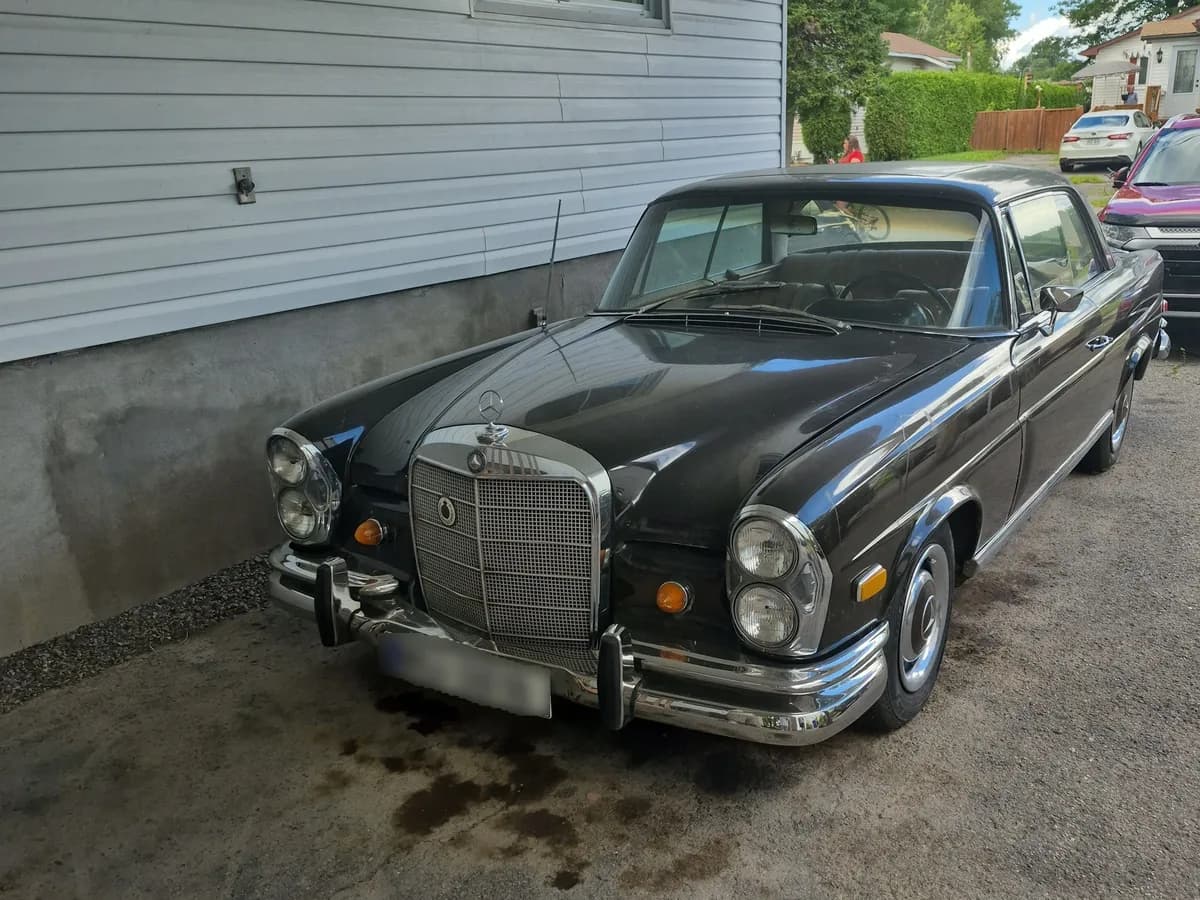
S-Klasse
SK-Series
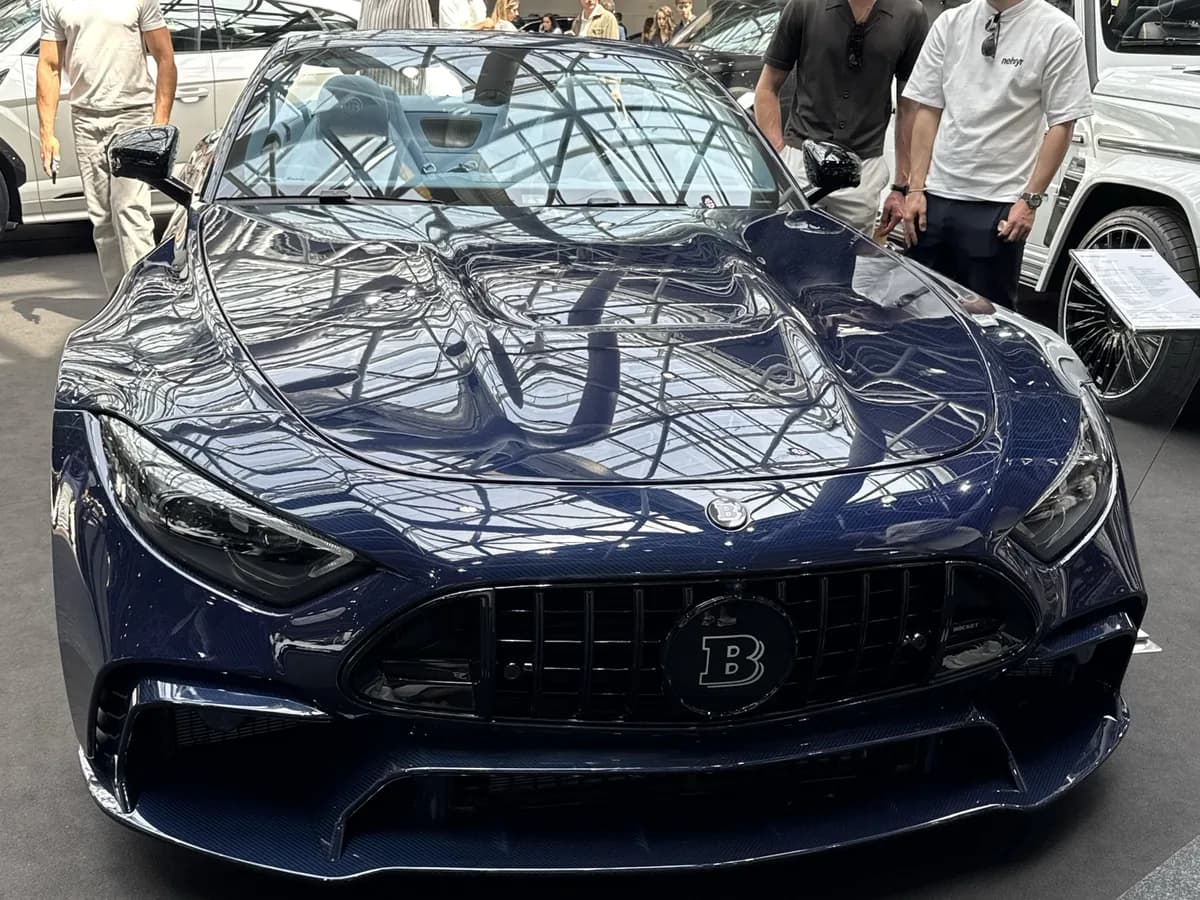
SL-Class
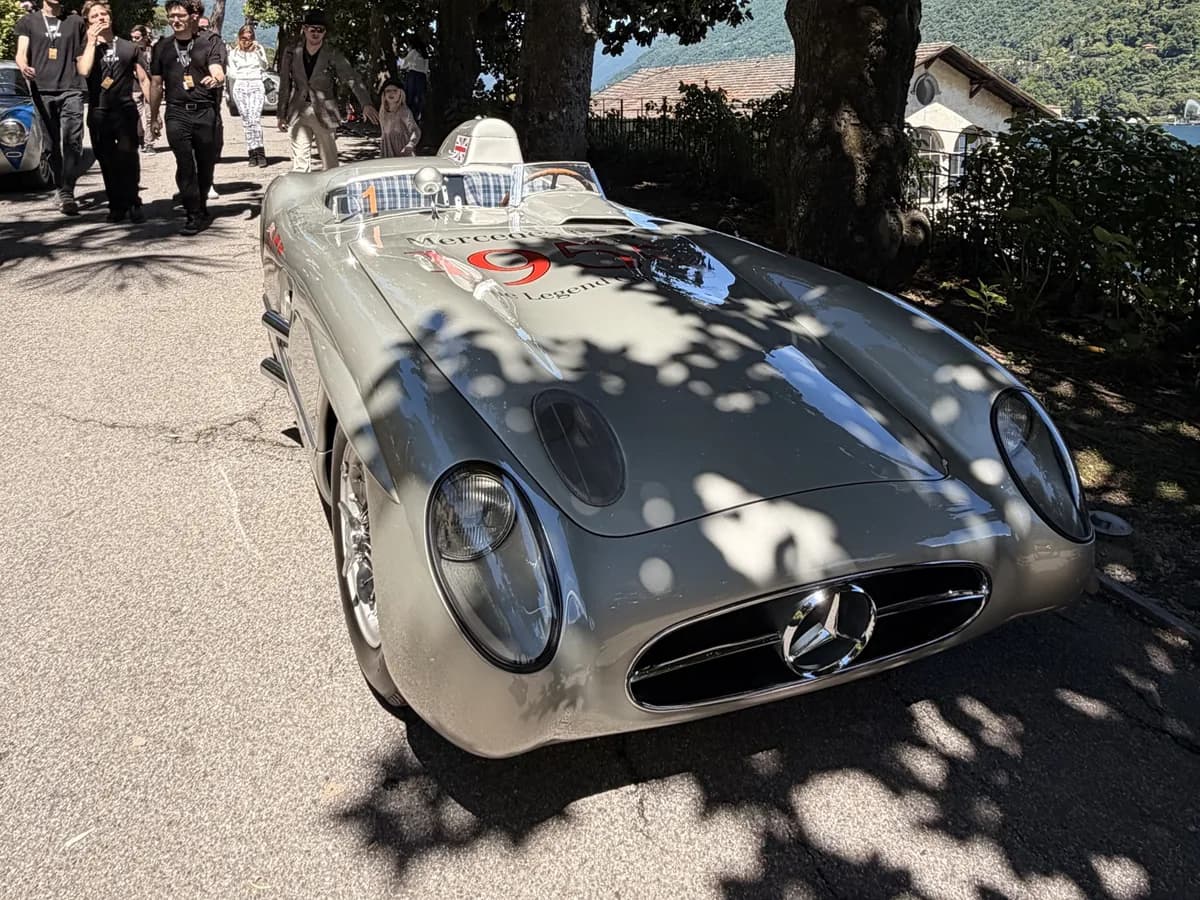
SL-Klasse
SLC
SLC-Klasse
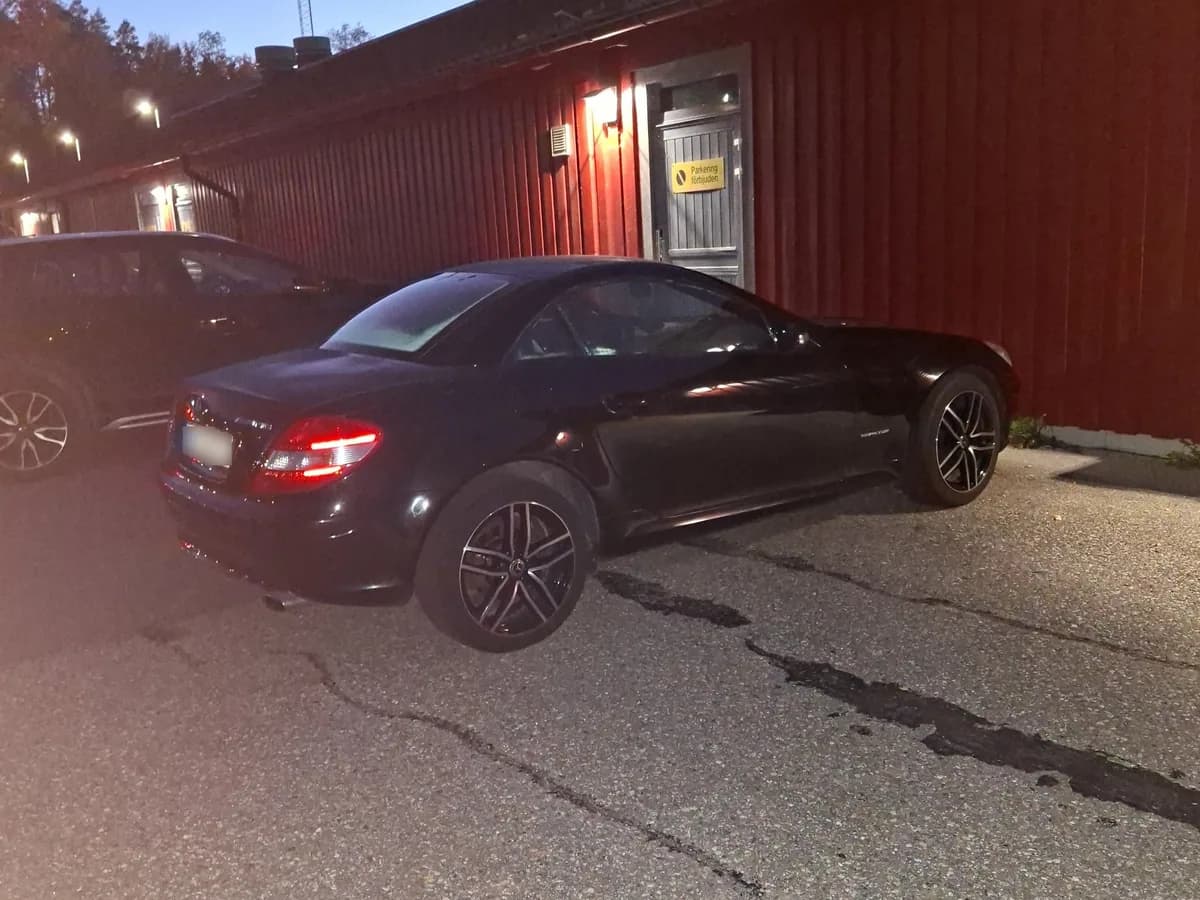
SLK-Klasse
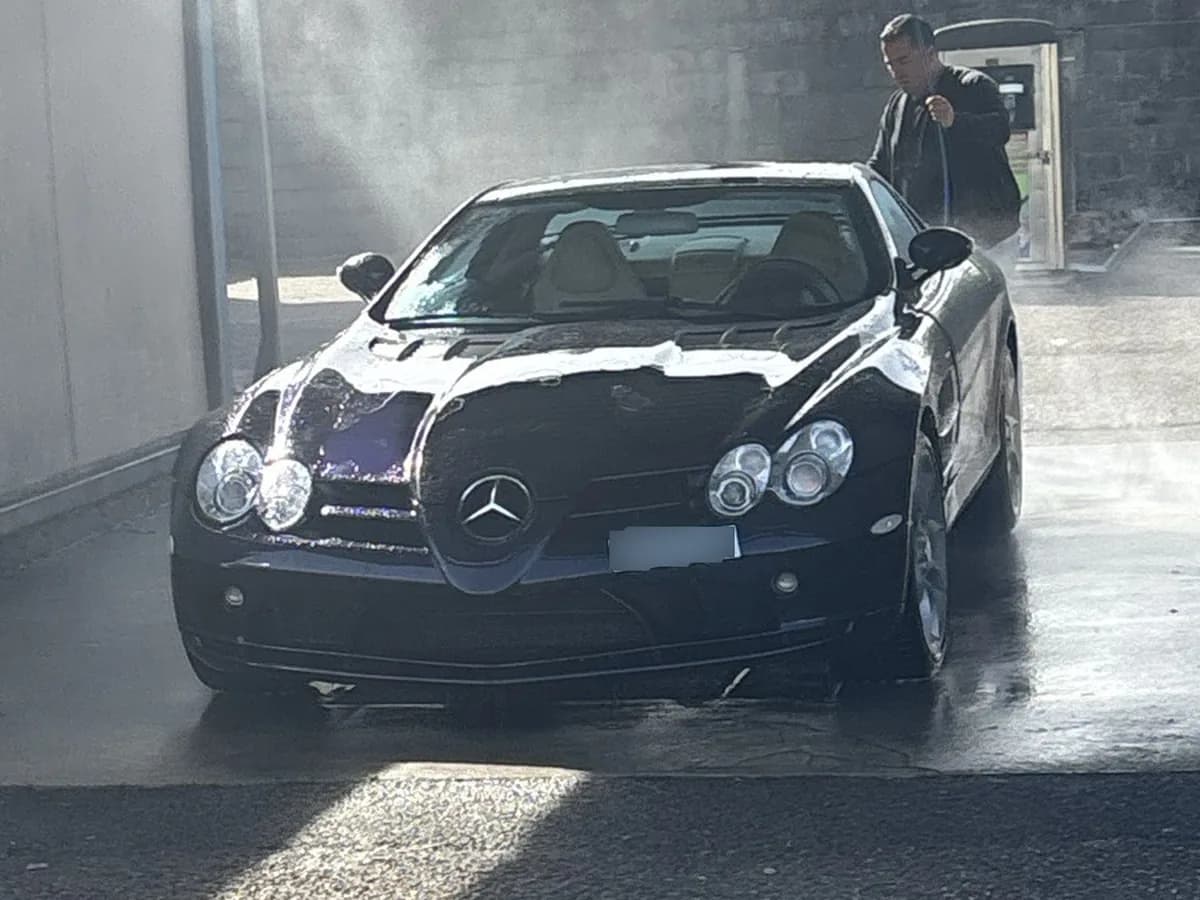
SLR McLaren
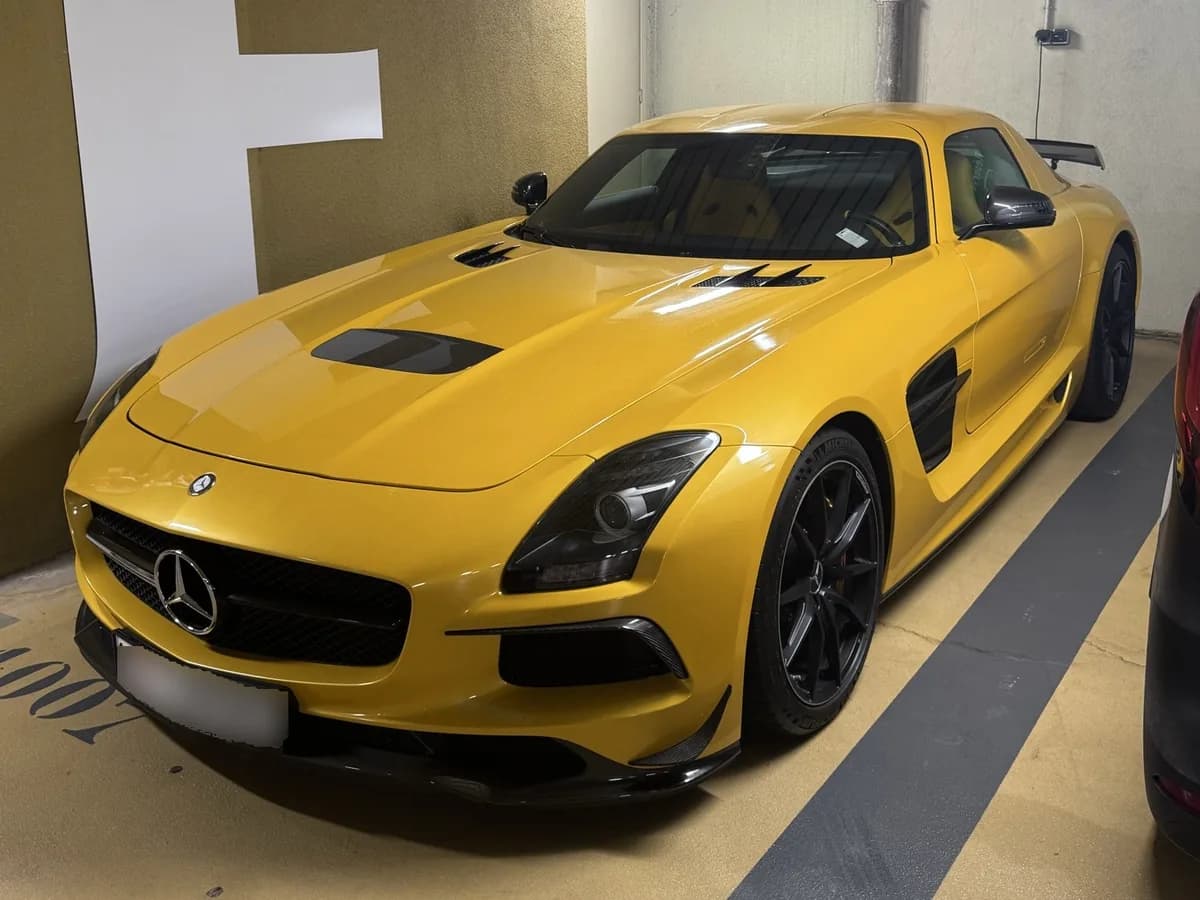
SLS AMG
Sprinter
T-Klasse
Tourismo
Travego
Type 219
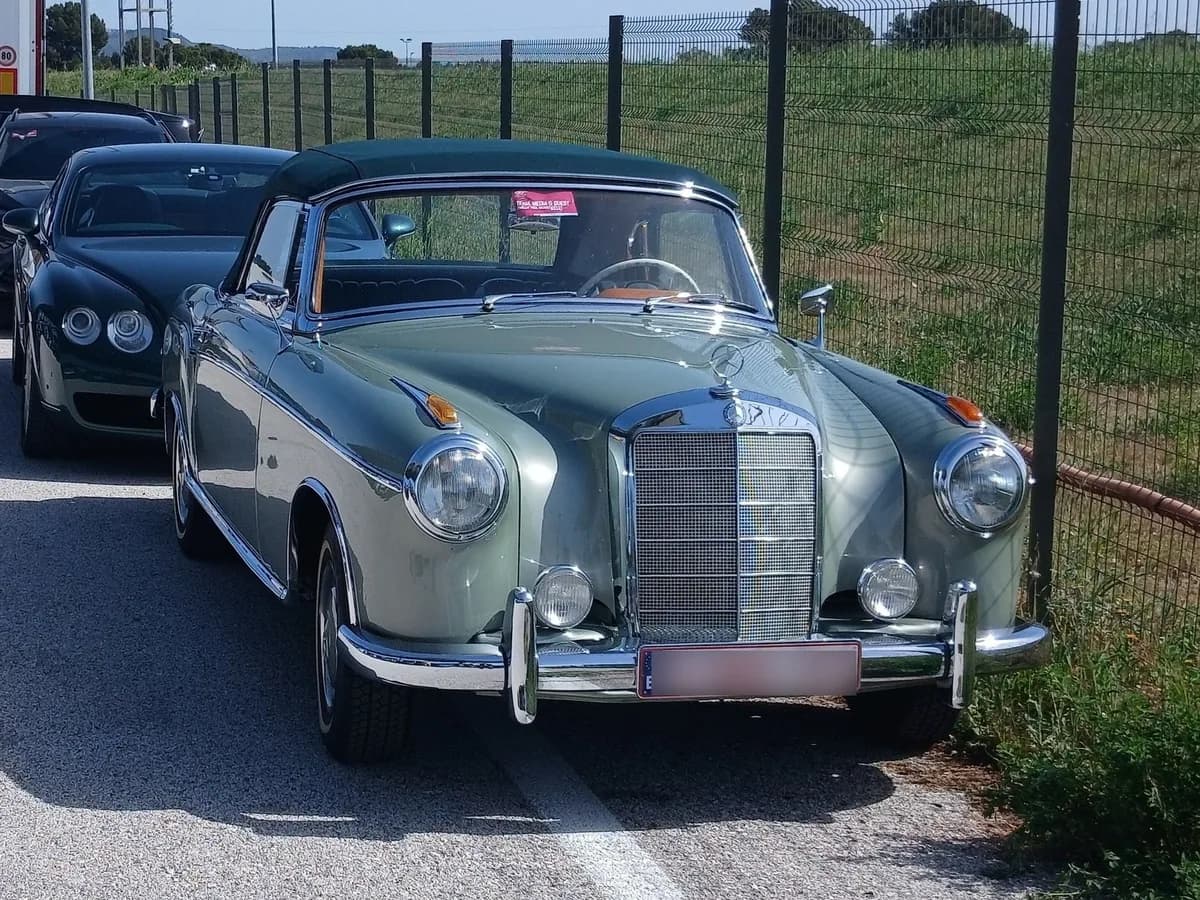
Type 220
Unimog
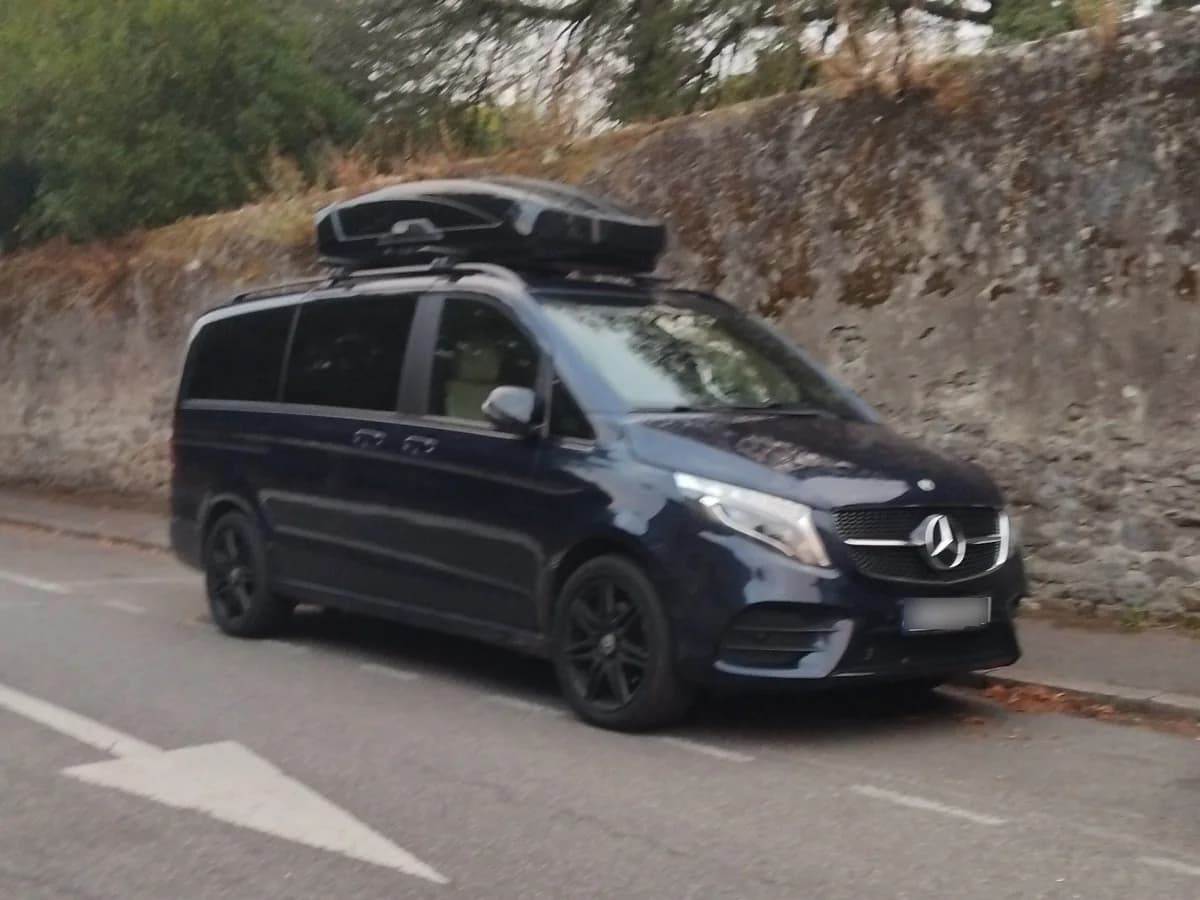
V-Klasse
Valente
Vaneo
Viano

Vito
VLE

W25
X-Klasse
Zetros
Mercedes-Benz overview
Mercedes-Benz history
On 29 January 1886, Carl Benz filed the patent for his Patent-Motorwagen in Mannheim. In the same year, Gottlieb Daimler and Wilhelm Maybach developed a motorised four-wheeled vehicle in Cannstatt. Their engineering paths remained separate until Benz & Cie. and Daimler-Motoren-Gesellschaft moved toward cooperation and formally combined in 1926 as Daimler-Benz AG. Daimler had already been using the Mercedes name since the beginning of the twentieth century, referencing Mercédès Jellinek; after the merger, it became part of the new Mercedes-Benz identity. (group.mercedes-benz.com) The following decades established Mercedes-Benz in passenger cars, luxury vehicles and motorsport. The supercharged S, SS and SSK models helped build its sporting reputation during the interwar period. After 1945, the range expanded through the 170 and Type 220 saloons, the 300 “Adenauer”, the 600 and successive S-Class generations. Safety became a defining technical theme: Mercedes-Benz patented a body structure with controlled deformation zones in 1951, while electronically controlled ABS made its production-car debut in the 1978 S-Class. The G-Modell, launched in 1979, added a long-running off-road branch. The 190 and A-Class broadened the range in later decades, while AMG strengthened the performance side and the EQS introduced a new electric luxury direction. (group.mercedes-benz.com)
Mercedes-Benz positioning
Mercedes-Benz has traditionally occupied the premium end of the market, with products ranging from compact cars to formal luxury saloons. That hierarchy became visible through distinct families: the A-Class brought the brand into the compact segment, the C-Class addressed the mid-size executive market, the E-Class developed as a versatile larger saloon, and the S-Class served as a technology and luxury flagship. (group.mercedes-benz.com) The brand’s identity is broader than its saloons. The G-Class combines a long-running off-road concept with a luxury positioning, while the SL, SLS AMG and AMG GT represent the sporting side of the portfolio. Mercedes-Maybach extends the range toward highly exclusive luxury, and the EQS applies the brand’s large-saloon concept to a fully electric vehicle. As a result, Mercedes-Benz brings together collector cars, family-oriented models, performance cars and electric vehicles across several distinct product philosophies rather than relying on one body style or powertrain. (group.mercedes-benz.com)
Recognizing a Mercedes-Benz in a photo
When identifying an older Mercedes-Benz, the first clue is often the emblem: the three-pointed star, sometimes combined with the Mercedes-Benz name depending on the period. Body shape, grille design, headlamps and trim details then help separate one generation from another, although closely related versions can look similar. Internal chassis codes such as W120, W111, W116, W201 and W463 are more precise than a commercial model name, but they may not be displayed on the vehicle. (group.mercedes-benz.com) Several visual references are useful. Early 170 and Type 220 cars have formal post-war proportions and classic saloon bodies; the “Fintail” is identified by its rear fins; and the 600 has notably imposing dimensions. The G-Class keeps a tall, square profile and, on many versions, an externally mounted spare wheel. Modern S-Class models generally use a formal three-box saloon shape, while the EQS has a smooth aerodynamic body and a closed-looking front treatment. AMG badges may indicate a performance version, but they should be checked against the car’s wheels, bumpers, exhaust layout and documented specification. Visual clues can narrow the identification, but a chassis code or factory record is safer for confirming an exact generation.
Important Mercedes-Benz models
The 170 is one of the key early post-war Mercedes-Benz families and appears in the library with variants spanning 1931 to 1951. The Type 220 continued the brand’s six-cylinder saloon tradition during the 1950s. The 600, produced during the mid-1960s, represented the top of Mercedes-Benz luxury at the time. (mercedes-benz-publicarchive.com) The S-Class became the brand’s technology flagship. Across successive generations it introduced major safety developments, including controlled deformation zones, ABS and, in the 126 series, a driver airbag combined with a seat-belt tensioner. The E-Class stands for a versatile larger executive car, while the C-Class and A-Class extended Mercedes-Benz into more compact segments. (group.mercedes-benz.com) The G-Class has been Mercedes-Benz’s most recognisable off-road model since its 1979 launch. The SL, SLS AMG and AMG GT mark different stages in the brand’s sports-car story. The EQS represents the newer electric chapter: launched in 2021, it was developed as a large luxury saloon with a dedicated electric identity and high-end positioning. (group.mercedes-benz.com)
Mercedes-Benz model names follow a precise logic — with a few exceptions. Decode a Mercedes-Benz name
References
- Beginnings of the automobile: The predecessor companies (1886-1920)Mercedes-Benz Group
- Tradition, transformation and technological leadershipMercedes-Benz Group
- “Mercedes”: the brand name that shines out for over 120 yearsMercedes-Benz Group
- Vehicle Icons from 140 yearsMercedes-Benz Group
- 140 Years MilestonesMercedes-Benz Group
- The new EQSMercedes-Benz Media
- Mercedes-Benz bei der Pebble Beach Automotive Week: Weltpremiere des neuen Mercedes-AMG GTMercedes-Benz Media
- S-Class, Saloon - W/V 220 and the tradition of the predecessor model seriesMercedes-Benz Public Archive