
GLK-Klasse
Introduced at Auto China in Beijing in April 2008, the Mercedes-Benz GLK-Klasse opened a new compact premium SUV line with deliberately angular styling. Known internally as the X204, it used components from the 204-generation C-Class while adding a raised five-door body, a commanding driving position and, depending on specification, either rear-wheel drive or Mercedes-Benz 4MATIC all-wheel drive. European versions combined petrol V6 engines with four- and six-cylinder diesels, while model names and outputs varied by market. A substantial 2012 facelift brought revised exterior styling, a redesigned cabin, updated powertrains and additional equipment. For the model years represented here, ScanRacer covers the 2008-2012 period and the Base variant.
What about the car you photographed?
Upload a photo to get a suggested make, model and likely year.
No account needed for the result · Publish only if you choose
Variants by year
Make: Mercedes-Benz · Model: GLK-Klasse
2 / 2 versions shown
2012
2008

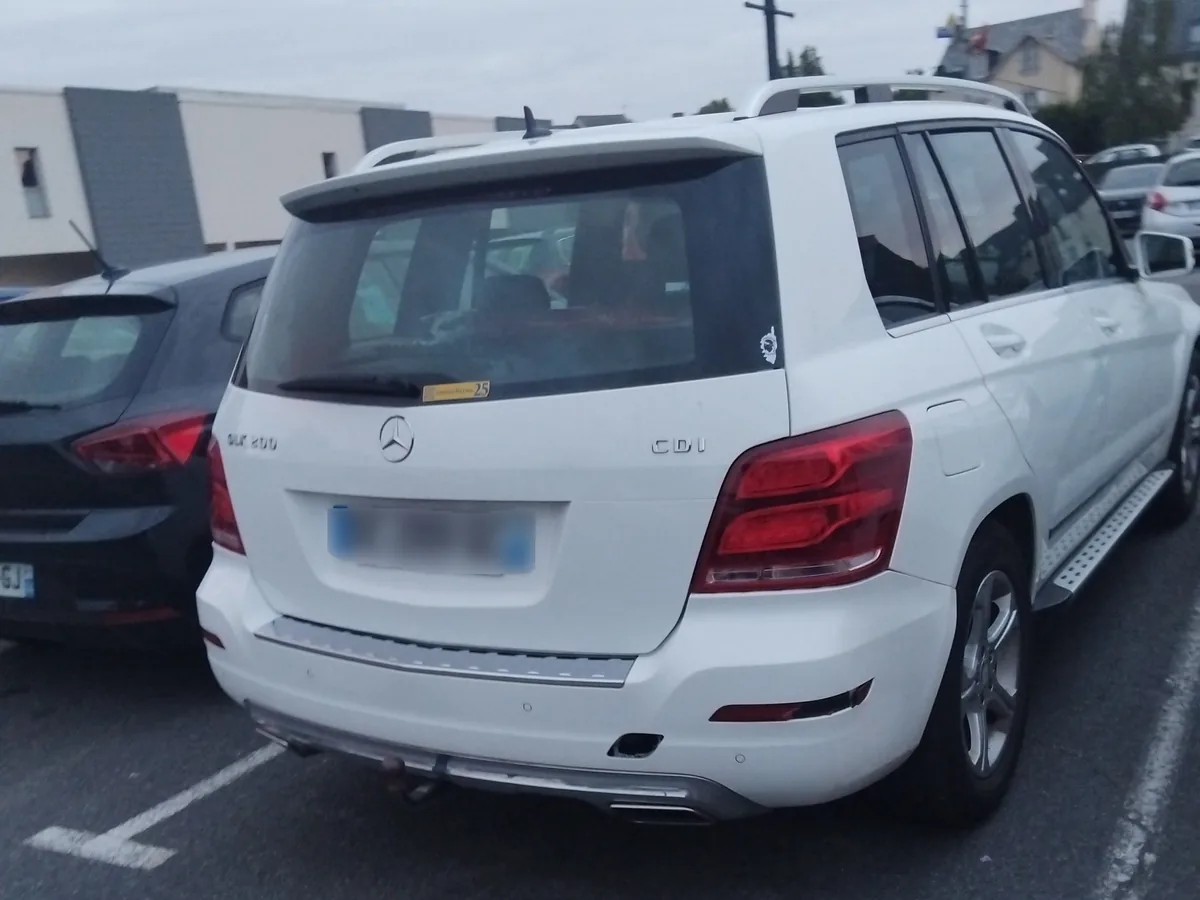
Mercedes-Benz GLK-Klasse photos
Model summary
Data from the ScanRacer library, organized to compare versions quickly.
Model introduction
Introduced at Auto China in Beijing in April 2008, the Mercedes-Benz GLK-Klasse opened a new compact premium SUV line with deliberately angular styling. Known internally as the X204, it used components from the 204-generation C-Class while adding a raised five-door body, a commanding driving position and, depending on specification, either rear-wheel drive or Mercedes-Benz 4MATIC all-wheel drive. European versions combined petrol V6 engines with four- and six-cylinder diesels, while model names and outputs varied by market. A substantial 2012 facelift brought revised exterior styling, a redesigned cabin, updated powertrains and additional equipment. For the model years represented here, ScanRacer covers the 2008-2012 period and the Base variant.
History
The GLK was developed for the growing compact premium SUV market, positioned below Mercedes-Benz’s larger utility vehicles and closer to road-focused rivals such as the BMW X3 and Audi Q5. Its world premiere took place at Auto China in Beijing in April 2008, followed by the European launch of the first X204 series. Mercedes-Benz gave it a distinctive visual identity through taut body sides, pronounced wheel arches, an upright roofline and a wide horizontal grille. Buyers could also choose different design directions, including a road-oriented Sport exterior package and an Offroad Styling package with black protective-look trim and underbody-style accents. The range expanded during its early production years. Initial European versions included the GLK 220 CDI 4MATIC, GLK 320 CDI 4MATIC, GLK 280 4MATIC and GLK 350 4MATIC. BlueEFFICIENCY diesels, the GLK 250 CDI 4MATIC and rear-wheel-drive derivatives followed, with availability varying by country. In 2011, the GLK 350 4MATIC adopted the newer M276 V6 engine and 7G-TRONIC PLUS transmission, bringing a significant increase in quoted power together with improved official fuel-consumption figures. The facelift revealed at the New York International Auto Show in April 2012 was the series’ major mid-cycle update, followed shortly afterward by the production changeover at Bremen.
Generations
The X204 GLK-Klasse was not replaced by several marketed generations during the 2008-2012 period. Instead, its early career belongs to one generation followed by a major 2012 facelift. The first vehicles, produced from 2008, are defined by deliberately straight-edged styling. Their front ends use a horizontal-bar grille, relatively square headlamp outlines and a robust-looking bumper treatment. At the rear, the design remains upright and uncomplicated, with a gently sloping roof, strong wheel-arch definition and a practical five-door profile. The 2012 model is a facelift rather than a new generation. Exterior changes include revised bumpers, headlamps, tail lamps, roof rails and wheel designs. The cabin received more substantial changes, including updated instrument graphics, round ventilation outlets, revised trim panels and, on applicable versions, a column-mounted gear selector. Moving the selector freed additional space on the center console. The updated engine range included four-cylinder diesels, a V6 diesel and a 3.5-liter V6 petrol engine, paired with either a six-speed manual or seven-speed automatic transmission depending on market and specification. Identification should therefore begin with the X204 designation, followed by the key distinction between the pre-facelift and facelift cars.
Key differences
The clearest distinction between pre-2012 GLKs and facelifted cars is their exterior and interior presentation. Early vehicles use a more square-edged design, simpler headlamp treatment and less rounded dashboard ventilation outlets. Facelifted cars receive revised bumpers and lamps, new wheel designs and a substantially updated cabin. A column-mounted gear selector is a useful clue on applicable vehicles, although it should not be used on its own to establish a car’s year. Mechanical differences vary considerably by market. The GLK was offered with rear-wheel drive or 4MATIC all-wheel drive, together with diesel and petrol engines of different sizes. In 2011, the GLK 350 4MATIC gained the M276 V6 and 7G-TRONIC PLUS transmission. Consequently, designations such as GLK 200 CDI, GLK 220 CDI, GLK 250 CDI, GLK 300, GLK 320 CDI and GLK 350 should not be treated as universal trim levels. Their availability, output and drivetrain can differ by country and production date, so the market specification, model year and vehicle identification number remain important when comparing examples.
Photo recognition
To identify a Mercedes-Benz GLK-Klasse X204, start with its overall shape: a compact five-door body, relatively upright roof, short overhangs and strongly defined wheel arches. Pre-facelift cars have a horizontal-bar grille and a deliberately angular front end. Vehicles fitted with the Offroad Styling package may feature black bumper protection-look elements and underbody-style trim, while the Sport package emphasizes chrome details and more road-focused wheel designs. For the 2012 facelift, inspect the headlamps and tail lamps, bumpers, roof rails and wheel patterns, all of which were revised. Inside, round ventilation outlets, updated instrument graphics and a column-mounted gear selector can help identify facelift specification, depending on equipment. Engine badges are useful clues but do not by themselves confirm drivetrain or actual output. A dependable identification should combine the production year, market, equipment level, engine type and VIN. This is particularly important because the same GLK badge could refer to different engines, transmissions and drive layouts in different countries.
Important versions
Important versions from this period include the GLK 220 CDI 4MATIC and GLK 250 CDI 4MATIC, representative four-cylinder diesel choices in Europe. The GLK 350 4MATIC sat near the top of the petrol range and became especially significant after receiving the M276 engine in 2011. The GLK 280 4MATIC and GLK 300 4MATIC were V6 petrol derivatives whose availability varied by market and year. Some countries also received a rear-wheel-drive GLK 350, particularly in North America. Model badges should not be compared without considering the vehicle’s market, model year and drivetrain, because the same designation can correspond to different specifications in different regions.
The name “GLK-Klasse” follows Mercedes-Benz naming, with its rules and its exceptions. Decode a Mercedes-Benz name
References
- https://www.autoevolution.com/mercedes-benz/glk-klasse/autoevolution.com
Frequently asked questions
- What years was the Mercedes-Benz GLK-Klasse produced?
- ScanRacer's referenced versions cover 2008 - 2012.
- How many Mercedes-Benz GLK-Klasse examples are documented on ScanRacer?
- 5 published scans from 4 members, with the latest photo added in September 2026.
What about the car you photographed?
Upload a photo to get a suggested make, model and likely year.
No account needed for the result · Publish only if you choose