
CLS-Klasse
Introduced in 2004, the Mercedes-Benz CLS helped establish a format that was unusual at the time: the four-door coupe. Its low roofline, frameless doors and more formal positioning than a conventional sedan gave it a distinct identity within the Mercedes-Benz range. The first generation was known internally as the C219, while the C218 arrived from 2010. That second generation retained the coupe-like profile and expanded the family with the five-door CLS Shooting Brake, launched in 2012. Across the 2004–2018 period, the CLS evolved through a full redesign, a later facelift and several AMG performance derivatives. Engine availability, equipment and model names varied by market, so individual examples should be identified by their production series, body style and market specification rather than by badge alone.
What about the car you photographed?
Upload a photo to get a suggested make, model and likely year.
No account needed for the result · Publish only if you choose
Variants by year
Make: Mercedes-Benz · Model: CLS-Klasse
4 / 4 versions shown
2018
2012
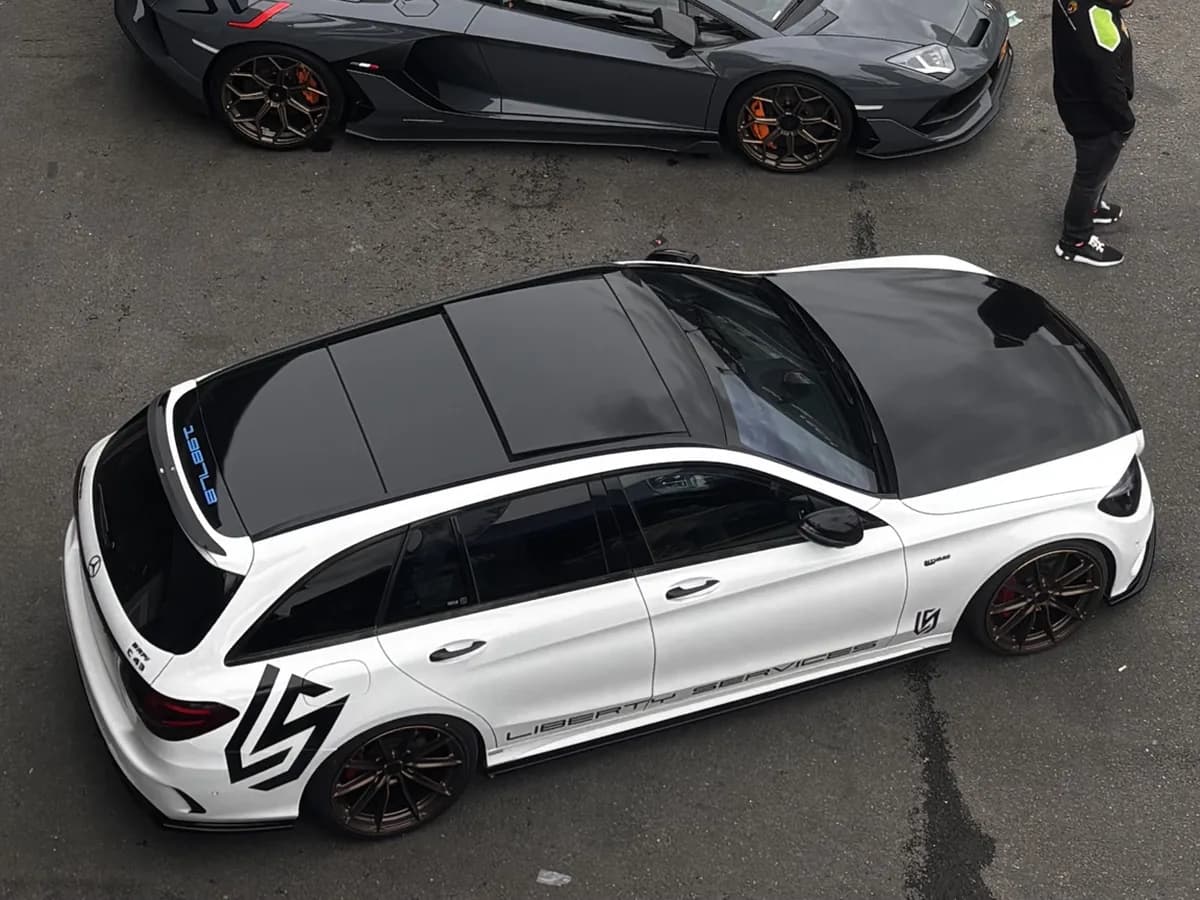
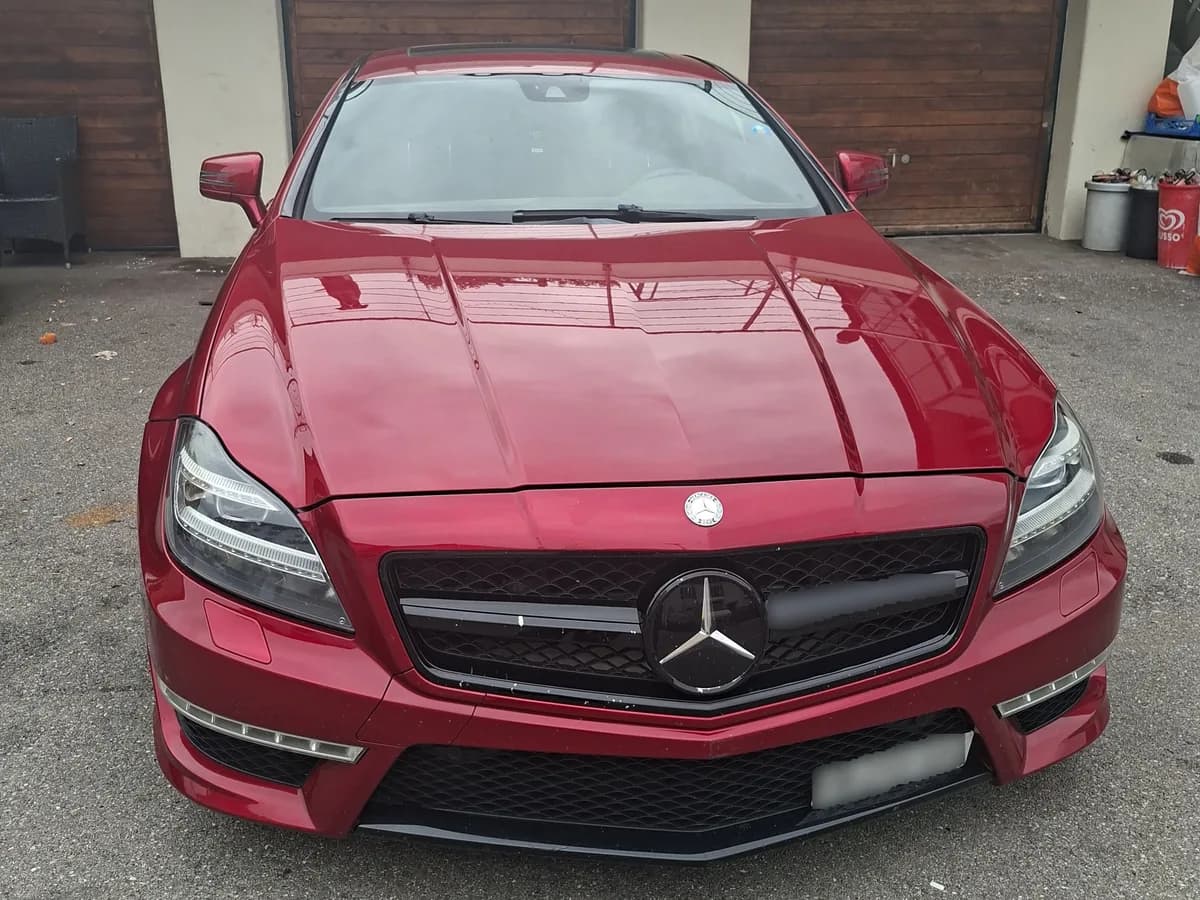
2010
2004
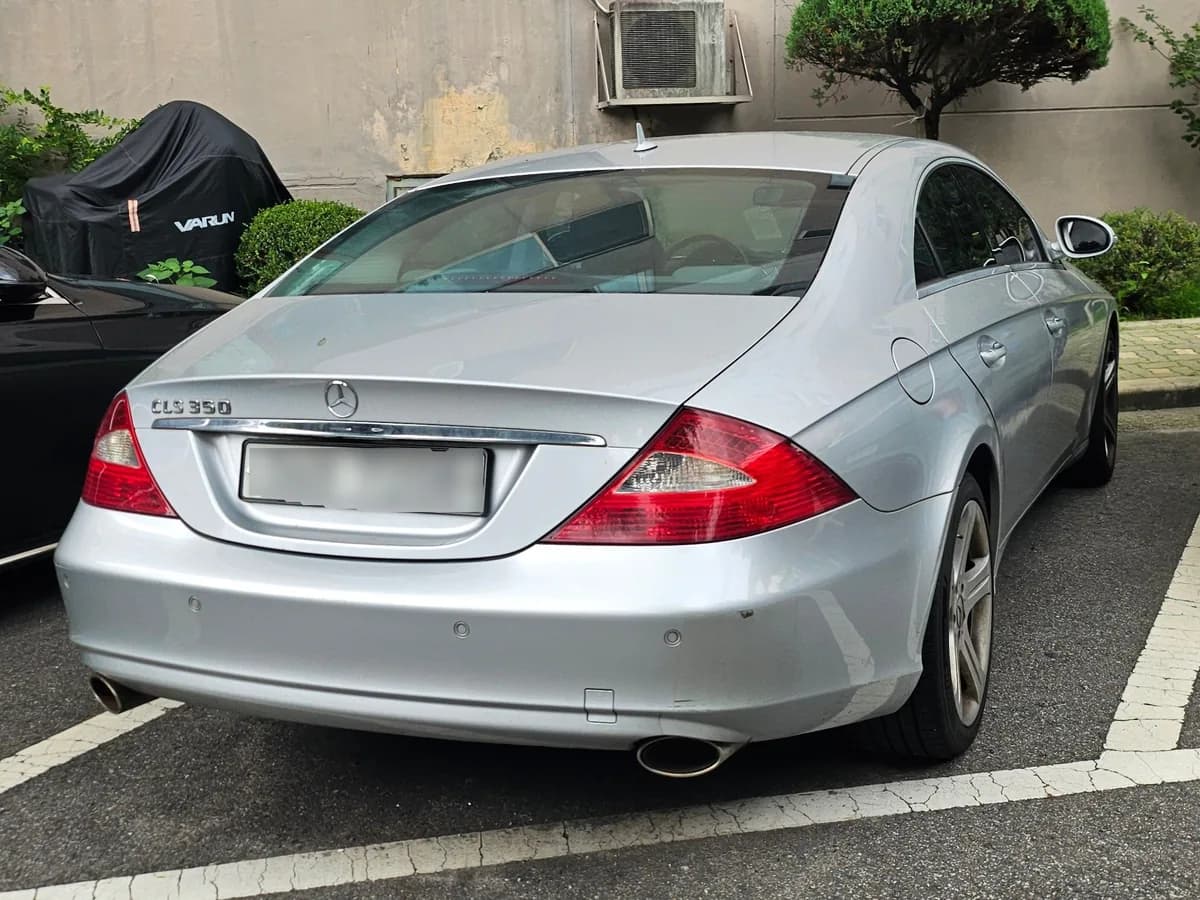
Mercedes-Benz CLS-Klasse photos
Model summary
Data from the ScanRacer library, organized to compare versions quickly.
Model introduction
Introduced in 2004, the Mercedes-Benz CLS helped establish a format that was unusual at the time: the four-door coupe. Its low roofline, frameless doors and more formal positioning than a conventional sedan gave it a distinct identity within the Mercedes-Benz range. The first generation was known internally as the C219, while the C218 arrived from 2010. That second generation retained the coupe-like profile and expanded the family with the five-door CLS Shooting Brake, launched in 2012. Across the 2004–2018 period, the CLS evolved through a full redesign, a later facelift and several AMG performance derivatives. Engine availability, equipment and model names varied by market, so individual examples should be identified by their production series, body style and market specification rather than by badge alone.
History
The CLS appeared in 2004 after Mercedes-Benz presented it as a four-door coupe. The C219 combined a low, elegant body with engineering related to Mercedes-Benz’s larger sedan range. The formula found a strong response and helped create a market between a luxury sedan and a traditional prestige coupe. The range included petrol and diesel models, along with more powerful AMG derivatives. Badges, engines and equipment varied between countries, however, making market specification important when identifying an individual car. Mercedes-Benz introduced the second generation, the C218, at the 2010 Paris Motor Show. It retained the four-door coupe concept but adopted a more assertive front end and a newer interpretation of the brand’s surface design. In 2012, the family expanded with the CLS Shooting Brake, designated X218: its extended roof and rear hatch added carrying ability while preserving the coupe-inspired proportions. The second generation later received a mid-cycle styling and equipment update during the 2010s. Production and model coverage for this period ended in 2018, before the CLS continued into a later generation.
Generations
The first generation, C219, covers 2004–2010. It is defined by a very low body, a long hood, a rear-set passenger cell and a roofline that flows down toward the trunk. The design emphasized elegance and visual drama rather than the upright proportions of a conventional sedan. Early cars and facelifted examples do not share every detail of the front fascia, lighting and equipment, so year and market specification remain relevant. The second generation, C218, was unveiled in 2010 and reached the market in the early 2010s. It preserved the CLS’s overall proportions but introduced a sharper front end, more heavily sculpted sides and a more contemporary cabin. The Shooting Brake was the X218 body style derived from this generation. It added a rear hatch and an extended roof, providing five seats and a more useful cargo area while retaining the coupe theme. A mid-cycle update during the decade changed selected exterior details, equipment and powertrain availability. For vehicles built between 2004 and 2018, separating C219, C218 and X218 is therefore the most reliable starting point for identification.
Key differences
The clearest distinction is between C219 and C218. The earlier car has a softer, more rounded appearance, with a relatively narrow front end and smoother body surfaces. The C218 looks more tightly drawn: its hood, grille and headlamps create a sharper face, while the sides carry stronger character lines. The cabins follow the same progression, with the second generation offering a newer dashboard layout and more electronic equipment depending on trim and market. The difference between the coupe and the Shooting Brake is more straightforward. The coupe has a separate trunk and a roofline that visually finishes before the rear of the car. The Shooting Brake keeps the frameless rear doors but adds an extended roof and a large rear hatch. Engine badges, wheels, AMG bumpers and optional equipment can be changed or shared across several years, so they should not be used alone to determine a car’s identity. The internal series code, body shape and headlamp design usually provide a stronger basis for separating C219, C218 and X218 examples.
Photo recognition
To identify a C219 CLS, begin with the overall shape: four doors, frameless side windows, a long hood and a low roof flowing into a short trunk. The first generation generally appears rounder and smoother than its successor. Grille, headlamp and bumper details can then help separate early cars from updated examples, although aftermarket parts may make visual identification less certain. A C218 has a more sculpted front end and a stronger shoulder line. Headlamps and rear lamps vary with model year, trim and facelift, so several details should be considered together. The Shooting Brake is distinguished by its roof extending toward the rear hatch, its larger rear opening and its unusually low wagon profile. The vehicle’s internal series code remains the most dependable confirmation: C219 for the first generation, C218 for the second-generation coupe and X218 for the Shooting Brake. AMG badges identify a performance derivative, but they do not by themselves establish a precise model year. Market-specific equipment should also be checked against original documentation.
Important versions
AMG versions hold a special place in CLS history because they combined the grand-touring shape with substantially higher performance. On the C219, AMG designations included CLS 55 AMG and CLS 63 AMG, depending on model year. The C218 continued the formula with CLS 63 AMG derivatives, offered in coupe form and, during the second generation, as a Shooting Brake. More common versions such as the CLS 350 and CLS 500, together with market-equivalent badges, are also useful reference points, but their engines and equipment differed by country. Accurate identification should record the internal series code, model year, body style and complete model designation rather than relying on a single badge.
The name “CLS-Klasse” follows Mercedes-Benz naming, with its rules and its exceptions. Decode a Mercedes-Benz name
Technical specifications
Structured data available for versions linked to this model.
| Version | Power | Torque | Top speed | Drivetrain | Fuel |
|---|---|---|---|---|---|
| Base | 195 KW @ 3800 RPM265 HP @ 3800 RPM261 BHP @ 3800 RPM | 457 lb-ft @ 1600-2400 RPM620 Nm @ 1600-2400 RPM | 155 mph (249 km/h) | Rear Wheel Drive / 7-speed automatic | Diesel |
Frequently asked questions
- What years was the Mercedes-Benz CLS-Klasse produced?
- ScanRacer's referenced versions cover 2004 - 2018.
- How many Mercedes-Benz CLS-Klasse examples are documented on ScanRacer?
- 9 published scans from 8 members, with the latest photo added in September 2026.
- What is the power output of the Mercedes-Benz CLS-Klasse?
- The sourced technical data lists 195 KW @ 3800 RPM265 HP @ 3800 RPM261 BHP @ 3800 RPM.
What about the car you photographed?
Upload a photo to get a suggested make, model and likely year.
No account needed for the result · Publish only if you choose