
A-Klasse
Introduced in 1997, the Mercedes-Benz A-Class marked the brand’s entry into the small premium-car segment. The first generation, known internally as the W168, used a tall body, front-wheel drive and a sandwich-floor layout designed to make efficient use of cabin space. In 2004, the W169 retained the compact and practical concept while adding a three-door body style alongside the five-door model. The most significant change came in 2012 with the W176, which became a lower, more sporting hatchback aimed directly at the established compact-car segment. The 1997–2018 period therefore covers a major change in character, from the original tall-bodied urban car to the sharper five-door hatchbacks and the saloon introduced at the end of the period. Exact equipment and engines varied by market and model year.
What about the car you photographed?
Upload a photo to get a suggested make, model and likely year.
No account needed for the result · Publish only if you choose
Variants by year
Make: Mercedes-Benz · Model: A-Klasse
6 / 6 versions shown
2018
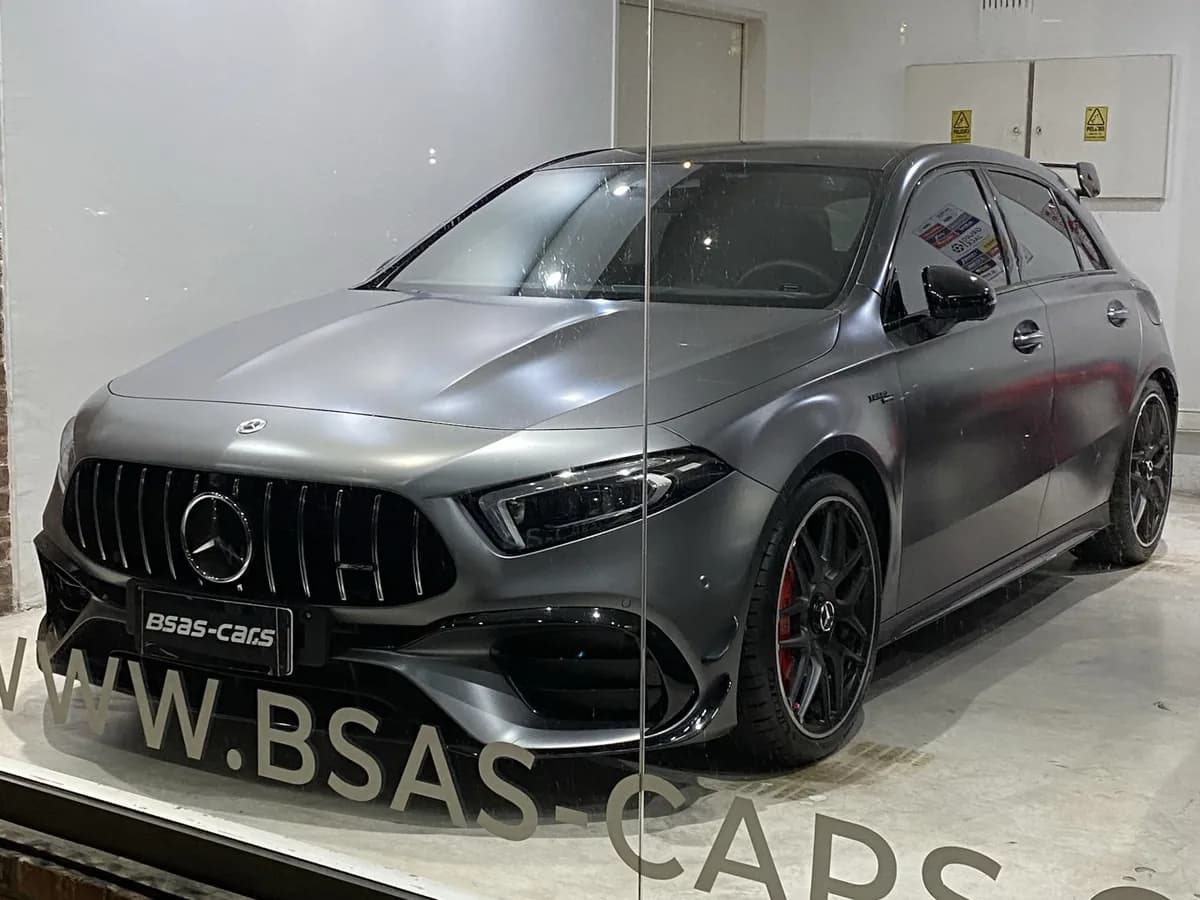
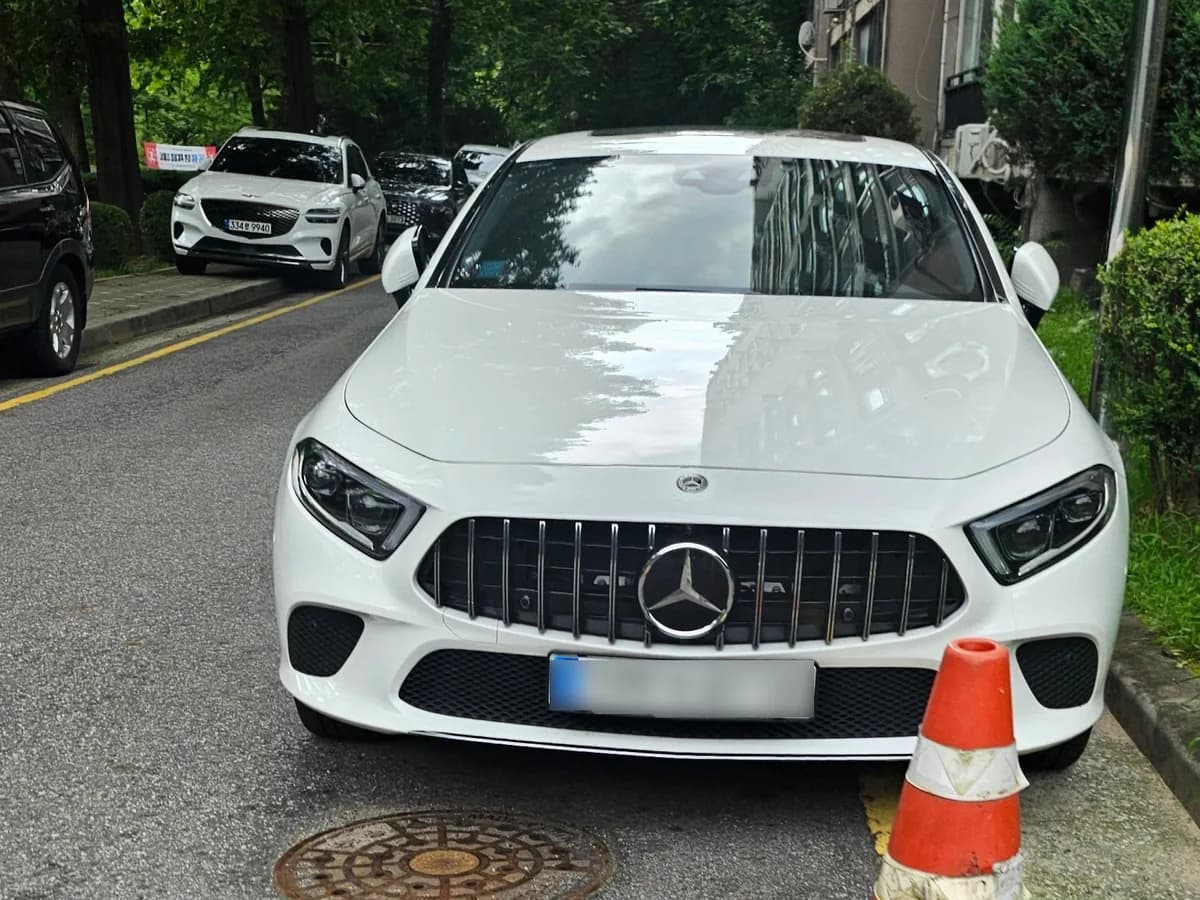
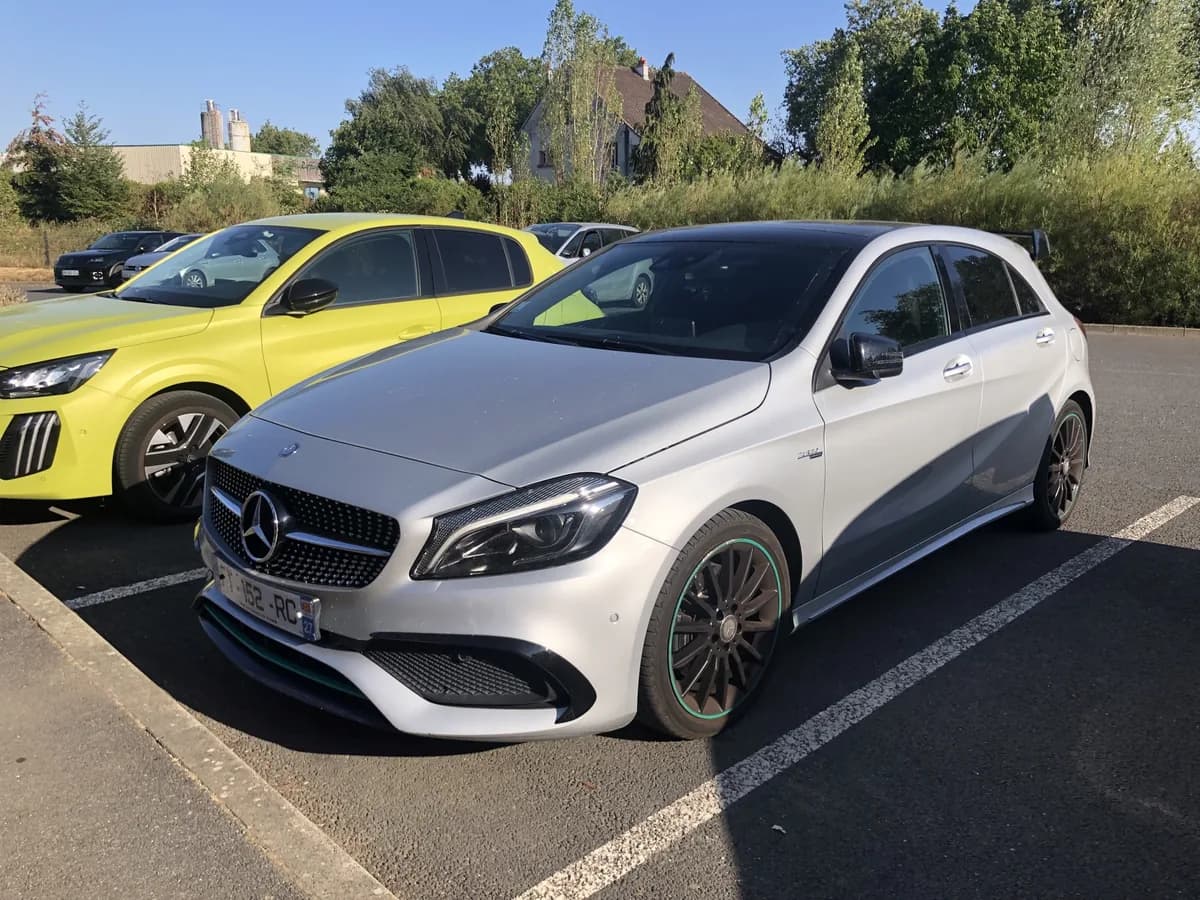
2012
2008
2004
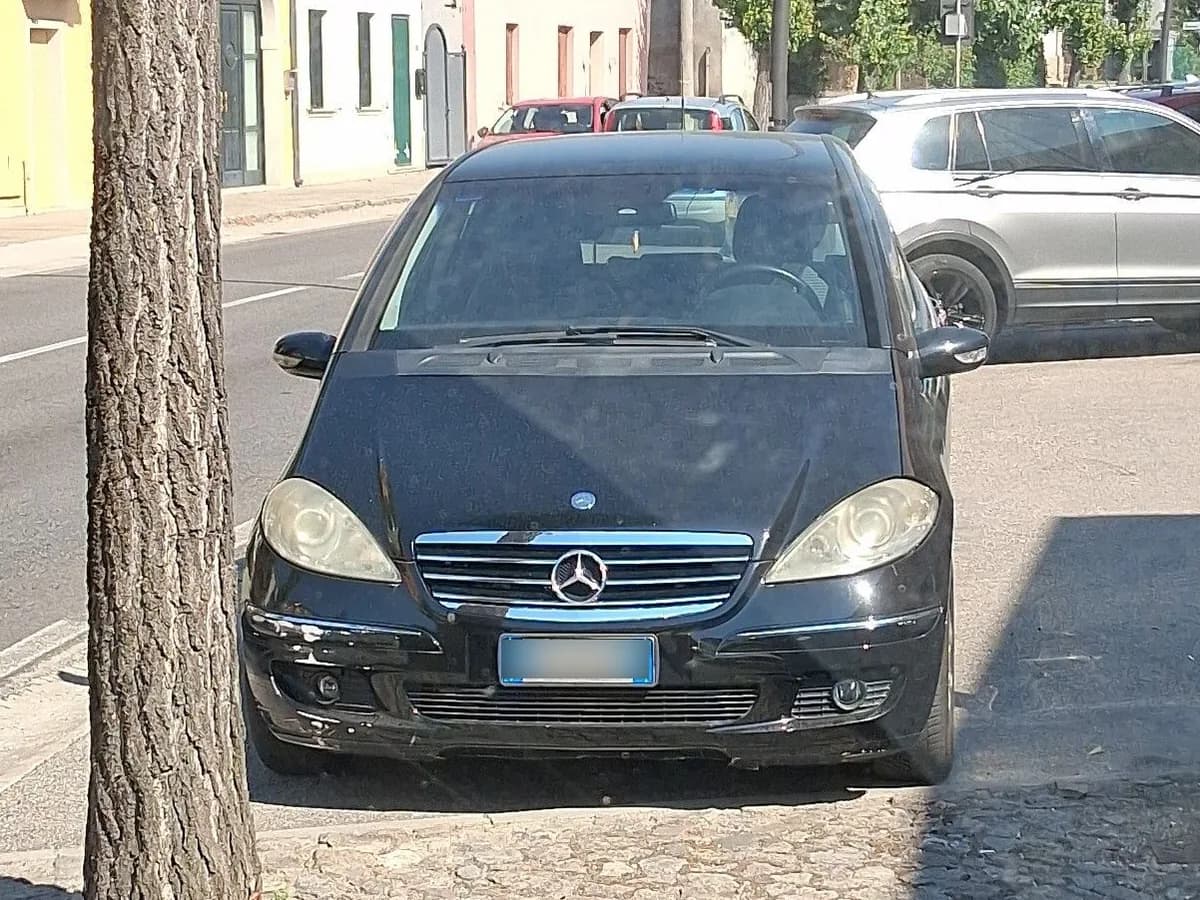
1997
Mercedes-Benz A-Klasse photos
Model summary
Data from the ScanRacer library, organized to compare versions quickly.
Model introduction
Introduced in 1997, the Mercedes-Benz A-Class marked the brand’s entry into the small premium-car segment. The first generation, known internally as the W168, used a tall body, front-wheel drive and a sandwich-floor layout designed to make efficient use of cabin space. In 2004, the W169 retained the compact and practical concept while adding a three-door body style alongside the five-door model. The most significant change came in 2012 with the W176, which became a lower, more sporting hatchback aimed directly at the established compact-car segment. The 1997–2018 period therefore covers a major change in character, from the original tall-bodied urban car to the sharper five-door hatchbacks and the saloon introduced at the end of the period. Exact equipment and engines varied by market and model year.
History
Mercedes-Benz presented the first A-Class at the 1997 Frankfurt Motor Show. The W168 represented a major change for the brand: its short, tall body and sandwich-floor architecture were intended to provide generous interior space within a small exterior footprint. After the widely reported evasive-manoeuvre test results of 1997, Mercedes-Benz revised the chassis and introduced ESP-related measures for the affected vehicles. A facelift followed in 2001, together with a long-wheelbase version whose wheelbase increased by 170 millimetres, according to the manufacturer’s archive. The second generation, the W169, was unveiled in 2004. It was offered as a five-door model under the W169 designation and as a three-door version under the C169 code. This generation also helped expand Mercedes-Benz’s compact-car family, which soon included the related B-Class. The 2012 W176 brought the biggest conceptual shift: the tall body and sandwich-floor layout were replaced by a lower, more dynamic hatchback format. Mercedes-Benz equipped it with driver-assistance technology including COLLISION PREVENTION ASSIST. In 2018, the A-Class range gained a four-door saloon, while the earlier compact hatchback generation reached the end of its production cycle.
Generations
The first generation is the W168, launched in 1997. Its tall roof, short overhangs and relatively upright driving position are its defining traits. The sandwich-floor architecture places part of the drivetrain beneath the passenger compartment, helping preserve usable cabin space. The 2001 facelift was accompanied by a long-wheelbase version, identified as the V168 in Mercedes-Benz technical documentation. The second generation appeared in 2004. The five-door car is known as the W169, while the three-door derivative carries the C169 designation. Its proportions remain upright, but the body looks wider and more conventional. Practicality remained central, and the car was closely related to the B-Class introduced during the same compact-car expansion. The W176, launched in 2012, changed direction completely. It became a lower five-door hatchback with a more pronounced sporting appearance and a conventional compact-car stance. Its body surfacing, cabin design and available safety technology clearly separate it from the W168 and W169. In 2018, the following A-Class generation added a saloon with a separate luggage compartment. The W176 hatchback and the 2018 saloon should therefore be treated as distinct body styles, even though both belong to the A-Class family.
Key differences
The main differences between generations are architectural as well as visual. A W168 has a tall, compact shape, relatively upright pillars and a strong sense of interior volume. The W169 looks wider and more structured; the availability of both three-door and five-door bodies is another useful identification clue. The W176 is much lower, with a visually longer bonnet, a rising beltline and a more aggressive front-end treatment. The underlying concept also changed. The W168 and W169 are associated with the sandwich-floor layout, whereas the W176 uses a more conventional compact-car architecture. Model badges such as A 160, A 180 and A 200 varied between markets and generations, so they should not be used alone to identify a car. The internal series code, body style, production period and exterior details provide more dependable evidence. Equipment can also change with facelift, trim level and market specification.
Photo recognition
To identify a W168, look for a very tall body relative to its length, a forward-set windscreen and an upright rear end. The overall shape resembles a small tall-bodied people carrier more than a conventional compact hatchback. Facelifted cars from 2001 have revised lamps and bumpers, while the long-wheelbase version provides additional rear passenger room. The W169 retains the elevated profile but uses sharper, more defined surfacing. The three-door C169 has longer side doors and different rear side glass from the five-door model. Headlamp and bumper designs can help separate the facelift stages, particularly the revisions introduced around 2008. The W176 is easy to distinguish through its lower stance, visually longer bonnet, diamond-style grille on certain trims and sculpted flanks. The saloon introduced in 2018 has a separate trunk and a three-box rear profile, unlike the hatchback’s liftgate. AMG badges and sport packages are not sufficient on their own; the body shape and internal series code remain the safer identification points.
Important versions
Within the 1997–2018 period, three body concepts deserve particular attention: the five-door A-Class hatchback, the three-door derivative of the W169 generation and the saloon with a separate trunk introduced in 2018. The long-wheelbase W168, added in 2001, is a notable variant because of its extended wheelbase and extra rear space. The W176 brought the most visible change in character, adopting a distinctly sportier design and a range that included models such as the A 250 and Mercedes-AMG derivatives. Badges and equipment varied by market, so comparisons should be based on the internal series code, body style and model year rather than on the engine designation alone.
The name “A-Klasse” follows Mercedes-Benz naming, with its rules and its exceptions. Decode a Mercedes-Benz name
References
- Neue A-Klasse Limousine: Kompakter Einstieg in die Premium-Limousinen-WeltMercedes-Benz Media
- https://presse.mercedes-benz.at/news-die-neue-mercedes-benz-a-klasse?id=61381&l=deutsch&menueid=0presse.mercedes-benz.at
- https://www.24auto.de/marken-modelle/mercedes-benz-a-klasse-w168-w169-w176-w177-limousine-fliessheck-90001642.html24auto.de
- https://www.mercedes-seite.de/baureihen/a-klasse/2012/03/vorstellung-die-neue-mercedes-benz-a-klasse/mercedes-seite.de
- https://www.mercedes-seite.de/baureihen/a-klasse/2012/09/15-und-16-september-premiere-der-neuen-mercedes-benz-a-klasse-zur-markteinfuhrung-umfangreiches-zubehorprogramm-accessoires-modellautos/?article2pdf=1mercedes-seite.de
Technical specifications
Structured data available for versions linked to this model.
| Version | Power | Torque | Top speed | Drivetrain | Fuel |
|---|---|---|---|---|---|
| — | 80 kW (107 hp) to 140 kW (190 hp) | — | — | Front-wheel drive, Front-engine, all-wheel-drive (4MATIC) / 6-speed manual, 7-speed automatic, 8-speed automatic, 7-speed DCT, 8-speed DCT | — |
Frequently asked questions
- What years was the Mercedes-Benz A-Klasse produced?
- ScanRacer's referenced versions cover 1997 - 2018.
- How many Mercedes-Benz A-Klasse examples are documented on ScanRacer?
- 19 published scans from 18 members, with the latest photo added in October 2026.
- What is the power output of the Mercedes-Benz A-Klasse?
- The sourced technical data lists 80 kW (107 hp) to 140 kW (190 hp).
What about the car you photographed?
Upload a photo to get a suggested make, model and likely year.
No account needed for the result · Publish only if you choose