
AMG GT
Introduced in September 2014, the Mercedes-AMG GT is a sports car developed entirely by Mercedes-AMG after the SLS AMG. The first generation brought a more compact and driver-focused interpretation, using a front-mounted 4.0-liter twin-turbo V8 and a dual-clutch transmission positioned at the rear axle. The range later expanded with coupe and roadster body styles, along with the GT R and Black Series derivatives aimed at sharper circuit performance. A second generation arrived in 2023 with a larger-looking body, a 2+2 cabin, and AMG Performance 4MATIC+ all-wheel drive offered from launch. The model years represented here include the 2014 Coupe, the 2016 Roadster and R Coupe, the 2019 R Roadster, the 2020 Black Series, and a 2023 Base version. These labels reflect the available model records and should not be treated as a complete global trim list.
What about the car you photographed?
Upload a photo to get a suggested make, model and likely year.
No account needed for the result · Publish only if you choose
Variants by year
Make: Mercedes-Benz · Model: AMG GT
8 / 8 versions shown
2024

2023
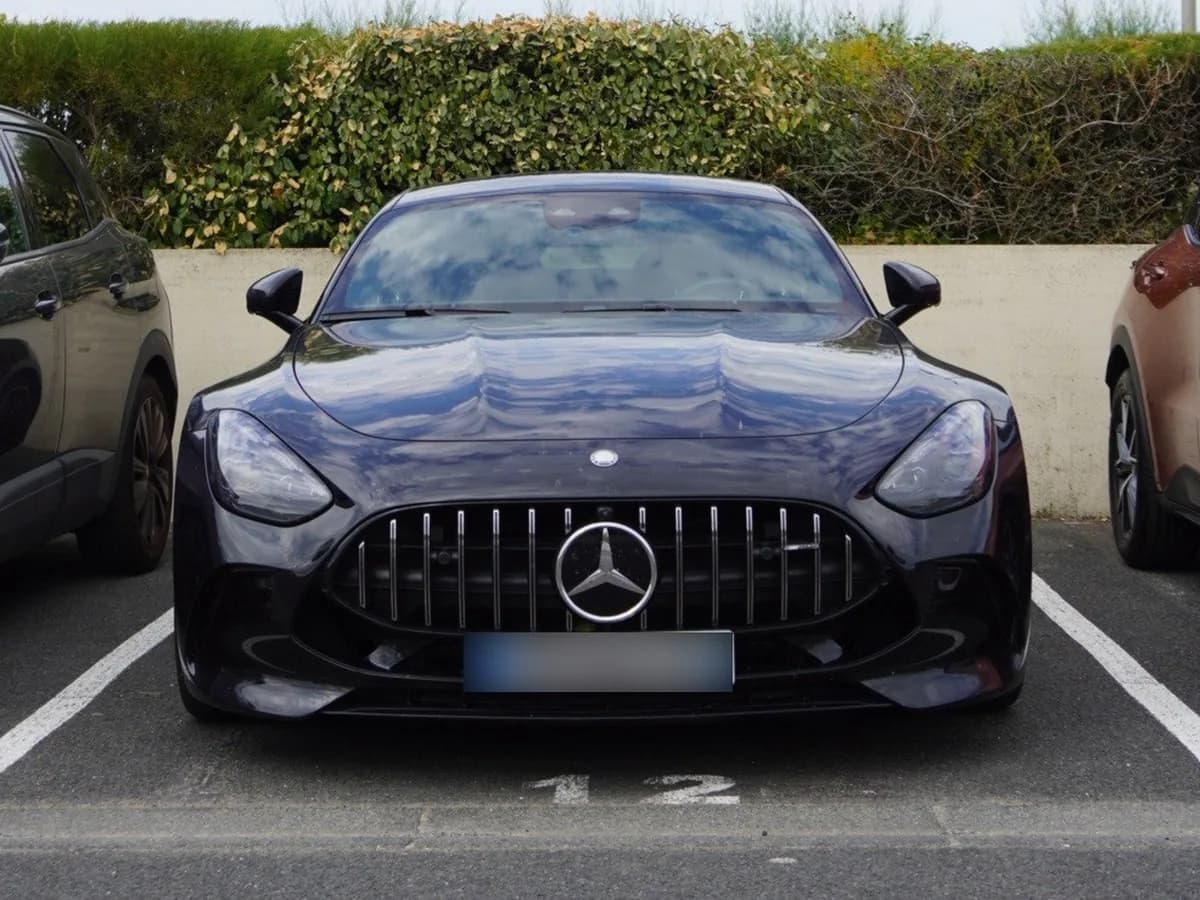

2020

2019

2016
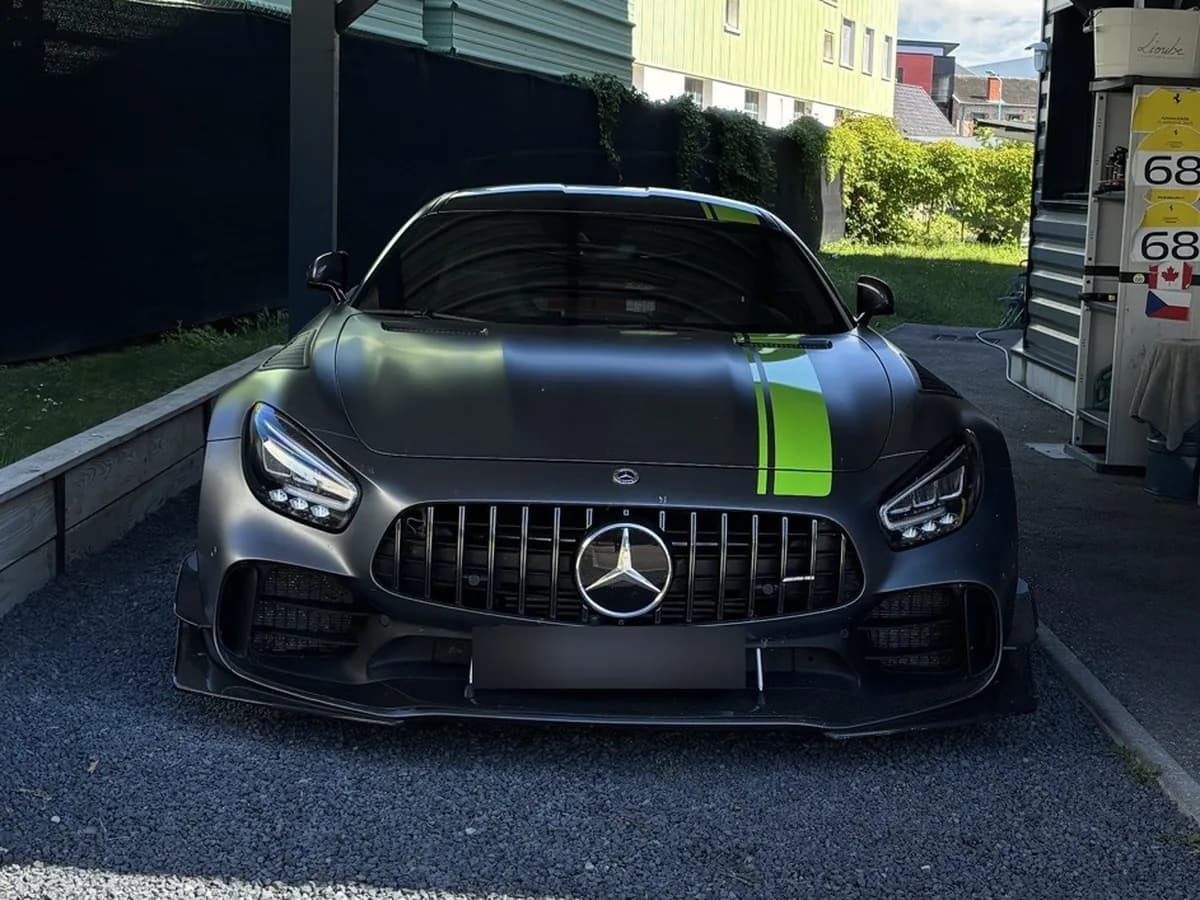

2014

Mercedes-Benz AMG GT photos
Model summary
Data from the ScanRacer library, organized to compare versions quickly.
Model introduction
Introduced in September 2014, the Mercedes-AMG GT is a sports car developed entirely by Mercedes-AMG after the SLS AMG. The first generation brought a more compact and driver-focused interpretation, using a front-mounted 4.0-liter twin-turbo V8 and a dual-clutch transmission positioned at the rear axle. The range later expanded with coupe and roadster body styles, along with the GT R and Black Series derivatives aimed at sharper circuit performance. A second generation arrived in 2023 with a larger-looking body, a 2+2 cabin, and AMG Performance 4MATIC+ all-wheel drive offered from launch. The model years represented here include the 2014 Coupe, the 2016 Roadster and R Coupe, the 2019 R Roadster, the 2020 Black Series, and a 2023 Base version. These labels reflect the available model records and should not be treated as a complete global trim list.
History
The Mercedes-AMG GT made its public debut in September 2014, marking Mercedes-AMG’s entry into a new high-end sports-car segment. It was the second vehicle developed entirely by AMG after the SLS AMG. Unlike the SLS with its gullwing doors, the GT used a more compact body and a cleaner presentation while retaining a layout centered on a 4.0-liter twin-turbo V8. The first versions introduced were the GT and GT S. The range expanded quickly. The GT R arrived in 2016 as a more aggressive derivative, using track-oriented engineering and a dedicated chassis setup. That same year, Mercedes-AMG introduced the GT Roadster and GT C Roadster, adding a fabric-roof convertible to the family. The R Roadster followed in 2019 within the model records considered here. In 2020, the GT Black Series became the most extreme expression of the first generation: its V8 adopted, among other changes, a flat-plane crankshaft, while the aerodynamics and chassis were extensively developed for high-speed circuit use. The second generation was revealed at Pebble Beach in August 2023. It broadened the car’s everyday remit with a 2+2 cabin and variable all-wheel drive, while retaining an AMG V8 as the central powertrain of the initial range. The result was a GT with a wider touring brief than the original two-seat coupe.
Generations
The first generation covers the coupes and roadsters launched from 2014 onward. It is identified by a long hood, a rear-set cabin, a short tail, and horizontal rear lamps. The original coupe is a strict two-seater and uses a transaxle layout, with the transmission mounted at the rear to support a balanced weight distribution. The range’s derivatives changed the car’s character considerably: the GT R added a stronger circuit focus, while the roadsters introduced an open body and settings suited to the convertible configuration. The 2020 Black Series represents the performance peak of this family. The second generation arrived in 2023 with a larger and more versatile package. It uses the same broad technical basis as the contemporary SL and adopts AMG Performance 4MATIC+ all-wheel drive. The body remains a two-door coupe, but the cabin can accommodate two rear passengers in a 2+2 layout. Its styling keeps the familiar GT themes—long hood, low roof, and broad rear shoulders—while adding a taller Panamericana grille, fuller body surfaces, and a driver-oriented central display. Separating the first-generation coupe and roadster from the second-generation 2+2 coupe is essential when identifying the correct model family and production period.
Key differences
The main differences concern body style, performance focus, and drivetrain layout. The first-generation Coupe is a strict two-seater with a twin-turbo V8 and a dual-clutch transmission. The Roadster and R Roadster follow the coupe’s basic mechanical philosophy but replace the fixed roof with a fabric top. The GT R is distinguished by a sharper chassis, more developed aerodynamics, and equipment aimed more directly at circuit driving. The Black Series goes further with active aerodynamic elements, wider bodywork, and a heavily reworked engine. The 2023 model belongs to a different generation. It uses variable all-wheel drive, a nine-speed automatic transmission, and a 2+2 cabin. It should therefore not be treated as a simple facelift of the original coupe. Names, equipment, and power outputs can also vary by market, so a precise comparison should always account for both model year and sales region. The available labels are useful for organizing the records, but they do not necessarily represent every worldwide trim or special edition.
Photo recognition
To identify a first-generation AMG GT, start with the proportions: a very long hood, a rear-set windshield, a low roof, and a short rear deck. Thin horizontal taillamps and a low grille with the Mercedes emblem centered are also useful clues. The Coupe has a fixed roof, while the Roadster is identified by its fabric top and distinct rear structure. The GT R generally adds more aggressive details, including larger openings, vertical grille elements, broader fenders, dedicated wheels, and centrally positioned exhaust outlets. The Black Series is easier to spot because of its extensive aerodynamic package, adjustable rear wing, and prominent use of carbon-fiber components. The second-generation model, introduced in 2023, looks wider and taller. Its Panamericana grille is more upright, the headlamps are slimmer, and the rear lamps are more compact. The availability of a small rear bench is a decisive clue. Inside, the portrait-style central screen and newer console design also separate it from the earlier AMG GT. Exterior trim can vary with options and market specifications, so badges alone should not be used as the sole method of identification.
Important versions
The most significant versions in the selected records are the 2014 Coupe, which established the family, and the 2016 R Coupe, its more track-focused derivative. The 2016 Roadster introduced an open body, while the 2019 R Roadster combined that layout with a higher-performance specification. The 2020 Black Series represents the peak of the first generation, distinguished by its flat-plane-crankshaft engine and extensively developed aerodynamics. The 2023 Base version belongs to the second generation and adopts the new 2+2 body and a different technical architecture. Trim names may cover different equipment depending on the market, so each label should be interpreted together with its model year.
The name “AMG GT” follows Mercedes-Benz naming, with its rules and its exceptions. Decode a Mercedes-Benz name
References
- Mercedes-AMG GT R: Born in the Green HellMercedes-Benz Media
- The new Mercedes-AMG GT S RoadsterMercedes-Benz Media
- The new Mercedes-AMG GT Black SeriesMercedes-Benz Media
- World Premiere of the New Mercedes-AMG GTMercedes-Benz Media
- https://static.media.mercedes-benz.com/public/documents/58/58012849/PI_CONCEPT_AMG_GT_XX_REDEFINES_PERFORMANCE_ENG_1.pdf?se=2026-08-27T15%3A13%3A57Z&sig=brRQp6gf7RJk9qxosUK20YM8U0sPl02%2B7XAK3LN2q0c%3D&sp=r&sr=b&sv=2017-11-09static.media.mercedes-benz.com
- https://media.mercedes-benz.pl/od-komfortowego-gt-do-maszyny-na-tor--nowy-mercedes-amg-gt-coupe-imponuje-szerokim-zakresem-charakterystyki-prowadzenia/media.mercedes-benz.pl
- https://www.mynewsdesk.com/dk/mercedes-benz-danmark/pressreleases/aegte-sportsvogn-fra-affalterbach-den-nye-mercedes-amg-gt-coupe-3302618mynewsdesk.com
- https://www.mercedes-benz-slovenija.com/2016/10/mercedes-amg-gt-zgoraj-brez/mercedes-benz-slovenija.com
Technical specifications
Structured data available for versions linked to this model.
| Version | Power | Torque | Top speed | Drivetrain | Fuel |
|---|---|---|---|---|---|
| — | 362 ch | — | — | Transmission intégrale / Boîte automatique à 9 rapports | — |
Frequently asked questions
- What years was the Mercedes-Benz AMG GT produced?
- ScanRacer's referenced versions cover 2014 - 2024.
- How many Mercedes-Benz AMG GT examples are documented on ScanRacer?
- 69 published scans from 37 members, with the latest photo added in October 2026.
- What is the power output of the Mercedes-Benz AMG GT?
- The sourced technical data lists 362 ch.
What about the car you photographed?
Upload a photo to get a suggested make, model and likely year.
No account needed for the result · Publish only if you choose