
S-Klasse
The Mercedes-Benz S-Klasse is the German marque’s flagship luxury car, officially called the S-Class since the launch of the 116 series in 1972. Its direct ancestry reaches back to the Type 220 of 1951, followed by the 220 S and 220 SE in the 1950s. Across successive generations, the model has acted as a showcase for Mercedes-Benz developments in safety, comfort, powertrain engineering and electronics. The 1959 W111 introduced a production body with energy-absorbing crumple zones, while the W116 brought production ABS to the model line from 1978. Later generations added features such as the driver airbag, ESP, electronically controlled suspension, collision-prevention systems and advanced digital interfaces. Within the ScanRacer catalogue, the family spans 1959 to 2026 and includes sedan, coupé, cabriolet, Pullman and Maybach variants.
What about the car you photographed?
Upload a photo to get a suggested make, model and likely year.
No account needed for the result · Publish only if you choose
Variants by year
Make: Mercedes-Benz · Model: S-Klasse
24 / 24 versions shown
2026
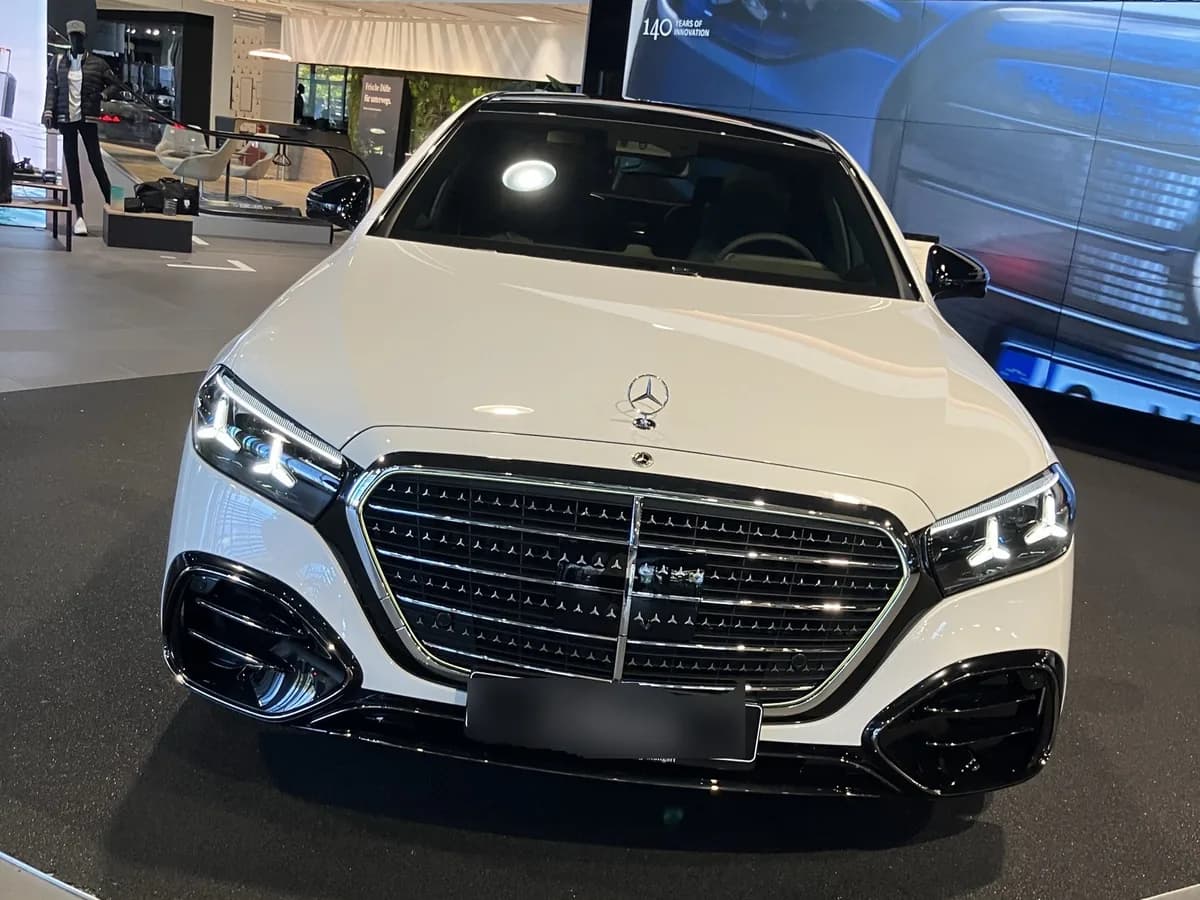
2021
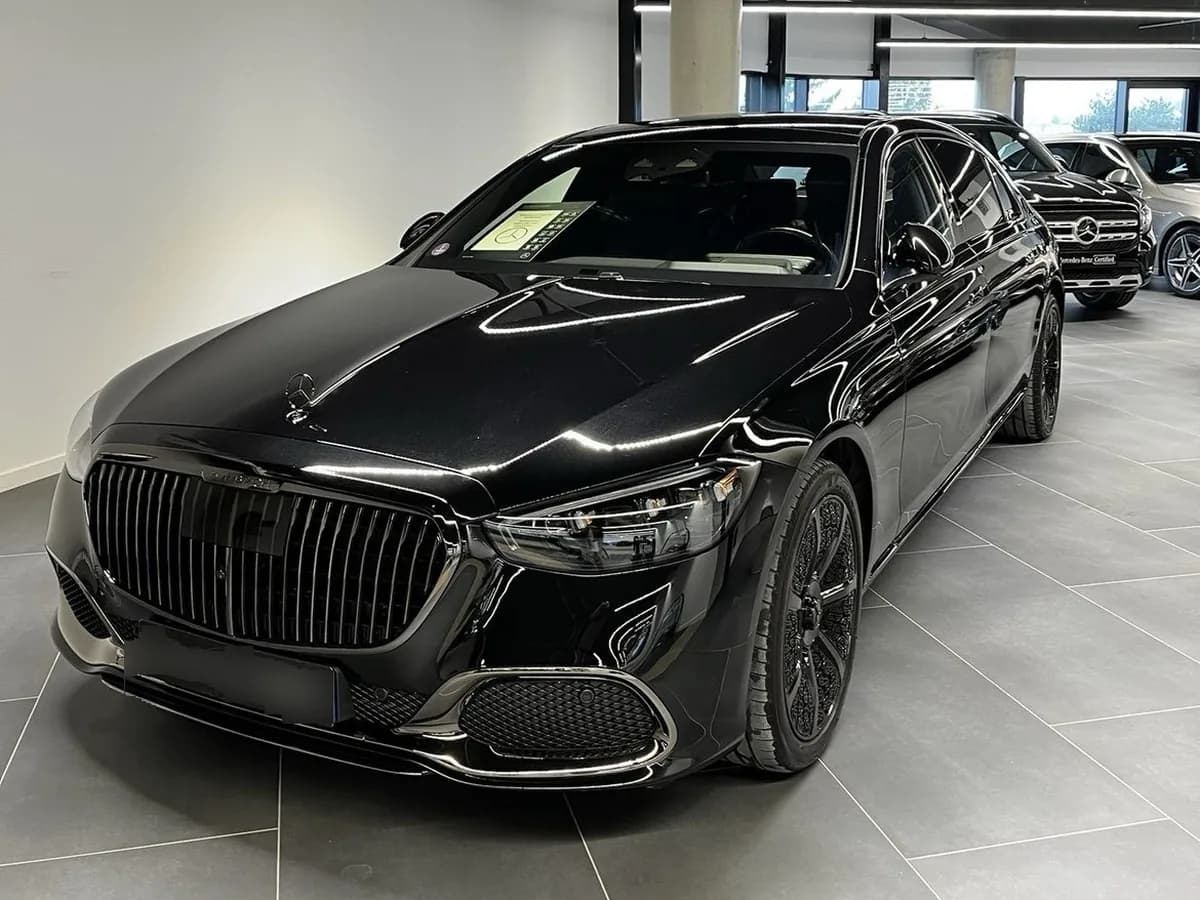
2020
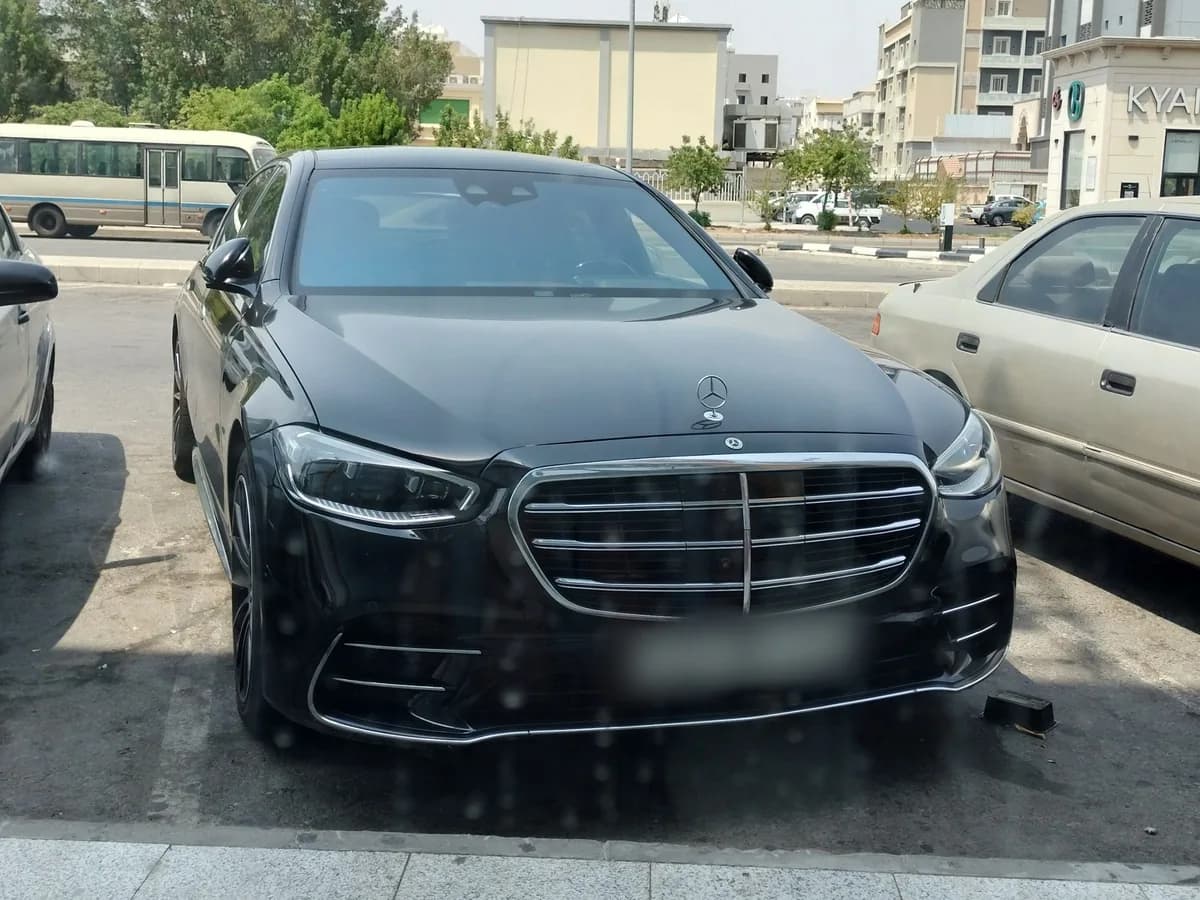
2017
2016
2015
2014
2013
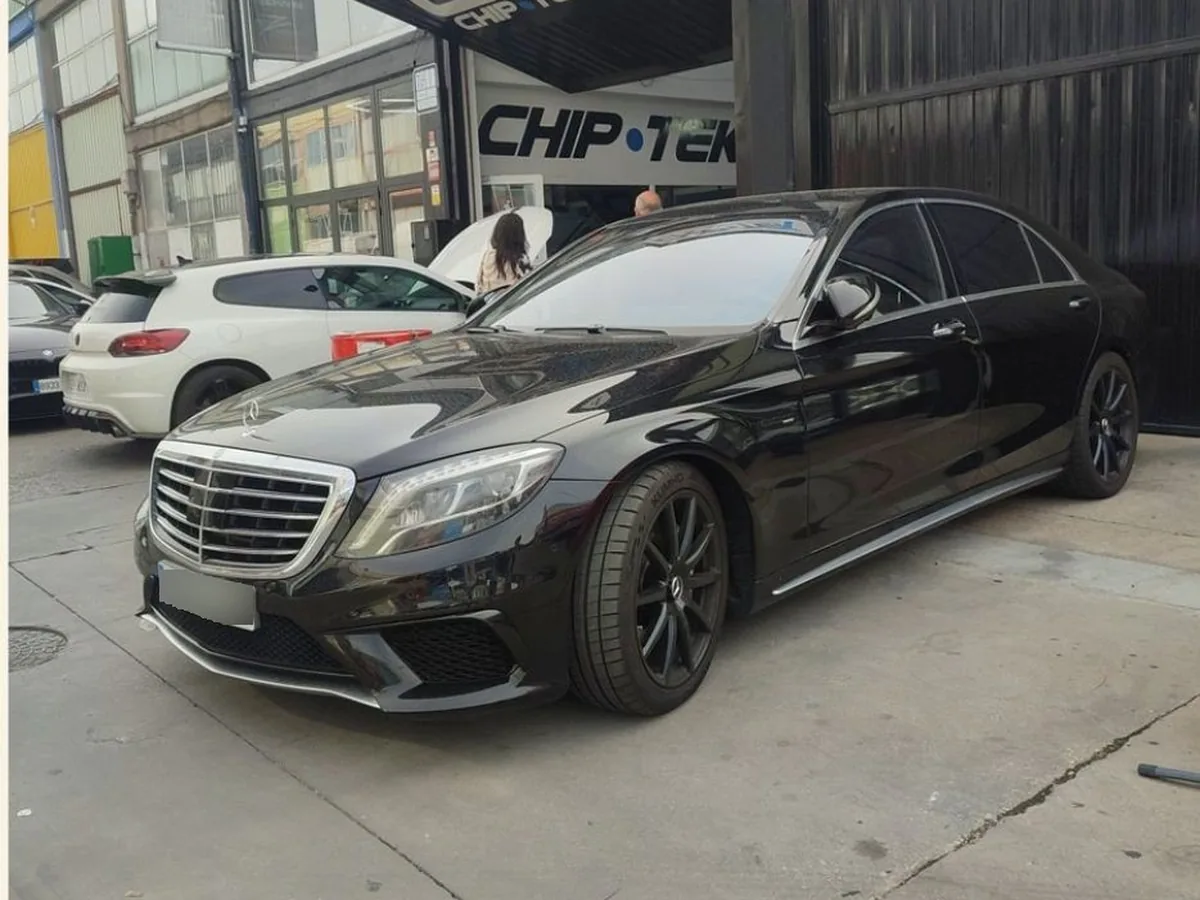
2008
2005
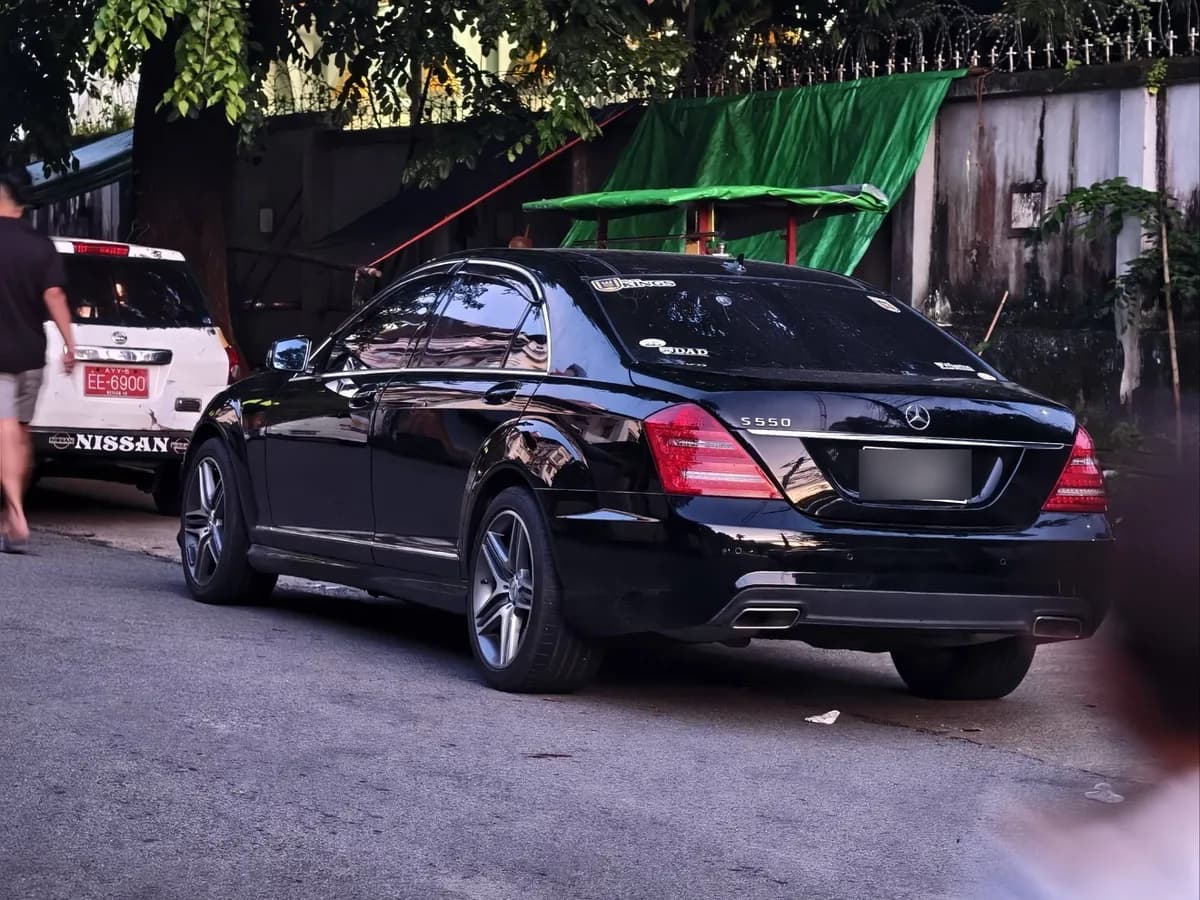
2001
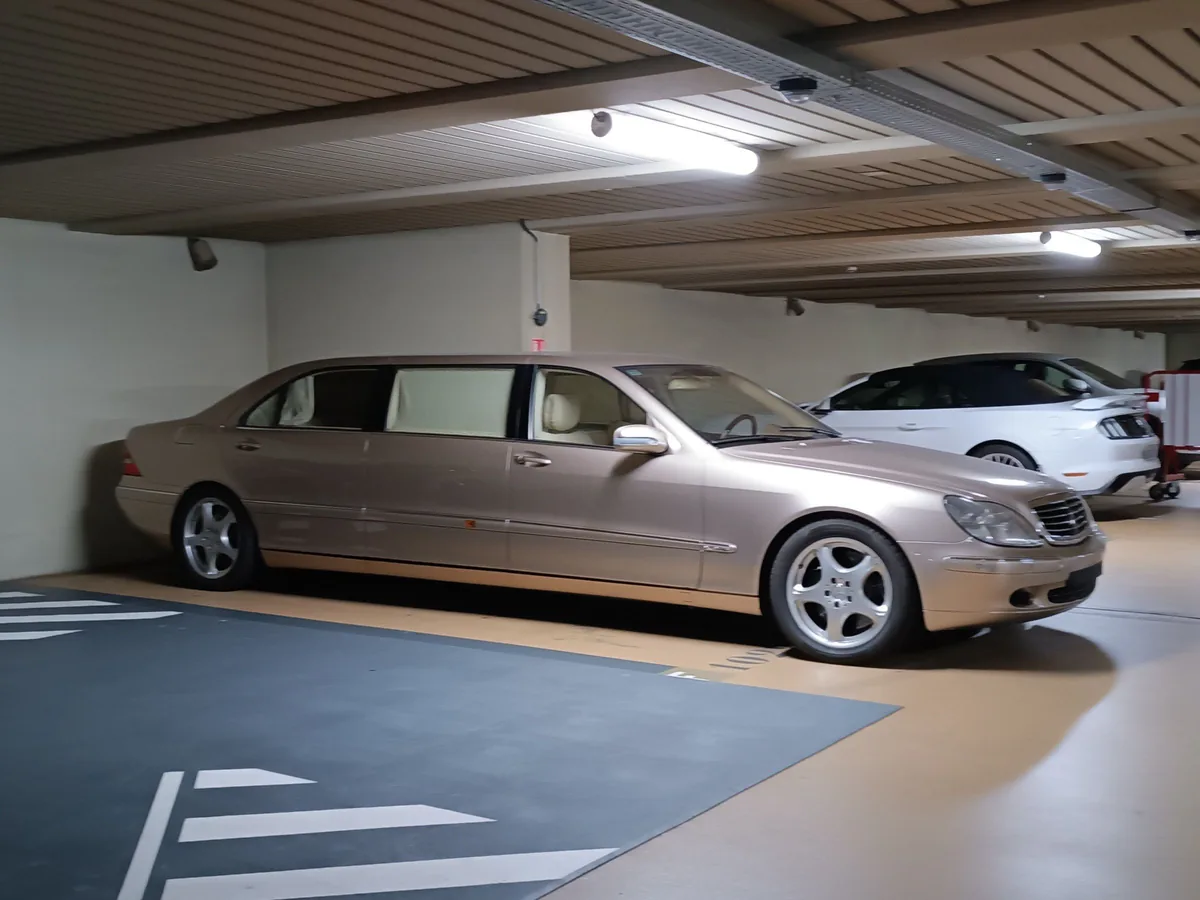
1998
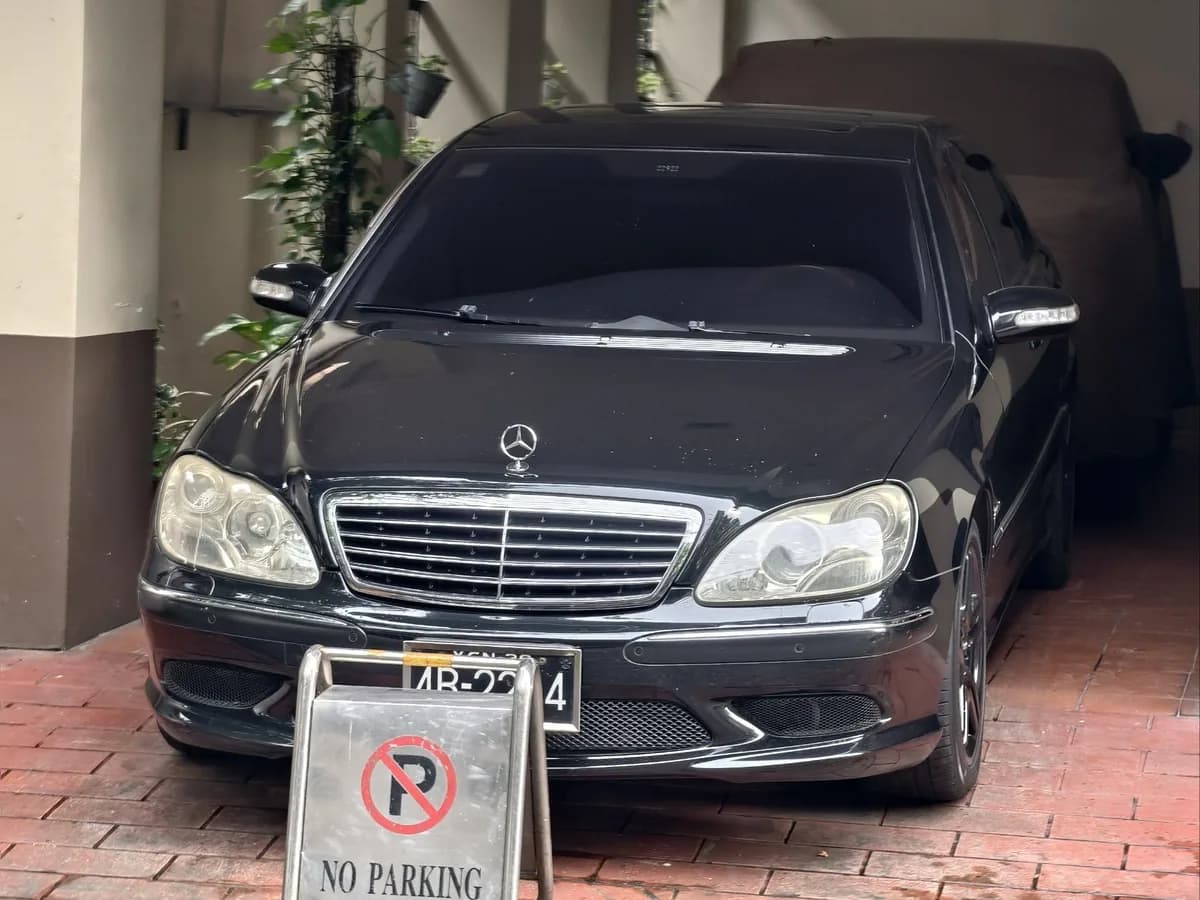
1995
1992
1991
1986
1982
1981
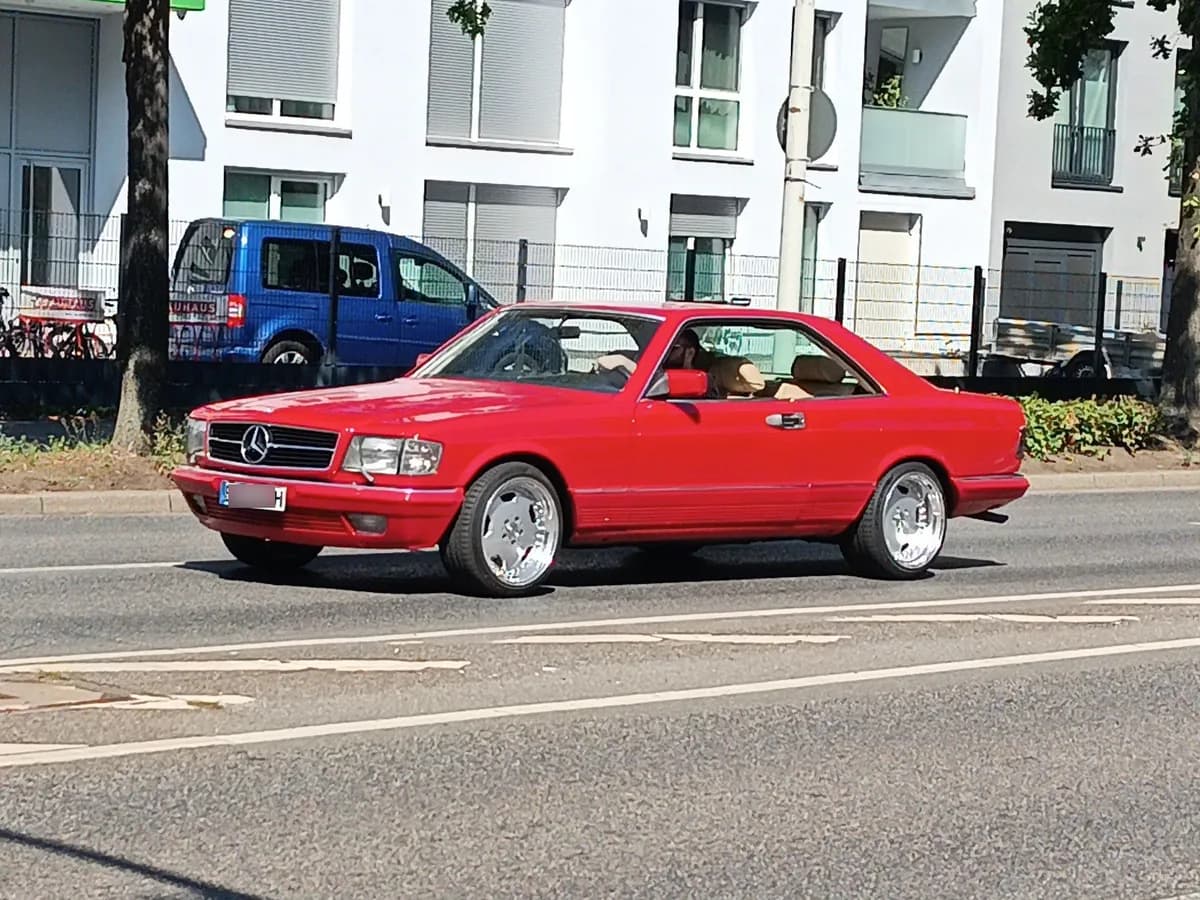
1979
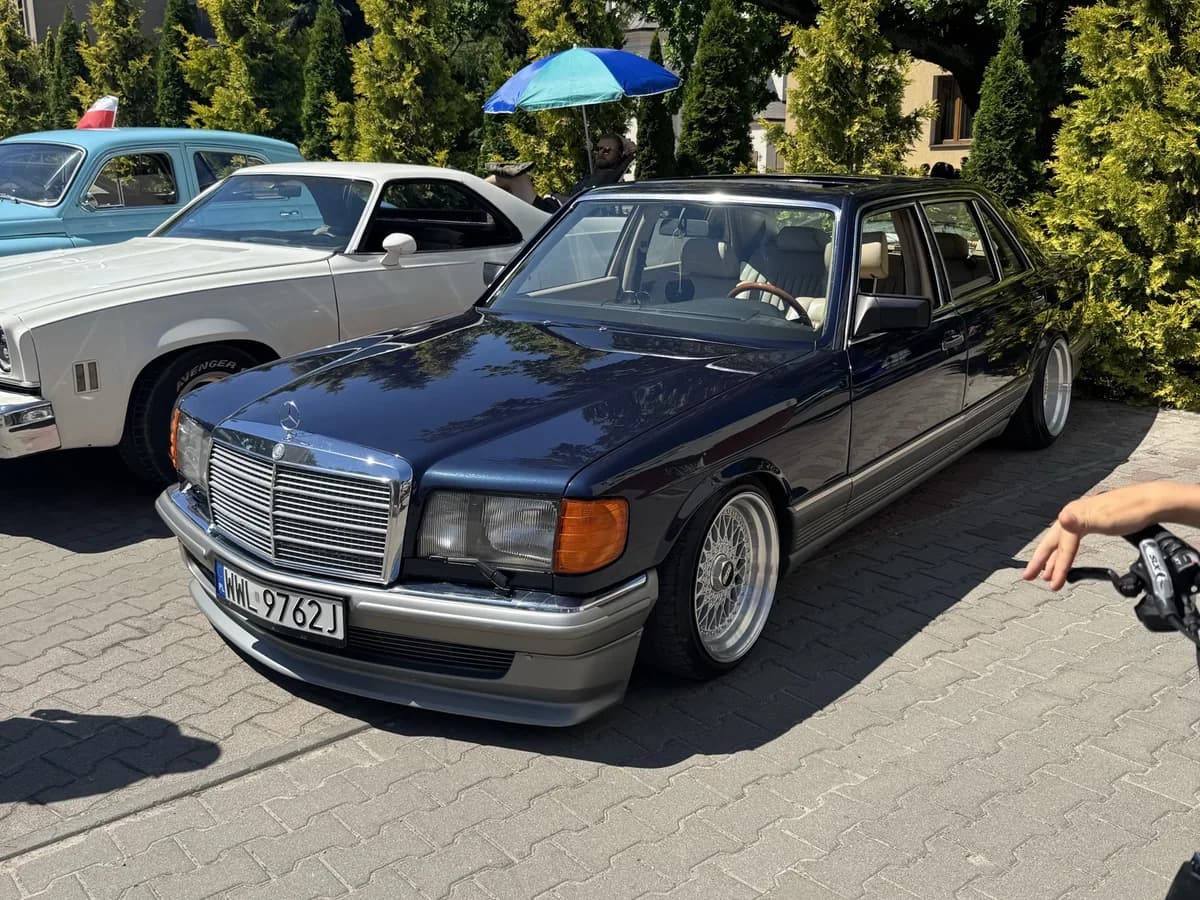
1972
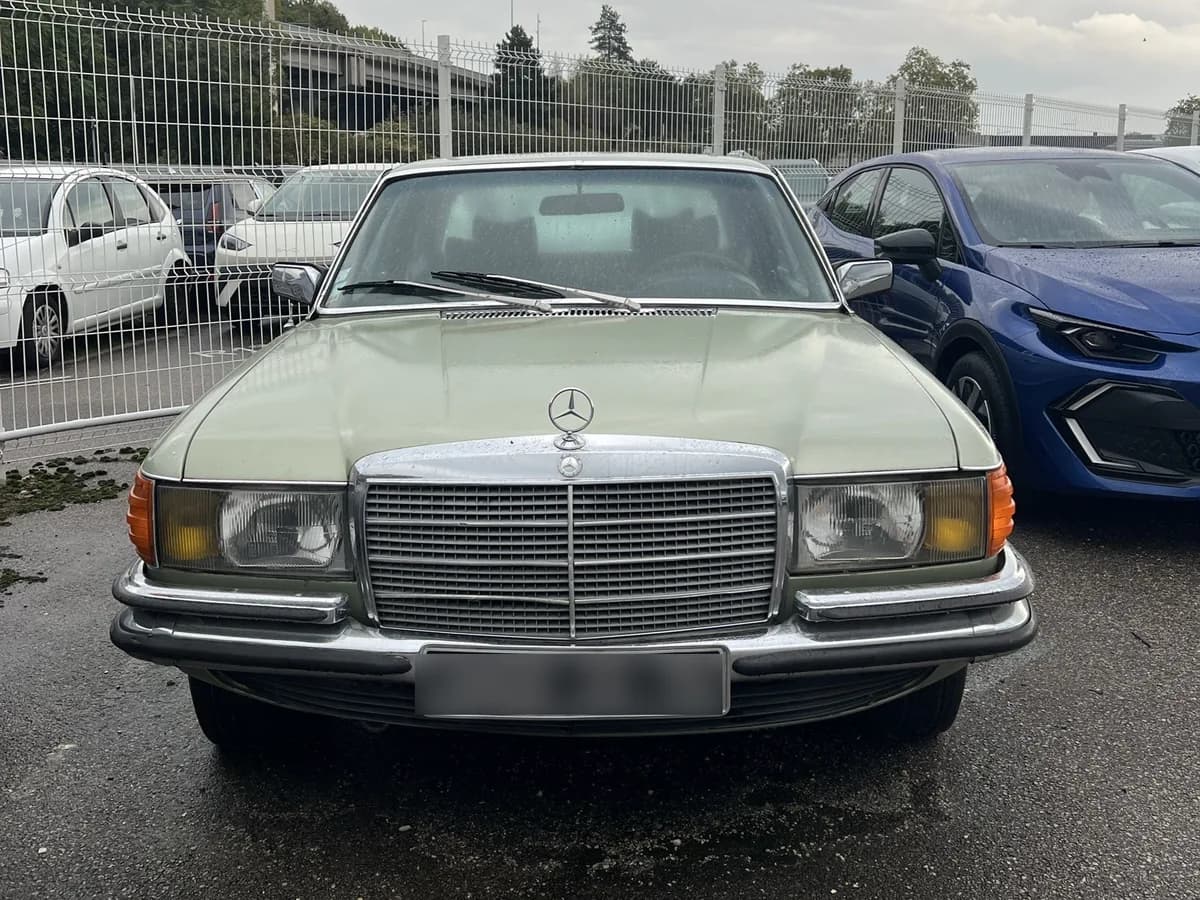
1965
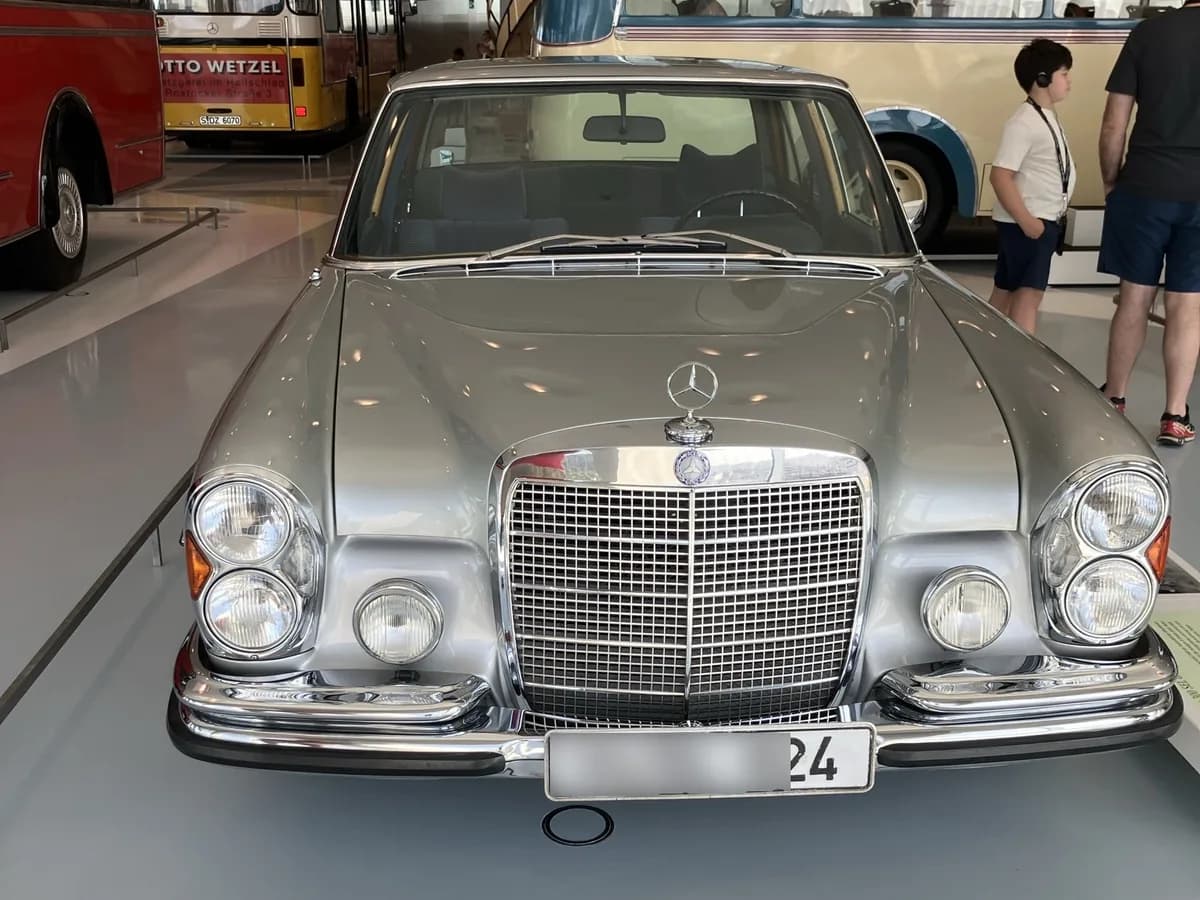
1959
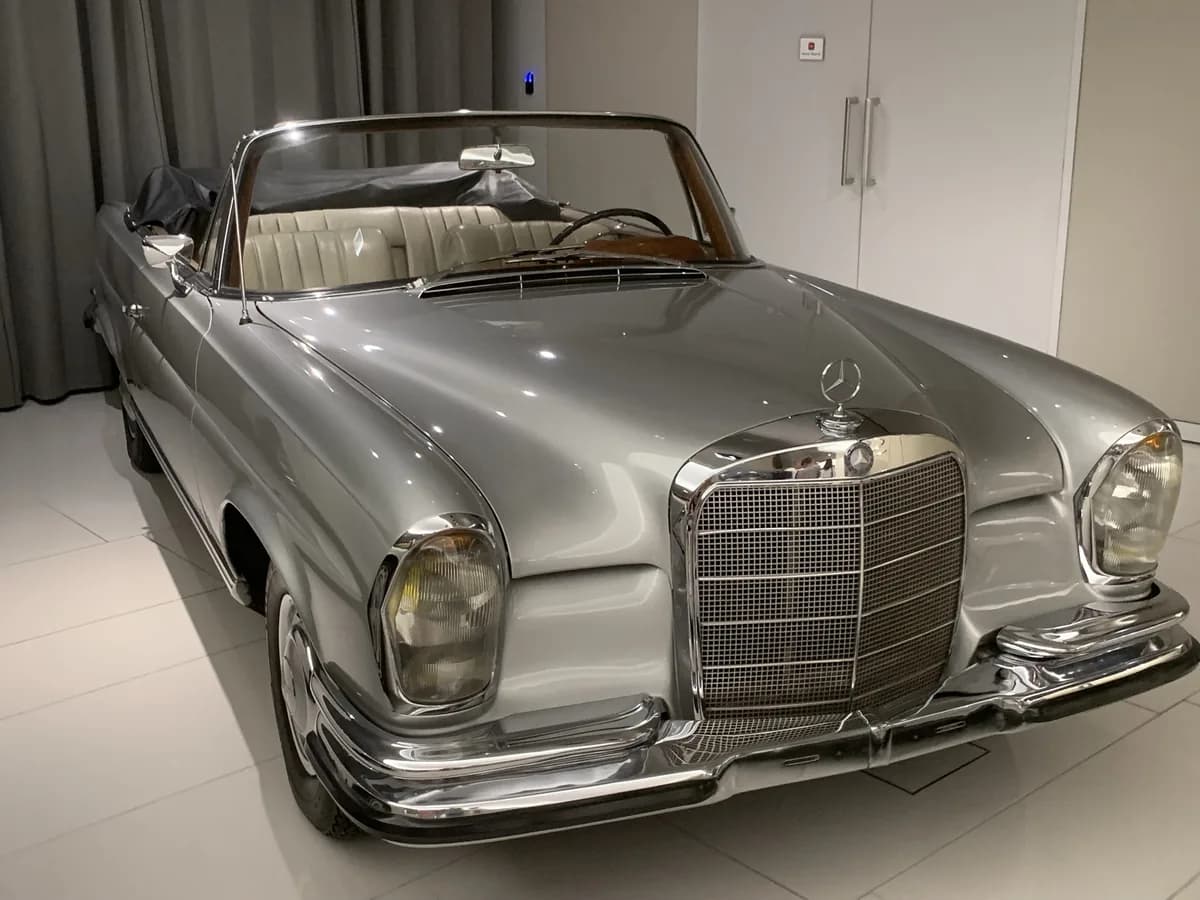
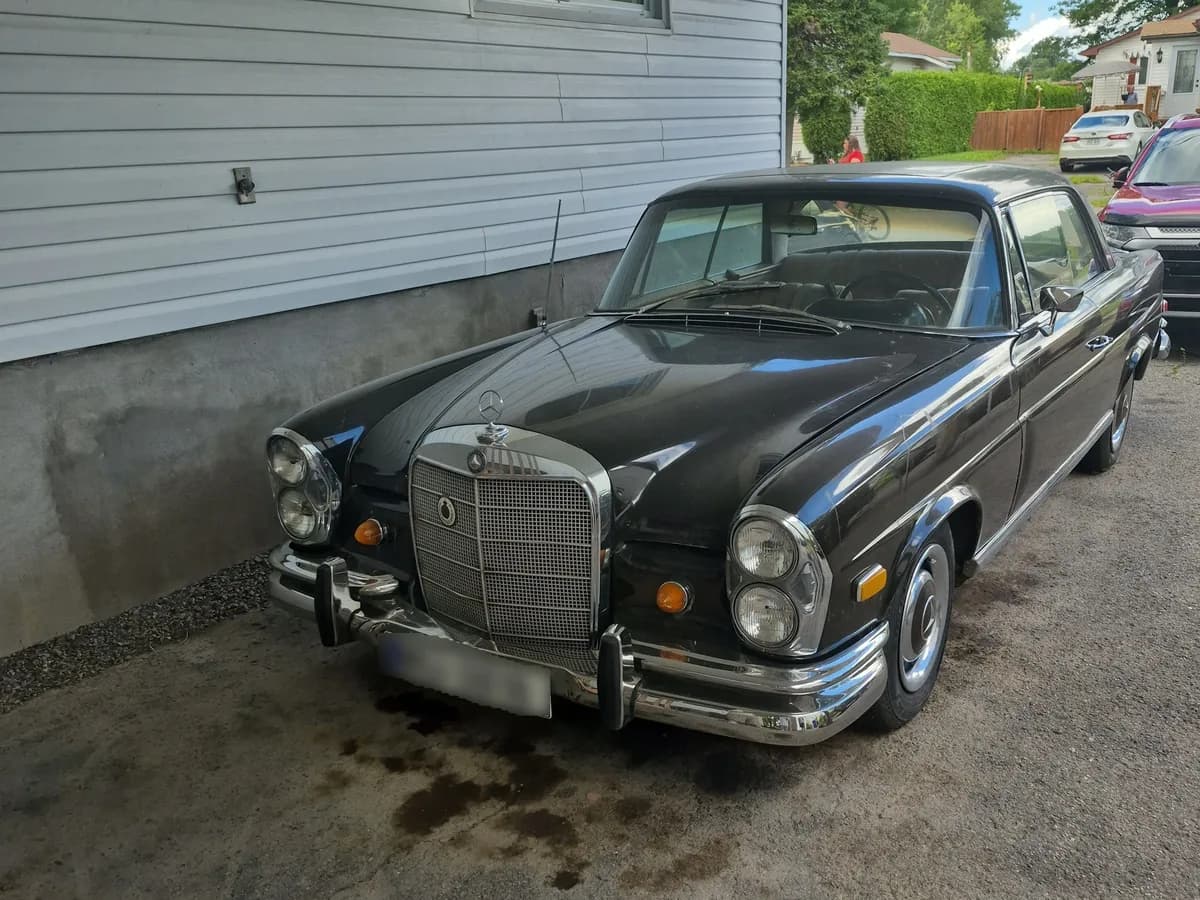
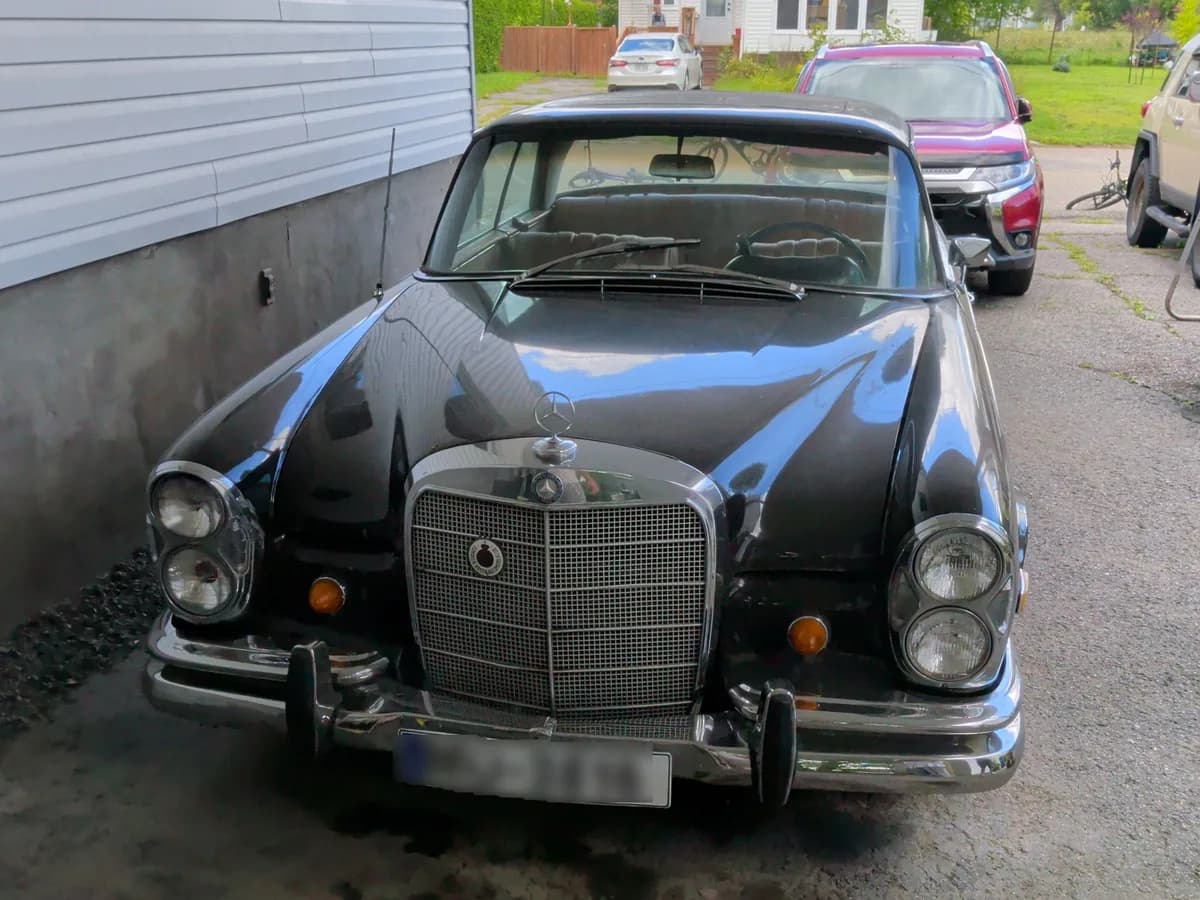
Mercedes-Benz S-Klasse photos
Model summary
Data from the ScanRacer library, organized to compare versions quickly.
Model introduction
The Mercedes-Benz S-Klasse is the German marque’s flagship luxury car, officially called the S-Class since the launch of the 116 series in 1972. Its direct ancestry reaches back to the Type 220 of 1951, followed by the 220 S and 220 SE in the 1950s. Across successive generations, the model has acted as a showcase for Mercedes-Benz developments in safety, comfort, powertrain engineering and electronics. The 1959 W111 introduced a production body with energy-absorbing crumple zones, while the W116 brought production ABS to the model line from 1978. Later generations added features such as the driver airbag, ESP, electronically controlled suspension, collision-prevention systems and advanced digital interfaces. Within the ScanRacer catalogue, the family spans 1959 to 2026 and includes sedan, coupé, cabriolet, Pullman and Maybach variants.
History
The S-Class lineage begins in the post-war period with the 1951 Type 220 W187. In 1954, the 220 W180 adopted a self-supporting “Ponton” body, while the 1956 220 S established the letter S in the nomenclature of Mercedes-Benz’s upper-class cars. The 1959 W111 represented a major technical change, combining a rigid passenger cell with energy-absorbing front and rear sections. In 1961, the 300 SE W112 added air suspension and a long-wheelbase format designed to improve rear-seat comfort. The 108 and 109 series replaced it from 1965, followed by the 300 SEL 6.3 in 1968, which combined limousine comfort with performance normally associated with sports cars. The 116 series, introduced in 1972, was the first to officially carry the S-Class name. It brought a broad package of safety measures and introduced the 300 SD turbodiesel in North America. In 1978, ABS became available in the S-Class. The 1979 W126 continued the development with a more aerodynamic body and, from 1981, a driver airbag paired with a seat-belt tensioner. The W140, W220, W221 and W222 subsequently expanded acoustic refinement, onboard electronics, driver assistance and hybrid technology. The current generation continues that approach through extensive software integration and a major update unveiled in January 2026.
Generations
The early family is represented by the Type 220 W187 and W180, the 220 S and 220 SE, and then the W111 and W112 introduced from 1959. The W108 and W109 followed from 1965 and are particularly useful identifiers because of their suspension differences: conventional steel springs on the former and air suspension on selected versions of the latter. The 1972 116 series introduced the official S-Class name and can be identified by its integrated safety features, large headlamps and ribbed rear lights. The 1979 W126 adopted plastic bumpers and a cleaner, more aerodynamic shape. The W140, launched in 1991, emphasised large dimensions, double glazing and V12 power. The 1998 W220 moved toward a more understated appearance and introduced equipment such as AIRMATIC, COMAND and DISTRONIC. The 2005 W221 placed greater emphasis on electronic assistance systems and offered hybrid power in the S 400 HYBRID. The W222, introduced in 2013, made extensive use of LED lighting and grouped its assistance technologies under the Intelligent Drive name. The current generation, launched in 2020, is identified by MBUX, extensive digital functions and advanced comfort and safety systems. The extensively revised model presented in 2026 remains part of this generation.
Key differences
The main differences between versions concern body style and wheelbase. The sedan is the core format, commonly offered with either a standard or long wheelbase depending on the market and period. Coupé and cabriolet models follow the same luxury-car philosophy but place greater emphasis on personal use and styling rather than rear-passenger accommodation. Pullman versions add length and a cabin layout intended for formal or representative transport, while Mercedes-Maybach S-Class models provide a more exclusive interpretation of the sedan, with a higher emphasis on finish and rear-seat comfort. Mechanical differences vary substantially by year, market and model series. A badge such as 300, 500 or 600 therefore does not represent one fixed specification across the entire history of the car. The same applies to safety equipment, air suspension, all-wheel drive and infotainment systems, which appeared progressively. Comparisons are most reliable when made within a single generation and for a specific model year. Equipment availability may also differ between European, North American and other markets.
Photo recognition
When identifying an older S-Class, begin with the body shape and exterior details rather than relying only on the badge. The 1959–1965 W111 models have the rear-edged “fintail” design that gave them their nickname. The W108 and W109 feature a more formal shape, large glass areas and a traditional Mercedes grille; air suspension cannot be confirmed from a photograph alone. The W116 is identifiable by its wrapped bumpers, broad horizontal headlamps and ribbed rear lights. The W126 uses synthetic bumpers and a smoother, more aerodynamic profile. The W140 is visibly larger and more upright, with thick-looking glass and substantial proportions. The W220 appears lighter and more rounded, while the W221 has more expressive headlamps and a technology-focused dashboard. The W222 uses LED lighting and a more sculpted body. Recent models are marked by a large central display, flush door handles and distinctive light signatures. For a precise identification, record the internal series code, body style, wheelbase and model year. Market-specific trim and lighting differences can otherwise make two visually similar cars appear to belong to different versions.
Important versions
The sedan remains the defining S-Class body style, especially in long-wheelbase forms designed around rear-seat passengers. Coupé and cabriolet models occupy a more personal position in the historic range, using two-door bodies and a generally more formal presentation. Pullman versions extend the tradition of representative limousines; Mercedes-Benz introduced them in the 140 series from 1996. Modern Mercedes-Maybach Sedan models place even greater emphasis on rear-seat comfort, customisation and exclusivity. Historically significant versions also include the 300 SEL 6.3, 450 SEL 6.9, 560 SEL and V12-powered 600 models. Together, they show how the S-Class range has balanced refinement, long-distance comfort and high performance across different generations.
The name “S-Klasse” follows Mercedes-Benz naming, with its rules and its exceptions. Decode a Mercedes-Benz name
Technical specifications
Structured data available for versions linked to this model.
| Version | Power | Torque | Top speed | Drivetrain | Fuel |
|---|---|---|---|---|---|
| — | 496 hp | — | — | 4MATIC all-wheel drive / 9-speed automatic | — |
Frequently asked questions
- What years was the Mercedes-Benz S-Klasse produced?
- ScanRacer's referenced versions cover 1959 - 2026.
- How many Mercedes-Benz S-Klasse examples are documented on ScanRacer?
- 36 published scans from 30 members, with the latest photo added in October 2026.
- What is the power output of the Mercedes-Benz S-Klasse?
- The sourced technical data lists 496 hp.
What about the car you photographed?
Upload a photo to get a suggested make, model and likely year.
No account needed for the result · Publish only if you choose