Mercedes-Benz S-Klasse 2005
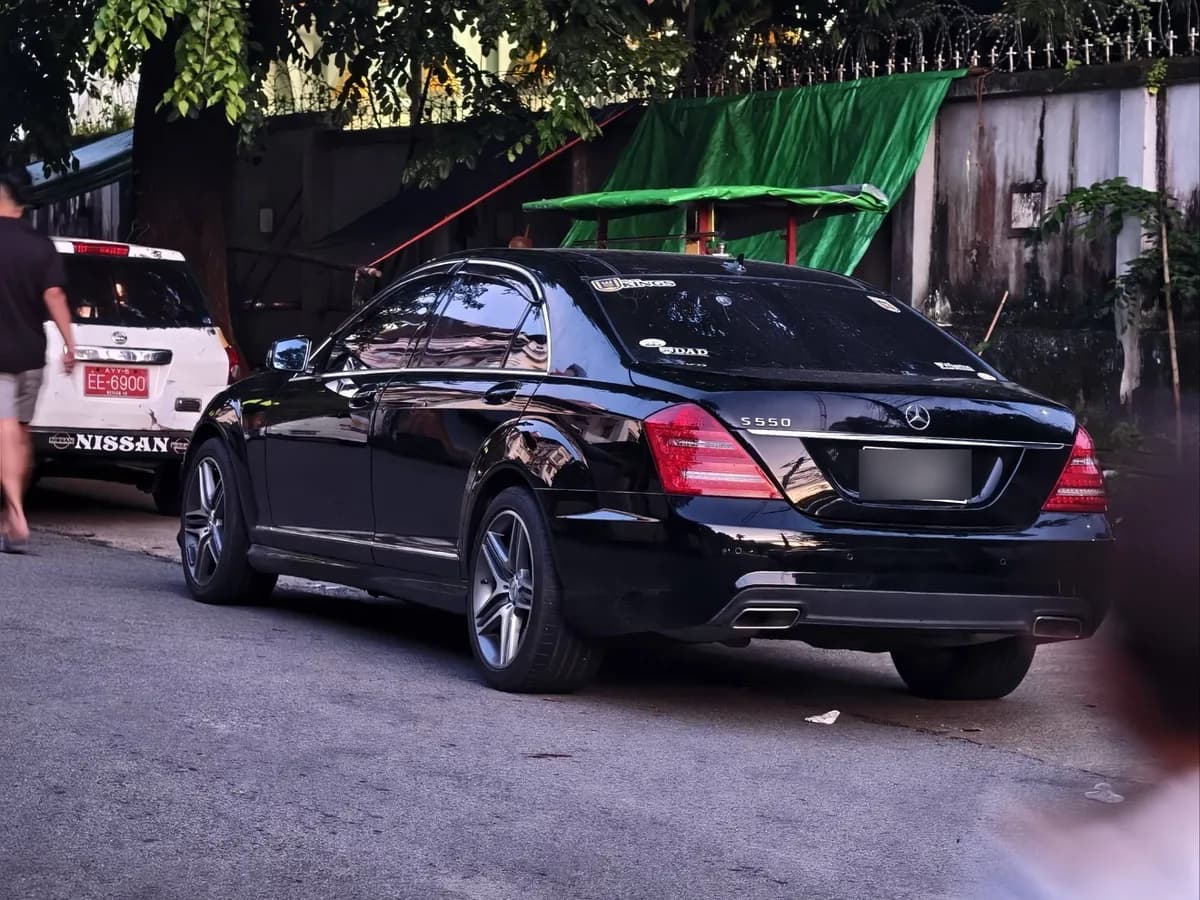
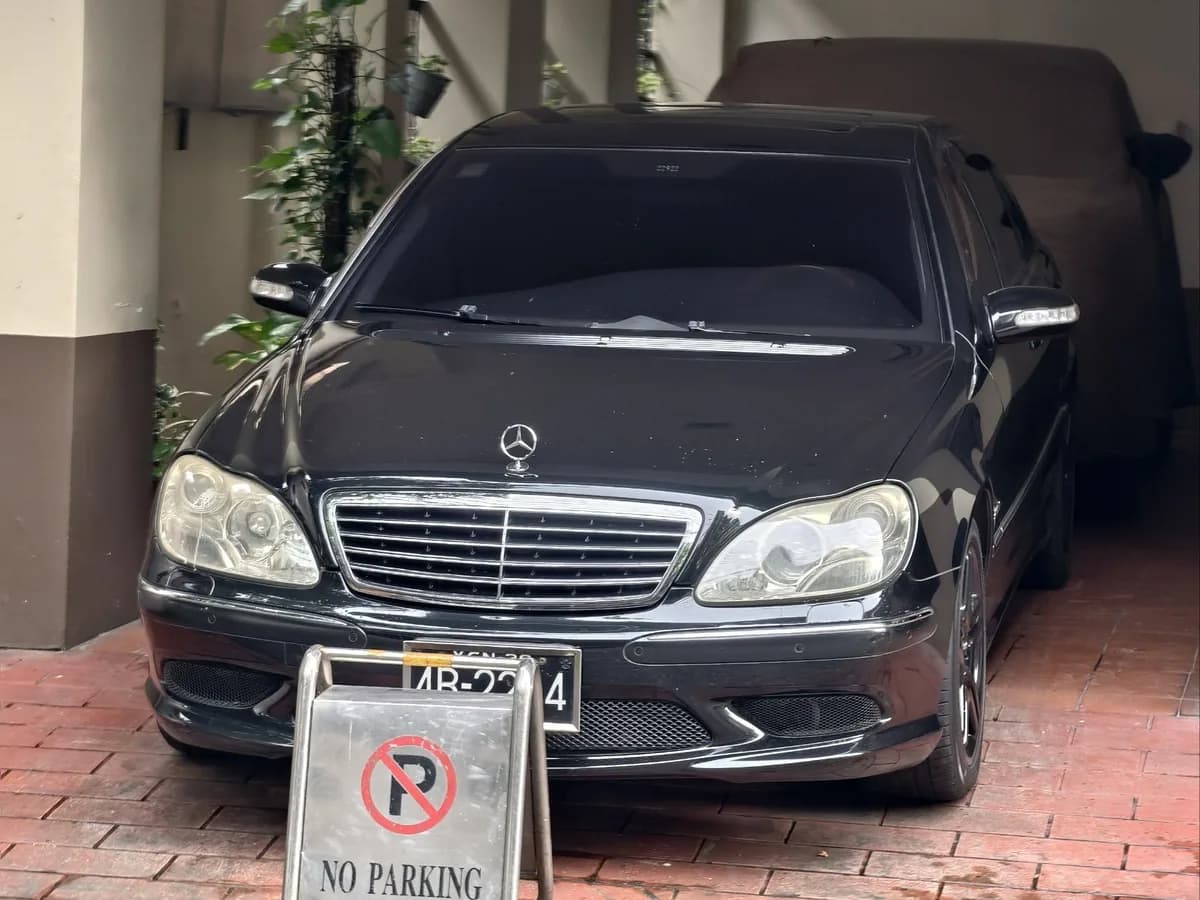
The 2005 Mercedes-Benz S-Class belongs to the W220 series, the fourth generation of the brand’s flagship luxury saloon. Introduced publicly in 1998, it replaced the W140 with a slimmer design while retaining the long-distance comfort and technology expected from an S-Class. The 2005 model year represents the final stage of this generation, following the 2003 facelift. Depending on the market, the range included petrol V8 and V12 models, different wheelbase configurations, and four-wheel drive on selected versions. “Base” does not identify one universal engine or specification worldwide; equipment, powertrains, and model names differed between markets. The most reliable description is therefore a late W220 S-Class sedan, with exact details dependent on regional configuration.
History
The W220 was unveiled at the Paris Motor Show in September 1998 and gradually replaced the W140 series. Mercedes-Benz aimed to preserve the status of the S-Class while presenting it in a visually lighter and more aerodynamic body. The generation was offered with standard and long wheelbases as a saloon, while the related coupe was separated into its own model line as the C215 CL-Class.
The W220 placed strong emphasis on AIRMATIC air suspension, electronic chassis management, and extensive comfort equipment. The COMAND system brought navigation, telephone, and audio functions together through a central interface. A major facelift for 2003 revised the exterior and interior, upgraded cabin materials, and introduced several technical changes. It also brought PRE-SAFE, a system designed to prepare selected occupant-protection functions when a collision appeared imminent. For 2005, the S-Class retained this updated architecture. In the United States, heated front seats became standard across the range, while 4MATIC remained available on the S430 and S500.
Latest scans
Photos added by the community for this page.
Anecdotes
The W220 is closely associated with PRE-SAFE, which Mercedes-Benz described as the first accident-predictive vehicle preparation system. The generation also helped bring several advanced features into the luxury-saloon mainstream, including DVD navigation, centralized electronic controls, and a seven-speed automatic transmission on selected versions. These developments explain why the early-2000s S-Class remains strongly linked with the rapid expansion of automotive electronics and preventive safety technology.
Production
The W220 series was produced from the late 1990s until 2005, when it was replaced by the W221 generation. Specialist reference sources report total production of 484,683 W220 saloons across the complete run. This figure applies to the entire series, not to a “Base” trim or to the 2005 model year alone. It includes different engines, standard- and long-wheelbase bodies, and vehicles built for multiple markets.
A separate production total for the configuration represented by the “Base” label is not established by the sources consulted. The final model year should therefore not be mistaken for the entire production period. Most W220 vehicles were built during the preceding years, with 2005 representing the closing stage of the generation rather than a standalone limited-production edition.
Press reception
Contemporary automotive reviews generally praised the W220 for its quiet ride, spacious cabin, stability, and impressive equipment list. Testers also appreciated the comfort of its air suspension and the effortless performance of the V8 and V12 engines. Criticism focused on the complicated COMAND interface, handling that favored isolation over agility, and a high purchase price compared with less expensive competitors.
Later assessments are more qualified. Established automotive publications describe the W220 as an ambitious technology showcase, while also noting that its extensive electronic and suspension systems could make long-term ownership expensive. Its reputation therefore depends on the period being considered: an advanced and highly comfortable flagship when new, but a complex used luxury car that requires careful maintenance and a well-documented service history.
Evolution
By 2005, the W220 S-Class was no longer new, but it benefited from the improvements introduced during the 2003 facelift. Its exterior remained restrained, with an arched roofline, a broad chrome grille, and the ribbed taillamp treatment associated with Mercedes-Benz. The main development was found in electronics, safety, and comfort systems rather than in a completely new body design.
The United States-market range shows this progression clearly. Rear-wheel-drive S430 and S500 models used a seven-speed automatic transmission, while versions equipped with 4MATIC used a five-speed automatic. The 2005 sales guide also lists DVD-based navigation, a revised COMAND interface, and Bose digital surround sound. European specifications could differ, particularly in engine availability, trim structure, and equipment. “Base” should therefore be interpreted as a generic library label rather than a globally standardized factory trim.
Variants
References
- 2005 S-Class Sales Presentation GuideMercedes-Benz USA
Supports the 2005 U.S. model range, 2005 changes, engine data for S430/S500/S55 AMG/S600, transmission options, drivetrain information, dimensions, and equipment.
- Modellgeschichte und Technik W 220 / C 215Mercedes-Benz S-Klasse Club e.V.
Supports the W220 introduction at the 1998 Paris Motor Show, its relationship with the W140, and the generation’s historical positioning.
- The Complicated Legacy of the Mercedes-Benz W220 S-ClassCar and Driver
Supports the 1998–2005 production period and the mixed historical assessment of the W220’s advanced technology.
- 2005 Mercedes-Benz S-Class: Specs, Prices, MPG, Reviews & PhotosCars.com
Supports contemporary press observations concerning comfort, stability, refinement, handling character, and the 2005 S430 4MATIC test vehicle.
- Waarom de Mercedes S-klasse W220 een hoogtepunt was van autojaar 1998AutoWeek
Supports the reported total production of 484,693 W220 vehicles and the later discussion of the generation’s reputation and ownership complexity.
- https://de.wikipedia.org/wiki/Mercedes-Benz_S-Klassede.wikipedia.org
Source found by OpenAI web search for this vehicle page.
- https://mb-france.mercedes-benz-clubs.com/wp-content/uploads/sites/21/2020/09/PI_S-Klasse_Historie_2020.pdfmb-france.mercedes-benz-clubs.com
Source found by OpenAI web search for this vehicle page.