
C-Klasse
The Mercedes-Benz C-Klasse traces its roots to the W201 190, introduced in 1982 as Mercedes-Benz’s first modern compact model. The C-Klasse name arrived in 1993 with the W202 generation, which officially replaced the 190 while retaining a front-engine, rear-wheel-drive layout. Across five generations, the range expanded from the traditional sedan to Wagon, Coupé, Cabriolet and All-Terrain body styles. AMG performance versions also became an important part of the story, from the W202 C 36 and C 43 to the C 63 models that followed. Over time, the C-Klasse gained increasingly sophisticated electronics, driver-assistance systems and electrified powertrains. The current W206 generation was introduced in 2021, continuing the model’s role as Mercedes-Benz’s compact executive car.
What about the car you photographed?
Upload a photo to get a suggested make, model and likely year.
No account needed for the result · Publish only if you choose
Variants by year
Make: Mercedes-Benz · Model: C-Klasse
19 / 19 versions shown
2026
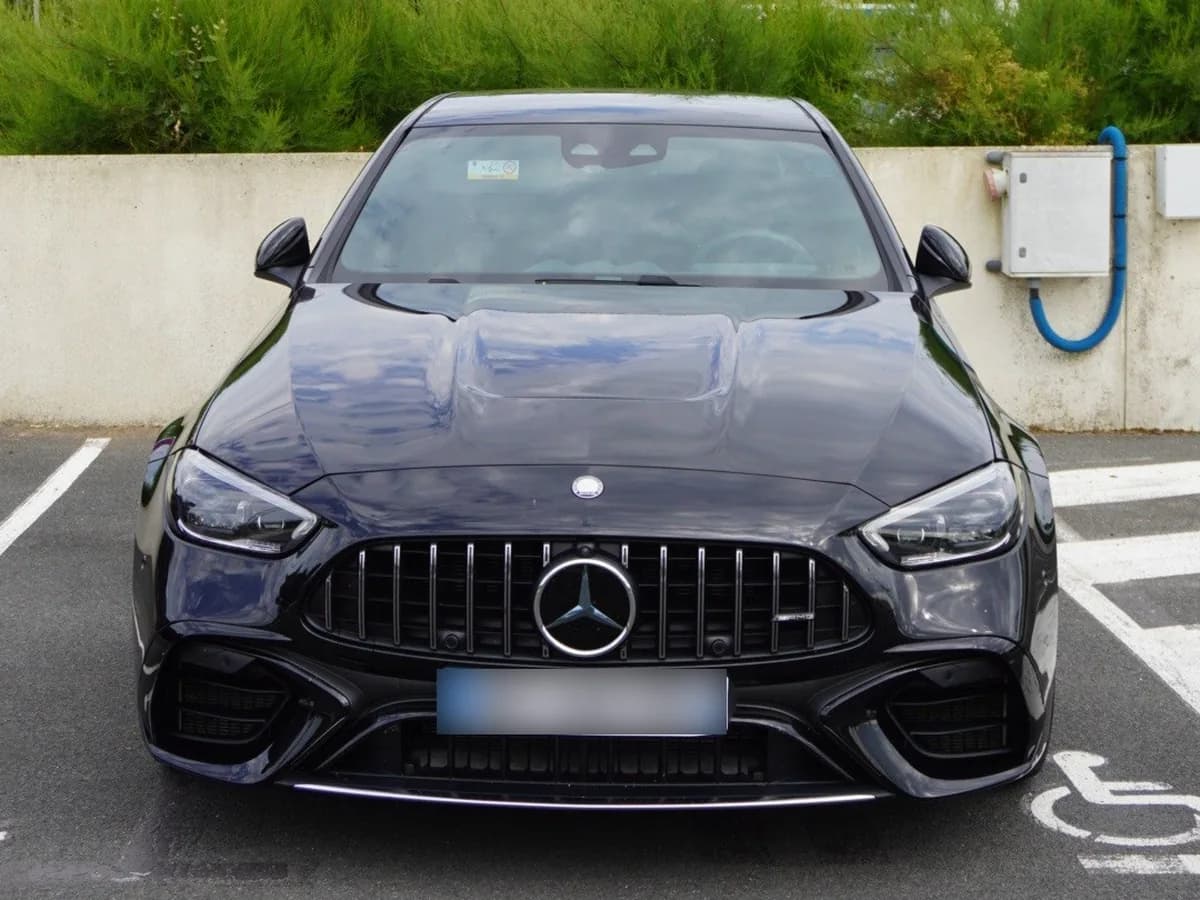
2021
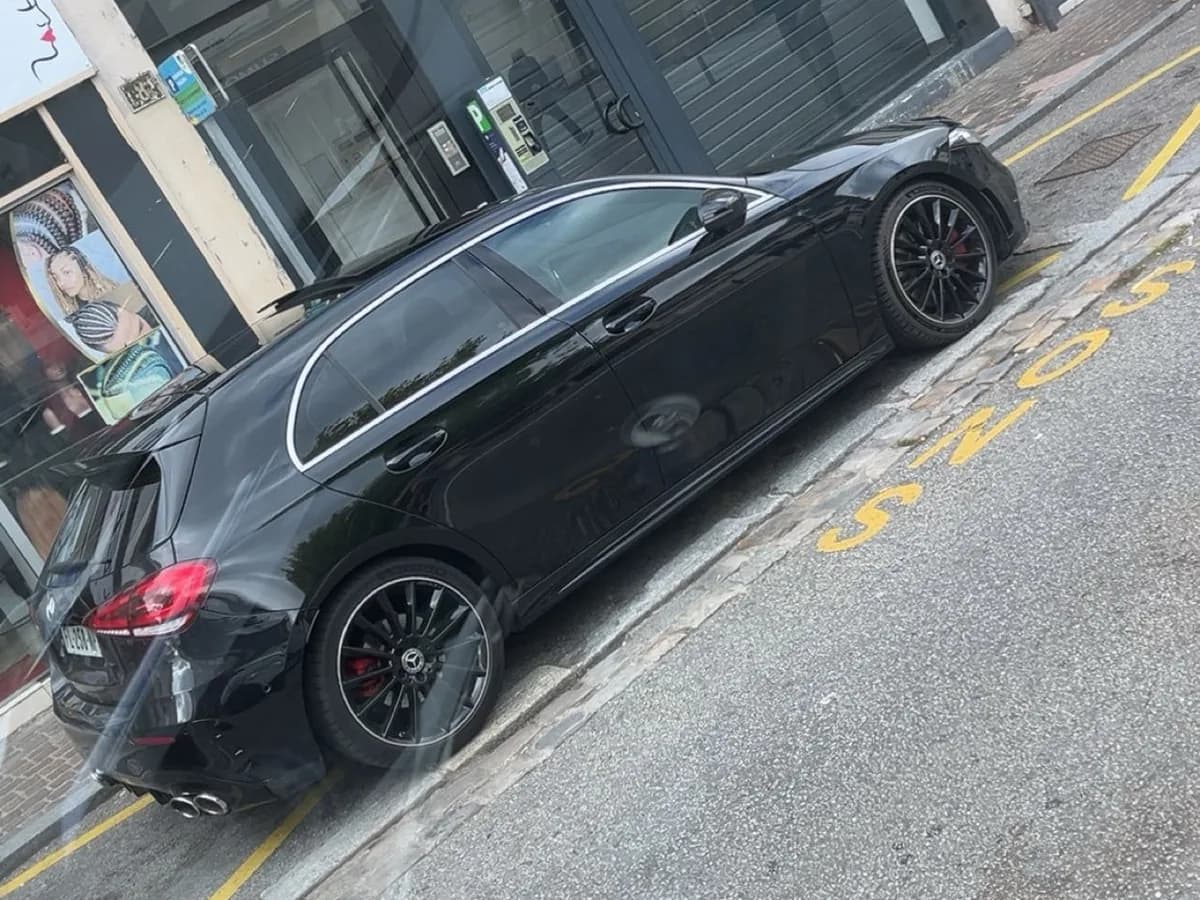
2018

2016
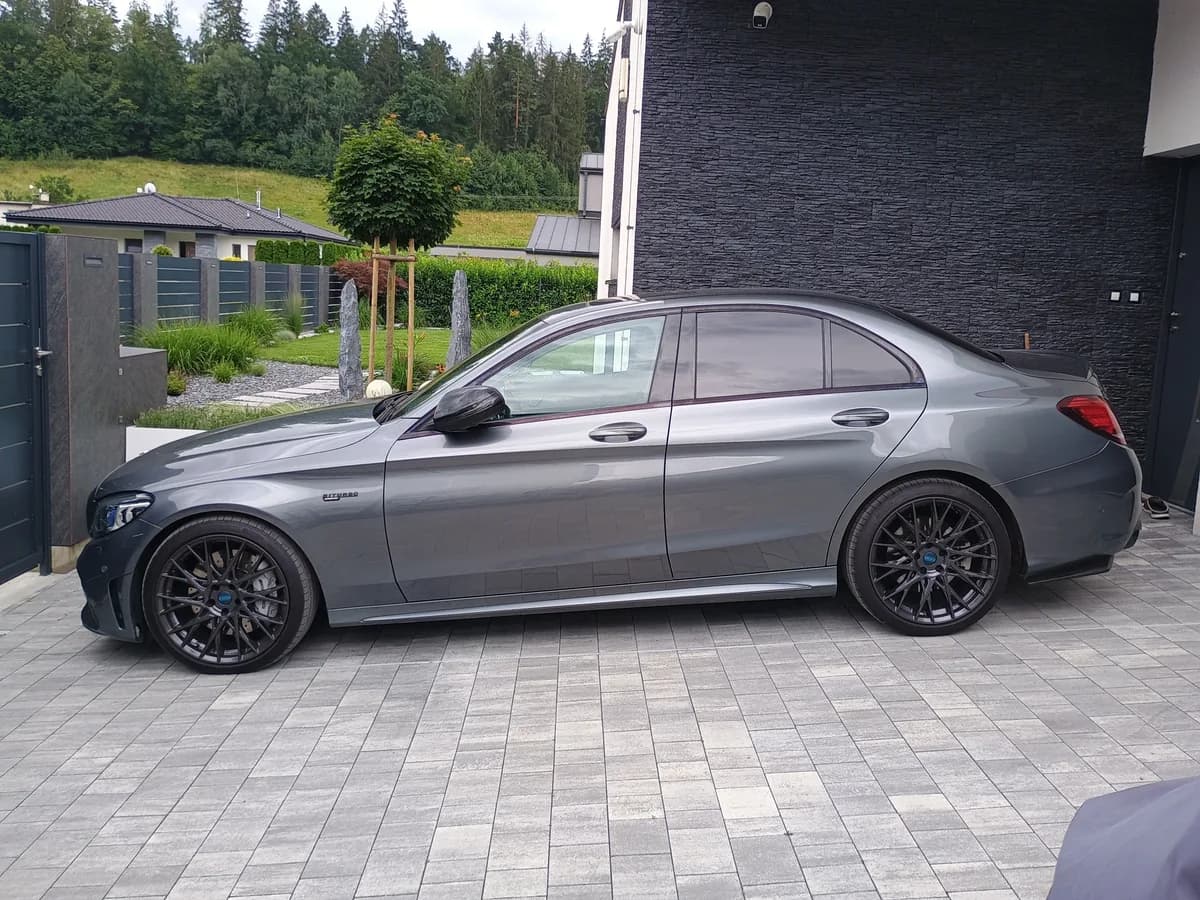
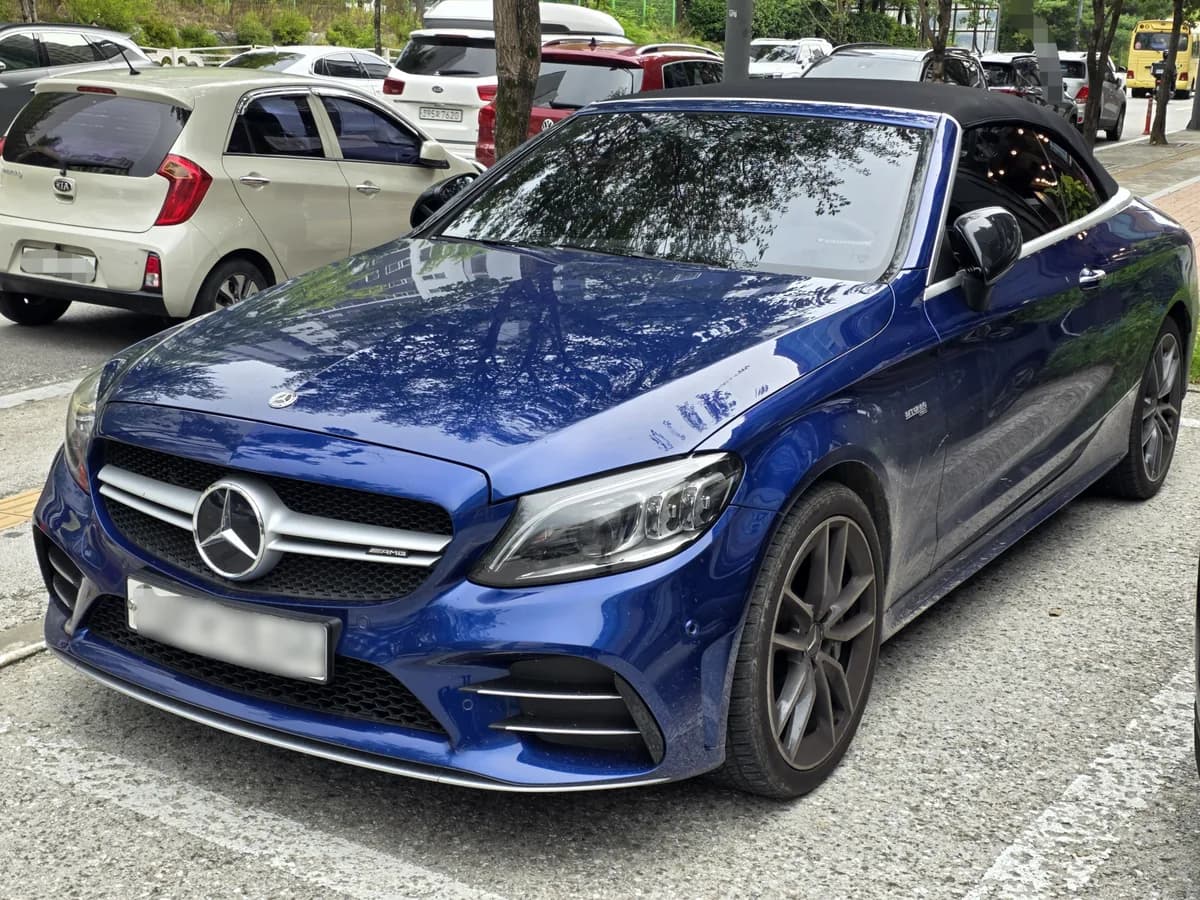
2015
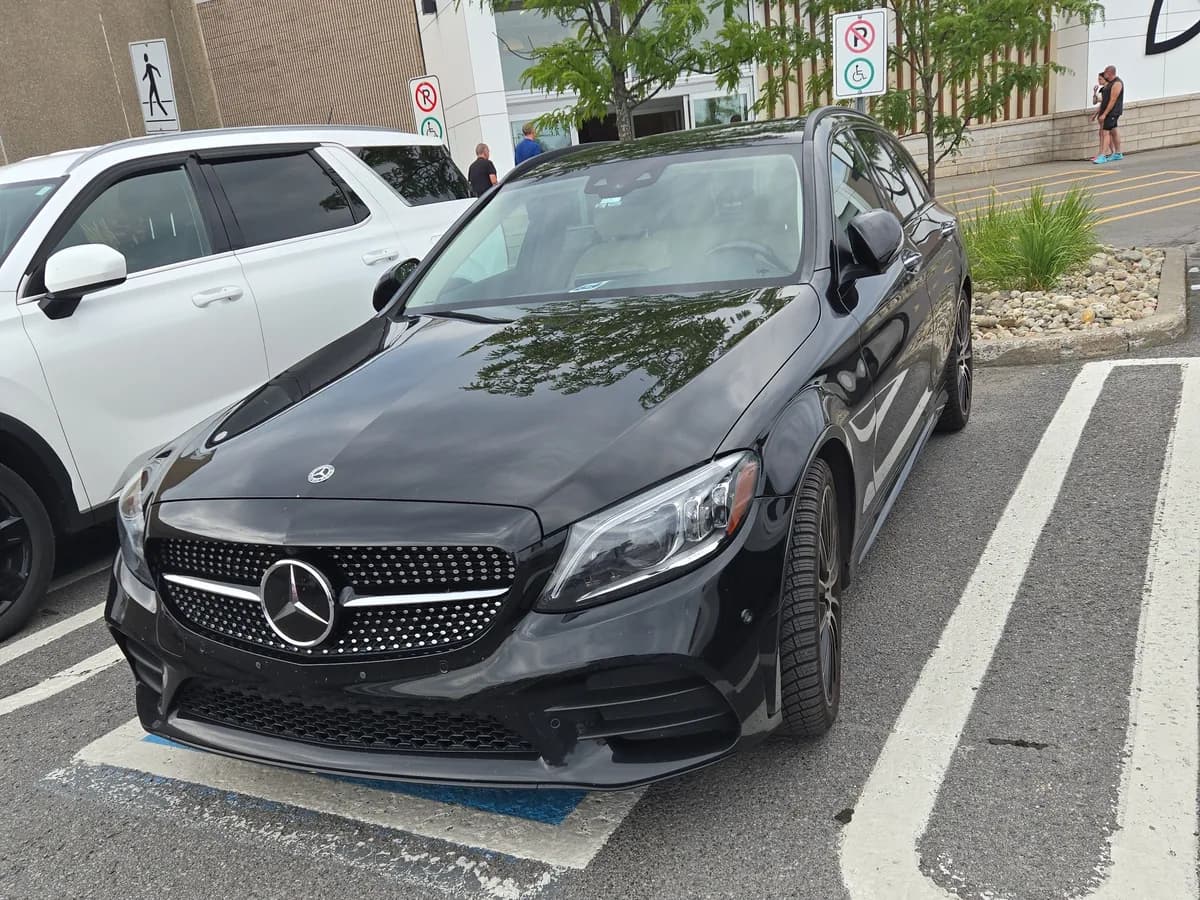
2014
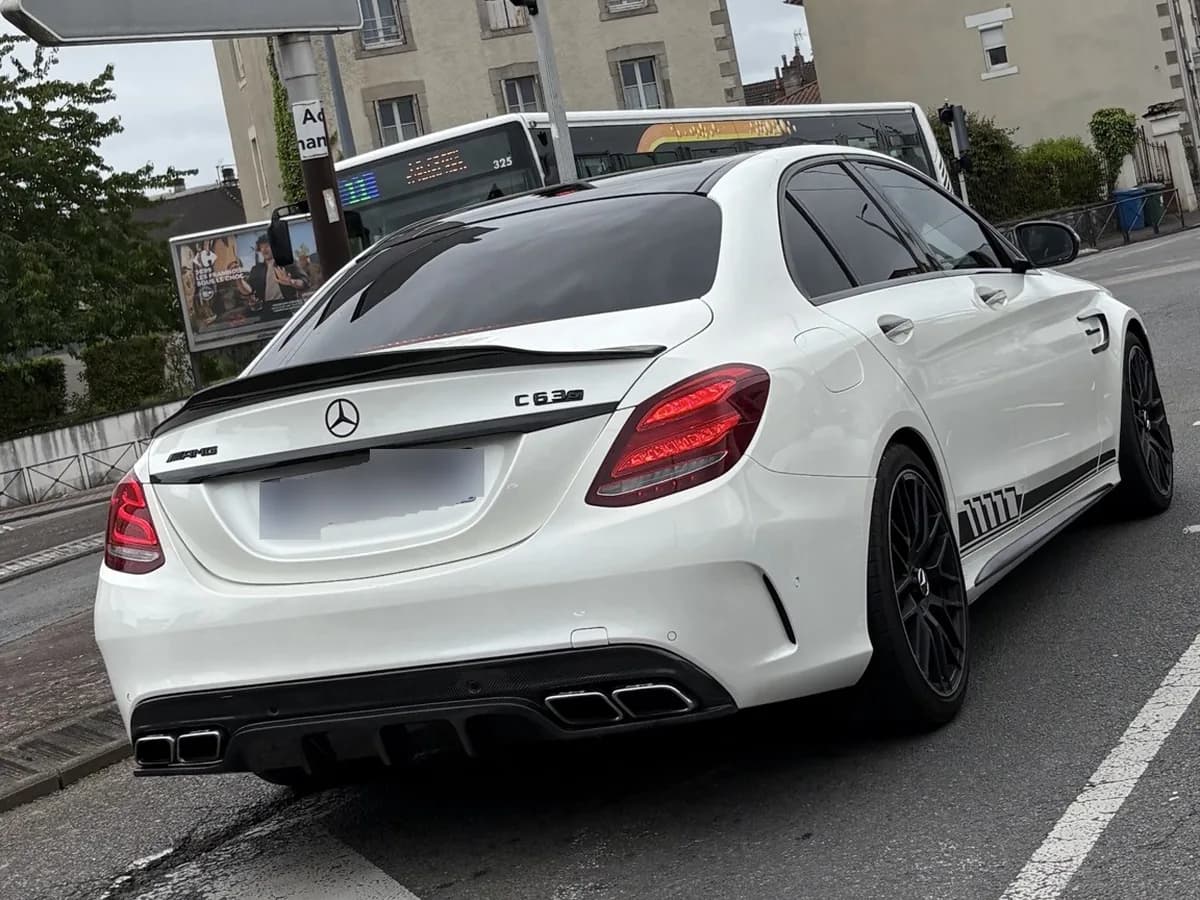

2011
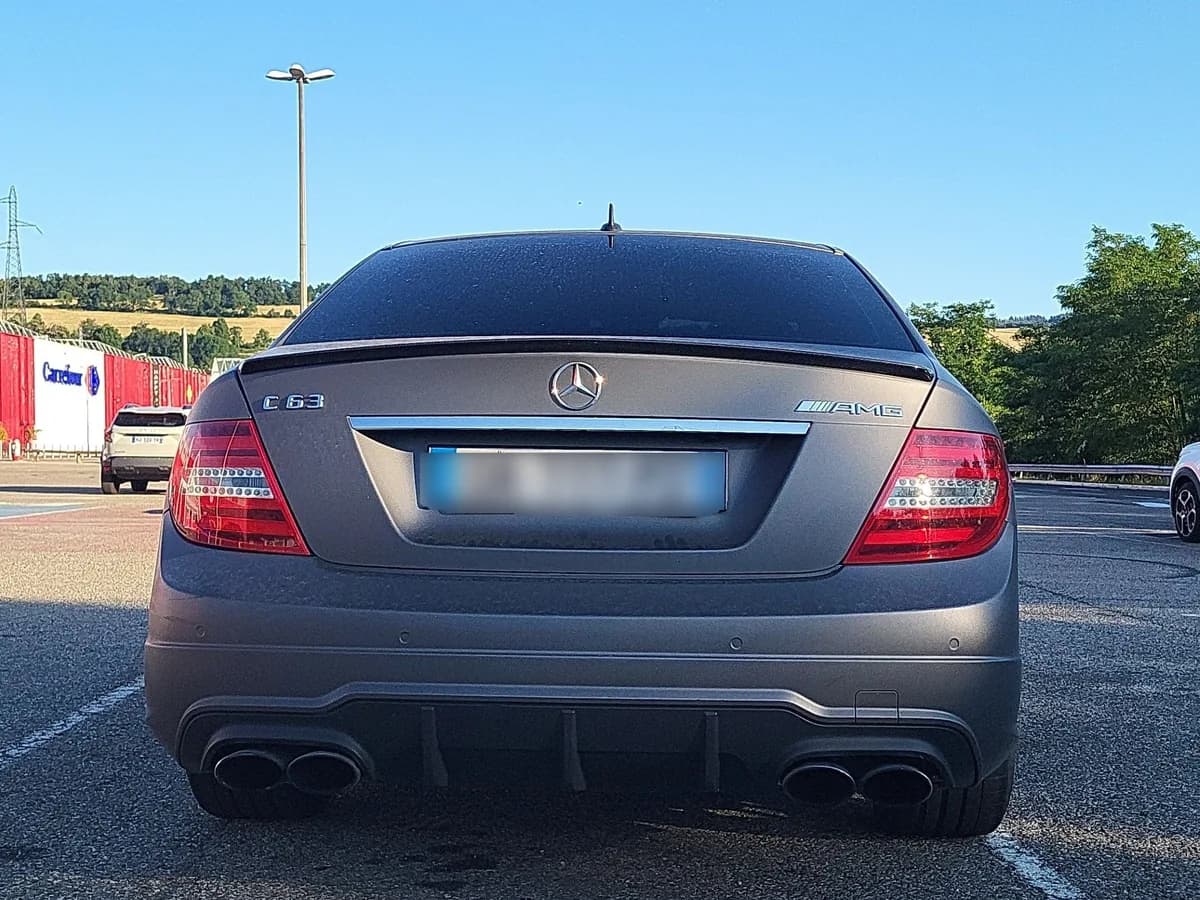
2007
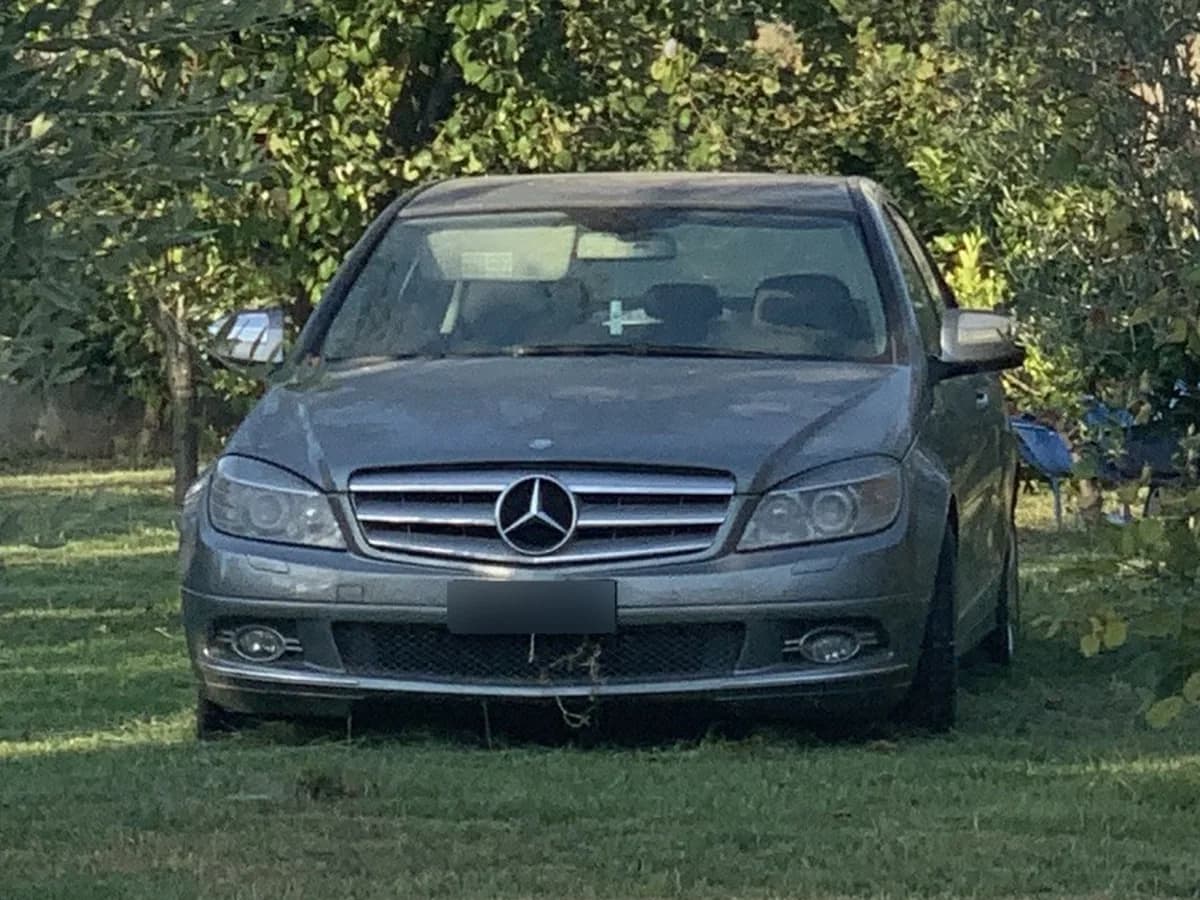

2001
2000
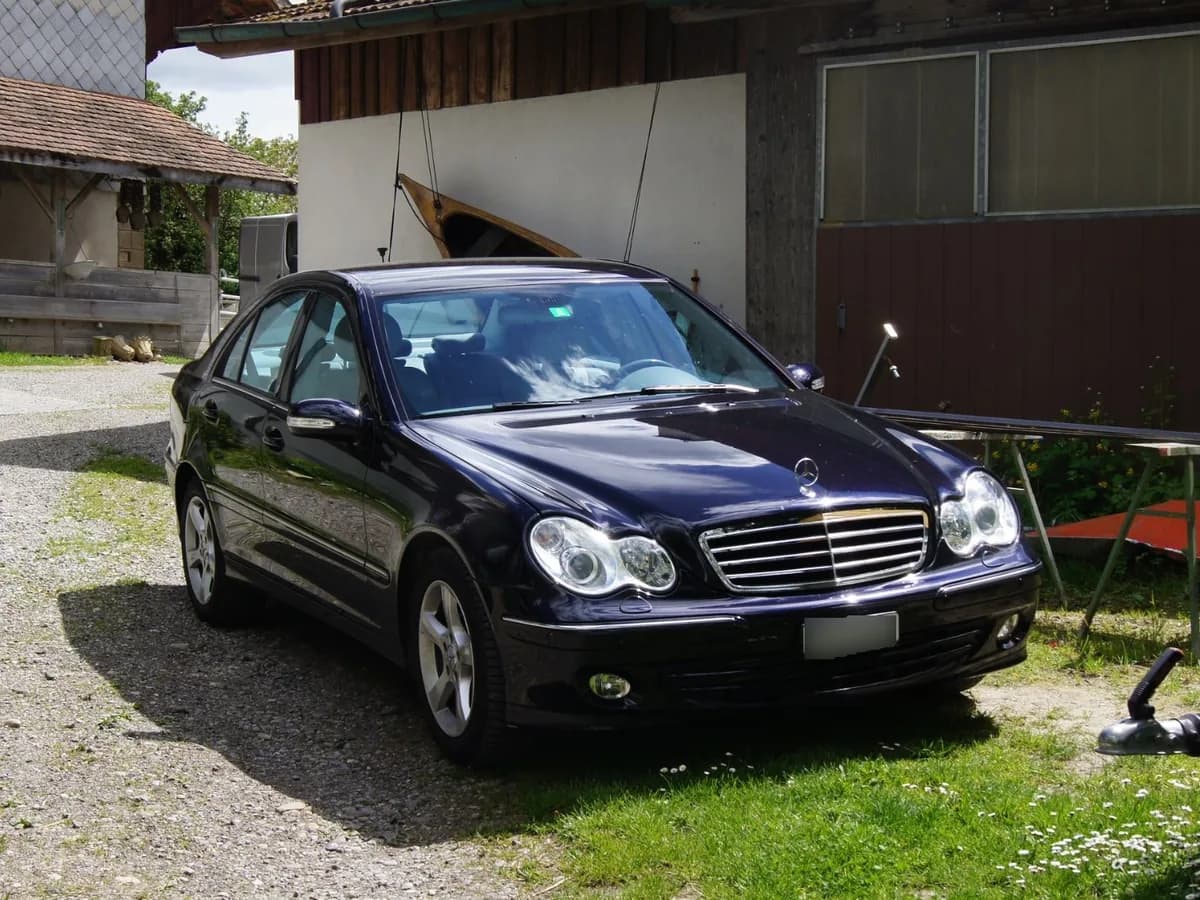
1996
1993
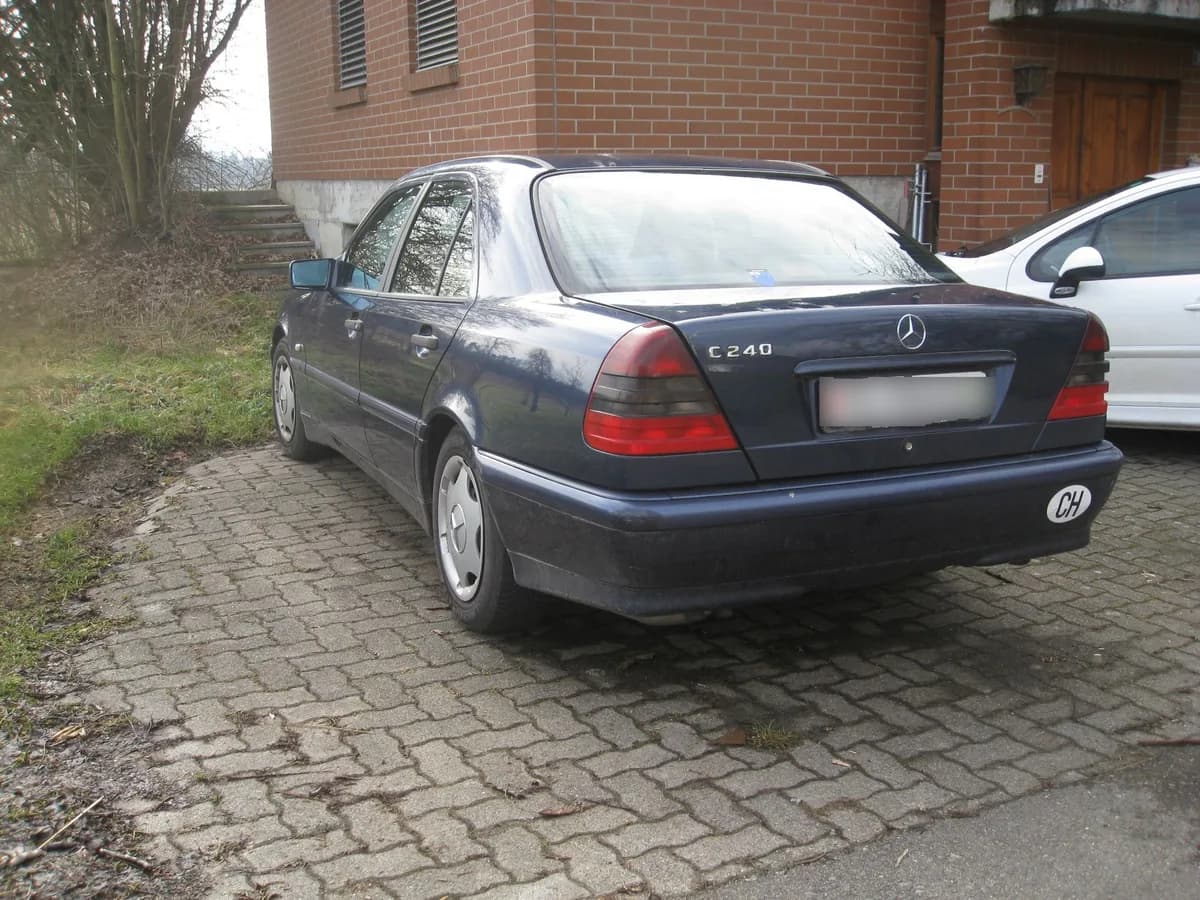
1982
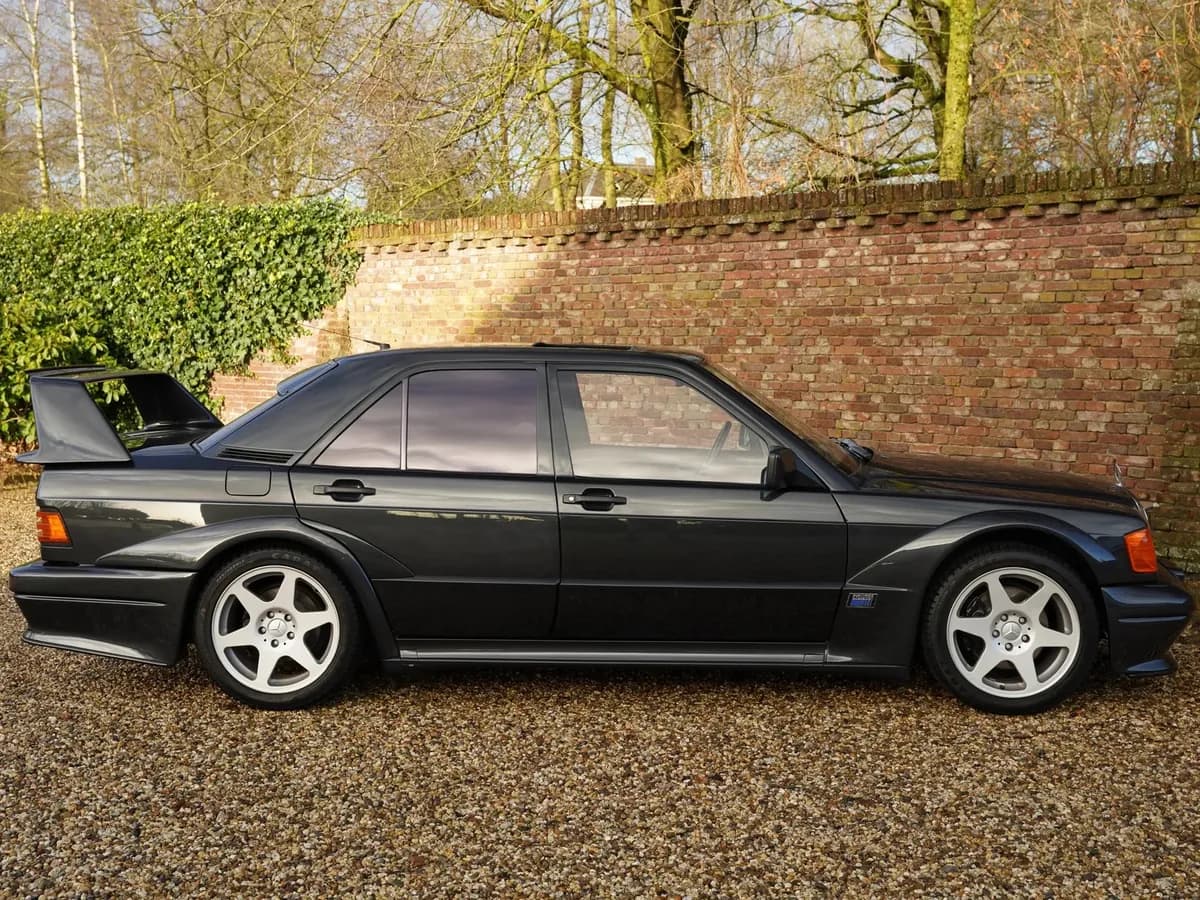
Mercedes-Benz C-Klasse photos
Model summary
Data from the ScanRacer library, organized to compare versions quickly.
Model introduction
The Mercedes-Benz C-Klasse traces its roots to the W201 190, introduced in 1982 as Mercedes-Benz’s first modern compact model. The C-Klasse name arrived in 1993 with the W202 generation, which officially replaced the 190 while retaining a front-engine, rear-wheel-drive layout. Across five generations, the range expanded from the traditional sedan to Wagon, Coupé, Cabriolet and All-Terrain body styles. AMG performance versions also became an important part of the story, from the W202 C 36 and C 43 to the C 63 models that followed. Over time, the C-Klasse gained increasingly sophisticated electronics, driver-assistance systems and electrified powertrains. The current W206 generation was introduced in 2021, continuing the model’s role as Mercedes-Benz’s compact executive car.
History
The first chapter in the C-Klasse story is the W201 series, sold as the 190 and 190 E from 1982. Mercedes-Benz positioned it below its larger sedans and placed strong emphasis on aerodynamics, safety and a sophisticated multi-link rear axle. The 190 E 2.3-16 and later 2.5-16 Evolution II also gave the family a sporting identity through competition use, particularly in the DTM. In May 1993, Mercedes-Benz introduced the C-Klasse name with the new W202 series. The sedan was soon joined by a wagon and a range of AMG derivatives, while engine choices expanded across four-, five-, six- and eight-cylinder layouts depending on market and model year. The W203, launched in 2000, brought rounder styling and introduced body styles such as the Sportcoupé. The W204 arrived in 2007 with a more assertive design and a C 63 AMG powered by a naturally aspirated 6.2-liter V8. Revealed in 2014, the W205 focused more strongly on lower weight, comfort and driver-assistance technology. Since 2021, the W206 has combined styling influenced by larger Mercedes-Benz models with electrification across its engine range.
Generations
The W201, built from 1982 to 1993, is the direct predecessor rather than a C-Klasse carrying that name. This compact sedan is identified by its angular proportions, ribbed horizontal taillights and three-box body. Its design placed particular emphasis on stability, efficiency and passive safety. The W202 is the first official C-Klasse generation, introduced in 1993 and produced through 2000. It brought softer styling, vertically oriented rear lamps and a broader range that included sedan, wagon and AMG models. The W203 appeared in 2000 and continued until 2007. Its key visual cues include twin-element oval headlights and the addition of the Sportcoupé. Introduced in 2007, the W204 returned to sharper surfacing and offered different visual treatments by trim, with the star mounted in the grille on sport-oriented versions. The W205 arrived in 2014 with smoother bodywork, a cabin influenced by larger Mercedes-Benz models and a line-up that included sedan, wagon, coupé and convertible forms. The W206, launched in 2021, can usually be identified by its triangular rear lamps, portrait-oriented central display and electrified powertrains. Exact production and availability dates vary by body style and market.
Key differences
Differences between generations are primarily visual, but they also reflect changing engineering priorities. The W201 is the most compact and traditionally styled, with squared-off bodywork and less integrated equipment. The W202 retained a conventional layout while adding more body styles and performance derivatives. The W203 is identified by its rounder design and greater use of onboard electronics, while the W204 adopted sharper styling and introduced the V8-powered C 63 AMG. The W205 represented a significant step in perceived quality, weight reduction and driver-assistance technology. It was also the first C-Klasse generation to offer a convertible. The W206 is defined by its digital interface, more advanced assistance systems and electrification across the combustion-powered range. Body style also changes the vehicle’s purpose: the sedan emphasizes discretion, the Wagon adds cargo versatility, the Coupé and Cabriolet focus more strongly on sporting image, and the All-Terrain combines wagon practicality with increased ground clearance and standard 4MATIC all-wheel drive.
Photo recognition
To identify a W201 190, look for its very angular proportions, small rear quarter window and ribbed horizontal taillamps. The W202 uses taller rear lamps and smoother body contours. On the W203, the oval twin-element headlights are the clearest visual clue, accompanied by a generally rounded shape. The W204 returned to more sharply defined surfaces. Depending on trim, the Mercedes star is either mounted on the hood or positioned in the center of the grille; AMG versions add wider bumpers and distinctive details. The W205 has a more fluid profile, sculpted sides and horizontal two-part rear lamps. Its coupé and convertible versions have a noticeably lower roofline than the sedan. The W206 can usually be recognized by flush-fitting door handles on selected versions, triangular rear lamps and a large portrait-oriented central display. The All-Terrain adds dark wheel-arch cladding, dedicated bumpers, a specific grille and approximately 40 millimeters of additional ground clearance compared with the conventional T-Modell. These clues are useful, but market-specific equipment and facelift changes can alter individual details.
Important versions
The W201 190 and 190 E form the historical foundation of the family, with the 190 E 2.3-16 and 2.5-16 Evolution II standing out as significant sporting versions. The first official C-Klasse was the W202, whose C 36 AMG and later C 43 AMG established the model line’s performance tradition. The W203 is notable for introducing the Sportcoupé alongside sedan and Wagon body styles. The W204 is closely associated with the C 63 AMG and its naturally aspirated V8. The W205 broadened the family with Coupé and Cabriolet versions, while the W206 added the All-Terrain to the C-Klasse range. Within the supplied scope, the represented variants include Sedan, Wagon, Coupé, Cabriolet, Sportcoupe, All-Terrain and 190 Sedan, each with its own reference-year range.
The name “C-Klasse” follows Mercedes-Benz naming, with its rules and its exceptions. Decode a Mercedes-Benz name
References
- Vor 35 Jahren begründet der Mercedes-Benz W 201 die Geschichte der C-KlasseMercedes-Benz Media
- Die Tradition der Mercedes-Benz C-KlasseMercedes-Benz Media
- Die neue Mercedes-Benz C-Klasse: Limousine und T-ModellMercedes-Benz Media
- https://mb-france.mercedes-benz-clubs.com/wp-content/uploads/sites/21/2021/02/202102-C-Klasse_Historie_PM_eng.pdfmb-france.mercedes-benz-clubs.com
Technical specifications
Structured data available for versions linked to this model.
| Version | Power | Torque | Top speed | Drivetrain | Fuel |
|---|---|---|---|---|---|
| — | 170 à 265 chevaux | — | — | Propulsion ou transmission intégrale (4MATIC) / Boîte automatique à neuf rapports | — |
Frequently asked questions
- What years was the Mercedes-Benz C-Klasse produced?
- ScanRacer's referenced versions cover 1982 - 2026.
- How many Mercedes-Benz C-Klasse examples are documented on ScanRacer?
- 71 published scans from 51 members, with the latest photo added in October 2026.
- What is the power output of the Mercedes-Benz C-Klasse?
- The sourced technical data lists 170 à 265 chevaux.
What about the car you photographed?
Upload a photo to get a suggested make, model and likely year.
No account needed for the result · Publish only if you choose