
BMW
Officially founded on March 7, 1916, BMW is a German manufacturer whose automotive identity developed around engines, motorcycles, sporting sedans, and coupes. After its early work with aircraft engines and motorcycles, the company gained renewed momentum with the 1961 BMW 1500, the central model of the Neue Klasse. That generation established several lasting BMW traits: a dynamic family sedan, a modern four-cylinder engine, and a distinctive design language. The 02 Series, introduced during the 1960s, and the 3 Series in 1975 strengthened that direction. BMW later expanded into luxury sedans, grand touring coupes, roadsters, SUVs, and electric vehicles. The ScanRacer library covers 45 BMW models, 298 variants, and vehicles spanning the period from 1951 to 2026.
Models from A to Z
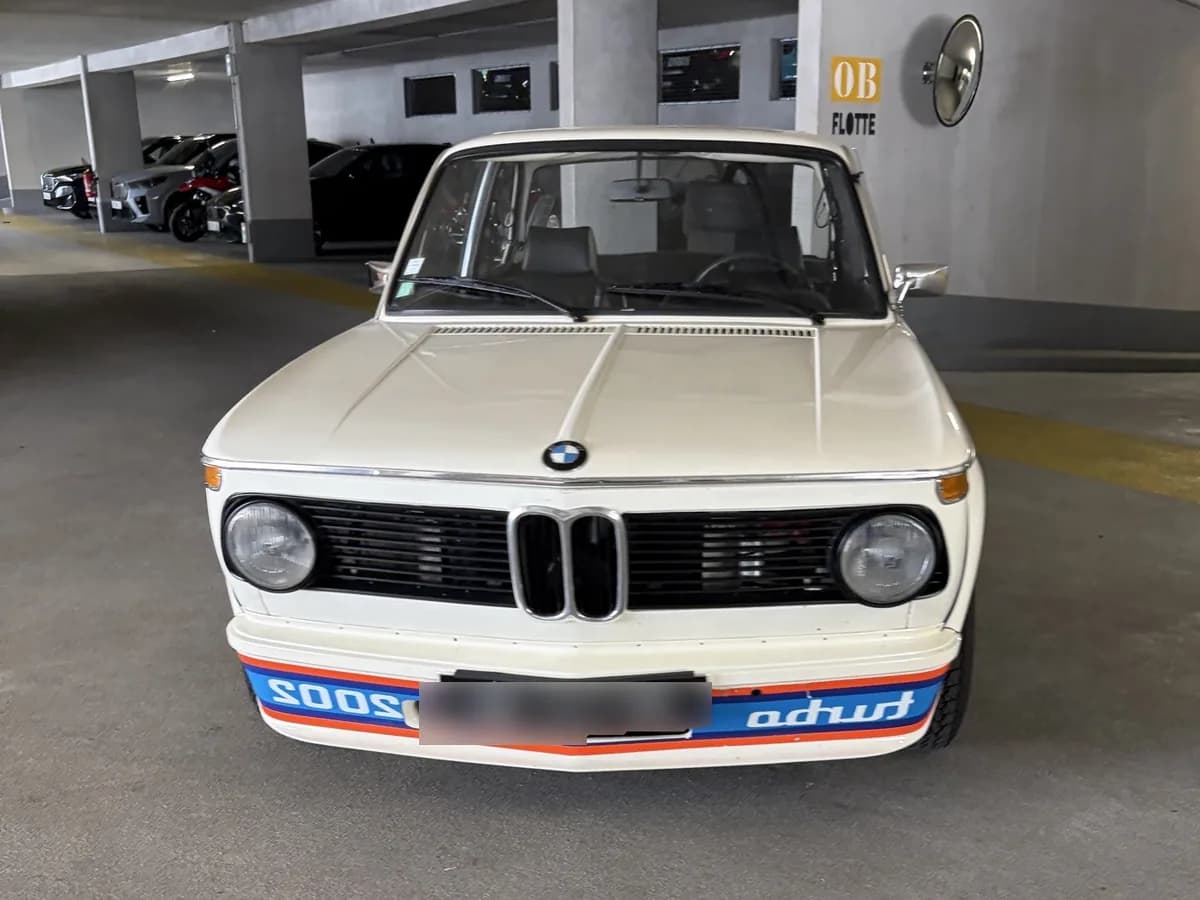
02 Series
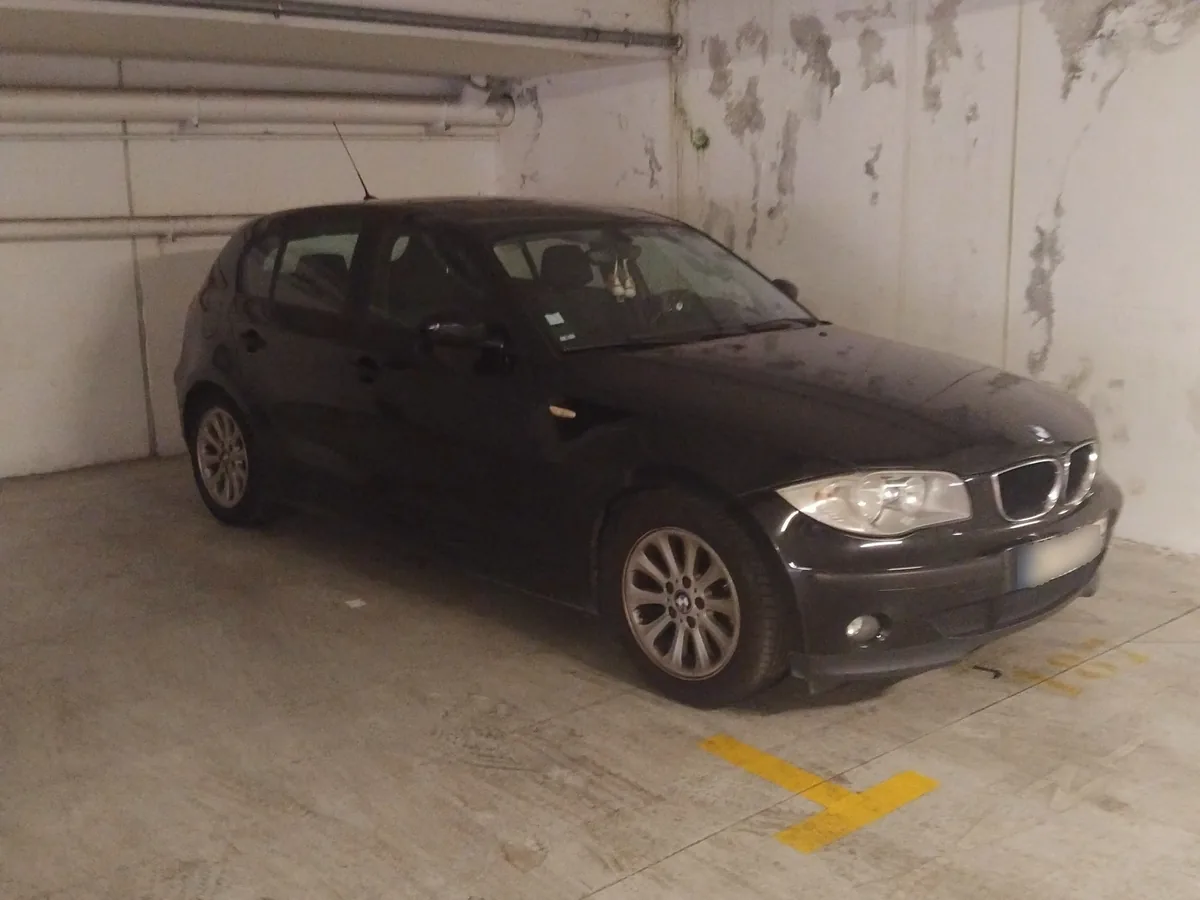
1 Series
1600 GT
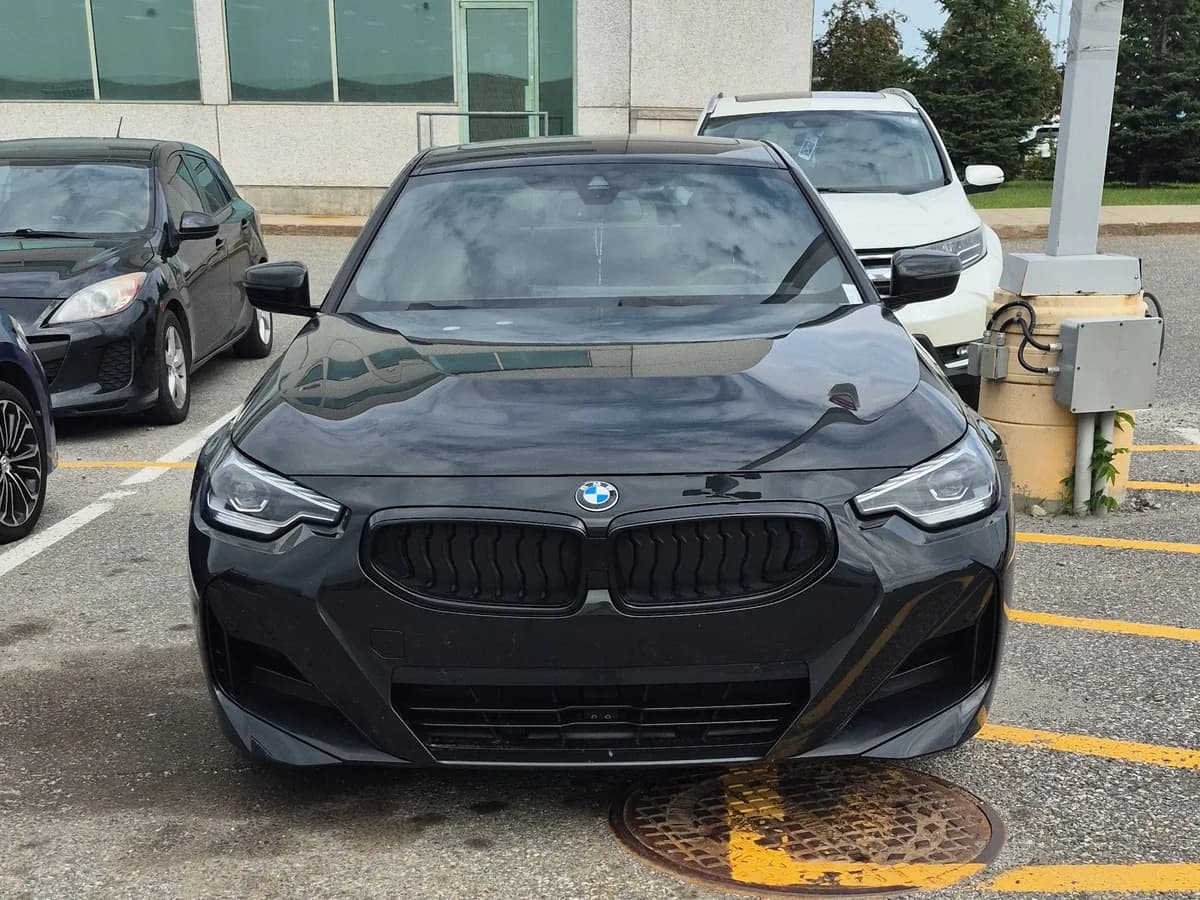
2 Series
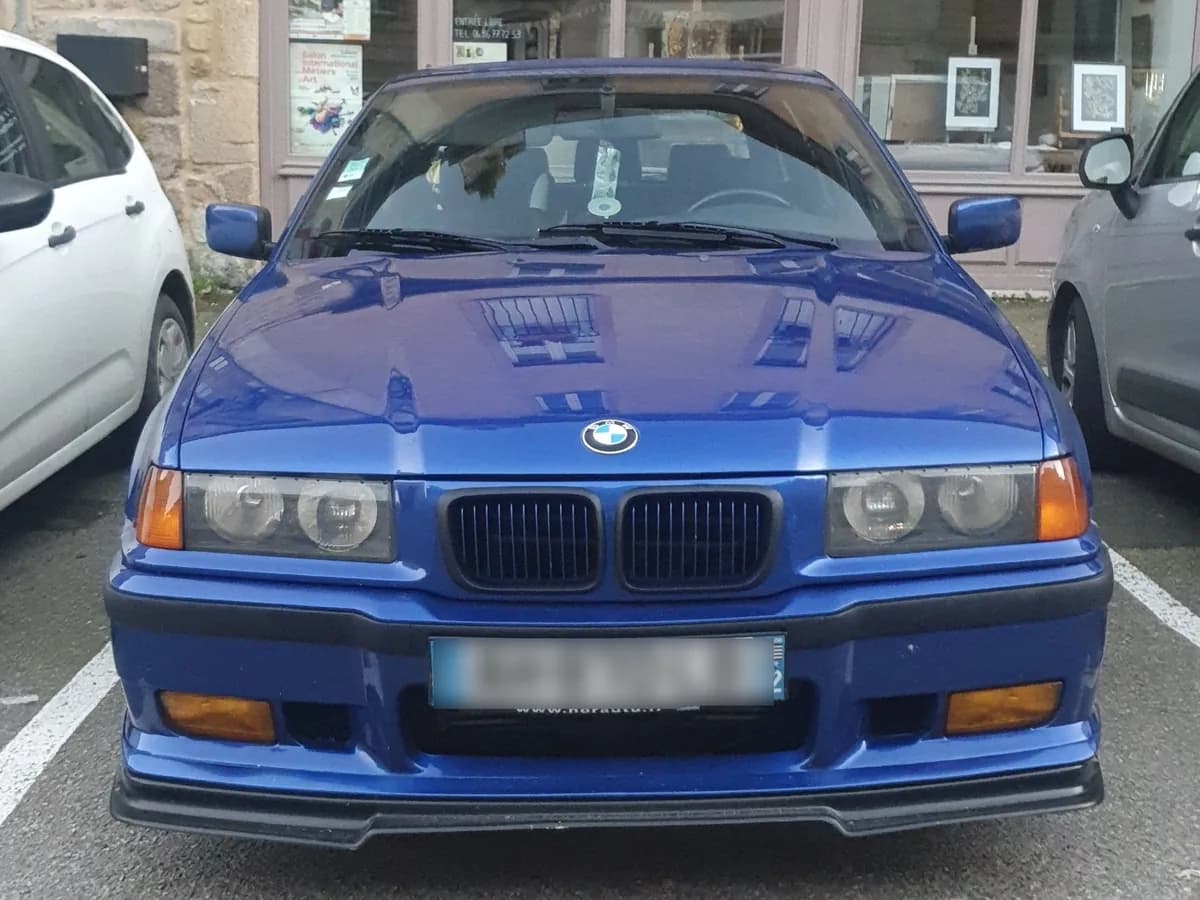
3 Series

4 Series

5 Series
501
502
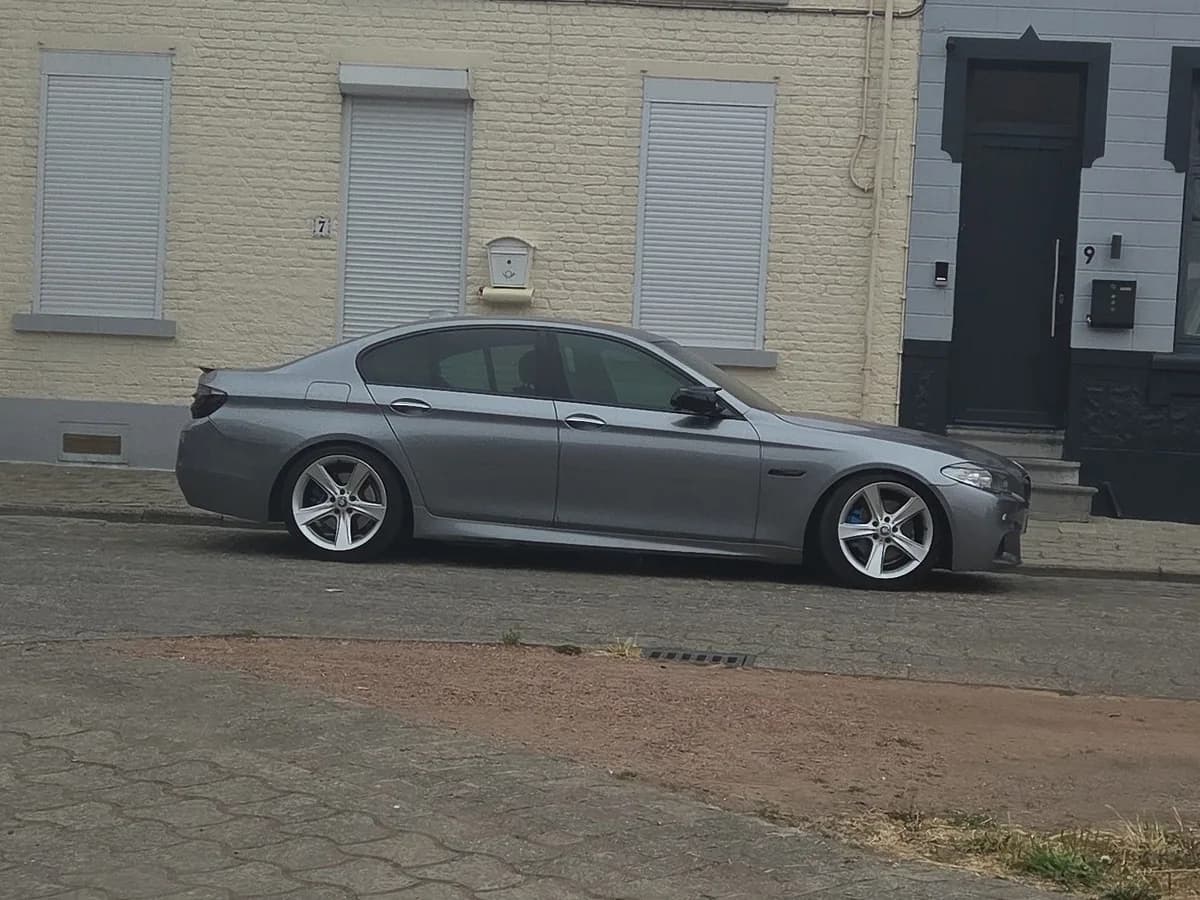
6 Series
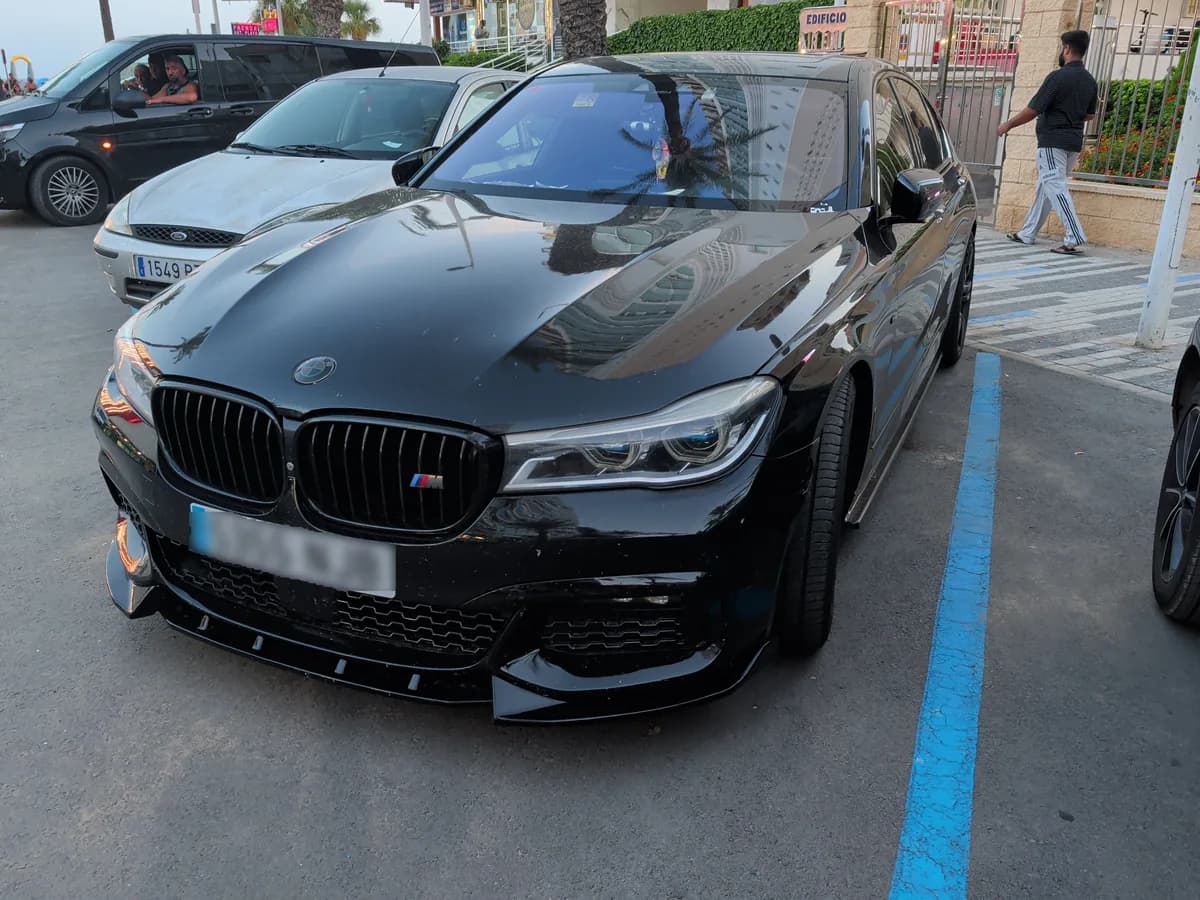
7 Series

8 Series
E3
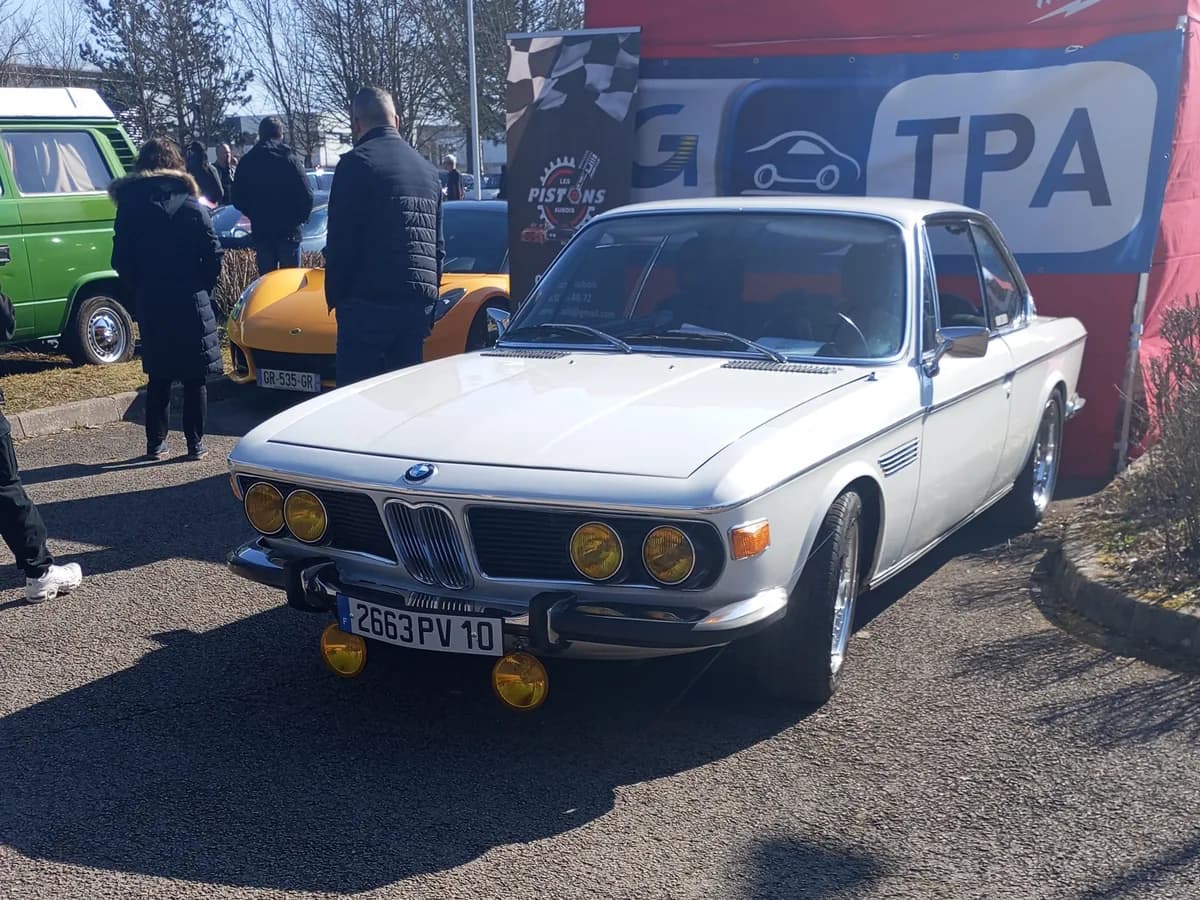
E9
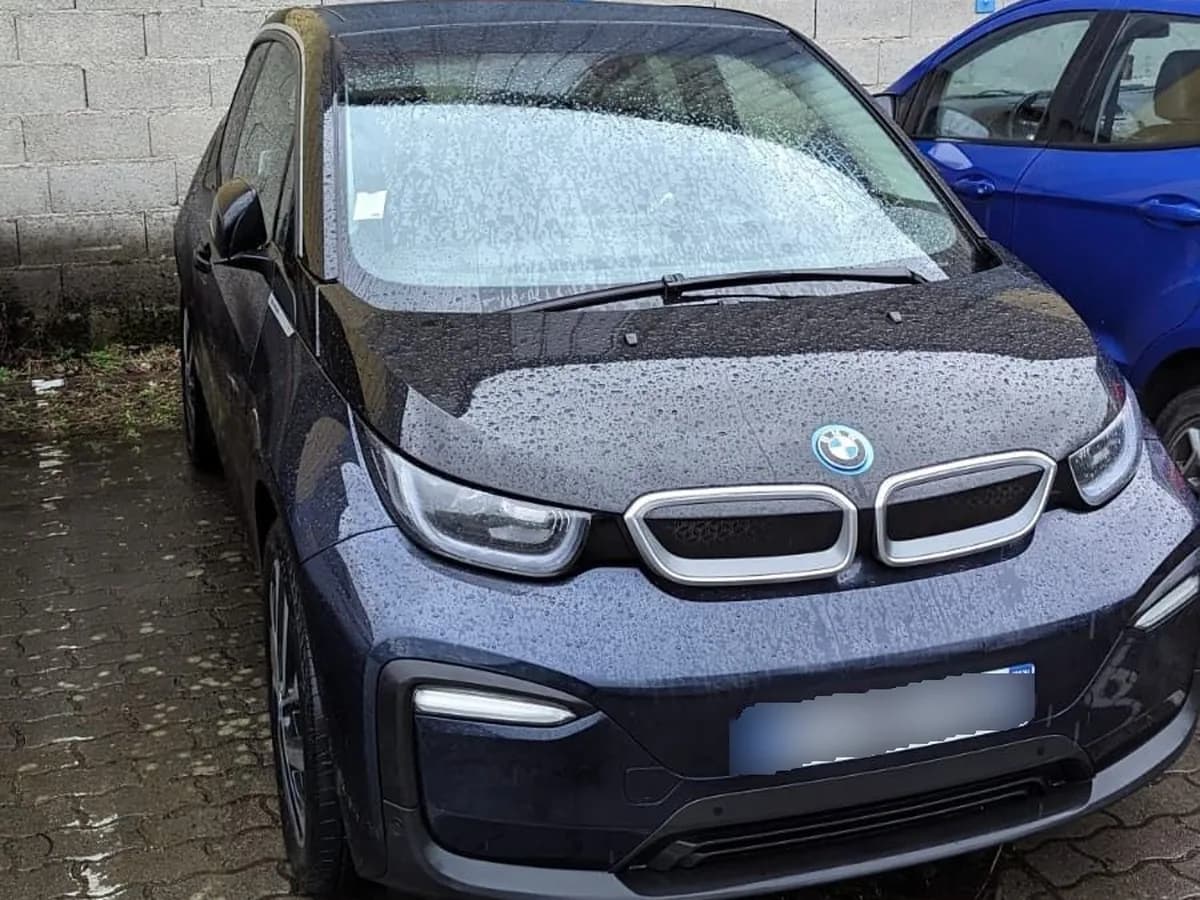
i3
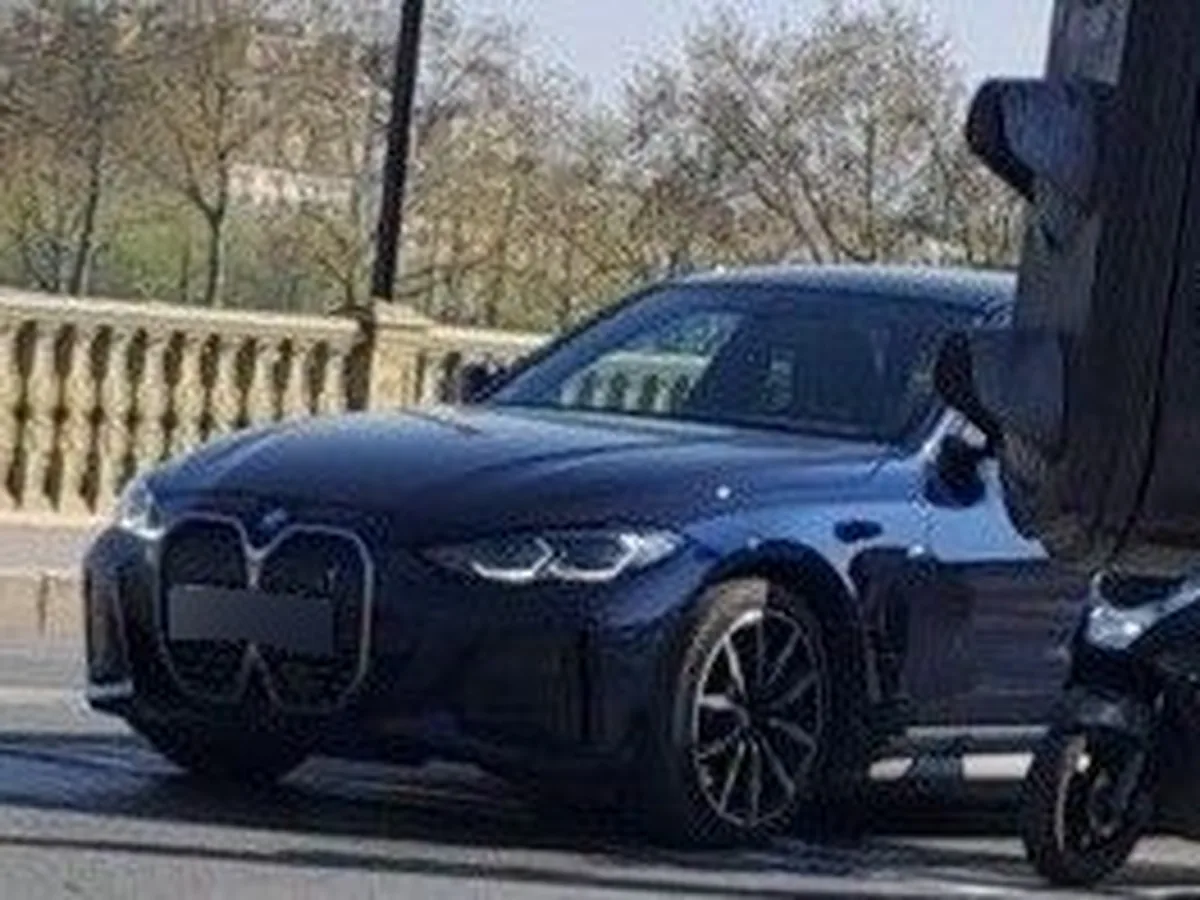
i4
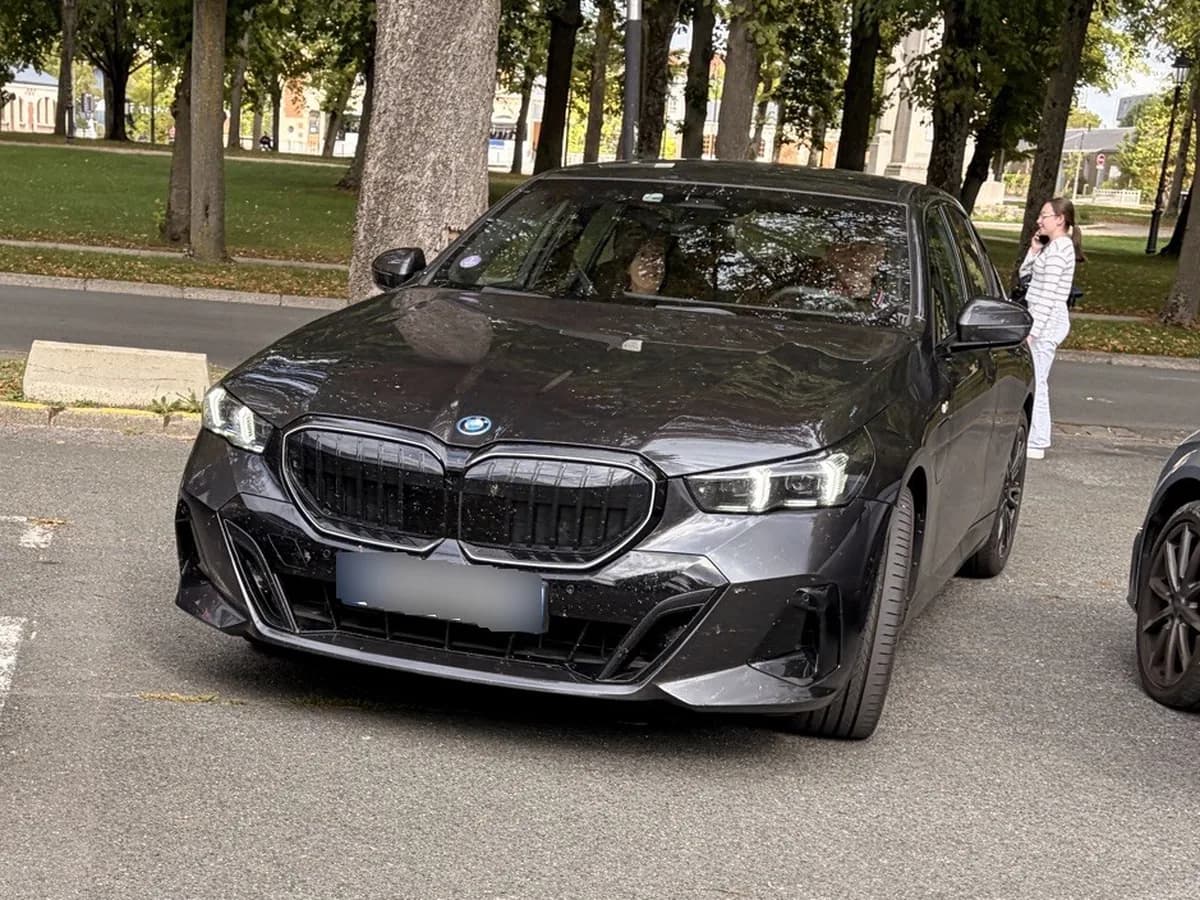
i5
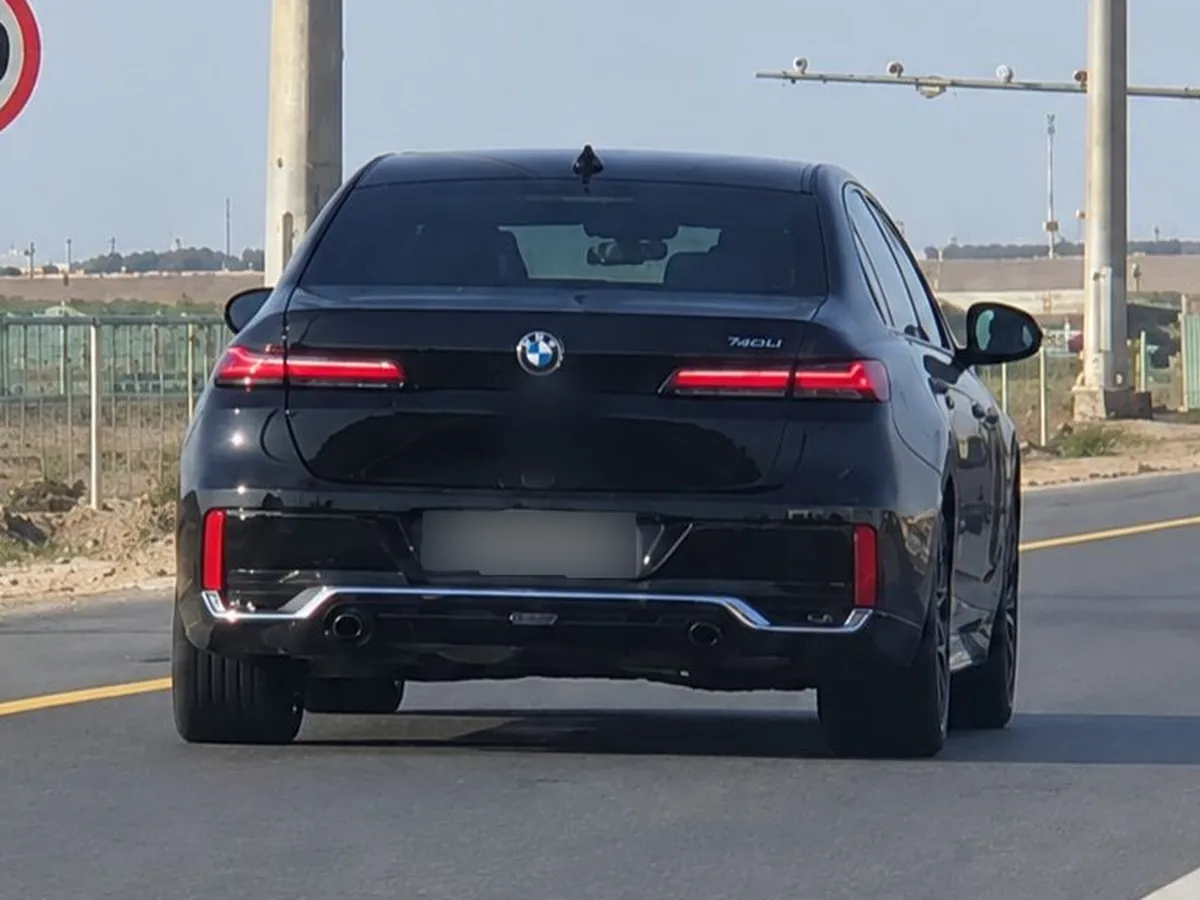
i7
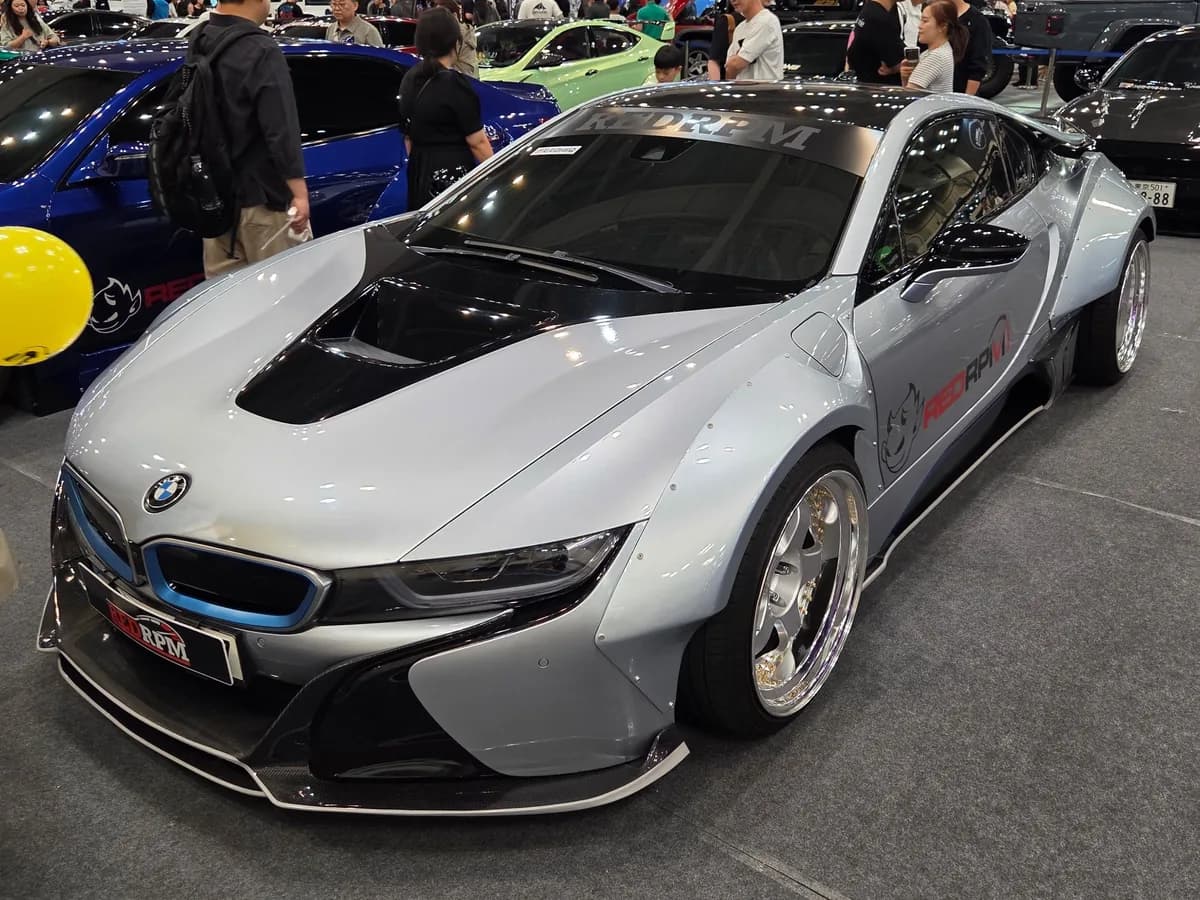
i8
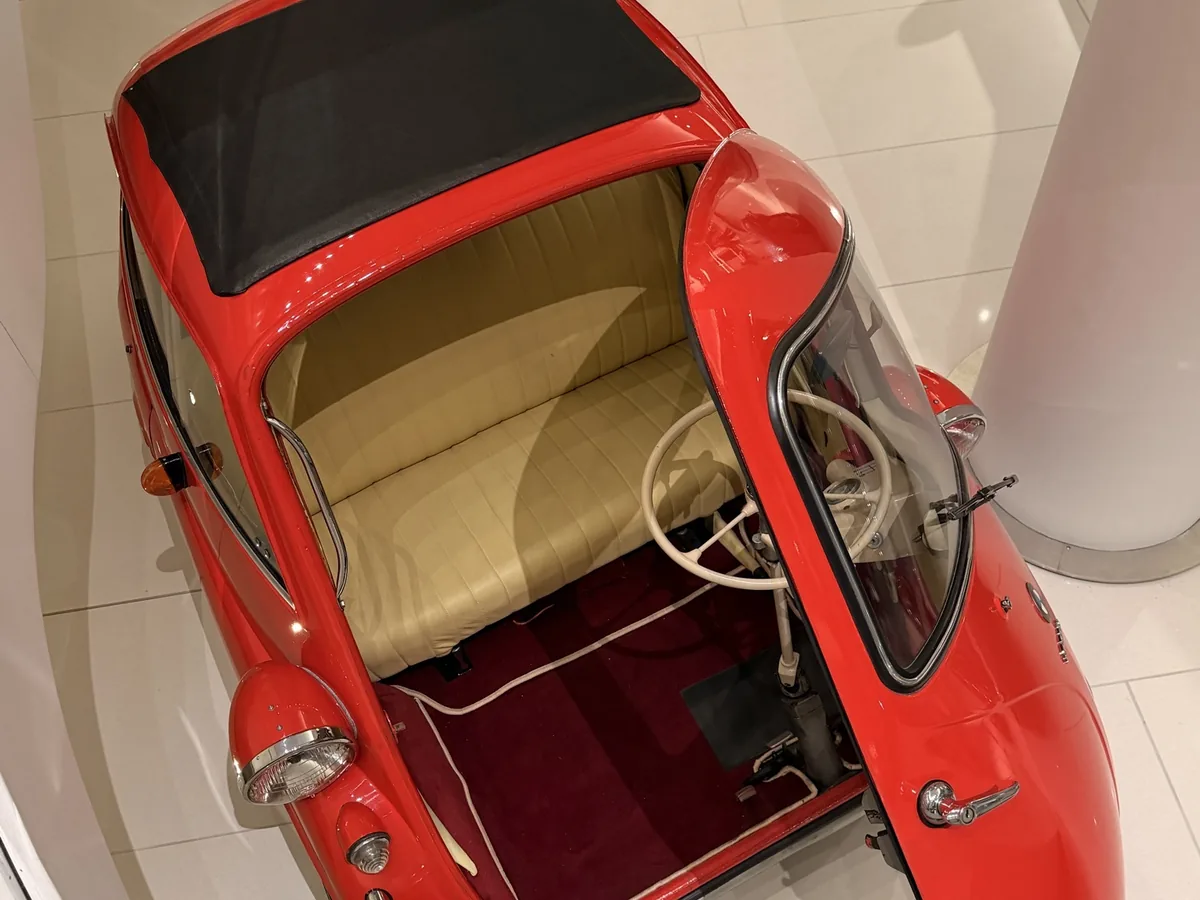
Isetta

iX
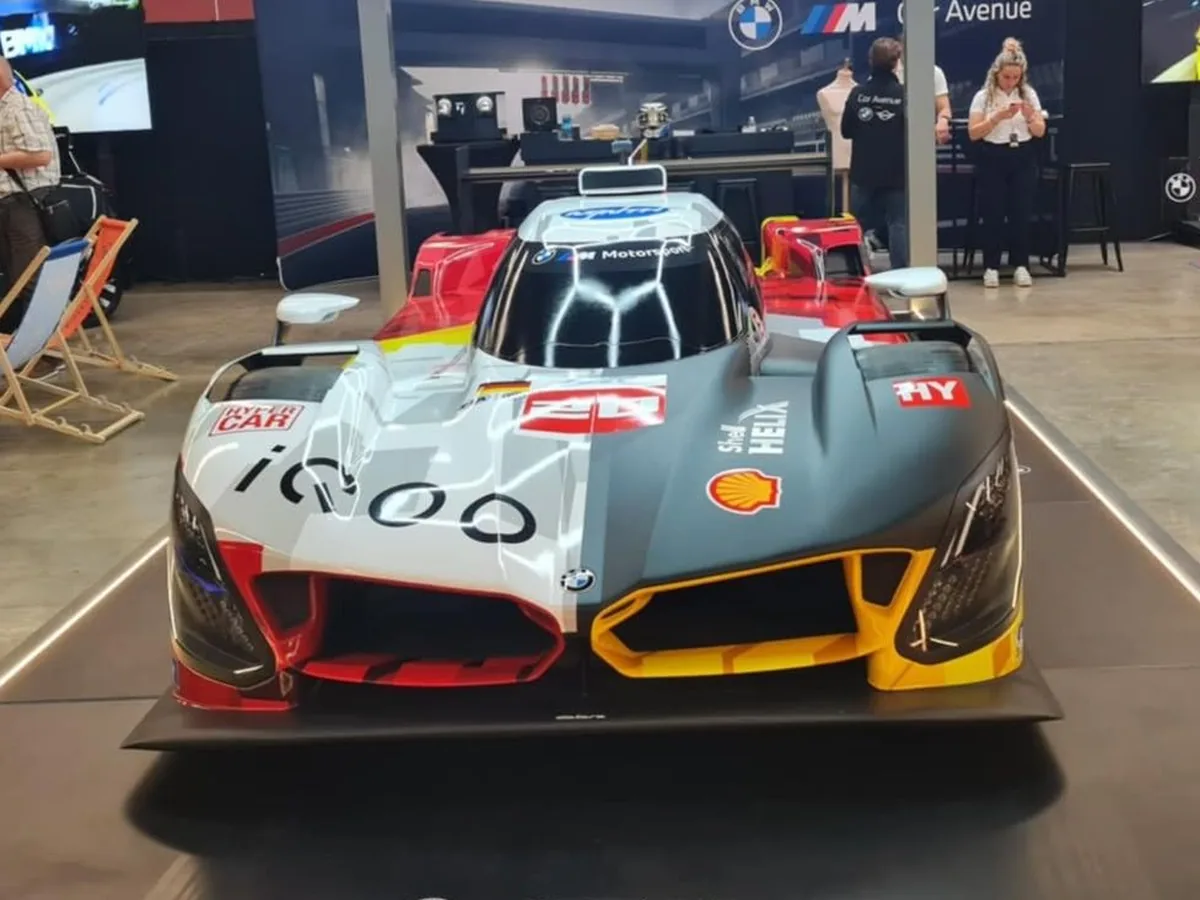
M Hybrid V8
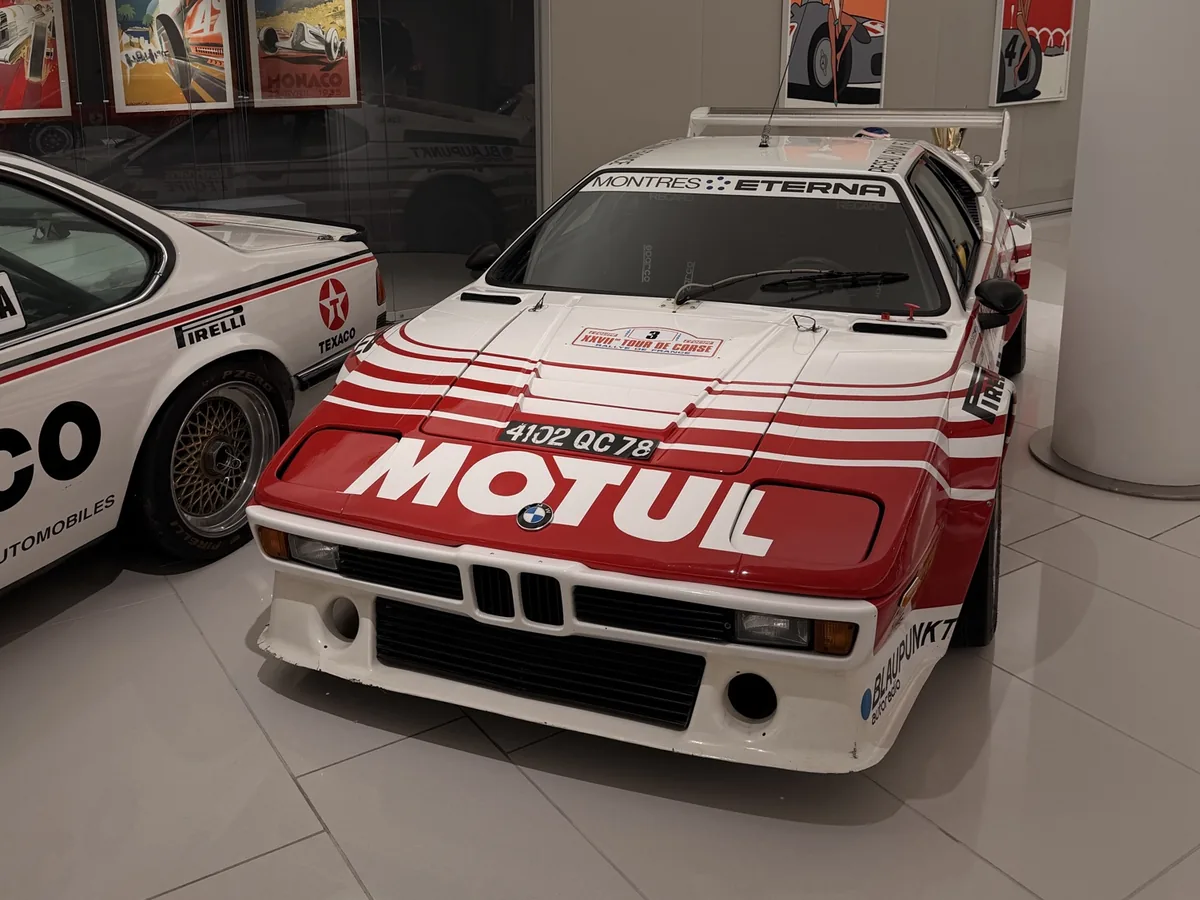
M1
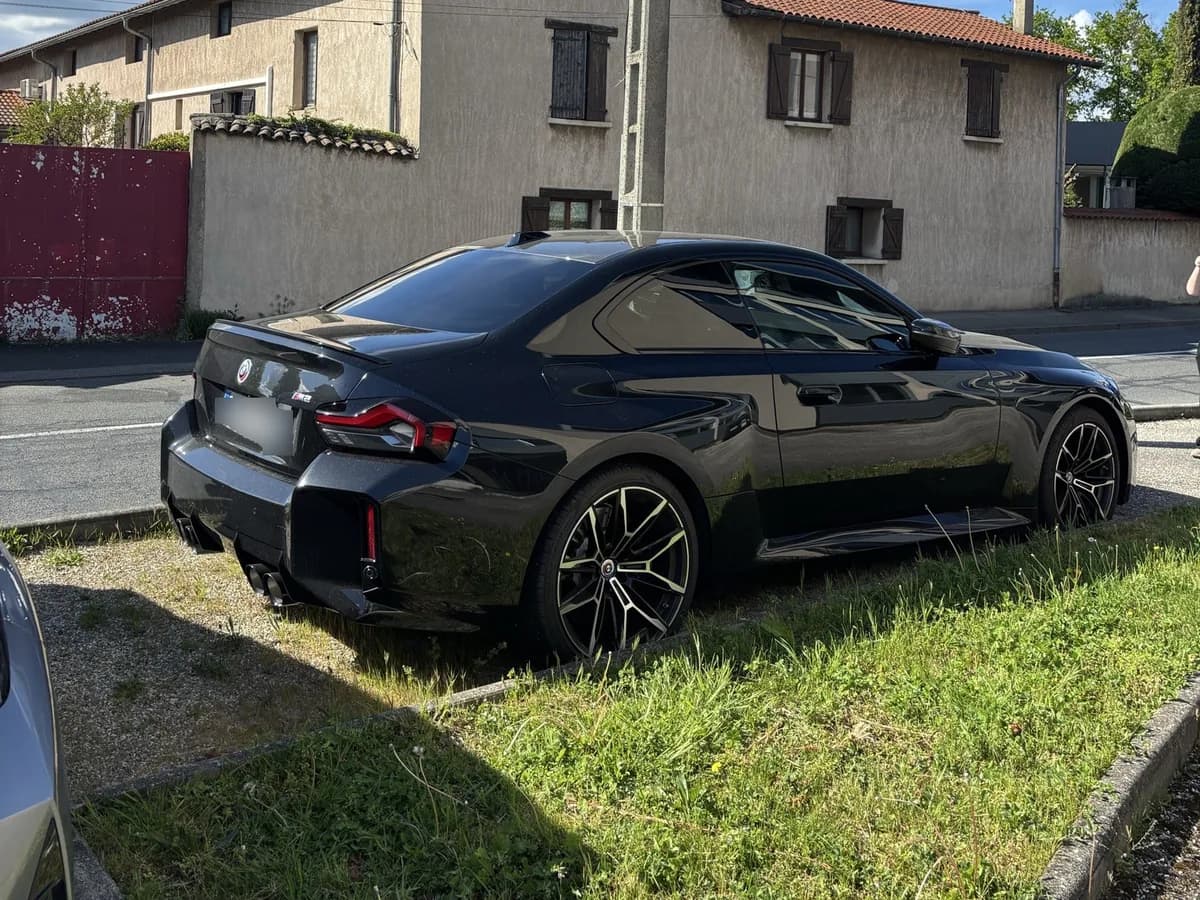
M2
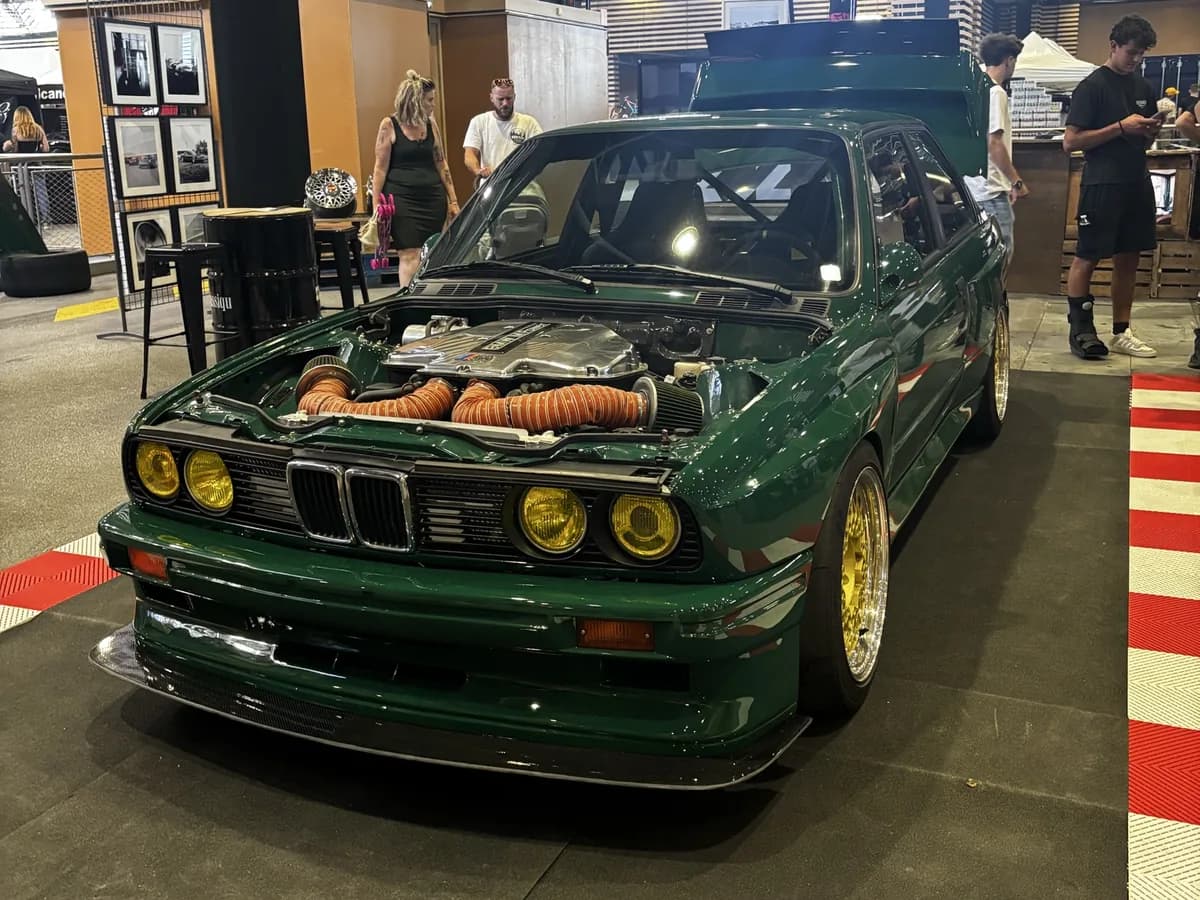
M3
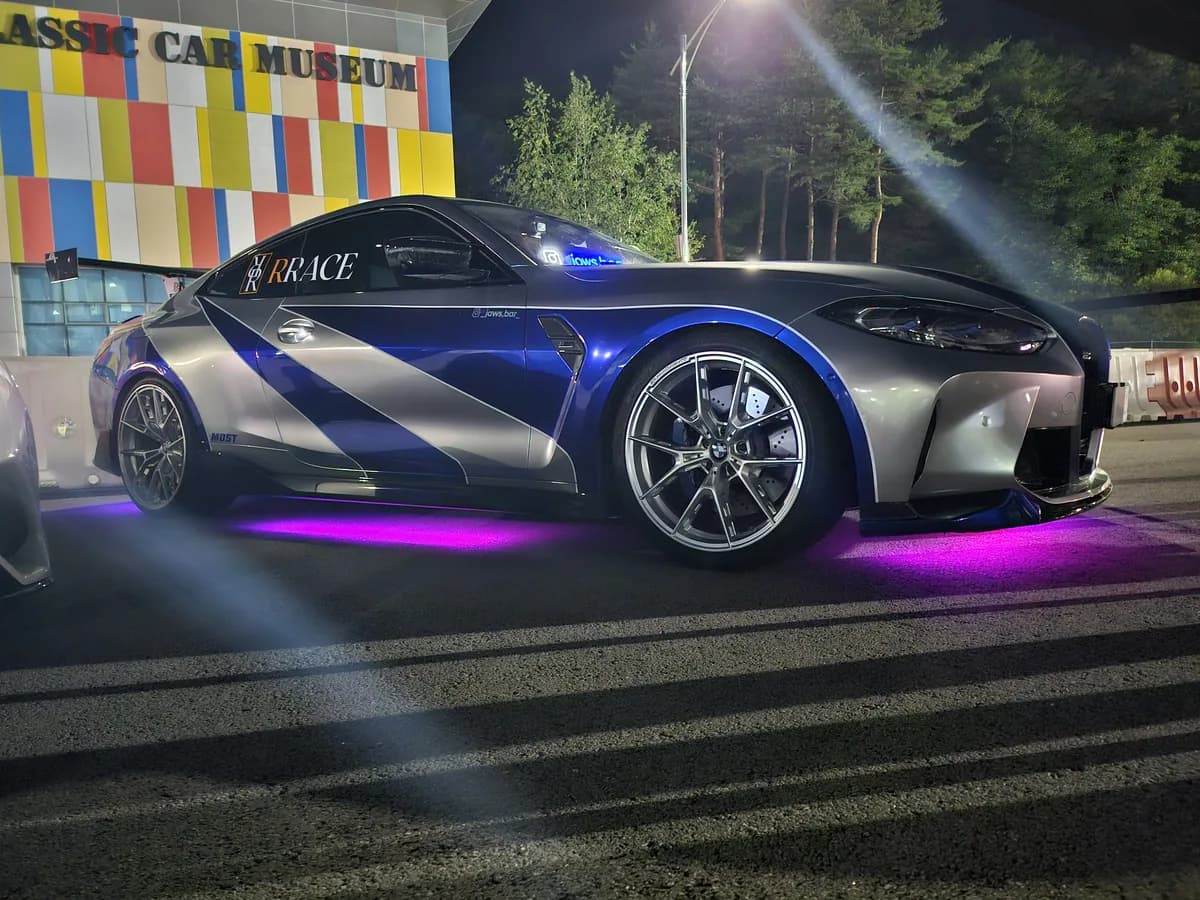
M4
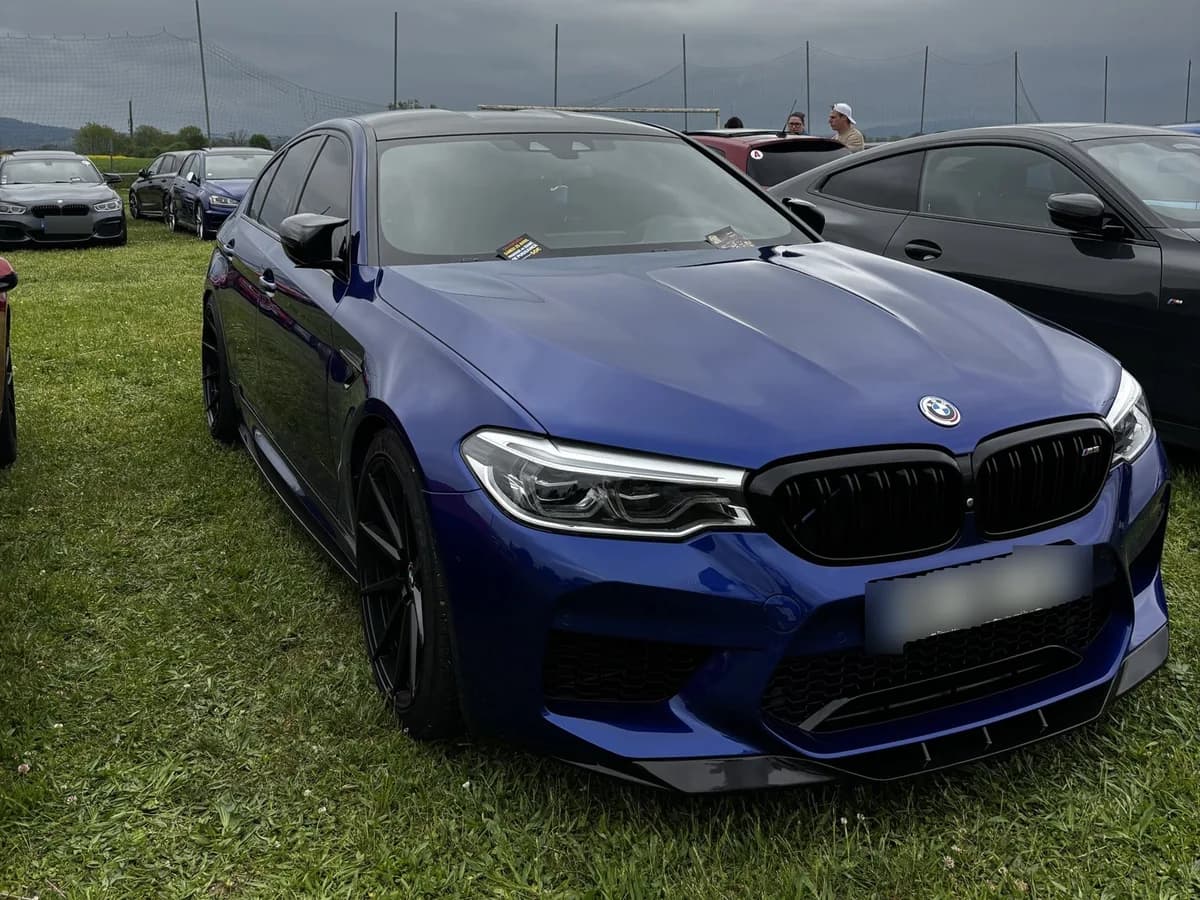
M5
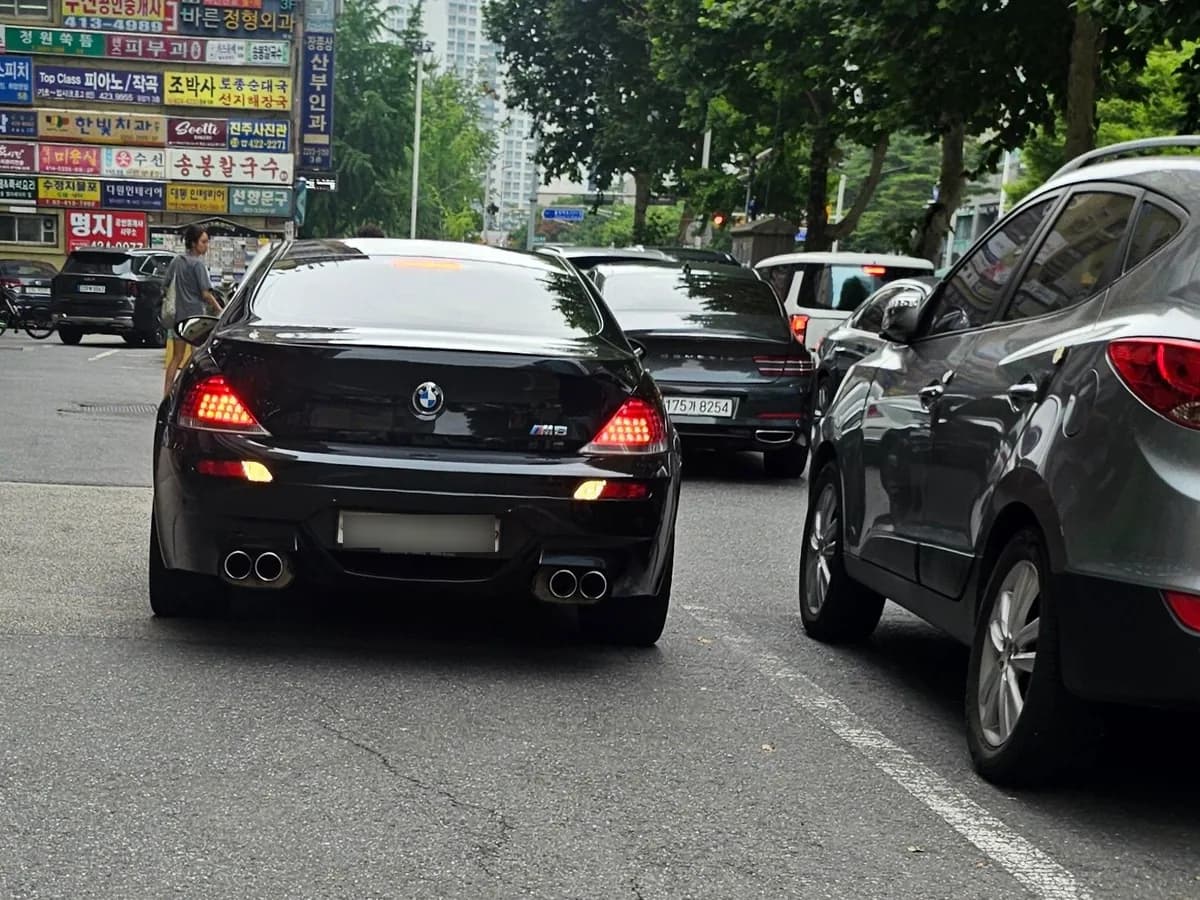
M6

M8
Neue Klasse
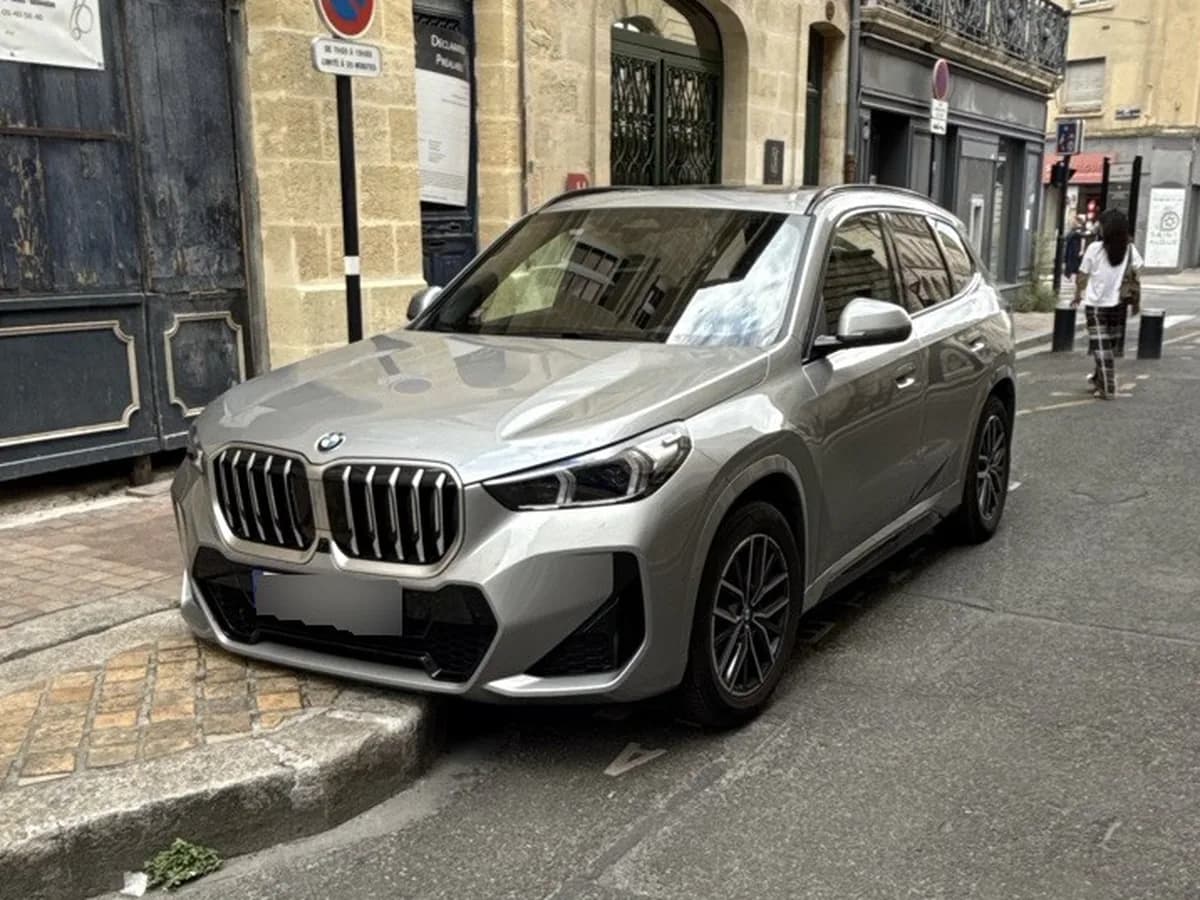
X1

X2
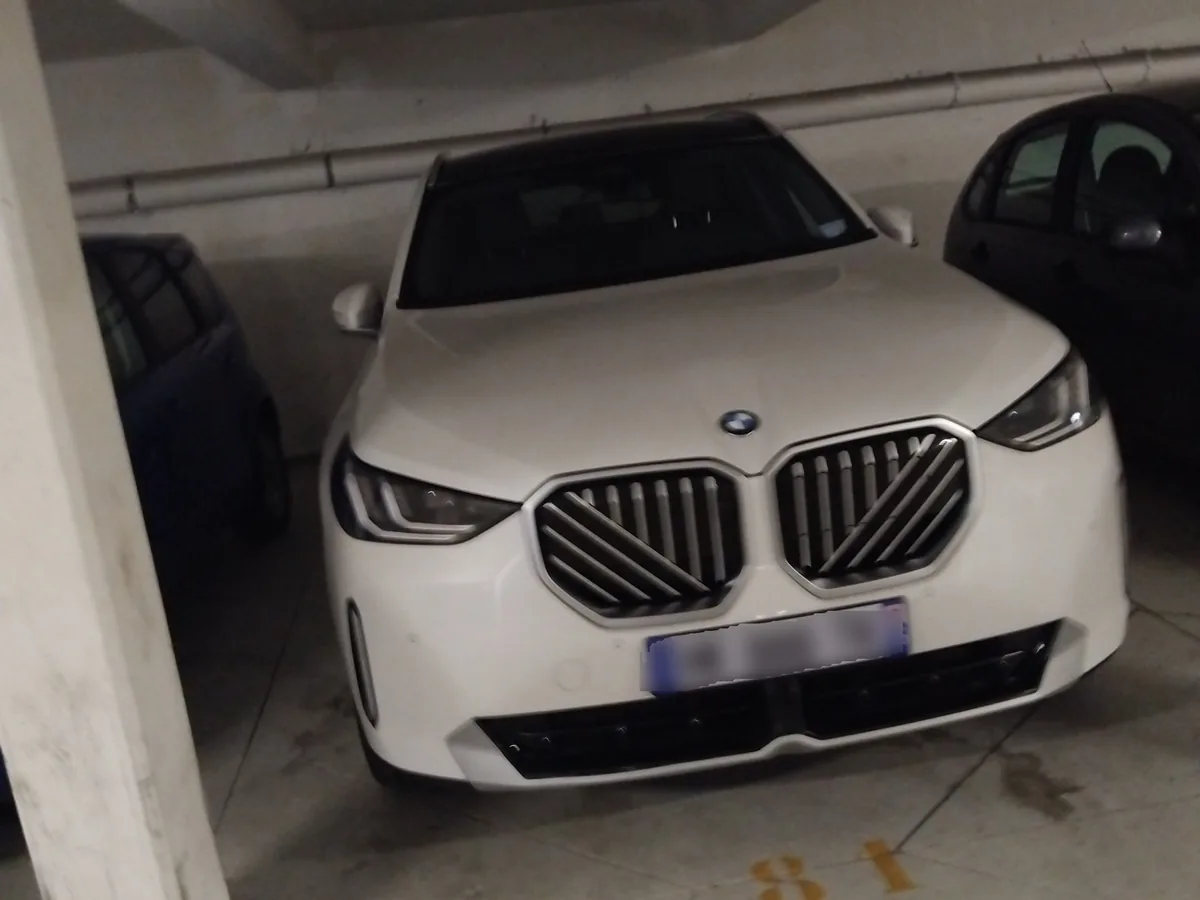
X3
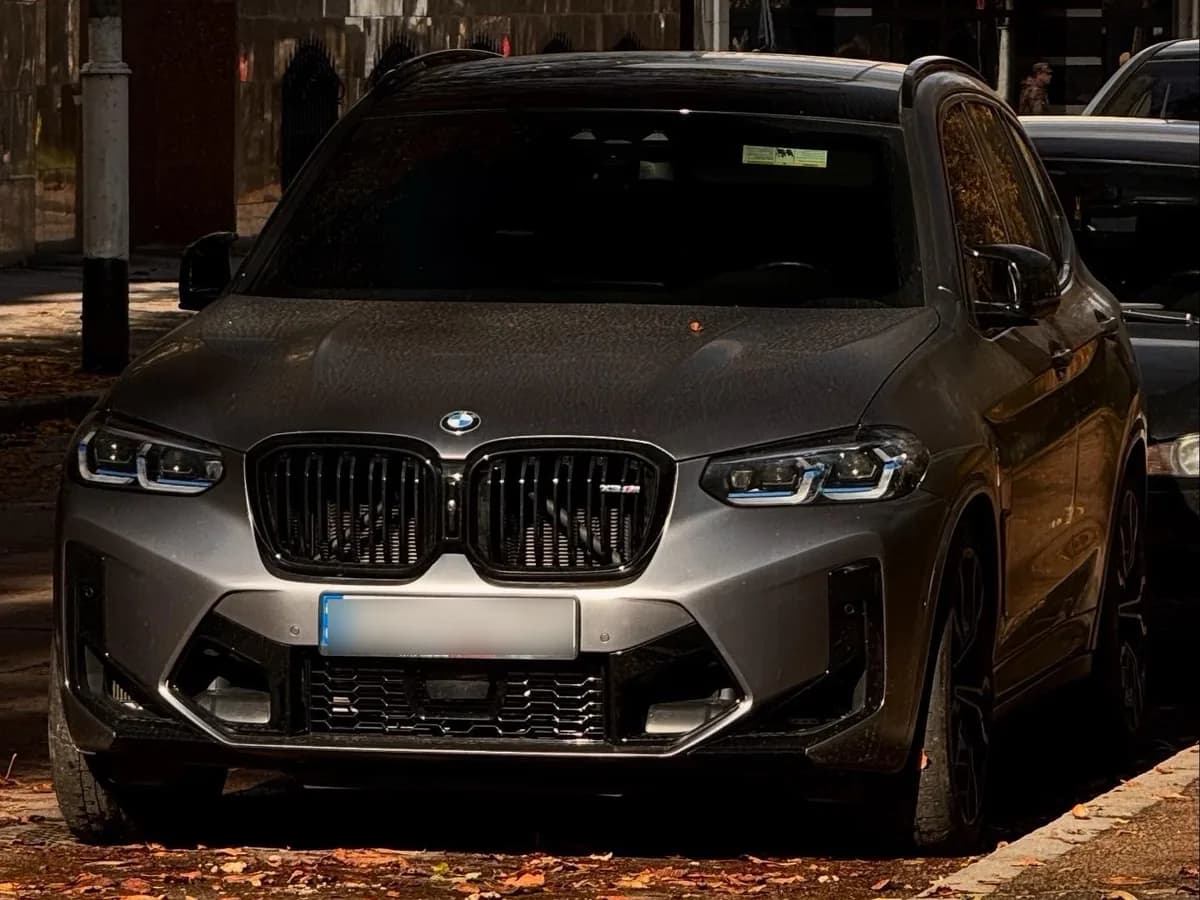
X3M
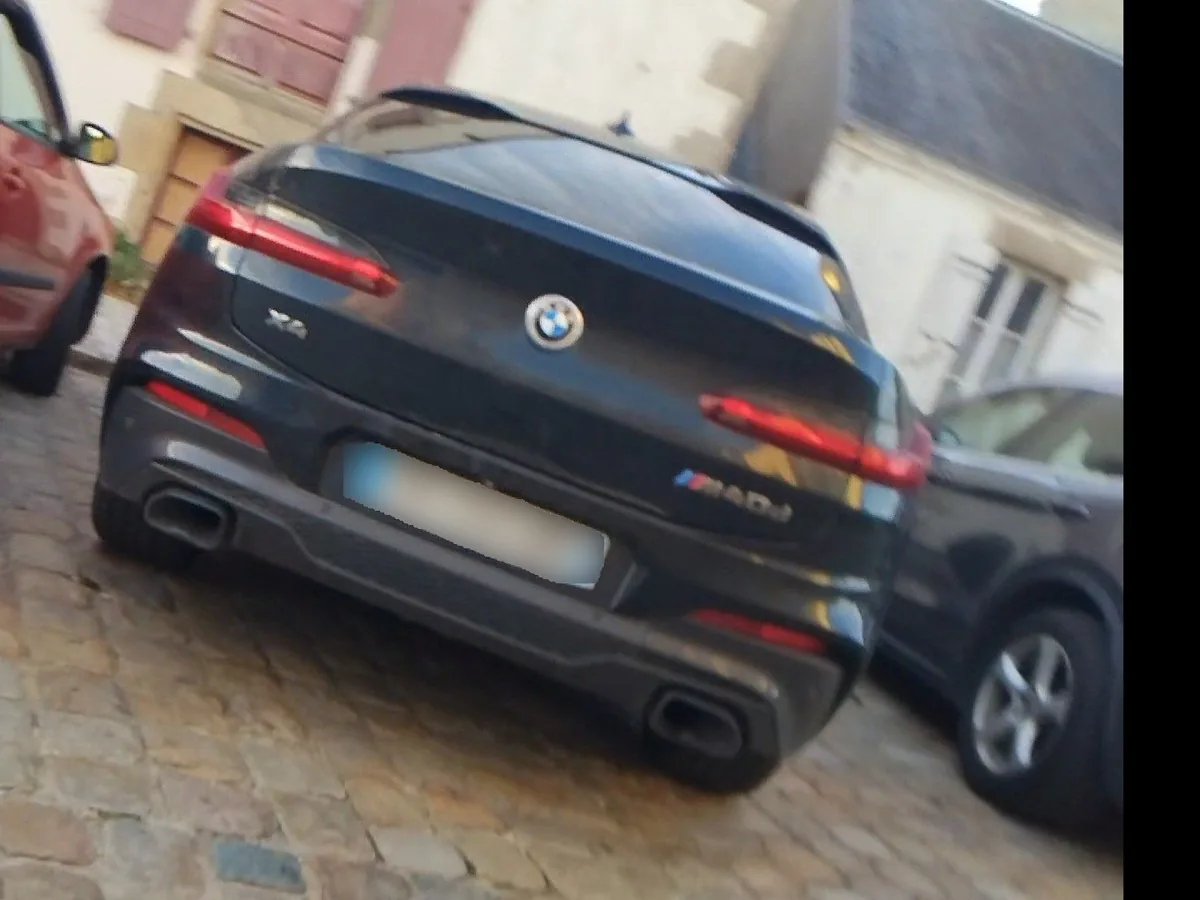
X4
X4M
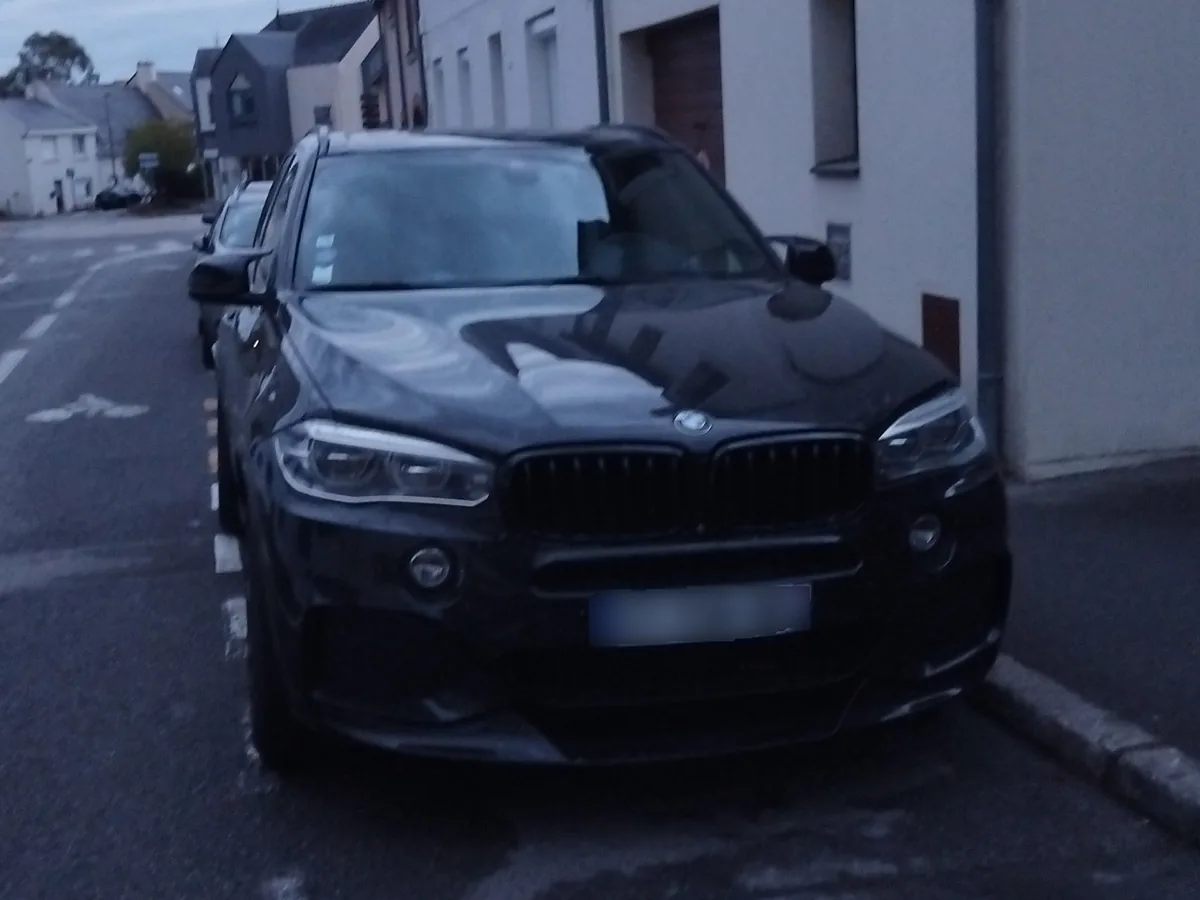
X5

X5 M

X5M

X6

X6M
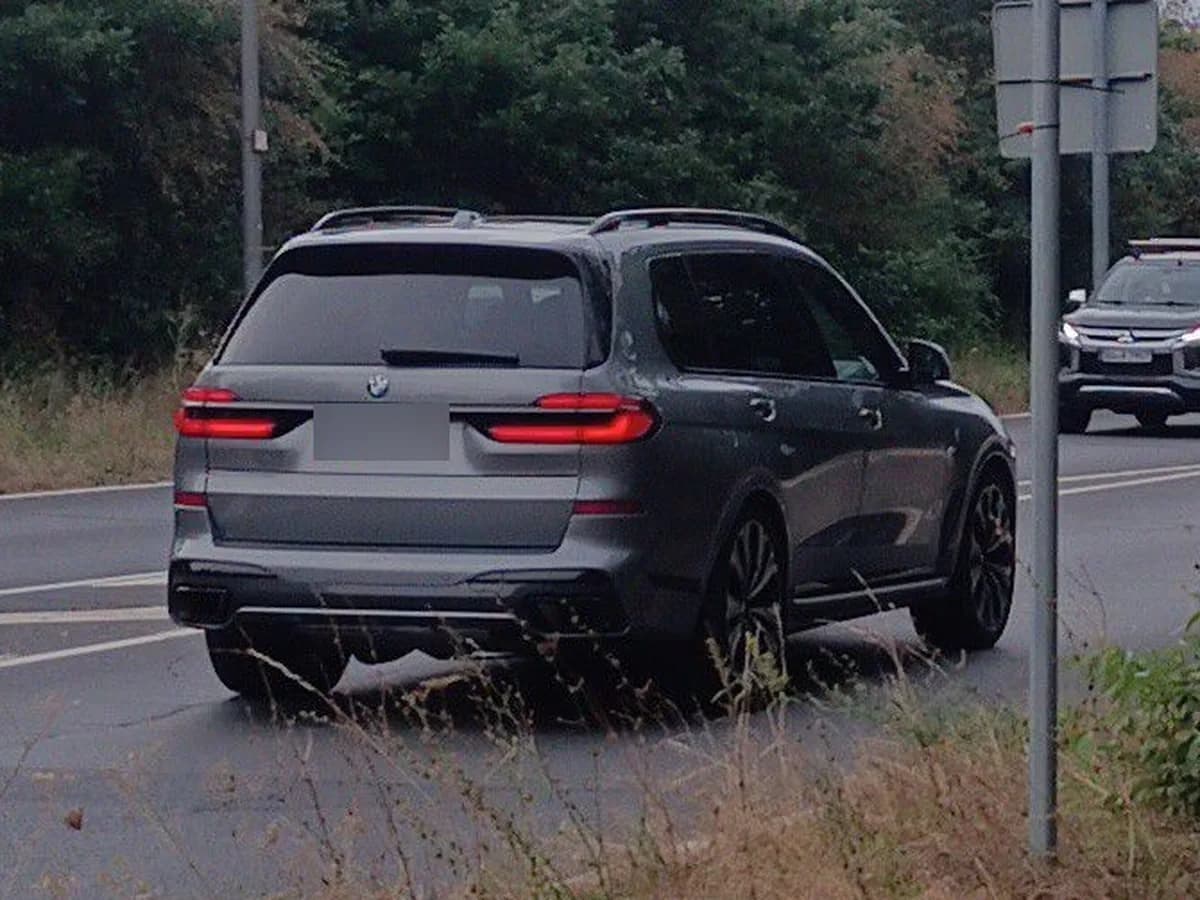
X7

XM

Z1
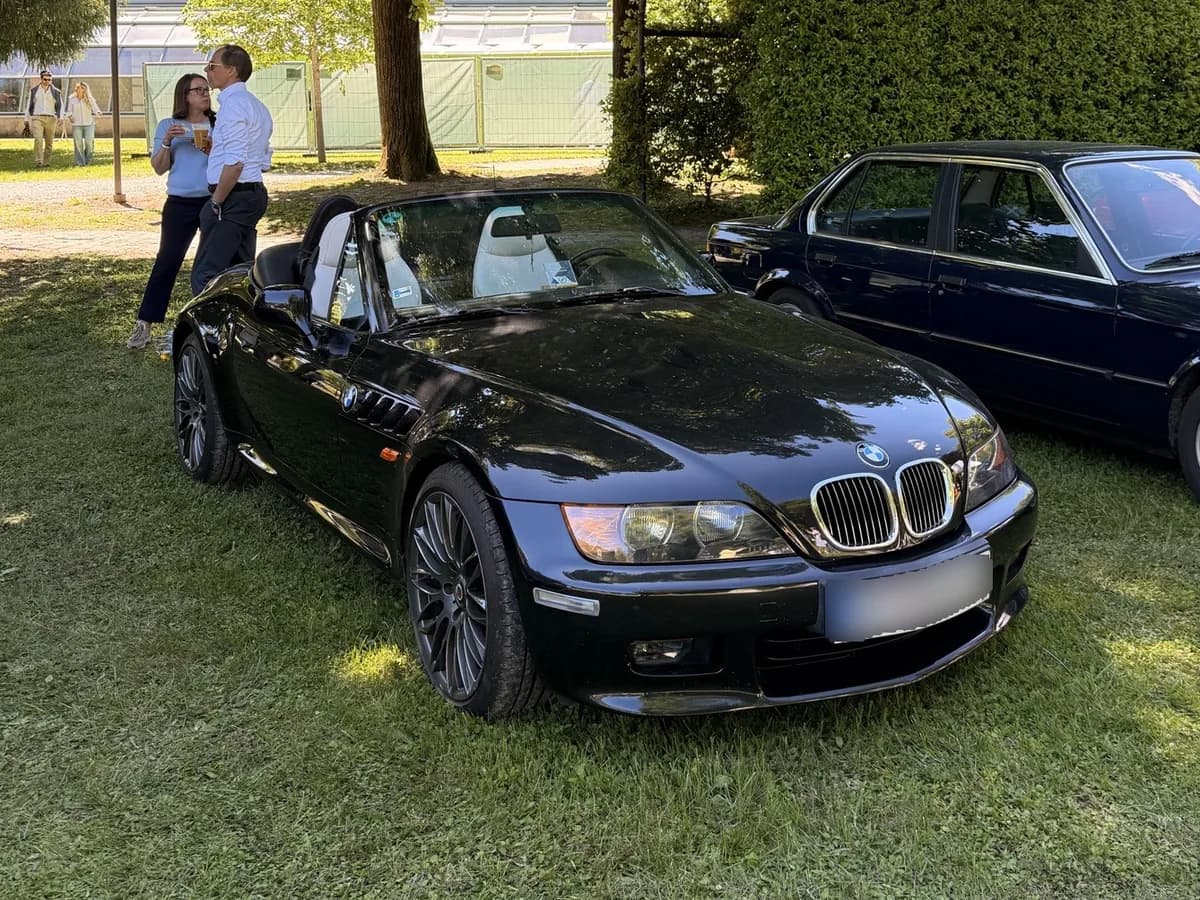
Z3
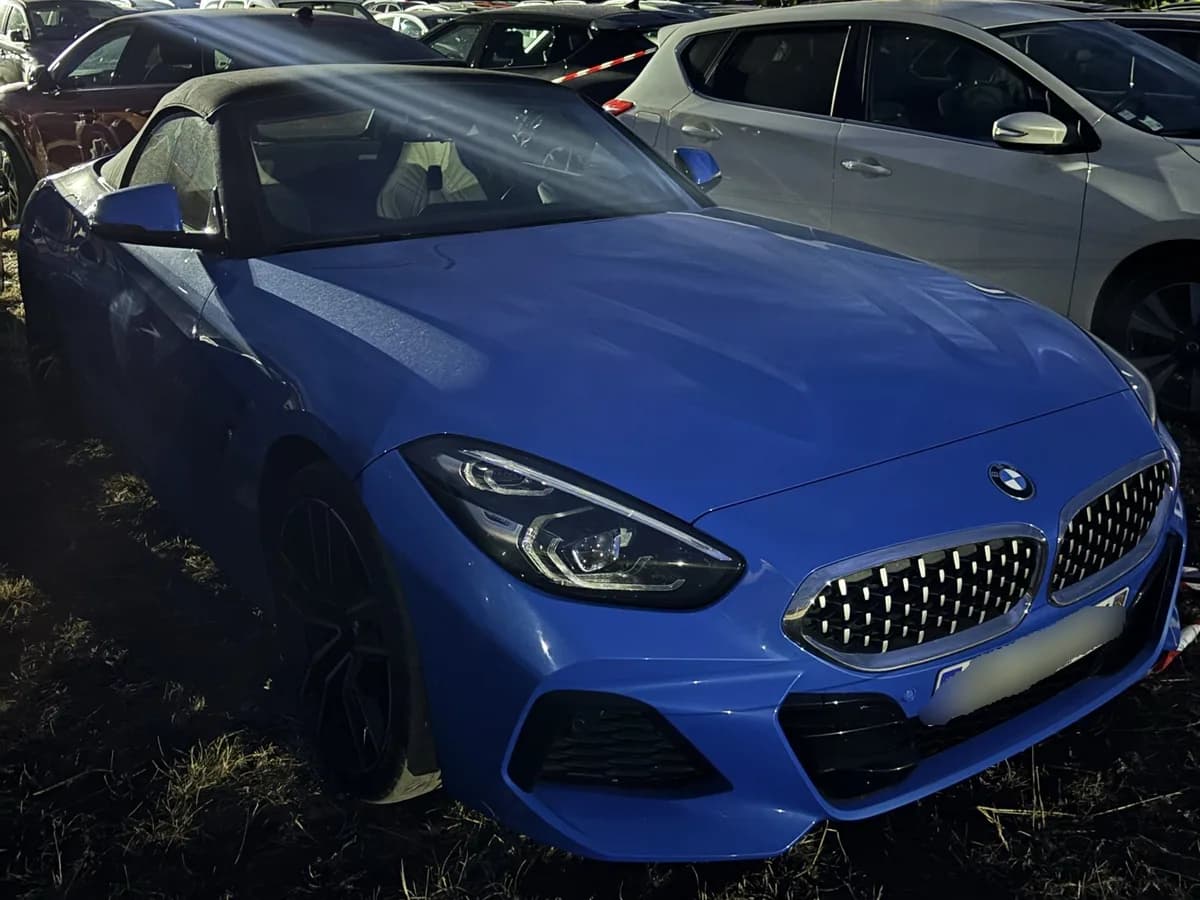
Z4
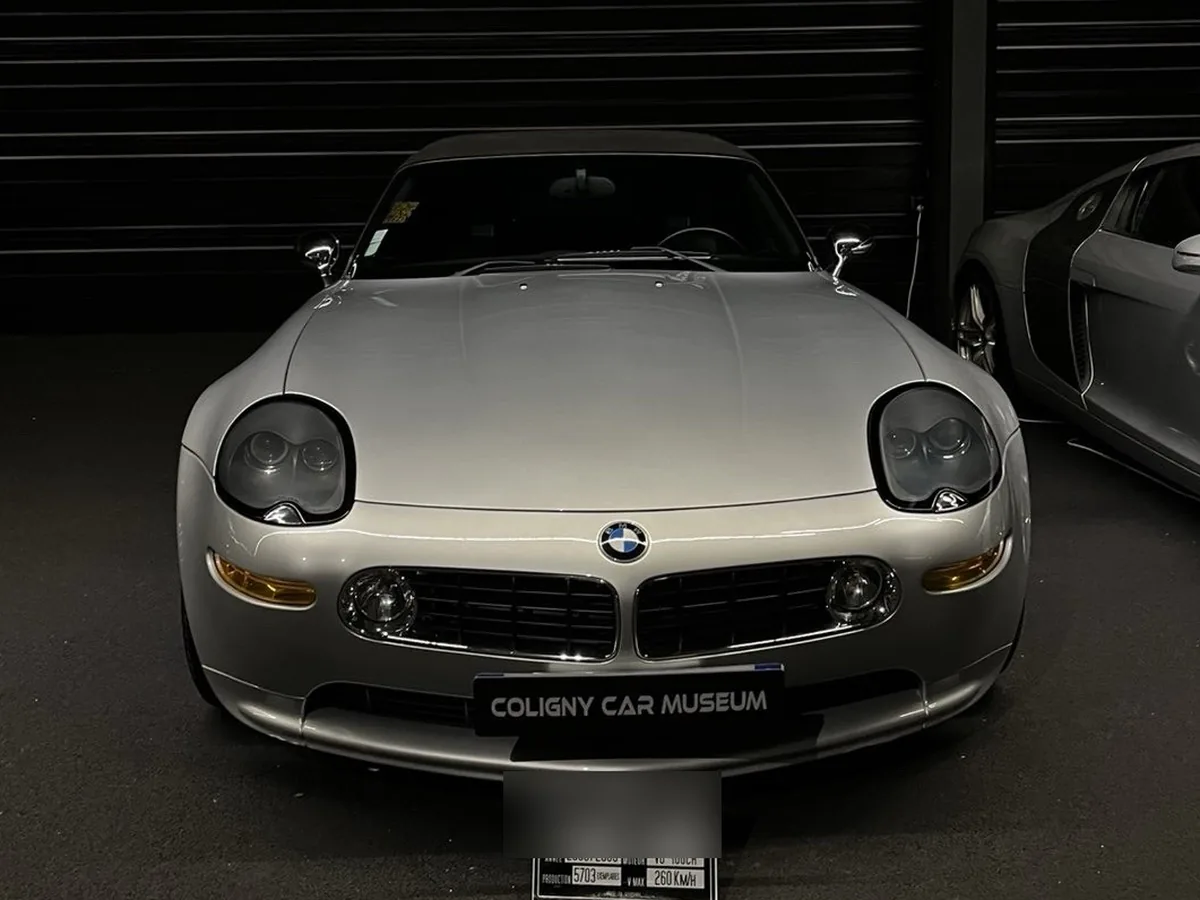
Z8
BMW overview
BMW history
BMW’s history reaches back to 1916, the date the BMW Group uses to mark the company’s foundation. Motorcycle production began with the R 32 in 1923, before BMW moved into automobiles. During the postwar period, the company searched for a sustainable balance between luxury cars, compact models, and low-displacement vehicles. The Isetta, produced under licence from 1955, became commercially significant: more than 160,000 were built, and its front-opening body became one of the defining images of European microcars. The decisive turning point came with the BMW 1500, introduced in 1961. This Neue Klasse combined modern body construction, a four-cylinder engine, and sporting road manners. It established the direction for later BMW sedans and provided the basis for the 02 Series. In 1972, the first 5 Series introduced BMW’s modern sedan naming structure; the 3 Series followed in the compact segment in 1975. The same decade brought the creation of BMW Motorsport GmbH, the foundation of the M family. The M1, M3, and M5 later extended the connection between racing and road cars. The 6 Series, 8 Series, Z4, 1 Series, 2 Series, and BMW’s electric ranges broadened the brand’s model history still further.
BMW positioning
BMW has traditionally positioned itself as a premium manufacturer with an emphasis on driving dynamics, rear-wheel-drive layouts across many generations, and a sportier character than strictly conservative luxury brands. This direction is visible in the Neue Klasse and later in the 3 Series and 5 Series, two model families that shaped the range for decades. The 6 Series and 8 Series occupy a more prestigious grand-touring position, while the Z4 represents BMW’s roadster approach. The M division adds a high-performance layer influenced directly by motorsport, without being limited to track-only cars. Through the 1 Series and 2 Series, BMW entered smaller segments; through the i models, it adapted its identity to electric propulsion. This description reflects a historical tendency, not a rule that applies to every model or market.
Recognizing a BMW in a photo
To identify an older BMW, start with the twin-kidney grille, a feature found on most BMWs since the 1933 BMW 303, then compare its shape with the period. Cars from the 1960s and 1970s often combine the grille with twin round headlights, a taut shoulder line, and the Hofmeister kink at the rear side window. The 1500 and other Neue Klasse models established this combination, which later influenced the 02 Series and early 3 Series. On newer generations, internal codes such as E21, E30, E36, and E46 help distinguish production generations, but they should be used alongside the model name, body style, and engine. Badges beginning with 3, 5, 6, 7, 8, Z, or M generally identify a model family. The final digits require caution, because their relationship to engine displacement changed over time and varied by market.
Important BMW models
The 3 Series is the central nameplate of BMW’s modern range. Introduced in 1975 as the successor to the 02 Series, it developed from a two-door sedan into sedan, Touring, coupe, convertible, and Gran Turismo variants before the coupe and convertible moved into the 4 Series family. The 5 Series, launched in 1972, represents BMW’s executive and family sedan tradition. The 6 Series and 8 Series extend the brand’s grand-touring coupe lineage, while the Z4 embodies the two-seat roadster. The M3 brings BMW Motorsport’s influence into a road-going performance car. The Isetta recalls BMW’s postwar microcar period, while the 502 represents the large luxury cars of the 1950s. The library also includes the 1 Series, 2 Series, 4 Series, and 02 Series, showing how BMW developed different sizes, body styles, and technical layouts over time.
BMW model names follow a precise logic — with a few exceptions. Decode a BMW name
References
- BMW Group HistoryBMW Group
- BMW Isetta: The history of a saviour, icon, and everyday heroBMW.com
- The Neue Klasse: The BMW Group enters a new eraBMW Group
- The history of the BMW 5 SeriesBMW Group PressClub USA
- BMW 3 Series: a Journey through the GenerationsBMW.com
- The BMW M Story. 40 Years BMW M GmbHBMW Group PressClub USA
- Car design: the BMW DNABMW.com