
1 Series
Launched in autumn 2004, the BMW 1 Series brought the brand into the premium compact segment. Its first two generations used a longitudinal-engine, rear-wheel-drive layout, a technical choice that distinguished the car from many rivals. The range later expanded beyond the original five-door hatchback to include three-door models, coupés, convertibles and the F52 sedan developed exclusively for China. In 2019, the third generation introduced BMW’s front-wheel-drive architecture to the series, while retaining xDrive all-wheel drive on selected versions and adding the performance-focused M135i. The fourth generation arrived in 2024 with a five-door body, updated driver-assistance and infotainment systems, and electrified powertrains on selected variants. Together, these changes show how the 1 Series evolved from a compact rear-drive BMW into a broader premium hatchback family. (press.bmwgroup.com)
What about the car you photographed?
Upload a photo to get a suggested make, model and likely year.
No account needed for the result · Publish only if you choose
Variants by year
Make: BMW · Model: 1 Series
11 / 11 versions shown
2024
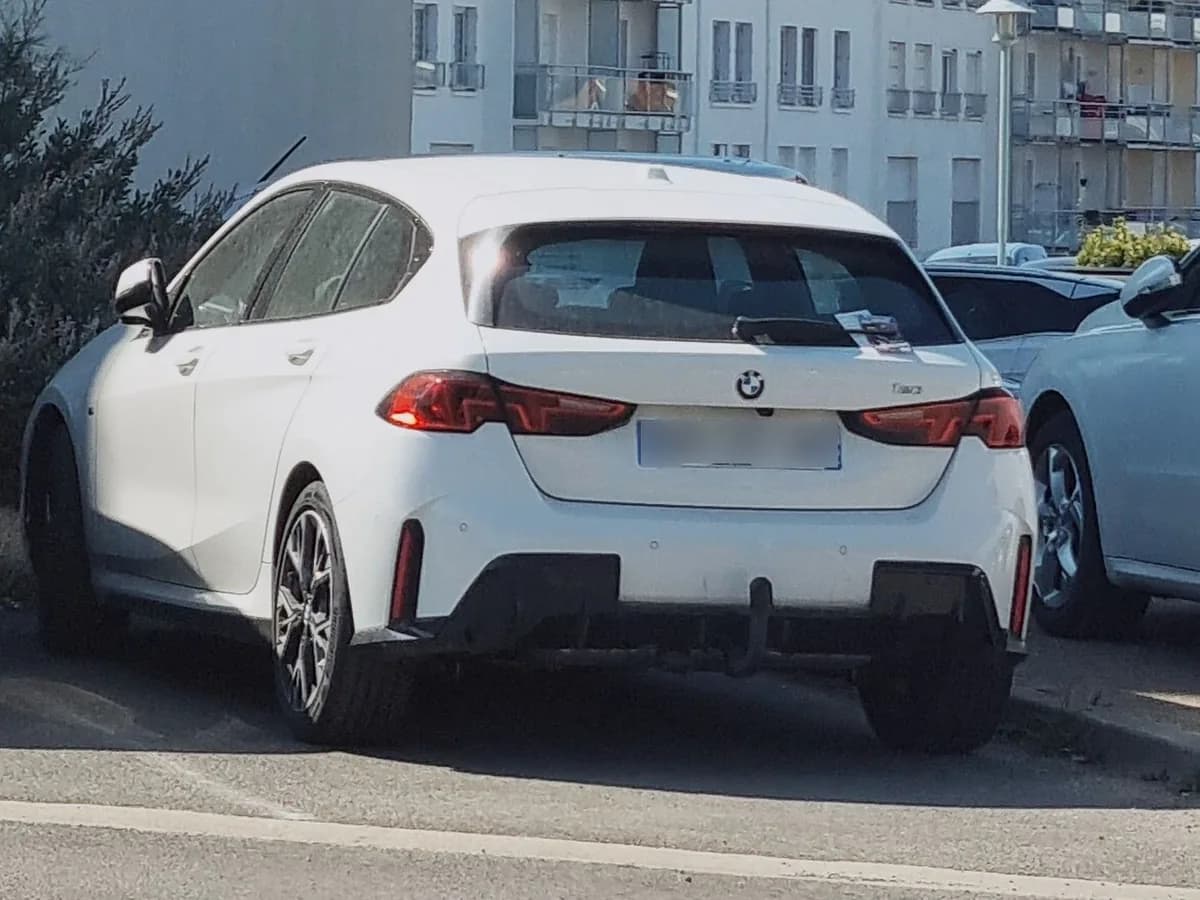
2019
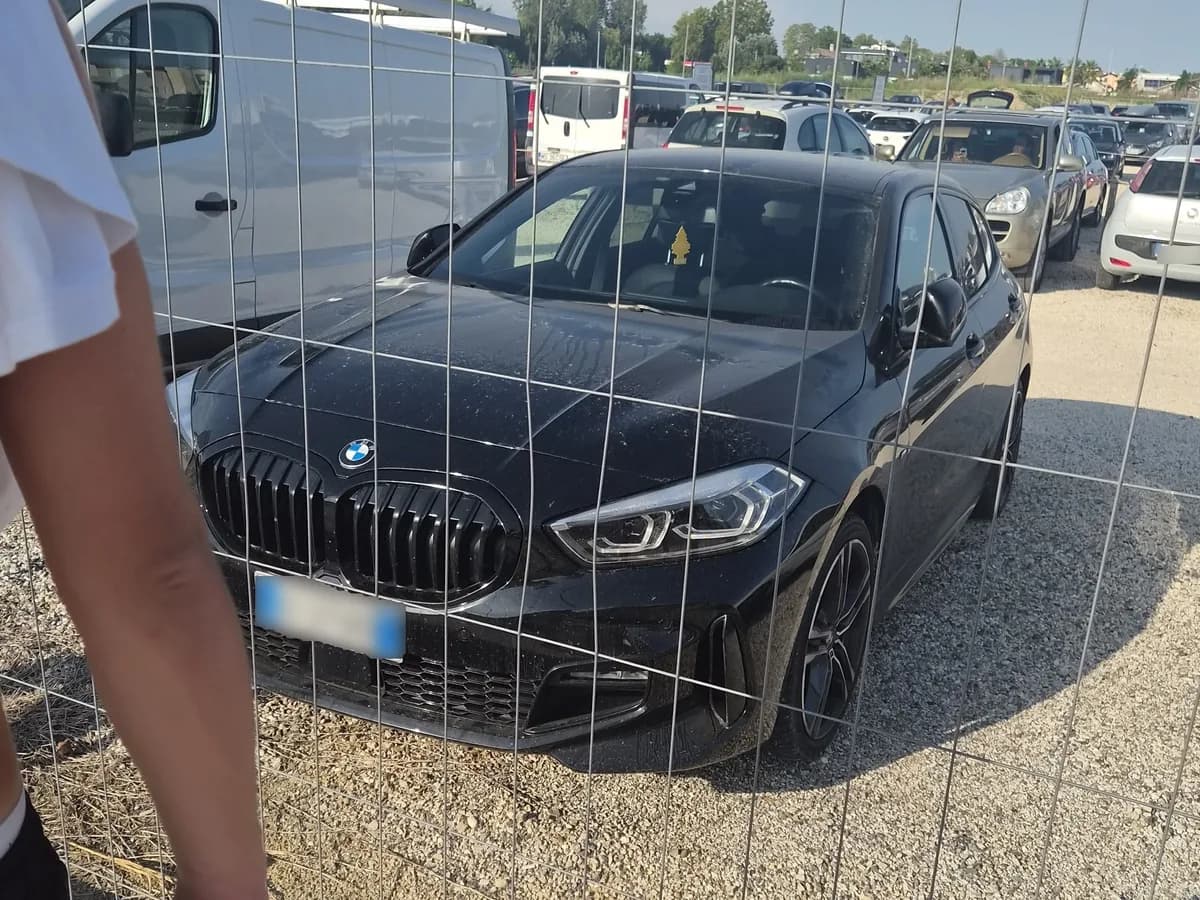
2017
2015
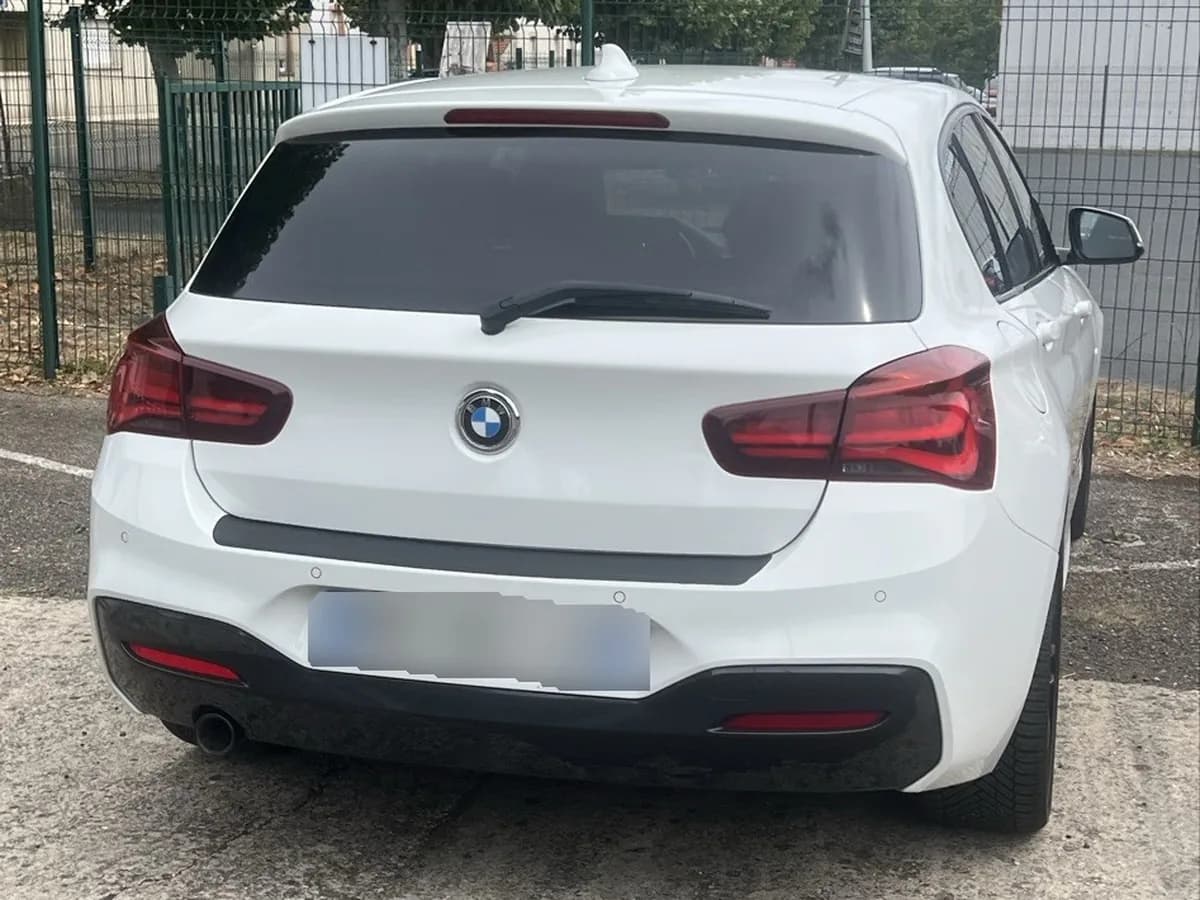
2012
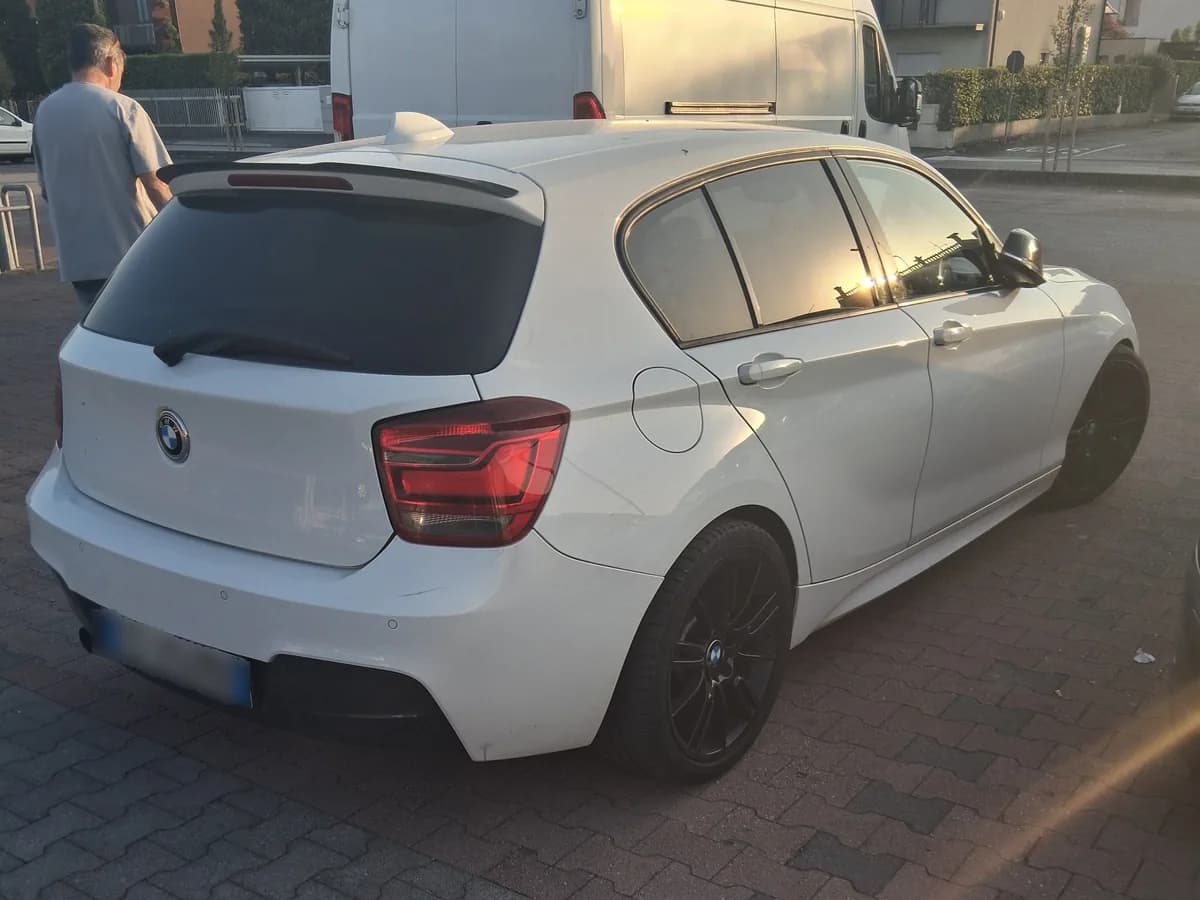
2011

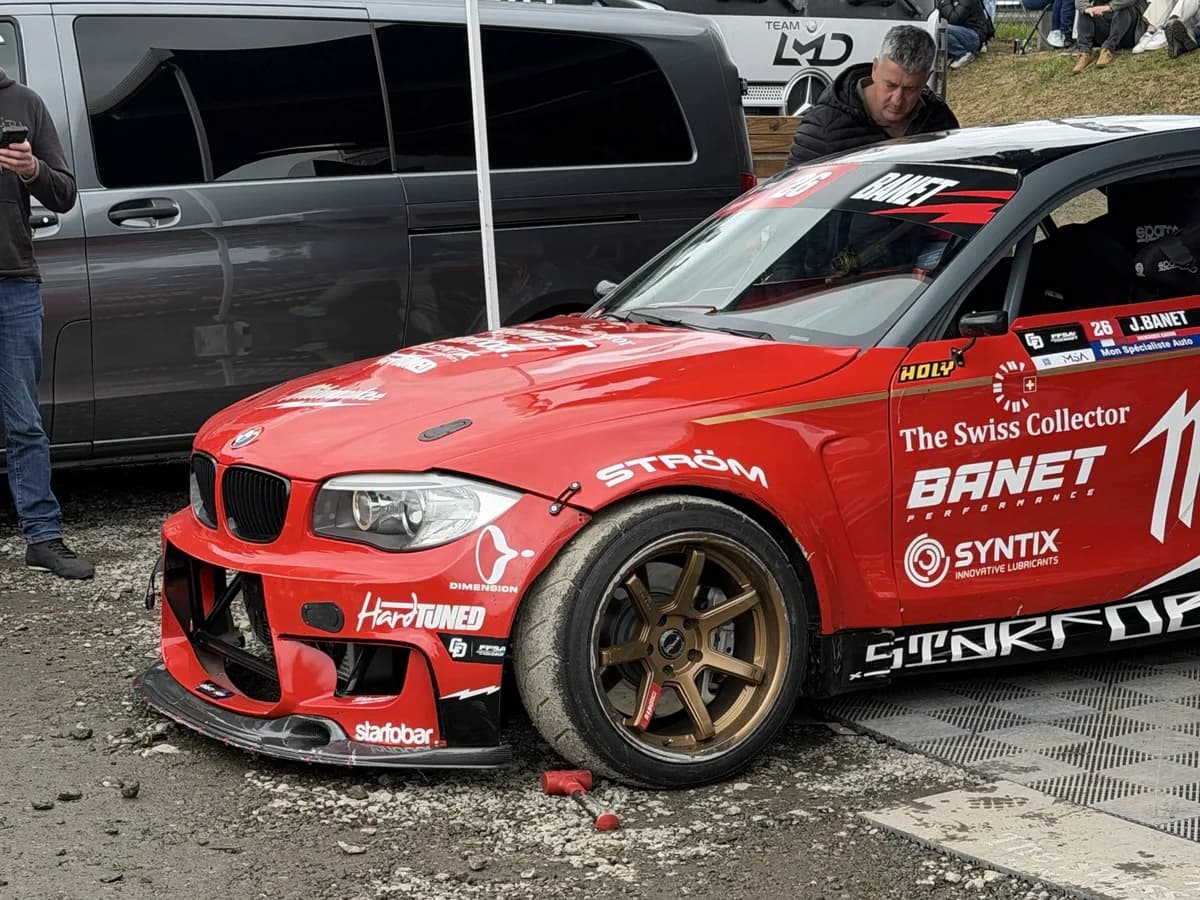
2007

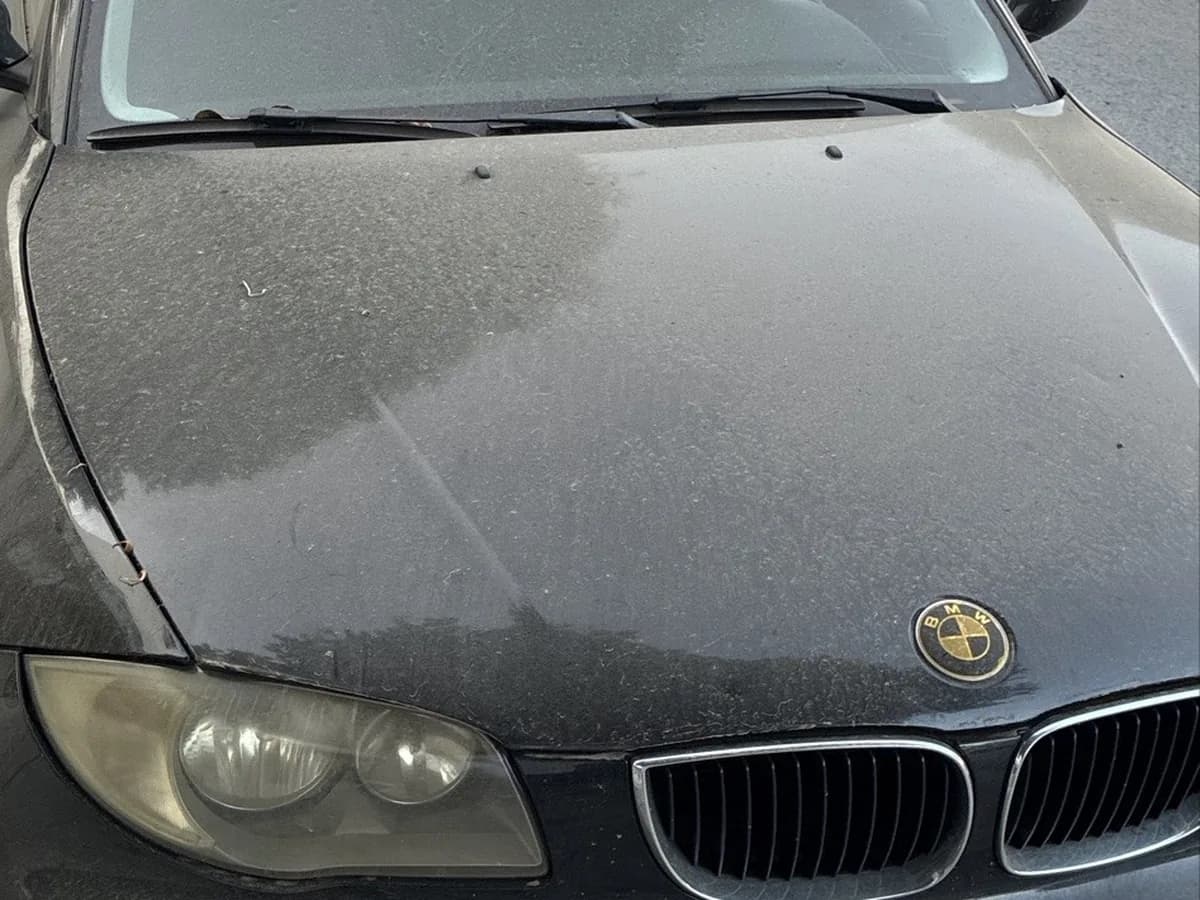
2004
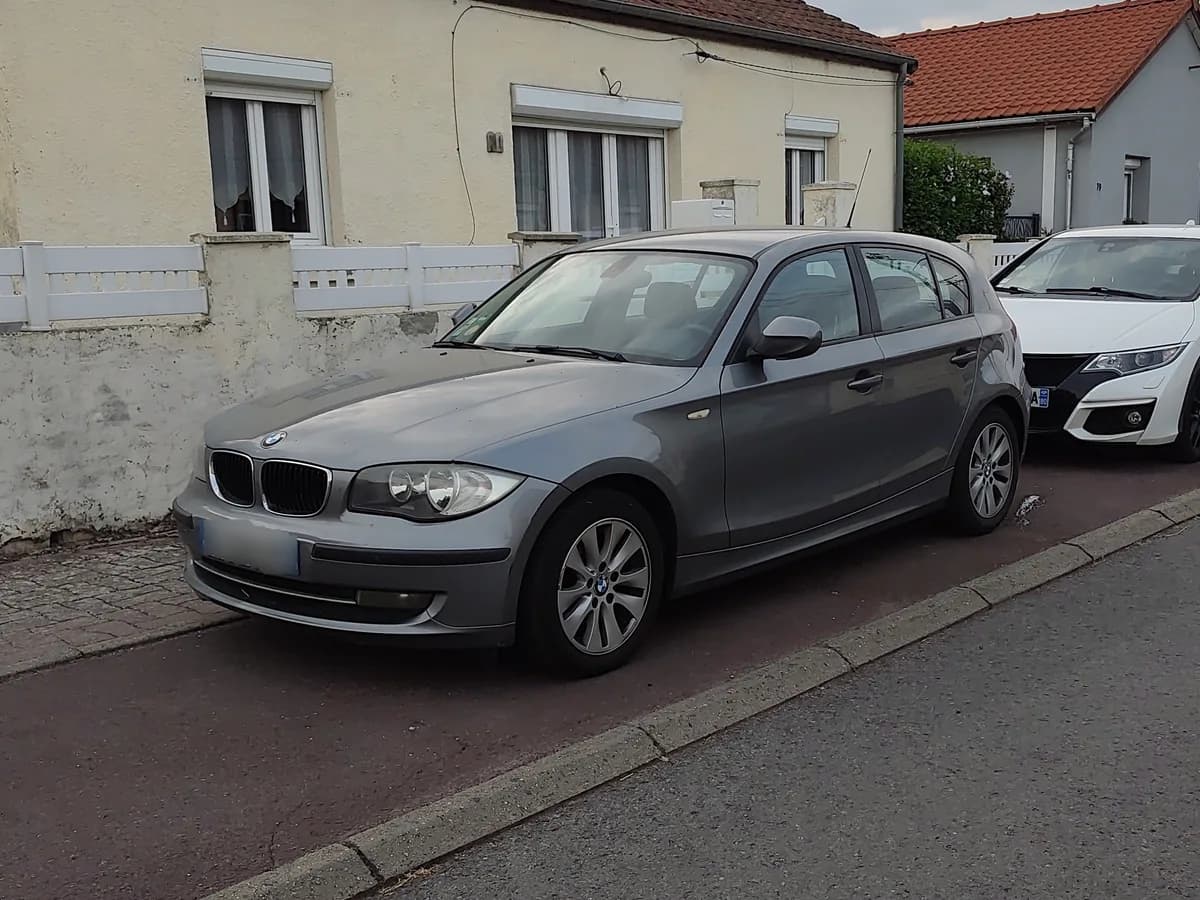
BMW 1 Series photos
Model summary
Data from the ScanRacer library, organized to compare versions quickly.
Model introduction
Launched in autumn 2004, the BMW 1 Series brought the brand into the premium compact segment. Its first two generations used a longitudinal-engine, rear-wheel-drive layout, a technical choice that distinguished the car from many rivals. The range later expanded beyond the original five-door hatchback to include three-door models, coupés, convertibles and the F52 sedan developed exclusively for China. In 2019, the third generation introduced BMW’s front-wheel-drive architecture to the series, while retaining xDrive all-wheel drive on selected versions and adding the performance-focused M135i. The fourth generation arrived in 2024 with a five-door body, updated driver-assistance and infotainment systems, and electrified powertrains on selected variants. Together, these changes show how the 1 Series evolved from a compact rear-drive BMW into a broader premium hatchback family. (press.bmwgroup.com)
History
BMW introduced the first 1 Series in 2004 as a new entry in the premium compact class. The original model arrived as a five-door hatchback and used a longitudinal engine with rear-wheel drive, an unusual arrangement in a segment dominated by front-wheel-drive cars. From 2007, the family expanded with three-door, coupé and convertible versions. The coupé and convertible had distinct two-door bodies and a more overtly sporting character than the standard hatchback. (press.bmwgroup.com) The second generation appeared in 2011. It continued with rear-wheel drive and was offered as a five-door and, in selected markets, a three-door hatchback. BMW revised the engines, suspension, cabin and efficiency, while retaining the compact model’s rear-driven identity. The same period produced the limited-run 1 Series M Coupé, developed by BMW M as a high-performance two-door model. In 2016 and 2017, BMW added the F52 sedan for China; it was developed for that market, built there and sold exclusively to Chinese customers. (press.bmwgroup.com) The third generation arrived in 2019 with a major technical change: front-wheel drive became the standard layout, while xDrive remained available on selected models. The body was five-door only, and BMW stated that the new architecture increased interior space without a major increase in exterior dimensions. The fourth generation was unveiled in 2024, the year marking two decades of the 1 Series. (press.bmwgroup.com)
Generations
The first generation is mainly represented by the E81, E82, E87 and E88 codes. E87 identifies the five-door hatchback introduced in 2004, while E81 refers to the later three-door model. E82 and E88 designate the coupé and convertible respectively. This family is identifiable by its compact proportions, relatively long bonnet and rear-wheel-drive layout. Production of the coupé and convertible began in 2007, followed by the E82 1 Series M Coupé in 2011. (press.bmwgroup.com) The second generation uses the F20 code for the five-door hatchback and F21 for the three-door version. Introduced in 2011, it retained rear-wheel drive while receiving revised engines, suspension and interior equipment. Performance models included the M135i and, later, the M140i. The F52 sedan was a separate derivative developed, manufactured and sold exclusively in China. It should therefore not be treated as a global sedan equivalent to the mainstream hatchback range. (press.bmwgroup.com) The third generation is the F40, launched in 2019. It introduced front-wheel drive, a five-door-only body and an architecture designed to improve rear-seat and luggage space. The fourth generation, identified as the F70 in BMW production information, began in 2024. It keeps the five-door format while bringing a new exterior design, expanded digital functions and electrified assistance from selected powertrains. (press.bmwgroup.com)
Key differences
The most important generational difference is mechanical. The E81/E82/E87/E88 and F20/F21 families use rear-wheel drive with a longitudinal engine layout, giving them the traditional BMW compact-car format. The F40 changes to a front-wheel-drive architecture, allowing BMW to increase cabin and luggage space within a similarly compact exterior. Selected F40 versions use xDrive all-wheel drive, but they do not share the rear-drive architecture of the earlier cars. (press.bmwgroup.com) Body style is another clear separator. The first generation includes five-door and three-door hatchbacks, a coupé and a convertible. The second generation continues the hatchback range and, depending on market and production period, the two-door derivatives. The F52 is a distinct sedan developed specifically for China, rather than a global replacement for the hatchback. From 2019 onward, the worldwide 1 Series becomes a five-door-only model. The F40 and F70 also bring larger changes to digital interfaces, driver assistance and electrification than the earlier facelift programs. (press.bmwgroup.com)
Photo recognition
For the first generation, body style is the easiest starting point. E87 identifies the five-door hatchback, E81 the three-door, E82 the coupé and E88 the convertible. The coupé and convertible have lower, longer silhouettes than the hatchbacks. The 1 Series M Coupé can be distinguished by its widened bodywork, bespoke bumpers and visibly broader stance compared with a standard 1 Series Coupé. (press.bmwgroup.com) The second-generation F20/F21 has a sharper front-end design and stretched headlamps while retaining the proportions associated with a compact rear-wheel-drive BMW. M135i and M140i badges identify the sporting variants of this family, although equipment and trim details differ by market. The F52 is easy to separate from the hatchbacks because it uses a three-box sedan body with a distinct luggage compartment and belongs to the China-only sedan program launched in 2016-2017. (press.bmwgroup.com) The F40, introduced in 2019, is five-door only and has a taller grille, more sculpted surfaces and a more digitally focused cabin. The 2024 F70 keeps the five-door format but adds a revised front end and slimmer lighting signatures. Chassis codes, factory identification plates and original registration documents remain the most reliable ways to confirm a specific car. (press.bmwgroup.com)
Important versions
The most significant versions include the original five-door hatchback, which established the 1 Series in the premium compact class, and the coupé and convertible introduced in 2007. The 2011 1 Series M Coupé is especially notable: BMW M developed it as a limited-production compact performance car with widened bodywork, a specially tuned chassis and a twin-turbocharged straight-six engine. (press.bmwgroup.com) The M135i and later M140i represent the performance flagships of the second-generation hatchback range. The F52 sedan is important for a different reason: it was developed for Chinese customers and sold exclusively in China. The F40 M135i xDrive then brought a high-performance model to the third-generation front-wheel-drive architecture, with all-wheel drive. Exact availability, naming and equipment varied by market and model year. (press.bmwgroup.com)
The name “1 Series” follows BMW naming, with its rules and its exceptions. Decode a BMW name
References
- Sheer Driving pleasure now also to be found in the compact class: The new BMW 1 Series soon to be launchedBMW Group PressClub
- The new BMW 1 SeriesBMW Group PressClub
- BMW 1 Series Sedan: sporty, highly emotional model exclusively for the Chinese marketBMW Group PressClub
- The all-new BMW 1 Series - The perfect synthesis of agility and spaceBMW Group PressClub
- The BMW 1 Series M CoupeBMW Group PressClub
- The all-new BMW 1 SeriesBMW Group PressClub
- https://www.press.bmwgroup.com/usa/article/detail/T0092337EN_US/the-all-new-bmw-1-series-m-coupe?language=en_USpress.bmwgroup.com
- https://www.press.bmwgroup.com/global/article/detail/T0091933EN/the-bmw-1-series-m-coupe?language=enpress.bmwgroup.com
Frequently asked questions
- What years was the BMW 1 Series produced?
- ScanRacer's referenced versions cover 2004 - 2024.
- How many BMW 1 Series examples are documented on ScanRacer?
- 48 published scans from 39 members, with the latest photo added in September 2026.
What about the car you photographed?
Upload a photo to get a suggested make, model and likely year.
No account needed for the result · Publish only if you choose