
X3
Introduced in 2003, the BMW X3 helped establish BMW in the premium compact SUV category, described by the brand as the Sports Activity Vehicle segment. Positioned below the X5, it combines all-wheel drive, road-focused handling and everyday practicality. Across four generations, the X3 has developed from a relatively compact and deliberately sporty vehicle into a larger, more digital SUV offered with several powertrain types. BMW states that the X3 introduced its intelligent xDrive all-wheel-drive system and became the company’s best-selling model in 2023. The ScanRacer library covers BMW X3 references from 2003 through 2025, including the Base, iX3 and Alpina XD3 variants where those entries are available. Exact equipment, engines and model-year details can vary by market and by production period.
What about the car you photographed?
Upload a photo to get a suggested make, model and likely year.
No account needed for the result · Publish only if you choose
Variants by year
Make: BMW · Model: X3
13 / 13 versions shown
2025
2024
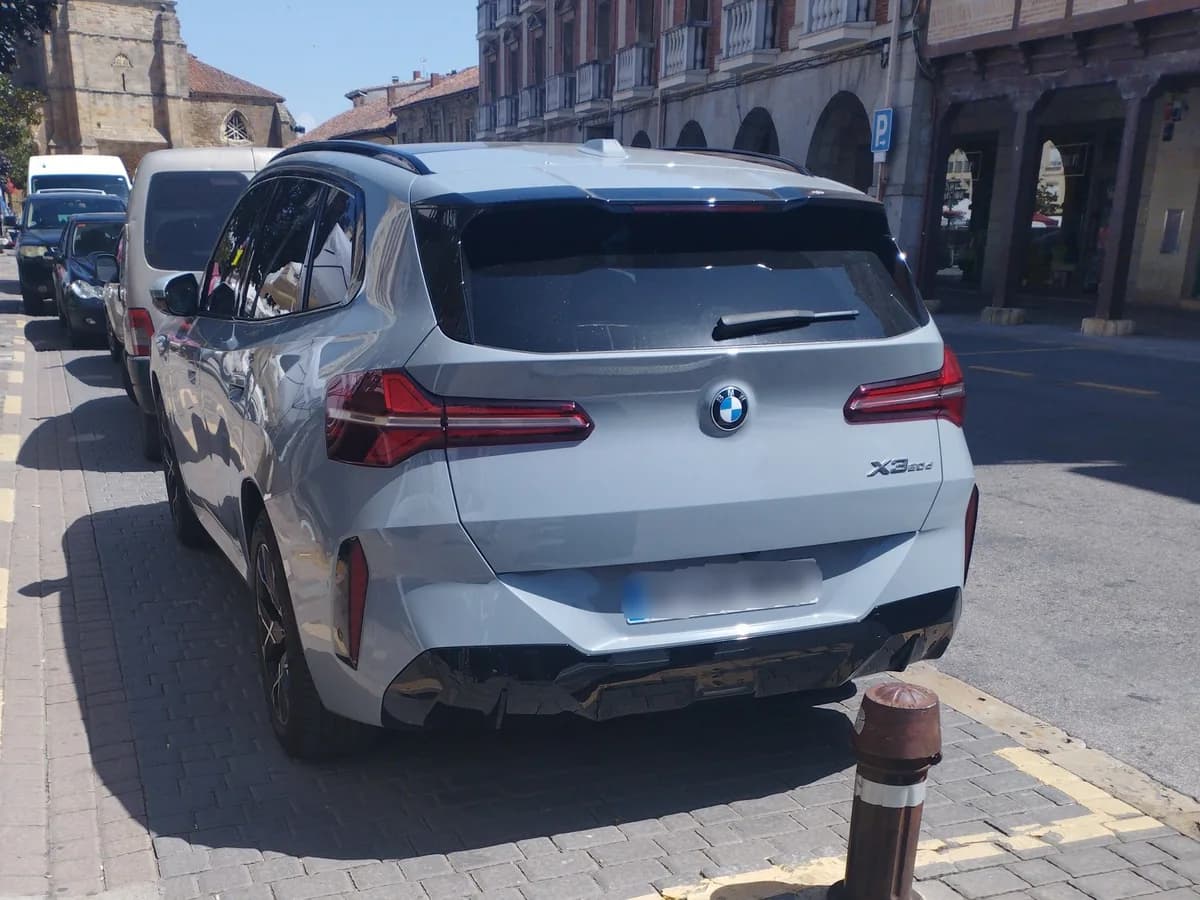
2021

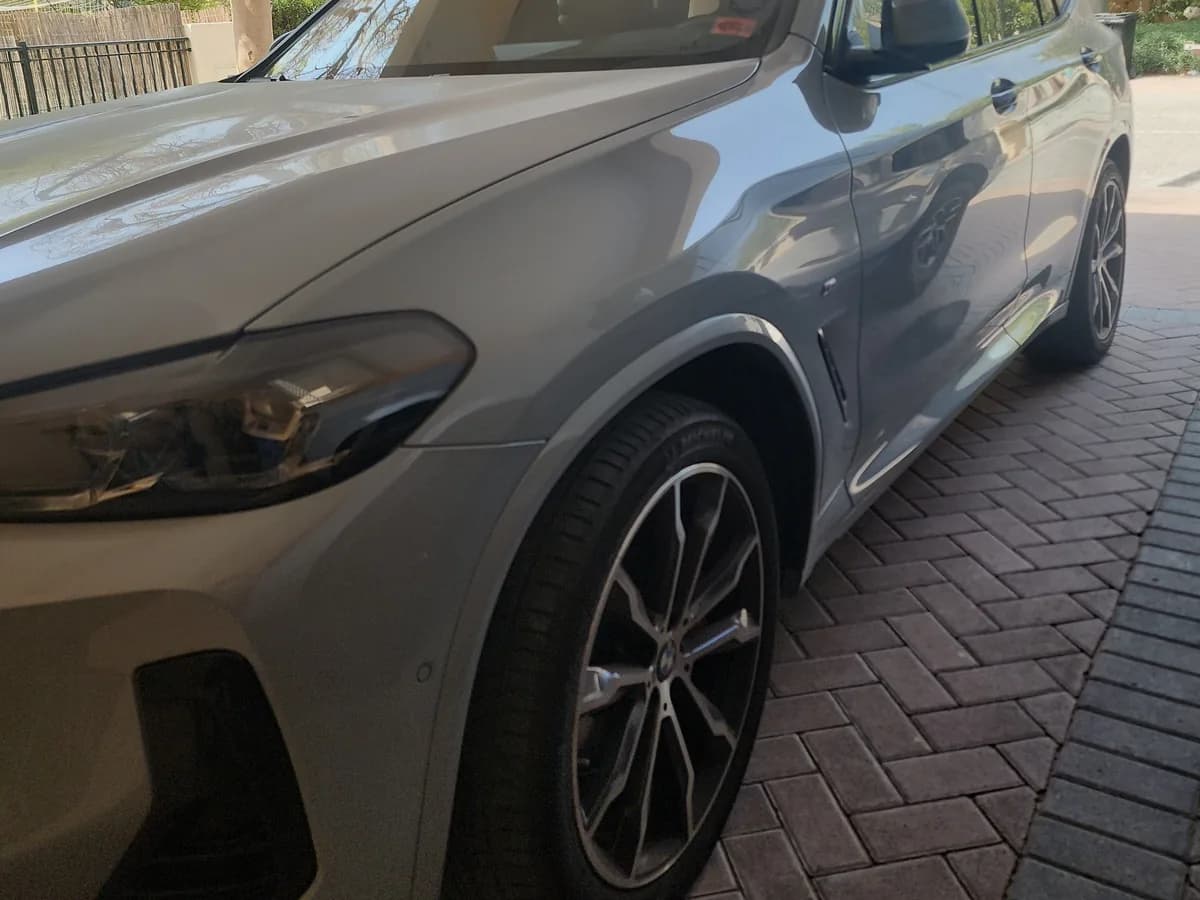
2020
2017
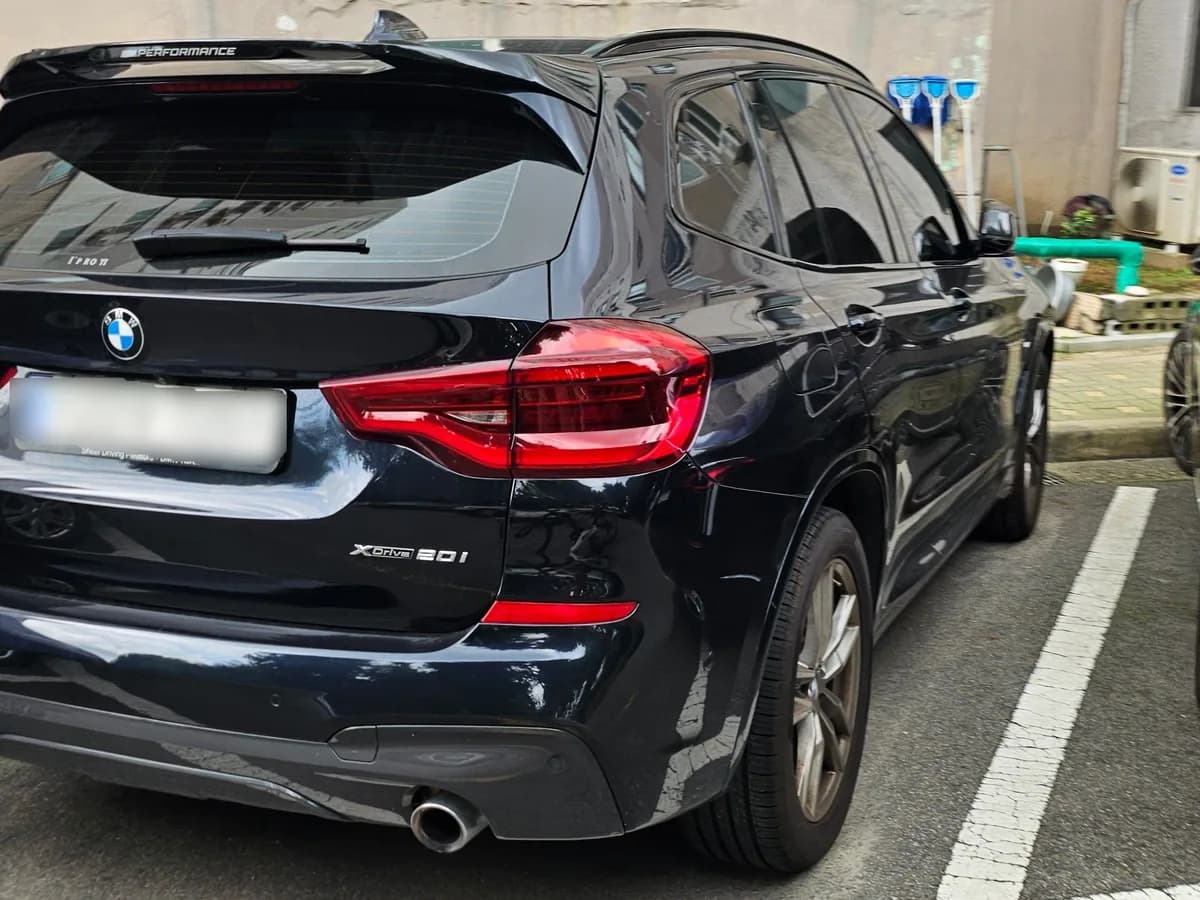 R
R2014
 R
R2013
2010
2003
BMW X3 photos
Model summary
Data from the ScanRacer library, organized to compare versions quickly.
Model introduction
Introduced in 2003, the BMW X3 helped establish BMW in the premium compact SUV category, described by the brand as the Sports Activity Vehicle segment. Positioned below the X5, it combines all-wheel drive, road-focused handling and everyday practicality. Across four generations, the X3 has developed from a relatively compact and deliberately sporty vehicle into a larger, more digital SUV offered with several powertrain types. BMW states that the X3 introduced its intelligent xDrive all-wheel-drive system and became the company’s best-selling model in 2023. The ScanRacer library covers BMW X3 references from 2003 through 2025, including the Base, iX3 and Alpina XD3 variants where those entries are available. Exact equipment, engines and model-year details can vary by market and by production period.
History
The first BMW X3 appeared in 2003, creating a model positioned below the X5. Known internally as the E83, this generation was built by Magna Steyr in Graz, Austria, and used technical elements related to the 3 Series. BMW presented it as a pioneer in the premium midsize Sports Activity Vehicle category. Intelligent xDrive all-wheel drive was central to its identity, with torque distribution managed according to traction and stability conditions. The second-generation F25 was introduced in 2010. Production of the new model began at BMW’s Spartanburg plant in the United States, while BMW emphasized increased cabin space, improved functionality, greater efficiency and enhanced ride comfort. In 2017, the G01 generation brought a more assertive design, updated powertrains and the first M Performance derivative in the X3 family, the X3 M40i. The fourth-generation G45 was unveiled in June 2024 and began its market launch during the fourth quarter of 2024, followed by additional markets in 2025. It adopted a larger-looking body, a revised digital interface and a broader range including a plug-in hybrid model and the X3 M50 xDrive. Introduction dates, equipment and available powertrains may differ between countries.
Generations
The first-generation E83 is identified by relatively compact proportions, a tall body and restrained surfacing. It represents the X3’s original concept and places greater emphasis on functionality than on outright luxury. A mid-cycle facelift brought visible changes to the front and rear styling. The F25, introduced in 2010, grew in size and adopted a smoother profile. Cabin space and comfort improved, while the range progressively received new engines, eight-speed automatic transmissions on selected versions and, in some markets, two-wheel-drive configurations. The 2014 facelift is a useful visual reference for separating early and late examples of this generation. The G01 arrived in 2017 with a wider body, a larger-looking grille and a more contemporary interior. It introduced the X3 M40i and later provided the basis for the battery-electric iX3, launched from 2020. The G45, unveiled in 2024 for 2025 model-year sales, uses a more upright front end, smoother body surfaces and a dashboard dominated by BMW’s curved display. E83, F25, G01 and G45 are BMW internal generation codes, but exact sales and production years can differ between markets.
Key differences
The main differences between X3 generations concern size, styling and digital equipment. The E83 is generally the most compact and visually straightforward. The F25 adds space, comfort and equipment while retaining a relatively conventional BMW interior. The G01 raises the premium character, broadens the range and introduces the X3 M40i as well as the battery-electric iX3 during its production period. The G45 stands out through a longer and wider body, a more upright front end, a newer digital interface and a stronger electrification strategy. BMW announced a plug-in hybrid X3 30e xDrive and a six-cylinder electrified X3 M50 xDrive. These characteristics should not be used alone to identify every trim or engine, however. Names, drivetrains and standard equipment may change according to market, model year and optional packages.
Photo recognition
To identify a BMW X3, start with the overall body shape, headlights, kidney grille and rear-lamp design. The E83 has compact proportions and relatively upright surfaces; facelifted examples use revised front styling and lighting. The F25 looks longer and smoother, with a cabin whose center console remains angled toward the driver. The 2014 facelift changed the bumpers, headlights and several trim details. The G01 can usually be recognized by its wider stance, larger-looking grille and horizontal rear lights. M Performance models add sportier visual elements, but an M Sport package does not automatically mean that the vehicle is an X3 M40i. The iX3 shares the G01’s basic shape but may feature blue accents and model-specific aerodynamic details depending on market. The G45 adopts smoother body surfaces, a more upright grille and a panoramic curved display inside. For a dependable identification, also check the VIN, the manufacturer plate and the vehicle’s production date.
Important versions
The X3 range includes several significant derivatives. The Base version is the general-purpose reference in the ScanRacer library, with coverage from 2003 to 2024 in the supplied data. The iX3 is the fully electric derivative associated with the G01 generation and appears in the ScanRacer references from 2020 through 2025. The Alpina XD3 has a distinct position: developed by Alpina from the X3, it takes a more exclusive and performance-oriented approach; the library lists it from 2013 to 2021. BMW has also offered performance variants such as the X3 M40i, followed by the X3 M50 xDrive in the G45 generation, as well as the plug-in hybrid X3 30e xDrive. Availability, naming and specifications depend on the market and model year.
The name “X3” follows BMW naming, with its rules and its exceptions. Decode a BMW name
References
- The new BMW X3BMW Group PressClub
- The new BMW X3BMW Group PressClub
- The new BMW X3BMW Group PressClub
- The new BMW X3: New generation replaces the previousBMW Group PressClub
- BMW X3: Modelle, Technische Daten, PreiseADAC
- BMW X3 Generations Overview: From Ugly Duckling To Best-SellerAutoblog
- https://www.iseecars.com/car/bmw-x3/generationsiseecars.com
Technical specifications
Structured data available for versions linked to this model.
| Version | Power | Torque | Top speed | Drivetrain | Fuel |
|---|---|---|---|---|---|
| — | 248 horsepower | — | — | Rear-wheel drive or all-wheel drive / 8-speed automatic | — |
Frequently asked questions
- What years was the BMW X3 produced?
- ScanRacer's referenced versions cover 2003 - 2025.
- How many BMW X3 examples are documented on ScanRacer?
- 15 published scans from 12 members, with the latest photo added in September 2026.
- What is the power output of the BMW X3?
- The sourced technical data lists 248 horsepower.
What about the car you photographed?
Upload a photo to get a suggested make, model and likely year.
No account needed for the result · Publish only if you choose