
M2
Unveiled by BMW M in October 2015 and marketed as a 2016 model, the BMW M2 F87 was the first compact coupe to carry the M2 nameplate. It combined a 2 Series-based body with a turbocharged inline-six, rear-wheel drive, an Active M Differential, and an M-tuned suspension developed for demanding road use and track driving. The second generation, known as the G87, arrived for the 2023 model year on a newer technical platform and adopted BMW M’s 3.0-liter S58 engine. The range gained additional power for 2024, followed by a limited M2 CS in 2025. ScanRacer currently covers model years from 2015 to 2025, with Base and CS entries represented in its available version data.
What about the car you photographed?
Upload a photo to get a suggested make, model and likely year.
No account needed for the result · Publish only if you choose
Variants by year
Make: BMW · Model: M2
5 / 5 versions shown
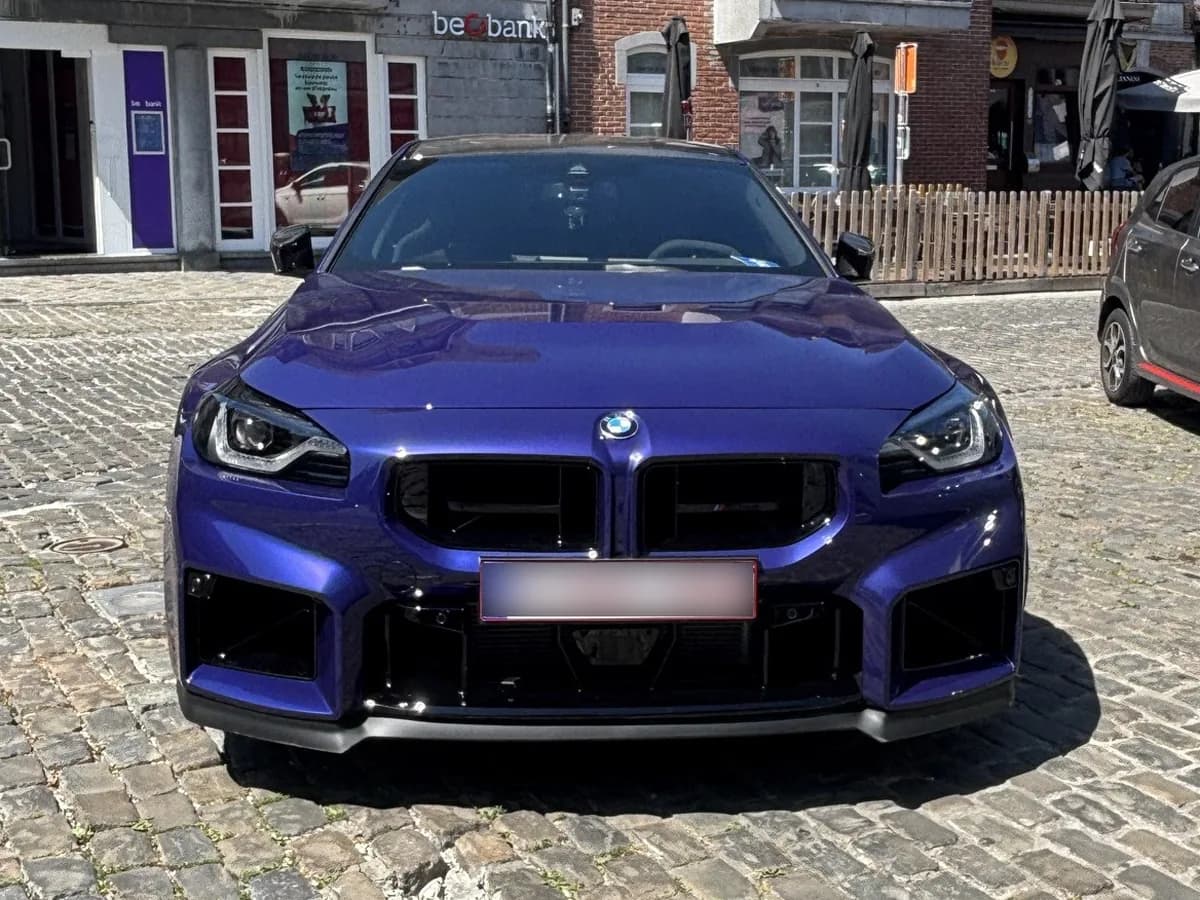
2025
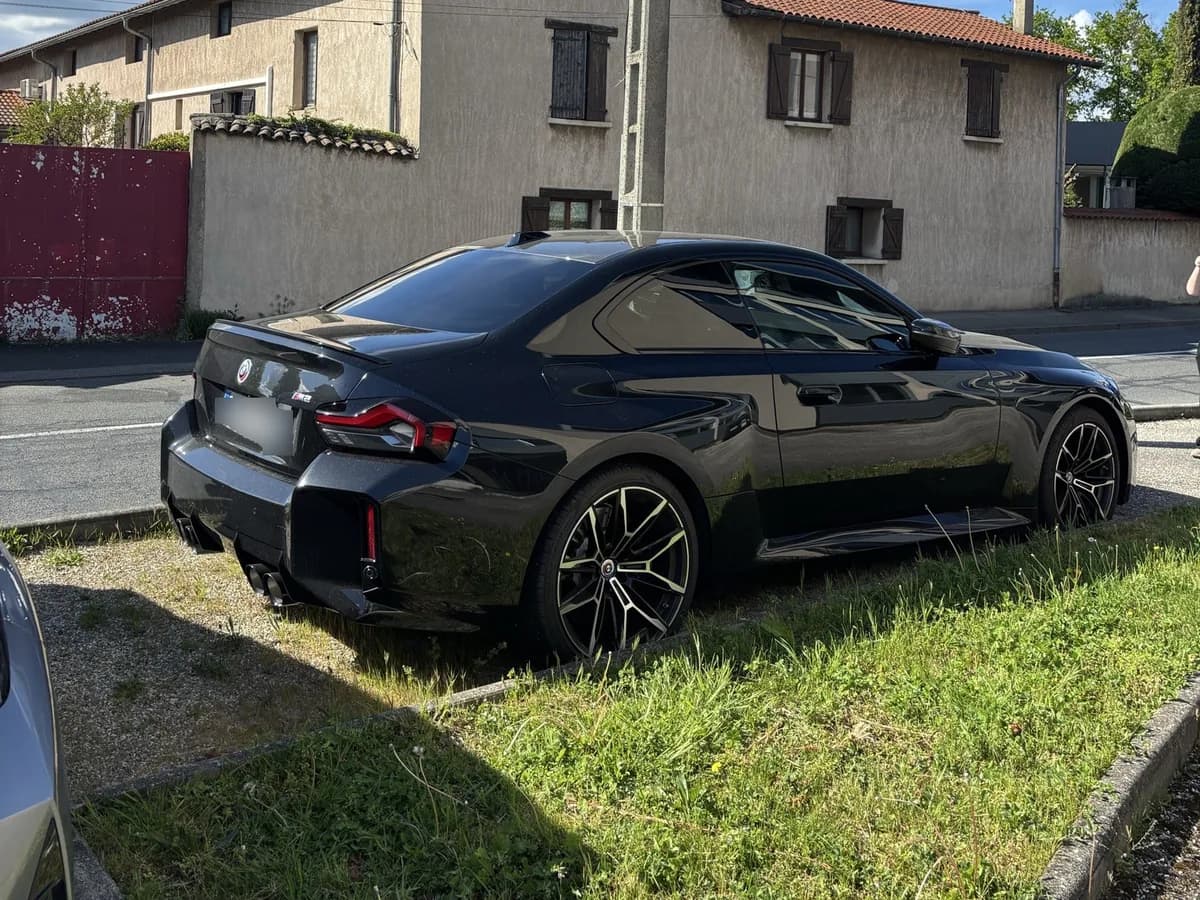
2022
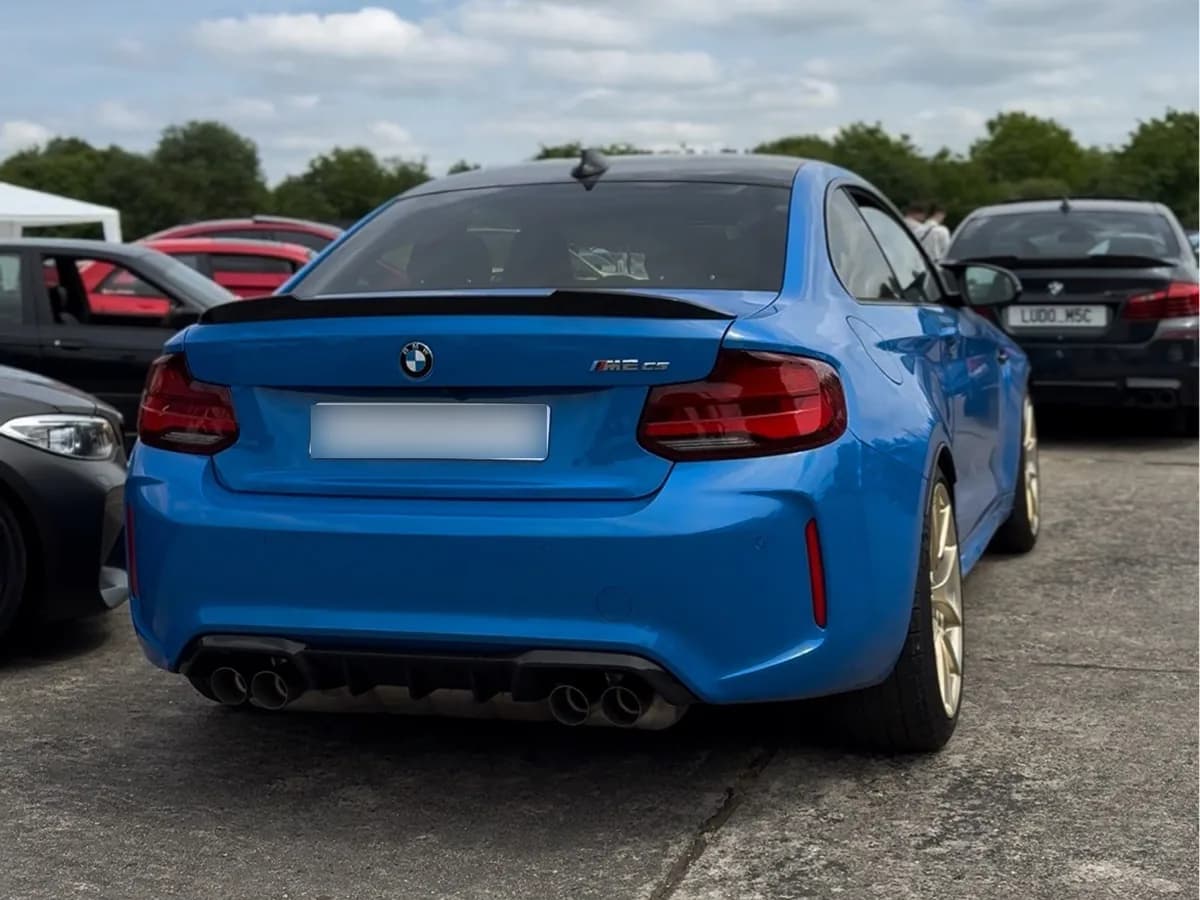
2019
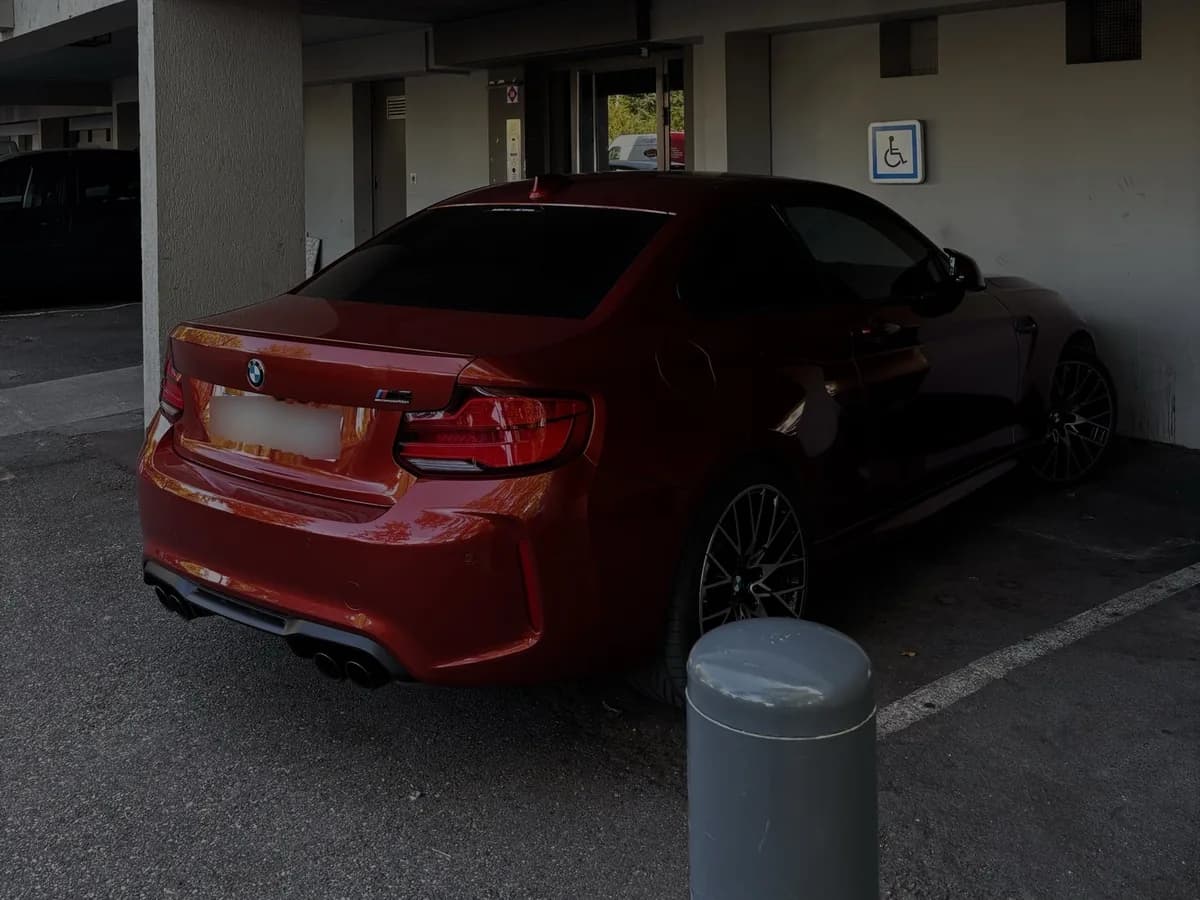
2018
2015
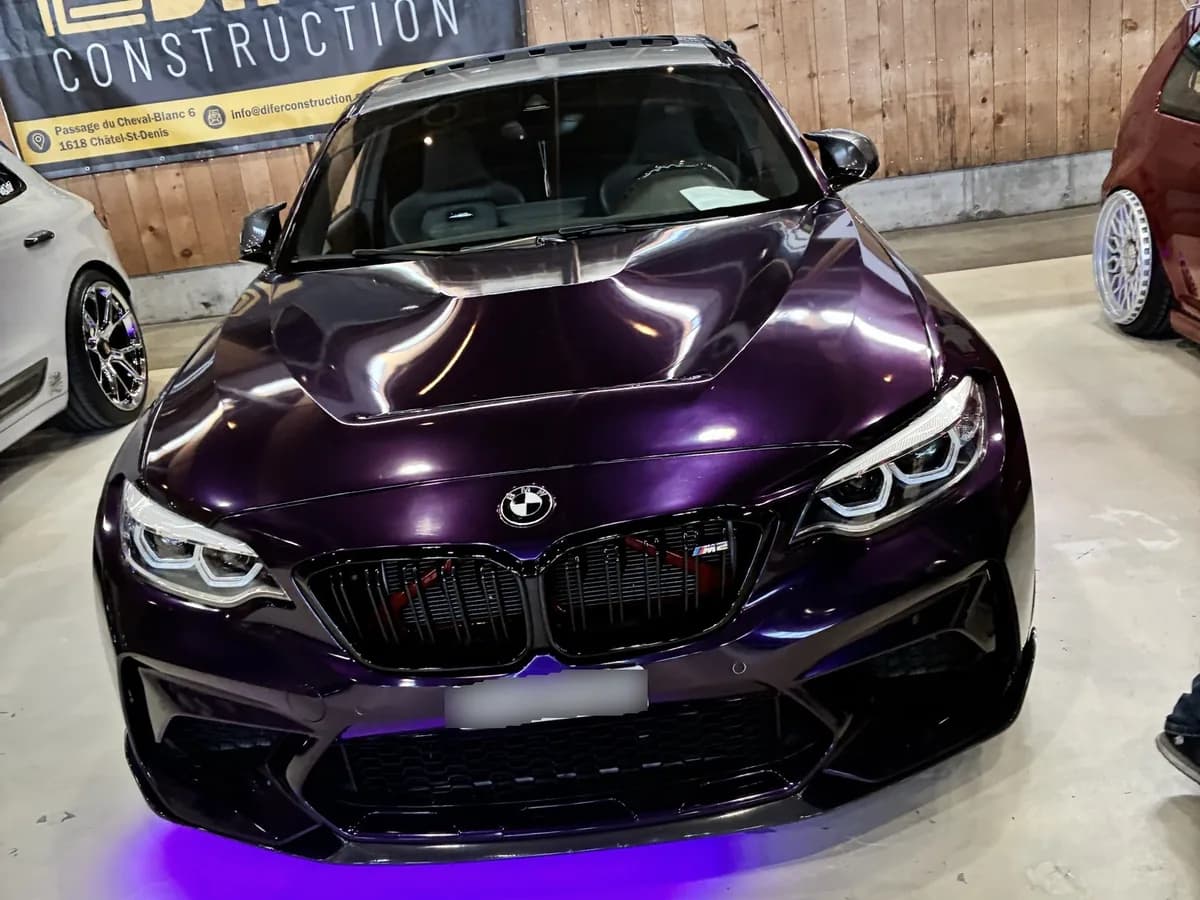
BMW M2 photos
Model summary
Data from the ScanRacer library, organized to compare versions quickly.
Model introduction
Unveiled by BMW M in October 2015 and marketed as a 2016 model, the BMW M2 F87 was the first compact coupe to carry the M2 nameplate. It combined a 2 Series-based body with a turbocharged inline-six, rear-wheel drive, an Active M Differential, and an M-tuned suspension developed for demanding road use and track driving. The second generation, known as the G87, arrived for the 2023 model year on a newer technical platform and adopted BMW M’s 3.0-liter S58 engine. The range gained additional power for 2024, followed by a limited M2 CS in 2025. ScanRacer currently covers model years from 2015 to 2025, with Base and CS entries represented in its available version data.
History
The BMW M2 emerged during BMW M’s revival of compact performance cars. Its launch was announced on October 13, 2015, ahead of showroom availability in spring 2016. The F87 used the 2 Series coupe body as a starting point, but wider tracks, aluminum suspension components, M brakes, and an Active M Differential clearly separated it from a regular 2 Series. Its initial U.S.-specification car used a turbocharged 3.0-liter inline-six rated at 365 hp, paired with either a six-speed manual gearbox or a dual-clutch transmission, depending on market and specification. The F87 range later expanded with the M2 Competition, which adopted the S55 engine more closely related to the units used in the M3 and M4, and the M2 CS, a limited special model introduced in 2019. BMW M presents the CS as the closing chapter of the F87 family. The second-generation G87 was unveiled in 2022 for the 2023 model year. It grew in size, moved to newer underlying hardware, and adopted the S58 inline-six while retaining rear-wheel drive and an available manual transmission on the standard M2. A 480-hp update followed for 2024, while the 2025 M2 CS added more power and used carbon-fiber components to reduce weight.
Generations
The first generation, designated F87, covers the M2’s beginnings from 2016 through the end of its commercial life. Early cars are identifiable by their compact coupe body, flared wheel arches, M mirrors, quad exhaust outlets, and dedicated wheel designs. The 2019 facelift altered selected lighting and trim details without changing the model’s overall identity. The Competition and CS versions remained derivatives of the same F87 generation rather than separate generations. The second generation, G87, was introduced for 2023. It is based on the next-generation 2 Series Coupe and uses a wider, more angular body. Its 2,993 cc S58 engine can be paired with a six-speed manual gearbox or an eight-speed M Steptronic automatic, depending on specification. For 2024, BMW announced an output increase to 480 hp together with revised styling and equipment. The 2025 M2 CS also belongs to the G87 family: it produces 523 hp, uses an automatic transmission as standard, and adds carbon-fiber components and CS-specific chassis tuning. ScanRacer’s model-year ranges may not exactly match presentation or retail-launch dates, so the database year should be read as a cataloging reference rather than a universal production statement.
Key differences
The F87 is the smaller generation and remains visually closer to the original 2 Series Coupe. Its cabin, instrumentation, and body design belong to an earlier BMW era, while its engines separate the main variants: the original M2 uses an N55-family inline-six, whereas the Competition and CS use the S55. The G87 is larger, more angular, and built around a wider stance, with an S58 engine related in architecture to those used by contemporary M3 and M4 models. It also brings a newer digital interior and a five-link rear axle. On applicable model years, the standard G87 M2 retains a choice of manual or automatic transmission. The 2025 M2 CS stands apart with 523 hp, an automatic transmission as standard, carbon-fiber parts, forged wheels, and more track-focused chassis calibration. Exact equipment and power ratings can vary by market.
Photo recognition
To identify an F87, look for a short two-door body, strongly flared rear arches, four centrally grouped exhaust outlets, and M mirrors with their characteristic double-support design. Early M2 cars use slimmer front lighting and the traditional 2 Series grille treatment. The 2019 F87 facelift is mainly recognized through revised lighting and trim details; appearance alone may not reliably separate a standard M2 from a Competition or CS. Competition cars commonly feature darker exterior details and a more aggressive specification, but the VIN or manufacturer build record should be used for confirmation. The G87 is wider and more angular. Its front end features a broad lower intake, a grille without a prominent surrounding frame, a hood power dome, and four square exhaust outlets. Wheel designs, brake colors, and seat types may change with options. A 2025 M2 CS should be checked for carbon-fiber body and interior components, CS badging, forged wheels, and its automatic-transmission configuration. No single visual clue is conclusive, particularly when a car has been modified, repaired, or fitted with optional parts.
Important versions
The launch F87 M2, announced in 2015 for the 2016 model year, established the M2 family. The M2 Competition later strengthened the F87 range with the S55 engine, while the 2019 M2 CS added a more exclusive and lighter specification. The G87 is the second generation, introduced for 2023 with the S58 engine. For 2024, BMW raised the standard M2’s output to 480 hp in the relevant factory specification. The 2025 M2 CS is a limited special model based on the G87: it produces 523 hp, uses an automatic transmission as standard, and incorporates multiple carbon-fiber components. Within the supplied ScanRacer context, the available entries are labeled Base for 2015-2022 and CS for 2025.
The name “M2” follows BMW naming, with its rules and its exceptions. Decode a BMW name
References
- The All-New 2016 BMW M2BMW Group PressClub USA
- BMW M2 Coupé F87 and BMW M2 Competition F87BMW M
- The All-New BMW M2: Purebred Driving Pleasure, Intensely ConcentratedBMW Group PressClub USA
- The new BMW M2BMW Group PressClub Global
- The new 2026 BMW M2 CSBMW Group PressClub USA
- Iconic M design features on the BMW M2 G87BMW M
- https://www.bmw.co.uk/en/all-models/m-models/m2-competition/2019/highlights.htmlbmw.co.uk
Technical specifications
Structured data available for versions linked to this model.
| Version | Power | Torque | Top speed | Drivetrain | Fuel |
|---|---|---|---|---|---|
| — | 460 chevaux | — | — | Propulsion arrière / Boîte manuelle à six rapports ou boîte automatique M Steptronic avec Drivelogic | — |
Frequently asked questions
- What years was the BMW M2 produced?
- ScanRacer's referenced versions cover 2015 - 2025.
- How many BMW M2 examples are documented on ScanRacer?
- 73 published scans from 43 members, with the latest photo added in October 2026.
- What is the power output of the BMW M2?
- The sourced technical data lists 460 chevaux.
What about the car you photographed?
Upload a photo to get a suggested make, model and likely year.
No account needed for the result · Publish only if you choose