
X5
The BMW X5, introduced in 1999, is a luxury SUV that has redefined performance and comfort standards in its category. From its first generation (E53), it combined power and elegance, setting a new benchmark for high-end off-road vehicles. Over the years, the X5 has evolved through several generations, each bringing technological innovations and design enhancements, solidifying its position as a leader in the luxury SUV market.
What about the car you photographed?
Upload a photo to get a suggested make, model and likely year.
No account needed for the result · Publish only if you choose
Variants by year
Make: BMW · Model: X5
5 / 5 versions shown
2023
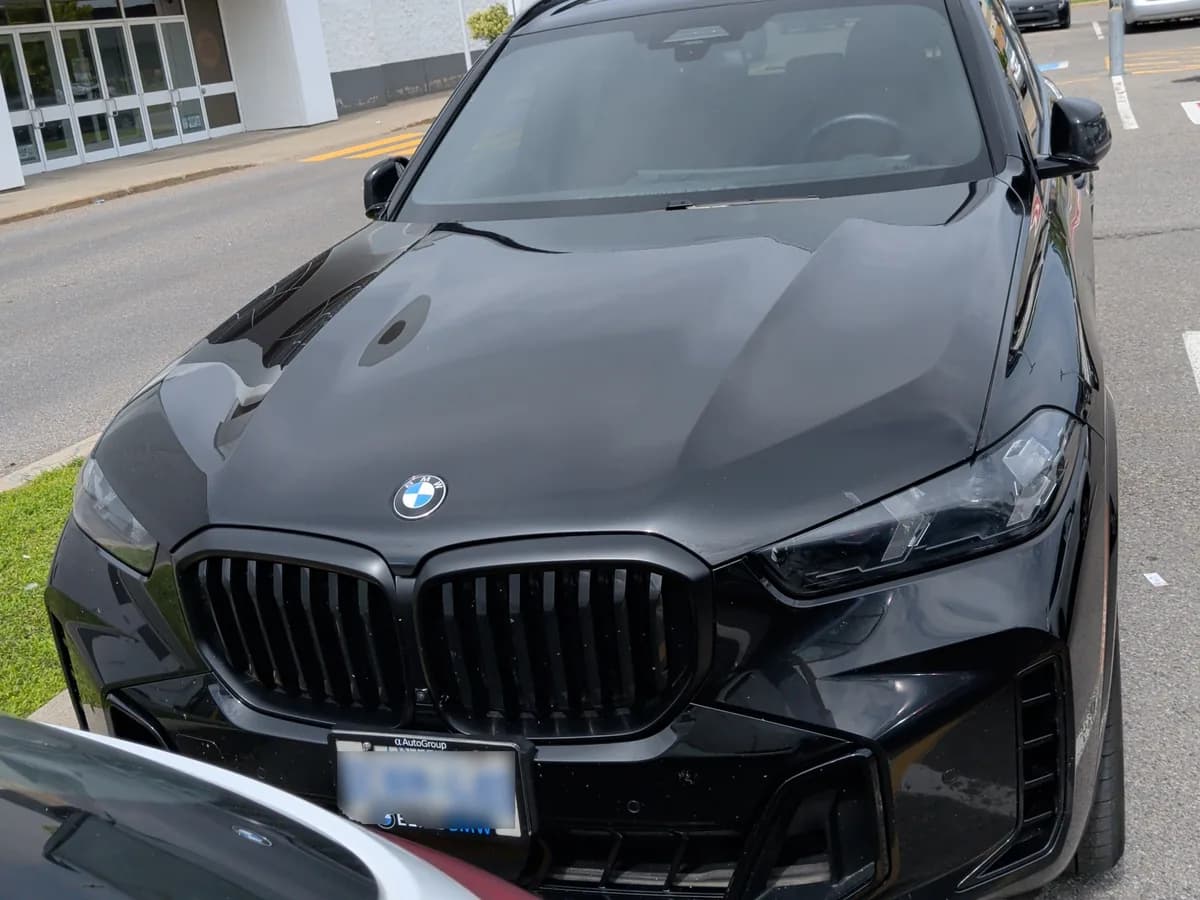
2018

2013
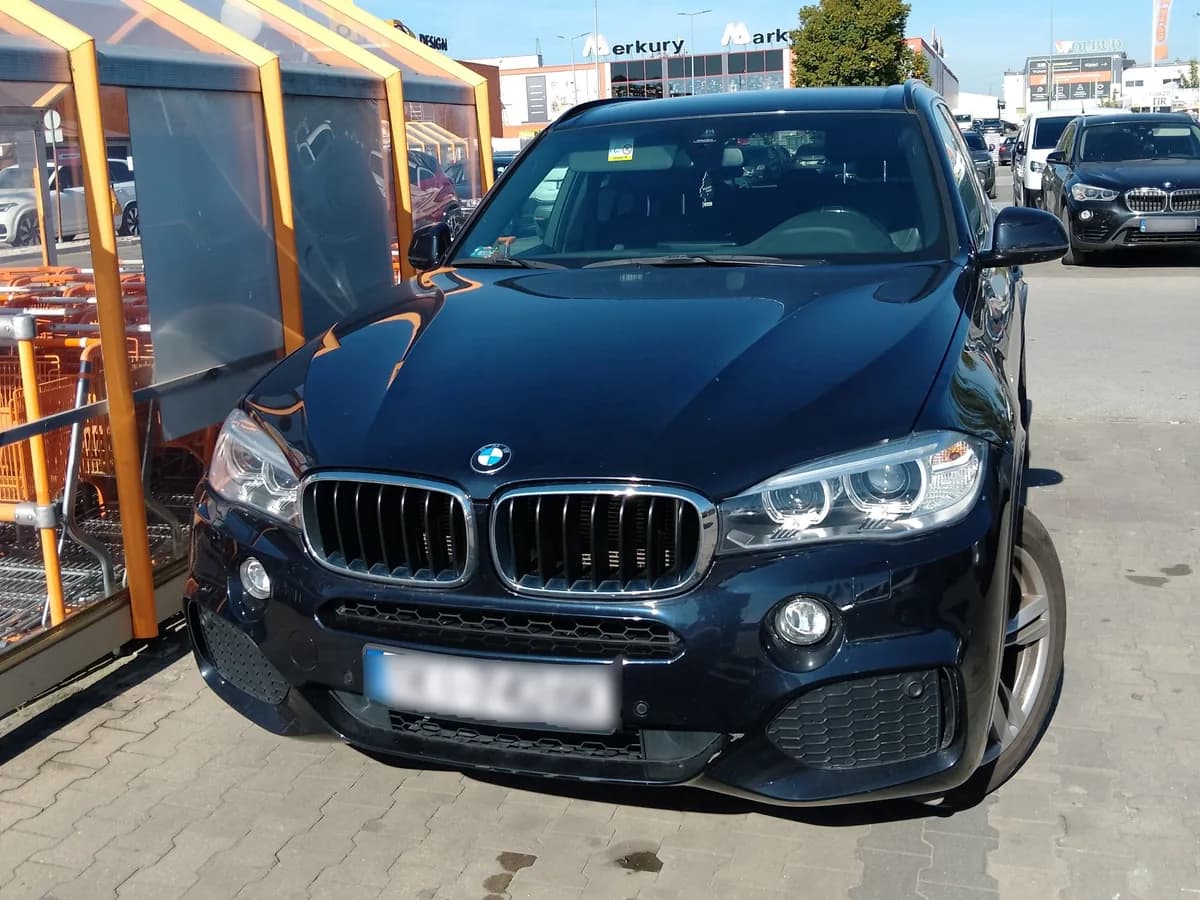
2007
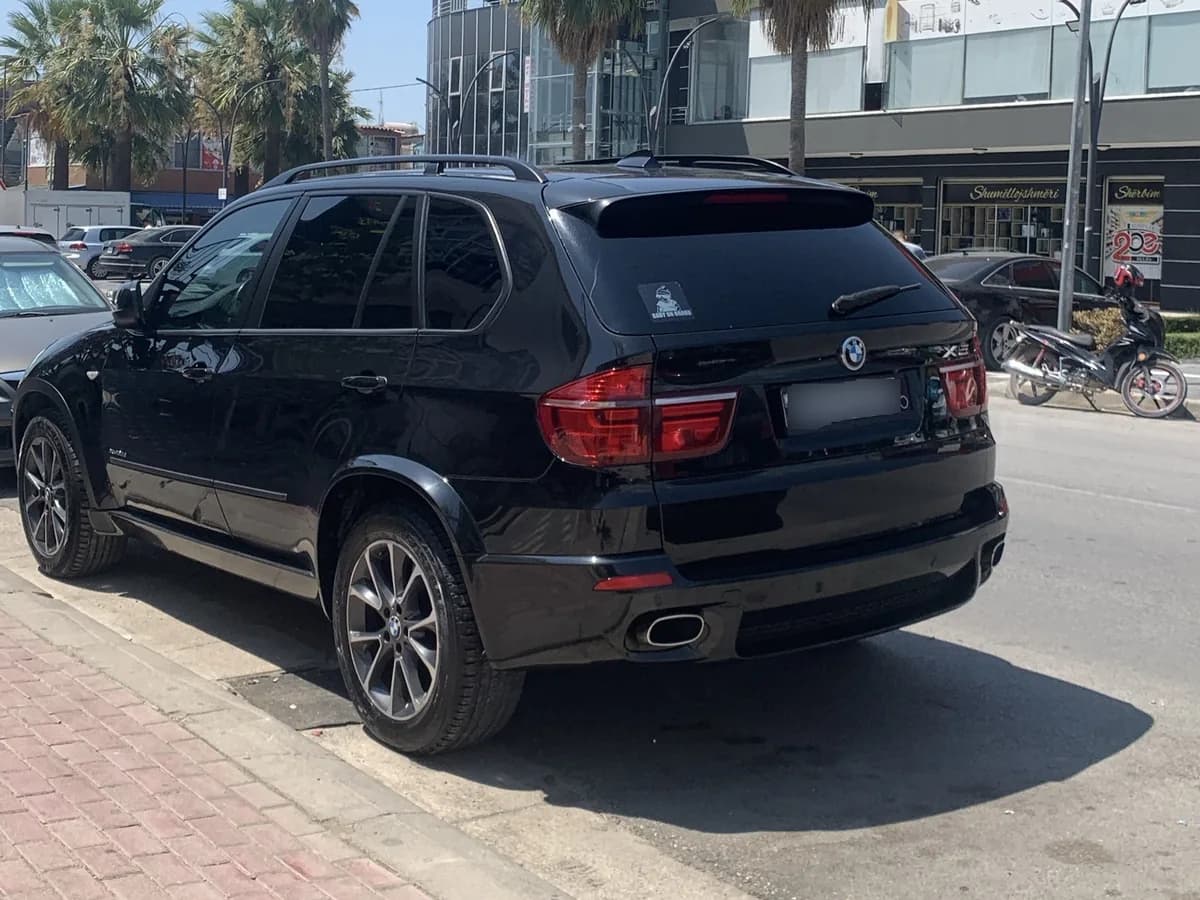
1999
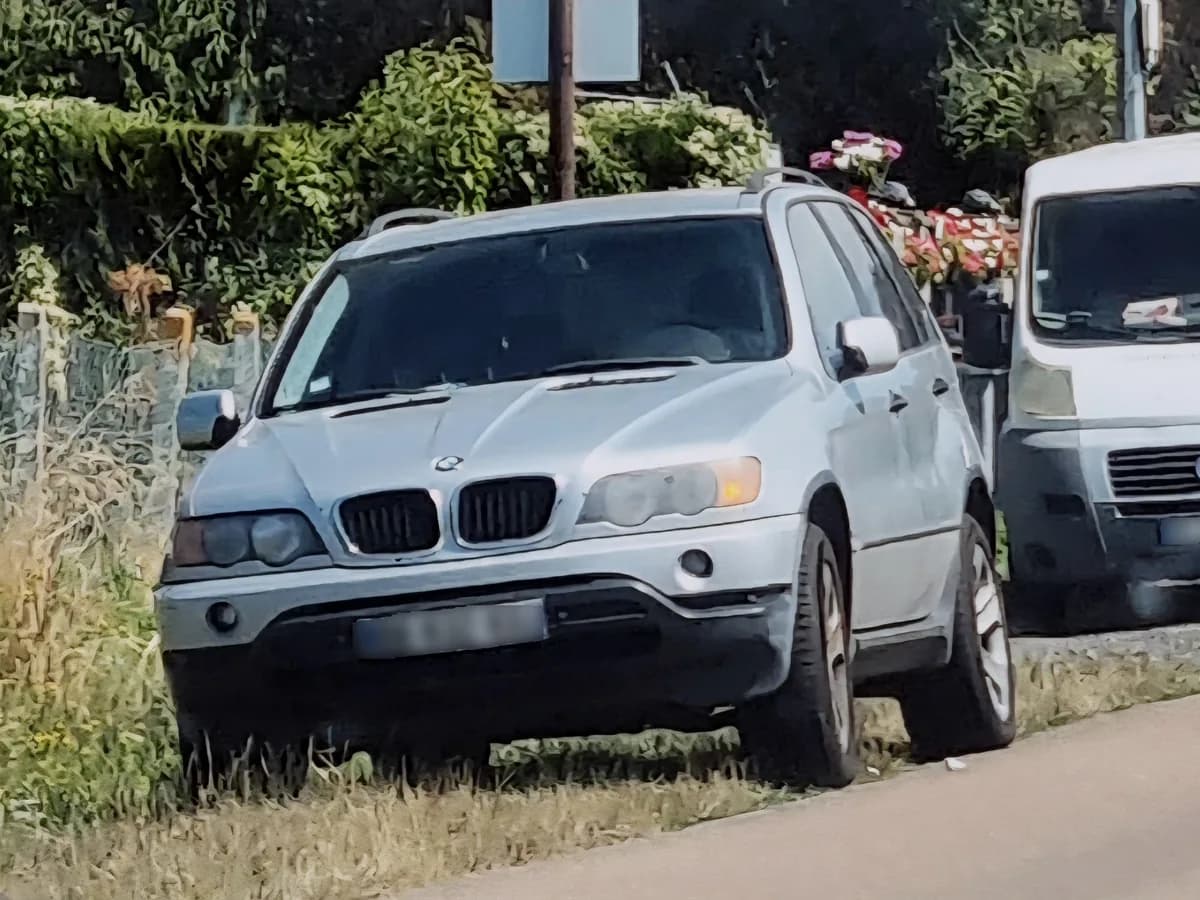
BMW X5 photos
Model summary
Data from the ScanRacer library, organized to compare versions quickly.
Model introduction
The BMW X5, introduced in 1999, is a luxury SUV that has redefined performance and comfort standards in its category. From its first generation (E53), it combined power and elegance, setting a new benchmark for high-end off-road vehicles. Over the years, the X5 has evolved through several generations, each bringing technological innovations and design enhancements, solidifying its position as a leader in the luxury SUV market.
History
The BMW X5 was introduced in 1999 as the brand's first SUV, marking a significant milestone in BMW's history. The first generation (E53) was produced from 1999 to 2006, offering a blend of sporty performance and luxury. The second generation (E70), produced from 2006 to 2013, introduced advanced technologies such as the iDrive system and turbodiesel engines. The third generation (F15), produced from 2013 to 2018, brought enhancements in comfort and technology while maintaining the X5's characteristic performance. The fourth generation (G05), launched in 2018, continued to evolve with more powerful engines and cutting-edge technology, solidifying the X5's position as a leader in the luxury SUV market.
Generations
The BMW X5 has gone through several generations since its launch in 1999. The first generation (E53) was produced from 1999 to 2006, followed by the second generation (E70) from 2006 to 2013. The third generation (F15) was produced from 2013 to 2018, and the fourth generation (G05) has been in production since 2018. Each generation has brought improvements in design, technology, and performance, reinforcing the X5's reputation as a high-performing luxury SUV.
Key differences
The main differences between the generations of the BMW X5 include design evolutions, the introduction of new technologies, and performance enhancements. For example, the second generation (E70) introduced the iDrive system and turbodiesel engines, while the third generation (F15) brought improvements in comfort and technology. The fourth generation (G05) continued to evolve with more powerful engines and cutting-edge technology.
Photo recognition
To identify the different generations of the BMW X5, it is helpful to pay attention to design elements specific to each generation, such as the shape of the headlights, the front grille, and the body lines. Additionally, technological features and available options can assist in determining the generation of a particular model.
Important versions
Notable versions of the BMW X5 include the M version of the second generation (E70), which introduced enhanced performance, and the plug-in hybrid version of the fourth generation (G05), which combines performance and energy efficiency.
The name “X5” follows BMW naming, with its rules and its exceptions. Decode a BMW name
References
- BMW X5 generations: A BMW youngtimer meets its progenyBMW
- BMW X5 Generations | CarsDirectCarsDirect
- BMW X5 Generations Overview: How BMW’s Original SUV EvolvedAutoblog
- BMW X5 Model Years and HistoryJ.D. Power
- BMW X5 - All Models by Year (2000-Present) - Specs, Pictures & HistoryAutoevolution
- https://cars-data.com/en/bmw/x5cars-data.com
Technical specifications
Structured data available for versions linked to this model.
| Version | Power | Torque | Top speed | Drivetrain | Fuel |
|---|---|---|---|---|---|
| — | 300 hp @ 5,800 rpm | — | — | xDrive all-wheel drive / 8-speed automatic | — |
Frequently asked questions
- What years was the BMW X5 produced?
- ScanRacer's referenced versions cover 1999 - 2023.
- How many BMW X5 examples are documented on ScanRacer?
- 17 published scans from 17 members, with the latest photo added in October 2026.
- What is the power output of the BMW X5?
- The sourced technical data lists 300 hp @ 5,800 rpm.
What about the car you photographed?
Upload a photo to get a suggested make, model and likely year.
No account needed for the result · Publish only if you choose