
M5
Launched in late 1984 on the BMW 5 Series E28 platform, the BMW M5 established a formula that became a performance-car benchmark: combining a discreet executive sedan with an engine developed by BMW Motorsport. The first generation used a 3.5-liter six-cylinder derived from the BMW M1 and produced 286 hp. Since then, the M5 has changed character several times, moving from inline-six engines in the E28 and E34 to a V8 in the E39, a naturally aspirated V10 in the E60, and twin-turbocharged V8 power in the F10 and F90. The G90 generation, revealed in 2024, introduced plug-in hybrid technology and M xDrive all-wheel drive to the nameplate for the first time. Its central idea remains consistent: high performance, executive comfort, and everyday usability shaped by the technology of each era.
Variants by year
2024
2021
2020
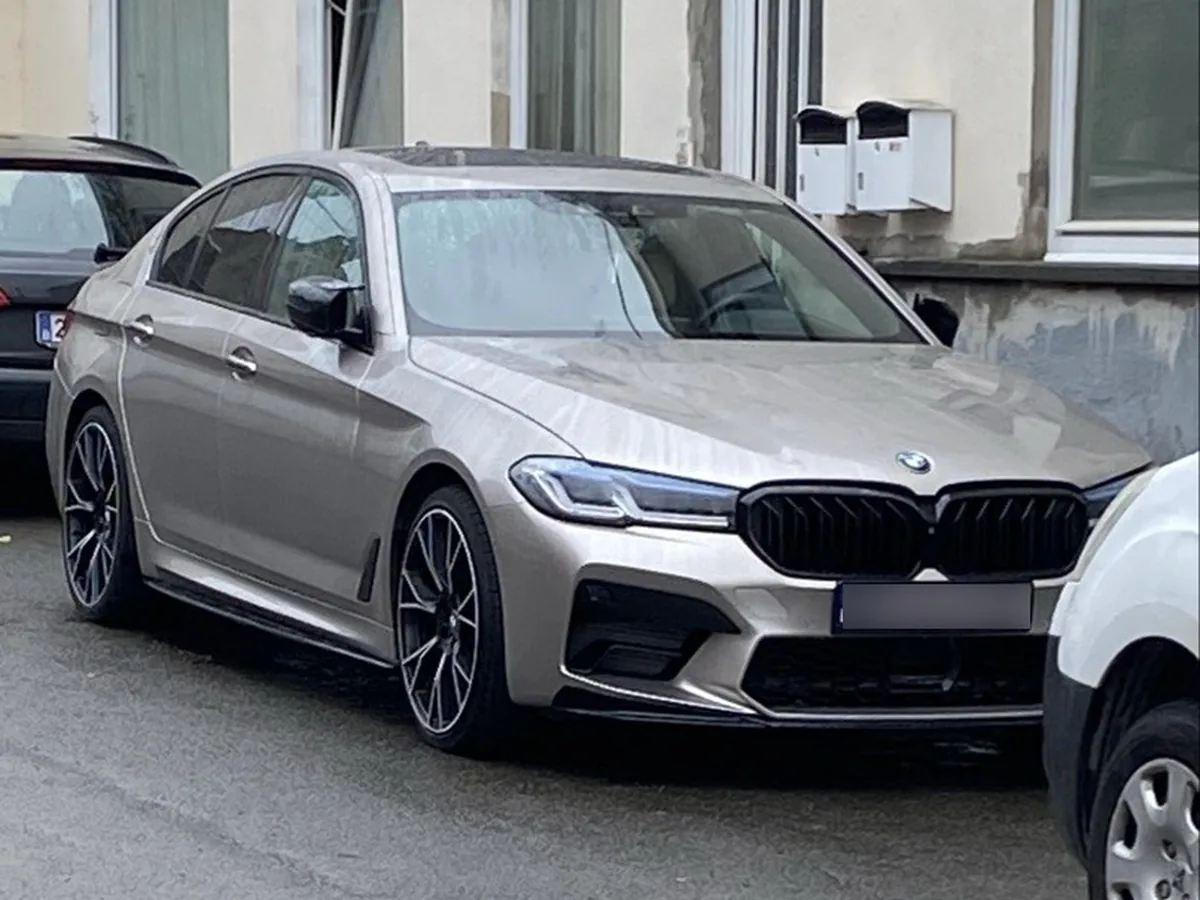
2018
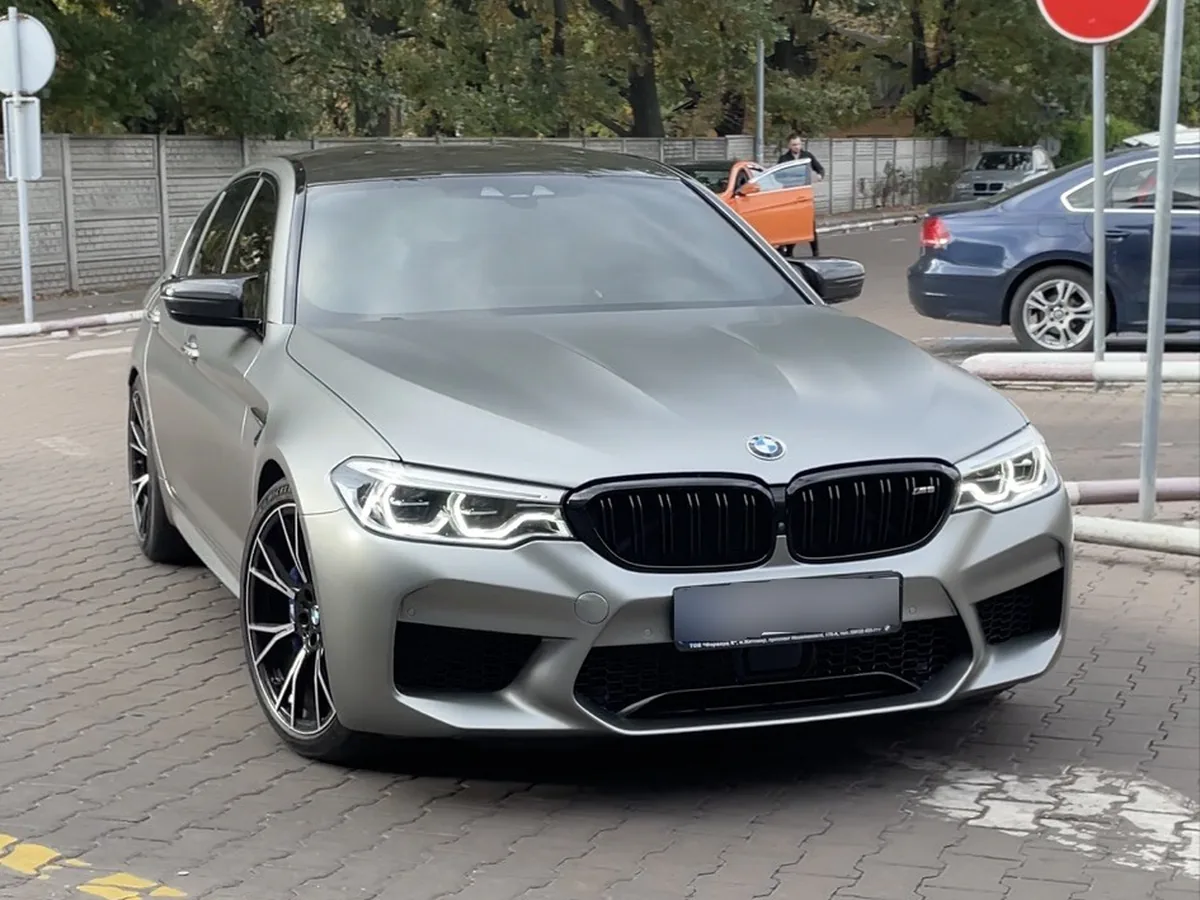
2017
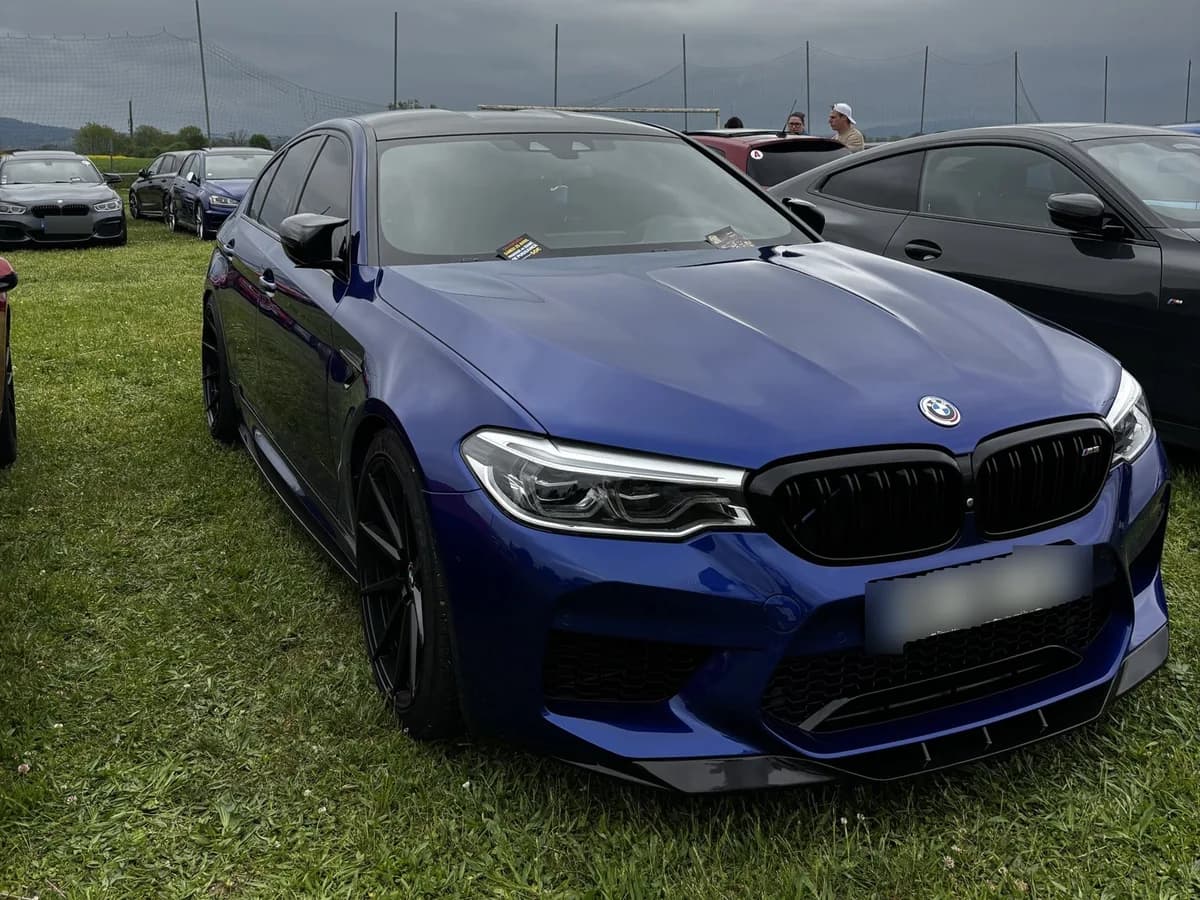
2011
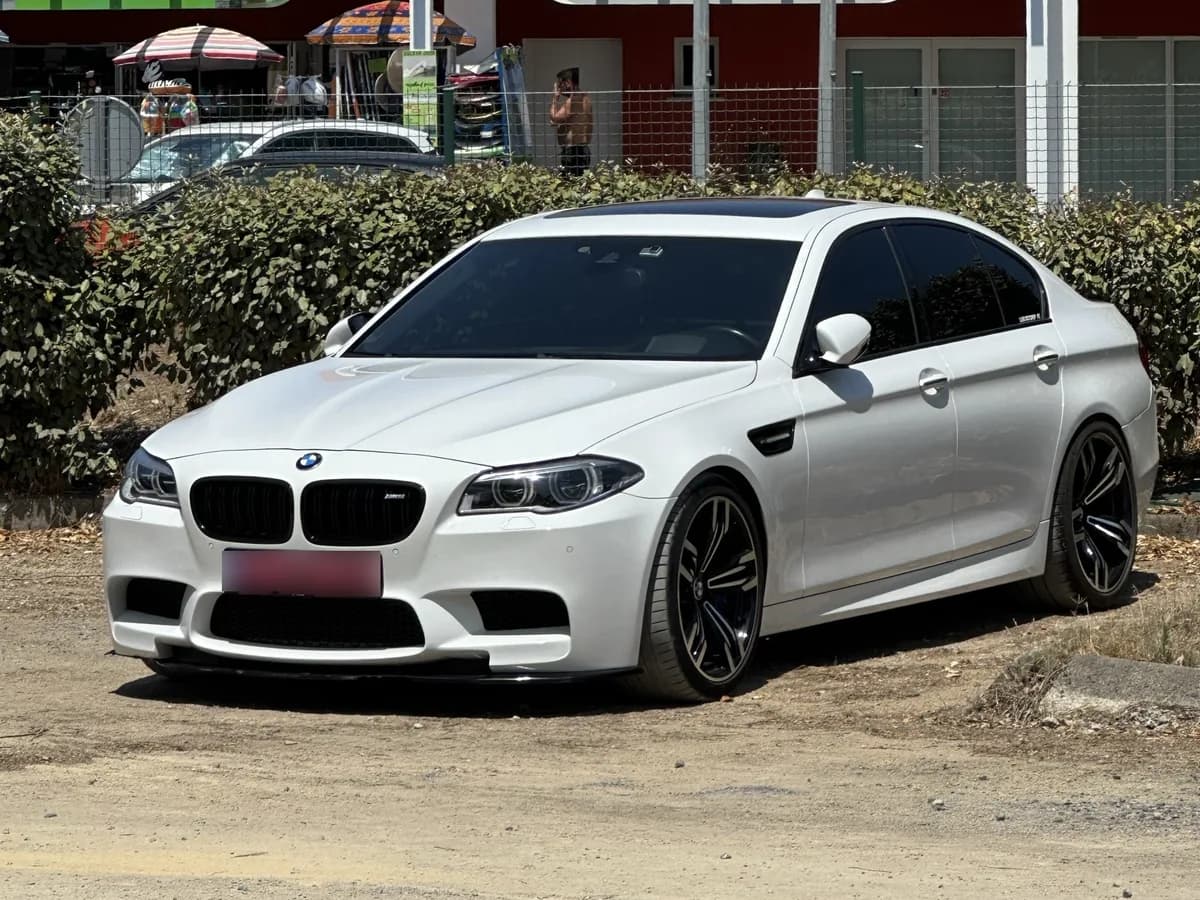
2004
 SR
SR1998
1988
1984
Model summary
Data from the ScanRacer library, organized to compare versions quickly.
Model introduction
Launched in late 1984 on the BMW 5 Series E28 platform, the BMW M5 established a formula that became a performance-car benchmark: combining a discreet executive sedan with an engine developed by BMW Motorsport. The first generation used a 3.5-liter six-cylinder derived from the BMW M1 and produced 286 hp. Since then, the M5 has changed character several times, moving from inline-six engines in the E28 and E34 to a V8 in the E39, a naturally aspirated V10 in the E60, and twin-turbocharged V8 power in the F10 and F90. The G90 generation, revealed in 2024, introduced plug-in hybrid technology and M xDrive all-wheel drive to the nameplate for the first time. Its central idea remains consistent: high performance, executive comfort, and everyday usability shaped by the technology of each era.
History
The BMW M5 E28 appeared in autumn 1984, although BMW’s heritage timeline often identifies it as the 1985 model. Built largely by hand, it used a 3.5-liter four-valve inline-six derived from the M1 program and produced 286 hp. The E34 followed in 1988. Its inline-six grew from 3.6 to 3.8 liters, reaching 340 hp in its final specification. In 1992, the range gained its first M5 Touring, with BMW M recording production of only 891 examples. The E39, introduced in 1998, changed to a 5.0-liter V8 producing 400 hp. In 2005, the E60 adopted a naturally aspirated 5.0-liter V10 with 507 hp, paired with a seven-speed SMG automated manual transmission. The 2011 F10 returned to a 4.4-liter twin-turbocharged V8, while the 2017 F90 introduced M xDrive all-wheel drive. The 2021 M5 CS added a more focused, limited-run derivative to the F90 family. Revealed in 2024, the G90 combines a twin-turbocharged V8 with an electric motor for a BMW-quoted system output of 727 hp, marking the first electrified M5 generation.
Generations
The first generation, the E28, is identified by its restrained 5 Series body and 3.5-liter inline-six. It established the modern M5 formula and remained associated with largely hand-built production. The E34 arrived in 1988, retaining the six-cylinder layout while increasing displacement and output. Its 1992 Touring derivative was the first estate-bodied M5 and one of the rarest versions. The 1998 E39 brought a 5.0-liter V8 and a more integrated relationship with the regular 5 Series range. The 2005 E60 adopted more expressive styling, four exhaust outlets, and most notably a high-revving naturally aspirated V10. Its E61 counterpart was the low-volume Touring model. The 2011 F10 replaced the V10 with a twin-turbocharged V8, representing a major change in engine philosophy. The 2017 F90 introduced M xDrive all-wheel drive and was offered in derivatives including Competition and CS specifications. The 2024 G90 generation moved the M5 into plug-in hybrid territory, combining a twin-turbocharged V8 with electric assistance and a substantially more complex drivetrain.
Key differences
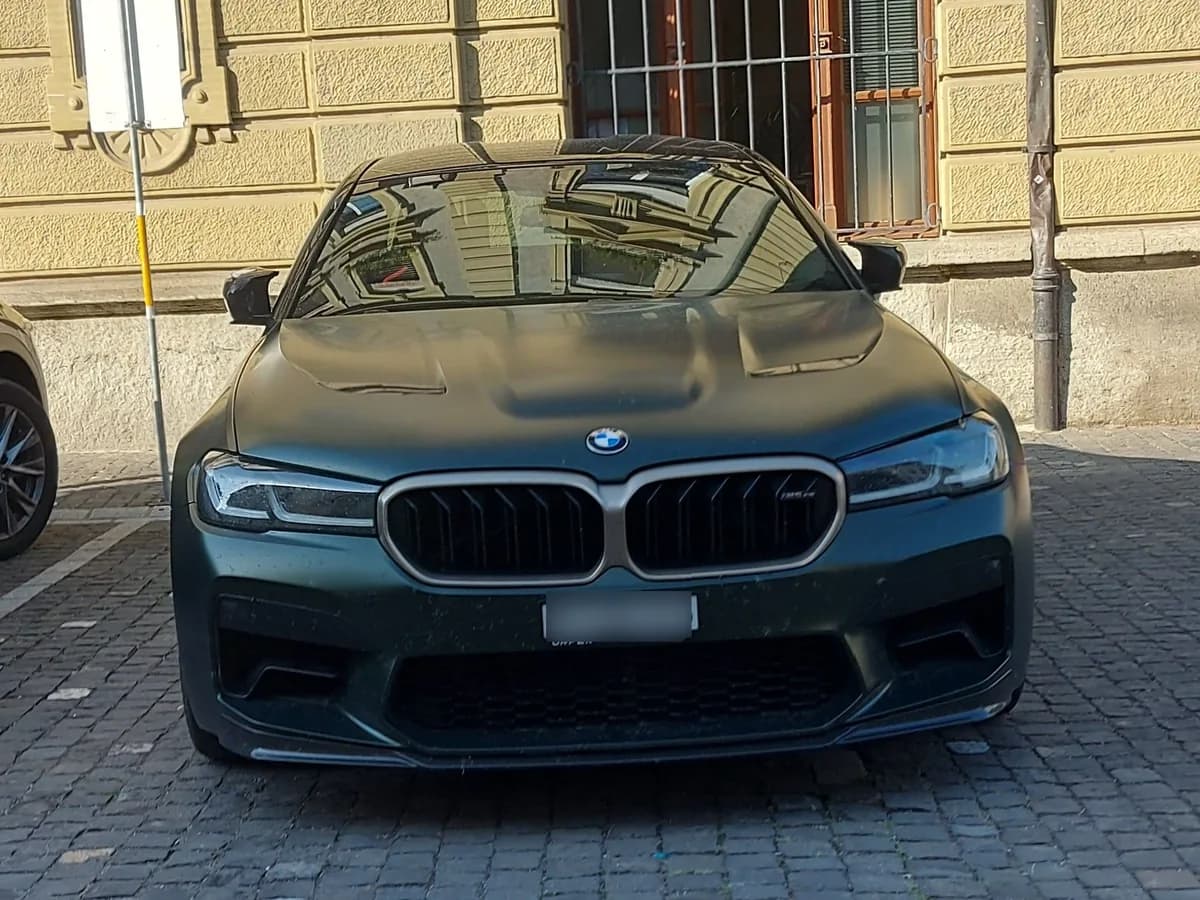
The main differences between M5 generations concern their powertrains. The E28 and E34 use high-revving inline-six engines, reflecting BMW Motorsport’s earlier engineering tradition. The E39 changes to a V8, providing greater torque and supporting higher-volume production. The E60 is the most distinctive mechanically, with its naturally aspirated V10 and SMG automated manual gearbox. The F10 returns to V8 power but adds twin turbochargers, while the F90 introduces M xDrive all-wheel drive and a wider range of configurable driving modes. Body style also separates important versions. The E34 Touring and E61 Touring combine M5 performance with an estate body and greater cargo flexibility. The 2021 M5 CS is not a separate generation; it is a limited-run F90 derivative with lower weight and higher output than the M5 Competition. The G90 is distinguished by its plug-in hybrid system, electric motor assistance, and standard all-wheel-drive architecture. These changes mean that an M5’s engine, transmission, body style, and model code are essential when comparing specifications or identifying a particular car.
Photo recognition
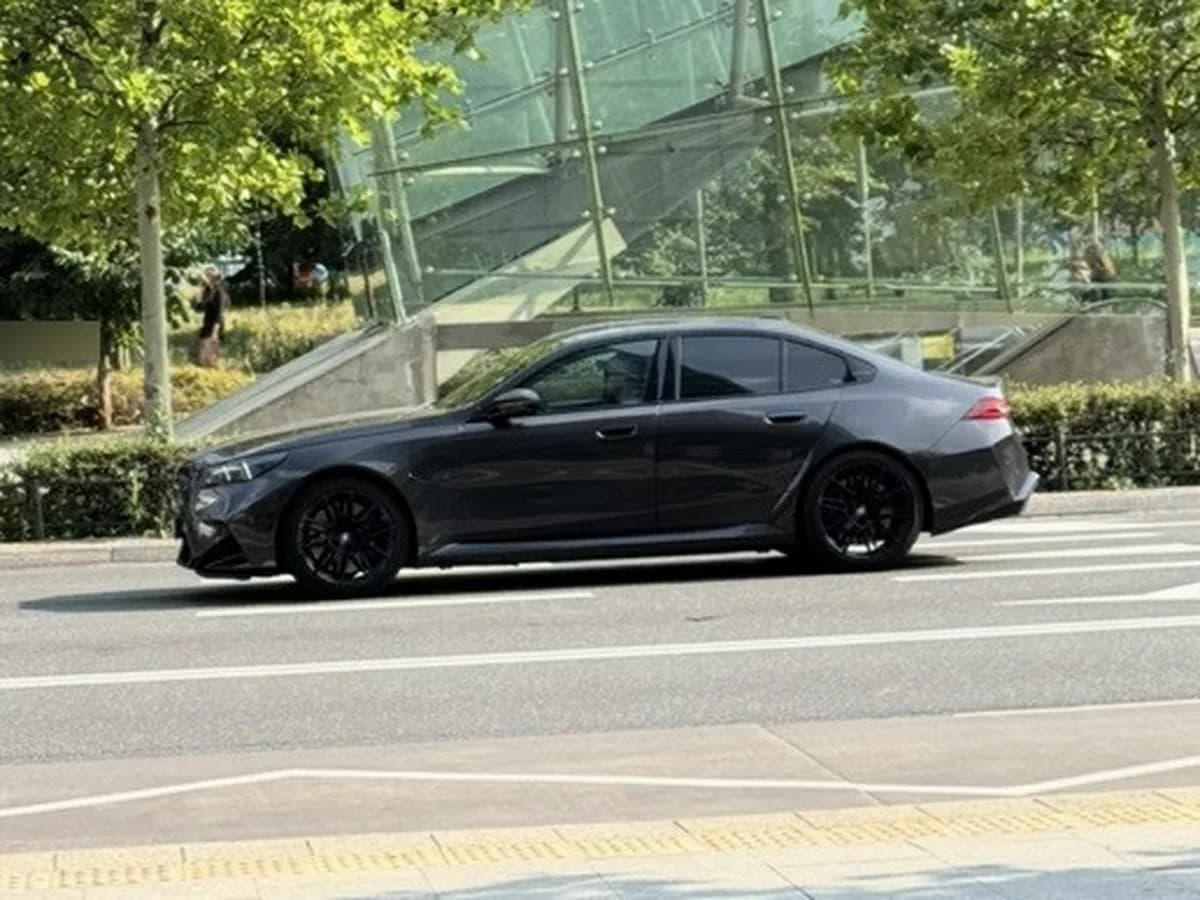
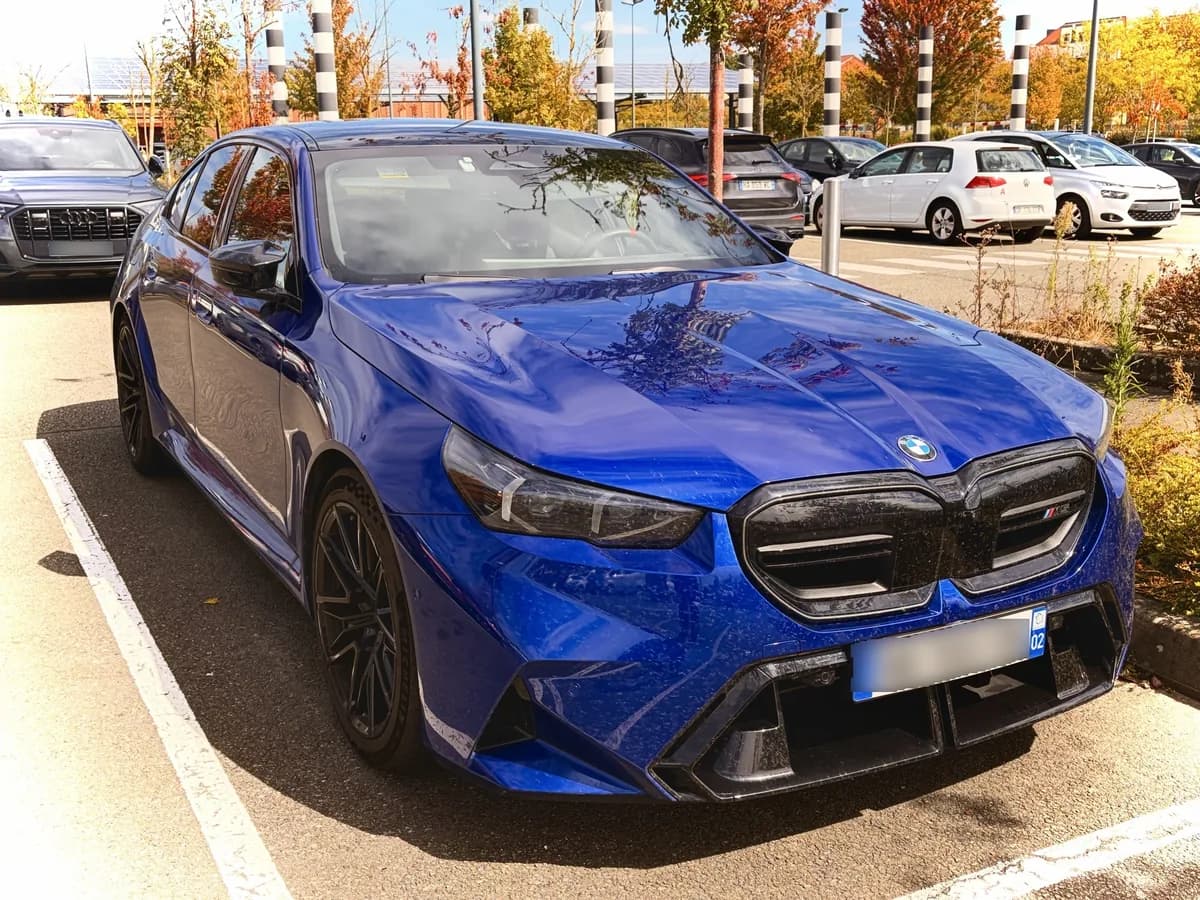
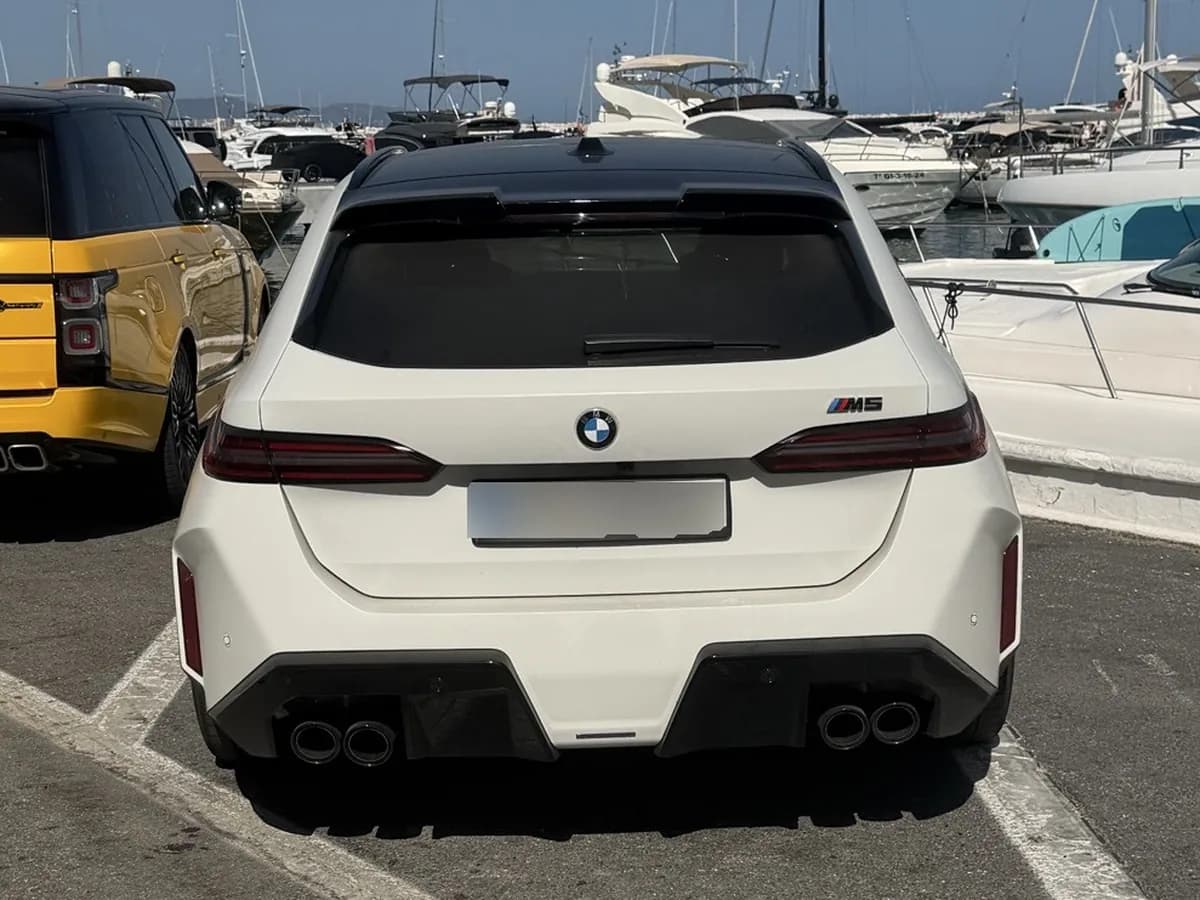
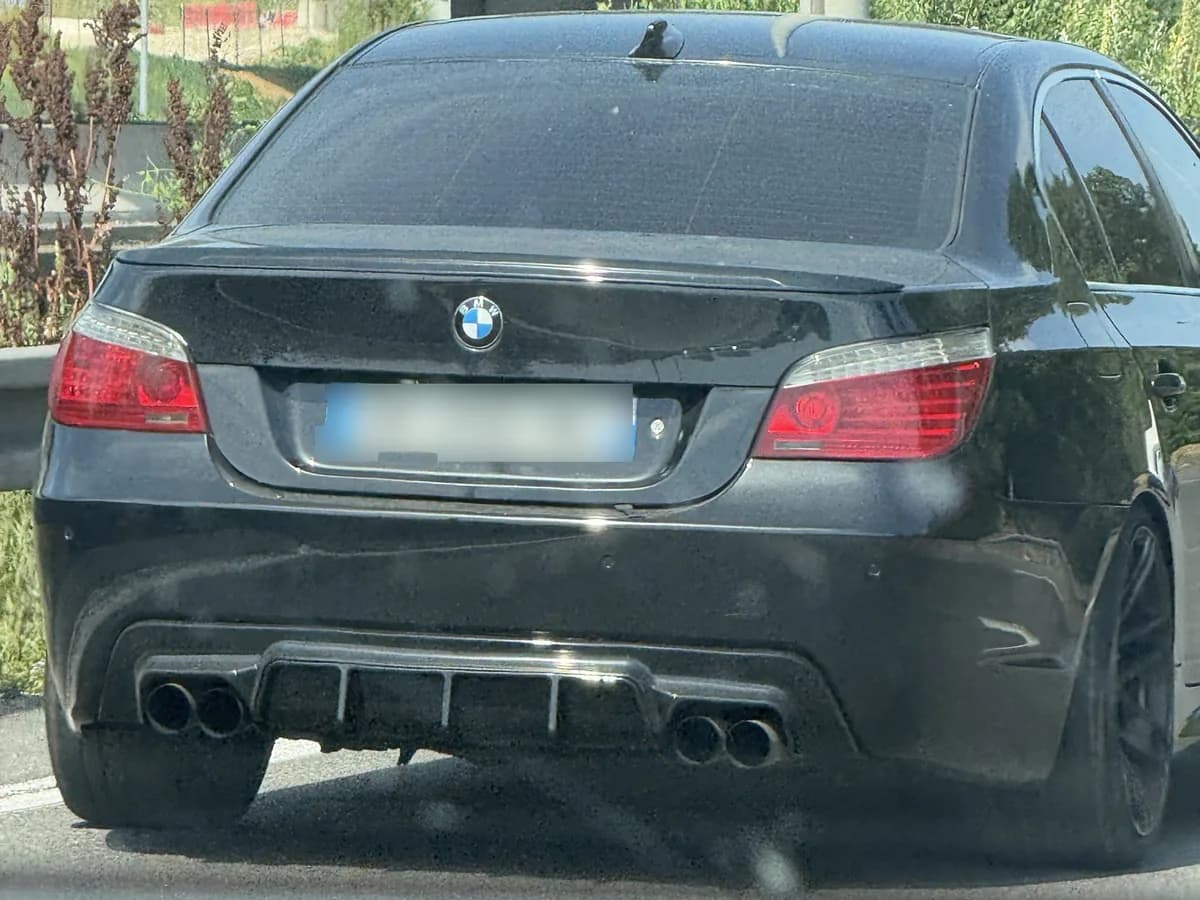
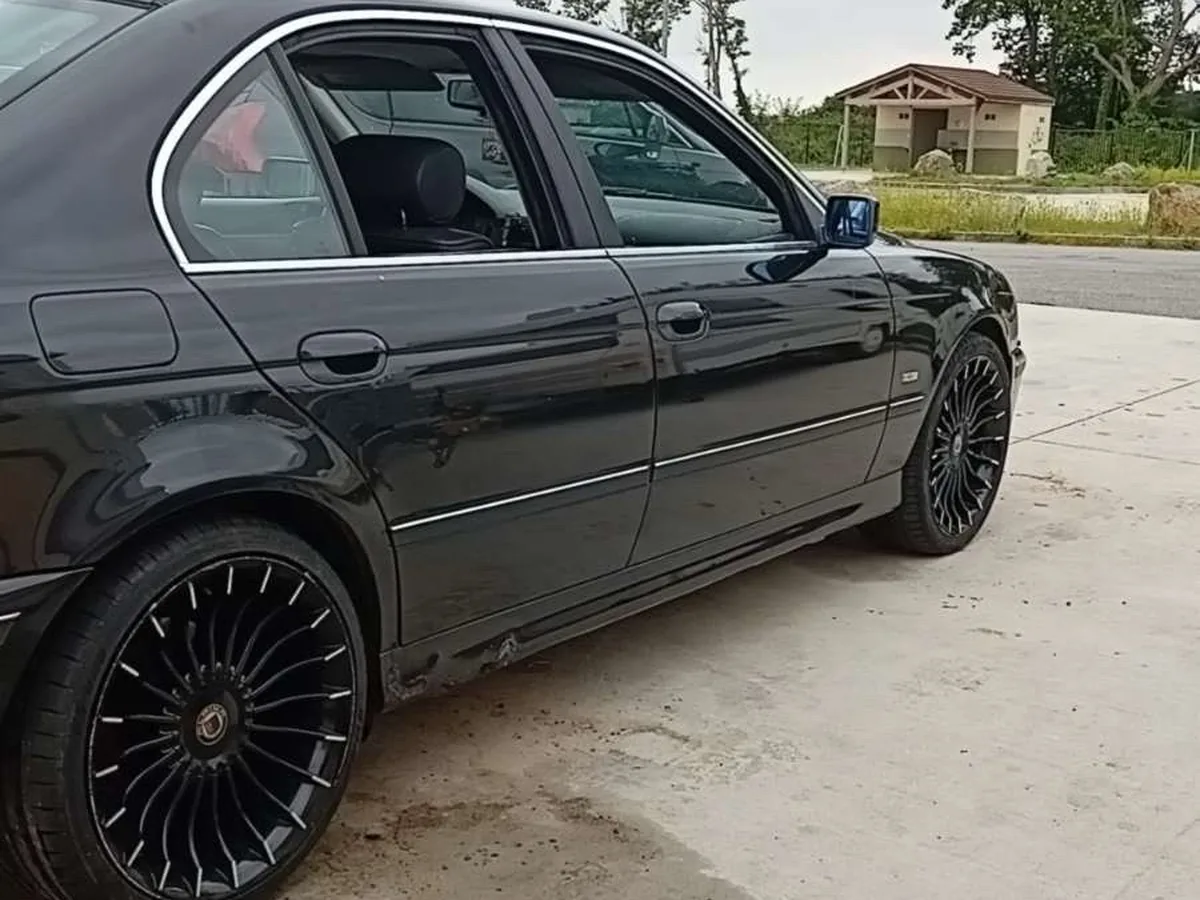
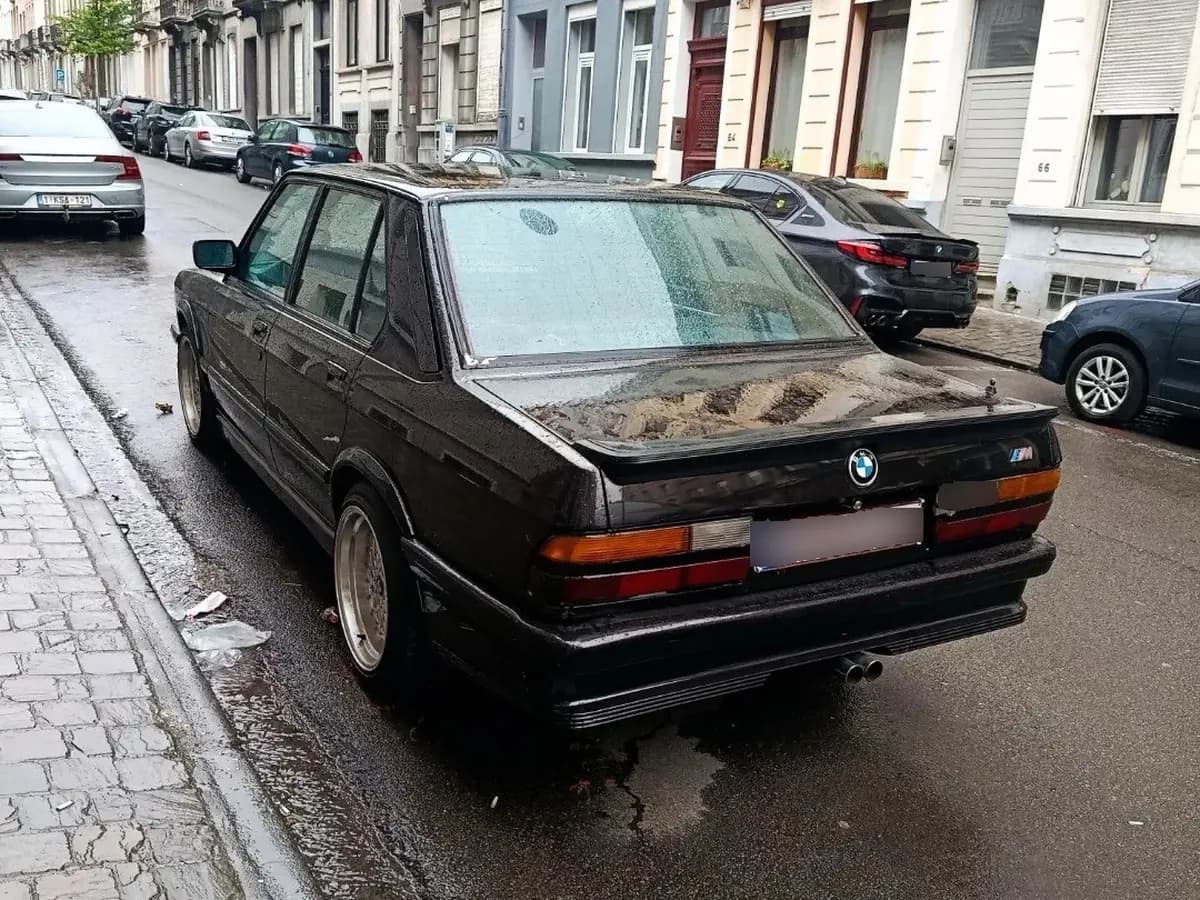
For identification purposes, the generation code is usually more reliable than general styling. The E28 has a compact, angular profile and relatively restrained exterior treatment. The E34 keeps that understated approach but uses a more modern body; a Touring estate body and a 3.8-liter engine can indicate a later specification. The E39 is known for balanced proportions, oval headlamps, and a rounder overall design. The E60 stands out through its more polarizing styling, widened front fenders, side ventilation gills, and four exhaust outlets. The E61 is its estate counterpart. The F10 looks longer and more conservative, while the F90 can be identified by its model-specific aerodynamic details and, depending on specification, M xDrive all-wheel drive. The 2021 M5 CS adds dedicated lightweight and track-focused features. The G90 has a larger, more contemporary body and a newer design language. Because equipment varies by market and year, the VIN, production date, model code, and technical documentation should be used to confirm an identification rather than visual details alone.
Important versions
The E28 M5 is the foundational version, combining a largely hand-built production process with an inline-six derived from the BMW M1. The 1992 E34 Touring is significant as the first estate-bodied M5 and for its rarity; BMW M cites production of 891 examples. The E39 is the first V8-powered M5, while the E60 is the only generation to use a naturally aspirated V10. The 2021 F90 M5 CS is a particularly focused special edition, with BMW quoting 635 hp and a weight reduction compared with the M5 Competition. The 2024 G90 represents the biggest technical departure, introducing a 727-hp plug-in hybrid system. Labels such as Base, Sedan, Touring, and CS should still be read in relation to the specific model year, market, and body style.
The name “M5” follows BMW naming, with its rules and its exceptions. Decode a BMW name
References
- The BMW M5 generationsBMW M
- The new BMW M5BMW Group PressClub
- The new BMW M5 CSBMW Group PressClub USA
- The BMW M5 Touring E34BMW M
- BMW M5 E60 from 2005BMW M
- The new BMW M5BMW Group PressClub UK
- https://www.iseecars.com/car/bmw-m5/generationsiseecars.com
- https://www.carthrottle.com/features/idiots-guide-bmw-m5-history-generations-special-editionscarthrottle.com
Technical specifications
Structured data available for versions linked to this model.
| Version | Power | Torque | Top speed | Drivetrain | Fuel |
|---|---|---|---|---|---|
| Base | 294 KW @ 6600 RPM 400 HP @ 6600 RPM 394 BHP @ 6600 RPM | 369 lb-ft @ 3800 RPM 500 Nm @ 3800 RPM | 155.3 mph (250 km/h) | Rear Wheel Drive / 6-Speed manual | Gasoline |
| Base | 250 KW @ 6900 RPM340 HP @ 6900 RPM335 BHP @ 6900 RPM | 295 lb-ft @ 4750 RPM400 Nm @ 4750 RPM | 155.3 mph (250 km/h) | Rear Wheel Drive / 6-Speed manual | Gasoline |
| Base | 441.3 KW @ 5600-6700 RPM 600 HP @ 5600-6700 RPM 592 BHP @ 5600-6700 RPM | 553 lb-ft @ 1800-5600 RPM 750 Nm @ 1800-5600 RPM | 155 mph (249 km/h) | All Wheel Drive / 8-speed automatic (Steptronic) | Gasoline |
Frequently asked questions
- What years was the BMW M5 produced?
- ScanRacer's referenced versions cover 1984 - 2024.
- How many BMW M5 examples are documented on ScanRacer?
- 63 published scans from 41 members, with the latest photo added in September 2026.