
8 Series
Presented at the 1989 Frankfurt Motor Show, the BMW 8 Series introduced a grand touring range positioned at the top of BMW’s model line-up. The first generation, known by its E31 internal code, was offered exclusively as a coupe and became notable for its long bonnet, pop-up headlights, and V8 or V12 engines. Production ended in 1999, and the 8 Series name then disappeared for almost two decades. BMW revived it in 2018 with the G14/G15 generation: G15 identifies the coupe, while G14 refers to the convertible. Across both eras, the concept combines high-speed touring with luxury and performance. The range also distinguishes standard luxury models from M Performance cars, BMW M derivatives, and Alpina conversions.
What about the car you photographed?
Upload a photo to get a suggested make, model and likely year.
No account needed for the result · Publish only if you choose
Variants by year
Make: BMW · Model: 8 Series
5 / 5 versions shown
2018


1990
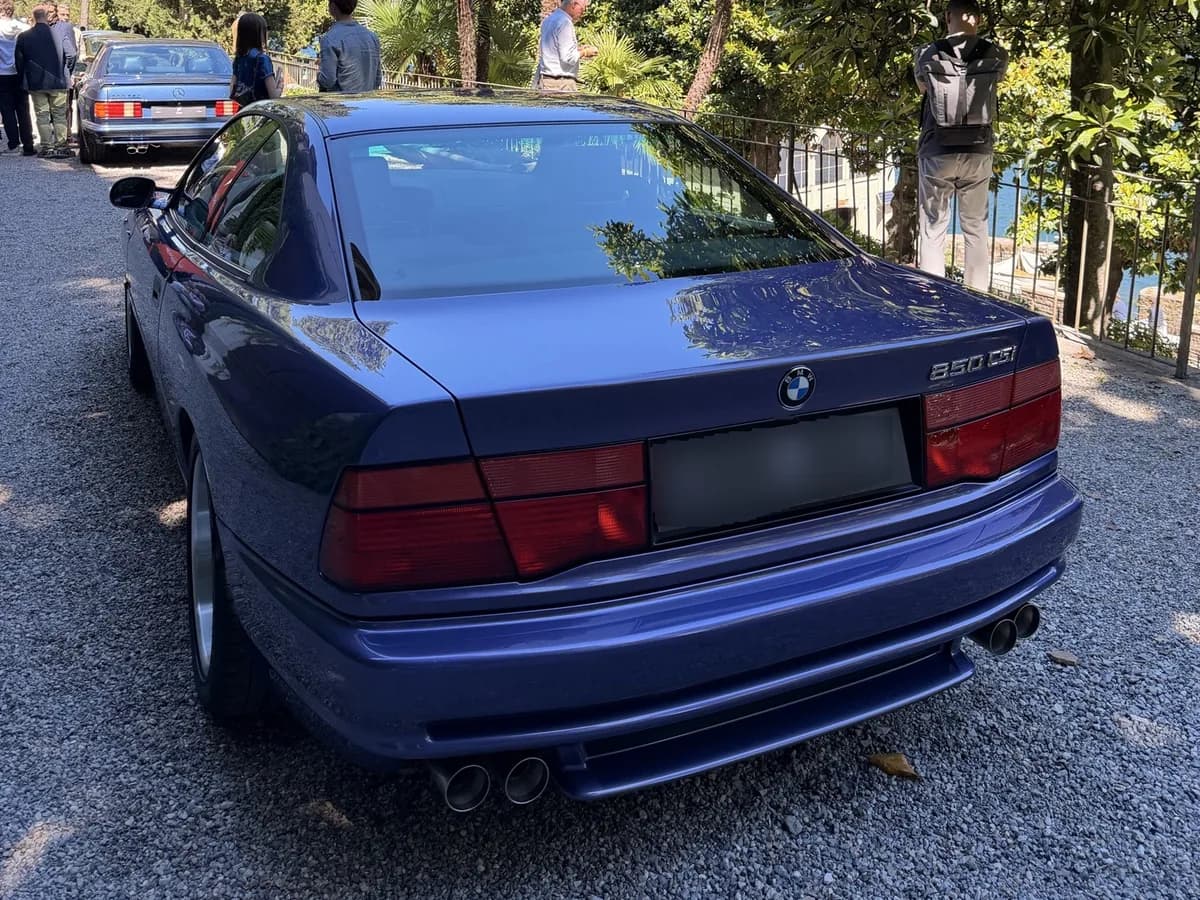
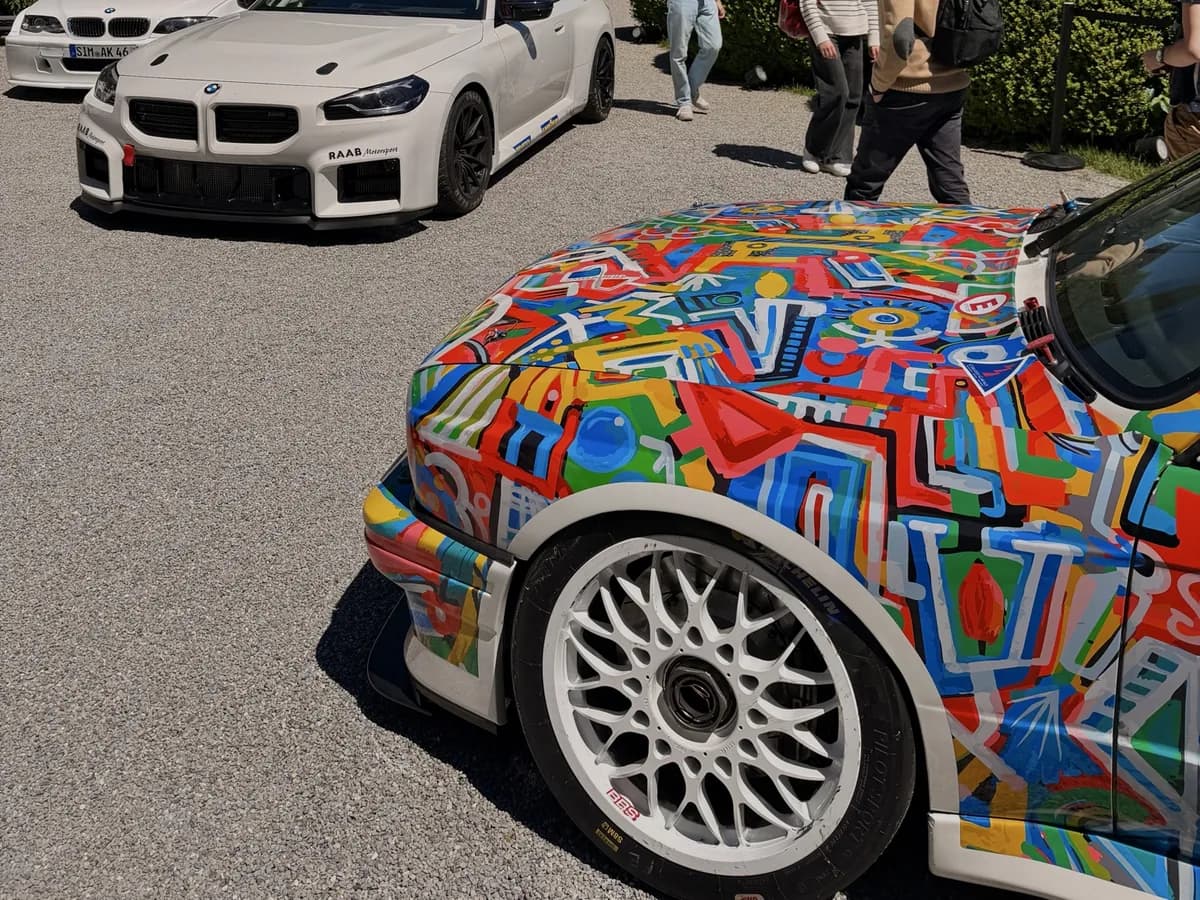
BMW 8 Series photos
Model summary
Data from the ScanRacer library, organized to compare versions quickly.
Model introduction
Presented at the 1989 Frankfurt Motor Show, the BMW 8 Series introduced a grand touring range positioned at the top of BMW’s model line-up. The first generation, known by its E31 internal code, was offered exclusively as a coupe and became notable for its long bonnet, pop-up headlights, and V8 or V12 engines. Production ended in 1999, and the 8 Series name then disappeared for almost two decades. BMW revived it in 2018 with the G14/G15 generation: G15 identifies the coupe, while G14 refers to the convertible. Across both eras, the concept combines high-speed touring with luxury and performance. The range also distinguishes standard luxury models from M Performance cars, BMW M derivatives, and Alpina conversions.
History
The E31 project was developed during the 1980s to create a more technological and exclusive BMW grand tourer. BMW presented the car in Frankfurt in 1989, and BMW Group Classic records production from that year. The coupe used a pillarless body design and was offered with six-, eight-, and twelve-cylinder engines depending on market and model year. The range expanded with the V8-powered 840Ci, the V12-powered 850i and 850Ci, and eventually the 850CSi, developed with substantial BMW M involvement. The 850CSi used a 5.6-litre V12, a six-speed manual gearbox, and an active rear-axle steering system. BMW also investigated a convertible and an E31 M8 prototype, but neither project reached series production. After production ended in May 1999, the company did not immediately replace the model. The 8 Series name returned in 2018 with the G15 coupe, followed by the G14 convertible.
Generations
The first generation is the E31, produced from 1989 to 1999. It is identified by its two-door coupe body, pop-up headlights, and high-end grand touring position. Model availability varied by market: the 850i introduced the range with a 5.0-litre V12, while the 840Ci provided a V8 alternative. The 850CSi became the official performance flagship of the period, although it was not sold as an M8. The second generation appeared in 2018 with several internal codes. G15 identifies the coupe unveiled in June 2018. G14 refers to the convertible, introduced later that year with an electrically operated fabric roof. G16 is used for the four-door Gran Coupe, which extended the modern 8 Series family. The newer cars use a more modular engineering approach and offer turbocharged engines, an eight-speed automatic transmission, and, depending on specification, xDrive all-wheel drive. The internal body-style codes are therefore important when identifying a modern 8 Series, even though all versions share the same commercial name.
Key differences
The E31 and the generation introduced in 2018 share a grand touring mission, but their engineering and presentation are very different. The E31 is a two-door coupe with naturally aspirated engines, a sharply styled body, pop-up headlights, and a strong mechanical character. Its V8 and V12 models emphasize smooth long-distance performance, while the 850CSi adds more focused chassis and drivetrain changes. The modern generation uses turbocharged engines, far more integrated electronics, and a broader body range: G15 coupe, G14 convertible, and G16 Gran Coupe. It also adds driver-assistance systems, an eight-speed automatic transmission, and xDrive on several versions. The commercial name alone is therefore not enough to identify a specific car. The internal code, body style, engine, model year, and original market should all be considered when comparing BMW 8 Series vehicles.
Photo recognition
An E31 can usually be identified by its pop-up headlights set into a very low bonnet, pillarless side profile, and long two-door coupe proportions. Horizontal rear lamps, a relatively upright tail, and a taut beltline complete its visual signature. Badges alone are not reliable enough to identify the main variants: the 840Ci uses a V8, while the 850i and 850Ci use V12 engines. The 850CSi has distinct bumpers, four exhaust outlets, aerodynamic mirrors, and larger brakes, although these parts may have been retrofitted to other cars. A modern G15 has a wider body, fixed LED lighting, and a more integrated front-end design. The G14 convertible is identified by its fabric roof, while the G16 Gran Coupe has four doors and an extended roofline. For rare versions, the vehicle identification number, original documentation, and market specification are more dependable than exterior trim alone.
Important versions
Key E31 versions include the 850i, the original major V12 model, the V8-powered 840Ci, and the 850CSi, the performance flagship developed with significant BMW M involvement. The 850CSi used a 5.6-litre V12 producing 380 hp, a six-speed manual gearbox, and active rear-axle steering; BMW M records production of 1,510 cars. The Alpina B12 5.0 is an especially rare derivative based on the 850i. Specialist E31 archives record 97 coupes, with an Alpina-modified 5.0-litre V12 producing 350 hp and paired with a four-speed automatic transmission. For the modern generation, the G15 coupe and G14 convertible were the two body styles introduced in 2018. The name Alpina B8 Gran Coupe should be checked separately, since it is not the same model as the E31-era Alpina B12.
The name “8 Series” follows BMW naming, with its rules and its exceptions. Decode a BMW name
References
- BMW 8 Series (E31)BMW Group Classic
- The all-new BMW 8 Series CoupeBMW Group PressClub
- The new BMW 8 Series ConvertibleBMW Group PressClub
- https://www.motortrend.com/features/evolution-e31-bmw-8-seriesmotortrend.com
- https://www.motortrend.com/features/bmw-8-series-history-models-differencesmotortrend.com
Frequently asked questions
- What years was the BMW 8 Series produced?
- ScanRacer's referenced versions cover 1990 - 2018.
- How many BMW 8 Series examples are documented on ScanRacer?
- 14 published scans from 12 members, with the latest photo added in October 2026.
What about the car you photographed?
Upload a photo to get a suggested make, model and likely year.
No account needed for the result · Publish only if you choose