
M3
Unveiled in Frankfurt in 1985 and produced from 1986, the BMW M3 began as a road car created to homologate a competition model. The first generation, based on the E30 3 Series, combined a 2.3-liter naturally aspirated four-cylinder engine with bodywork extensively reworked by BMW Motorsport. Six generations have followed: E30, E36, E46, E90, F80 and G80. The formula evolved from a lightweight, focused coupe into a highly capable performance sedan, while retaining a strong connection with motorsport. The most significant changes concern engines, body styles, drivetrains and equipment levels. The family has also included rare derivatives, Competition versions and, from 2022, the first M3 Touring. Together, these developments explain why the M3 occupies a distinctive place within BMW’s performance-car history.
Variants by year
2025
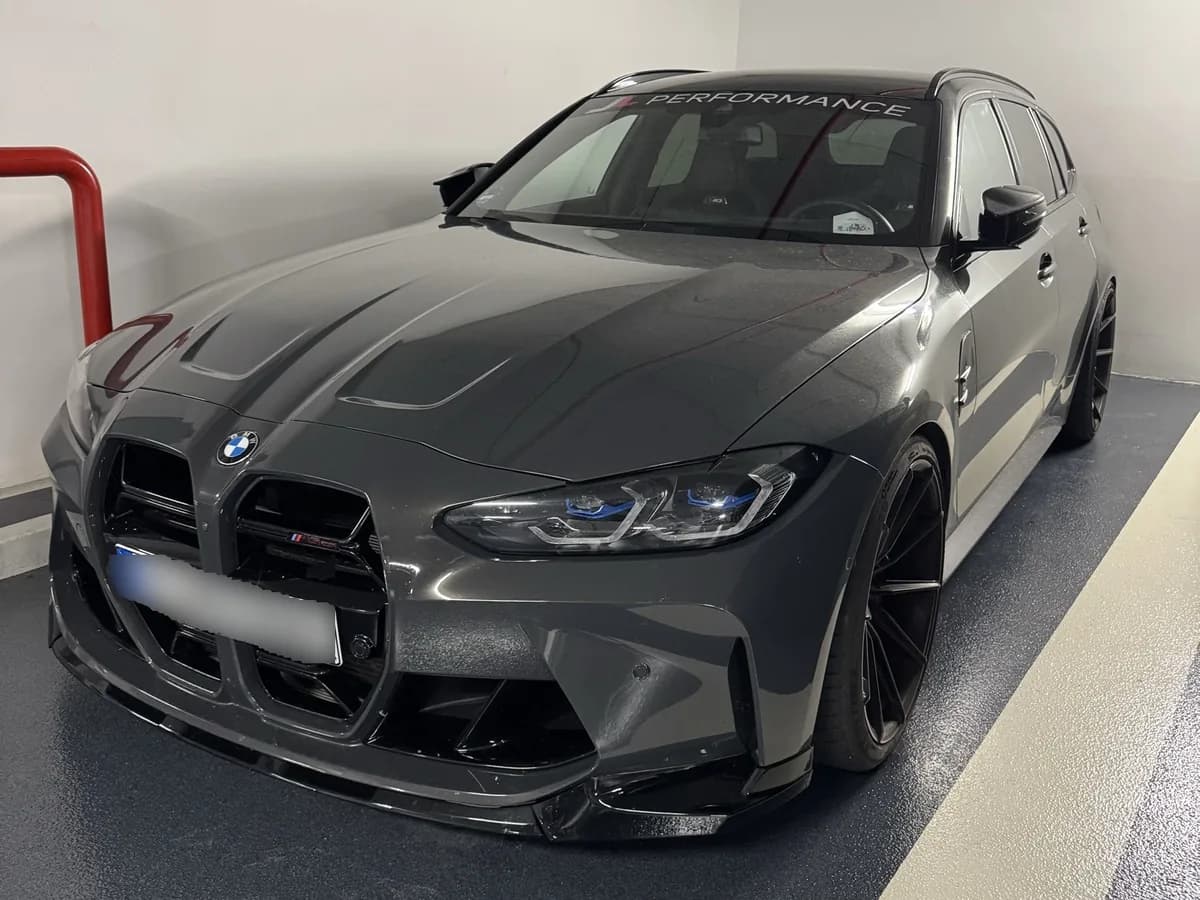
2022
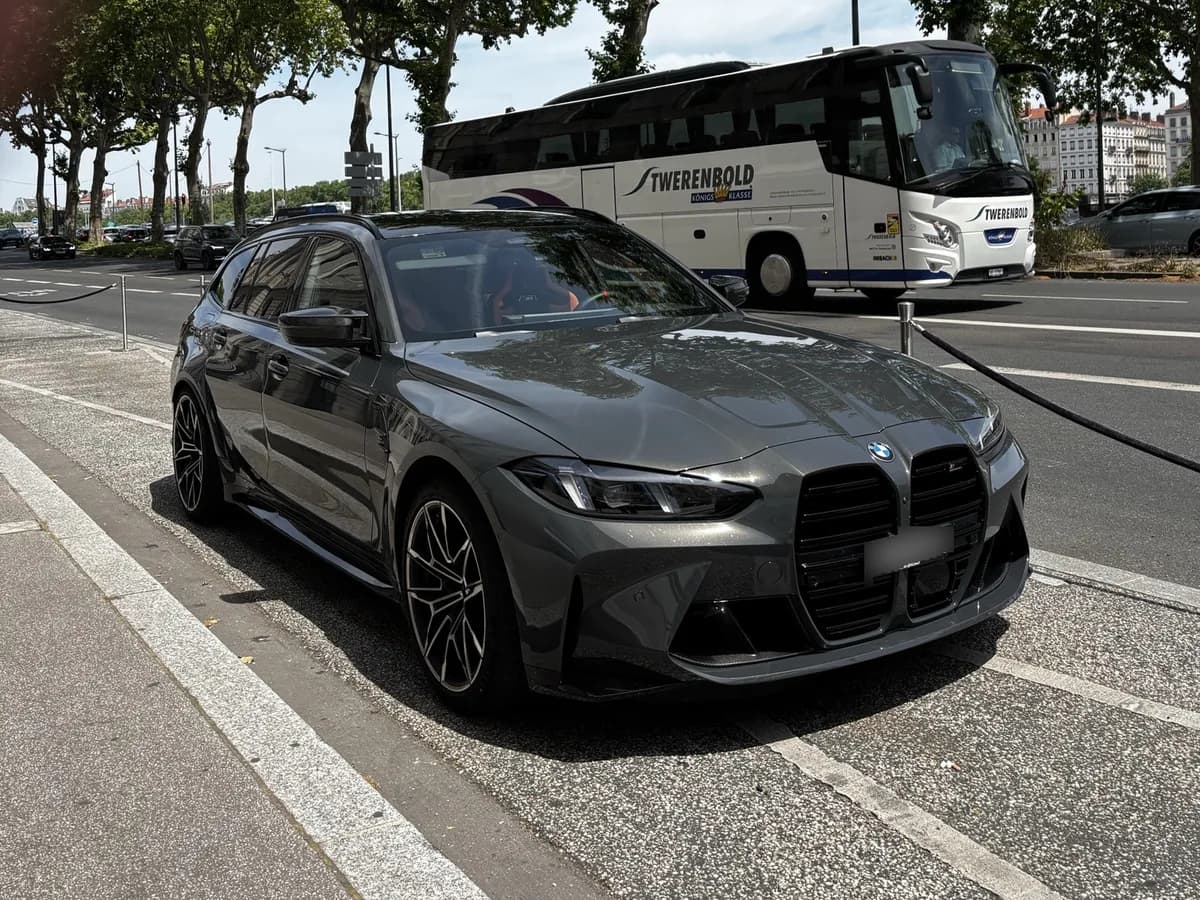
2021
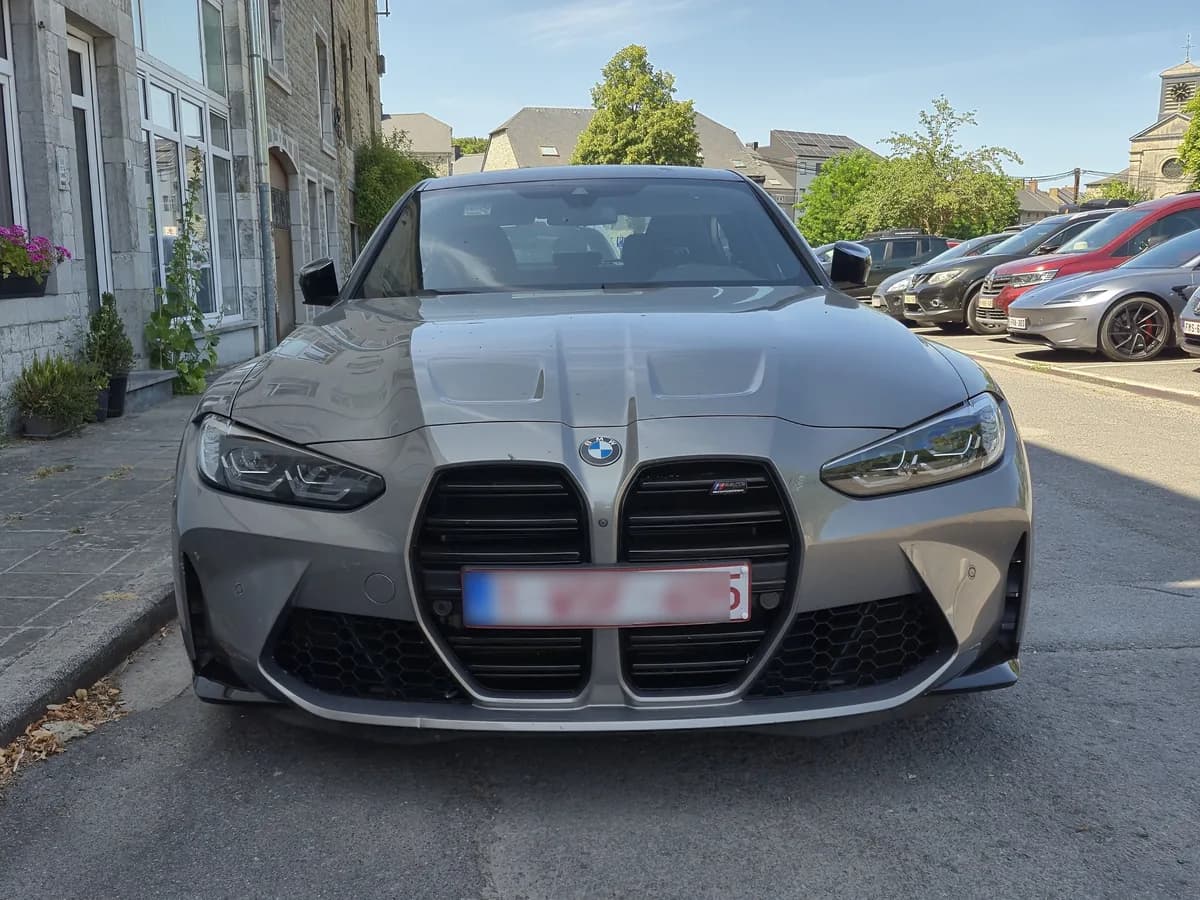
2020
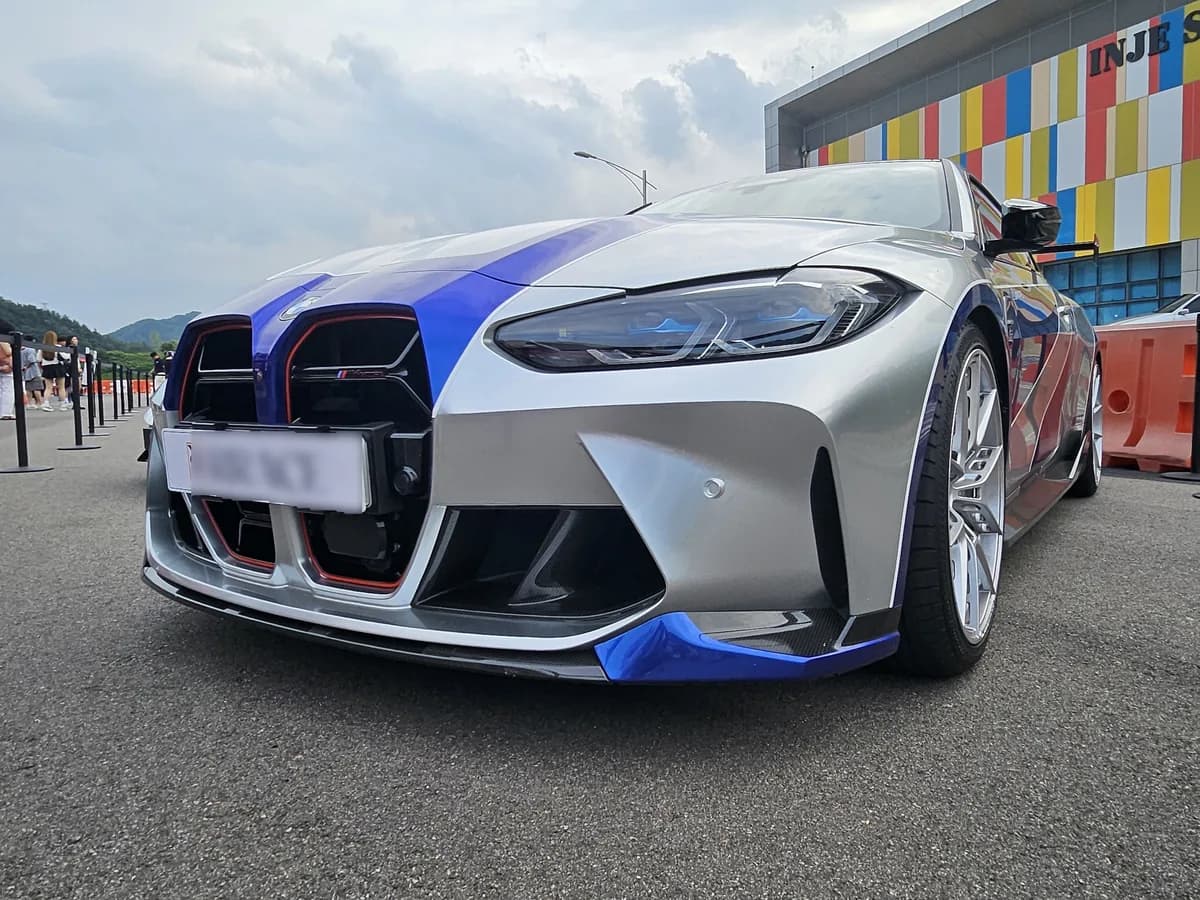
2014

2008
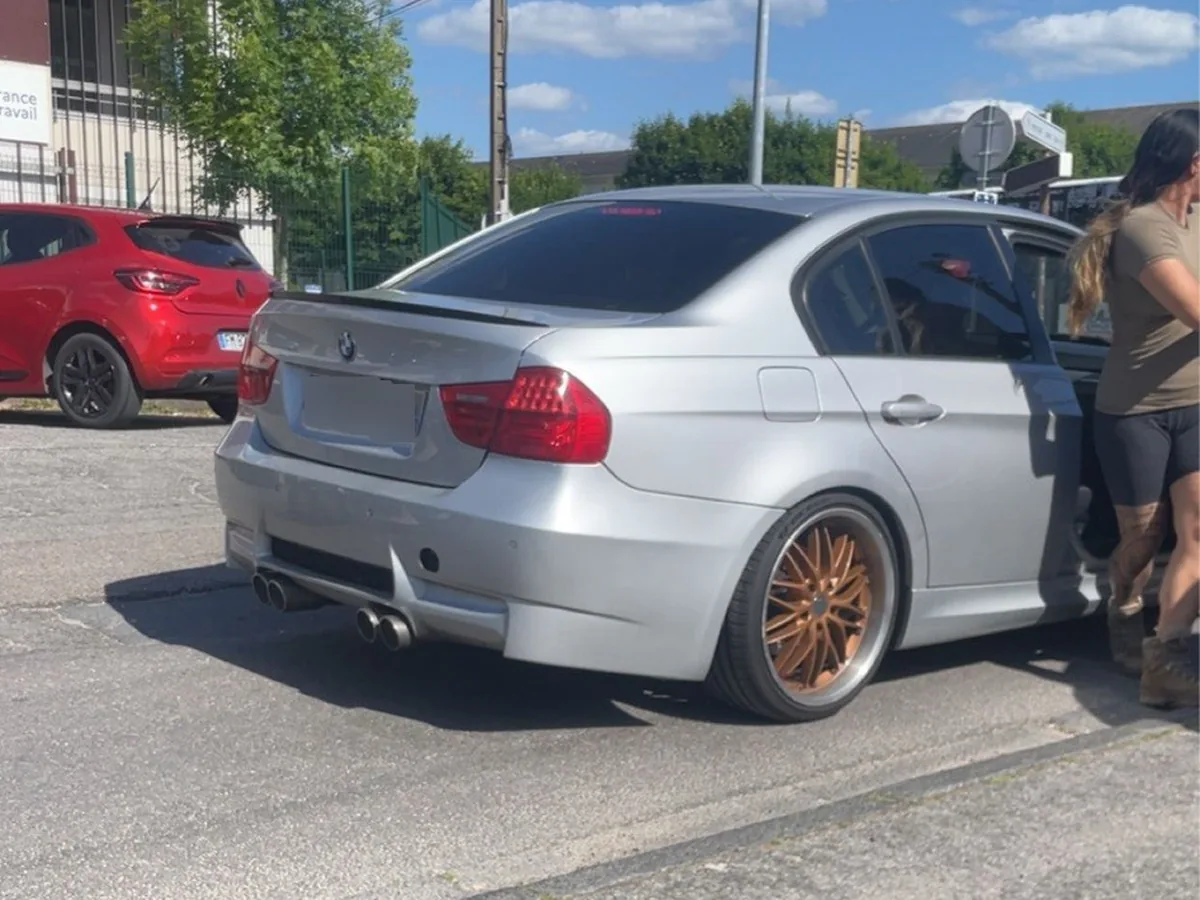
2007
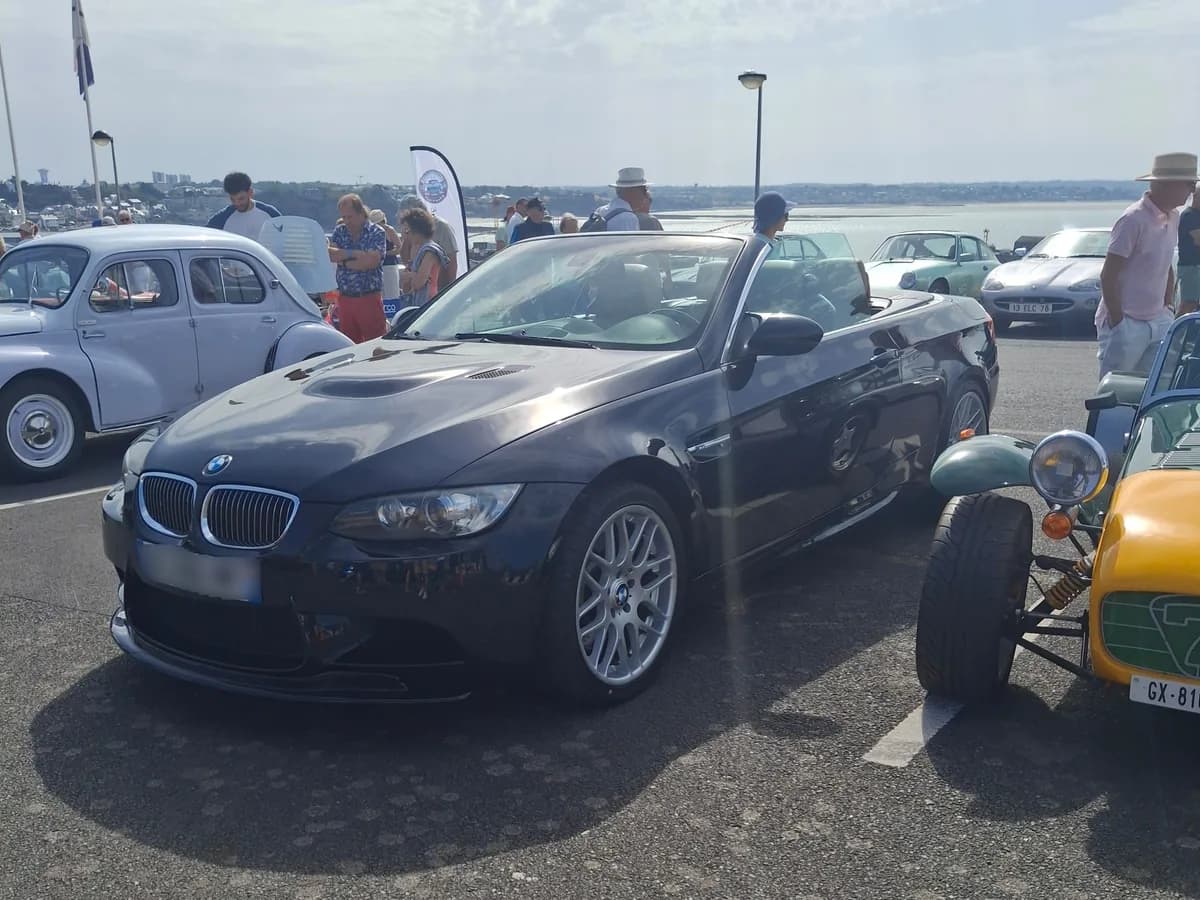
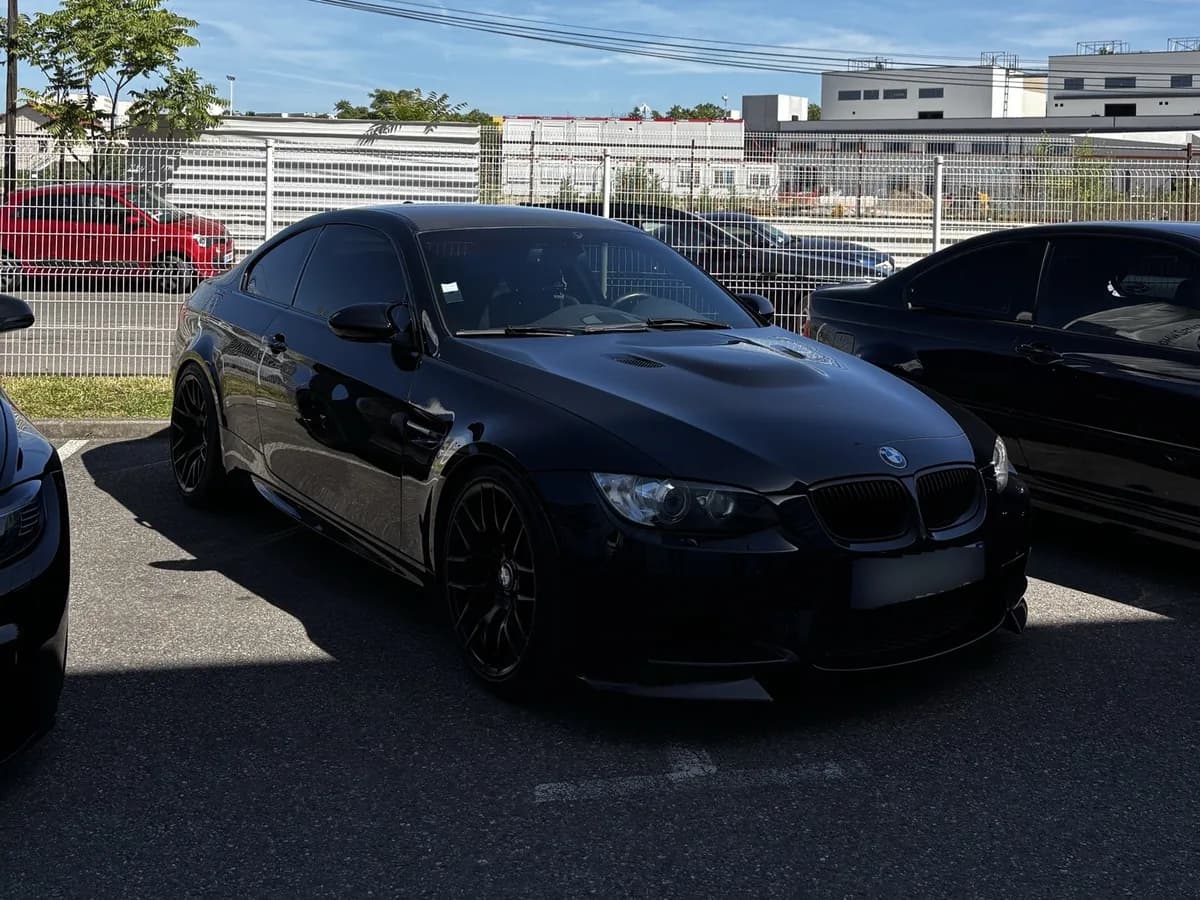
2000
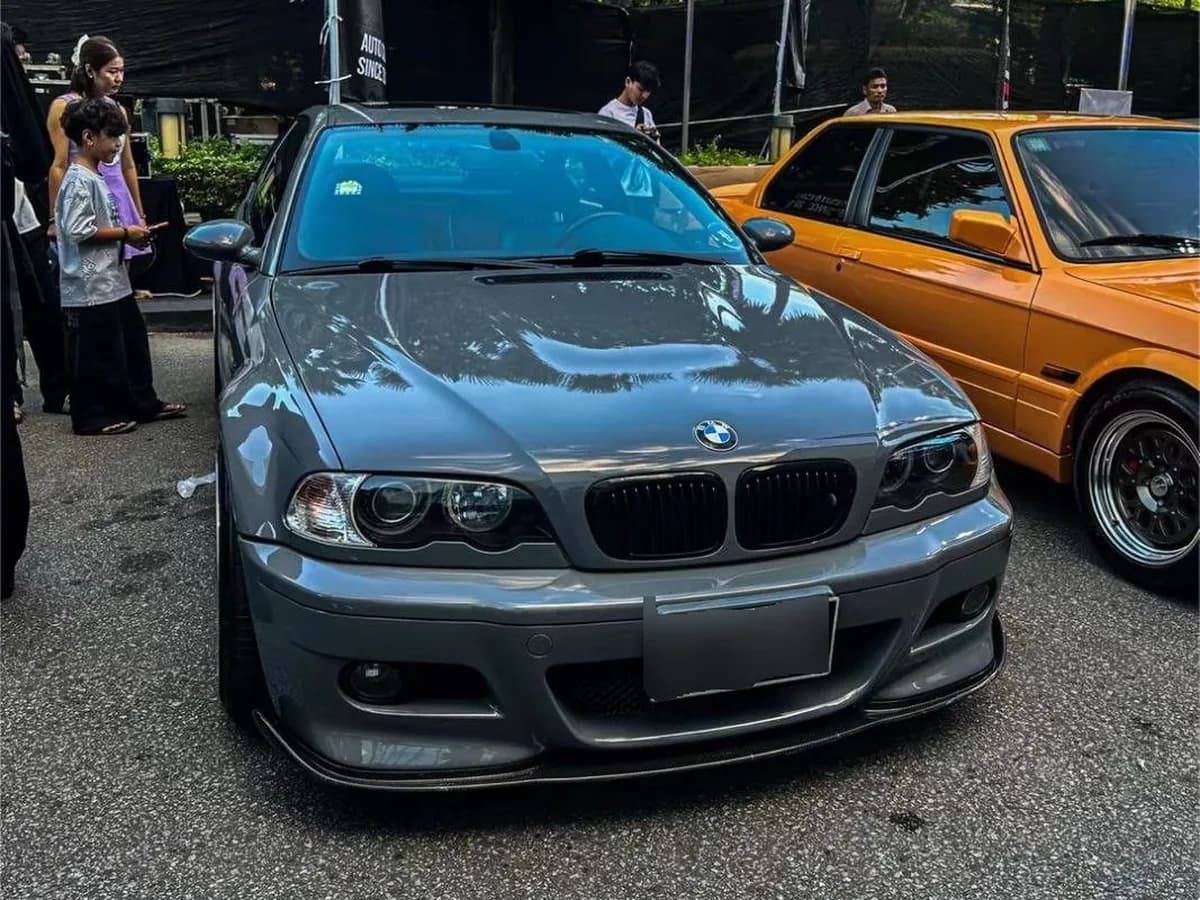
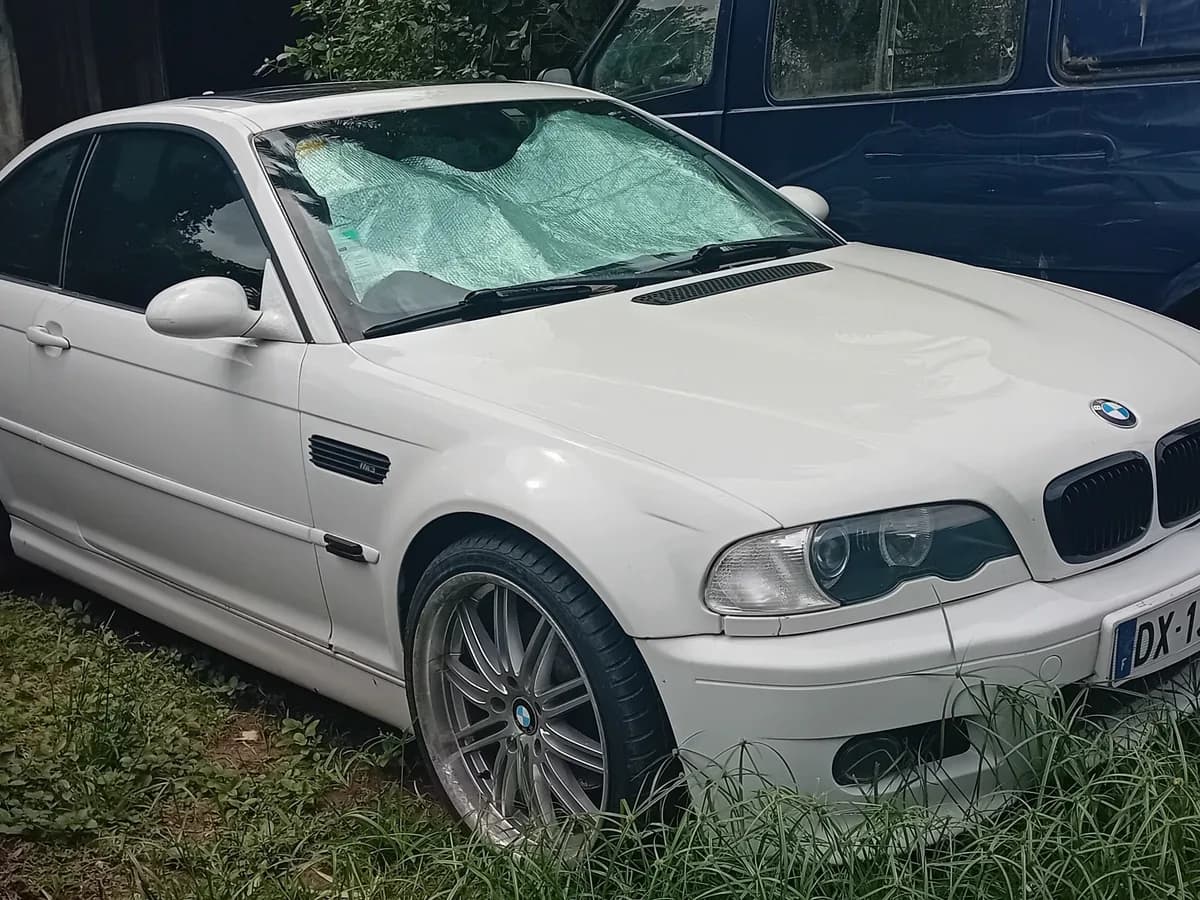
1998
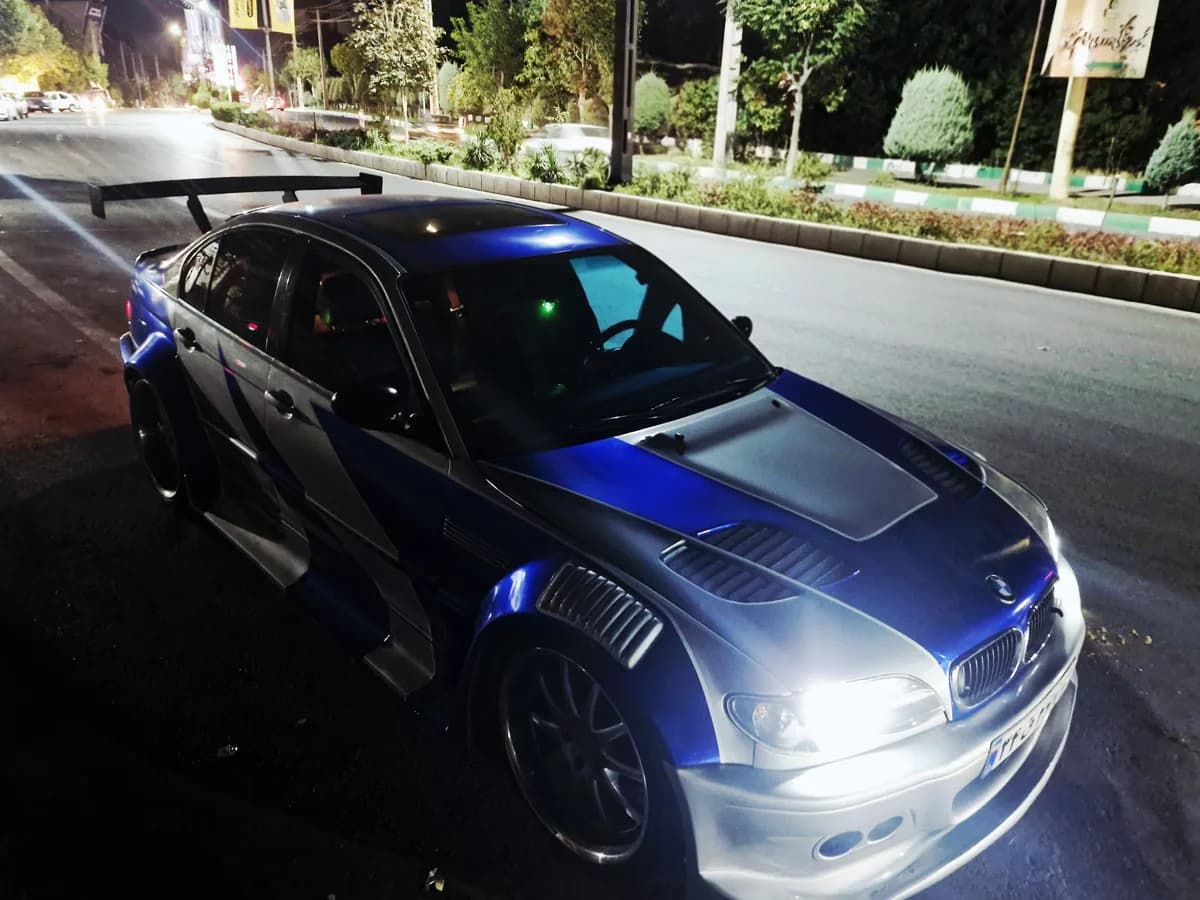
1994
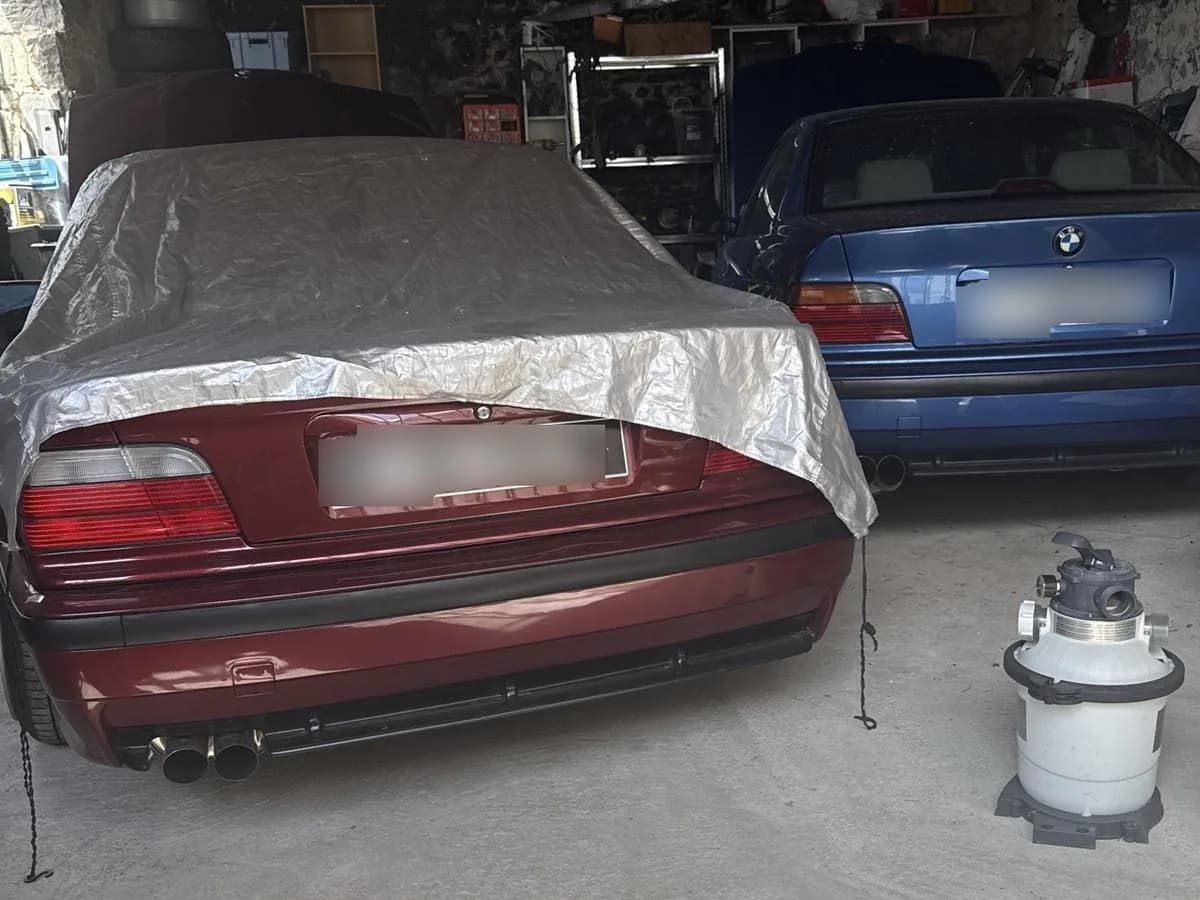 SRSR
SRSR1992
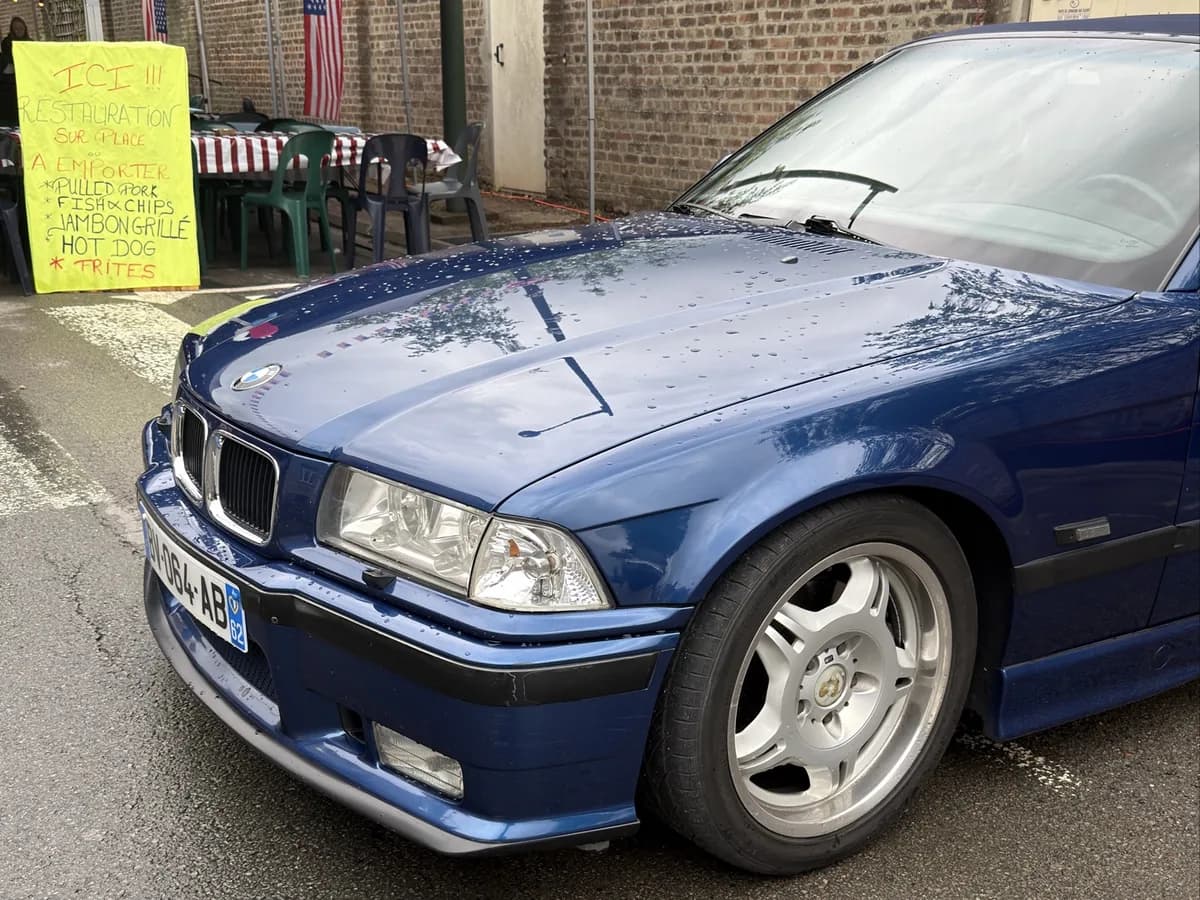
1987
1986

Model summary
Data from the ScanRacer library, organized to compare versions quickly.
Model introduction
Unveiled in Frankfurt in 1985 and produced from 1986, the BMW M3 began as a road car created to homologate a competition model. The first generation, based on the E30 3 Series, combined a 2.3-liter naturally aspirated four-cylinder engine with bodywork extensively reworked by BMW Motorsport. Six generations have followed: E30, E36, E46, E90, F80 and G80. The formula evolved from a lightweight, focused coupe into a highly capable performance sedan, while retaining a strong connection with motorsport. The most significant changes concern engines, body styles, drivetrains and equipment levels. The family has also included rare derivatives, Competition versions and, from 2022, the first M3 Touring. Together, these developments explain why the M3 occupies a distinctive place within BMW’s performance-car history.
History
The BMW M3 E30 was developed to meet Group A homologation rules for touring-car racing. BMW Motorsport had to build at least 5,000 road-legal examples, but demand exceeded that requirement by a wide margin: BMW reports total production of 16,949 first-generation M3s. The car used a naturally aspirated four-cylinder engine with four valves per cylinder, along with revised suspension, upgraded brakes and bodywork designed to improve aerodynamic performance. Evolution and Sport Evolution versions gradually increased output, while a convertible joined the range near the end of the 1980s. The E36, introduced in 1992, moved beyond a narrowly competition-focused brief. Its inline-six engine delivered greater power and flexibility, while the range expanded to include sedan and convertible body styles. The E46, launched in 2000, strengthened the M3’s identity as a serious performance coupe with its 3.2-liter straight-six and the limited CSL edition. In 2007, the E90 represented a major break from the past through its naturally aspirated V8. The F80 then introduced turbocharging and separated the coupe and convertible under the M4 name. Since 2020, the G80 has combined turbocharged power, advanced electronic systems and, depending on specification, all-wheel drive.
Generations
The first generation, E30, is identified by its flared wheel arches, large rear spoiler, coupe glazing and distinctly angular shape. Its naturally aspirated four-cylinder produced roughly 195 to 238 hp depending on the evolution model. The E36, introduced in 1992, brought smoother styling and the first inline-six engine in an M3. It was also the first generation offered as a sedan. The E46 arrived in 2000 and retained a naturally aspirated straight-six, producing 343 hp in standard form and 360 hp in the CSL. Its widened fenders, decorative side grilles and aerodynamic mirrors are useful visual identifiers. The E90 generation, launched in 2007, is defined by its naturally aspirated V8, capable of revving to 8,300 rpm. Its body variants used the E90, E92 and E93 codes for sedan, coupe and convertible respectively. The F80, introduced in 2014, returned to a six-cylinder engine but added twin turbochargers. The four-door sedan retained the M3 name, while the coupe and convertible became the M4. The G80, produced from 2020, uses a four-door body, a twin-turbocharged inline-six and, on selected versions, M xDrive all-wheel drive. The Touring launched in 2022 added a wagon body style to the modern M3 family.
Key differences
The clearest differences between generations are mechanical. The E30 uses a lightweight naturally aspirated four-cylinder closely tied to its motorsport homologation role. The E36 and E46 move to naturally aspirated inline-six engines, with substantial gains in displacement and torque. The E90 is the family’s major exception, using a naturally aspirated V8. The F80 returns to six cylinders but adds turbocharging, increasing torque while reducing displacement compared with the V8. The G80 retains a twin-turbocharged straight-six while offering higher outputs and, depending on specification, M xDrive all-wheel drive. Body styles also changed considerably. Early M3s were primarily coupes, while the E36 added sedan and convertible versions. The E90 expanded the range further. From the F80 onward, BMW kept the M3 name for the sedan and used M4 for the related coupe and convertible. The G80 later added a Touring body style. Gearboxes, electronic control systems, lightweight materials and driver-assistance equipment differ substantially by generation and market. A model’s badge alone is therefore not enough to establish its exact specification; production year, body code, market and option package should also be checked.
Photo recognition
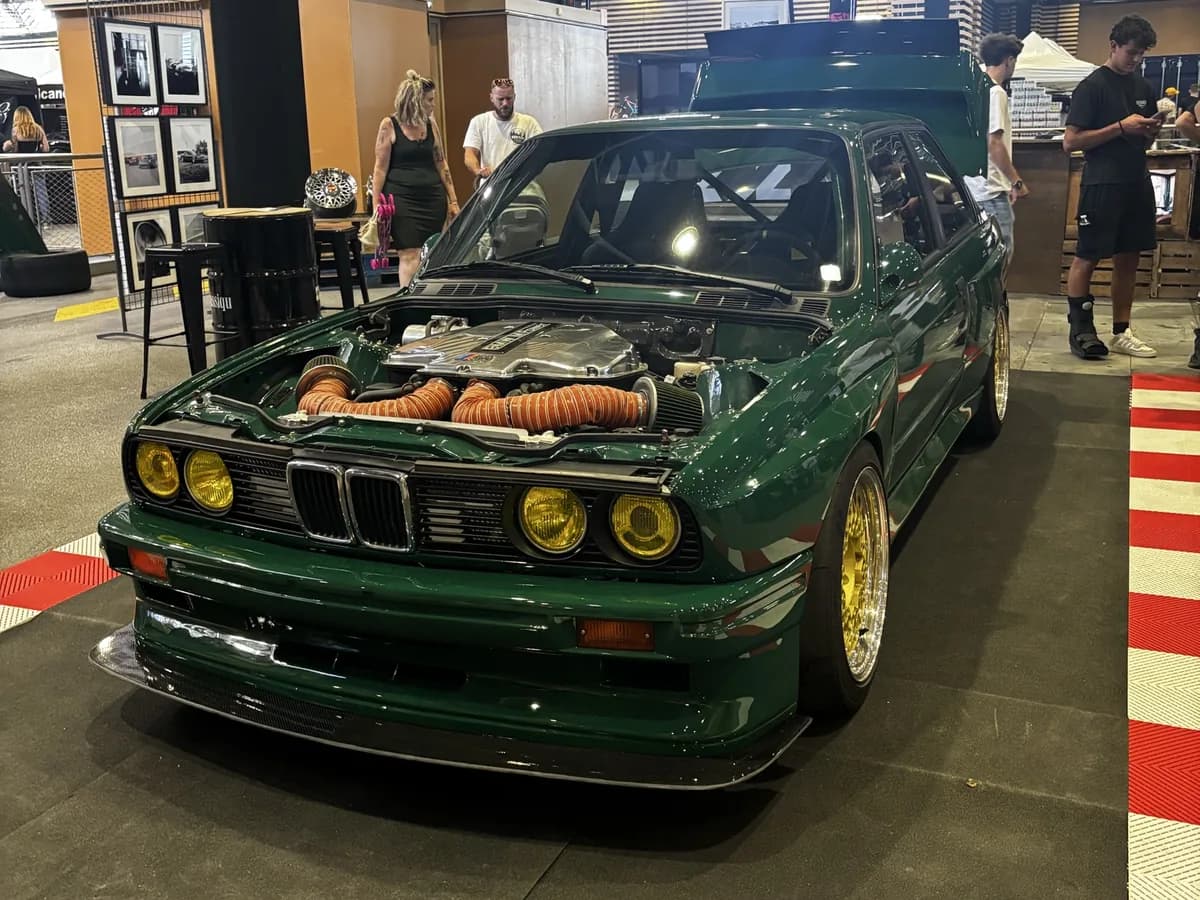
An E30 M3 can be identified by its strongly flared arches, dedicated side skirts, reshaped boot lid and tall rear spoiler. Its angular shape and wider C-pillar separate it from a standard 3 Series. The E36 M3 has smoother styling, specific bumpers and, depending on body style, either four doors or a folding roof. The E46 is especially easy to recognize through its widened fenders, shaped mirrors and chrome side grilles behind the front wheels. The E90 sedan, E92 coupe and E93 convertible share the V8 engine but should not be treated as the same body style; the chassis code is important. The F80 has more modern aerodynamic detailing, a carbon-fiber roof on selected specifications and sedan proportions. The visually related coupe carries the M4 name. The G80 uses a highly distinctive front end, wider tracks and more integrated M-specific details. For a reliable identification, also check the VIN, manufacturer plate and equipment codes. Wheels, bumpers and lighting units may have been changed during the car’s life, so exterior appearance alone cannot always confirm the exact version.
Important versions
The E30 M3 Sport Evolution is one of the most sought-after historic versions. Its engine was enlarged to 2.5 liters and produced 238 hp, with BMW building 600 examples. The Cecotto and Ravaglia editions are also notable limited series connected with the model’s competition success. Within the E46 generation, the CSL is especially significant because it shed about 110 kg, introduced a visible carbon-fiber roof and produced 360 hp; 1,383 cars were made. The E90 generation included the M3 CRT, a 67-unit limited edition rated at 450 hp. In the G80 family, the M3 Competition Sedan introduced for 2021 brought a more powerful calibration and automatic transmission, while the M3 Touring launched in 2022 transferred the sedan’s performance concept to a wagon body. Labels such as “Base,” “Sedan,” “Convertible,” “Coupe” and “Touring” should be read carefully because their equipment and availability can differ by market and model year.
The name “M3” follows BMW naming, with its rules and its exceptions. Decode a BMW name
References
- The BMW M3 generations at a glanceBMW M
- The BMW M3 E30BMW M
- The BMW M3 E46BMW M
- A Brief History of the M3BMW Group PressClub USA
- The New 2021 BMW M3 Sedan and M4 CoupeBMW Group PressClub USA
- The first-ever BMW M3 TouringBMW Group PressClub
- The BMW M3 CSLBMW M
- https://www.iseecars.com/car/bmw-m3/generationsiseecars.com
Technical specifications
Structured data available for versions linked to this model.
| Version | Power | Torque | Top speed | Drivetrain | Fuel |
|---|---|---|---|---|---|
| Base | 473 hp | 406 lb-ft | 155 mph | Rear-Wheel Drive / 6-Speed Manual | Gasoline |
| Competition | 503 hp | 479 lb-ft | 155 mph | Rear-Wheel Drive / 8-Speed Automatic | Gasoline |
| Competition xDrive | 503 hp | 479 lb-ft | 155 mph | All-Wheel Drive / 8-Speed Automatic | Gasoline |
Frequently asked questions
- What years was the BMW M3 produced?
- ScanRacer's referenced versions cover 1986 - 2025.
- How many BMW M3 examples are documented on ScanRacer?
- 138 published scans from 76 members, with the latest photo added in September 2026.