Power
503 hp
The 1986 BMW M3 Coupé marks the beginning of the M3 line as the high-performance derivative of the E30 3 Series. Launched first as a coupé, it immediately stood apart through a body shape suited to sporty driving and model-specific M details. Developed in a motorsport-driven context, it established the M3 name as a road car with a strong performance identity. The dossier does not provide specific mechanical figures for this exact year, but its historical role is unmistakable: it is the original M3, and the foundation for everything that followed in the range.
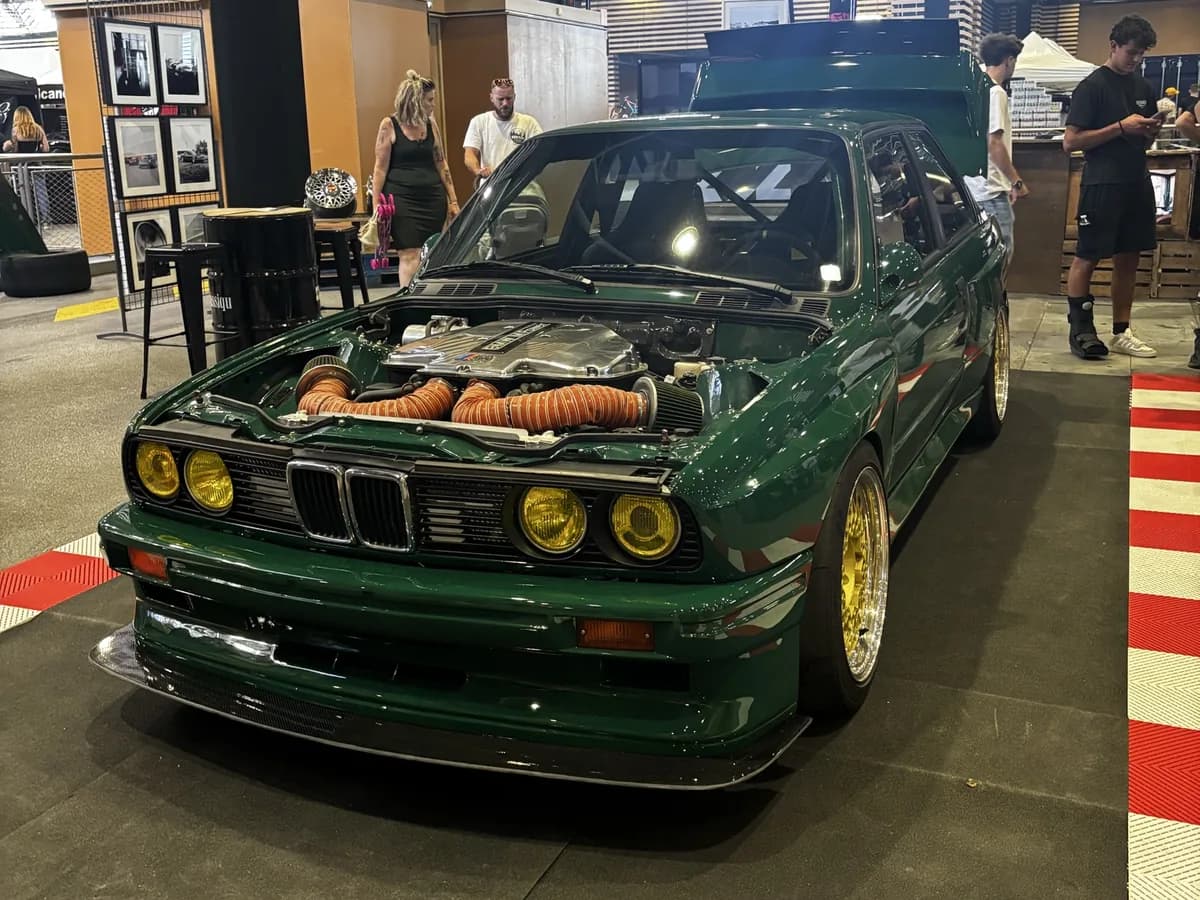
The BMW M3 appeared in 1986 as the most performance-oriented version of the E30 3 Series. In the brand’s timeline, the coupé was the first form of this lineage, before a cabriolet followed later. Its mission was closely tied to homologation for the German Touring Car Championship, which explains its strong competition focus and its emphasis on effectiveness. As a result, the E30 M3 became the founding reference for the entire M3 family.
Beyond its launch, the first generation became significant as a milestone in BMW M history. Total E30 production reached 16,949 units, underlining the car’s importance within the brand’s portfolio. Later generations would move to inline-six engines, then a V8 and eventually turbocharged powerplants, but the 1986 coupé remains the starting point of that evolution.
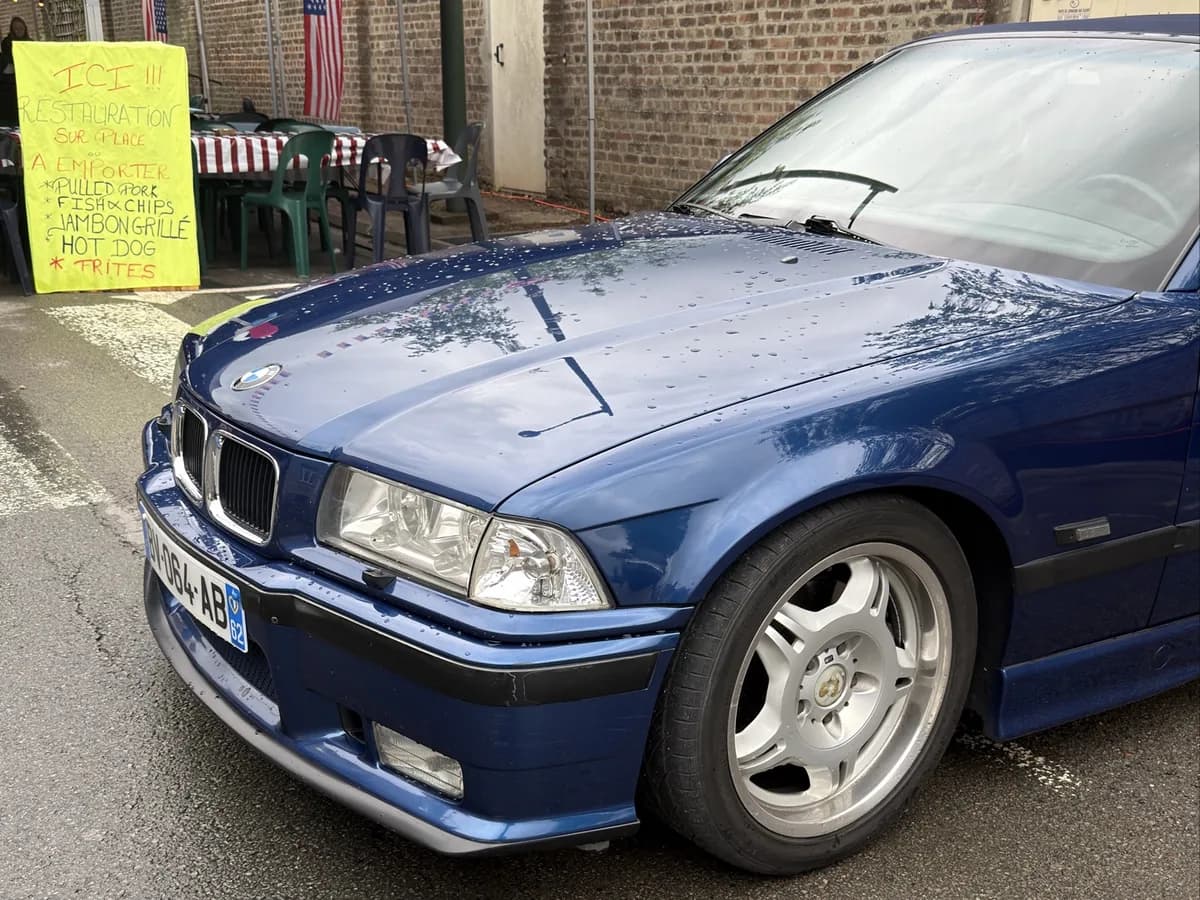
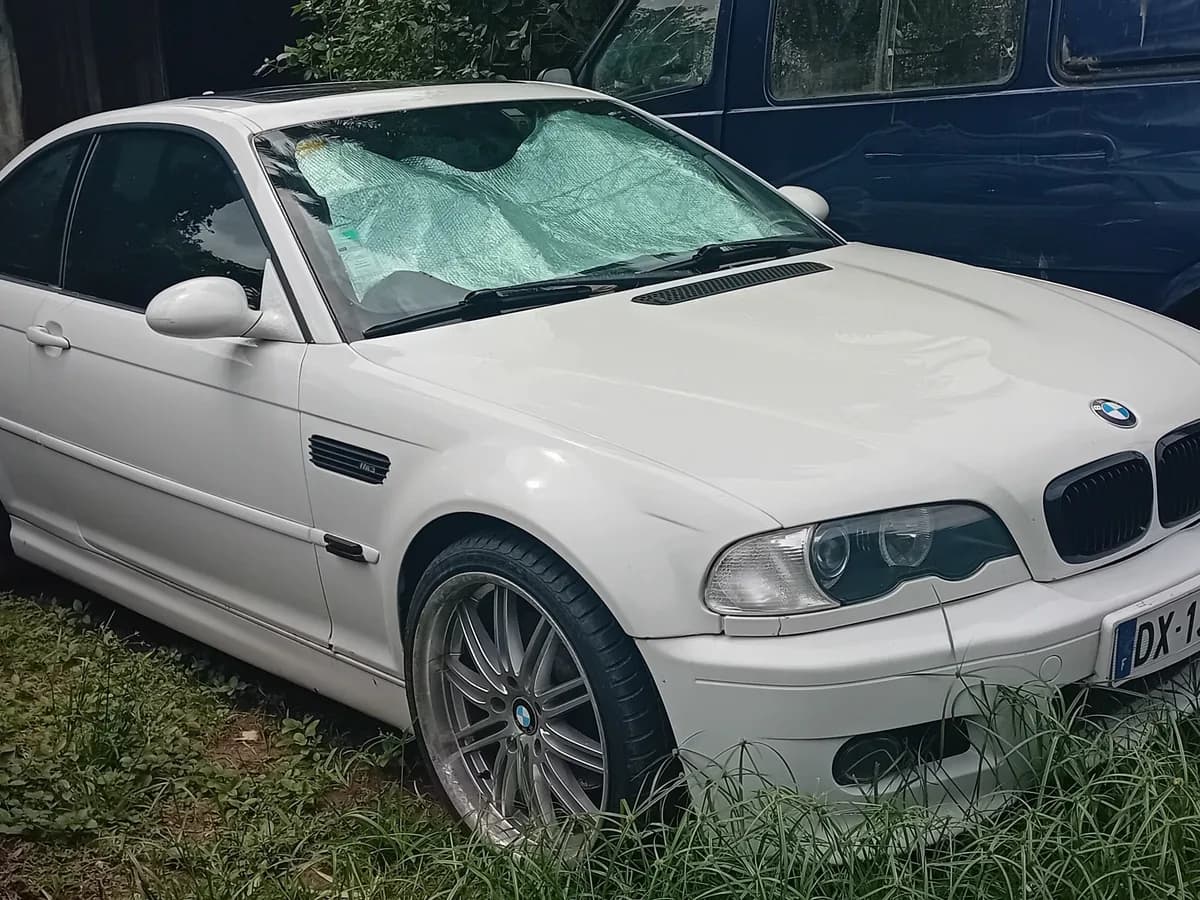
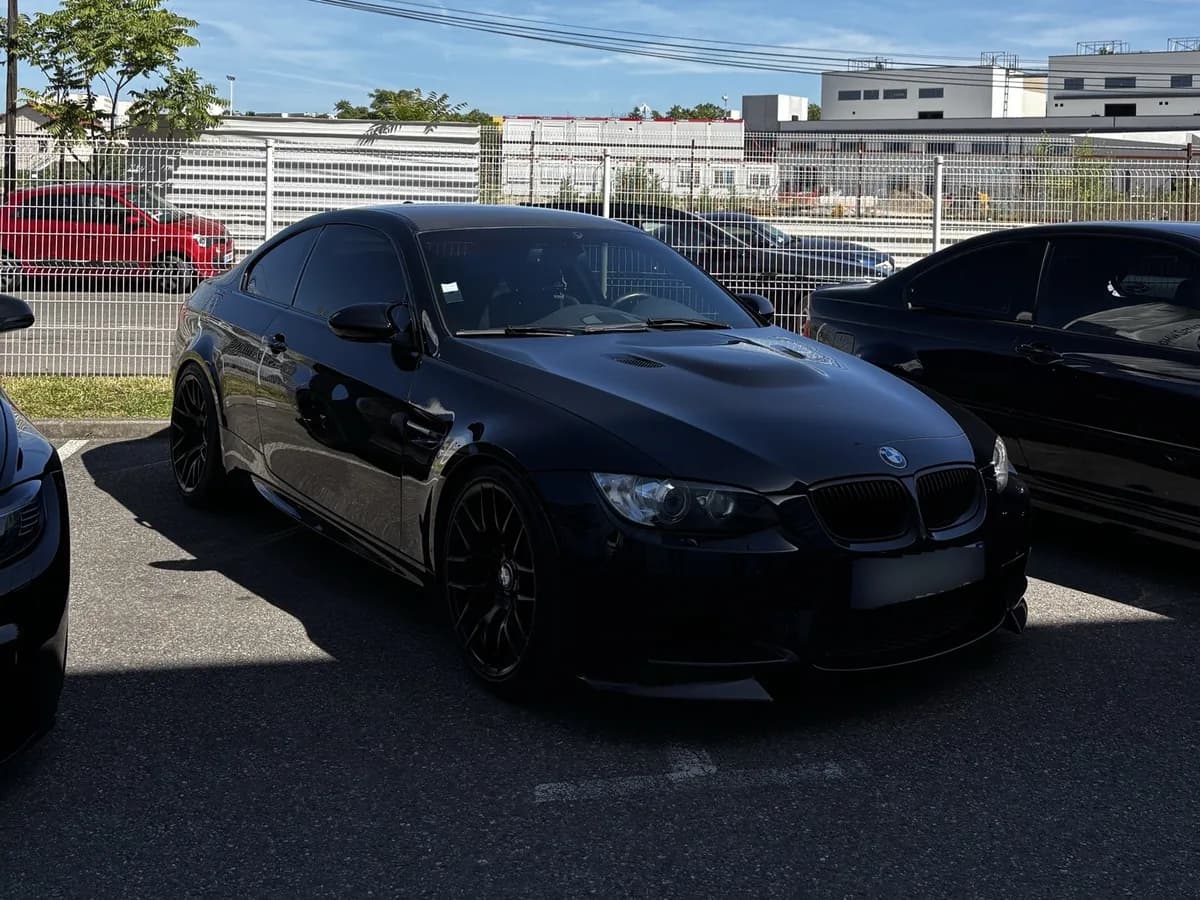
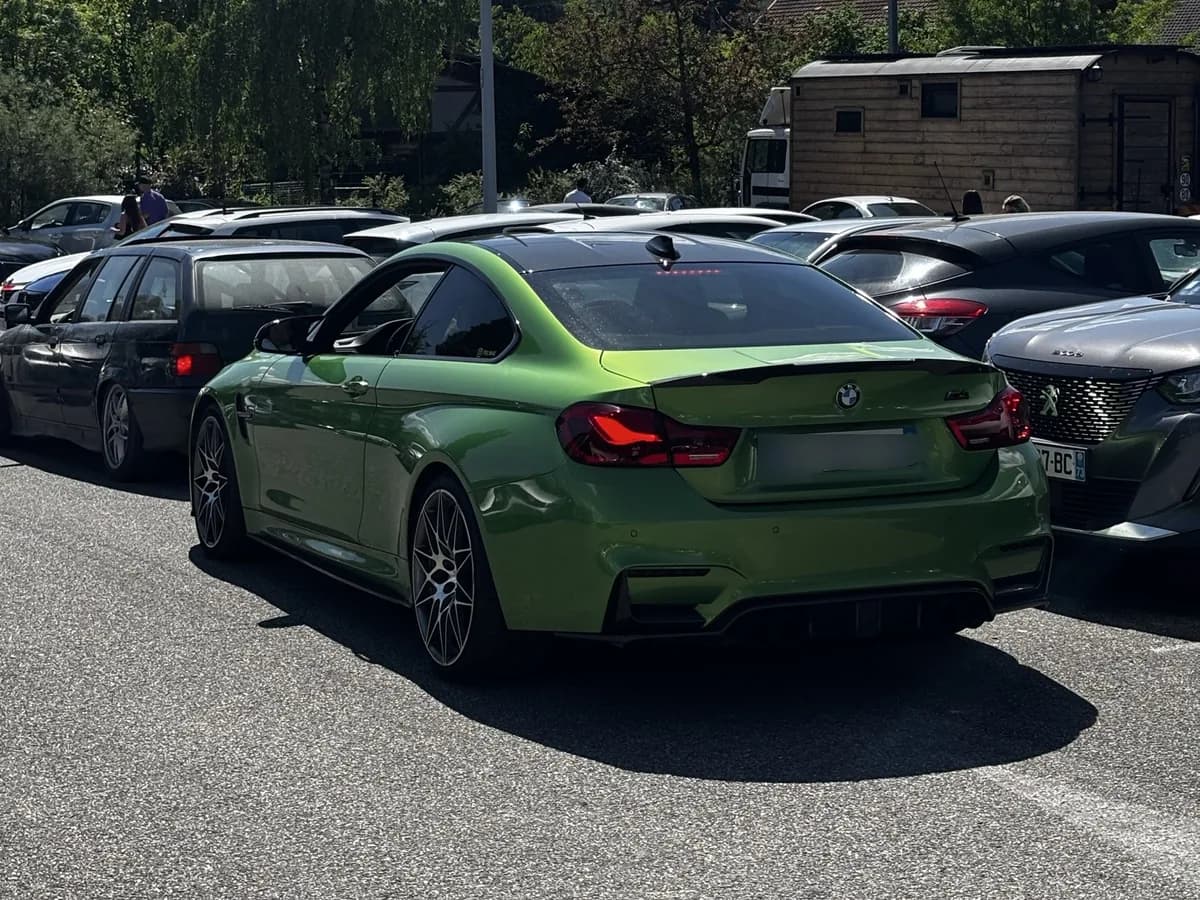
Photos added by the community for this page.
Total E30 M3 production is given as 16,949 units. The dossier does not provide a separate figure for the 1986 Coupé, nor a breakdown by body style or year. What it does make clear is that the model debuted in 1986 and that the coupé was the first body style offered. That places the car within a relatively limited production run in BMW M history, especially considering its homologation role.
For the 1986 M3, the key point is its role as the first step in the model’s evolution. The dossier does not provide year-specific technical data for this version, but it clearly shows that the M3 began life in E30 coupé form. That body style immediately defined the model’s identity, with distinctive M cues and a clear sporting purpose.
The later evolution of the M3 name shows how far the line progressed from that starting point. The family moved from a 2.3-litre four-cylinder to inline-six engines, then to a V8, and later back to a twin-turbo inline-six. Technologies such as SMG, stability control, the active rear differential, DKG, ceramic brakes and M xDrive came afterwards. The 1986 Coupé therefore remains the original benchmark.
In the information provided, the 1986 M3 is identified first and foremost as a coupé. The dossier notes that a cabriolet came later, but without further detail. For that reason, the coupé should be understood as the initial and most directly associated launch configuration.
The difference between known variants therefore rests mainly on body style and position in the timeline. The coupé opens the M3 range, while later generations and derivatives change engines, transmissions and technology. Other notable M3 versions mentioned elsewhere in the lineage include the Sport Evolution, Lightweight and Lime Rock Edition, but those belong to different periods. For 1986, the only explicitly relevant variant is the launch coupé.
Provides an overview of all M3 generations.
Details on the evolution of the 3 Series, including M3 variants.
Comprehensive guide on M3 generations and models.
Breakdown of M3 generations by model years.
Generational guide of the BMW M3.
Source found by OpenAI web search for this model page.
Source found by OpenAI web search for this model page.
Source found by OpenAI web search for this model page.