
3 Series
Introduced in 1975 as the successor to BMW’s 02 Series, the BMW 3 Series became one of the defining model lines in the Bavarian manufacturer’s range. The first generation, known by its E21 development code, was a sporty two-door sedan. Over the following decades, the family expanded to include four-door sedans, coupés, convertibles, Touring estates, wagons, Compact hatchbacks and the Gran Turismo. The 3 Series also provided the basis for especially significant derivatives, including the M3 and several Alpina models. ScanRacer data covers variants built from 1975 through 2022, with substantial representation for Sedan, Coupé, Convertible, Touring, Wagon and Compact Hatch body styles. That breadth means an older 3 Series cannot be identified by its badge alone: generation, body style and market can all affect its appearance.
What about the car you photographed?
Upload a photo to get a suggested make, model and likely year.
No account needed for the result · Publish only if you choose
Variants by year
Make: BMW · Model: 3 Series
54 / 54 versions shown
2022
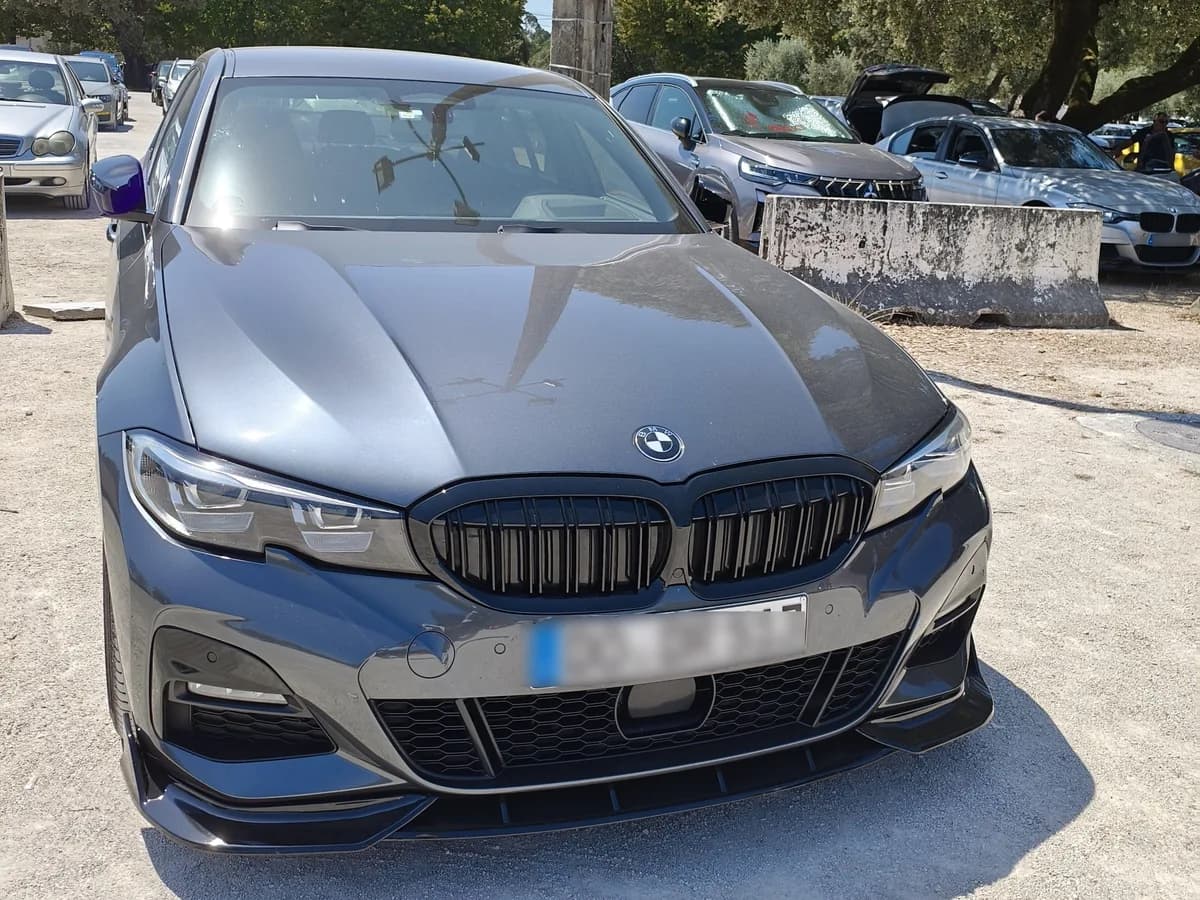
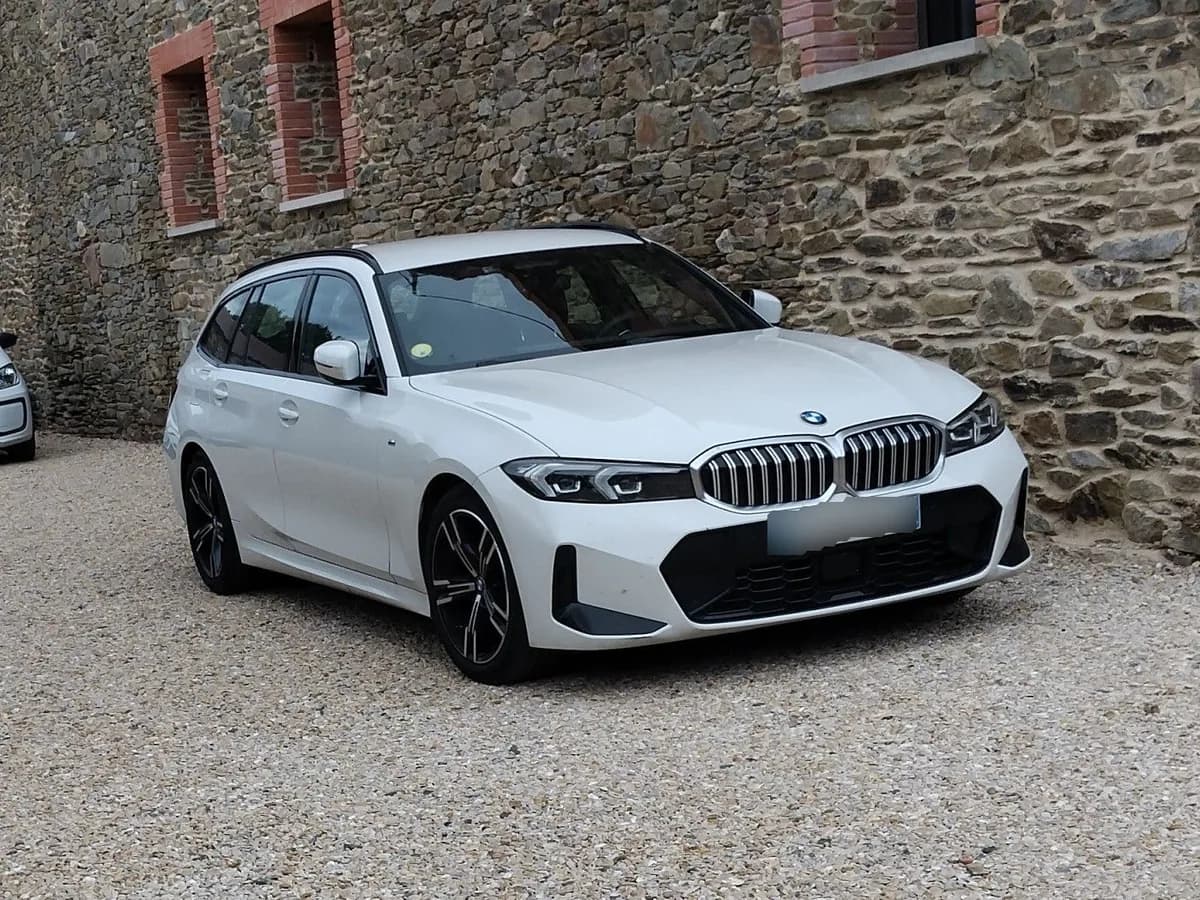
2020

2019
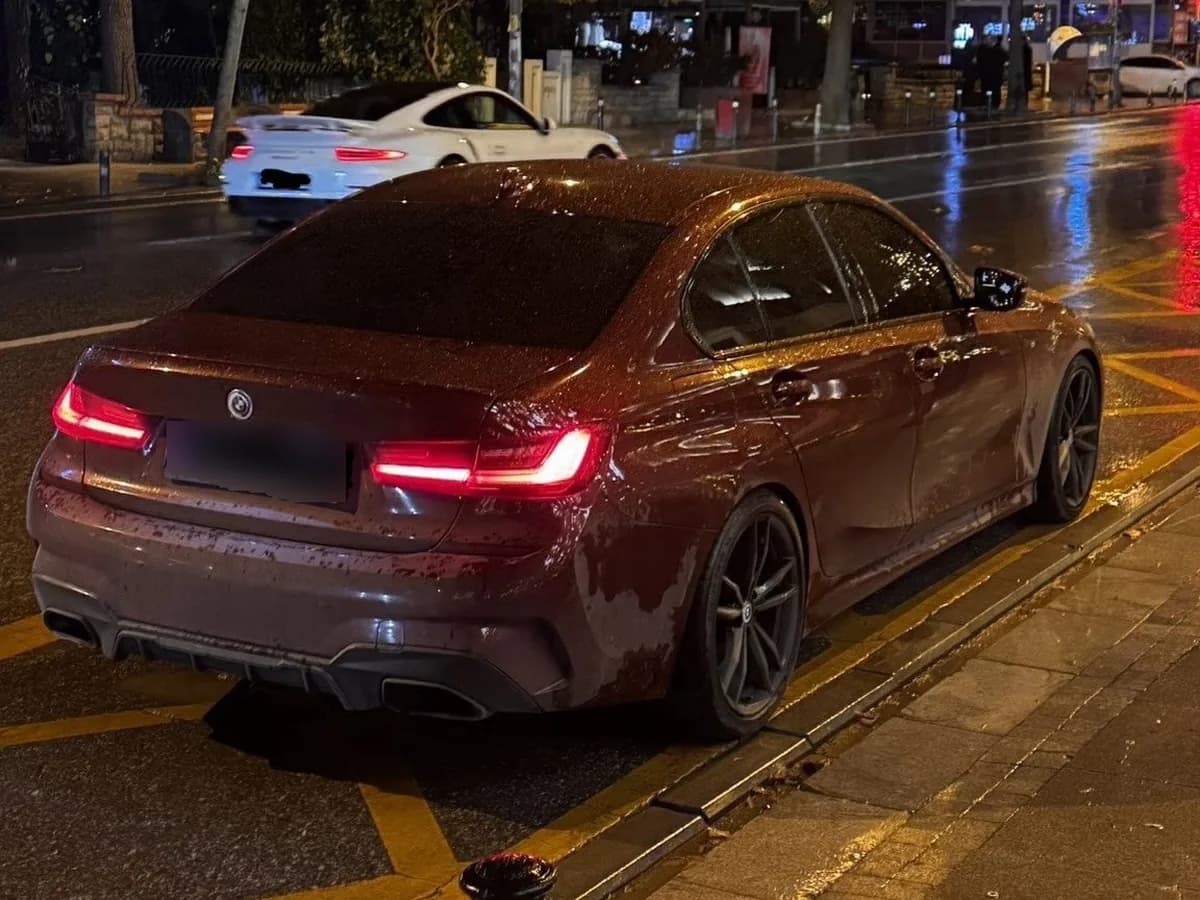
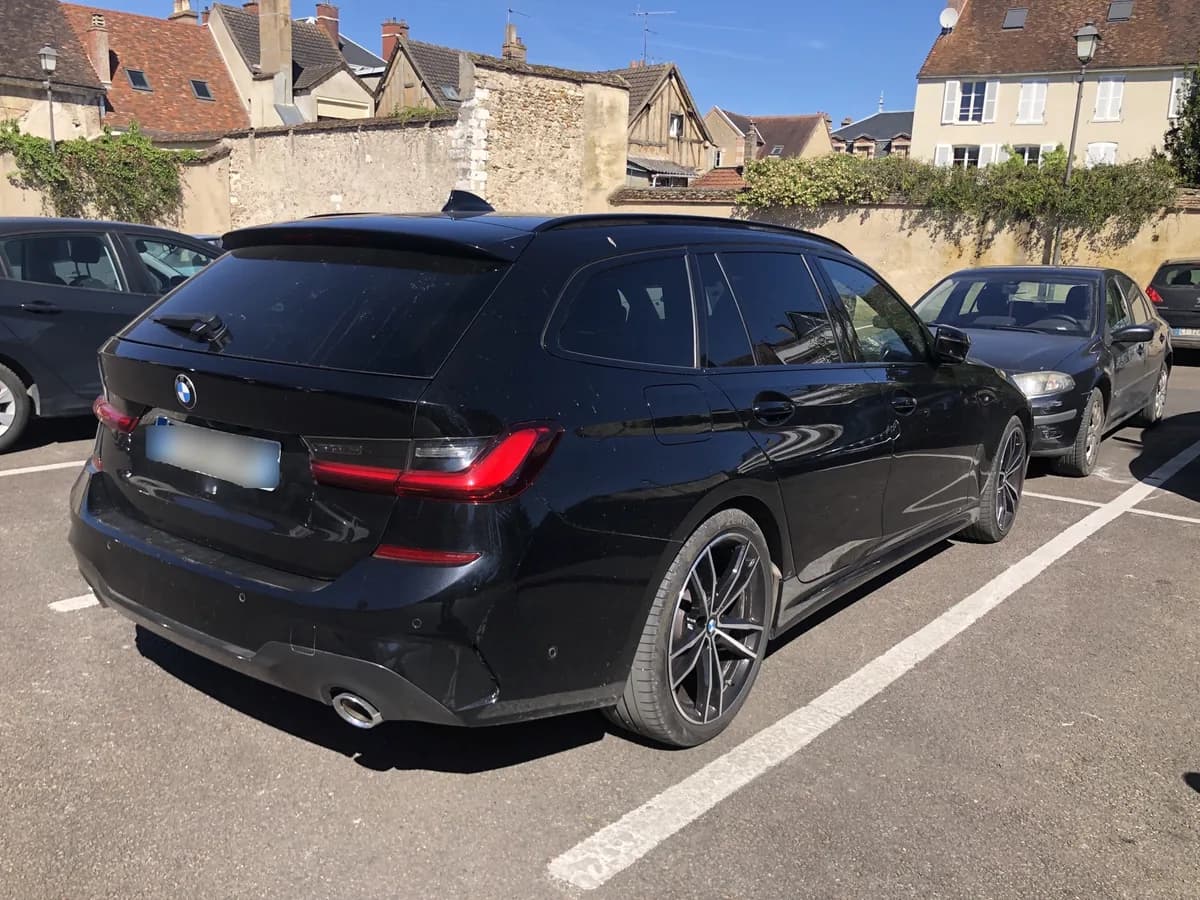
2013
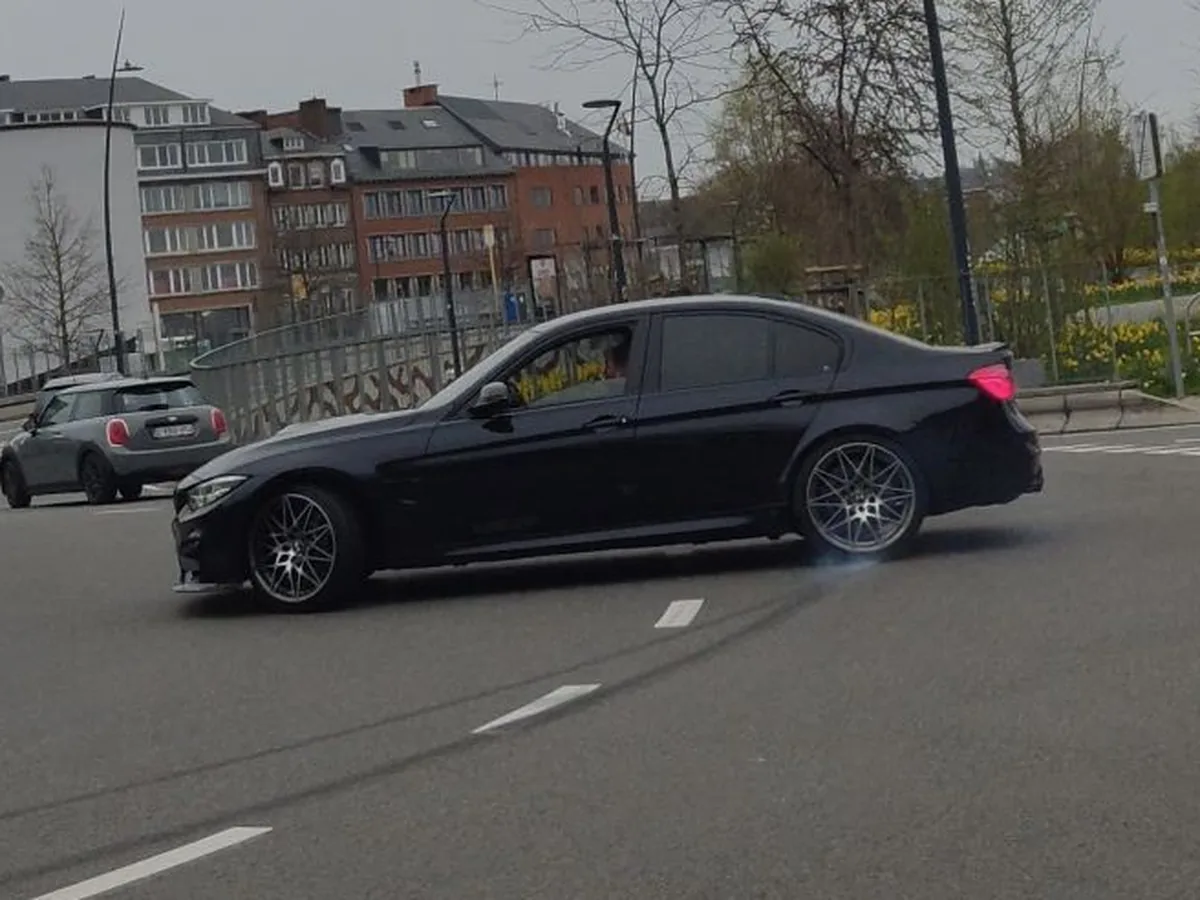
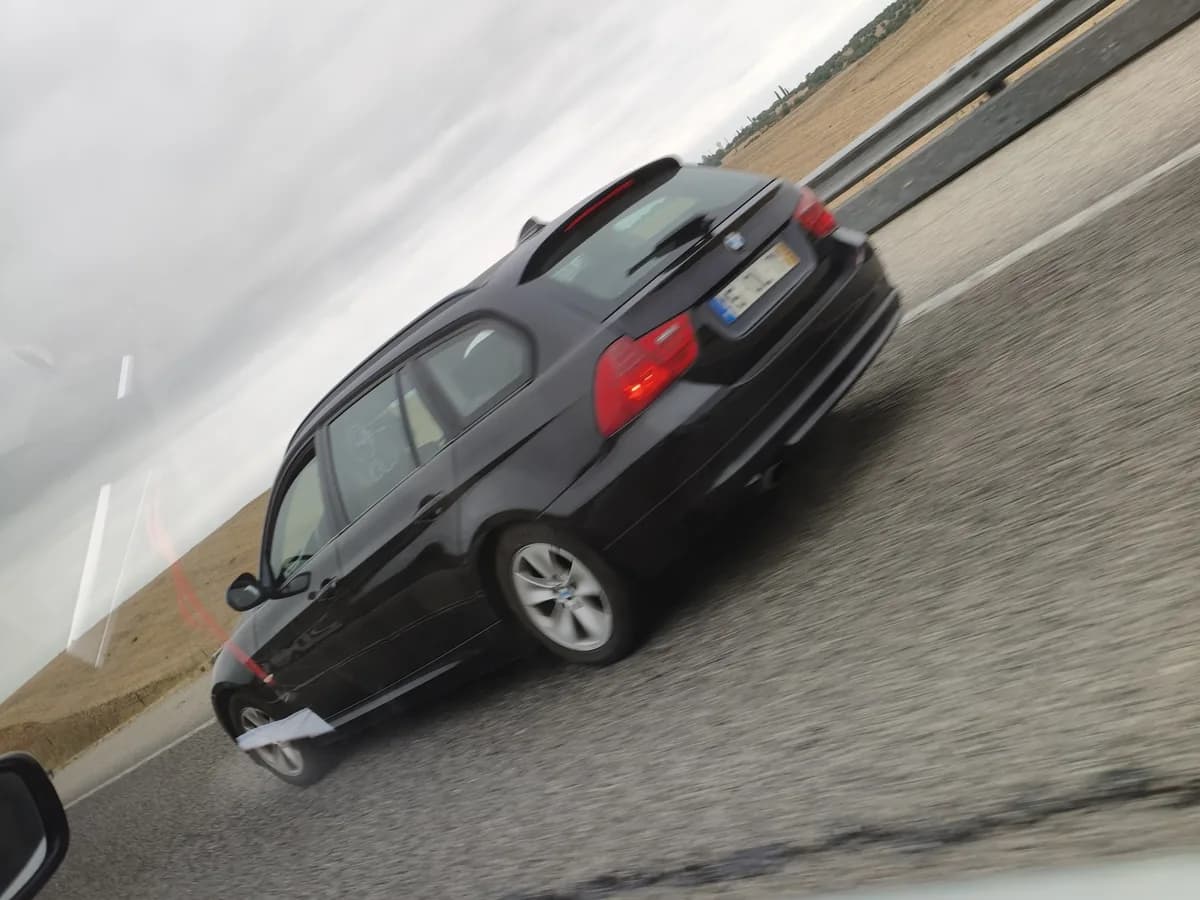
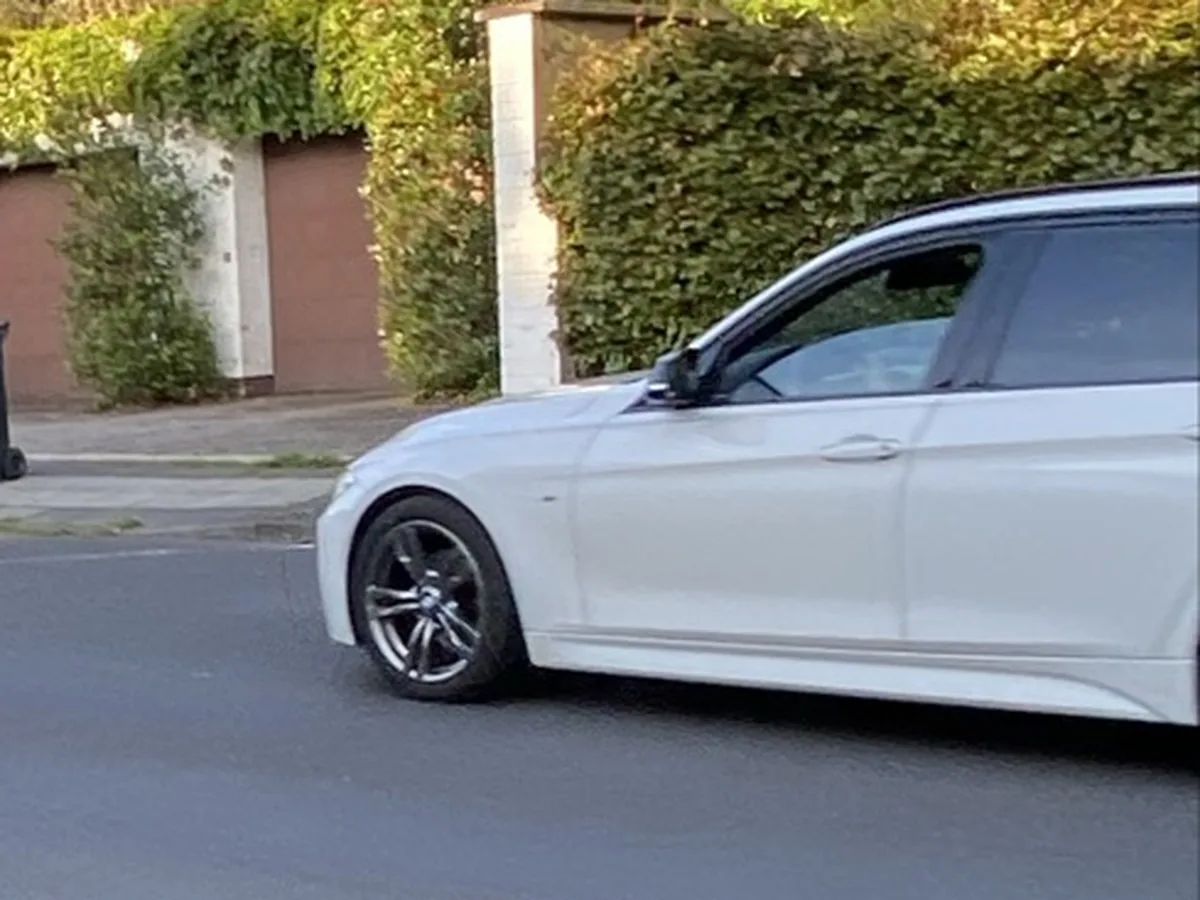
2012
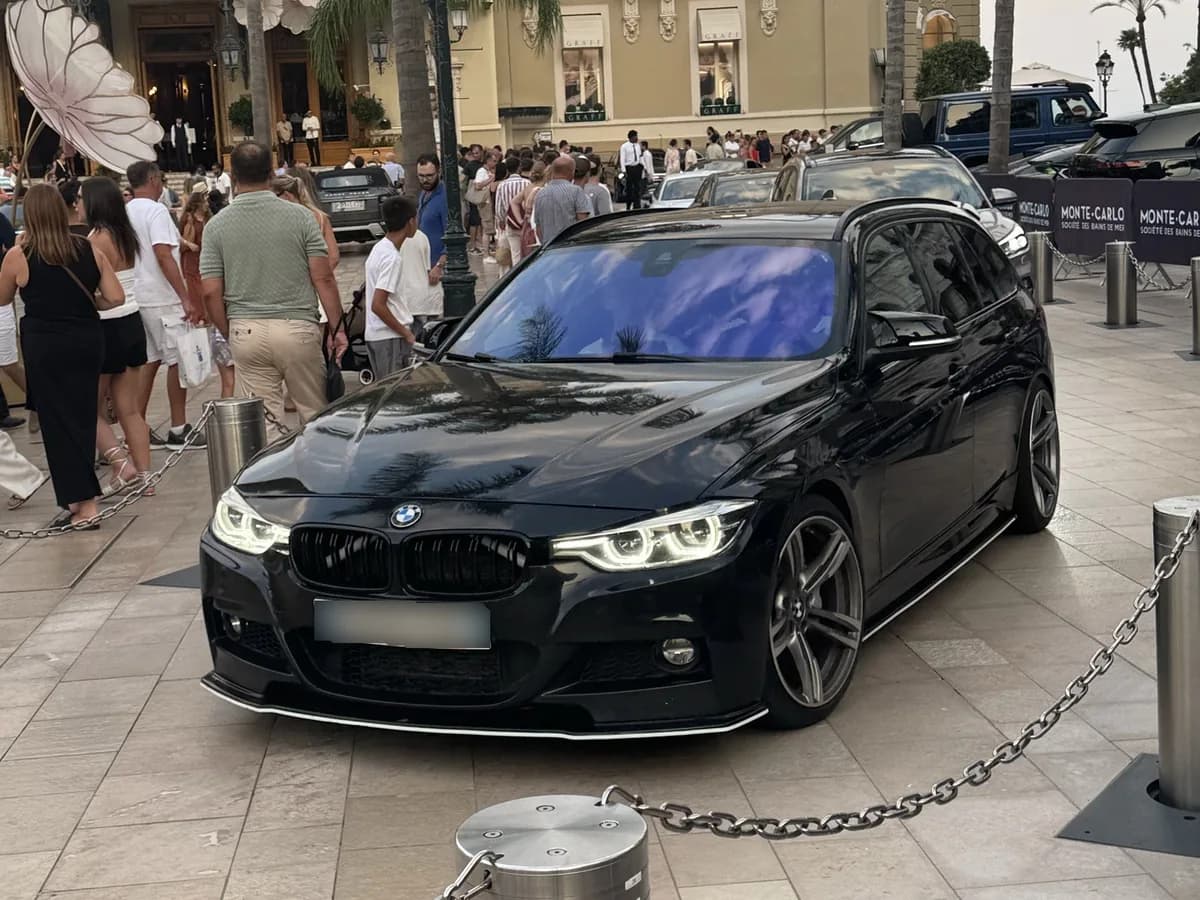
2011
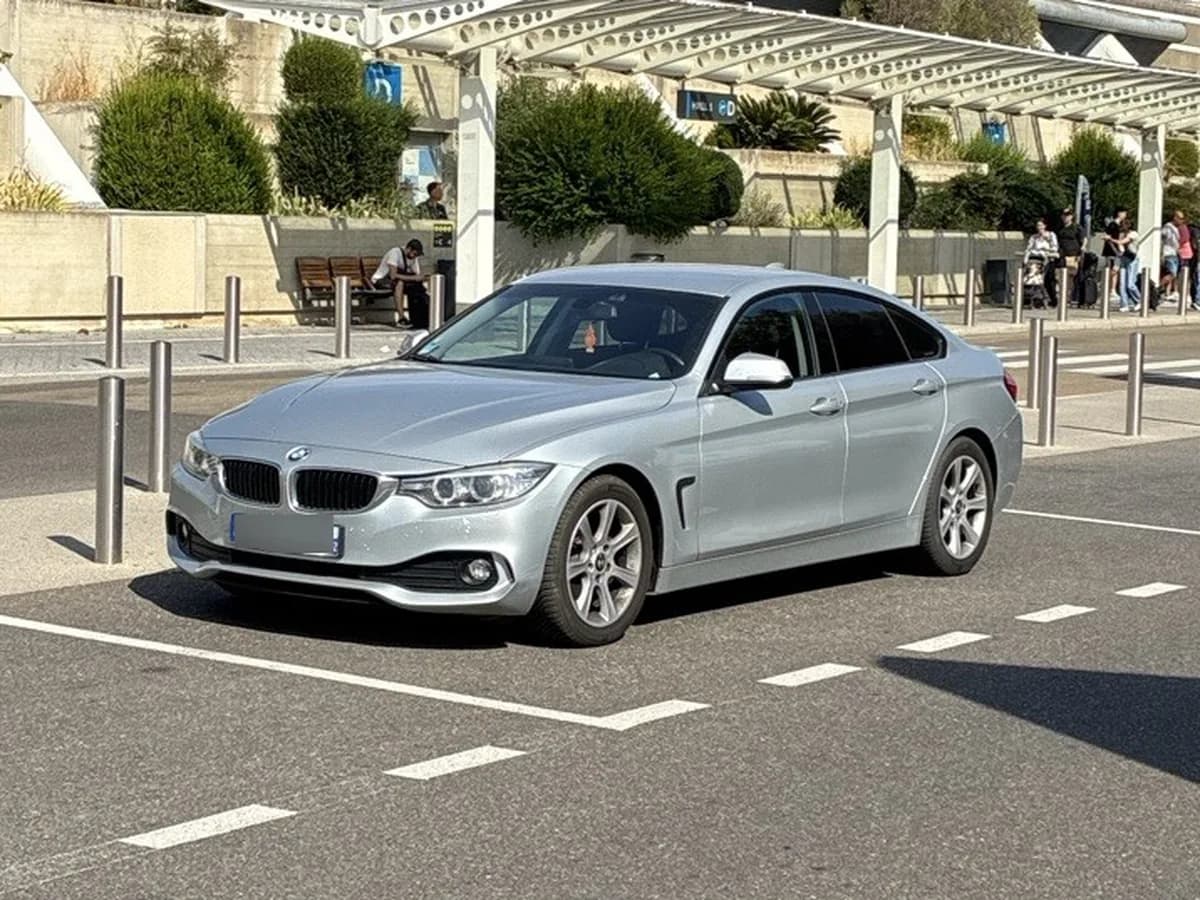
2007
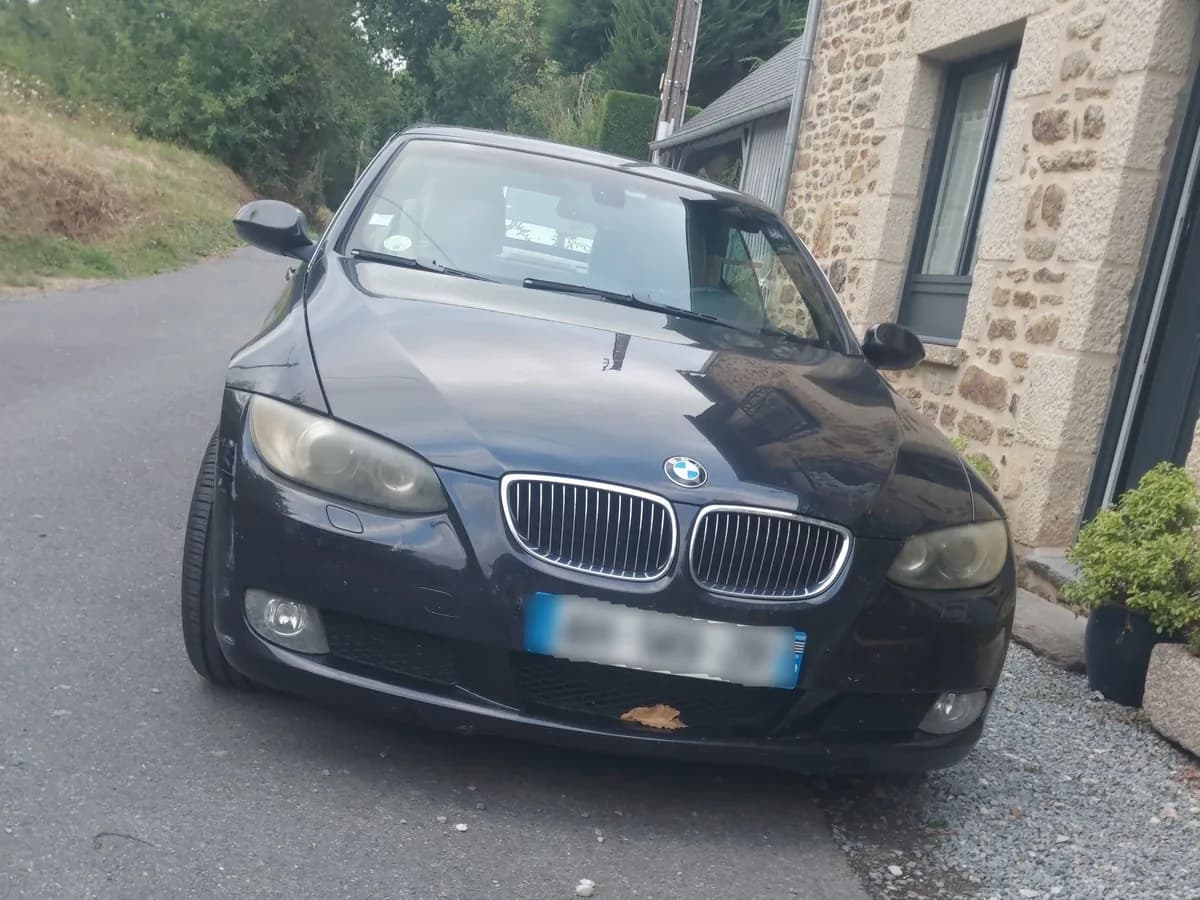
2006
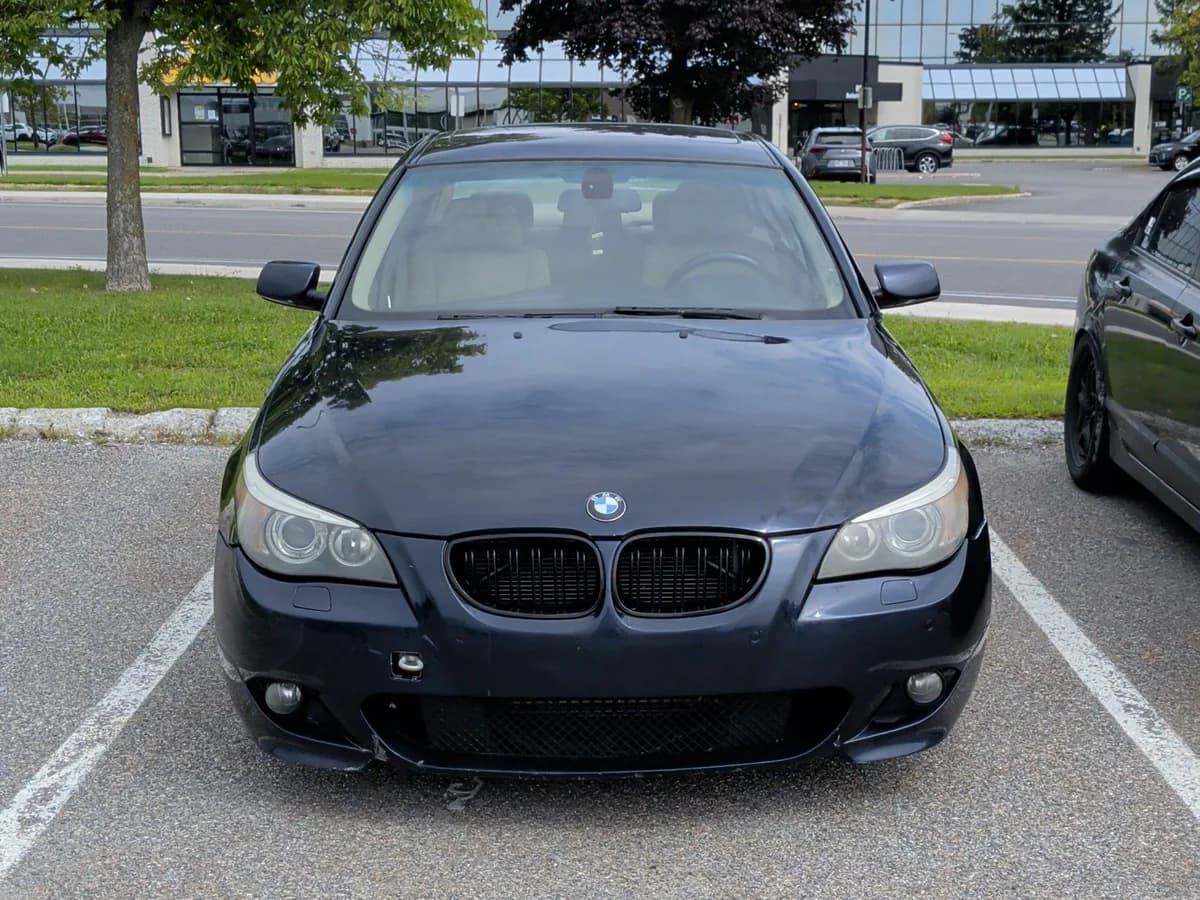
2005
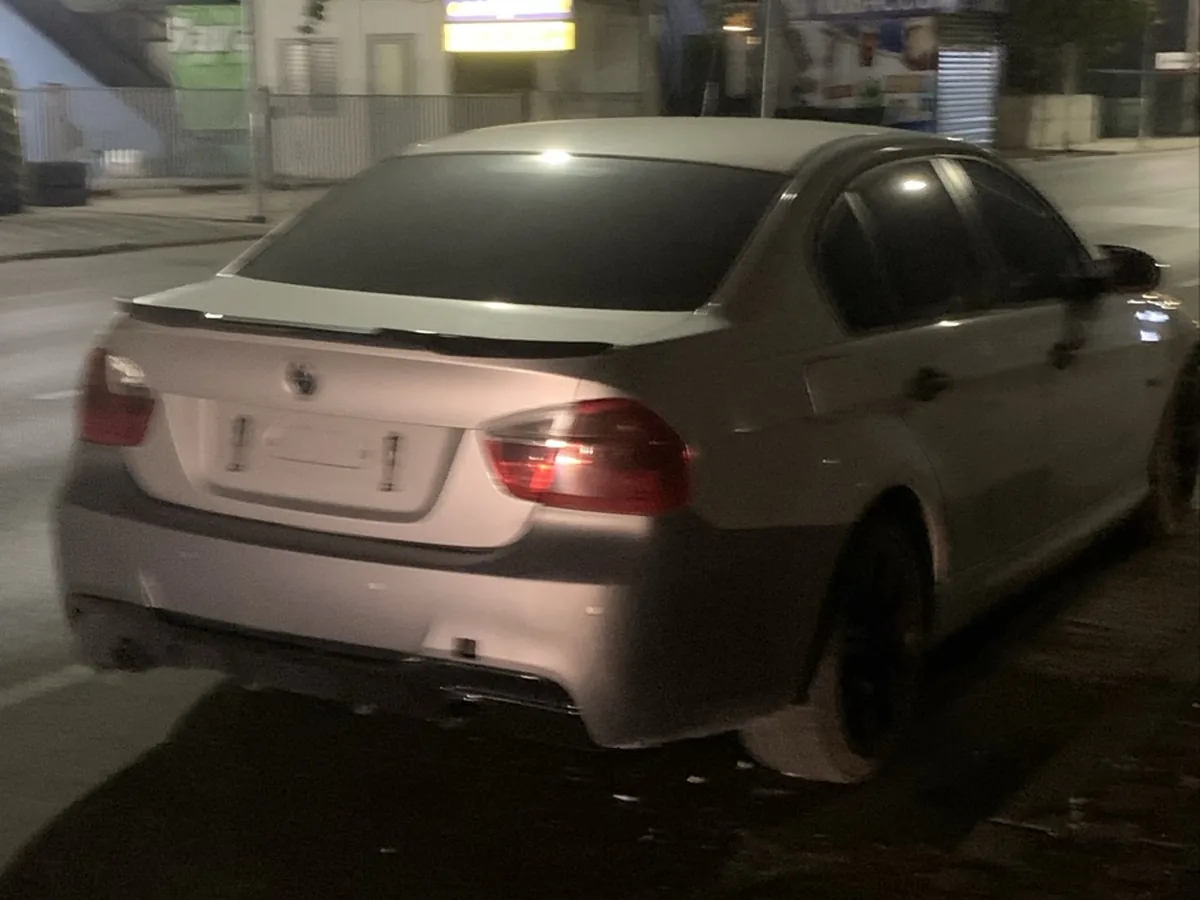
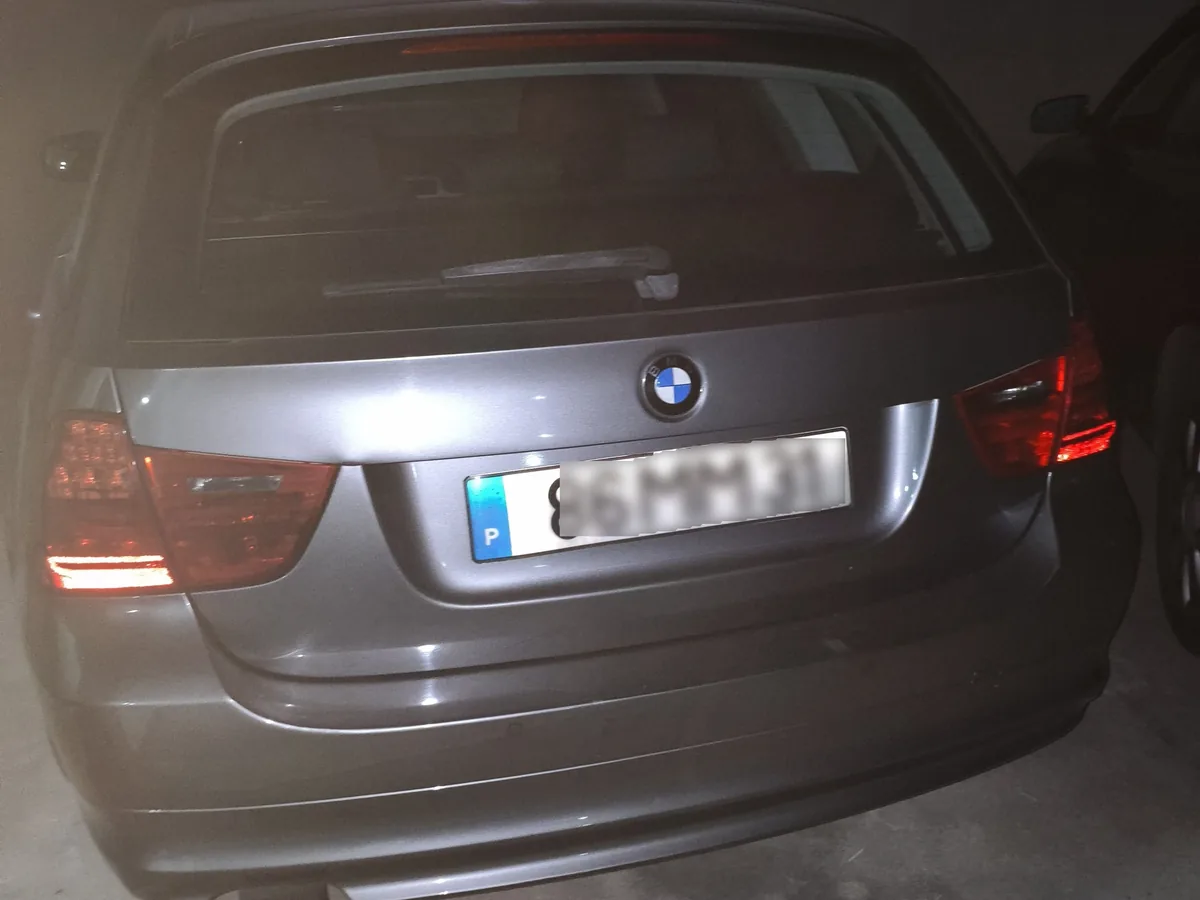
2001
2000
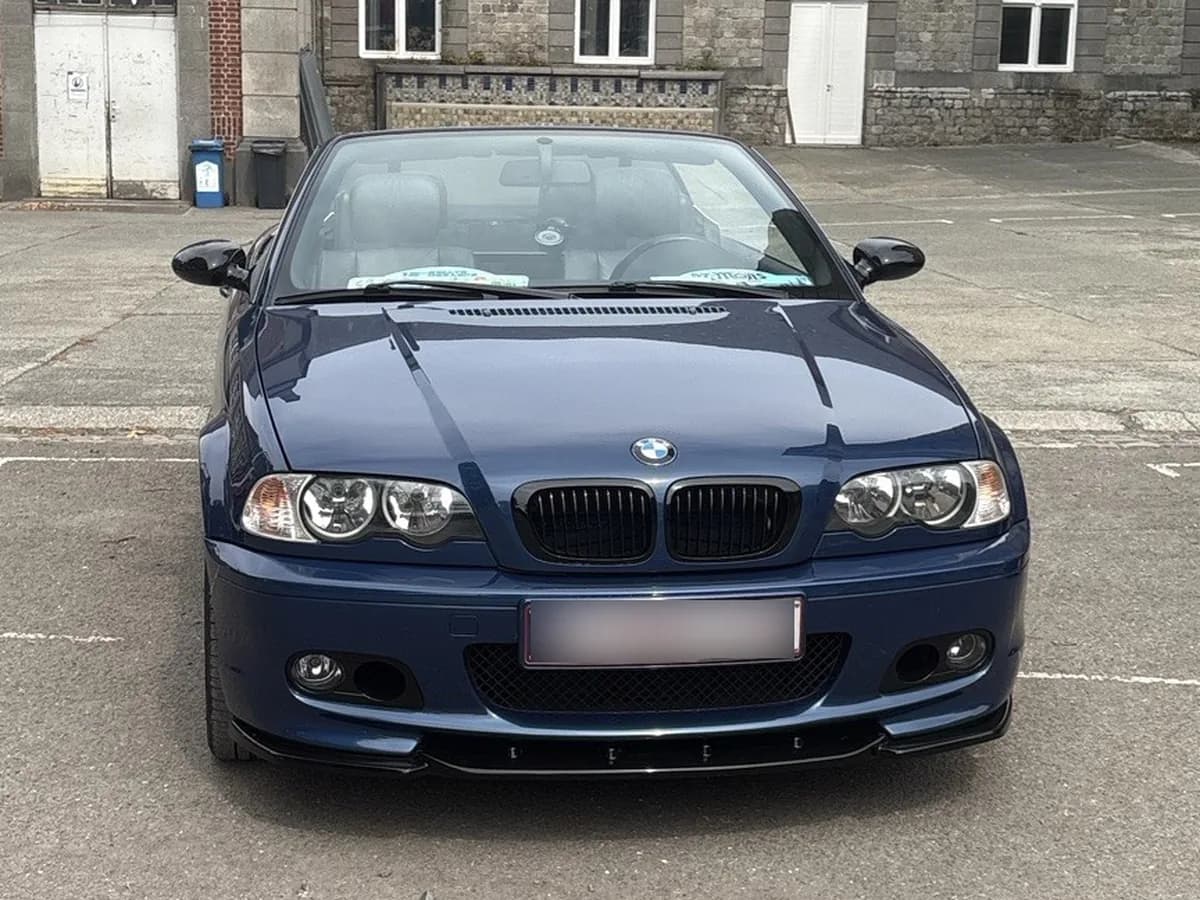
1999
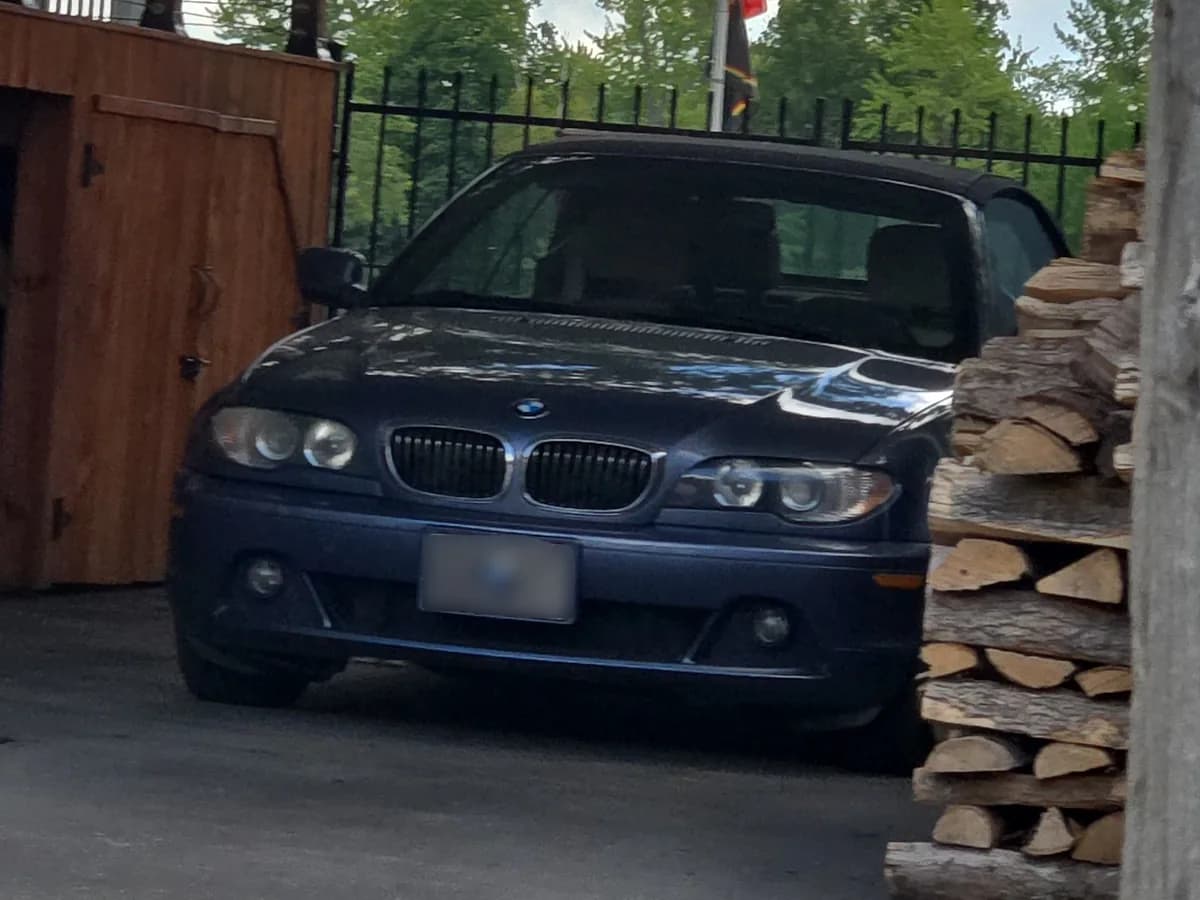
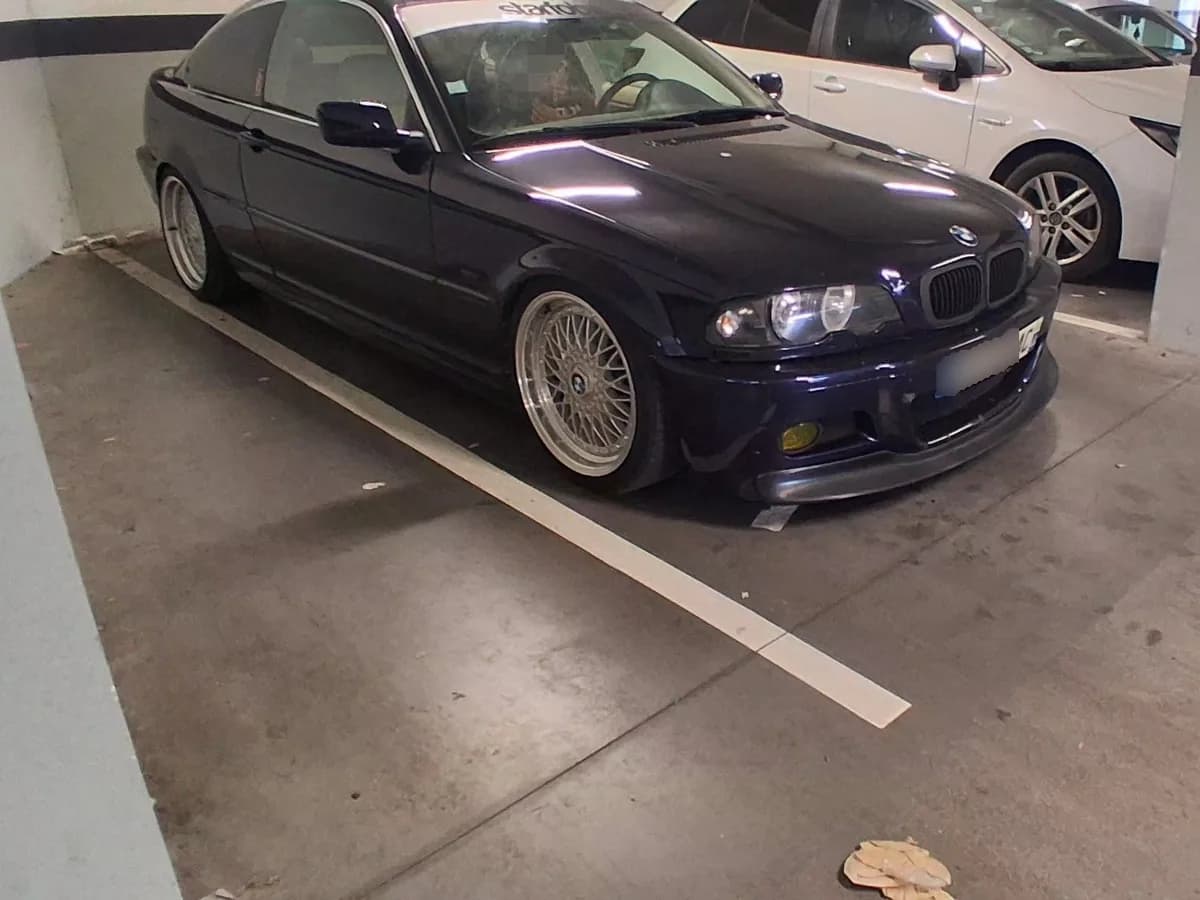
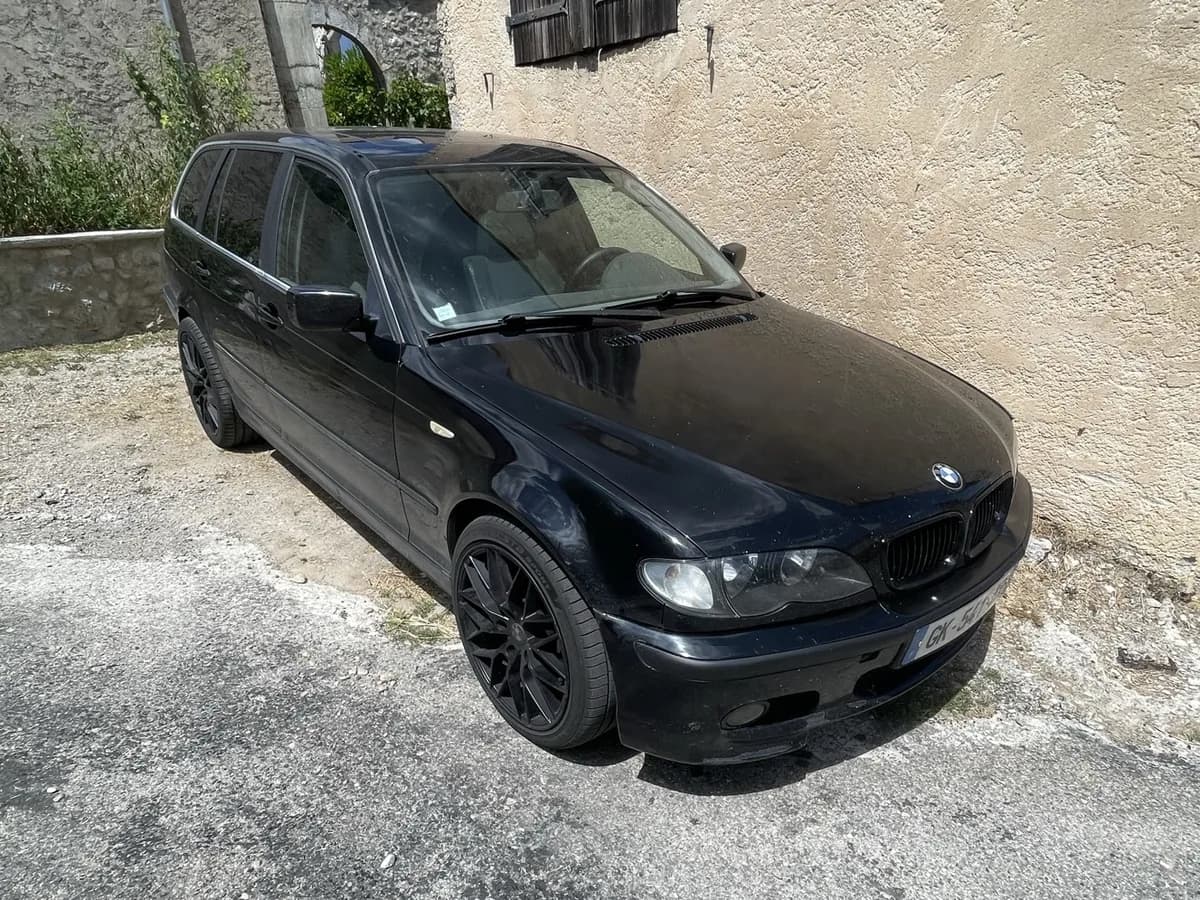
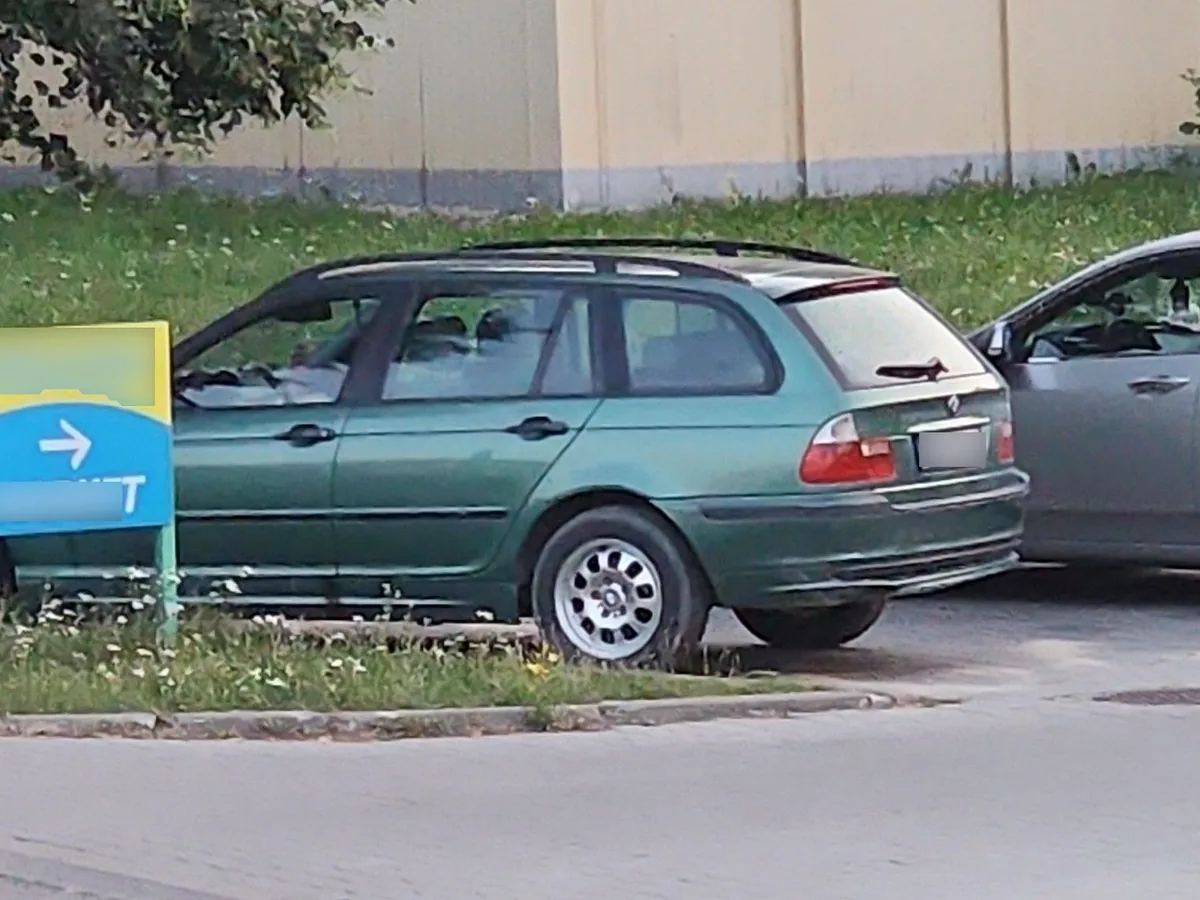
1998
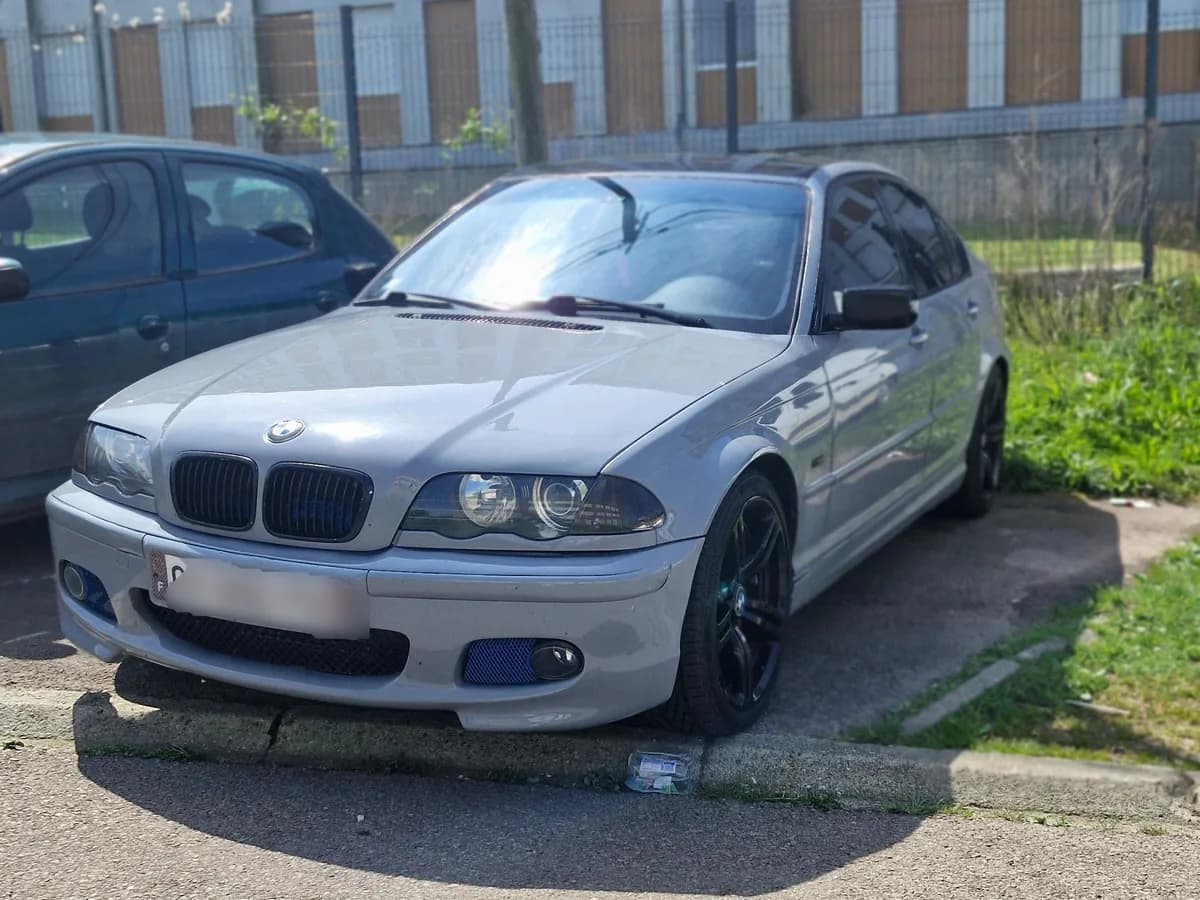
1995
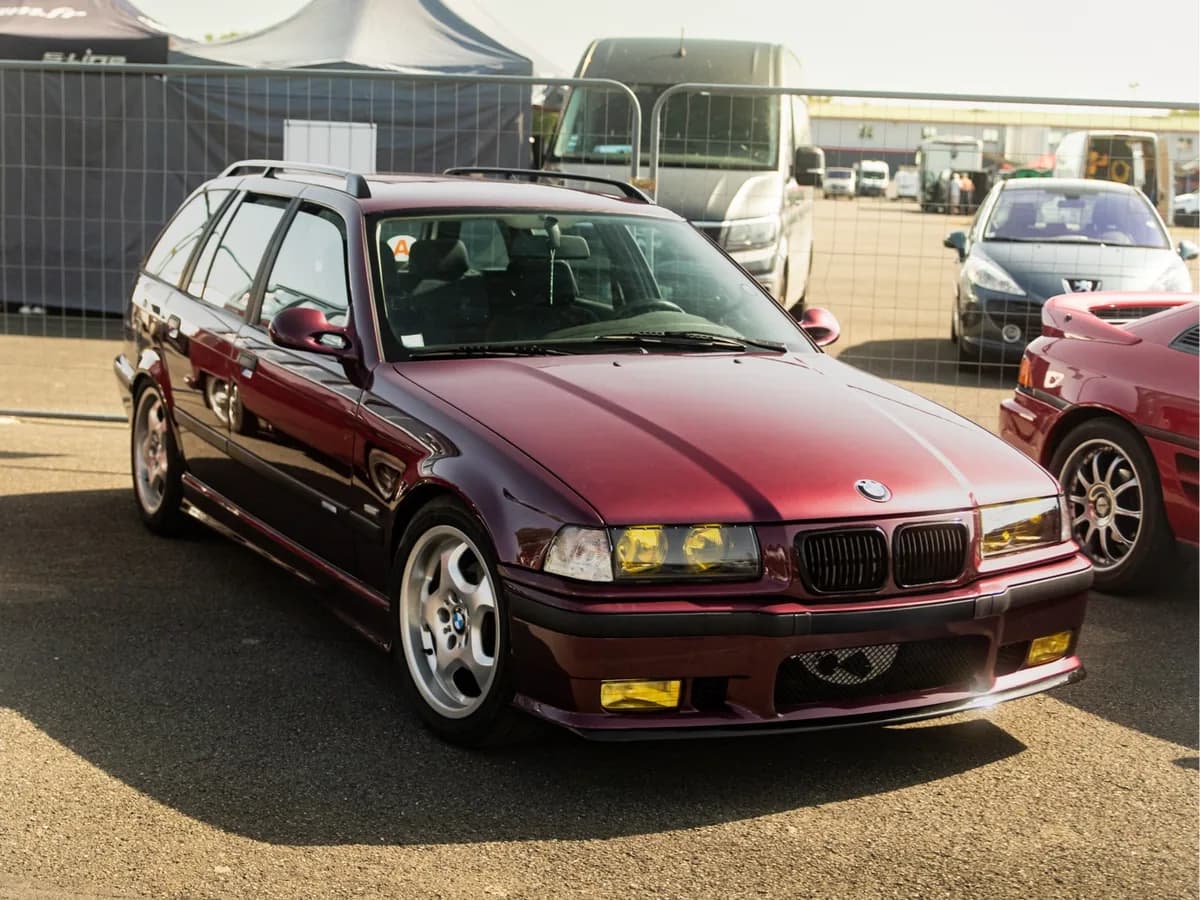
1994
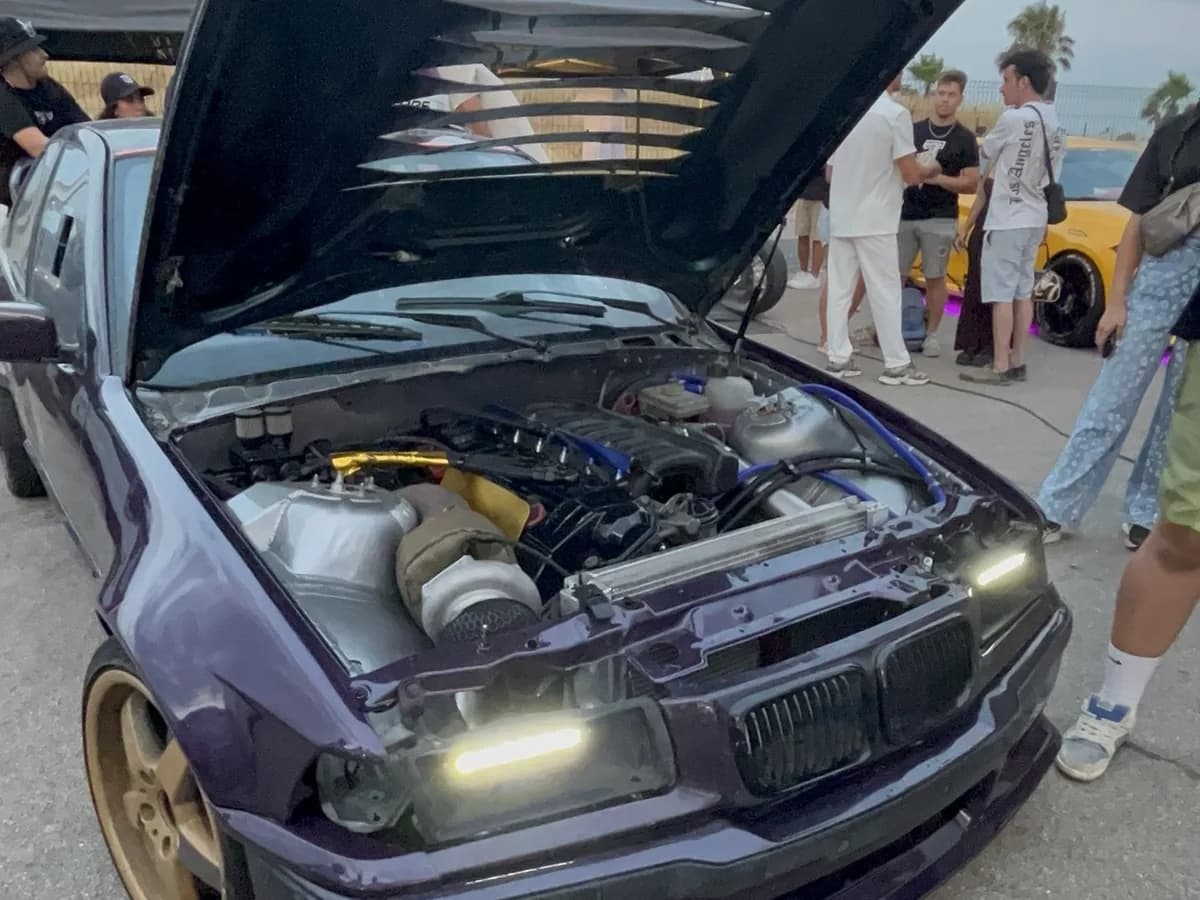
1993
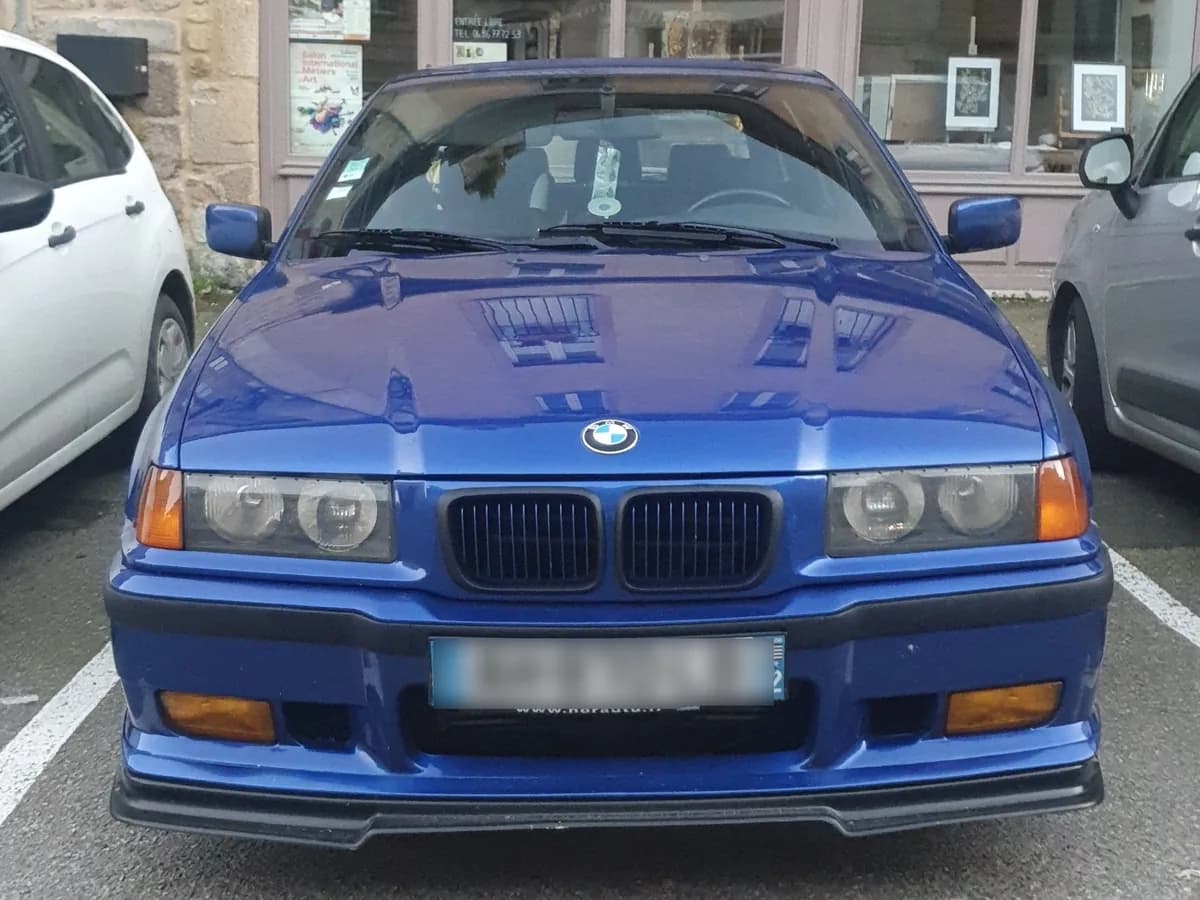
1992
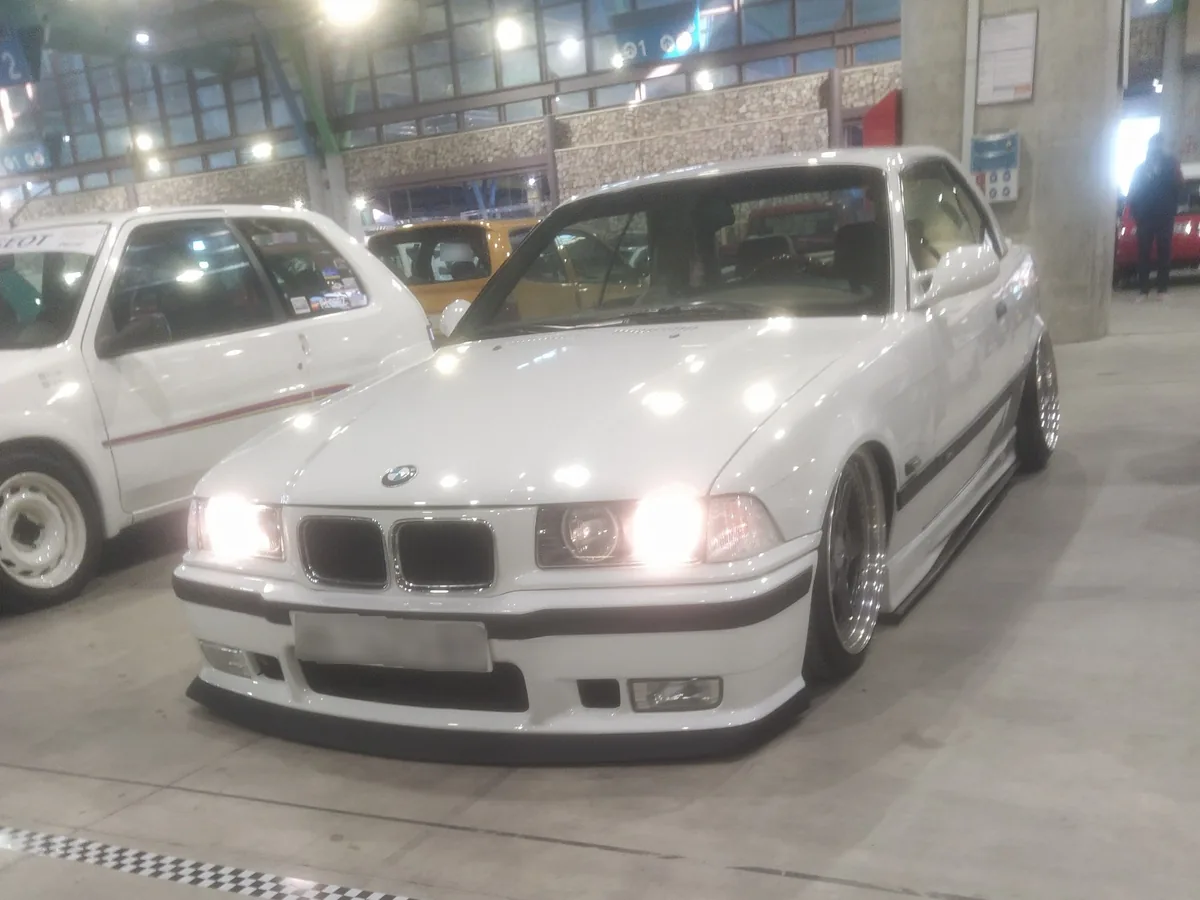
1990
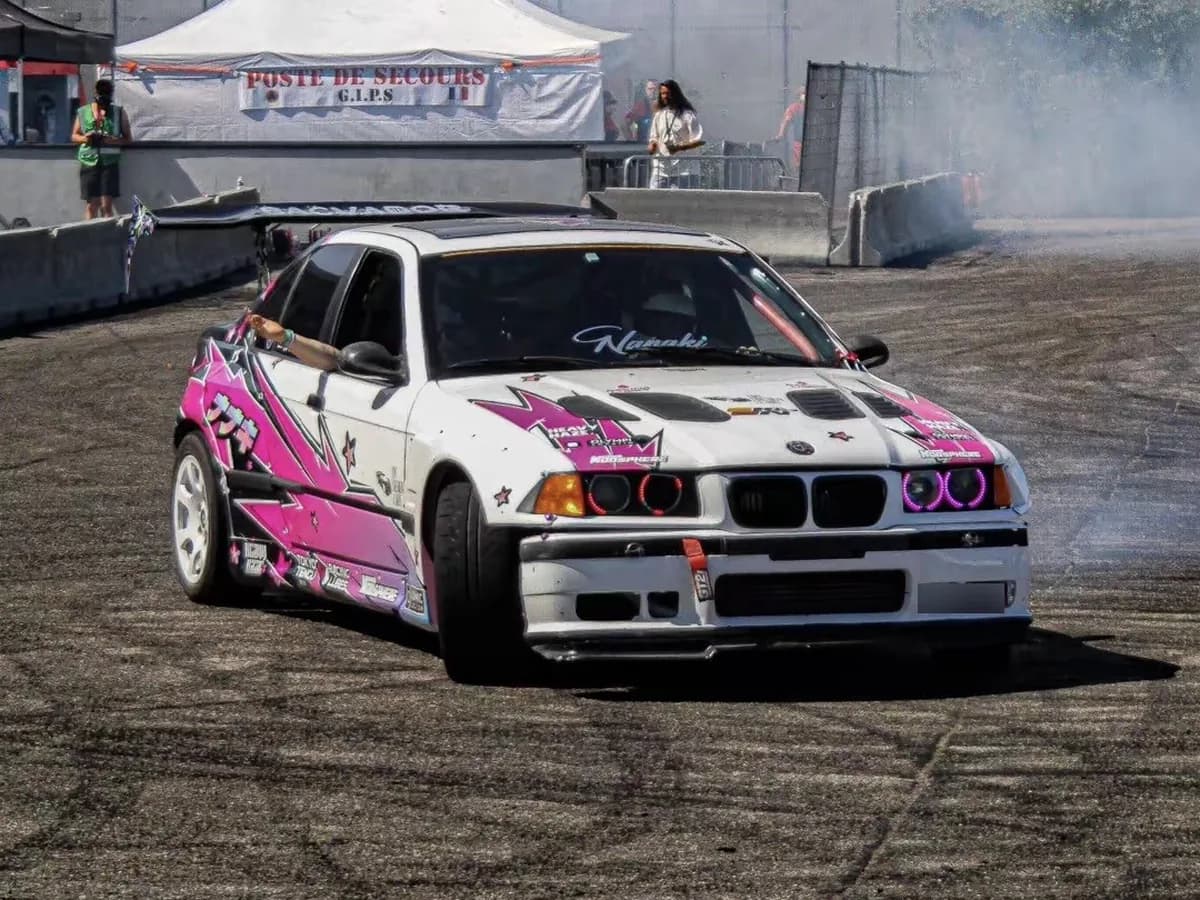
1987
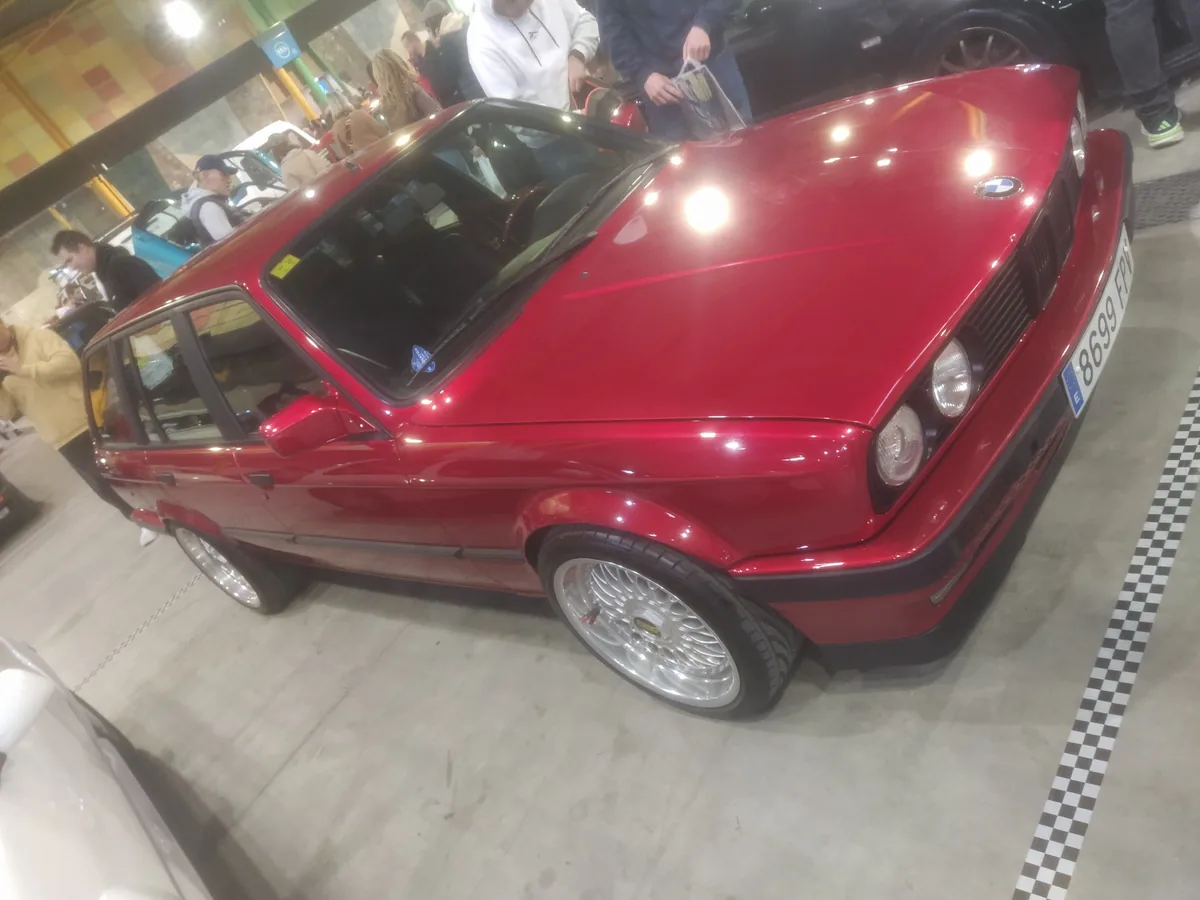
1986
1985
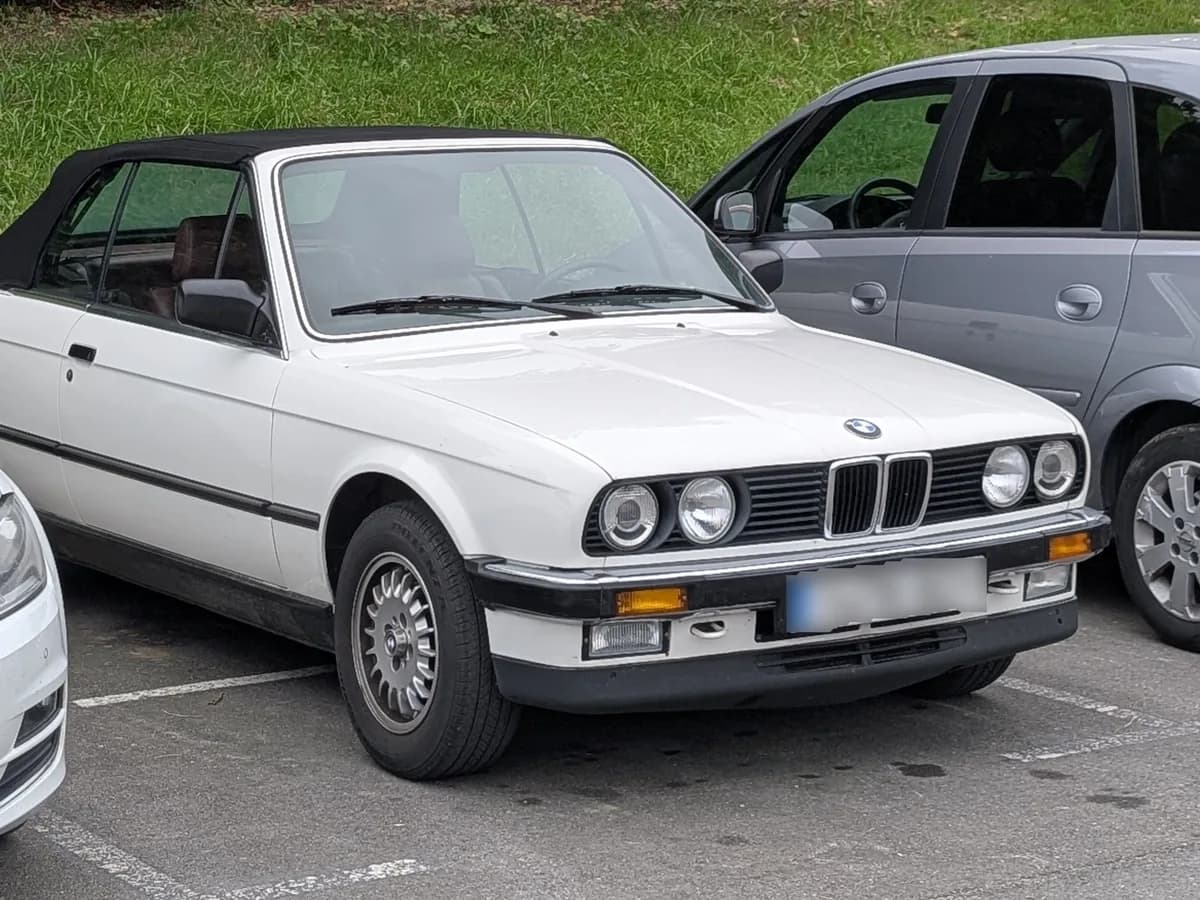
1984
1983
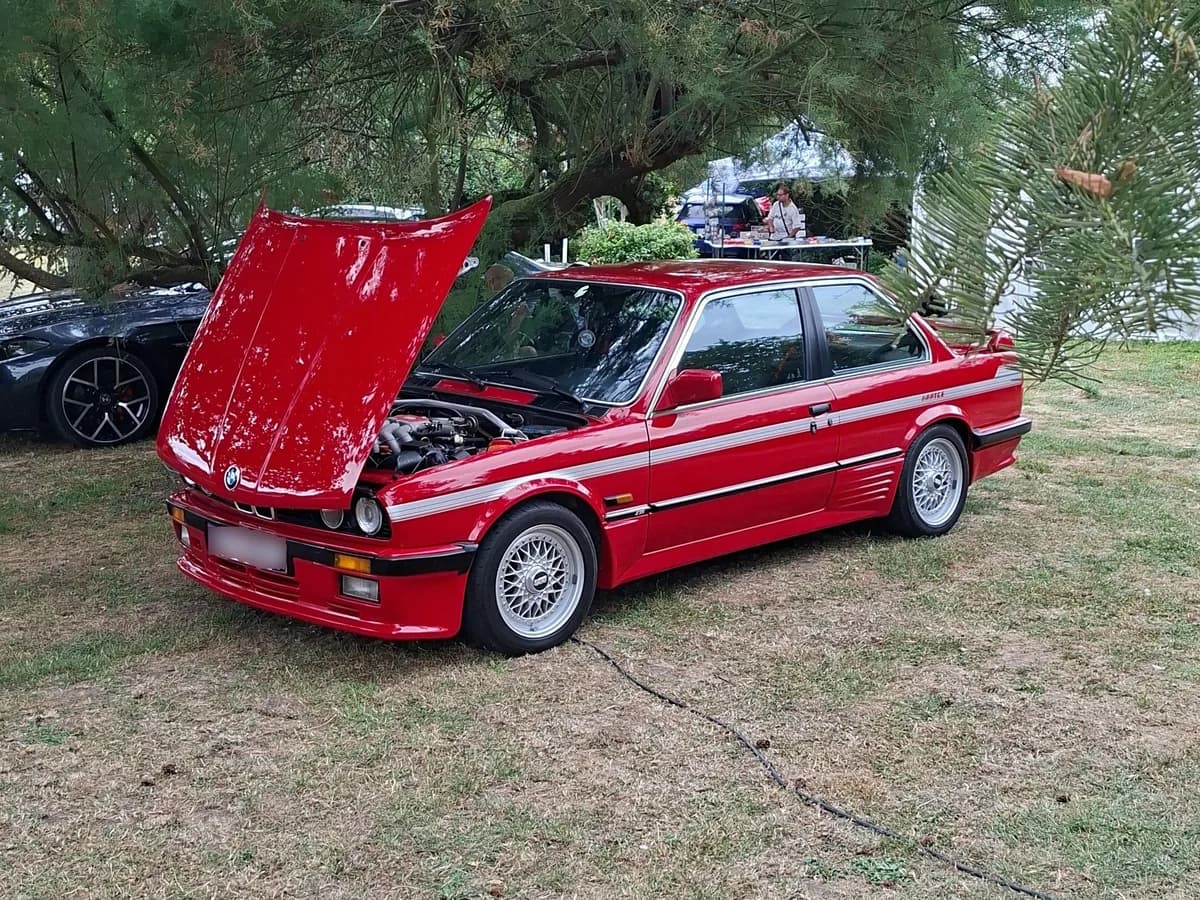
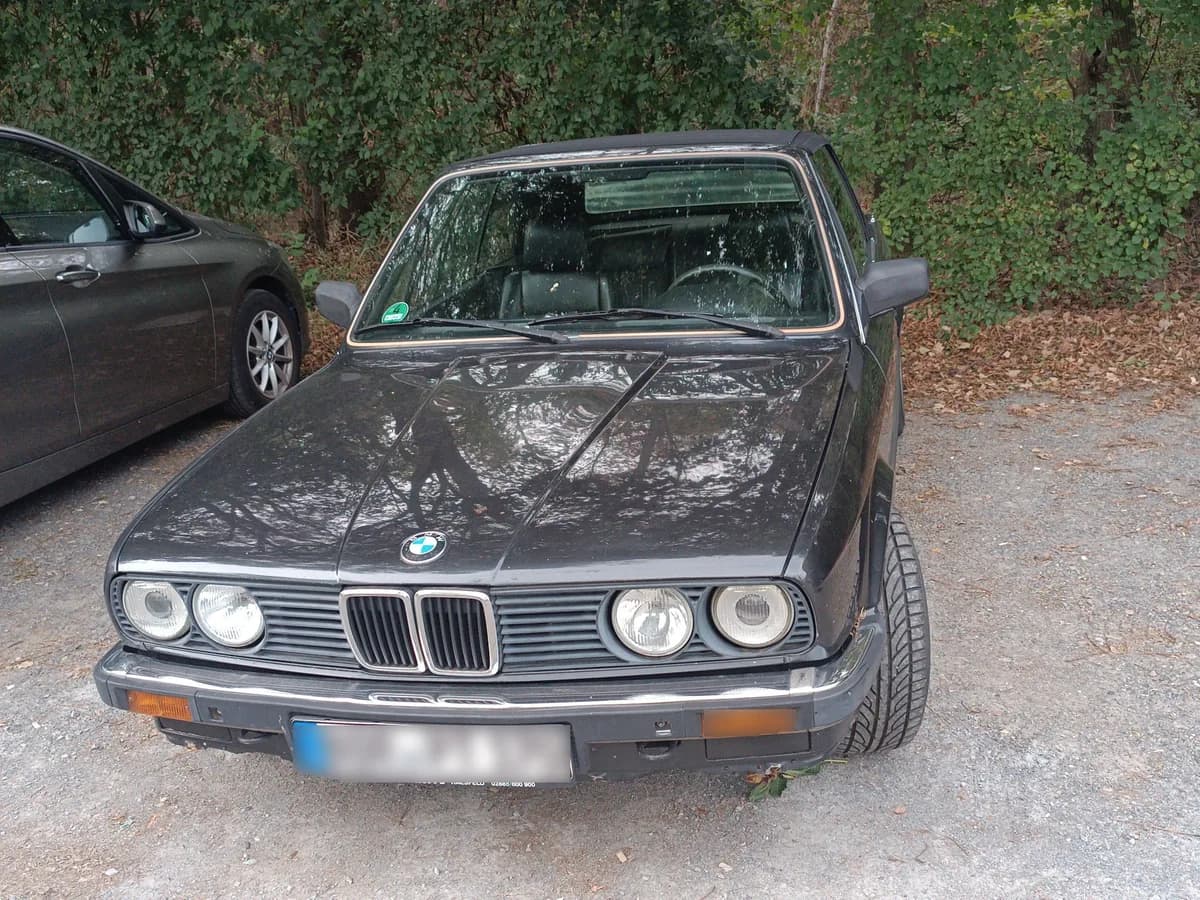
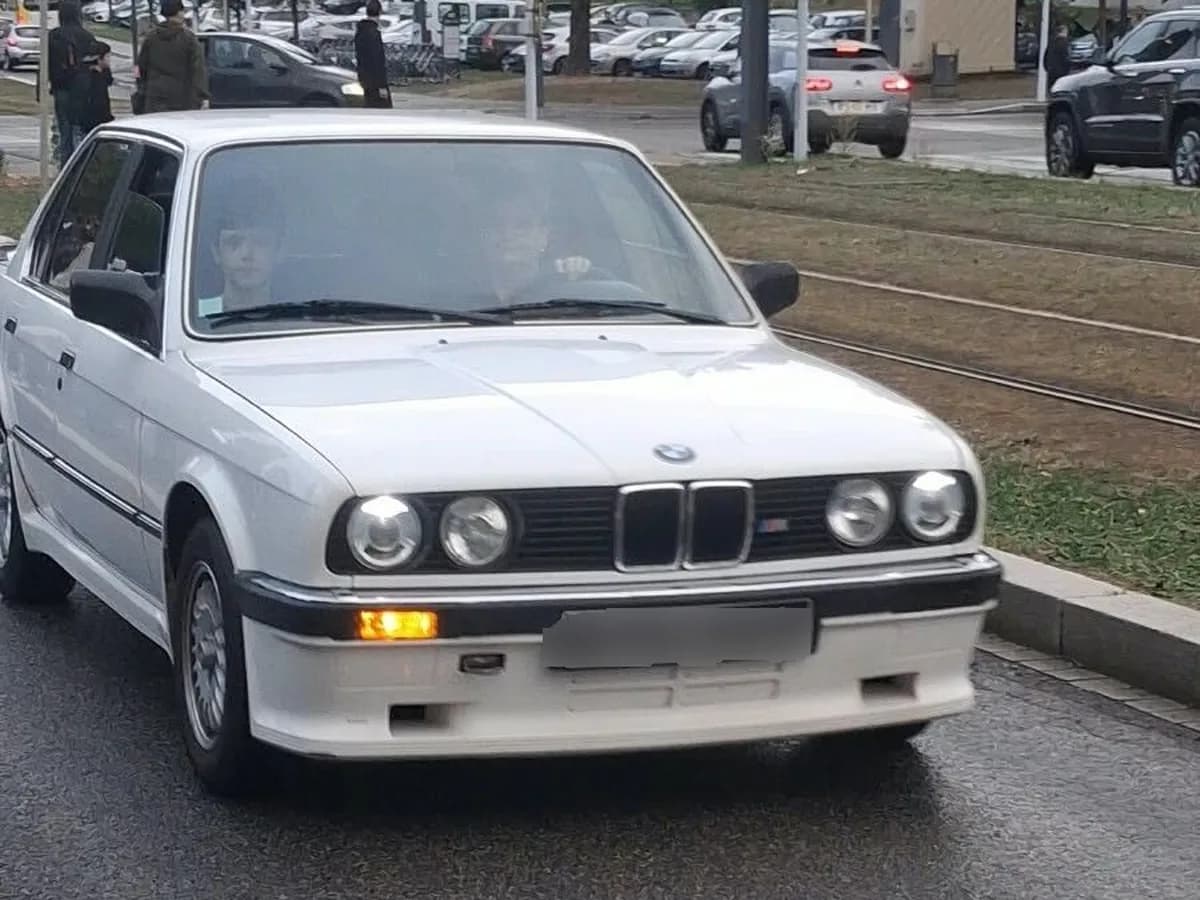
1982
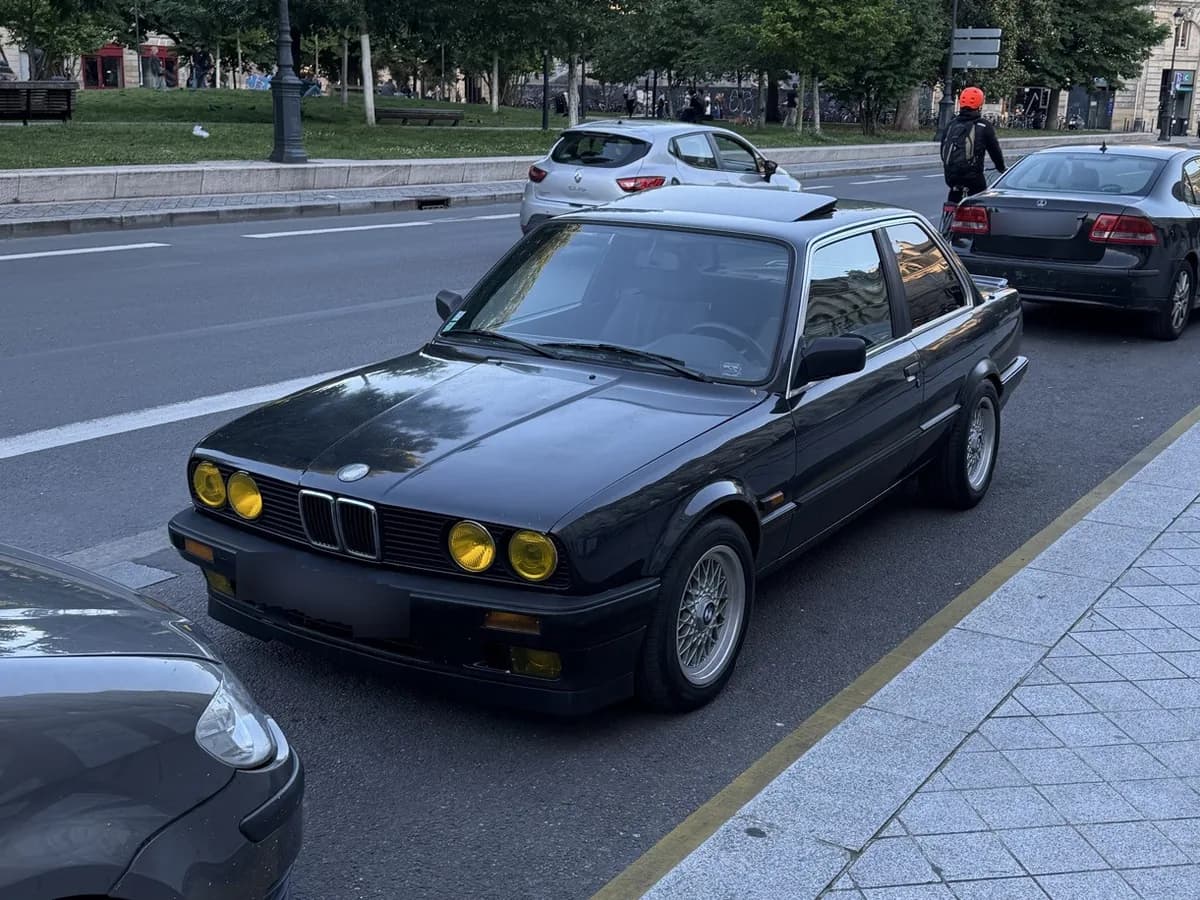
1978
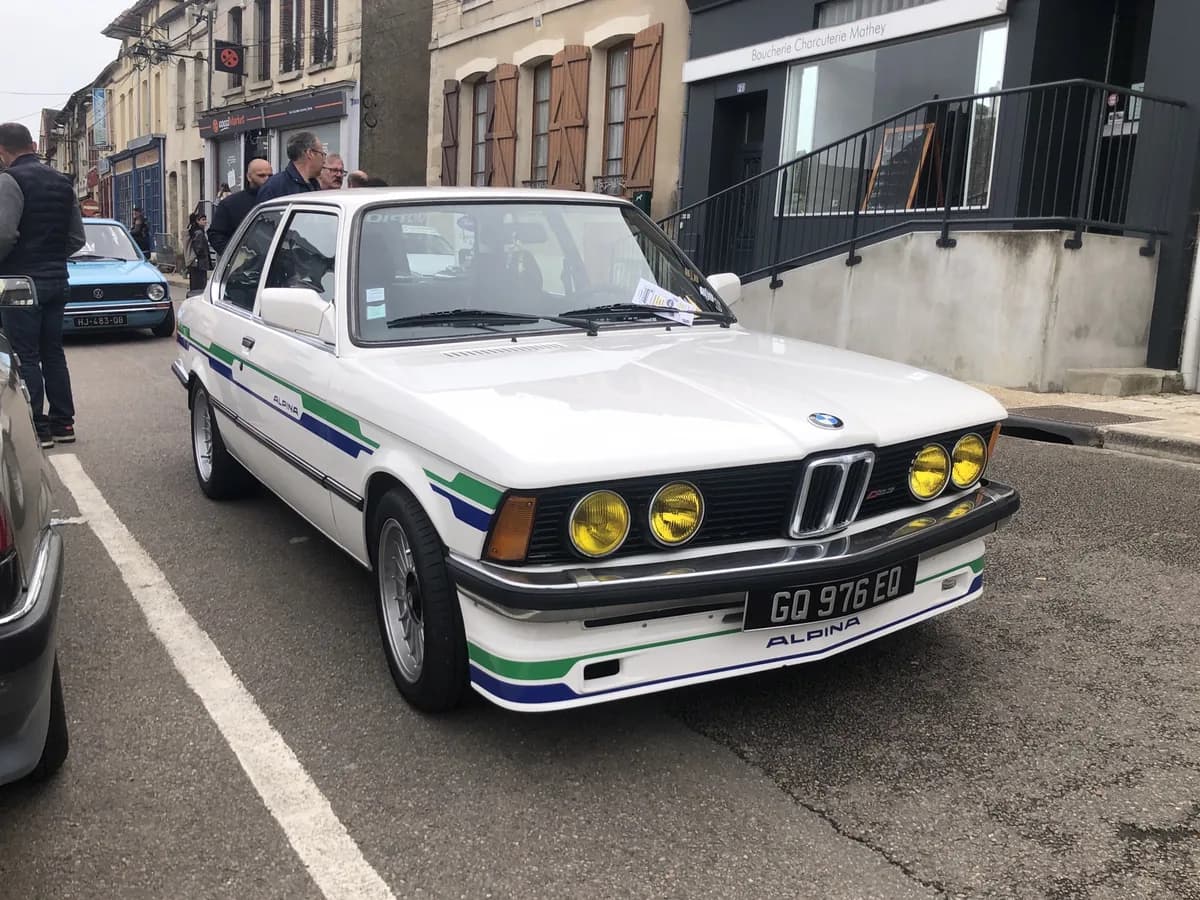
1975
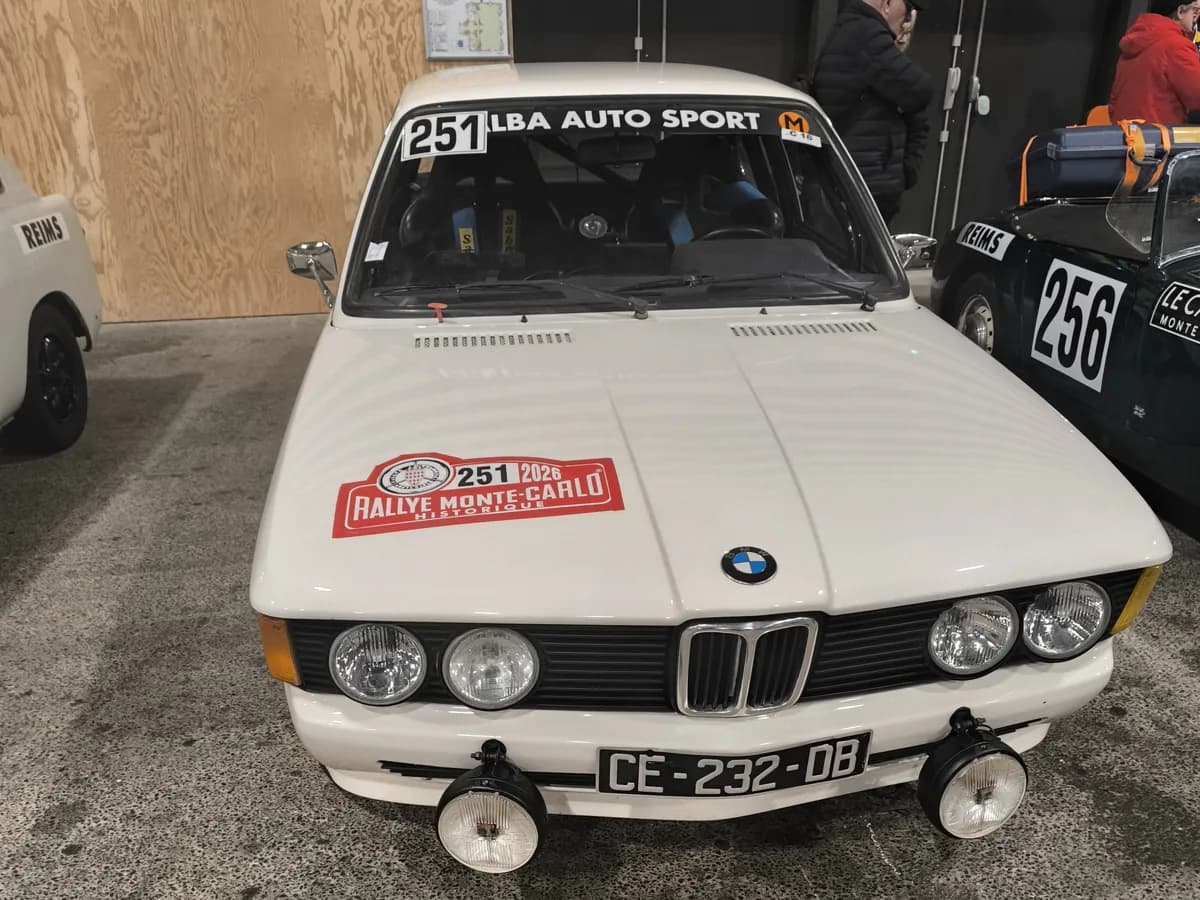
1972
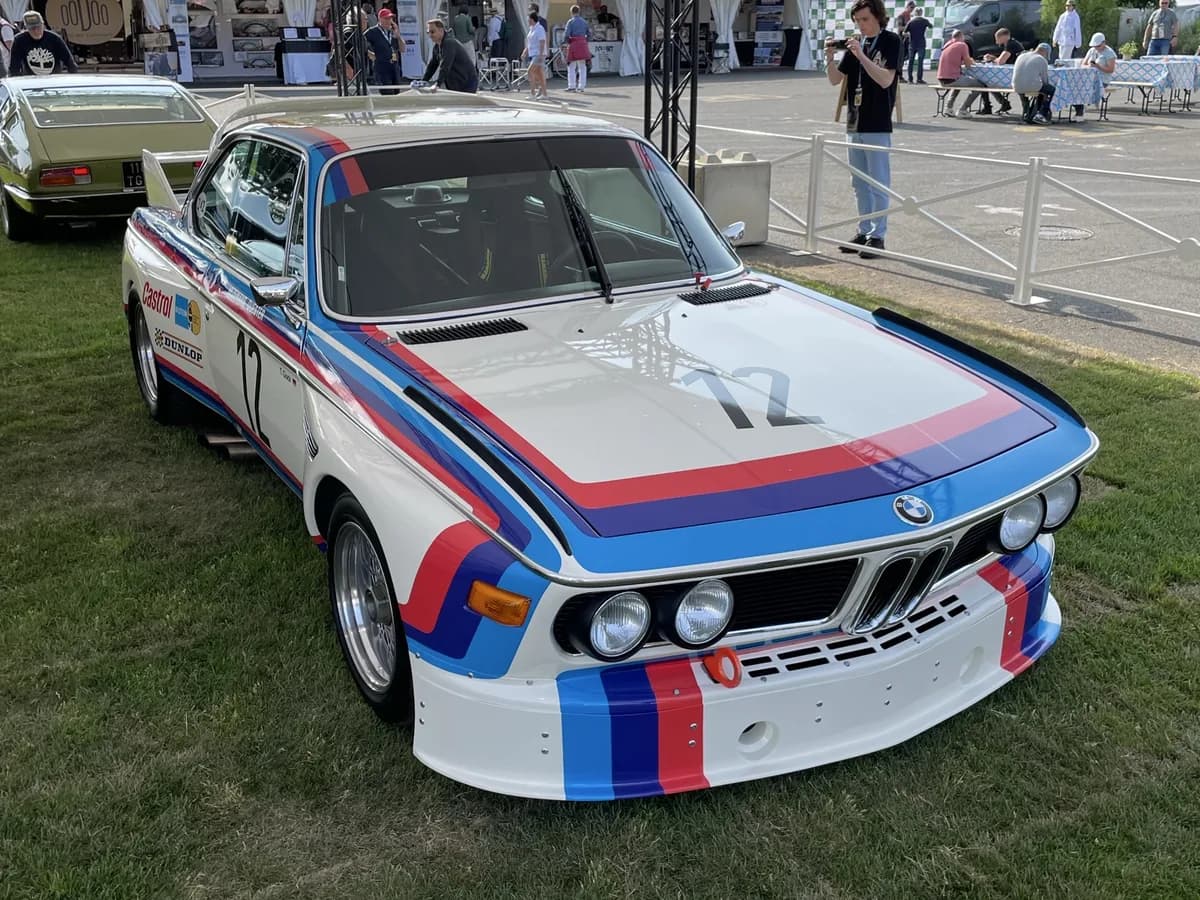
BMW 3 Series photos
Model summary
Data from the ScanRacer library, organized to compare versions quickly.
Model introduction
Introduced in 1975 as the successor to BMW’s 02 Series, the BMW 3 Series became one of the defining model lines in the Bavarian manufacturer’s range. The first generation, known by its E21 development code, was a sporty two-door sedan. Over the following decades, the family expanded to include four-door sedans, coupés, convertibles, Touring estates, wagons, Compact hatchbacks and the Gran Turismo. The 3 Series also provided the basis for especially significant derivatives, including the M3 and several Alpina models. ScanRacer data covers variants built from 1975 through 2022, with substantial representation for Sedan, Coupé, Convertible, Touring, Wagon and Compact Hatch body styles. That breadth means an older 3 Series cannot be identified by its badge alone: generation, body style and market can all affect its appearance.
History
The BMW 3 Series made its debut at the Munich plant on May 2, 1975, under the E21 development code. It retained the concept of a compact BMW with a longitudinal engine and rear-wheel drive while establishing a distinct identity. The early cars were two-door models, and six-cylinder engines joined the range in 1977. The second generation, the E30, broadened the formula substantially: a four-door sedan arrived in 1983, followed by the Convertible and M3 in 1985, then the Touring in 1987. It also introduced the first diesel-powered 3 Series models and selected all-wheel-drive versions. The E36, launched in 1990, grew in size and expanded the body-style range with Coupé, Convertible, Touring, Compact and M3 derivatives. The E46, introduced from 1997 to 1998 depending on market, continued that diversification while adding refinement, safety and a wider diesel offering. The E90 and its related body codes brought a new range structure in the mid-2000s. In 2011, the F30 kept the Sedan, Touring and Gran Turismo under the 3 Series name, while coupé and convertible models moved into the separate 4 Series family. The G20 generation, introduced from 2018, carried the line into the period covered by ScanRacer.
Generations
The seven commonly recognised generations are identified by internal development codes, which are useful when distinguishing similar-looking cars. The E21 covers 1975-1983 and remained primarily a two-door model. The E30, built approximately from 1982 to 1994 depending on body style and market, introduced the four-door sedan, Convertible, Touring and M3 derivatives. The E36, spanning roughly 1990-2000, adopted smoother styling and added the Compact hatchback. The E46, built around 1997-2006, retained the main body styles while refining their proportions and presentation. The fifth generation comprises the E90, E91, E92 and E93 codes, generally corresponding to the sedan, Touring, Coupé and Convertible; BMW places this production generation between 2004 and 2013 in its manufacturing overview. The sixth generation, F30/F31/F34, began in 2011 and included the Sedan, Touring and Gran Turismo. The seventh generation, G20/G21, started in 2018 and returned to a clearer distinction between sedan and Touring estate. These periods can overlap because different body styles and markets were introduced at different times. A production year alone therefore does not always identify the generation reliably, particularly for export versions or models built alongside their successors.
Key differences
The main differences between generations involve body style, dimensions, engines and drivetrain systems. The E21 was a relatively simple two-door compact model; the E30 added a four-door sedan, Touring estate, Convertible, diesel engines and all-wheel drive. The E36 introduced smoother proportions, more passenger space and the Compact hatchback. The E46 kept a recognisably traditional layout but moved the line further toward modern comfort and equipment. With the E90 family, the range became more technically complex and body codes multiplied. The F30 represented an important commercial change: the Coupé and Convertible moved from the 3 Series into the separate 4 Series family, while the Gran Turismo remained a 3 Series derivative. The G20 brought a newer platform and a more substantial visual presence. These are broad distinctions rather than universal rules. Equipment, engines, transmissions and model names can differ by country, model year and body style, so a badge or grille should not be treated as definitive identification evidence.
Photo recognition
When identifying a BMW 3 Series, start with the body style and overall silhouette before relying on small trim details. An E21 is generally a two-door car with relatively straight-sided proportions, while the E30 has a squarer shape and may be a four-door sedan, Convertible or Touring. The E36 uses smoother lines and headlights housed beneath a shared cover; its Compact version has a short rear section and hatchback. The E46 is often recognisable by its tighter shoulder line and separate headlamp units flanking the BMW kidney grille. The E90/E91/E92/E93 family should be separated by body code and body style: sedan, Touring, Coupé or Convertible. The F30 is a modern four-door sedan, while the F34 Gran Turismo is longer and uses a liftback-style rear opening. The G20 has a broader visual stance and newer lighting signatures. E, F and G development codes are helpful, but a detail photograph, production plate or VIN is more reliable. Front-end designs can also change during a facelift, so grille, bumper and lamp details should be interpreted alongside the production year.
Important versions
The most representative variants in the supplied coverage are the Sedan, Wagon and Touring, showing how the 3 Series developed from a sporty saloon into a more versatile model family. Coupé and Convertible versions are especially important across the older and middle generations, while the Compact Hatch demonstrates BMW’s experiment with a shorter, hatchback-bodied derivative. The Gran Turismo, listed for 2013 in the supplied data, reflects the diversification of the sixth-generation range. Alpina B3-D3 and B3-B8 variants add a more exclusive dimension, with Sedan, Touring, Coupé and Convertible derivatives appearing in different periods. The years shown should be understood as the availability ranges represented in the ScanRacer catalogue, not as a single uniform global production schedule.
The name “3 Series” follows BMW naming, with its rules and its exceptions. Decode a BMW name
References
- 50 years of BMW 3 Series production – an international success storyBMW Group PressClub
- The New BMW 3 Series Sedan and Sports WagonBMW Group PressClub USA
- BMW 3 Series – the milestonesBMW Group PressClub
- BMW 3 Series HistoryBMW Group PressClub
- https://www.bmw.com/en/automotive-life/bmw-3-series-generations.htmlbmw.com
- https://www.bmwgroup.com/en/news/general/2025/50-years-BMW-3-series.htmlbmwgroup.com
Frequently asked questions
- What years was the BMW 3 Series produced?
- ScanRacer's referenced versions cover 1972 - 2022.
- How many BMW 3 Series examples are documented on ScanRacer?
- 112 published scans from 78 members, with the latest photo added in October 2026.
What about the car you photographed?
Upload a photo to get a suggested make, model and likely year.
No account needed for the result · Publish only if you choose