BMW 3 Series Sedan 1983
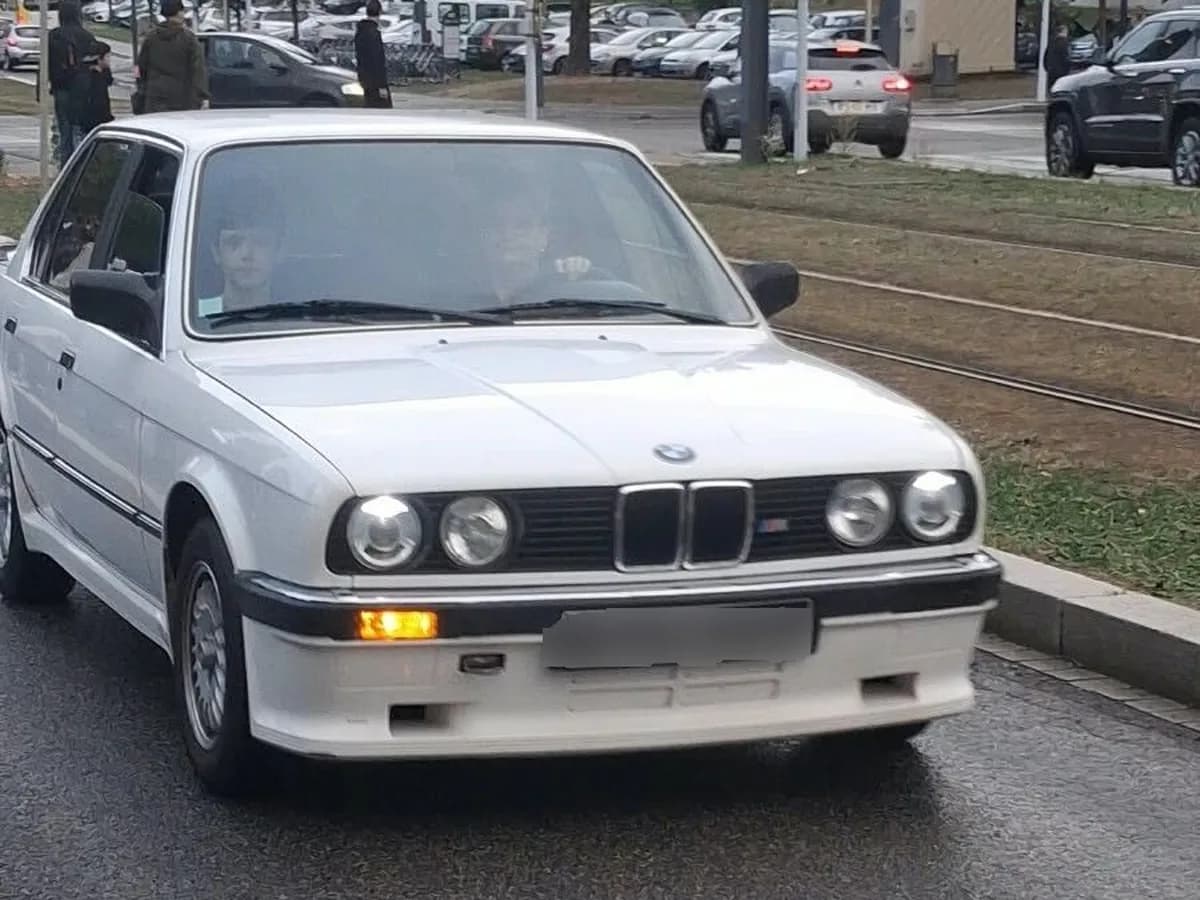
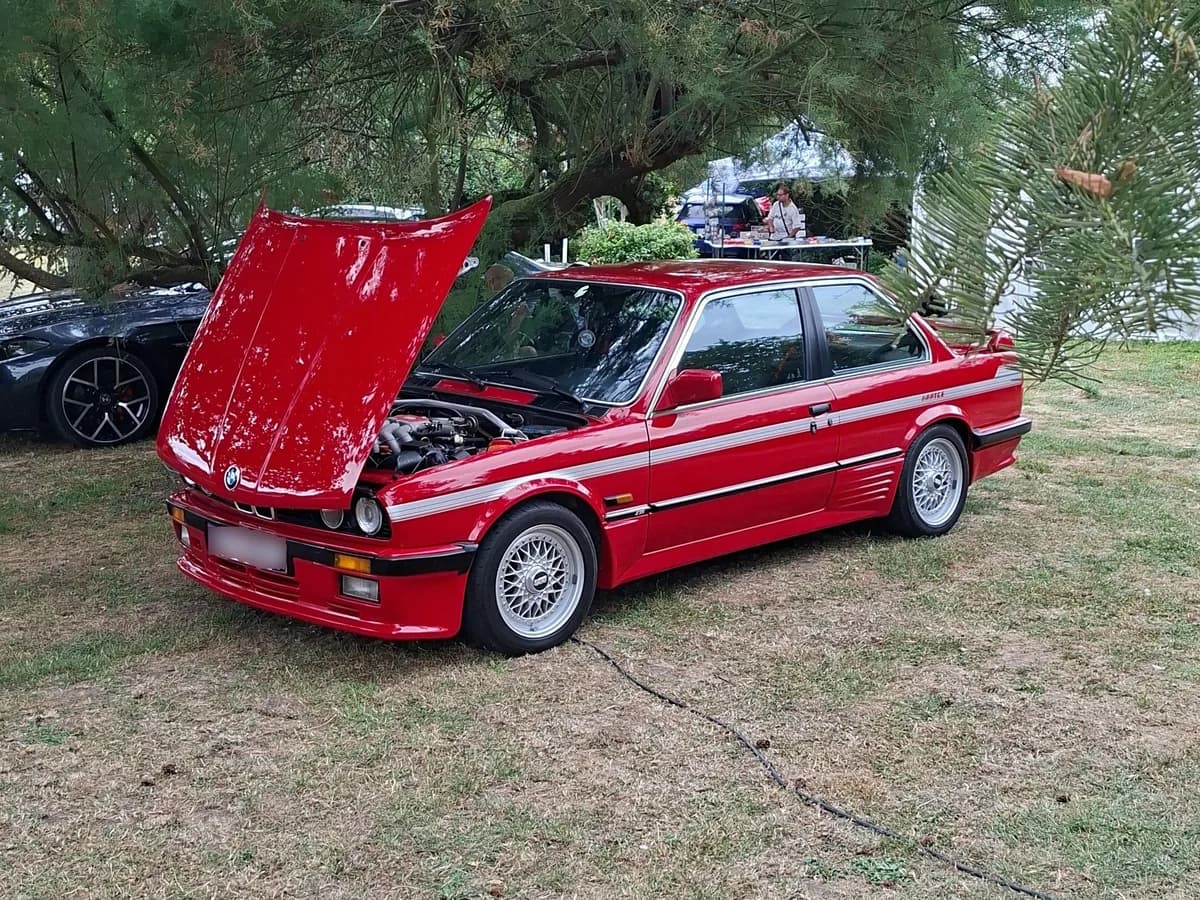
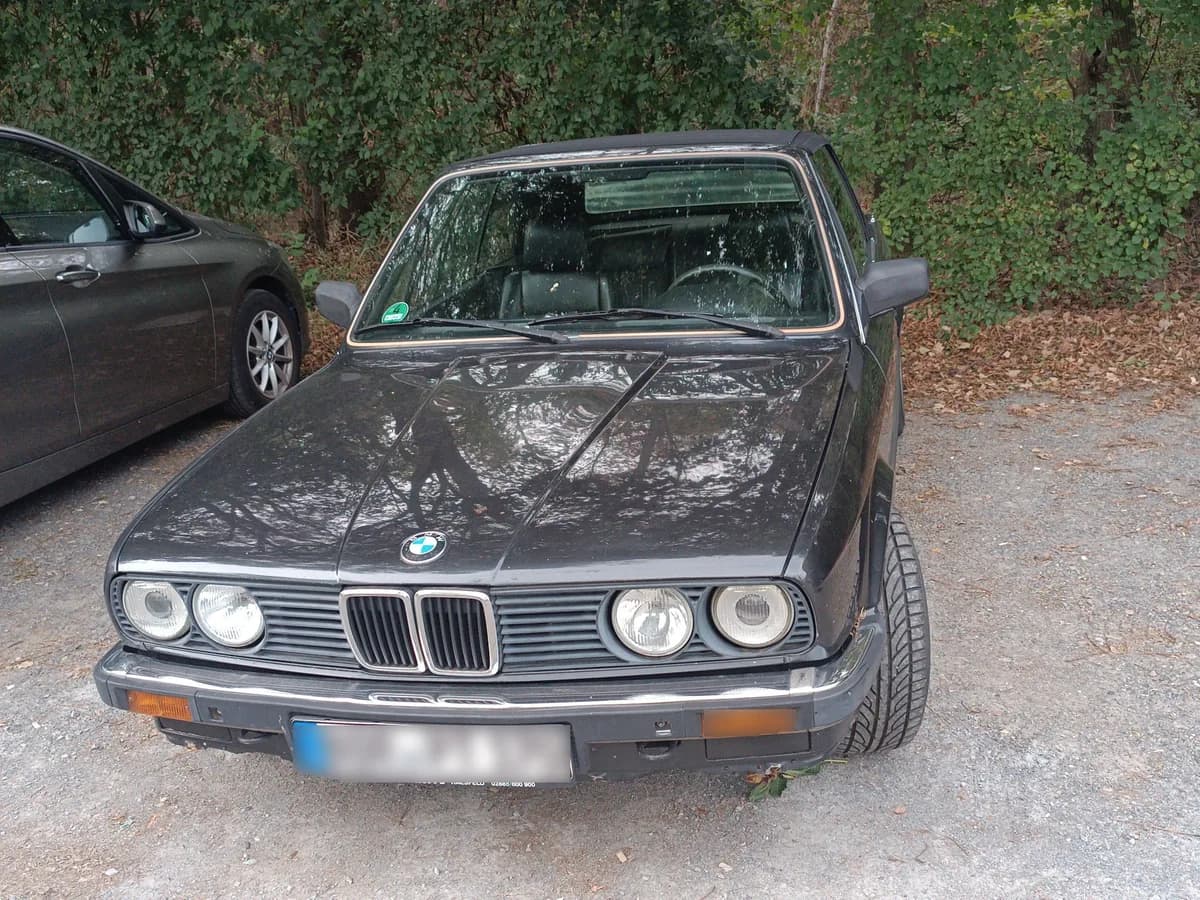
The 1983 BMW 3 Series Sedan belongs to the second-generation 3 Series, identified internally by the E30 code. Introduced in 1982, the generation initially appeared as a two-door sedan, while the four-door sedan became available from September 1983. Its design retained familiar BMW themes, including the split kidney grille and twin headlamps, but combined them with a more aerodynamic body and revised chassis engineering. The range differed between markets, with several engines and equipment specifications offered over time. As a result, the 1983 model year represents an important transition for the 3 Series: the E30 had entered production, but its body styles and international range were still expanding.
Curious about this car?
Explore 3 Series, then try your own photo.
No account needed for the result · Publish only if you choose
History
The BMW E30 replaced the E21 3 Series from 1982. BMW retained the concept of a compact front-engined, rear-drive car while substantially revising the body, suspension and interior. According to BMW, the new generation was more aerodynamic, lighter and offered increased interior space compared with its predecessor. Twin headlamps also became a standard visual feature of the 3 Series.
The E30 was launched with a two-door body. The four-door sedan, the configuration most commonly associated with the conventional family version, followed from September 1983. Its arrival broadened the practical appeal of the 3 Series without removing the model’s driver-focused character. E30 sedans were later built at several BMW facilities, including Munich, Dingolfing and Regensburg, as well as at CKD assembly plants outside Europe. BMW Group Classic records sedan production from September 1982 to August 1991, although exact equipment and engine combinations varied by market and model year.
Latest scans
Photos added by the community for this page.
Anecdotes
The E30 Touring began as a personal project by BMW employee Max Reisböck, who modified a damaged 3 Series to create more luggage space. BMW later developed the idea into a production model, launched in 1987. The story illustrates how the E30 family gradually expanded from a compact sedan, even though the Touring was not yet available in 1983.
Production
BMW Group Classic lists sedan production for the E30 from September 1982 to August 1991. Manufacturing was spread across several locations, including Munich, Dingolfing and Regensburg, with additional CKD assembly outside Europe. The sources consulted do not provide a sufficiently consistent breakdown by year, body style, engine and market to assign a precise production figure to the 1983 sedan alone. Production totals for the entire E30 generation include several body styles and many different versions, so they should not be presented as the number of 1983 sedans built.
Press reception
Early specialist coverage generally focused on the new E30’s road manners and overall balance. Motor Sport’s technical presentation from December 1982 reported favorable initial impressions of the 318i and 323i, while emphasizing the precise driving character associated with the 3 Series. Autoweek also placed the 318i on the cover of its June 1983 issue and considered it a convincing expression of BMW’s driver-oriented identity. These comments applied to particular versions and markets, however, and should not be treated as a universal technical or performance assessment for every 1983 E30 sedan.
Evolution
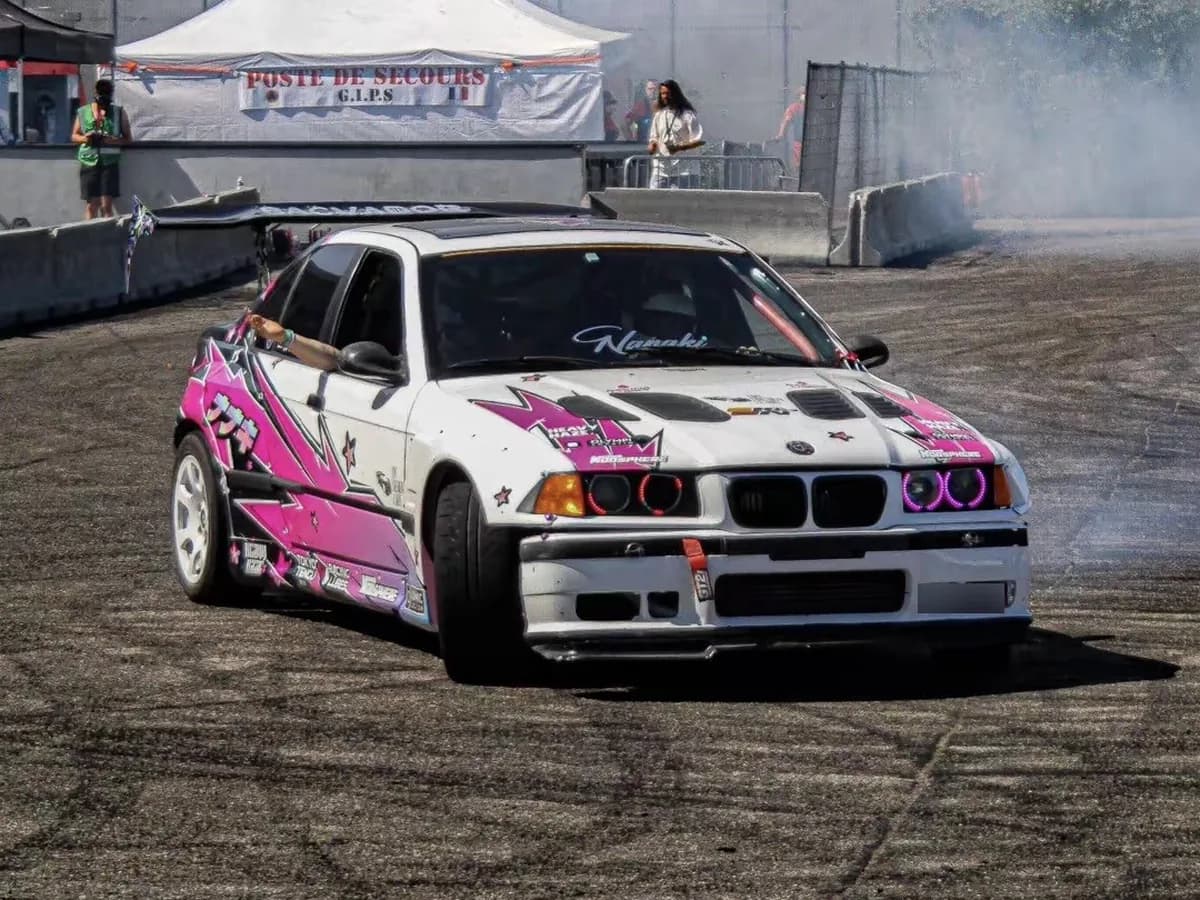
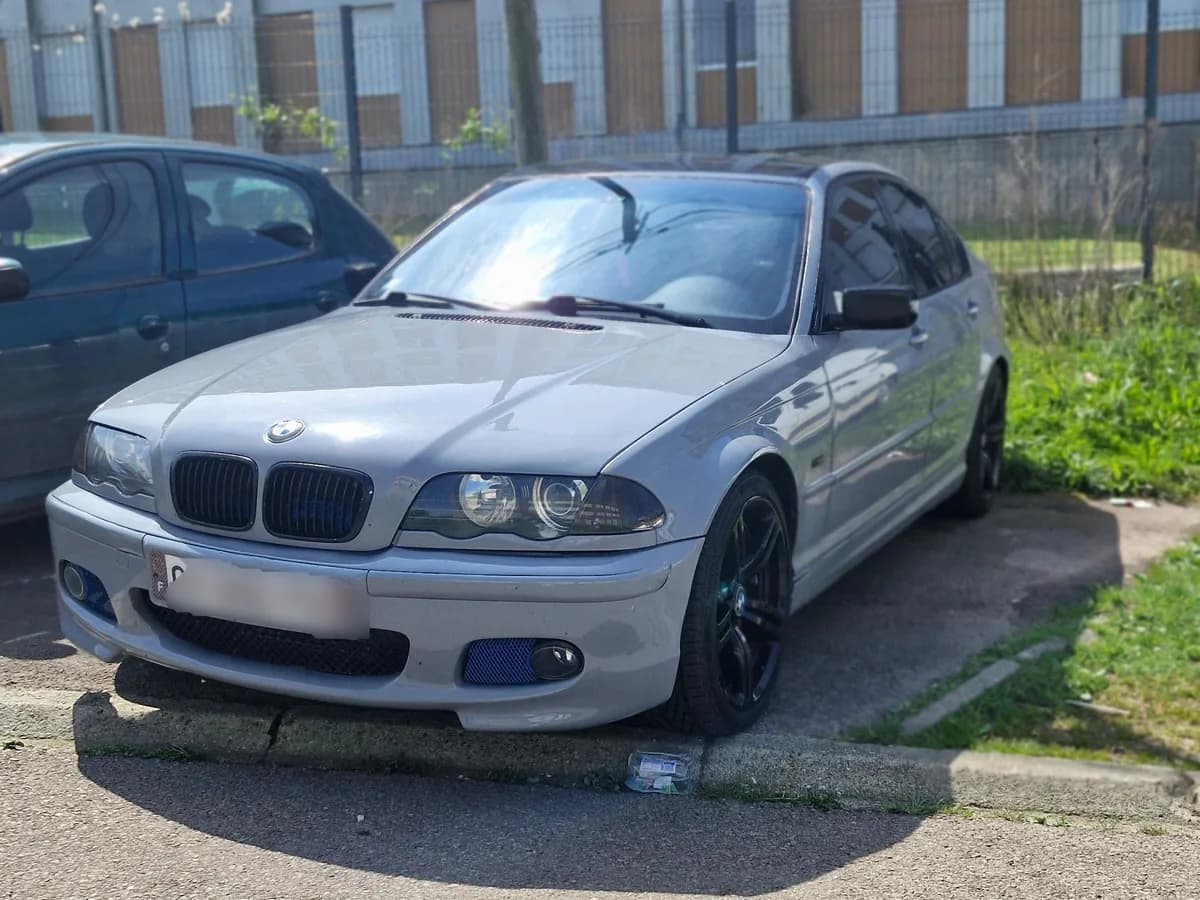
The E30 evolved in stages. The two-door sedan opened the generation’s career in 1982, followed by the four-door sedan from September 1983. Other derivatives arrived later: the convertible was introduced in 1986 and the Touring estate in 1987. BMW also expanded the mechanical range over time, adding more powerful six-cylinder versions, diesel models and, from 1985, an all-wheel-drive 325iX. These developments place the 1983 3 Series Sedan in the early phase of a model family that would become considerably broader. Exact equipment, engines and transmissions depended on the market and on the individual production period.
Variants
The 1983 3 Series Sedan designation does not identify one single worldwide mechanical specification. The E30 range included several versions whose availability depended on country, emissions requirements and body style. Early cars included both four-cylinder and six-cylinder models, while commercial names and technical details could differ between European markets and North America.
The two-door and four-door sedans should also be distinguished. BMW’s current historical presentation treats them within the broader E30 sedan family, but the four-door model was not available until September 1983. Without a market specification, engine code or vehicle identification number, it is not possible to assign one exact engine, output figure or gearbox to every 1983 example.
References
- BMW 3 Series sedan (E30)BMW Group Classic
Supports the sedan designation, production period, launch of the four-door version in 1983, manufacturing locations and broad range structure.
- BMW 3 Series: a Journey through the GenerationsBMW
Supports the E30 generation timeline, September 1983 four-door launch, twin-headlamp design and later body-style development.
- BMW 3 Series celebrates 50 yearsBMW Group
Supports the E30 technical evolution, later all-wheel-drive introduction, engine-range expansion and Touring history.
- Three Cheers. 40 Years of the BMW 3 SeriesBMW Group PressClub
Supports the E30 body-style expansion and the origin story of the Touring project.
- Technical Description: December 1982Motor Sport Magazine
Supports contemporary press impressions of the early E30 range and the 1983 market launch context.
- Throttle-Back Thursday: This BMW 318i review was our first brush with the storied E30Autoweek
Supports contemporary coverage of the 1983 BMW 318i and period press reception.
- https://en.wikipedia.org/wiki/BMW_3_Series_%28E30%29en.wikipedia.org
Source found by OpenAI web search for this vehicle page.
- https://www.motortrend.com/reviews/1603-bmw-e30-3-series-1983-1991-buyers-guidemotortrend.com
Source found by OpenAI web search for this vehicle page.