
7 Series
Introduced in 1977, the BMW 7 Series is BMW’s full-size executive sedan and the first model to use the 7 Series name. From the beginning, it combined a formal three-box body with driver-focused dynamics and unusually advanced electronics, including an electronic speedometer and Check Control. The range later expanded to include six-, eight- and twelve-cylinder engines, long-wheelbase body styles and, depending on the generation, diesel, all-wheel-drive, plug-in hybrid and fully electric powertrains. BMW’s internal codes—E23, E32, E38, E65, F01/F02 and G11/G12—are useful for separating the major stages of its development. In 2022, the newly introduced generation adopted an architecture designed to accommodate several propulsion types, including the all-electric BMW i7.
What about the car you photographed?
Upload a photo to get a suggested make, model and likely year.
No account needed for the result · Publish only if you choose
Variants by year
Make: BMW · Model: 7 Series
16 / 16 versions shown
2022

2019
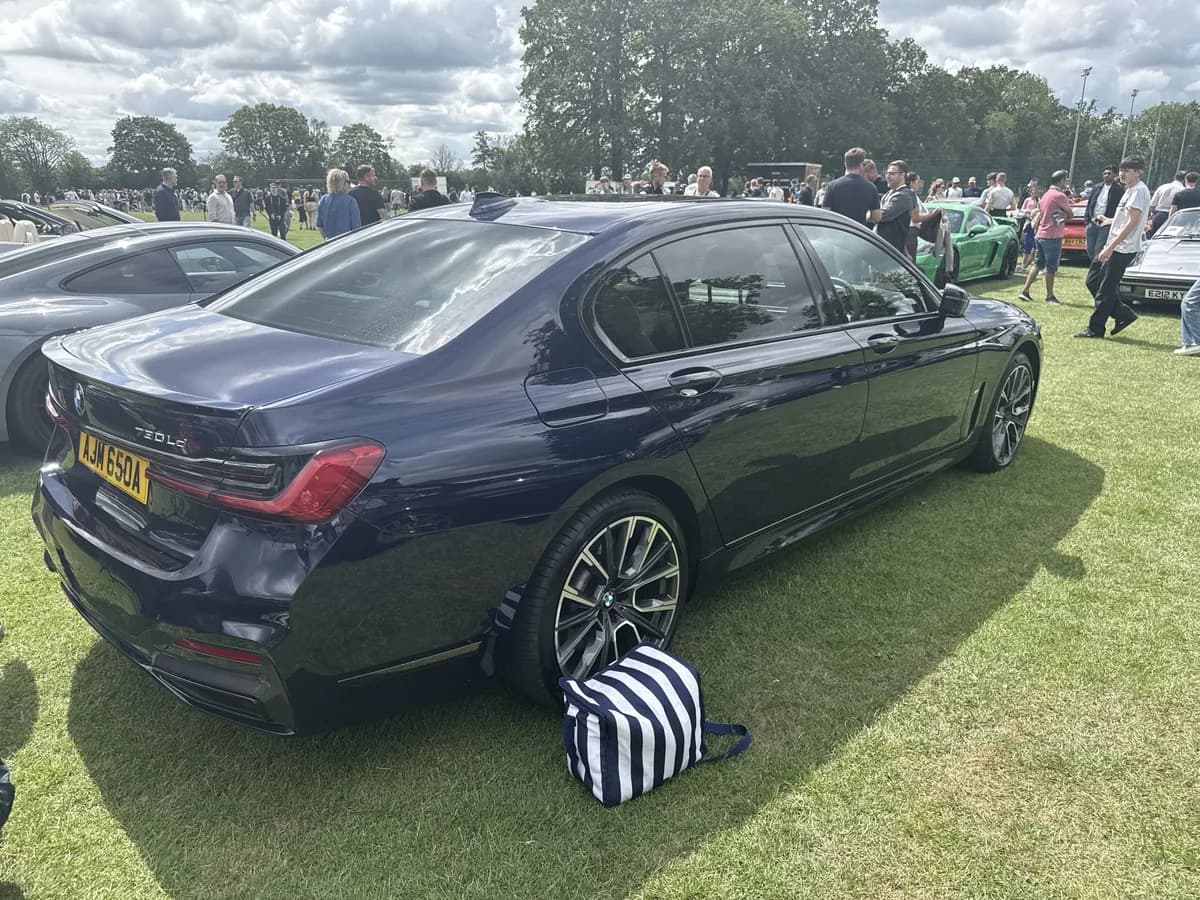
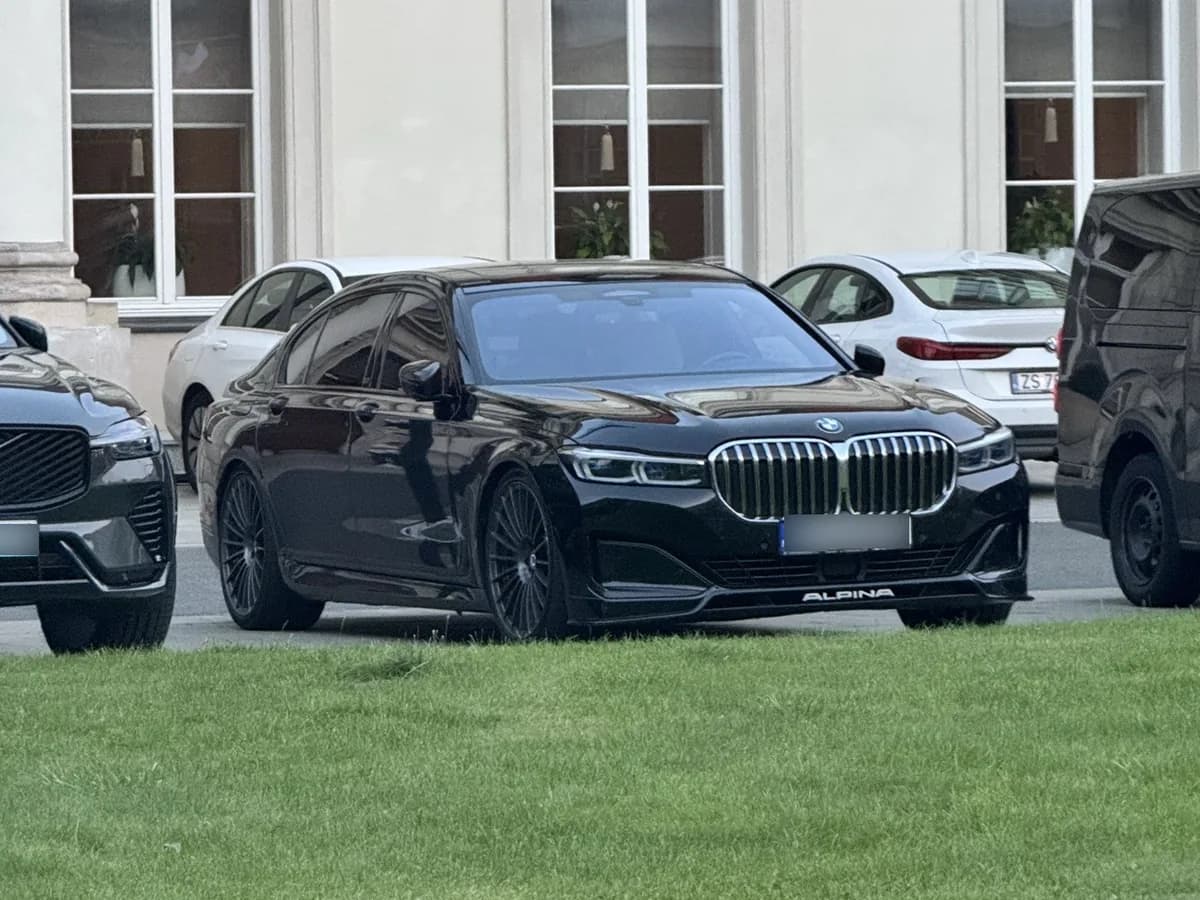
2016
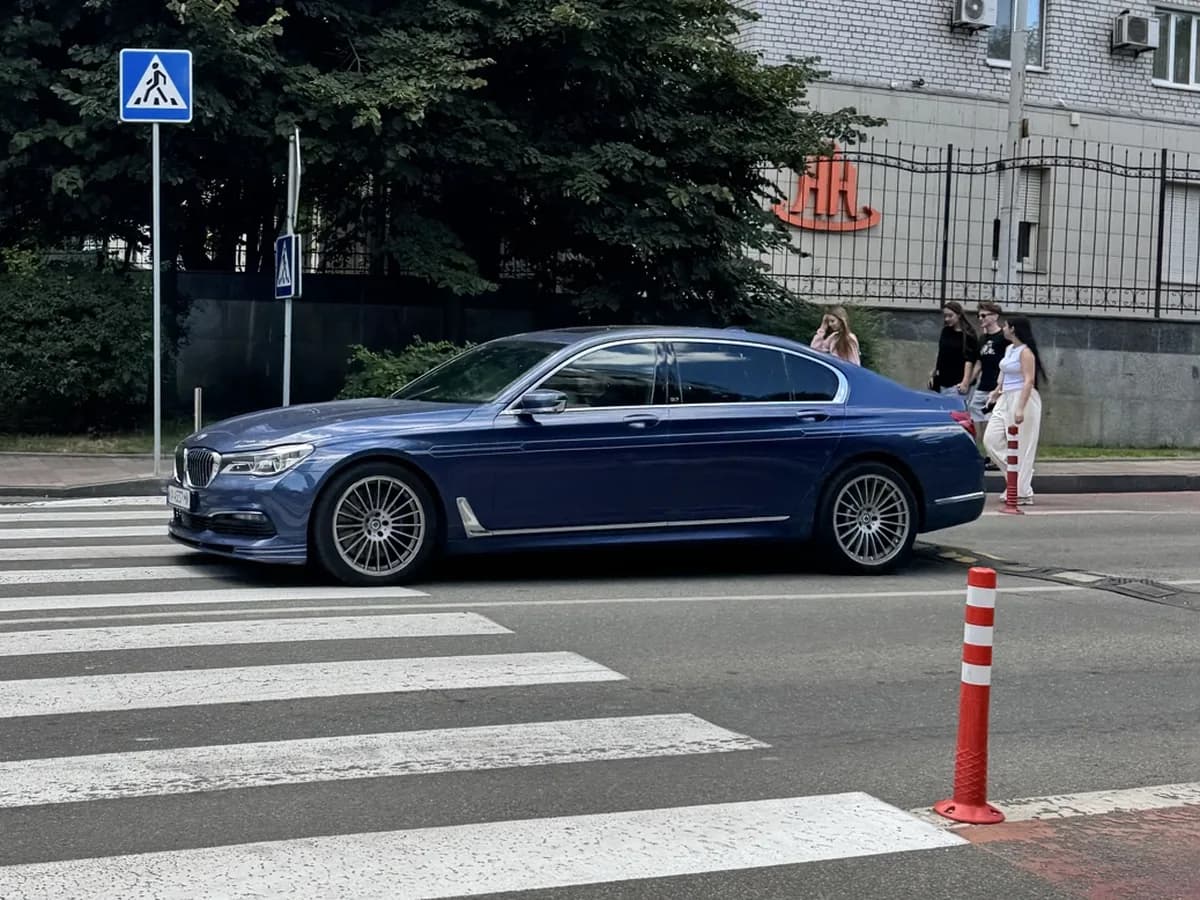
2015
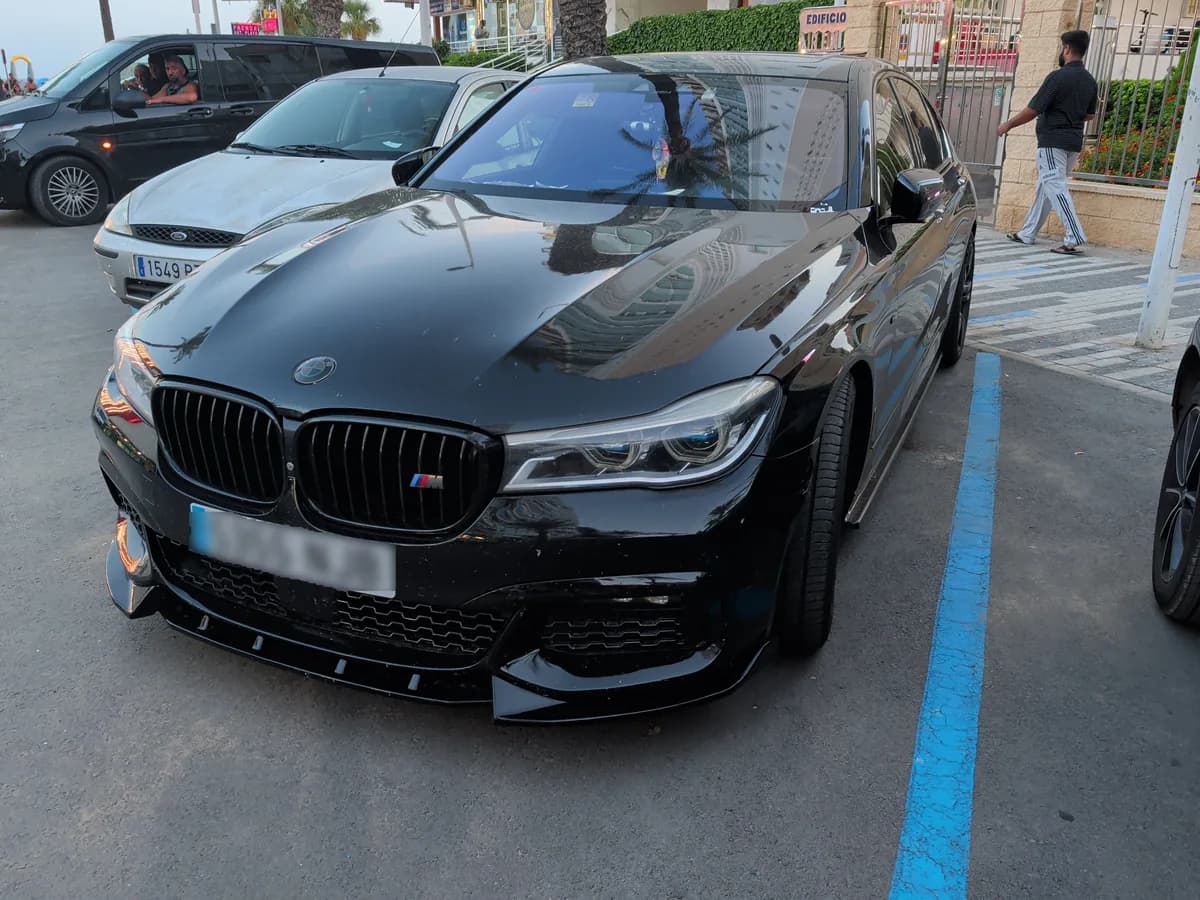
2009
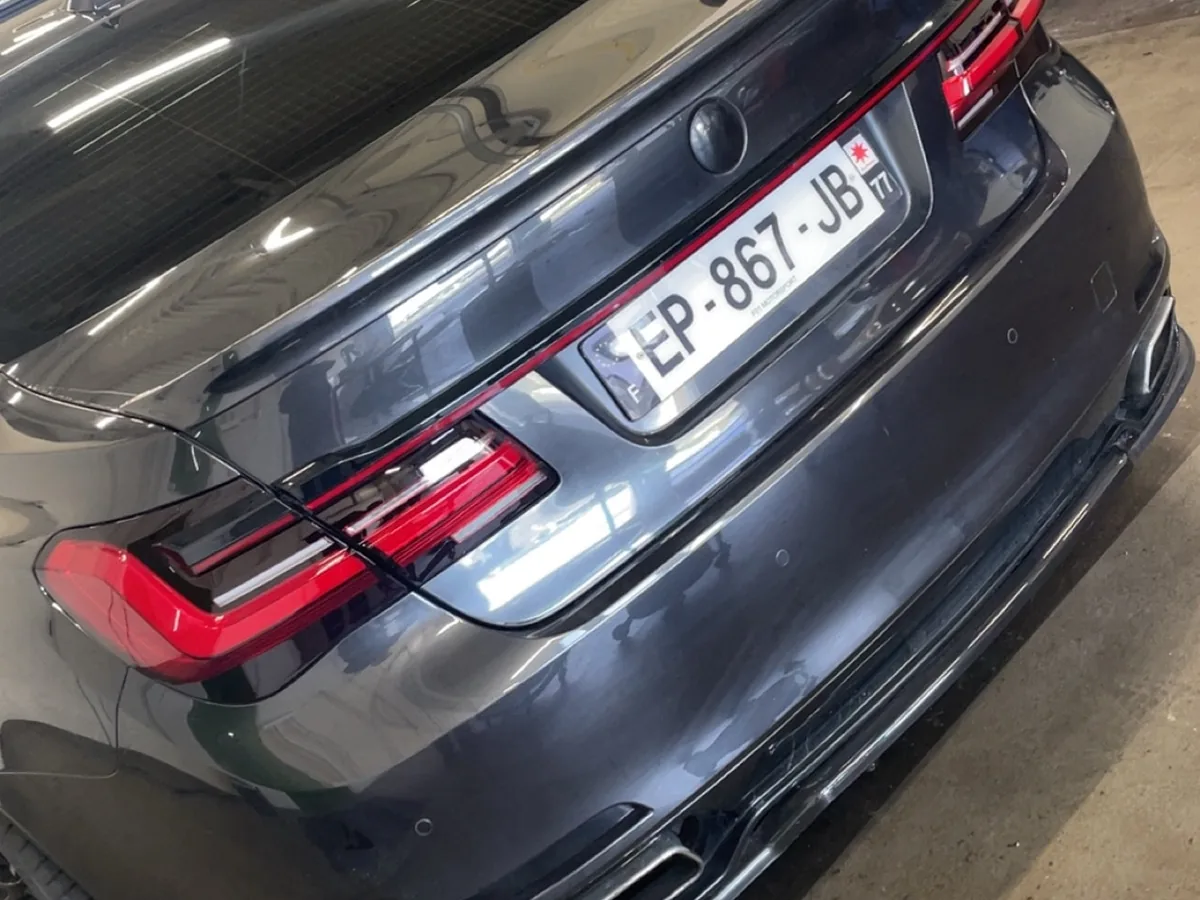
2008
2005
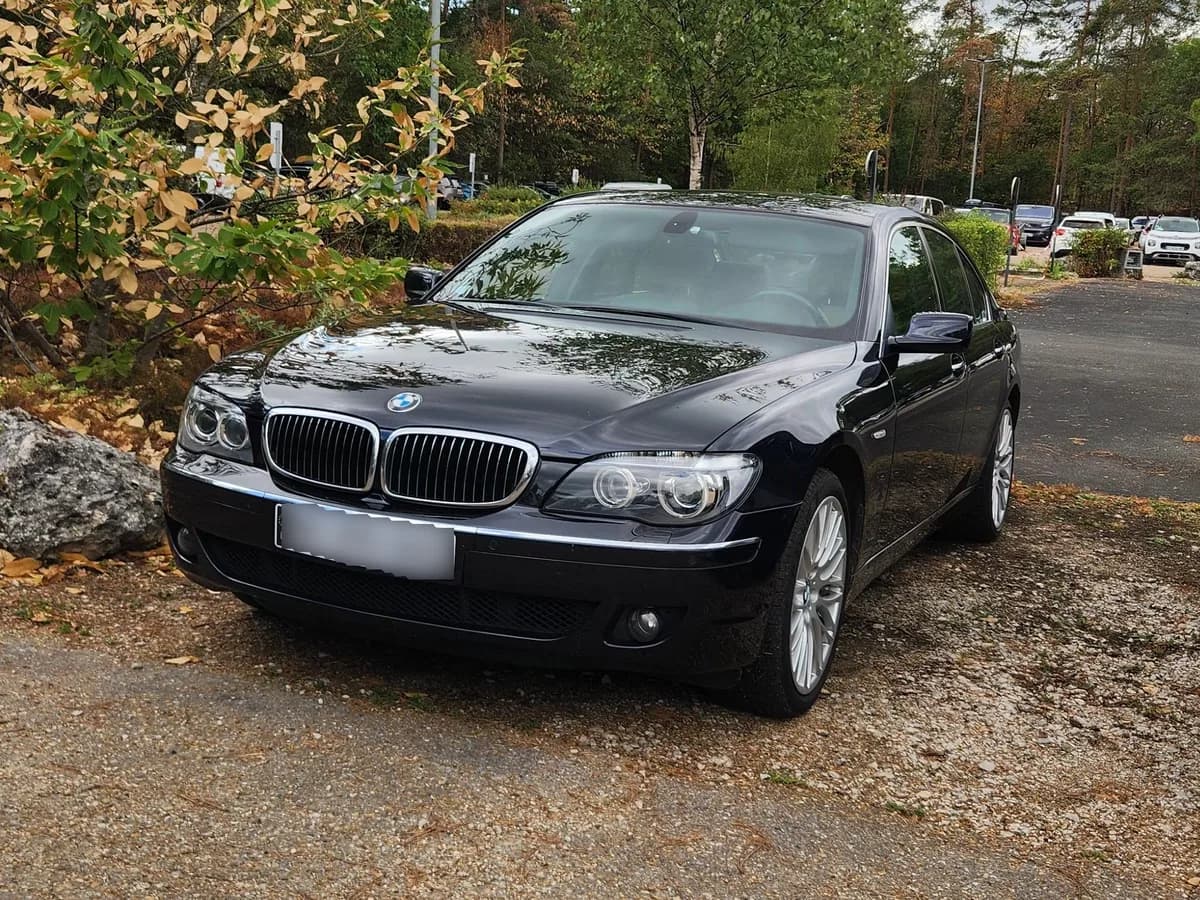
2004
2001
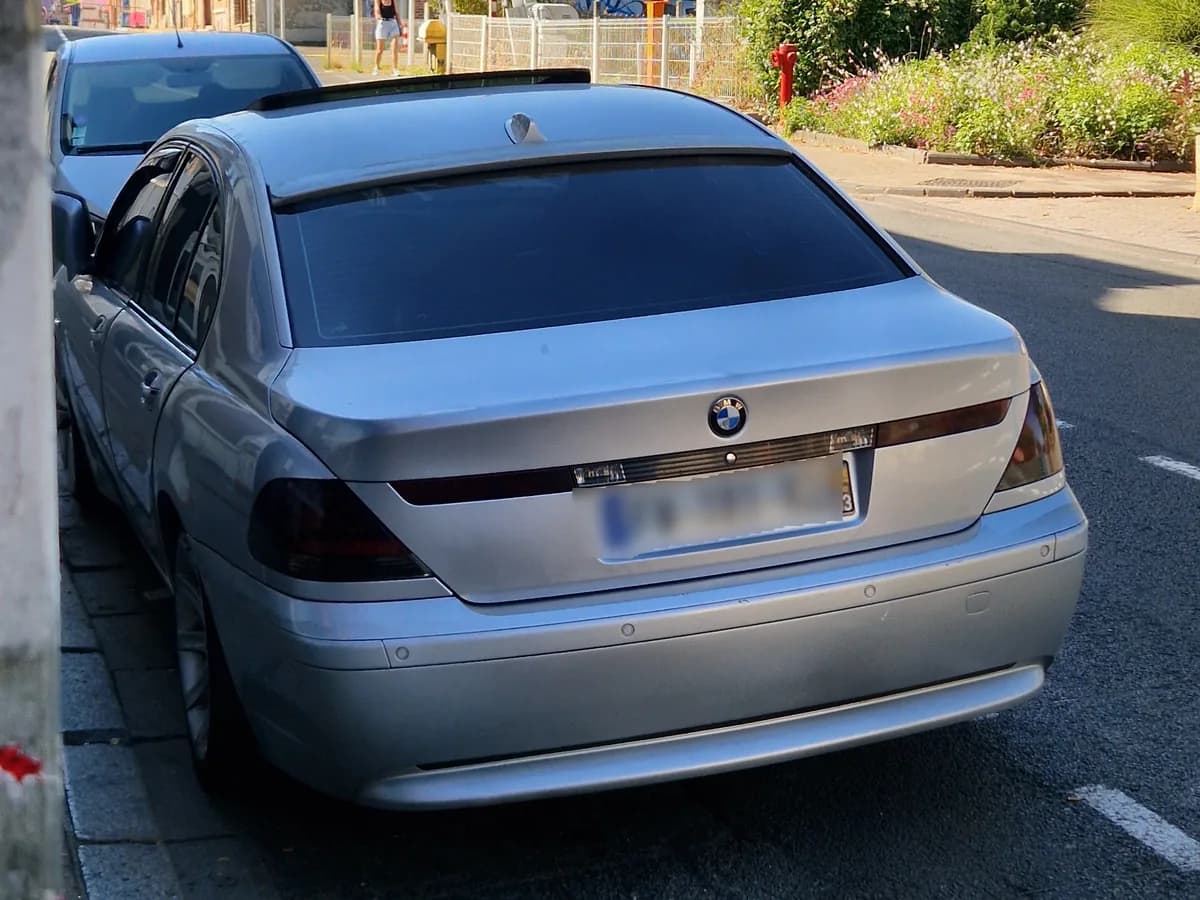
1995

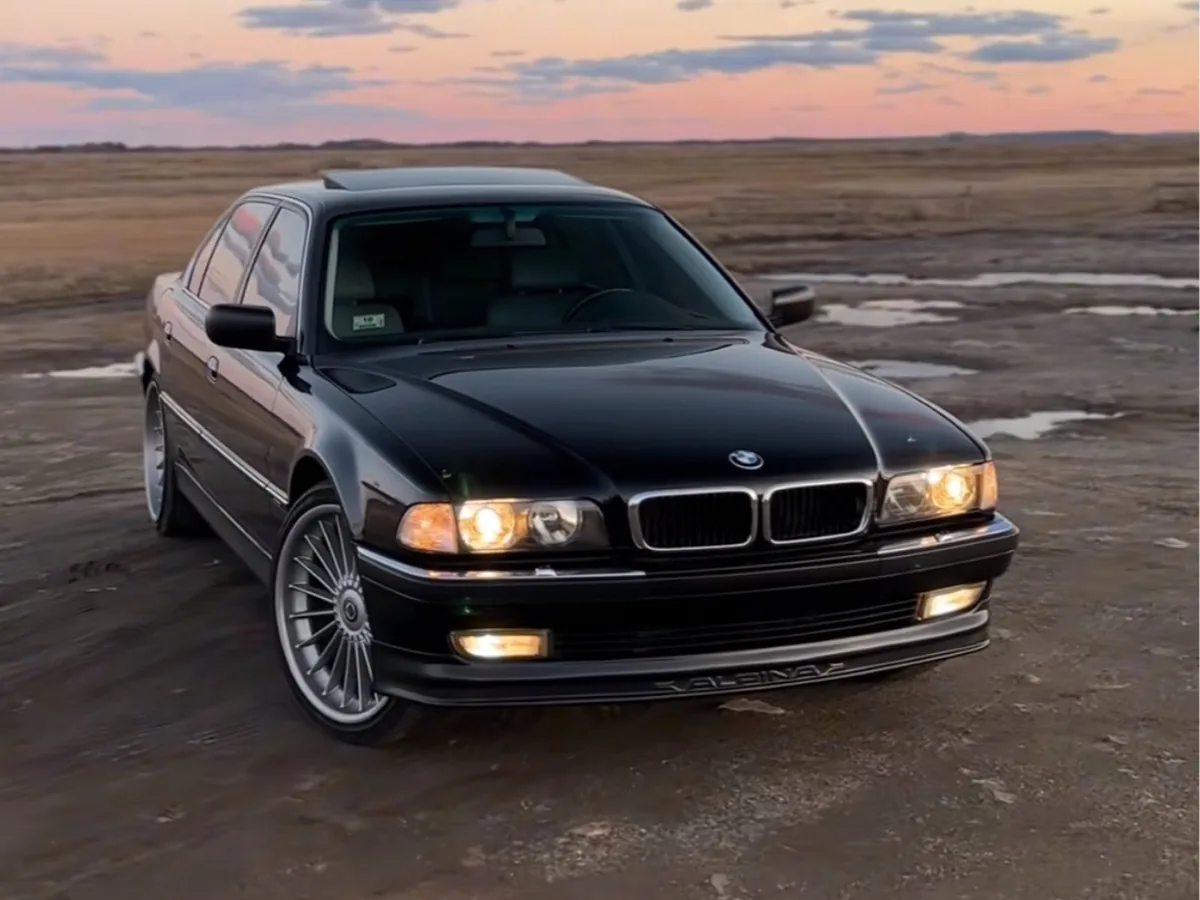
1987
1977
BMW 7 Series photos
Model summary
Data from the ScanRacer library, organized to compare versions quickly.
Model introduction
Introduced in 1977, the BMW 7 Series is BMW’s full-size executive sedan and the first model to use the 7 Series name. From the beginning, it combined a formal three-box body with driver-focused dynamics and unusually advanced electronics, including an electronic speedometer and Check Control. The range later expanded to include six-, eight- and twelve-cylinder engines, long-wheelbase body styles and, depending on the generation, diesel, all-wheel-drive, plug-in hybrid and fully electric powertrains. BMW’s internal codes—E23, E32, E38, E65, F01/F02 and G11/G12—are useful for separating the major stages of its development. In 2022, the newly introduced generation adopted an architecture designed to accommodate several propulsion types, including the all-electric BMW i7.
History
The first 7 Series, identified by BMW’s E23 code, was produced from 1977 to 1986. It shared its technical basis with the large 6 Series Coupé and established a sportier interpretation of the luxury sedan. BMW credited it with several electronic firsts, including an electronic speedometer, speed-sensitive power steering and, from 1980, an onboard computer with outside-temperature display. The turbocharged six-cylinder 745i became the range-topping model late in the E23’s life. The E32, sold from 1986 to 1994, added the long-wheelbase iL body and brought a V12 engine to the 750iL in 1987. V8 engines arrived with the 1992 update, while xenon headlamps became available from 1991. The E38, produced from 1994 to 2001, made the V8 a central part of the range and introduced diesel-powered 7 Series models, as well as the limited-production long-wheelbase L7. The 2001 E65/E66 represented a more radical styling departure and introduced the iDrive control concept. The 2008 F01/F02 continued the shift toward electronic systems and added all-wheel drive to selected versions. The 2015 G11/G12 used a Carbon Core passenger cell and offered the 740e plug-in hybrid. The generation unveiled in 2022 added the fully electric i7.
Generations
BMW 7 Series generations are most clearly identified by their internal codes and production periods. The E23 covers 1977–1986: Paul Bracq-influenced styling, six-cylinder engines and new electronic features defined the original model. The E32, built from 1986 to 1994, retained a formal appearance but introduced the iL long-wheelbase versions, a V12 flagship and, late in its life, V8 power. The E38, produced from 1994 to 2001, adopted a more precise design, added diesel engines and continued to offer long-wheelbase models, including the limited L7 limousine. The E65 and E66 form the fourth generation, launched in 2001 and produced until 2008. The standard and long-wheelbase sedans received separate internal codes, while the styling and iDrive interface marked a major change in the car’s presentation and operation. The F01/F02, produced from 2008 to 2015, brought a more modern body and expanded connectivity, with all-wheel drive available on selected versions. The G11/G12, introduced in 2015, combined lightweight construction with technologies such as rear-wheel steering, depending on specification, and a gradual move toward electrification. The generation unveiled in 2022 introduced combustion, plug-in hybrid and electric versions together, including the BMW i7.
Key differences
The differences between generations are not limited to styling. The E23 established the 7 Series as a sporty luxury sedan built around six-cylinder power. The E32 greatly broadened the formula with long-wheelbase versions, a V12 flagship and late-production V8 engines. The E38 is identified by a more restrained design evolution, the arrival of diesel power and a stronger role for V8 models. With the E65/E66, BMW changed the exterior treatment, cabin presentation and control layout more dramatically, most notably through the iDrive system. The F01/F02 continued that digital direction and expanded the availability of all-wheel drive. The G11/G12 stood apart through its Carbon Core passenger cell, more advanced comfort systems and the introduction of the 740e plug-in hybrid. The generation unveiled in 2022 created a clearer propulsion split, combining combustion engines, plug-in hybrids and a fully electric drivetrain depending on market and specification. These are broad generation-level distinctions; exact equipment, engines and body styles vary by model year, country and individual version.
Photo recognition
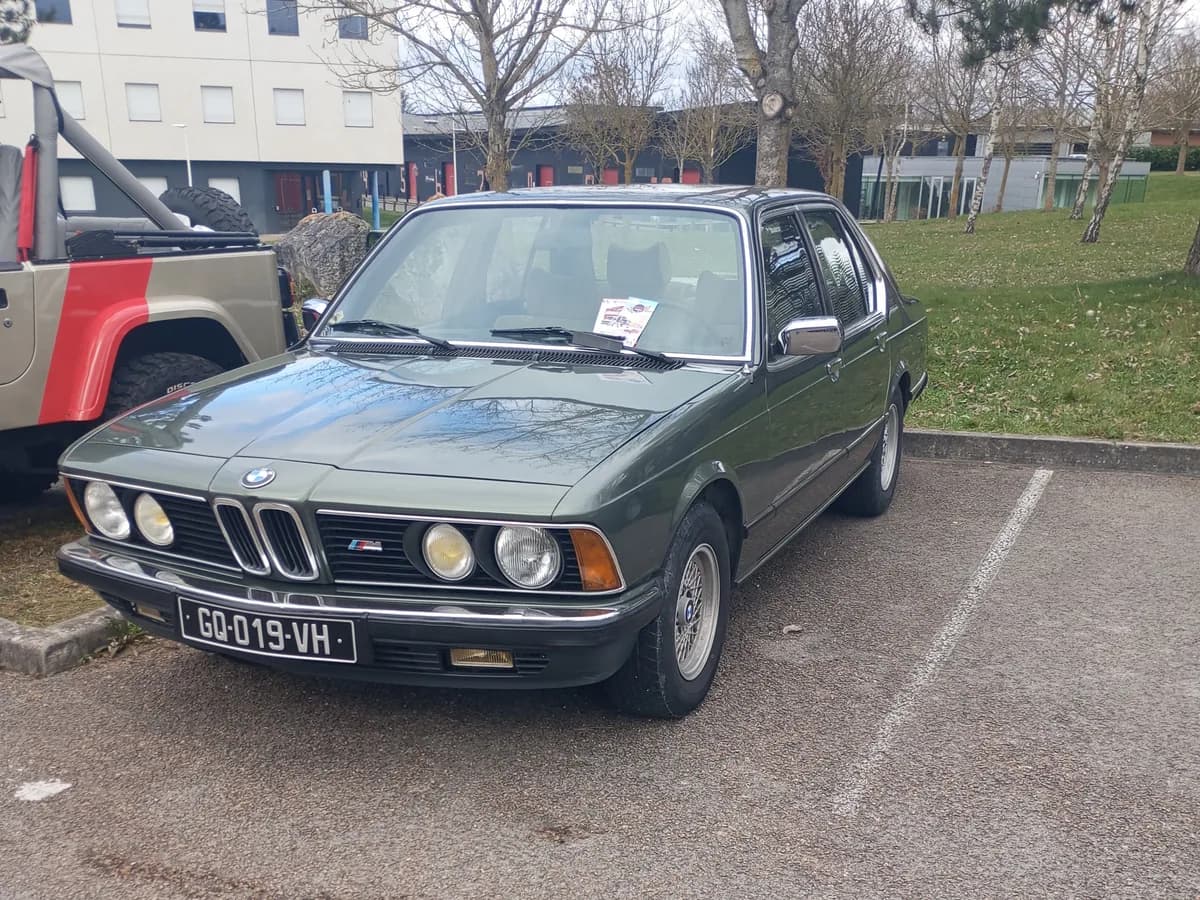
For identifying an older 7 Series, the generation code is often more dependable than the engine badge. The E23, built until 1986, has relatively slender proportions and a strongly driver-oriented dashboard. The E32, introduced in 1986, retains angular forms but looks squarer and more substantial; iL versions have a longer wheelbase and extended rear doors. The 1994 E38 uses smoother surfaces, horizontal rear-light elements and a more understated overall presentation. The E65/E66 is the easiest to separate visually: its front end and distinctive trunk treatment, associated with Chris Bangle’s design direction, break clearly from the E38. E66 identifies the long-wheelbase body. The F01/F02, introduced in 2008, returned to a more taut and conventional profile, with F02 denoting the long-wheelbase version. The G11/G12, launched in 2015, has more sculpted proportions and slimmer lighting. For 2022 cars, the tall grille, upright surfaces and modern lighting signature help identify the generation that introduced the BMW i7. Badges alone remain unreliable because engines and equipment differed by market.
Important versions
The recorded designations include Base, Alpina B7, Alpina B7-B12 and Alpina B11-B12. Base spans a very broad period, from 1977 to 2022, so it should be treated as a range category rather than one fixed technical specification. Alpina B7 appears across the 2004–2019 period, while the B7-B12 and B11-B12 names are associated with single years—1995 and 1987 respectively—in the supplied scope. These names alone do not establish a specific engine, body style or market. A reliable comparison requires checking the model year, internal generation code, wheelbase and regional specification. Alpina-related listings should also be kept separate from BMW factory variants because their naming and technical content may follow a different product history.
The name “7 Series” follows BMW naming, with its rules and its exceptions. Decode a BMW name
References
- The history of the BMW 7 SeriesBMW Group PressClub
- BMW 7 Series, 1977–2015BMW Group PressClub
- BMW 7 Series Sedan (E23)BMW Group Classic
- BMW 7 Series Sedan (E32)BMW Group Classic
- BMW 7 Series (E38)BMW Group Classic
- The All-New BMW 7 SeriesBMW Group PressClub USA
- BMW 7 Series Sedan (E65)BMW Group Classic
- BMW 7 Series: The ultimate in sporty luxuryBMW Group PressClub
Frequently asked questions
- What years was the BMW 7 Series produced?
- ScanRacer's referenced versions cover 1977 - 2022.
- How many BMW 7 Series examples are documented on ScanRacer?
- 24 published scans from 19 members, with the latest photo added in September 2026.
What about the car you photographed?
Upload a photo to get a suggested make, model and likely year.
No account needed for the result · Publish only if you choose