
5 Series
Introduced at the 1972 Frankfurt Motor Show, the BMW 5 Series replaced the Neue Klasse and established BMW’s familiar naming format, combining a series number with two figures originally linked to engine displacement. The first generation, known internally as the E12, used a four-door notchback body, longitudinal engines, independent suspension and styling by Paul Bracq. The range later expanded with six-cylinder engines, diesel models, Motorsport derivatives and the Touring estate, which arrived in 1991 with the E34. Across successive generations, the 5 Series remained BMW’s premium long-distance sedan while gaining more electronic systems, safety equipment and electrified powertrains. In 2023, the eighth-generation G60 marked a major change by adding the fully electric BMW i5 alongside combustion and plug-in hybrid versions, depending on market. (press.bmwgroup.com)
Variants by year
2023
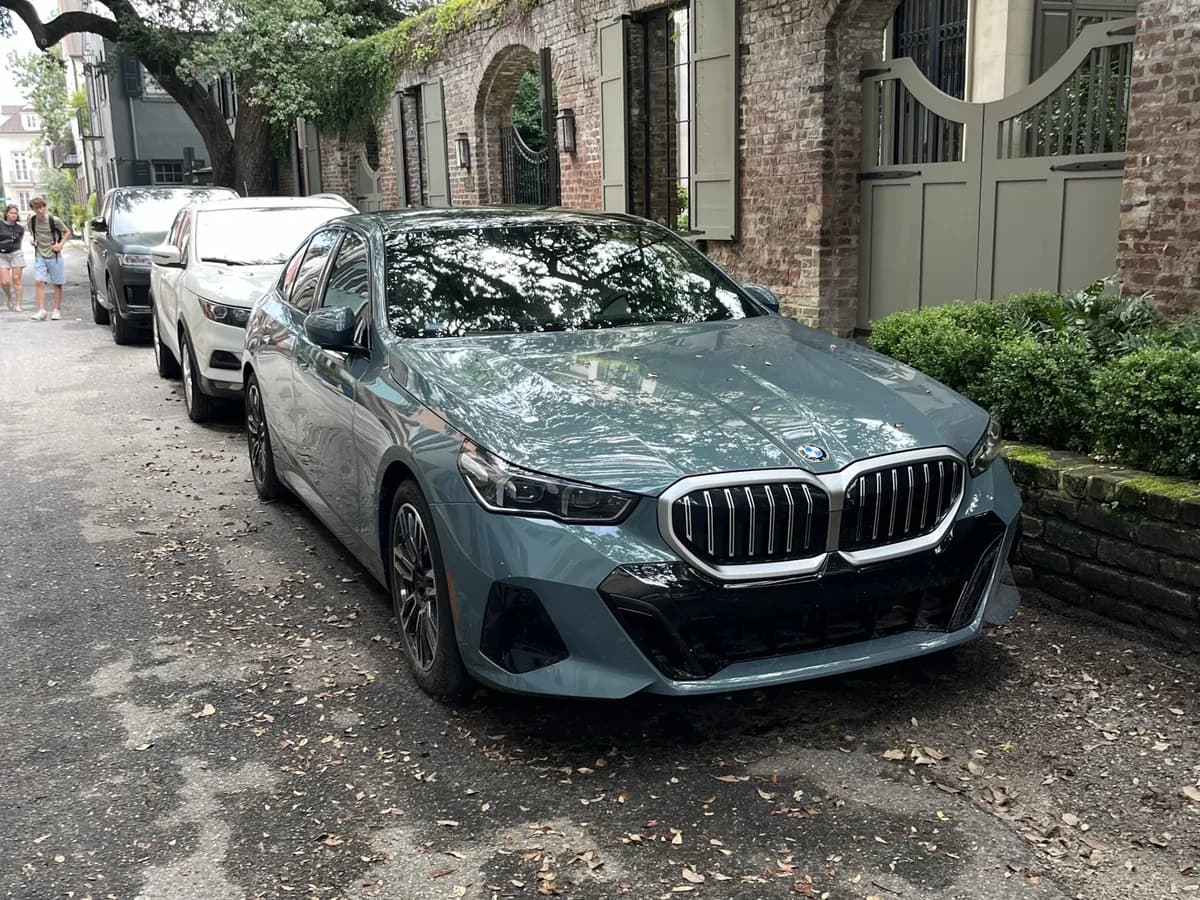
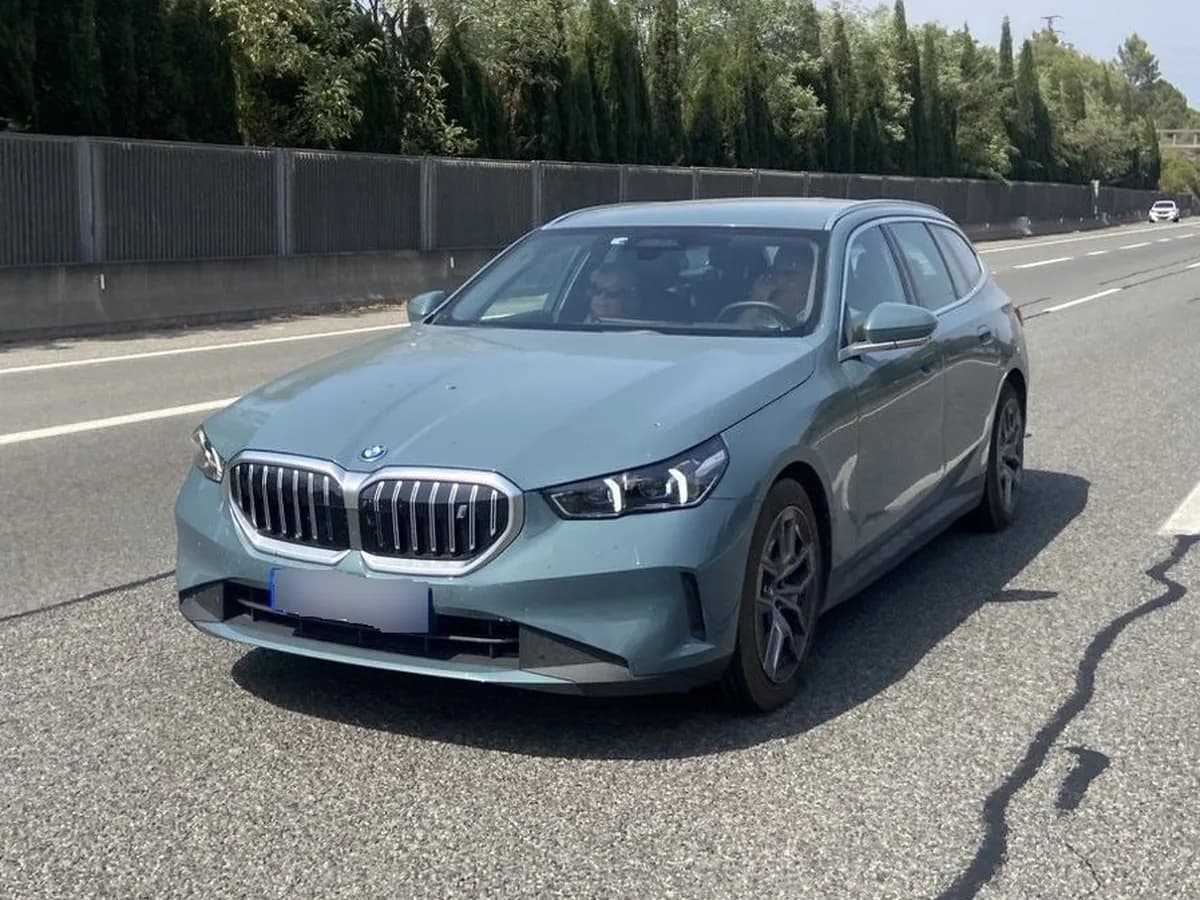
2020
 R
R R
R2017
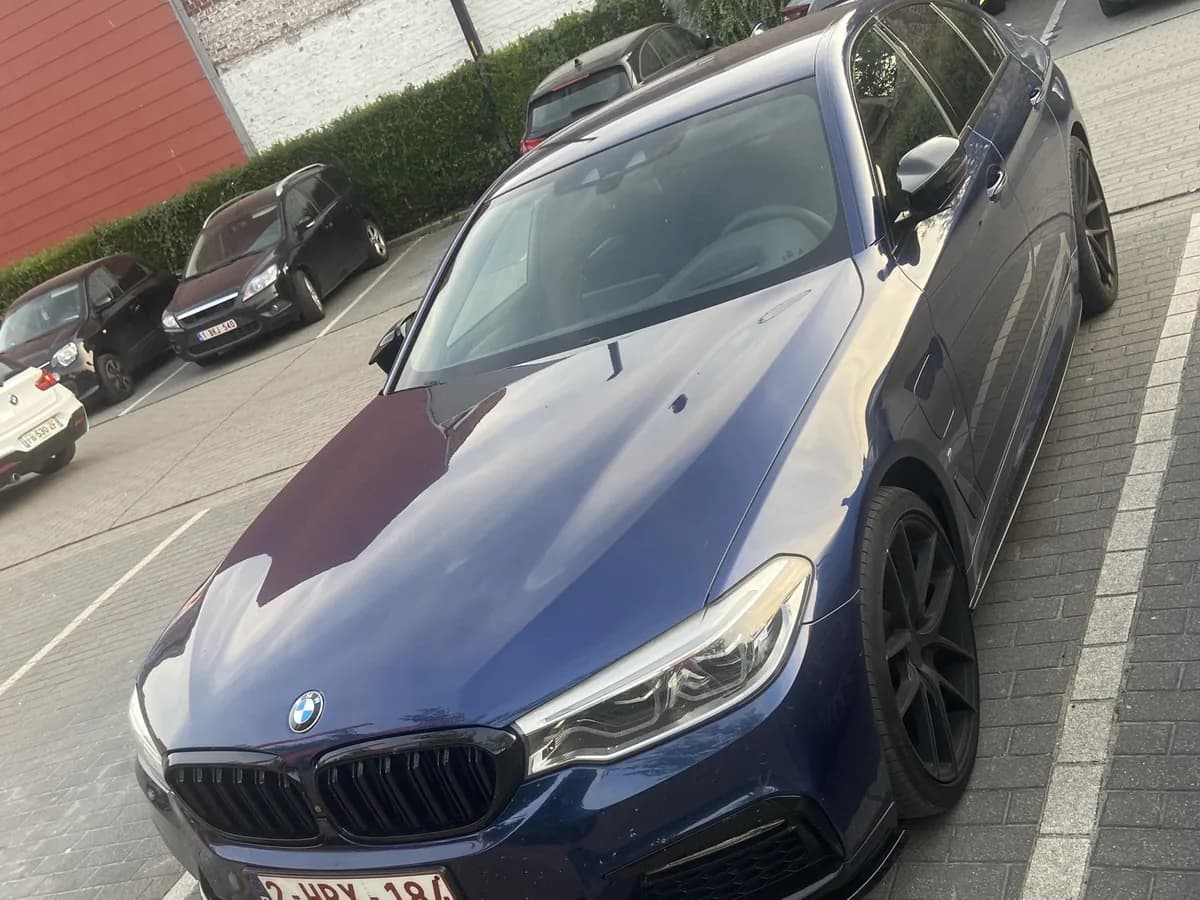

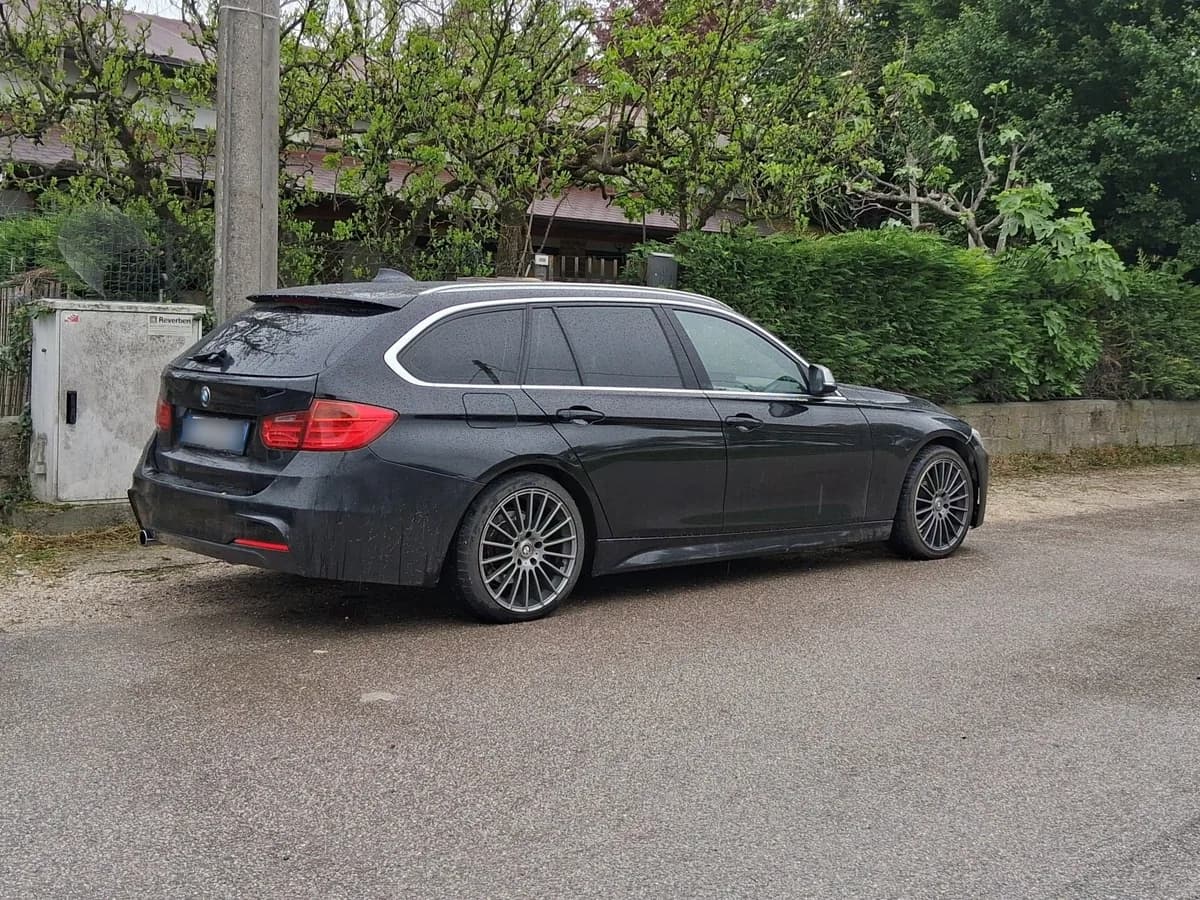
2010
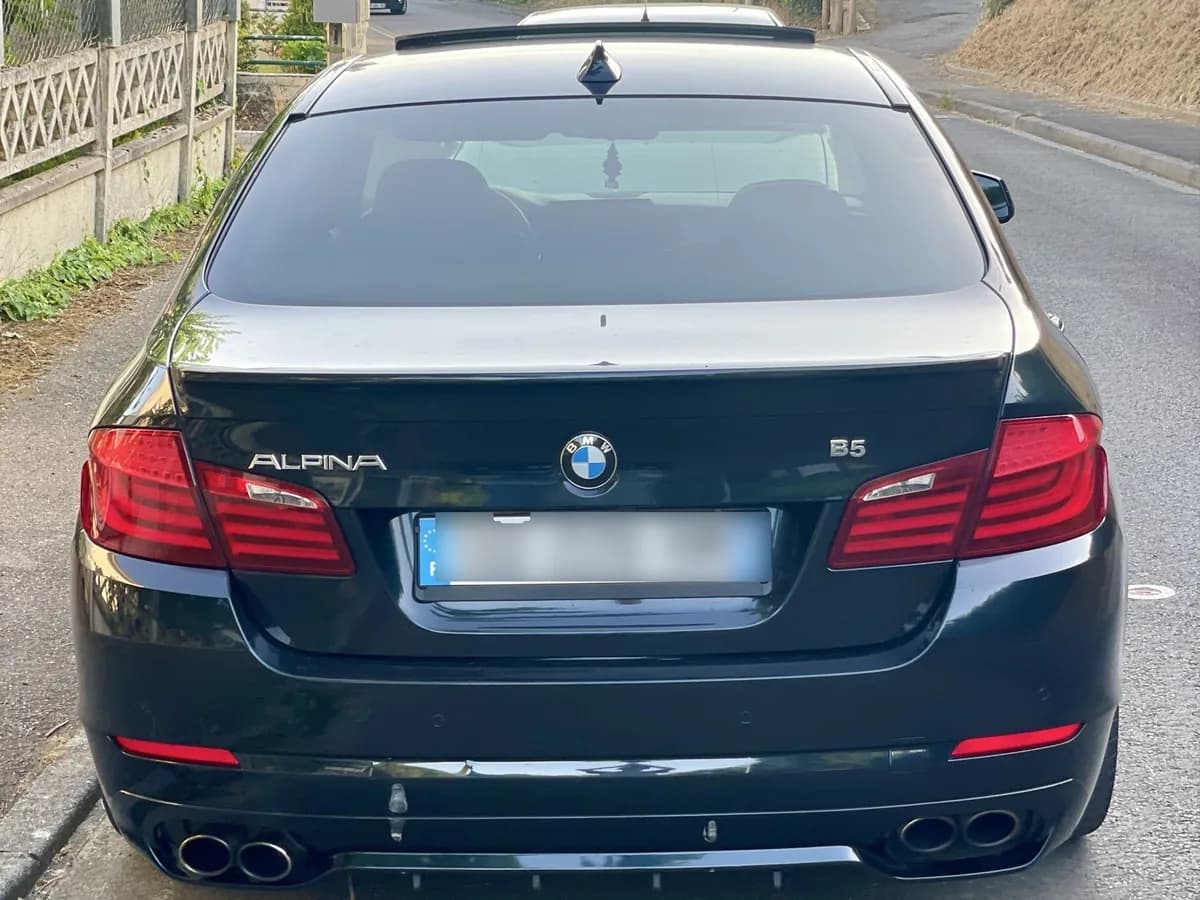 R
R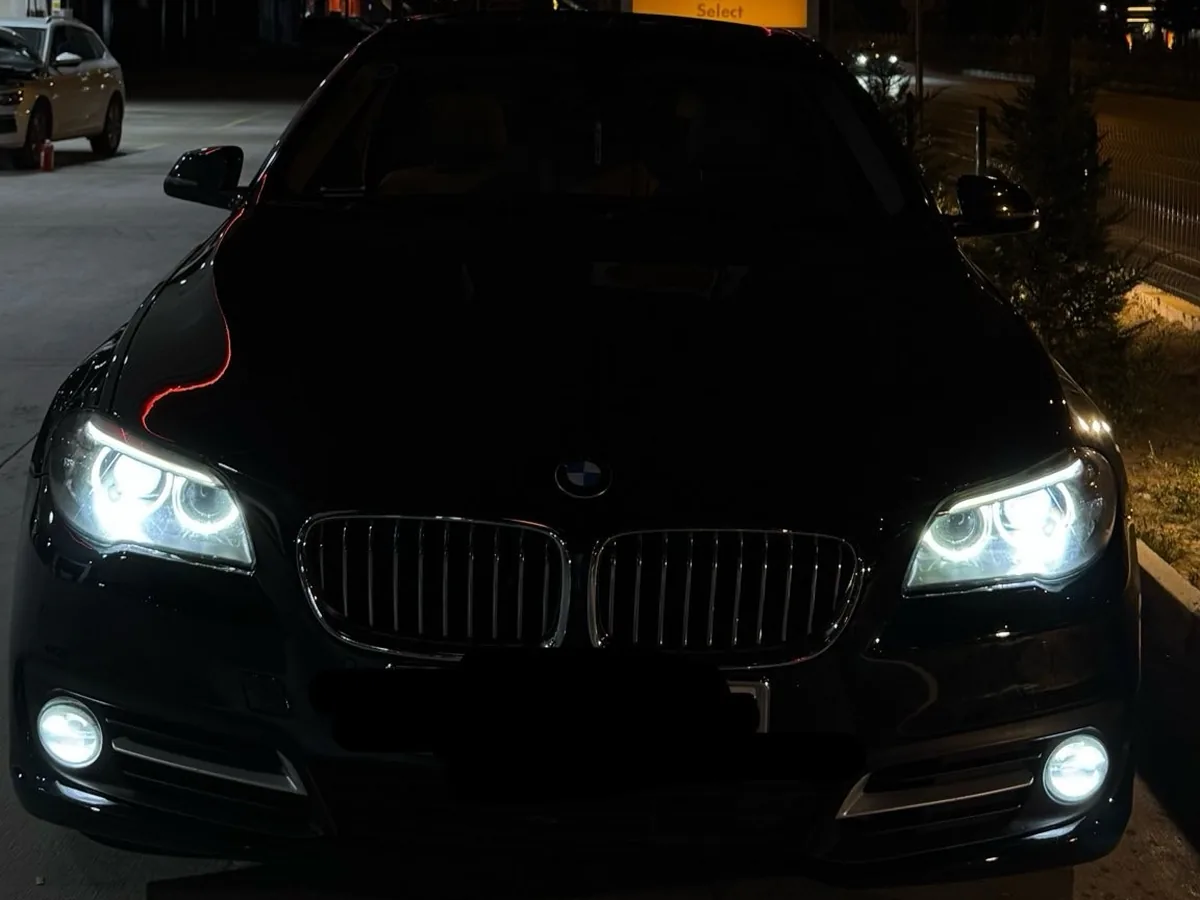 R
R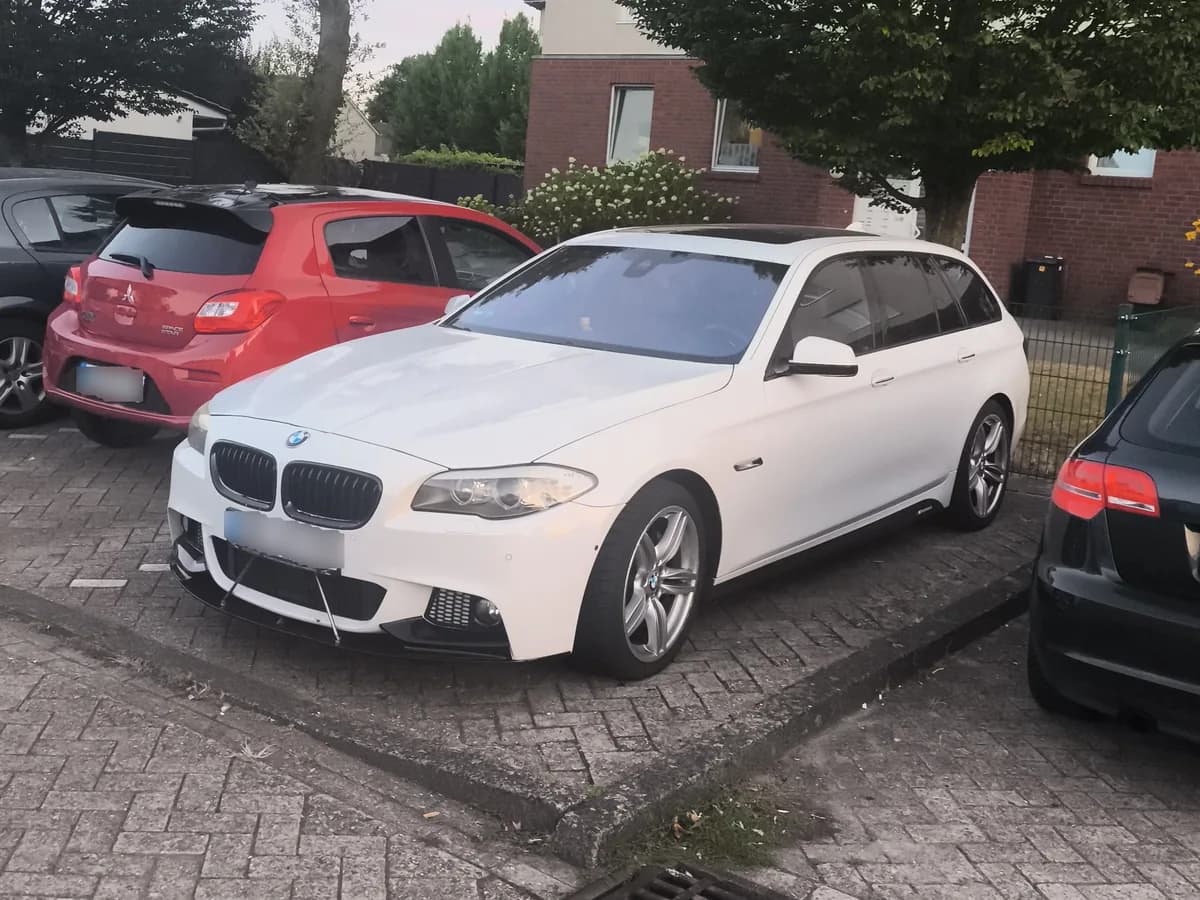 R
R2009
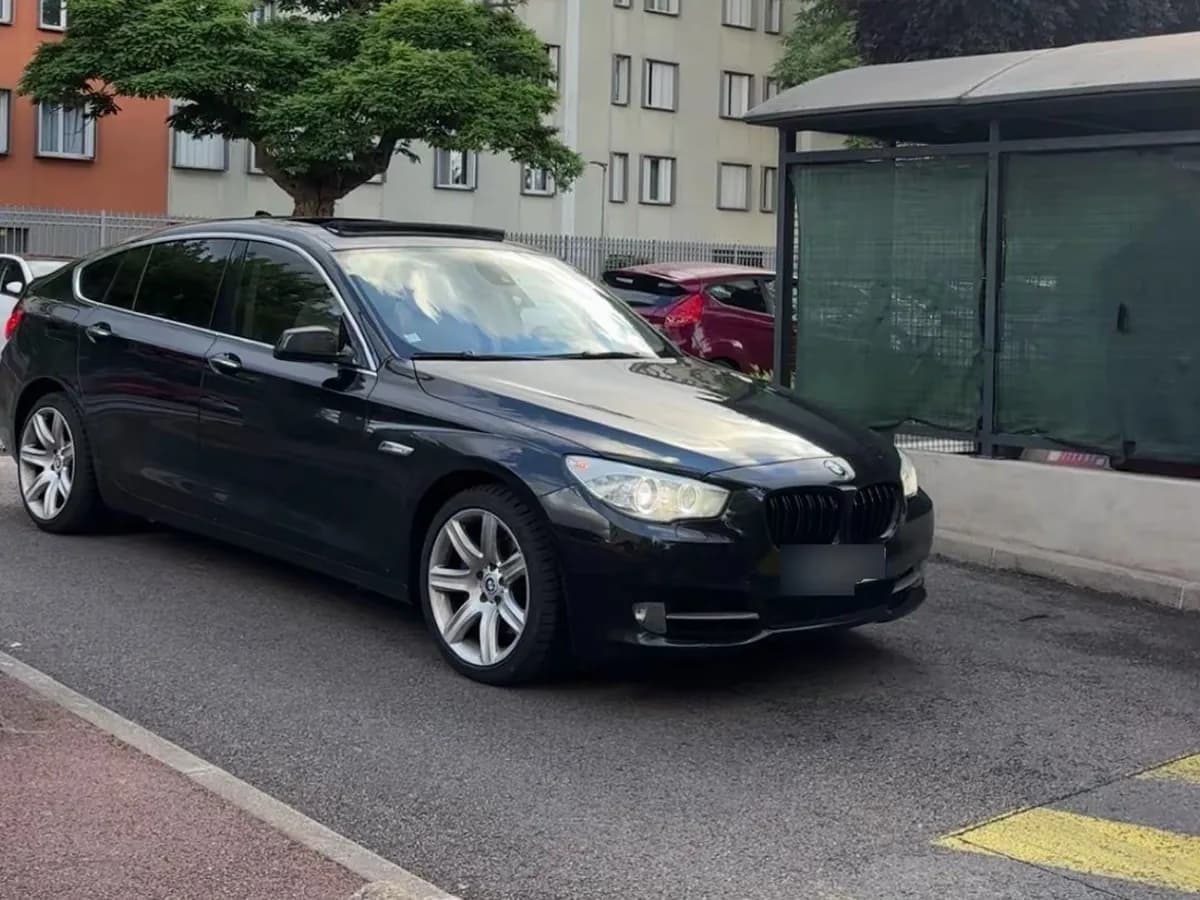
2005
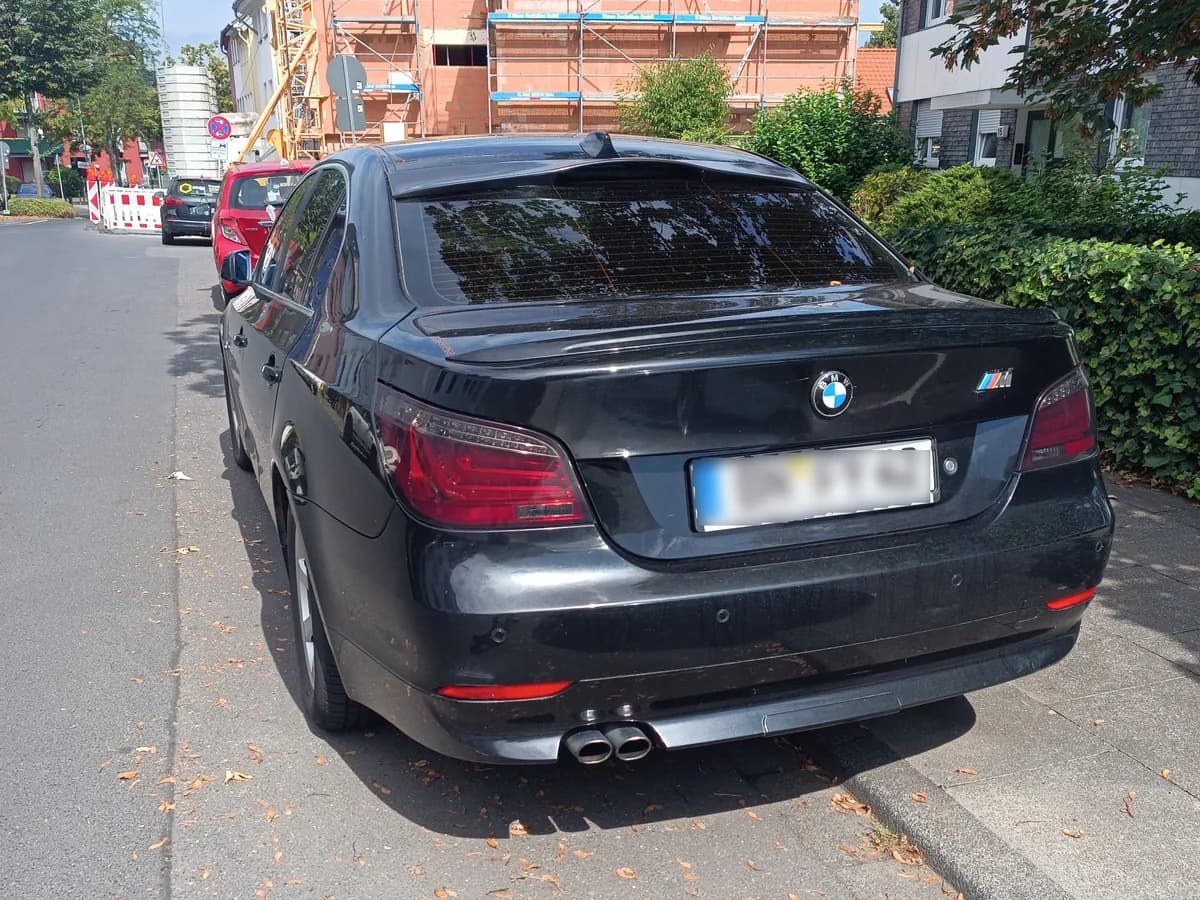 R
R2004
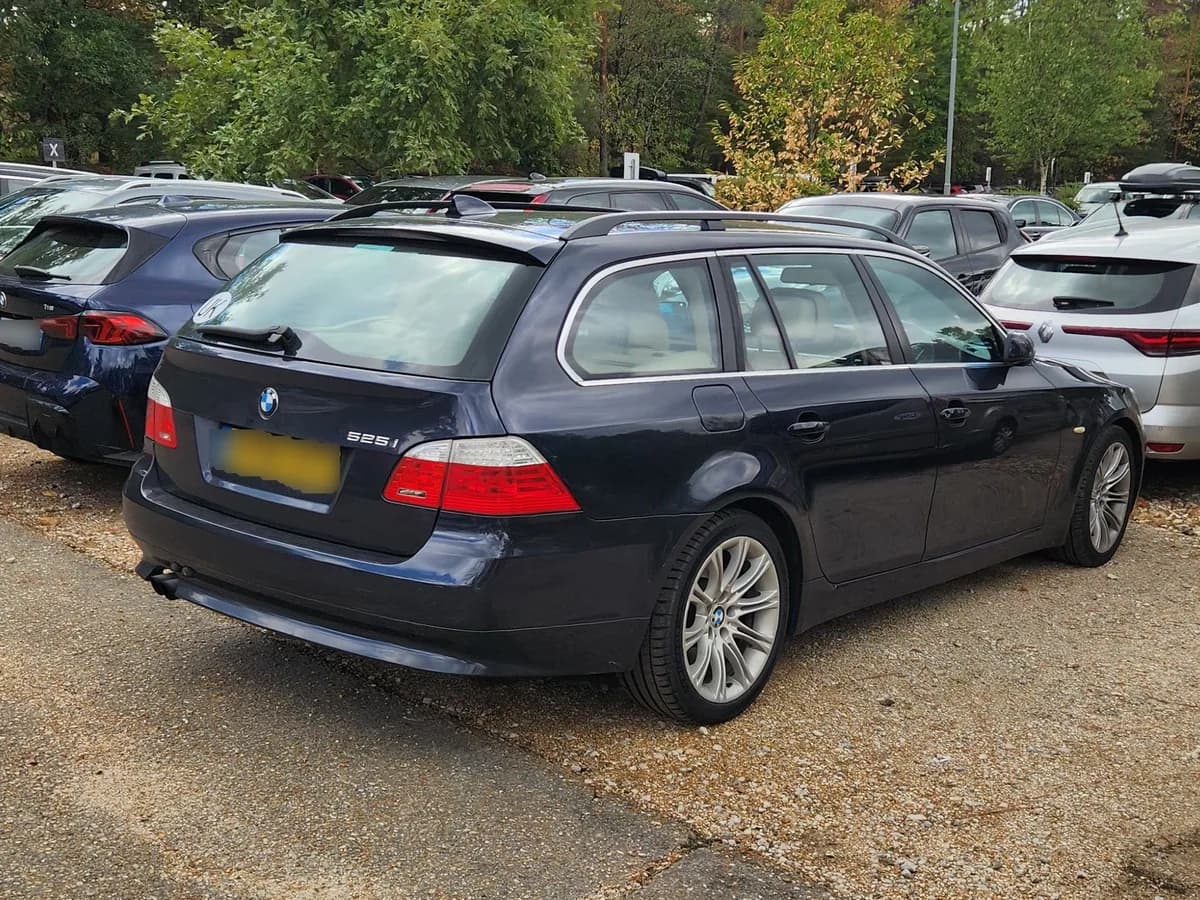
2003
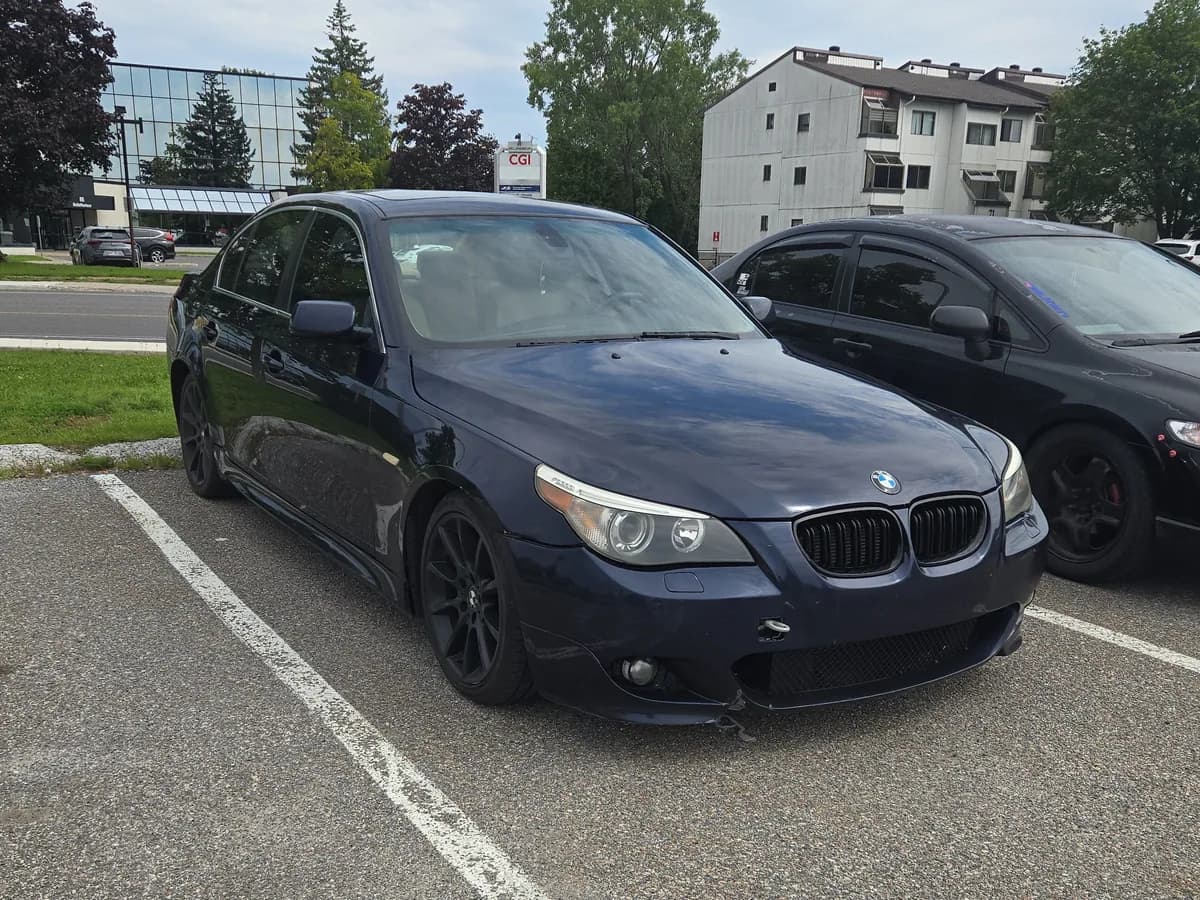
1997
1996
1995
1993
1992
1988
 R
R1981
1978
1972
Model summary
Data from the ScanRacer library, organized to compare versions quickly.
Model introduction
Introduced at the 1972 Frankfurt Motor Show, the BMW 5 Series replaced the Neue Klasse and established BMW’s familiar naming format, combining a series number with two figures originally linked to engine displacement. The first generation, known internally as the E12, used a four-door notchback body, longitudinal engines, independent suspension and styling by Paul Bracq. The range later expanded with six-cylinder engines, diesel models, Motorsport derivatives and the Touring estate, which arrived in 1991 with the E34. Across successive generations, the 5 Series remained BMW’s premium long-distance sedan while gaining more electronic systems, safety equipment and electrified powertrains. In 2023, the eighth-generation G60 marked a major change by adding the fully electric BMW i5 alongside combustion and plug-in hybrid versions, depending on market. (press.bmwgroup.com)
History
The BMW 5 Series grew out of the Neue Klasse family, whose 1500, 1800 and 2000 sedans had established BMW as a maker of sporty, technically advanced mid-size cars. In 1972, the 520 and 520i introduced the E12, combining a roomier four-door body with a new naming system and BMW’s emerging design language. Six-cylinder models followed quickly, including the 525 and 528, while BMW Motorsport contributed the sporting M535i. BMW states that production of the first generation ended in 1981 after almost 700,000 cars had been sold. (press.bmwgroup.com) The E28, launched from 1981, retained the basic visual concept but added more sophisticated engineering. It brought the series’ first diesel models, the efficiency-focused 525e and the first BMW M5. The E34 arrived in 1988 with a broader range and introduced the Touring estate in 1991. Later E39, E60/E61, F10/F11 and G30/G31 generations expanded the formula through larger engines, all-wheel drive, advanced electronics and increasingly differentiated body styles. In 2023, the G60 became the eighth generation and added the battery-electric i5, while continuing to offer combustion and hybrid powertrains in market-specific forms. (bmwgroup-classic.com)
Generations
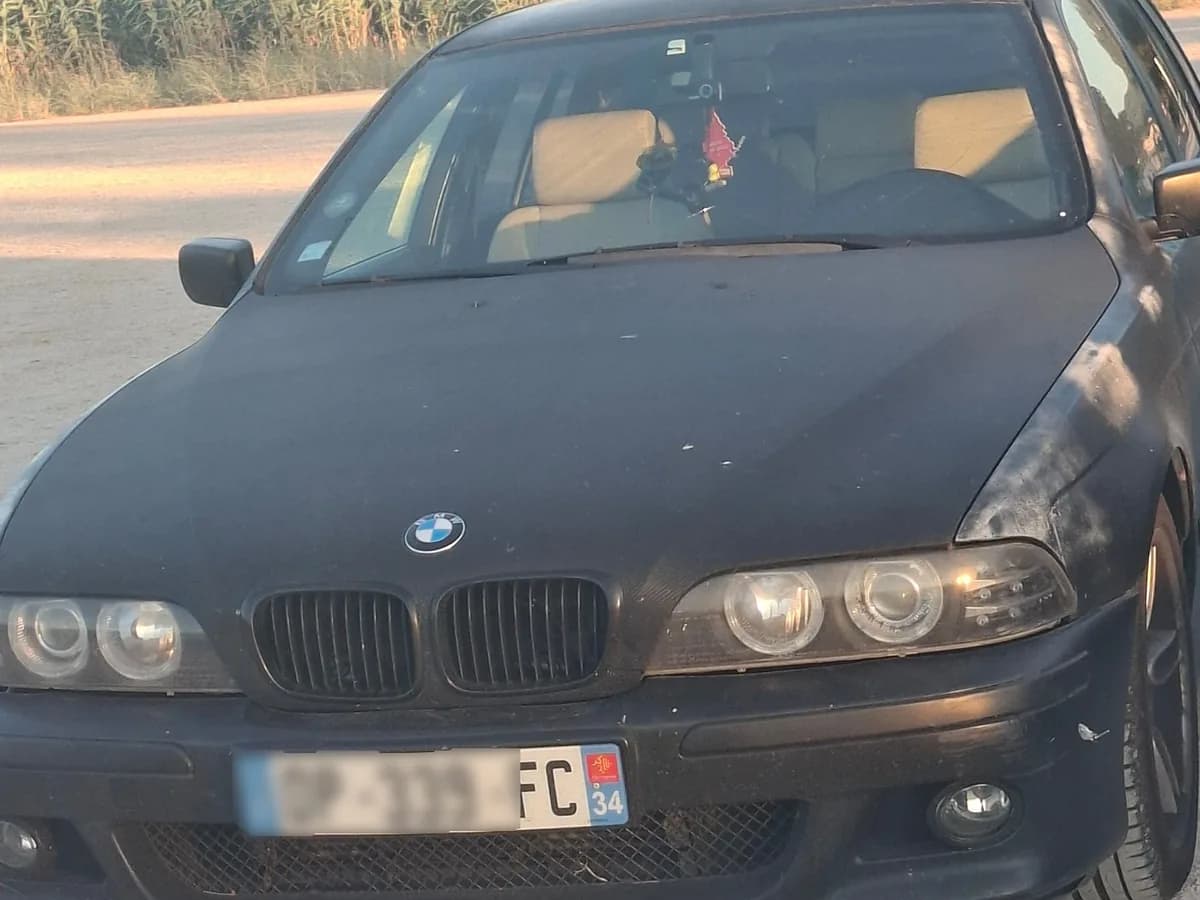
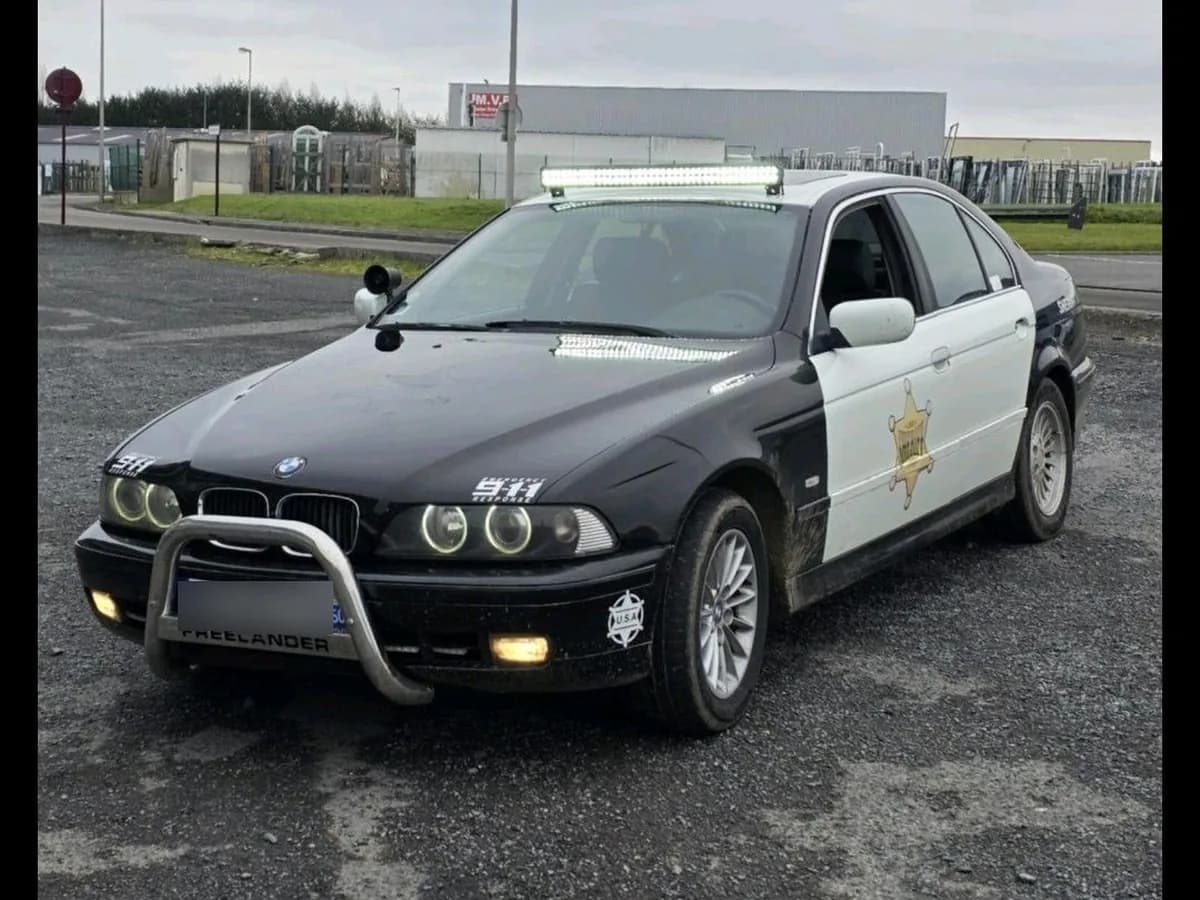
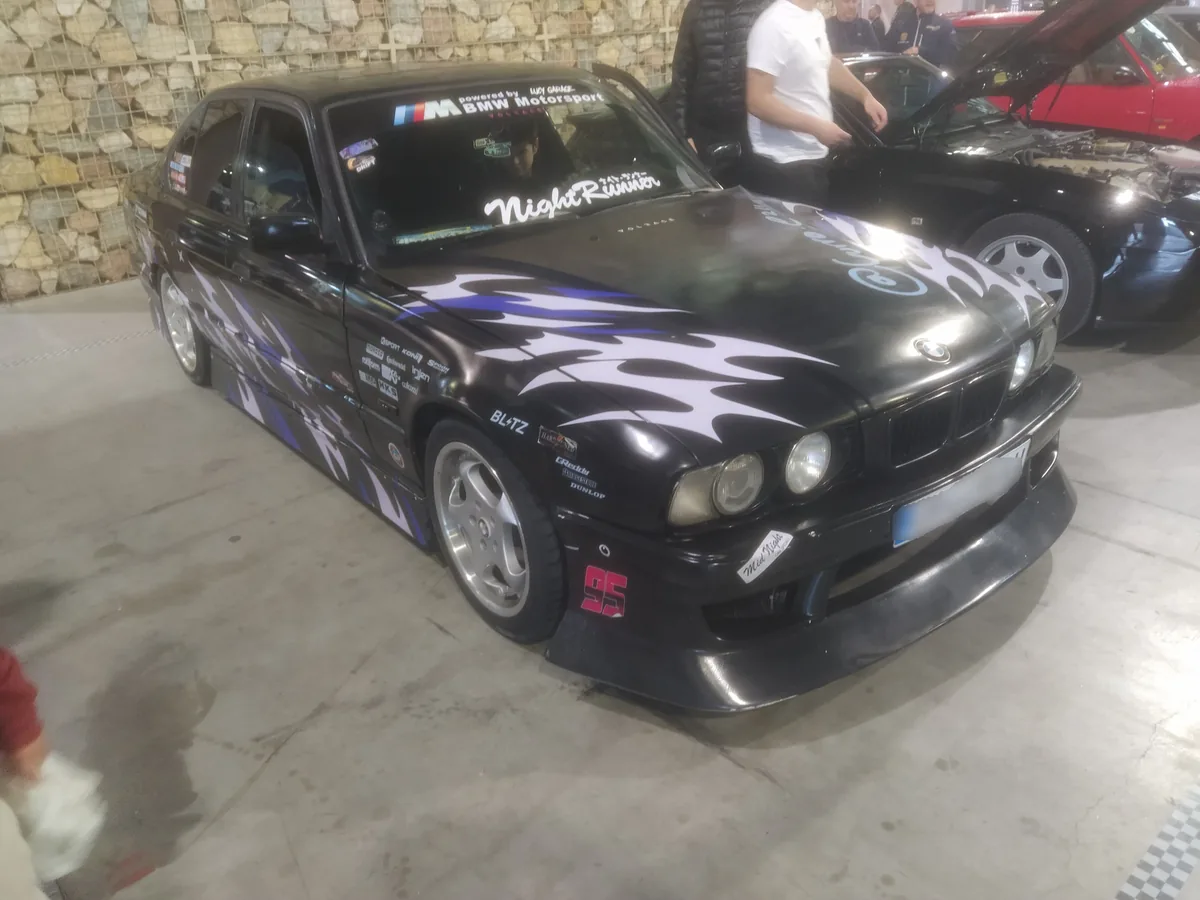
The first-generation E12 covers the 5 Series’ beginnings, from 1972 to approximately 1981. Its identifying features include large glass areas, a low waistline, a four-door notchback body and twin headlights. The E28 followed in the early 1980s with a sharper evolution of the original design. It introduced the series’ first diesel models, the efficiency-oriented eta concept and the first BMW M5. (press.bmwgroup.com) Introduced in 1988, the E34 was larger and more technically advanced. It was the first 5 Series to receive a Touring estate body and offered four-valve six-cylinder engines, V8 power and optional all-wheel drive in selected versions. The E39, launched in 1995, is commonly distinguished by its more rounded proportions and clear-lens headlamps. The E60/E61 arrived in 2003 with a more experimental design and a much more complex electronic architecture; BMW identifies this generation as the first 5 Series to offer a head-up display. (bmwgroup-classic.com) The 2010 F10/F11 returned to a more conservative visual theme, while the 2017 G30/G31 expanded connectivity and efficiency technology. The G60, introduced in 2023, brought a curved display, new digital services and the fully electric i5. Exact equipment and launch dates varied by market, body style and powertrain. (press.bmwgroup.com)
Key differences
The main differences between 5 Series models concern body style, generation and market. The four-door sedan is the continuous core of the range. The Touring, introduced in 1991 with the E34, adds a rear hatch and a more versatile cargo area; BMW also offered selected all-wheel-drive versions and launched an M5 Touring from 1992. (bmwgroup-classic.com) Model badges do not always indicate exact engine displacement, particularly on newer generations. They may reflect output, technology or position within the range. The suffixes “i,” “d,” “e,” “xDrive,” “M” and “Alpina” therefore identify different powertrain or performance approaches, but their meaning and availability vary by year and country. The Gran Turismo associated with the F07 generation is not simply a sedan with a hatchback: it uses a distinct, raised fastback-style body. Alpina B5, B10 and related derivatives are highly specialized conversions and should be separated from regular BMW production models and from the M5.
Photo recognition
To identify a 5 Series quickly, begin with the body style and, when available, the internal generation code. The E12 has a slim profile, large windows and a relatively simple front end. The E28 follows the same theme but uses sharper bumpers and more angular detailing. The E34 is longer and squarer; its Touring version is distinguished by a vertical tailgate and estate-car proportions. (press.bmwgroup.com) The E39 has rounder surfaces and headlamps beneath clear covers. The E60 is recognizable by its sloping bonnet, complex surfacing and iDrive-oriented interior. The F10 and G30 return to straighter, more restrained lines, while the G60 uses a wider front treatment, flush door handles and a curved display. Always check the model year, body style and market before assigning a specific version: the same badge can correspond to different engines, transmissions and equipment levels. M, Alpina and xDrive details can help identify a derivative, but they do not by themselves establish the generation.
Important versions
Important versions include the 1972 520 and 520i, which launched the series, and the 525, the first 5 Series with a six-cylinder engine. The E12 M535i was an early high-performance derivative developed with BMW Motorsport. The E28 introduced the 524td diesel, the efficiency-focused 525e and the first M5. (press.bmwgroup.com) The E34 added the first Touring estate and the M5 Touring. Alpina B10, B5 and D5 derivatives occupy a special position, as they are high-performance conversions distinct from regular BMW production models. The Gran Turismo brought a separate five-door fastback-style body to the family, while the G60 expanded the range with the electric i5. Exact badges, years and powertrains should always be checked against the relevant market and model year.
The name “5 Series” follows BMW naming, with its rules and its exceptions. Decode a BMW name
References
- The History of the BMW 5 SeriesBMW Group PressClub USA
- Five Times Around. History of the BMW 5 SeriesBMW Group PressClub USA
- BMW 5 Series Sedan (E28)BMW Group Classic
- BMW 5 Series Touring (E34)BMW Group Classic
- Digital, dynamic, and now also fully electric: the BMW 5 Series enters a new eraBMW Group PressClub USA
- The All-New 2024 BMW 5 SeriesBMW Group PressClub USA
- https://www.press.bmwgroup.com/united-kingdom/article/detail/T0075433EN_GB/the-new-bmw-5-series-saloon?language=en_GBpress.bmwgroup.com
- https://www.press.bmwgroup.com/usa/article/detail/T0141999EN_US/the-new-bmw-5-series-sedan-and-bmw-5-series-gran-turismopress.bmwgroup.com
Frequently asked questions
- What years was the BMW 5 Series produced?
- ScanRacer's referenced versions cover 1972 - 2023.
- How many BMW 5 Series examples are documented on ScanRacer?
- 47 published scans from 41 members, with the latest photo added in September 2026.