BMW 5 Series Sedan 1995
In 1995, the BMW 5 Series Sedan belongs to the long-running four-door core of the range. By this point, the lineage had already moved through several generations, from the E12 and E28 to the E34, with each step broadening the offer and modernizing the engineering. The Sedan body style remains the historical backbone of the 5 Series, reflecting BMW’s role in the mid-size sporty sedan segment. For 1995, the dossier places this car at a turning point, as the E34 gives way to the E39, launched that same year, which helps define its place in the model’s evolution.
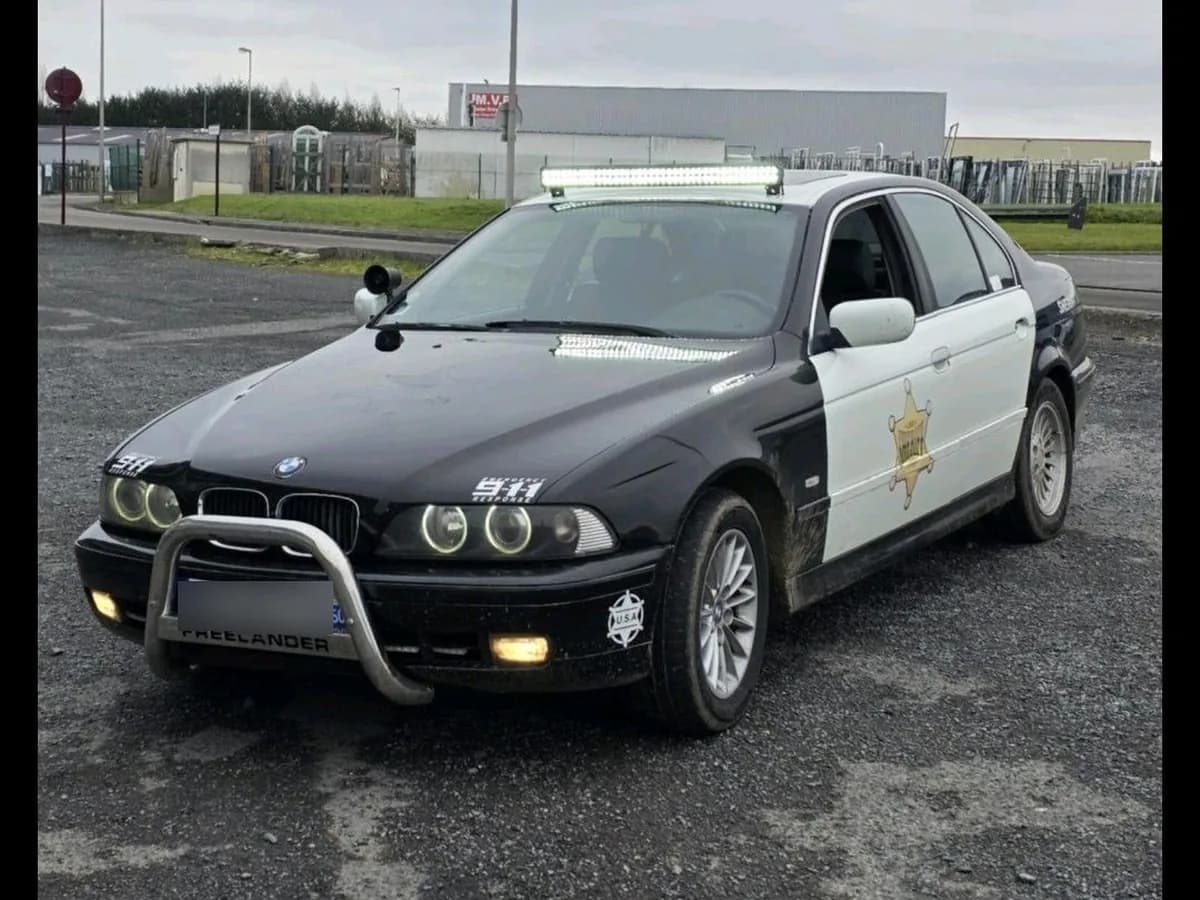
History
The BMW 5 Series comes from the Neue Klasse family, whose 1500, 1800, and 2000 sedans helped BMW regain a strong position in the mid-size sporty sedan market. The first 5 Series, the E12, arrived in 1972 with the 520 and 520i, bringing a more spacious body and four-cylinder engines. The range quickly expanded to include the six-cylinder 525, followed by more ambitious versions such as the 528 and the M535i developed with support from BMW Motorsport. BMW says E12 production ended in 1981 after nearly 700,000 units.
The E28 followed in 1981, keeping a similar overall shape while adopting more modern engineering. It introduced the series’ first diesel versions, the efficiency-focused 525e, and the first M5. Launched in 1988, the E34 widened the range further and added the Touring body in 1991. By 1995, the Sedan therefore sits in the phase where the 5 Series had already established its role in the premium segment, just before the arrival of the E39, known for softer proportions and headlamps under glass.
Latest scans
Photos added by the community for this page.
Evolution
For a 1995 BMW 5 Series Sedan, the key point is the transition between two generations. The four-door sedan remains the core form of the range, but 1995 is also the year the E39 enters the 5 Series story. The dossier identifies it by its headlamps under glass and softer proportions, which set it apart from the E34 with its more angular presence.
The 1995 Sedan therefore belongs to the closing stage of the phase that began in 1988, when the E34 brought more length, a more modern look, and a broader lineup. Without going beyond the confirmed information on market or engine details, it can be said that the Sedan continues as the reference body style while the move to the E39 illustrates the series’ stylistic and technical progression.
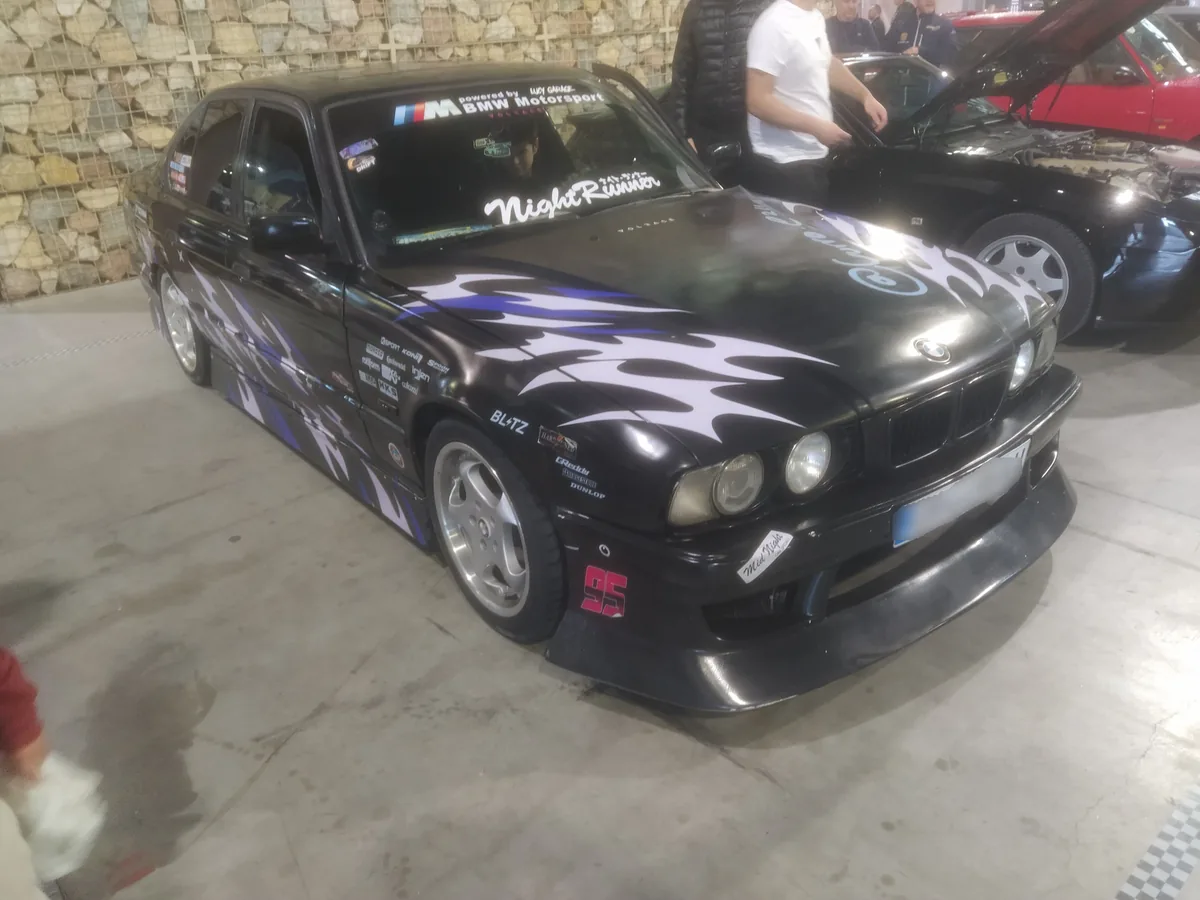
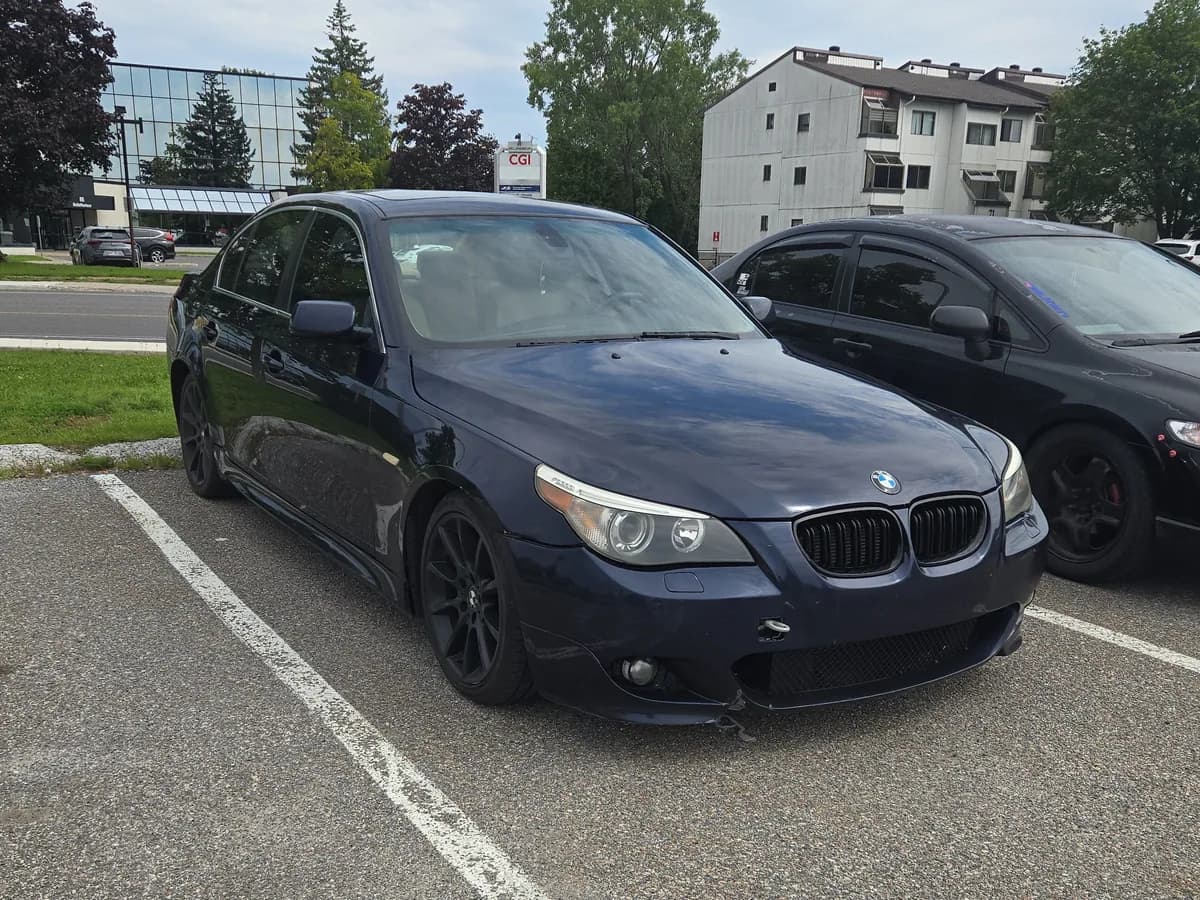
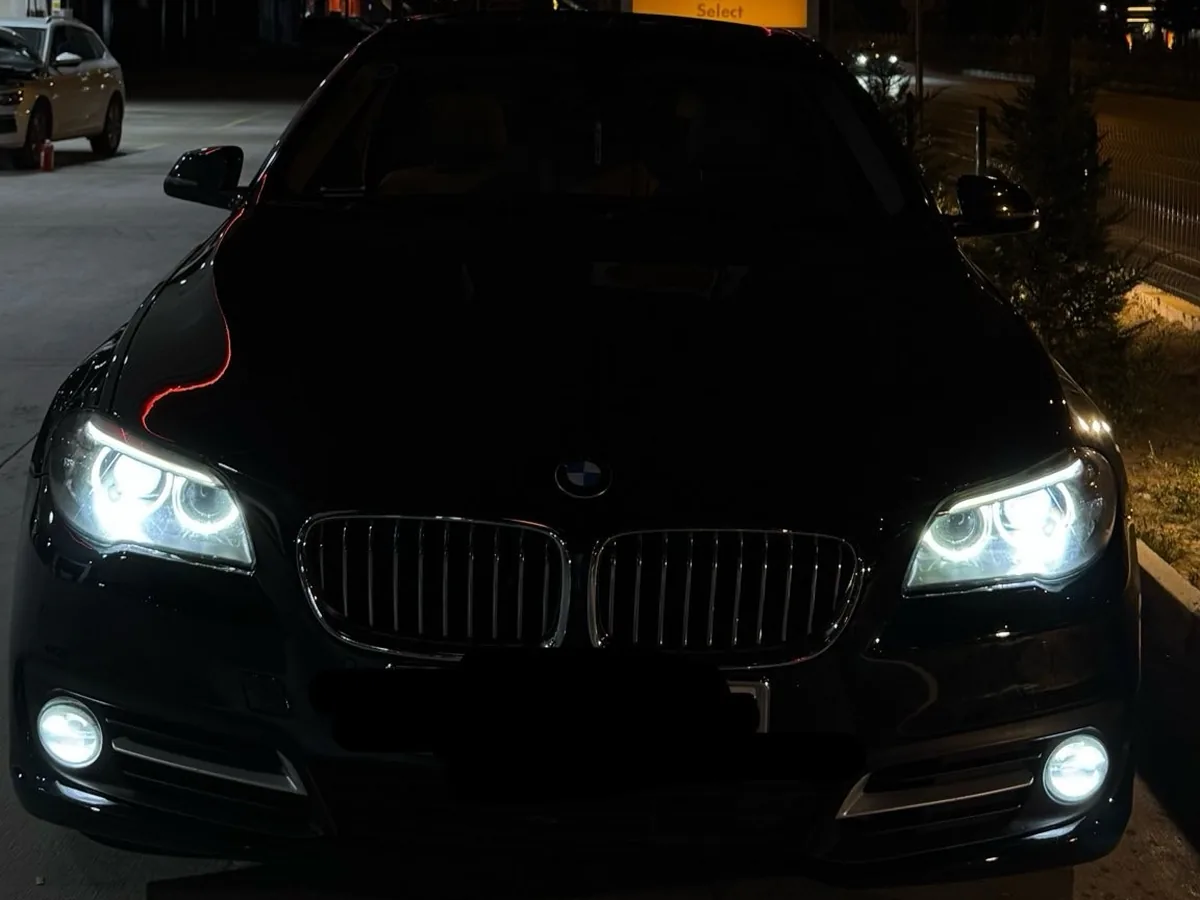
Variants
References
- The History of the BMW 5 SeriesBMW Group PressClub USA
Supports the E12 history, original 520 and 520i launch, design characteristics, six-cylinder expansion, M535i and first-generation development.
- Five Times Around. History of the BMW 5 SeriesBMW Group PressClub USA
Supports the model lineage, E12 through later generations, E34 Touring, M5 Touring and broad historical milestones.
- BMW 5 Series Sedan (E28)BMW Group Classic
Supports E28 production, diesel models, 525e, M535i and the first M5.
- BMW 5 Series Touring (E34)BMW Group Classic
Supports the E34 Touring introduction in 1991, body-style characteristics, engines and M5 Touring context.
- Digital, dynamic, and now also fully electric: the BMW 5 Series enters a new eraBMW Group PressClub USA
Supports the eighth-generation G60 launch in 2023, BMW i5, curved display, digital systems and mixed powertrain strategy.
- The All-New 2024 BMW 5 SeriesBMW Group PressClub USA
Supports the 2023 market introduction of the eighth-generation 5 Series and the first fully electric i5.
- https://www.press.bmwgroup.com/united-kingdom/article/detail/T0075433EN_GB/the-new-bmw-5-series-saloon?language=en_GBpress.bmwgroup.com
Source found by OpenAI web search for this model page.
- https://www.press.bmwgroup.com/usa/article/detail/T0141999EN_US/the-new-bmw-5-series-sedan-and-bmw-5-series-gran-turismopress.bmwgroup.com
Source found by OpenAI web search for this model page.