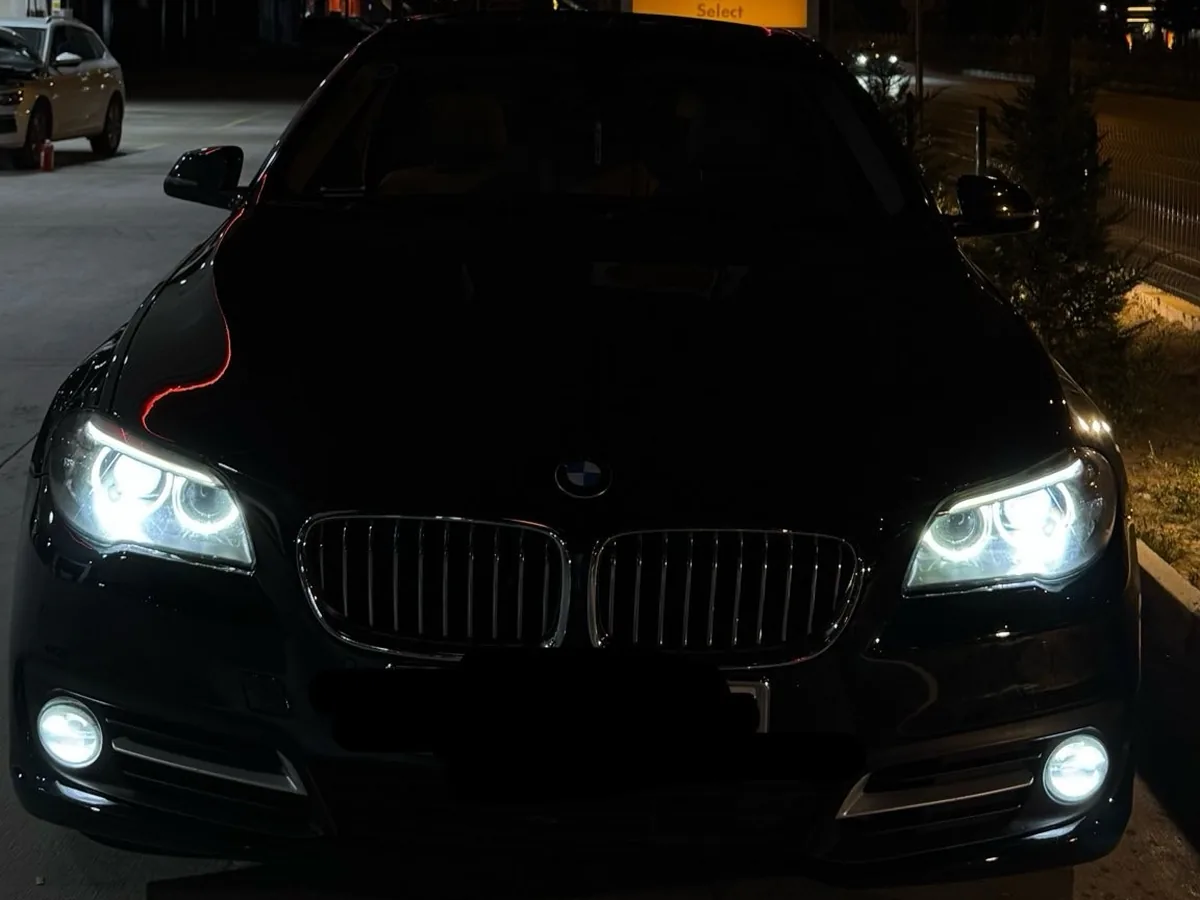
BMW 5 Series Sedan 2010
In 2010, the BMW 5 Series Sedan fits into BMW’s move back toward a more traditional executive saloon after the more distinctive E60 era. Rooted in the Neue Klasse lineage, it continues the idea of a mid-sized sporty sedan that mixes prestige, everyday usability and road-focused character. The four-door body remains the core of the range, while the 2010 model year corresponds to the F10 generation, described in the dossier as a return to a more classic and conventional design. The dossier also makes clear that names and technical content can vary by market, so mechanical details for this version must be treated cautiously.
History
BMW’s 5 Series comes from the Neue Klasse family, whose 1500, 1800 and 2000 saloons had already helped position BMW in the mid-size sporty executive segment. With the E12 launched in 1972, BMW gave the range a clear identity around a roomier body and engines ranging from four-cylinder units to six-cylinders. The E28, introduced in 1981, modernized the formula without abandoning the basic silhouette, then expanded the lineup with diesel power, the eta concept and the first M5. The E34, launched in 1988, brought more space and maturity, while the E39 and E60/E61 further strengthened the premium image through more ambitious technical and electronic solutions.
The 2010 Sedan belongs to the F10 generation, which the dossier describes as a return to a more classic design. It therefore continues the long-standing role of the four-door saloon at the center of the 5 Series line-up. In that sense, the car is defined not only by its model year, but also by its place in a lineage where trim names, engines and equipment vary significantly by market and year.
Latest scans
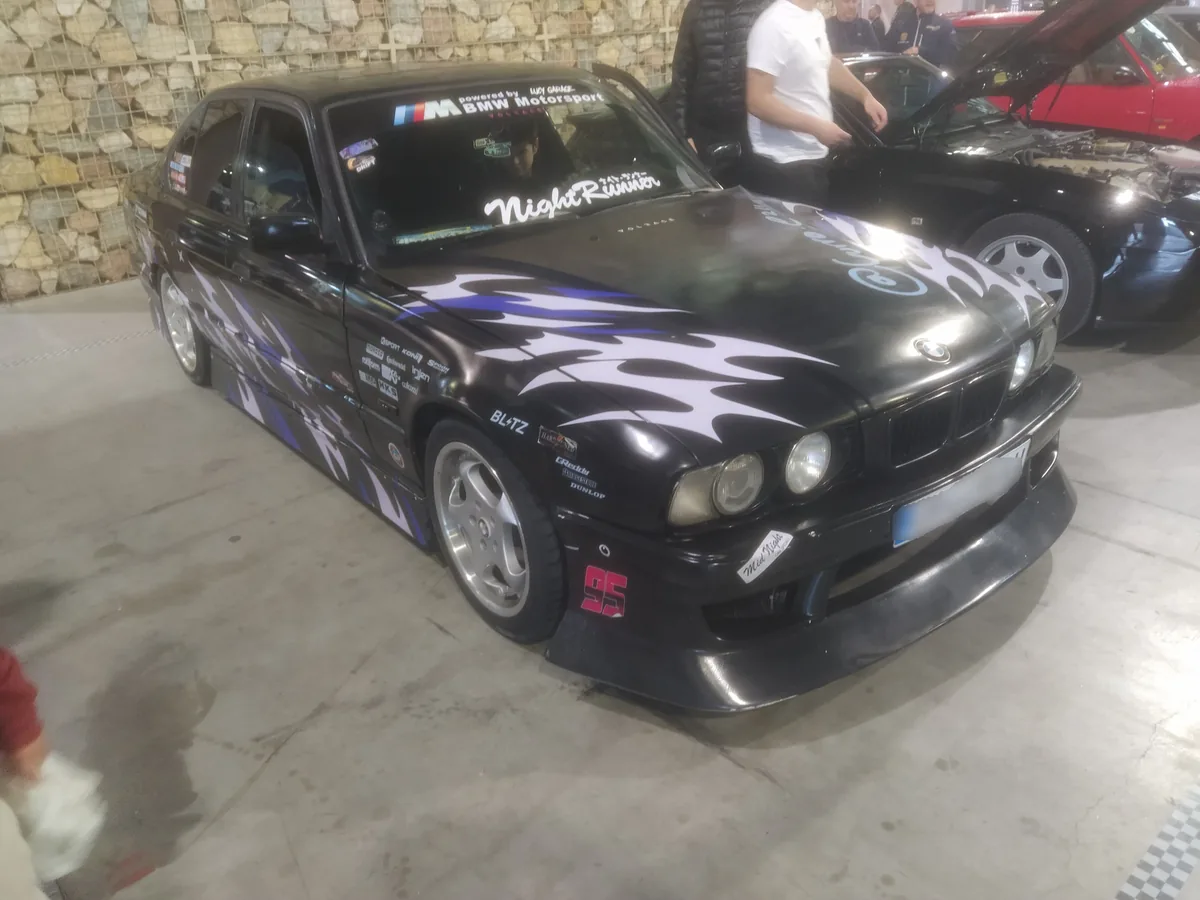
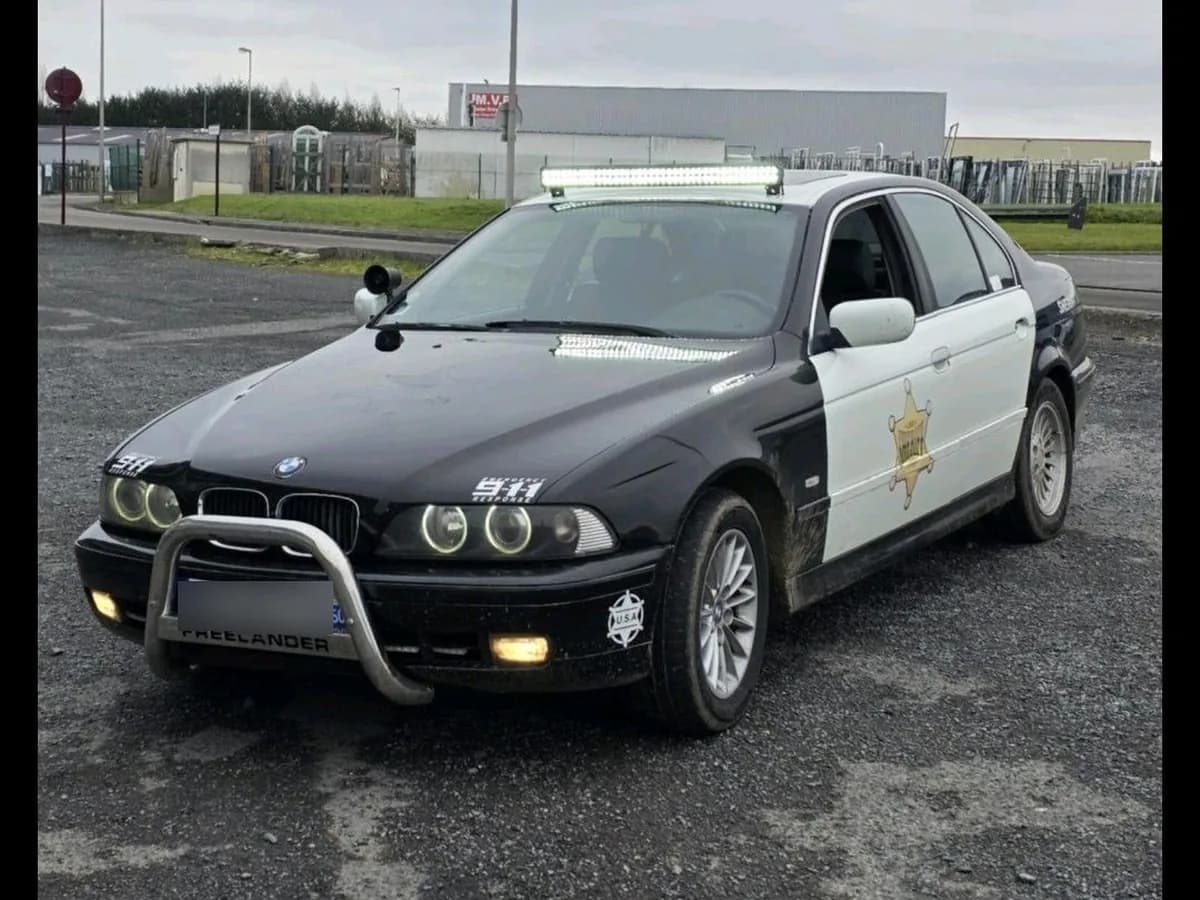
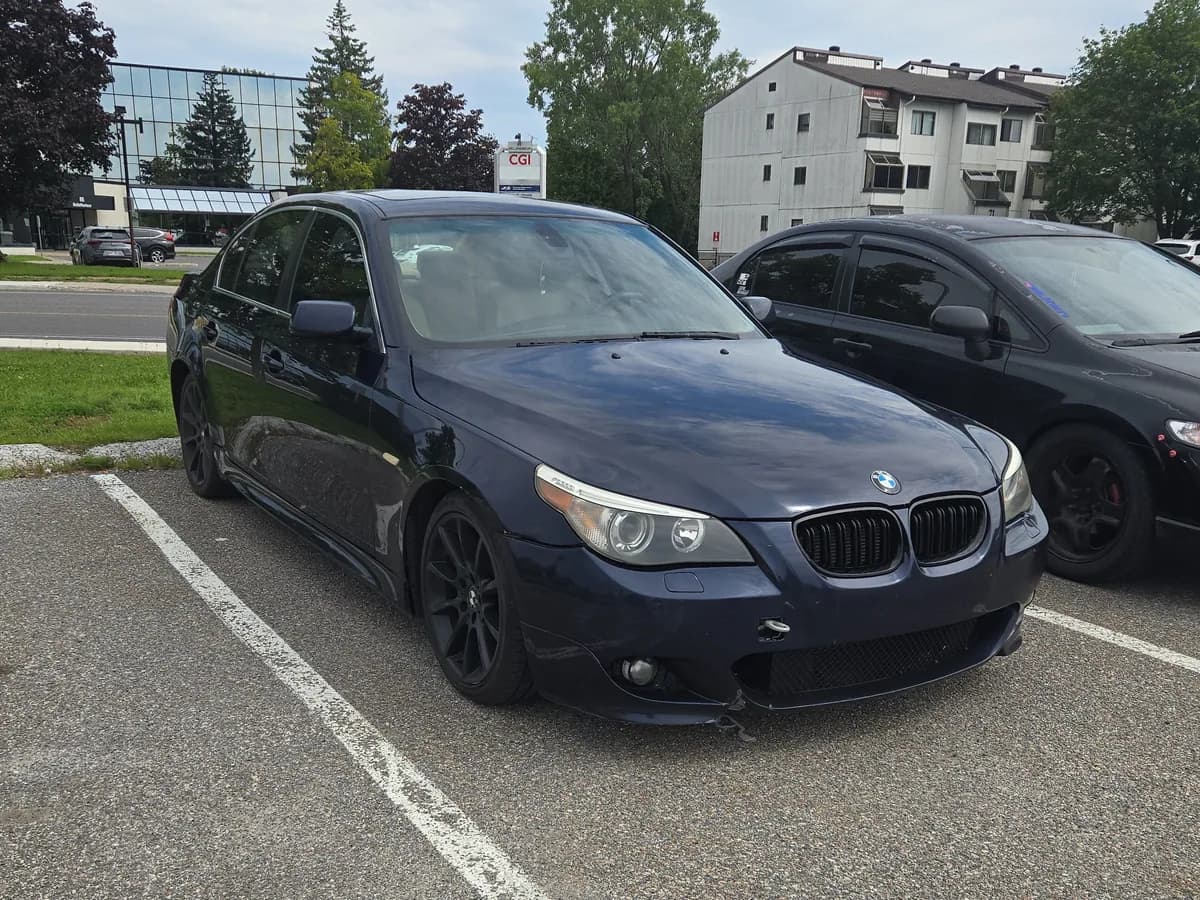
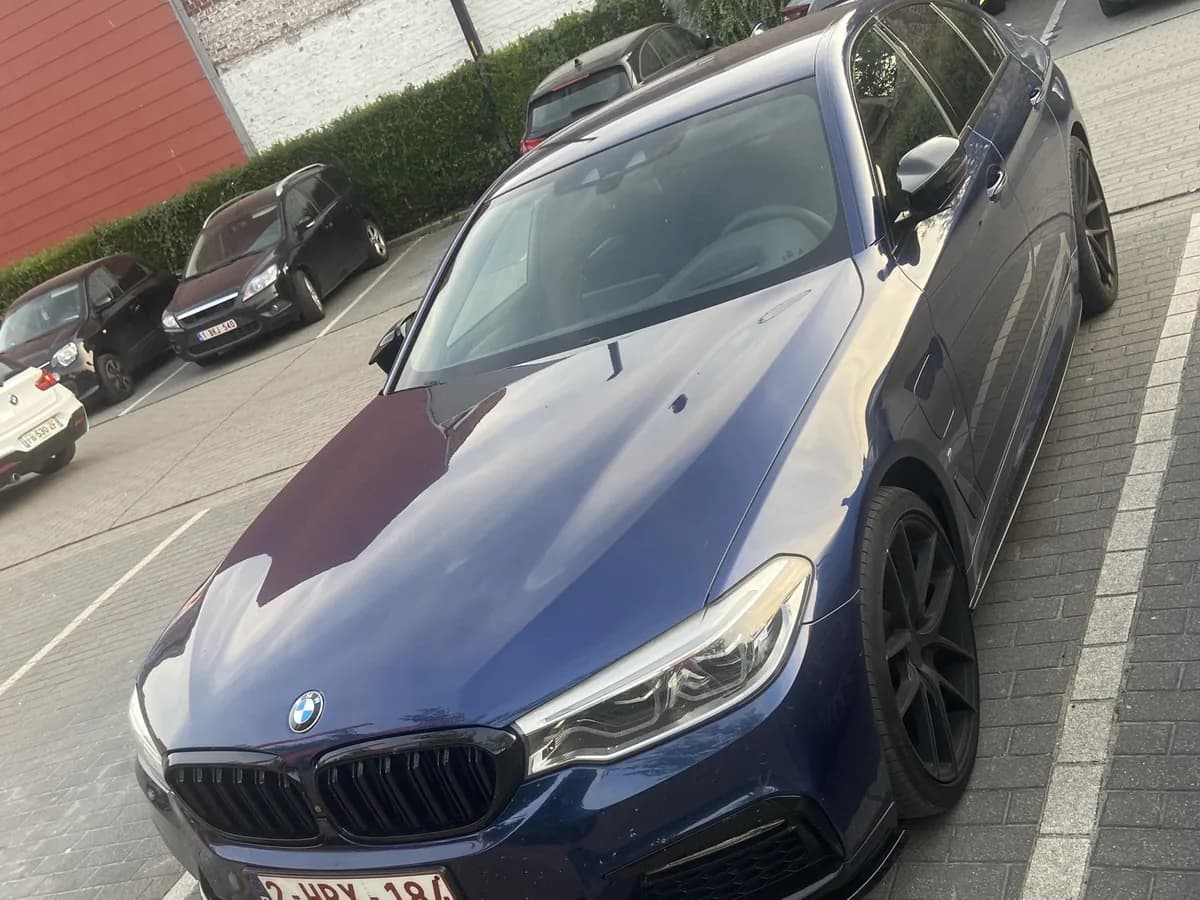
Photos added by the community for this page.
Evolution
For the 2010 model year, the 5 Series Sedan follows the F10 generation logic, described in the dossier as a move back to more classic lines after the more controversial E60 styling. This gives it a more traditional BMW sedan presence and a more conventional overall shape. It remains a 5 Series first and foremost because of its role: a four-door saloon at the center of the range.
Any detailed technical evolution has to be handled carefully, since the dossier notes that equipment and naming conventions are not consistent across all markets. For the 2010 Sedan, the key point is its place in the model’s continuity, balancing modernization with a return to a more restrained presentation.
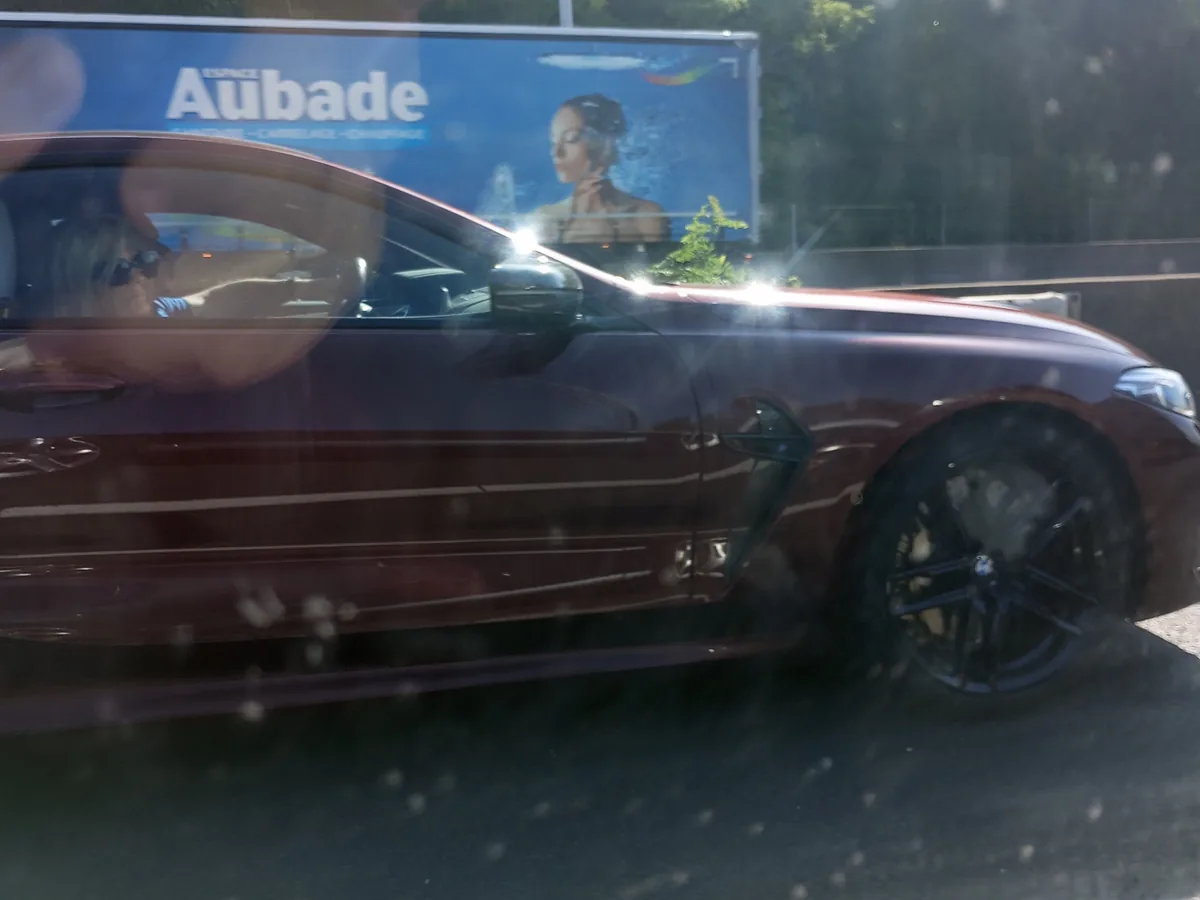
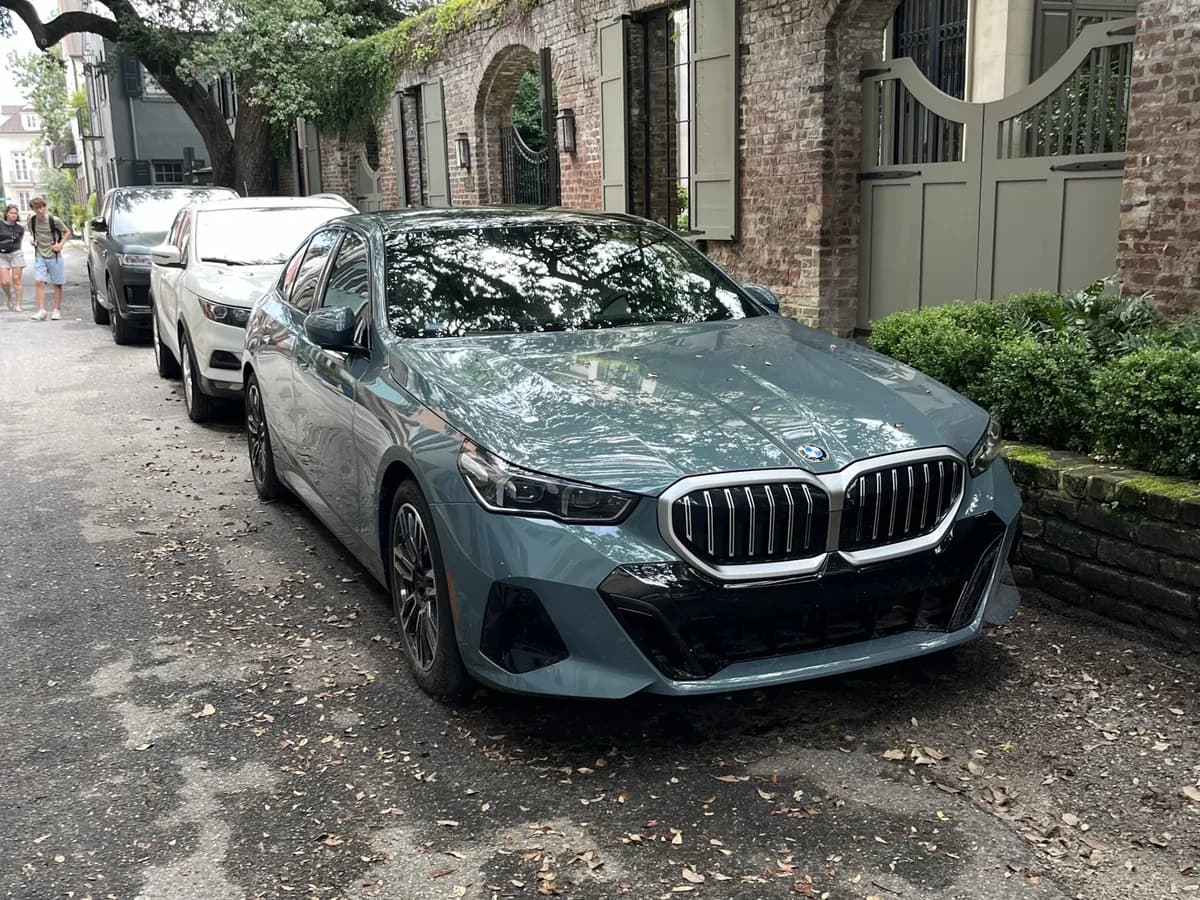
Variants
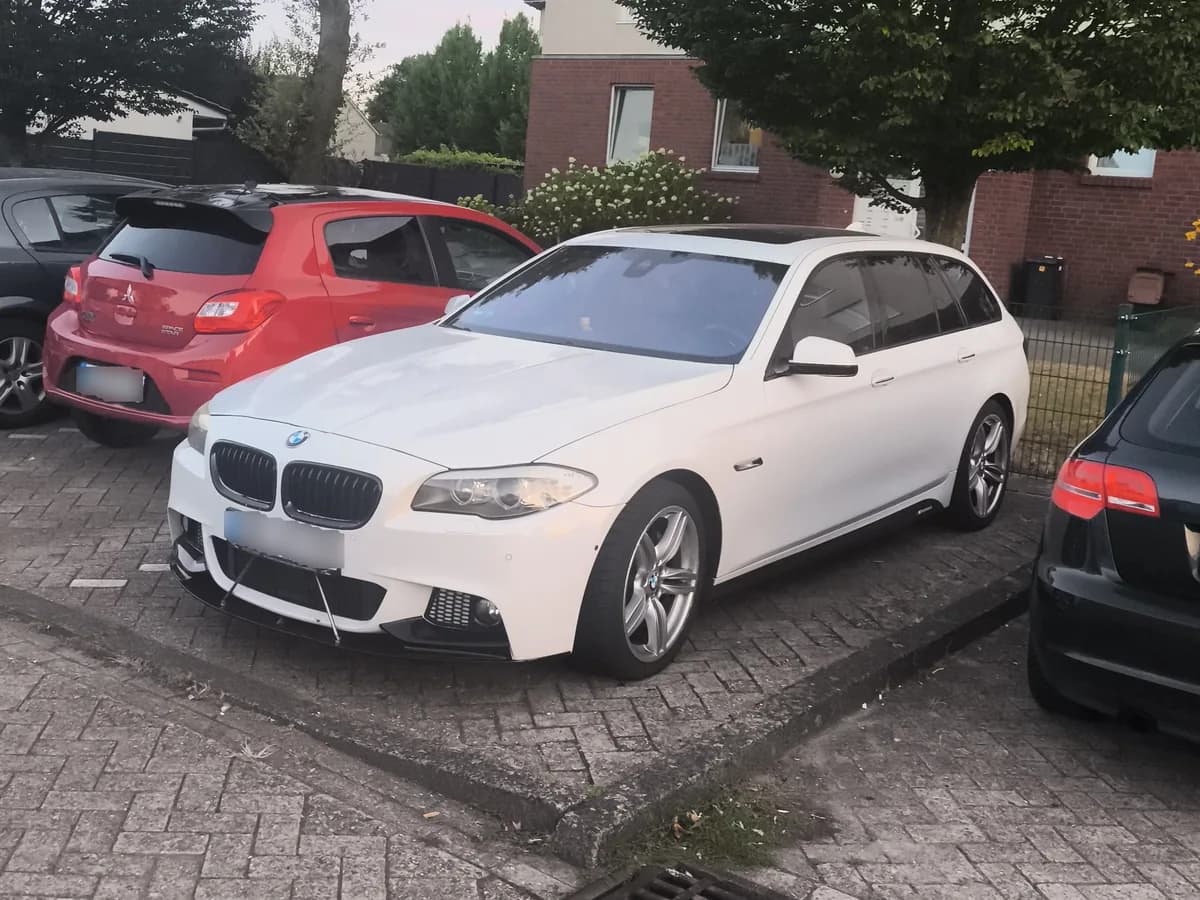
Within the 5 Series family, body style is the clearest distinction. The four-door Sedan is the main thread of the range, while the Touring, introduced with the E34 in 1991, adds a tailgate and greater practicality. The dossier also notes that some versions may receive all-wheel drive depending on market and generation. For 2010, the Sedan is therefore identified mainly by its role as the classic saloon within the F10 generation.
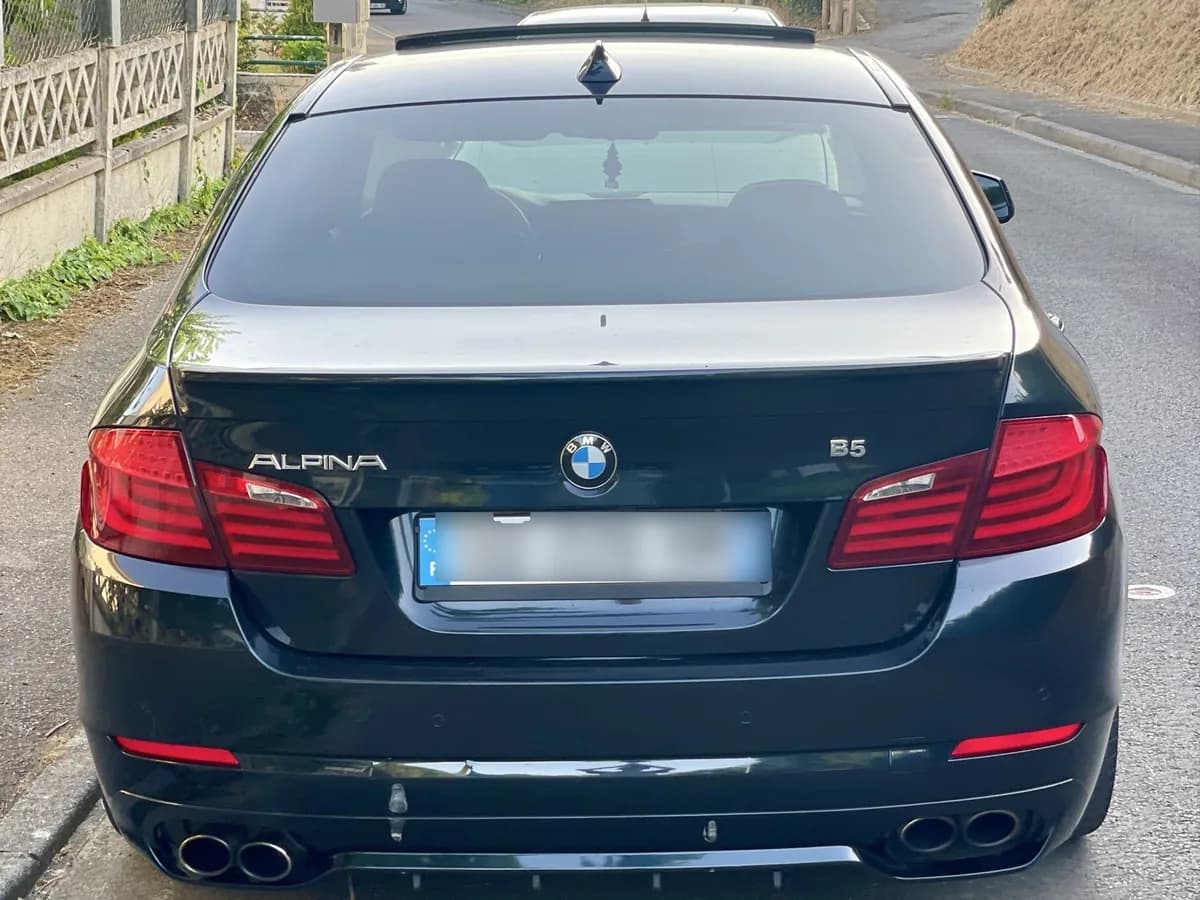
Other differences come from trim and mechanical naming, but those should not be assumed without confirmation. The suffixes i, d, e, xDrive, M and Alpina refer to very different setups, and their meaning depends on market context. For this exact version, the safest identification is the Sedan body and its place in the F10 generation.
References
- The History of the BMW 5 SeriesBMW Group PressClub USA
Supports the E12 history, original 520 and 520i launch, design characteristics, six-cylinder expansion, M535i and first-generation development.
- Five Times Around. History of the BMW 5 SeriesBMW Group PressClub USA
Supports the model lineage, E12 through later generations, E34 Touring, M5 Touring and broad historical milestones.
- BMW 5 Series Sedan (E28)BMW Group Classic
Supports E28 production, diesel models, 525e, M535i and the first M5.
- BMW 5 Series Touring (E34)BMW Group Classic
Supports the E34 Touring introduction in 1991, body-style characteristics, engines and M5 Touring context.
- Digital, dynamic, and now also fully electric: the BMW 5 Series enters a new eraBMW Group PressClub USA
Supports the eighth-generation G60 launch in 2023, BMW i5, curved display, digital systems and mixed powertrain strategy.
- The All-New 2024 BMW 5 SeriesBMW Group PressClub USA
Supports the 2023 market introduction of the eighth-generation 5 Series and the first fully electric i5.
- https://www.press.bmwgroup.com/united-kingdom/article/detail/T0075433EN_GB/the-new-bmw-5-series-saloon?language=en_GBpress.bmwgroup.com
Source found by OpenAI web search for this model page.
- https://www.press.bmwgroup.com/usa/article/detail/T0141999EN_US/the-new-bmw-5-series-sedan-and-bmw-5-series-gran-turismopress.bmwgroup.com
Source found by OpenAI web search for this model page.