
911
First shown as the Type 901 at the Frankfurt Motor Show on September 12, 1963, Porsche changed the name to 911 before the car went on sale. Its rear-mounted six-cylinder boxer engine, occasional rear seats and fastback profile established the basic formula for one of the longest-running sports-car nameplates in production. Across successive generations, Porsche retained that identity while adding turbocharging, four-wheel drive, electronic engine management, water cooling and increasingly sophisticated chassis systems. The recorded range includes Coupé, Targa, Cabriolet, Speedster, GT1 and Dakar forms, tracing the model line from the original 1963 car to the 992 generation introduced in 2019. The result is an unusually broad family that spans everyday Carrera models, open-top derivatives, competition-focused GT cars and limited-production special editions.
Variants by year
2026
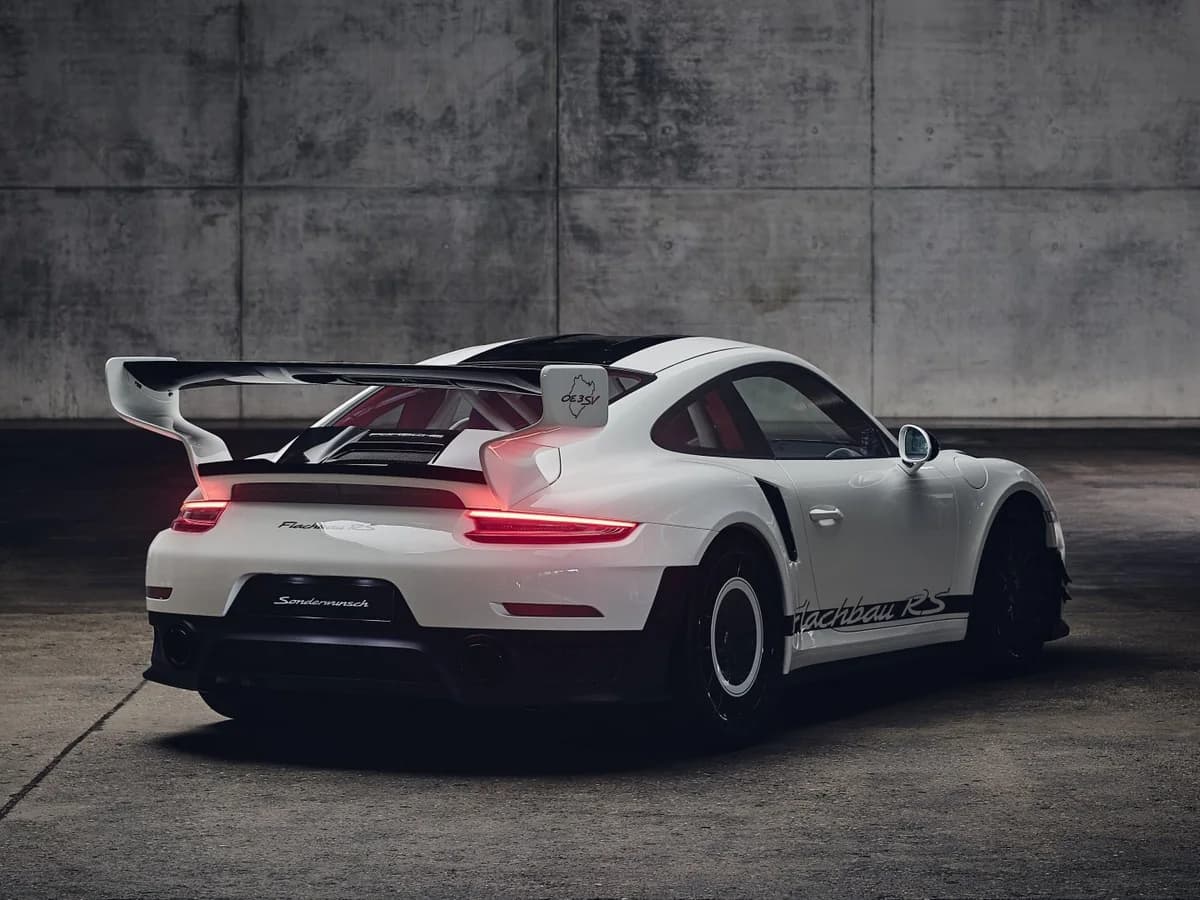
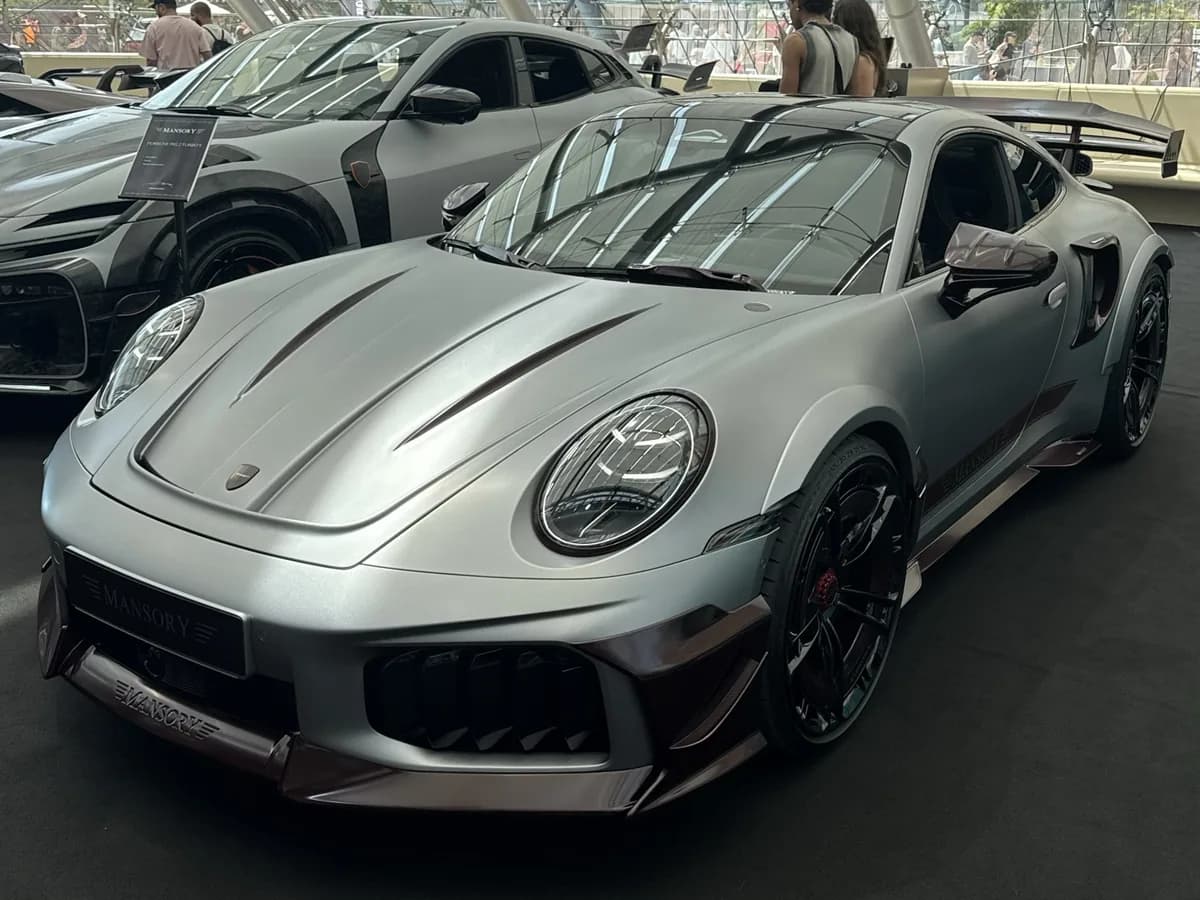
2025
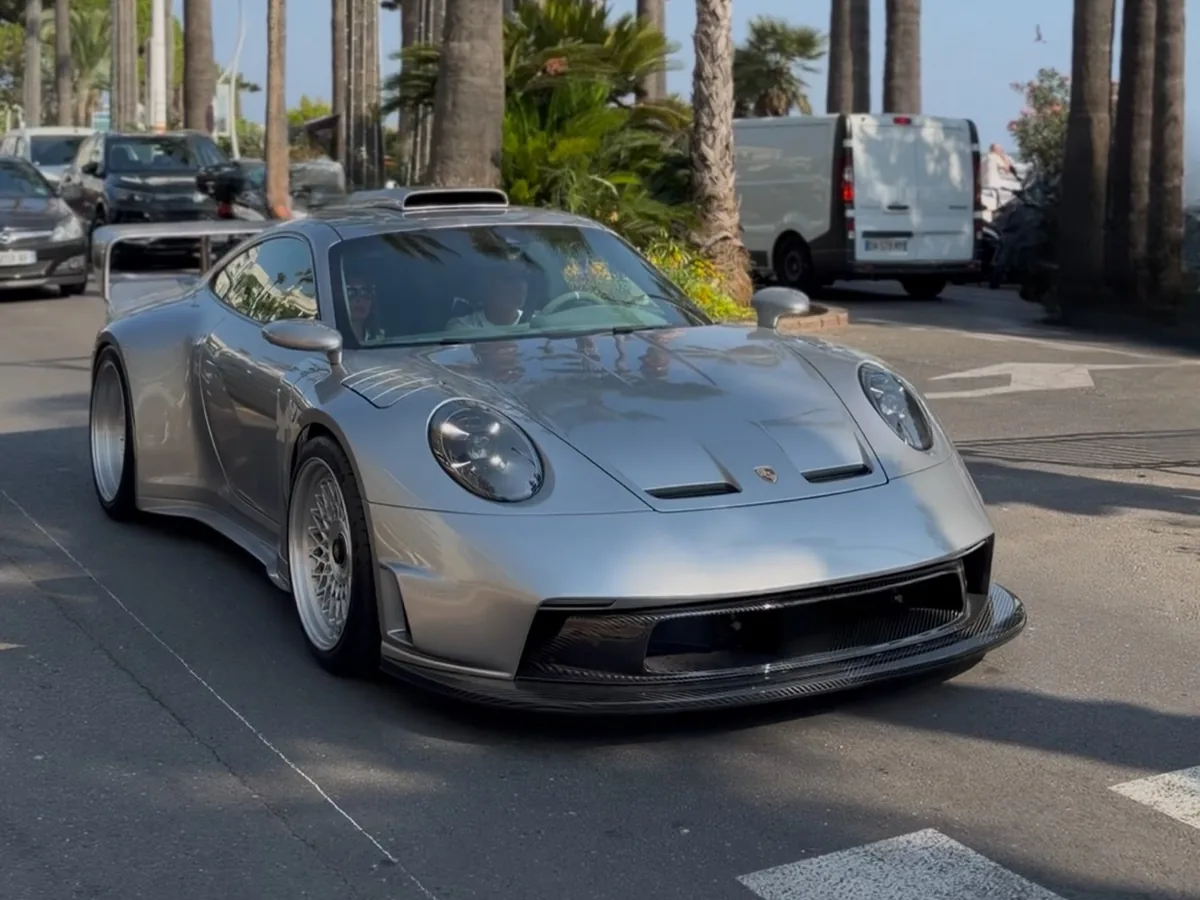
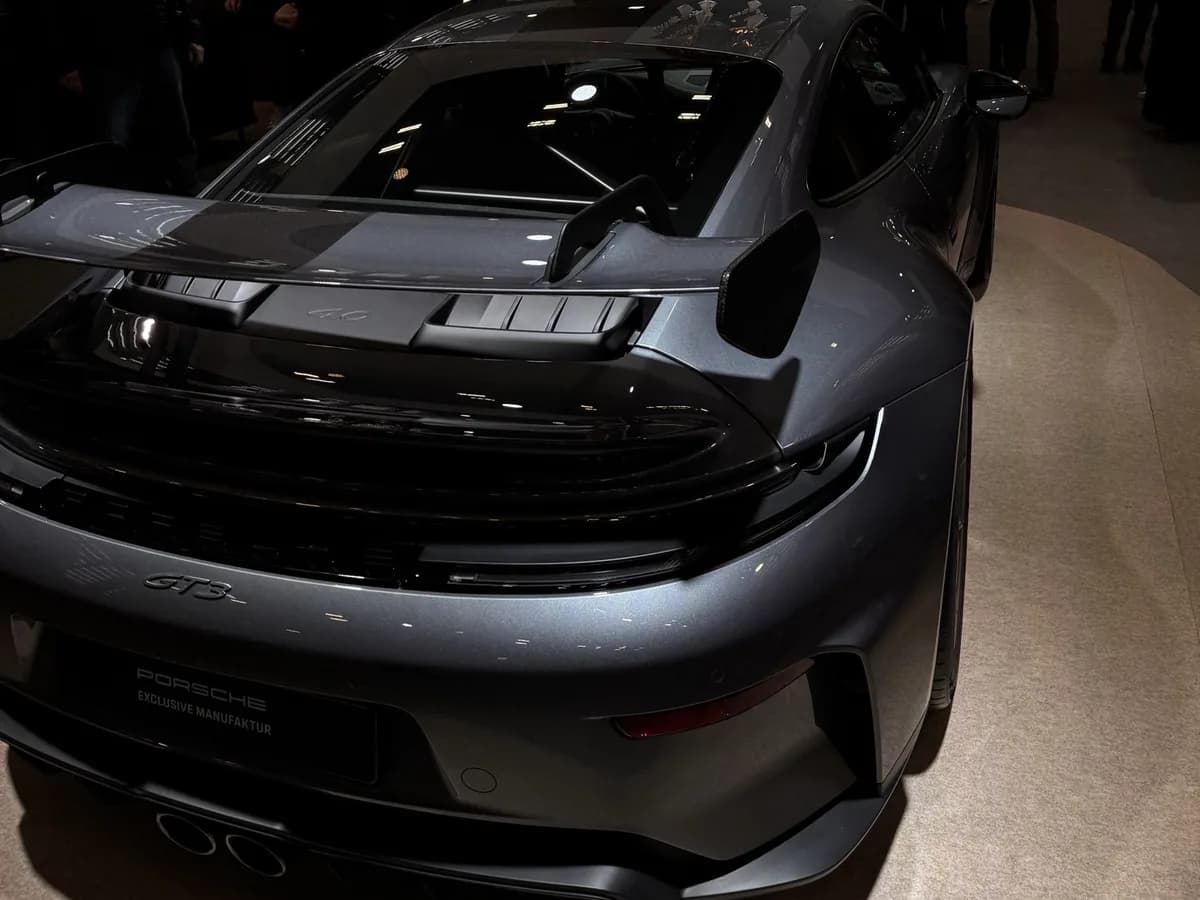
2024
2023
2022
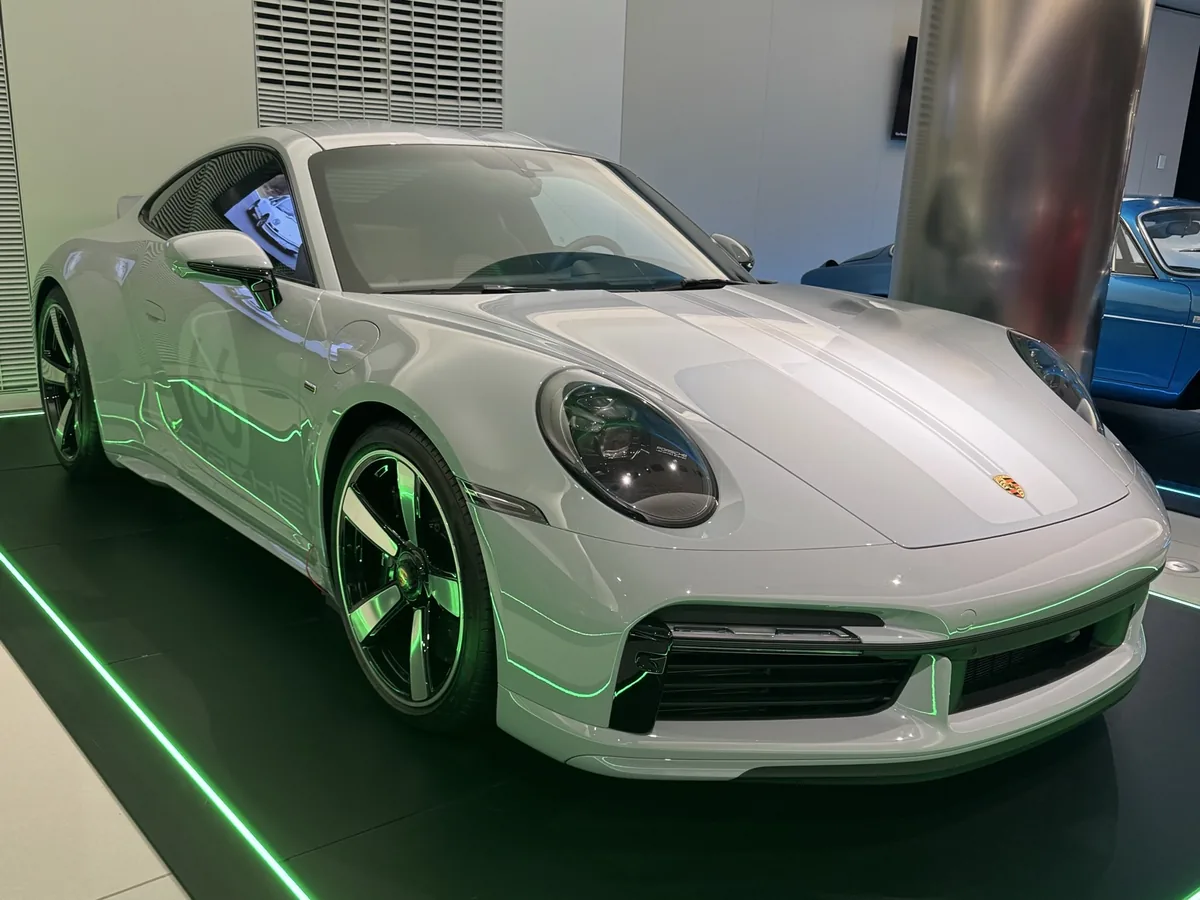
2020
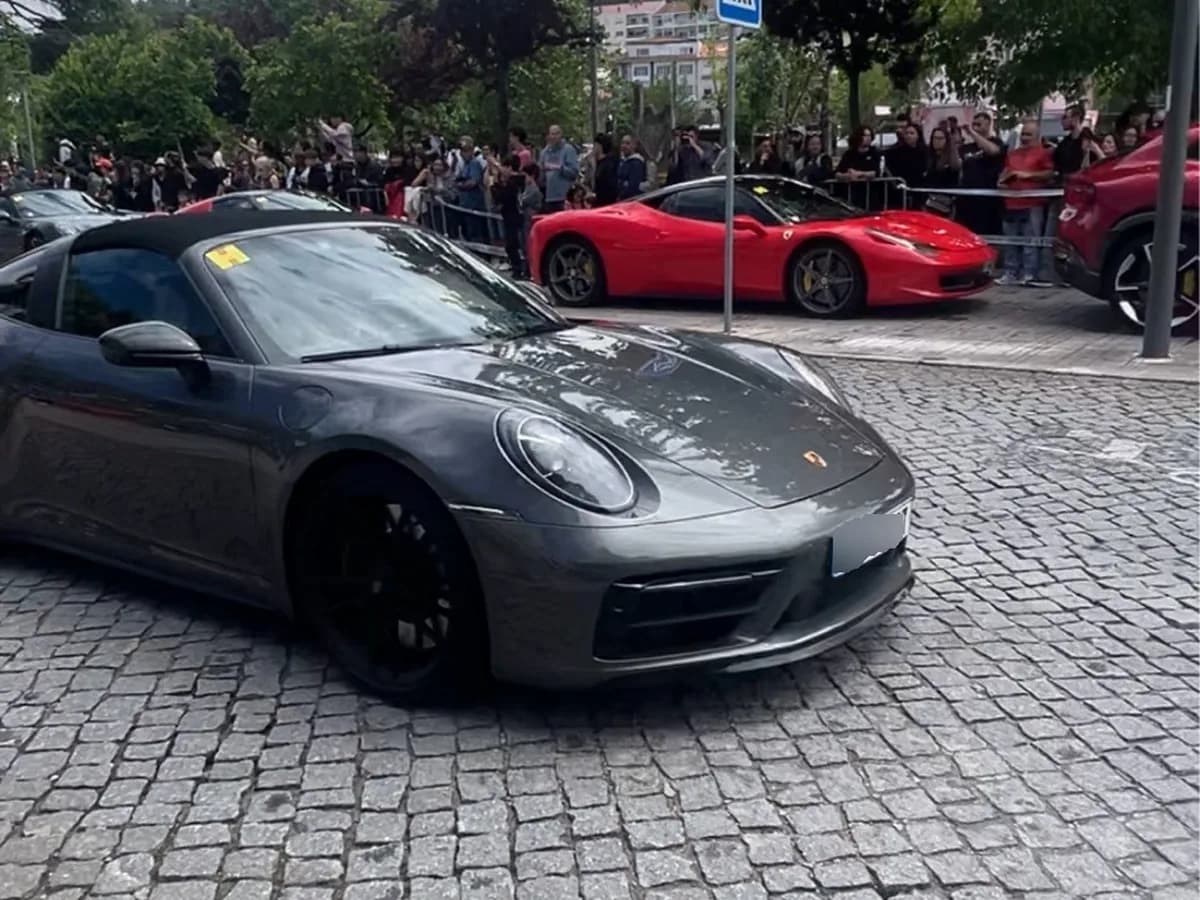
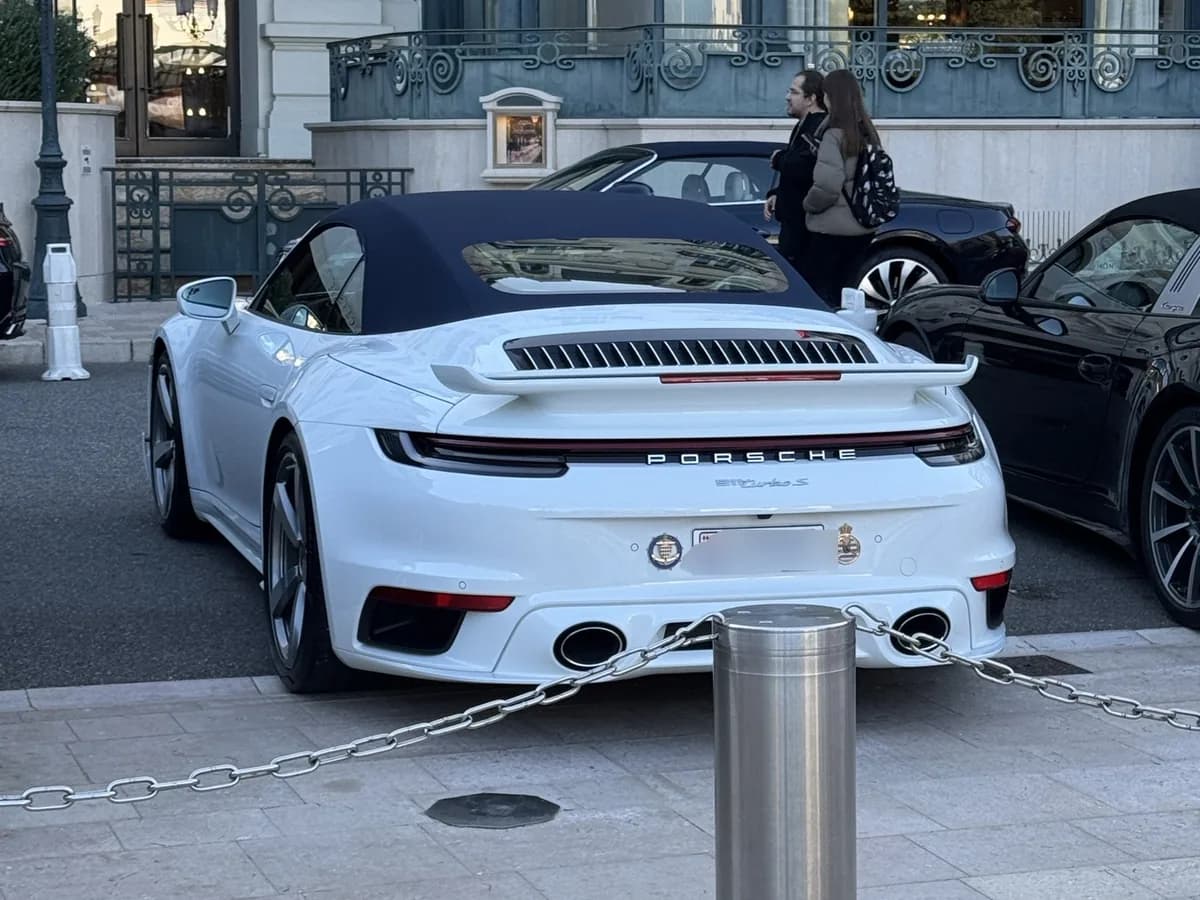
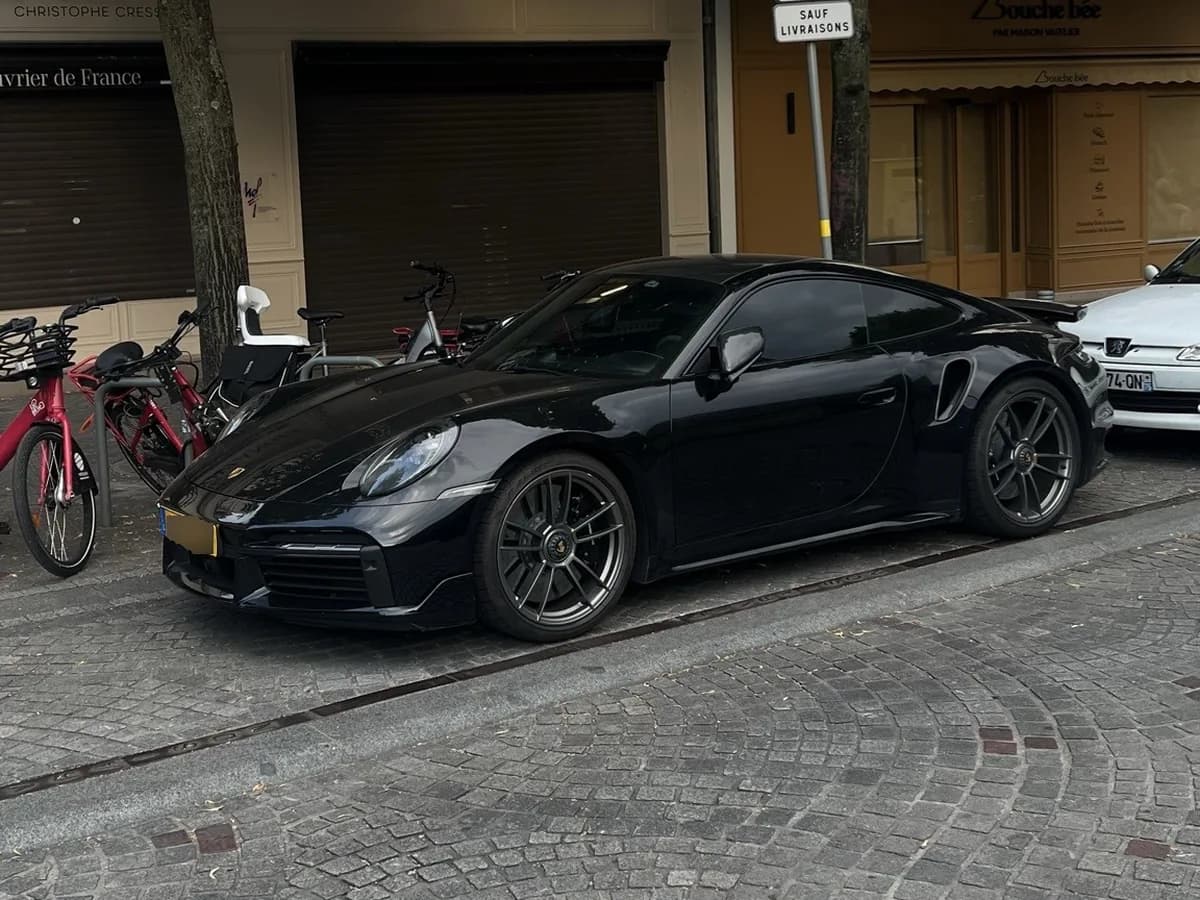
2019
2018
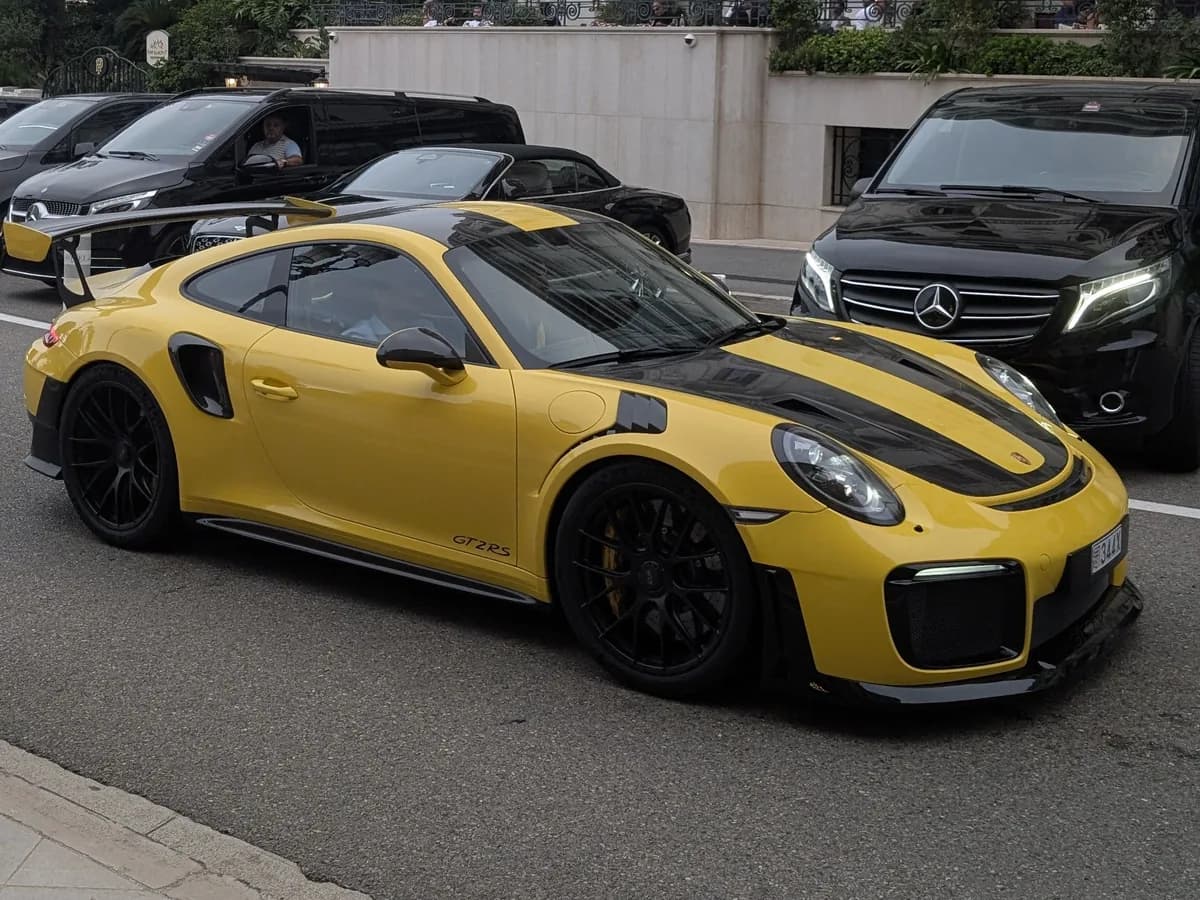
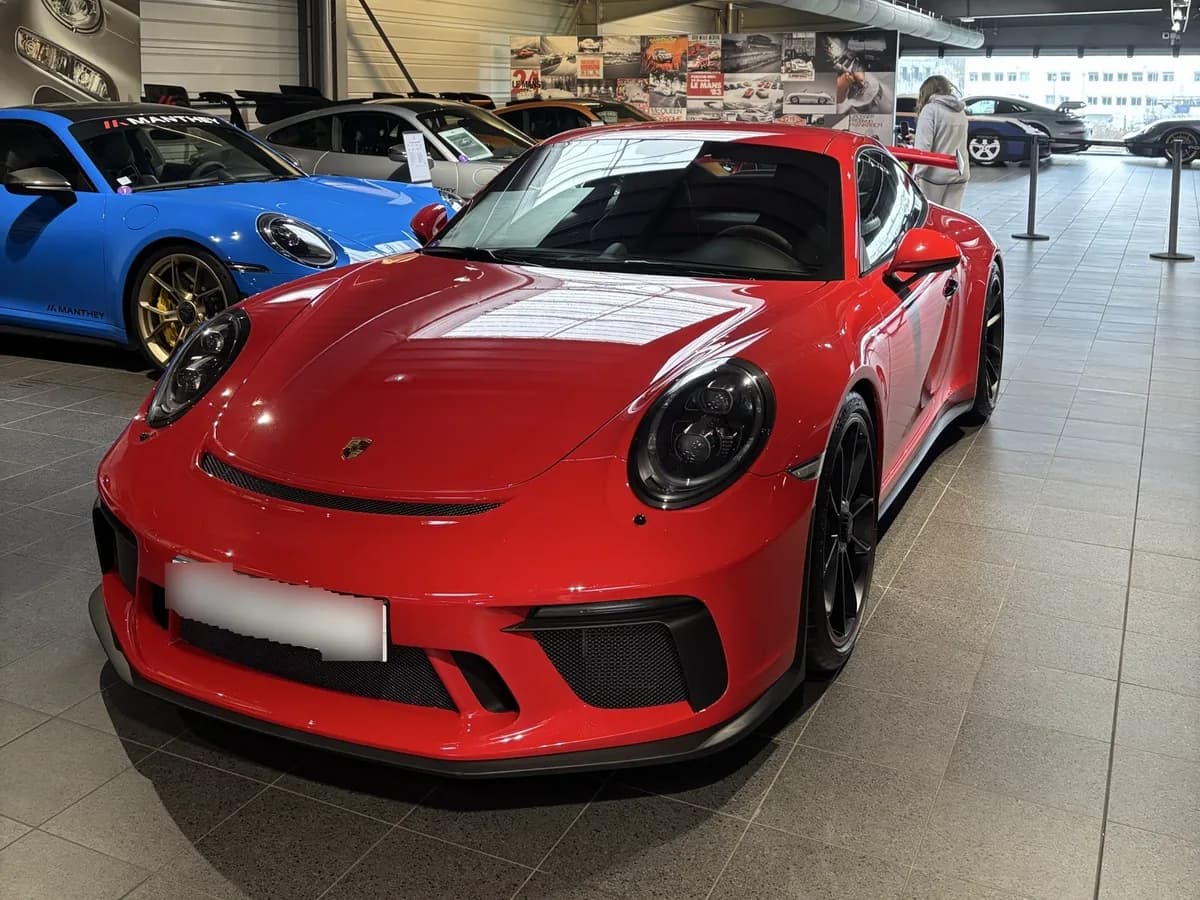
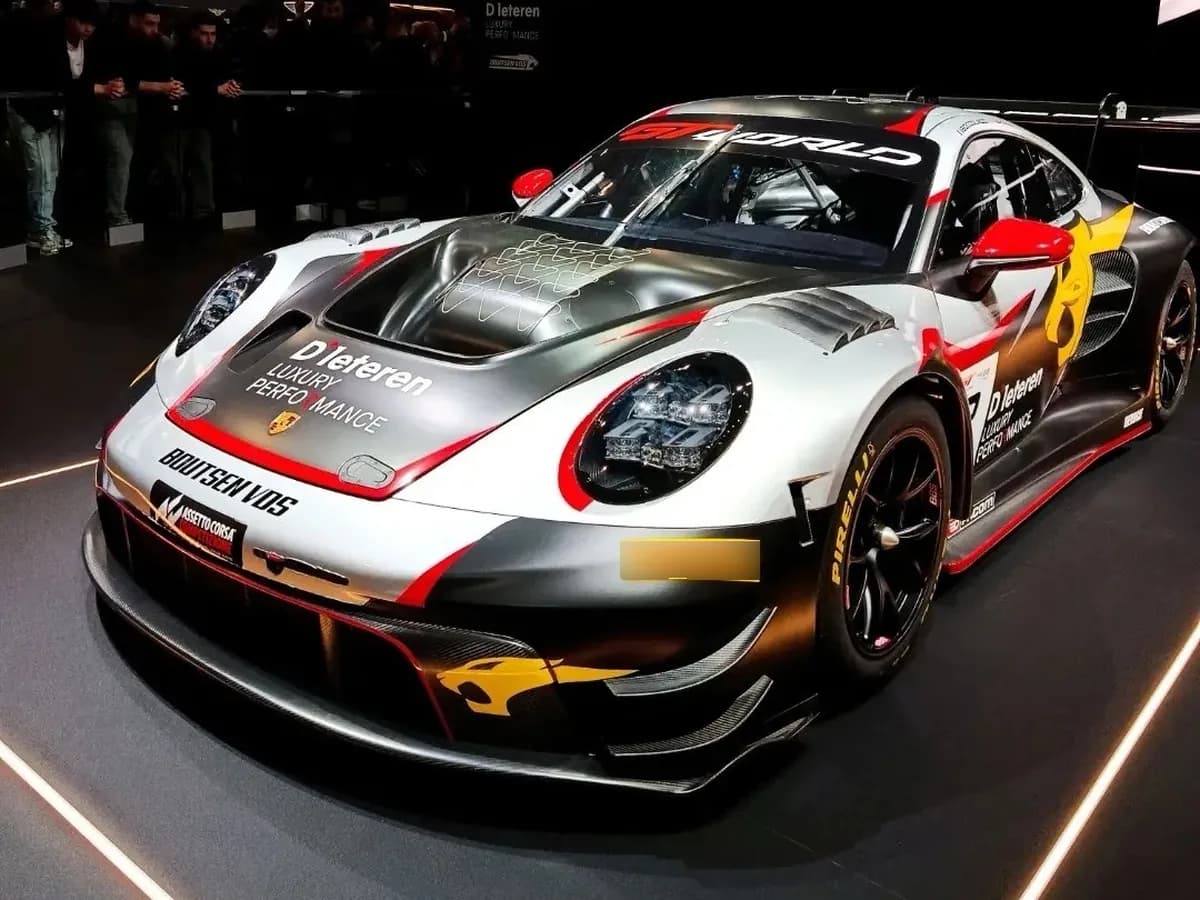
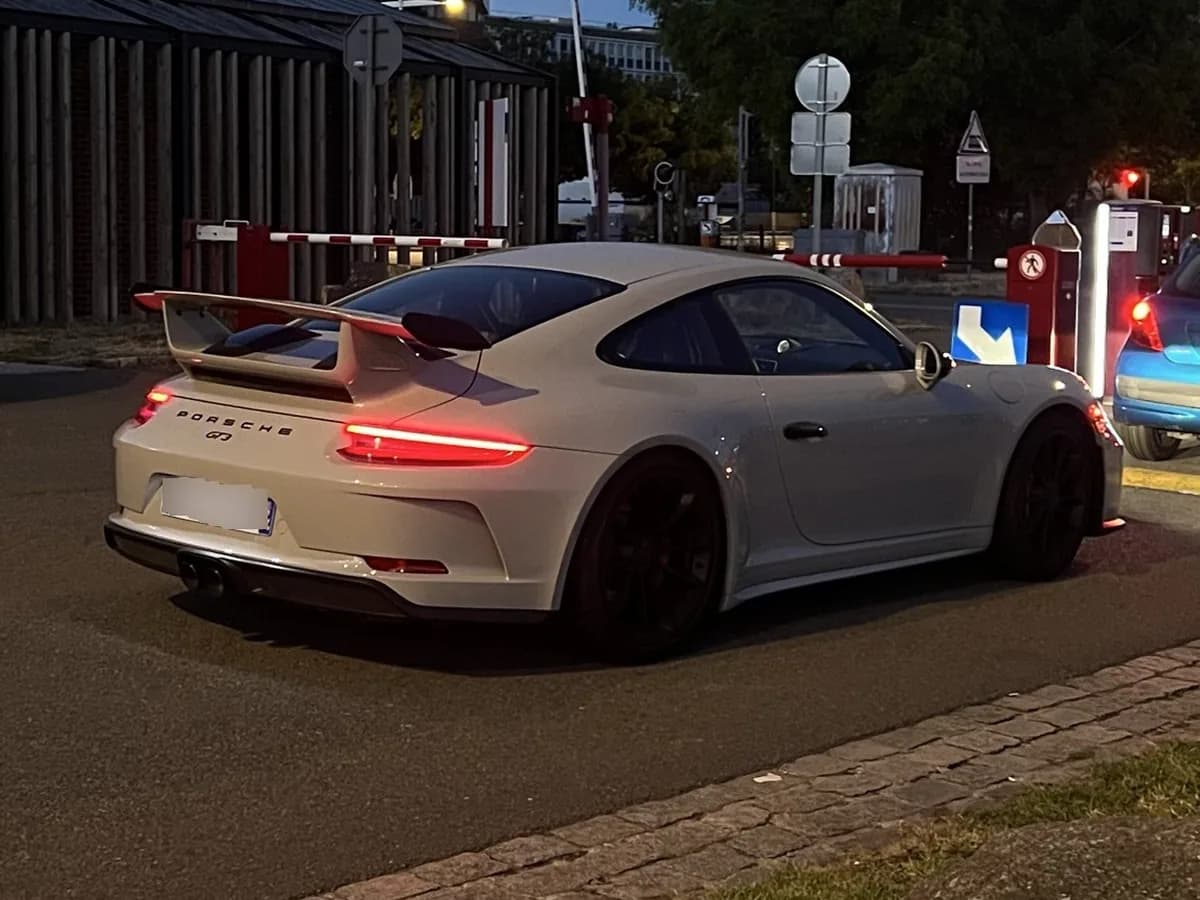
2017

2016
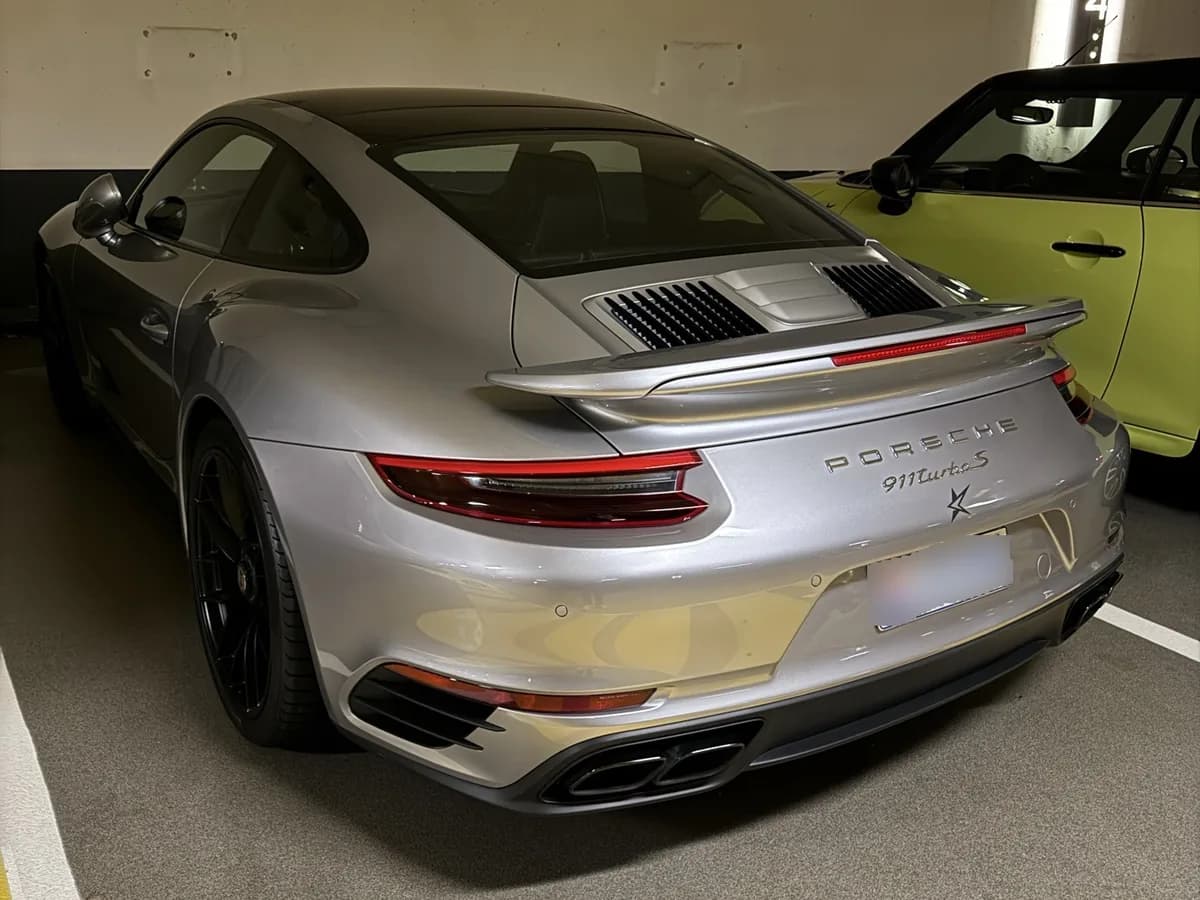

2015
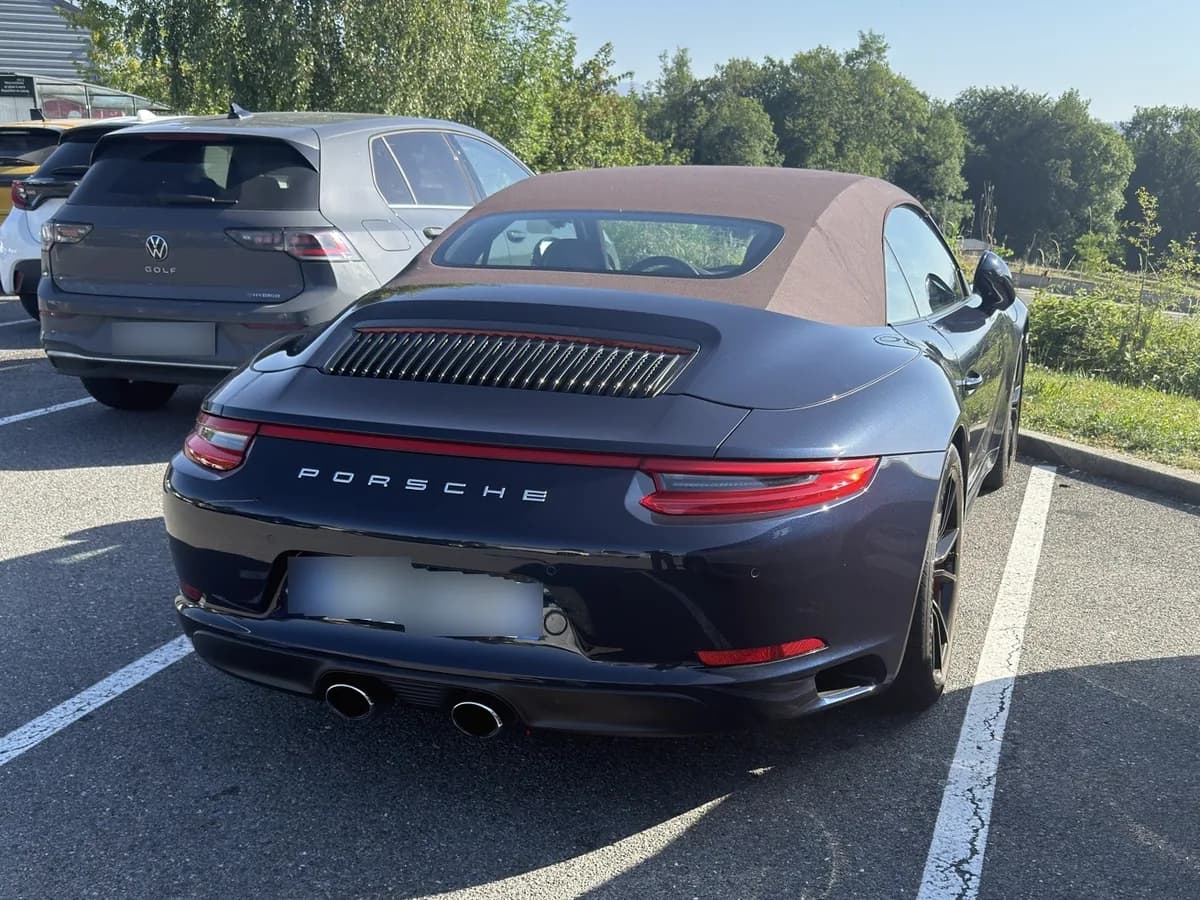
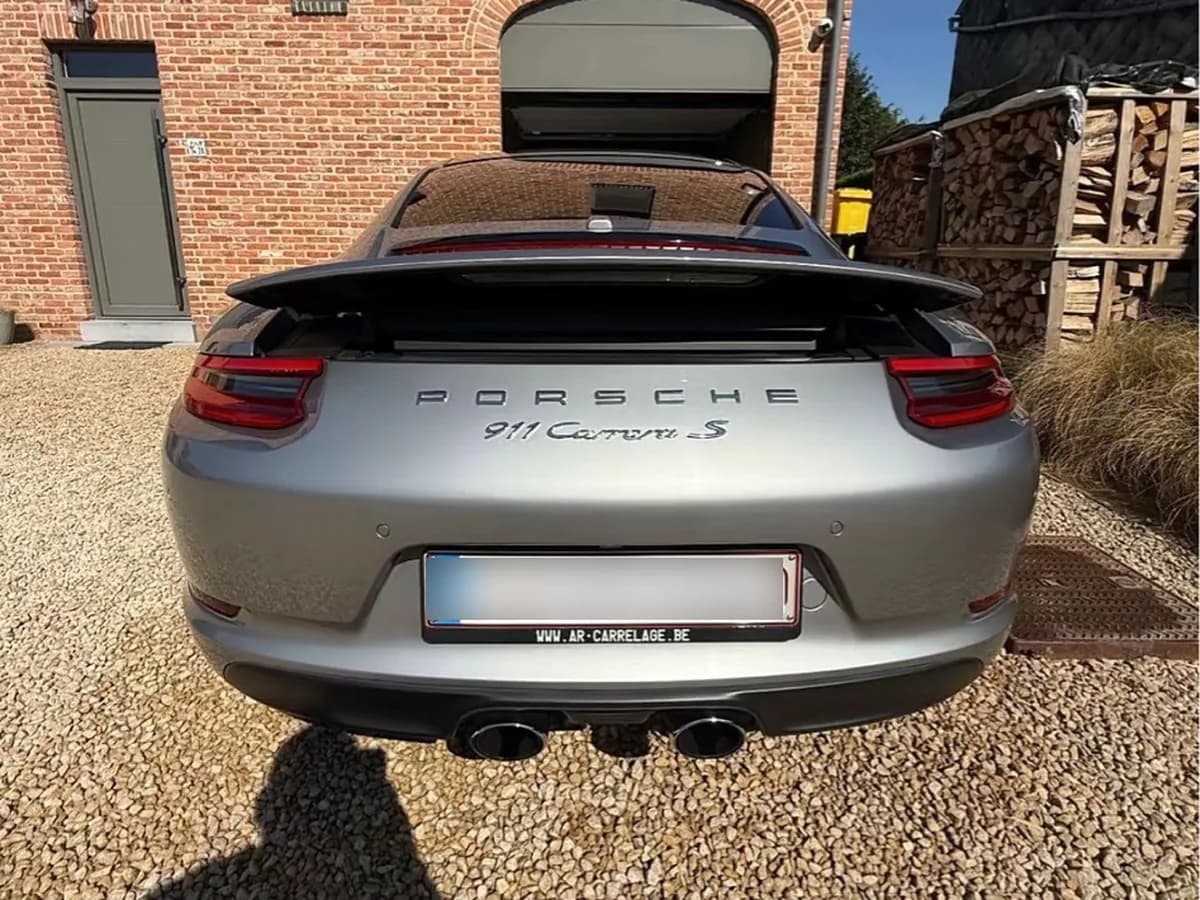
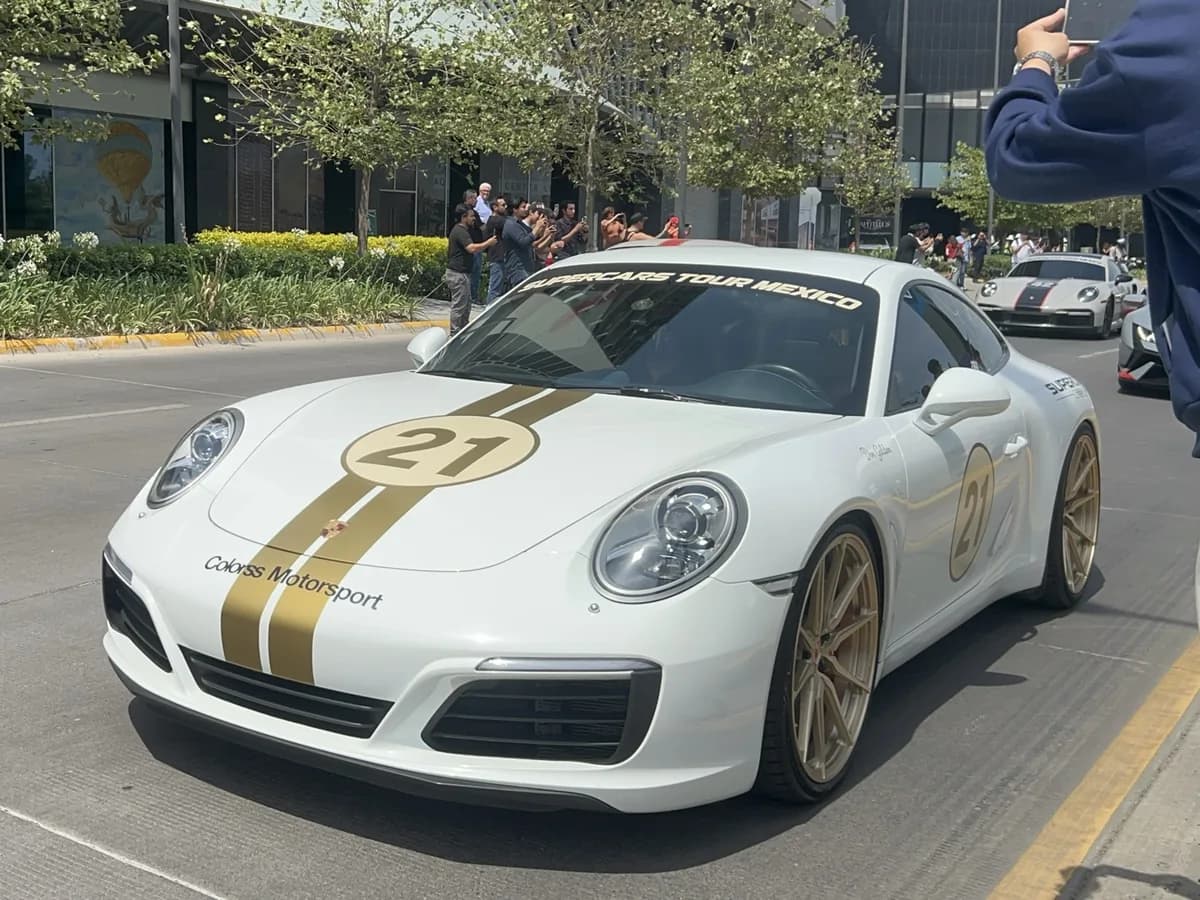
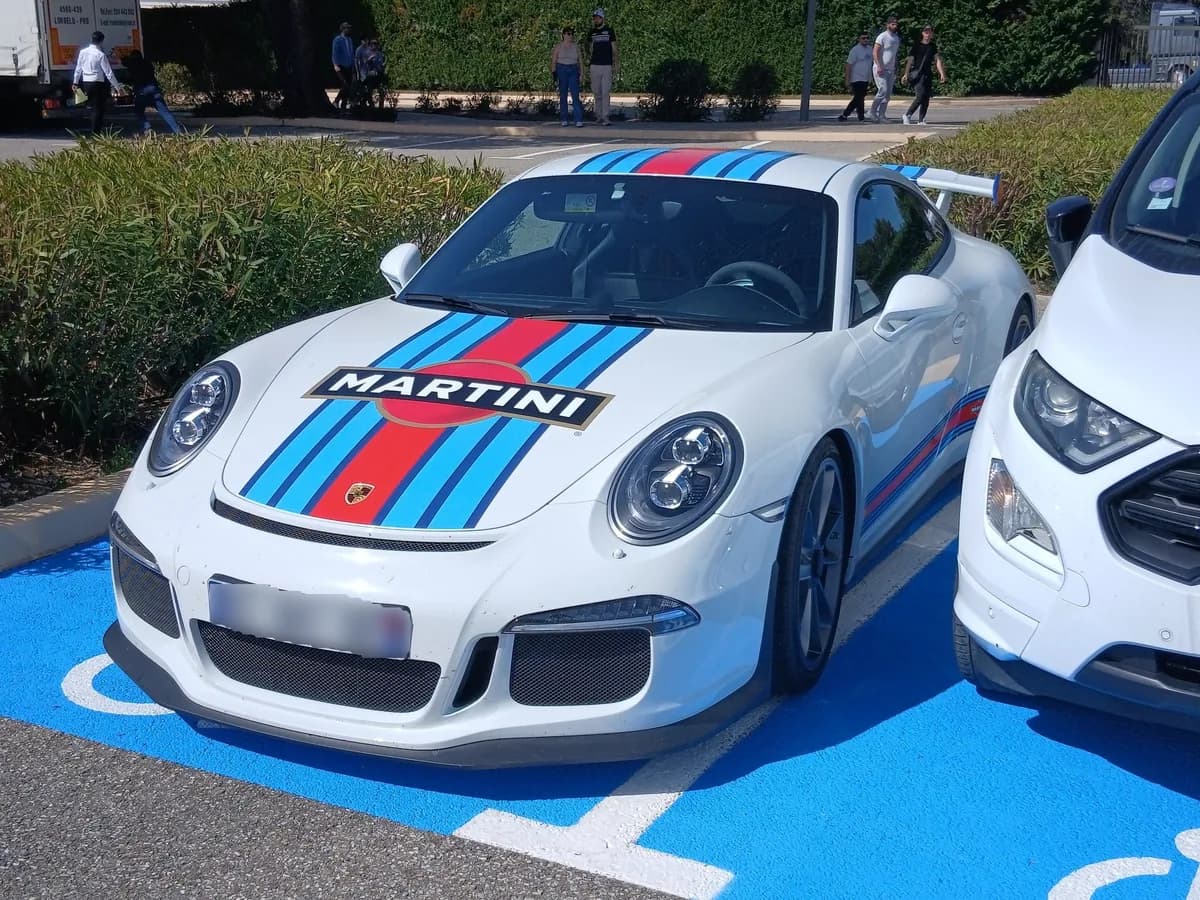
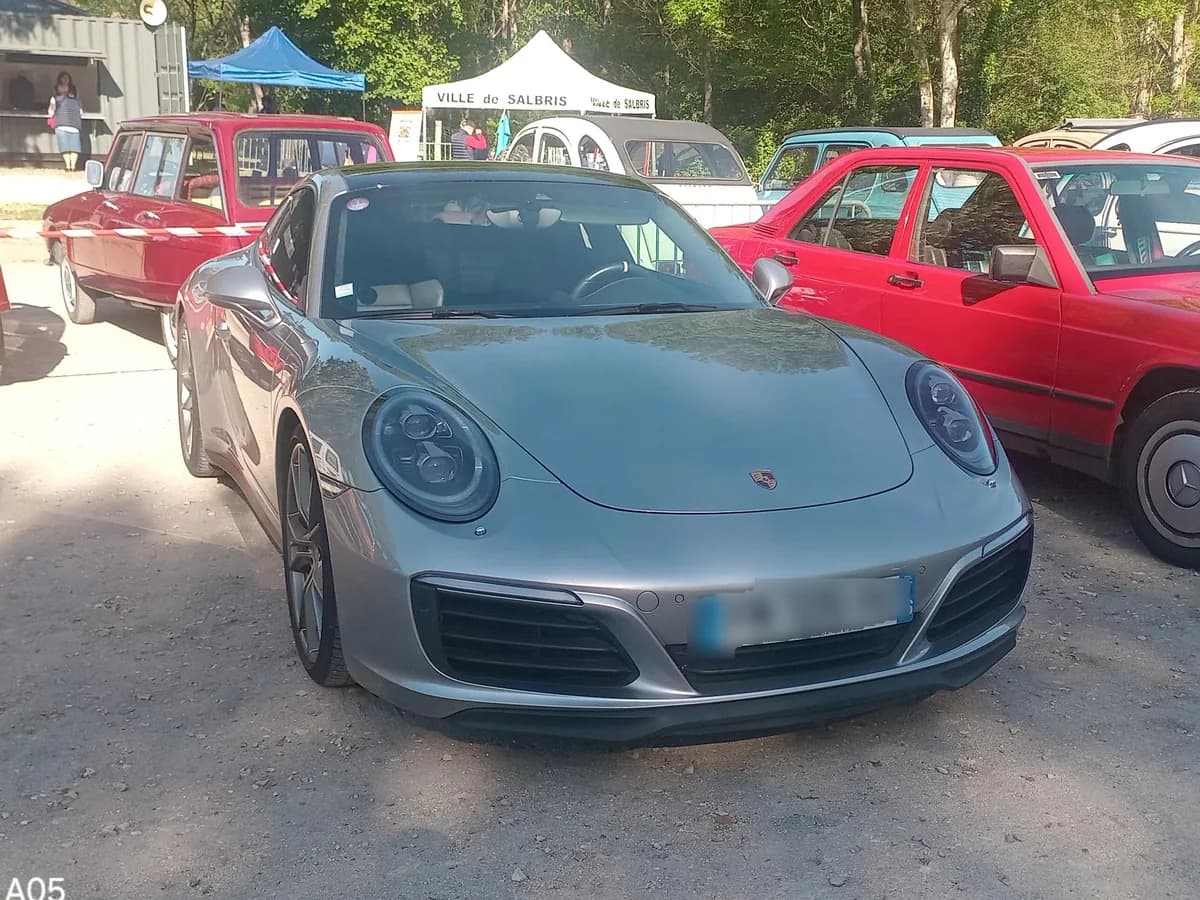
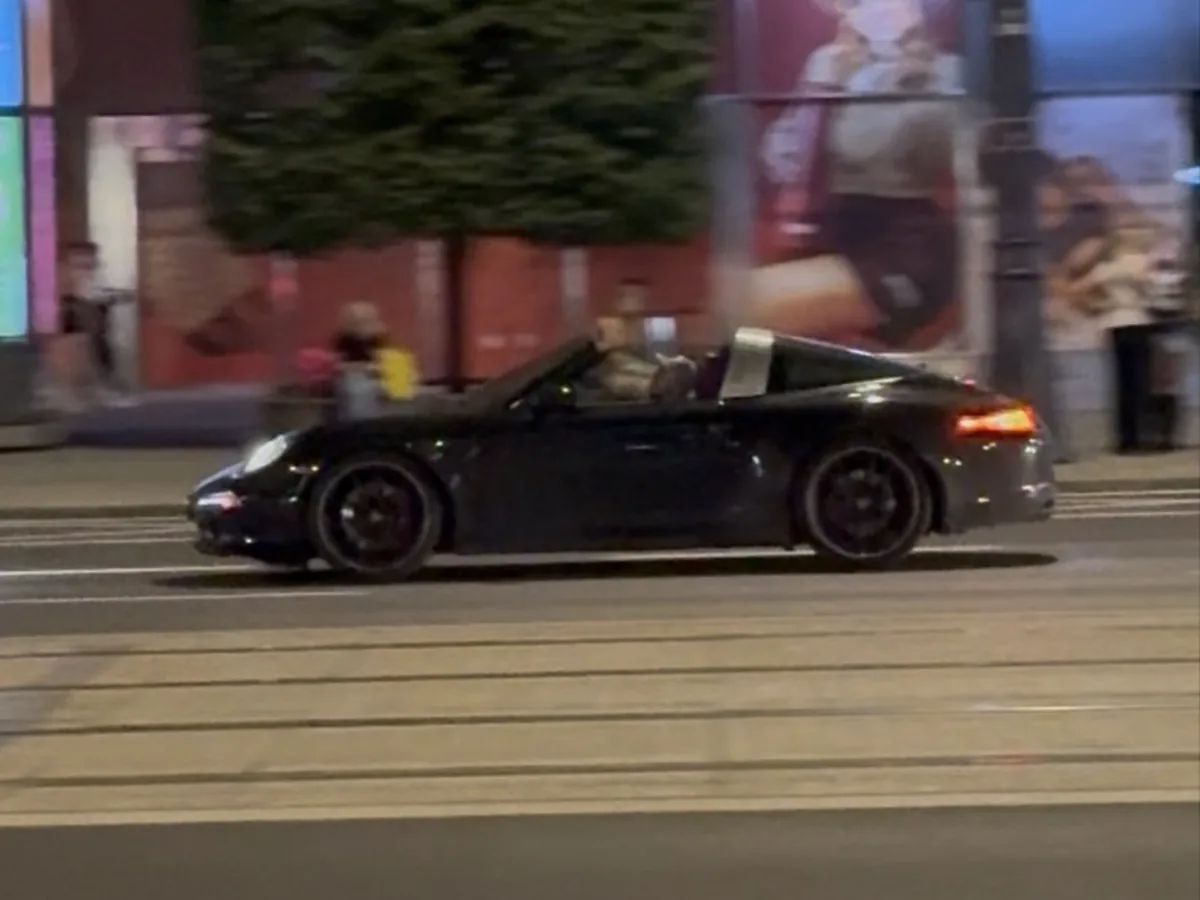
2014
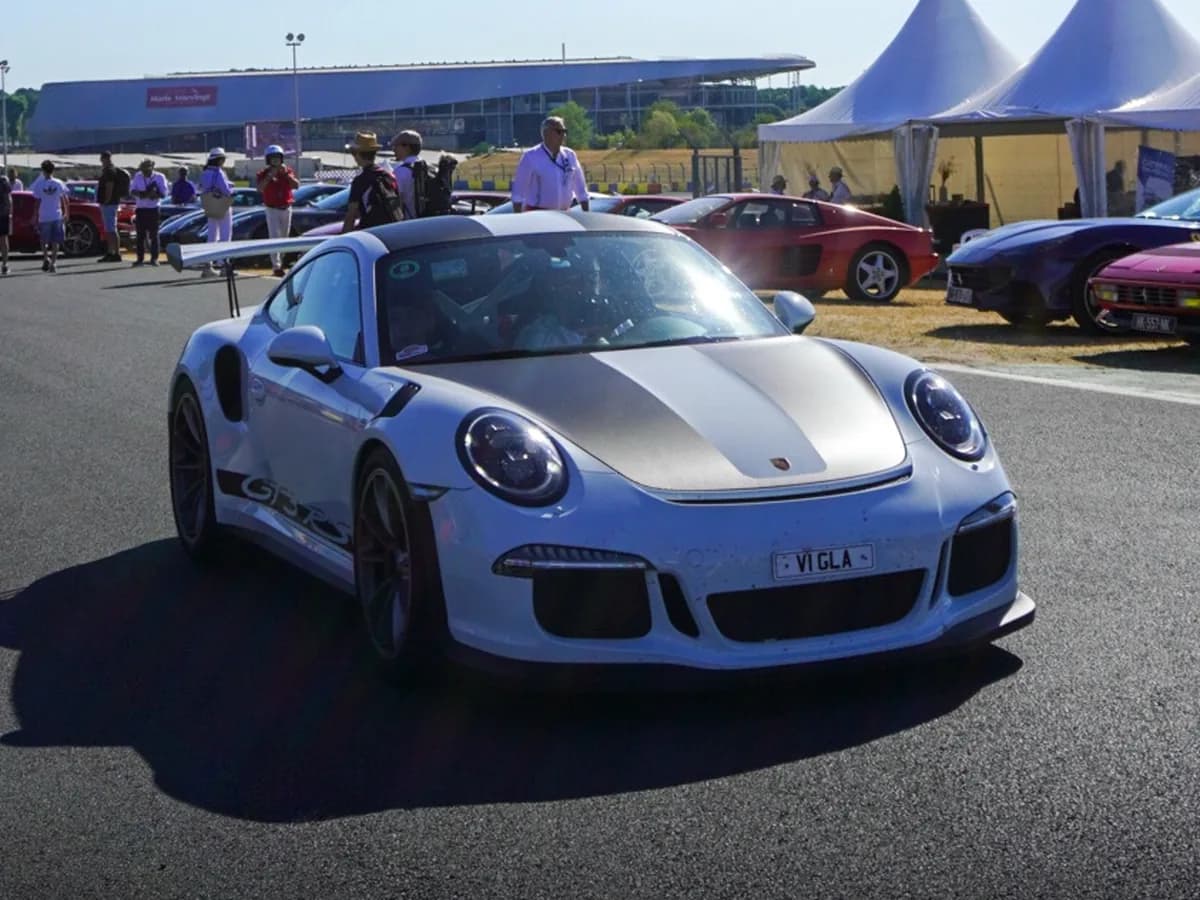 SR
SR2013
2011
2010
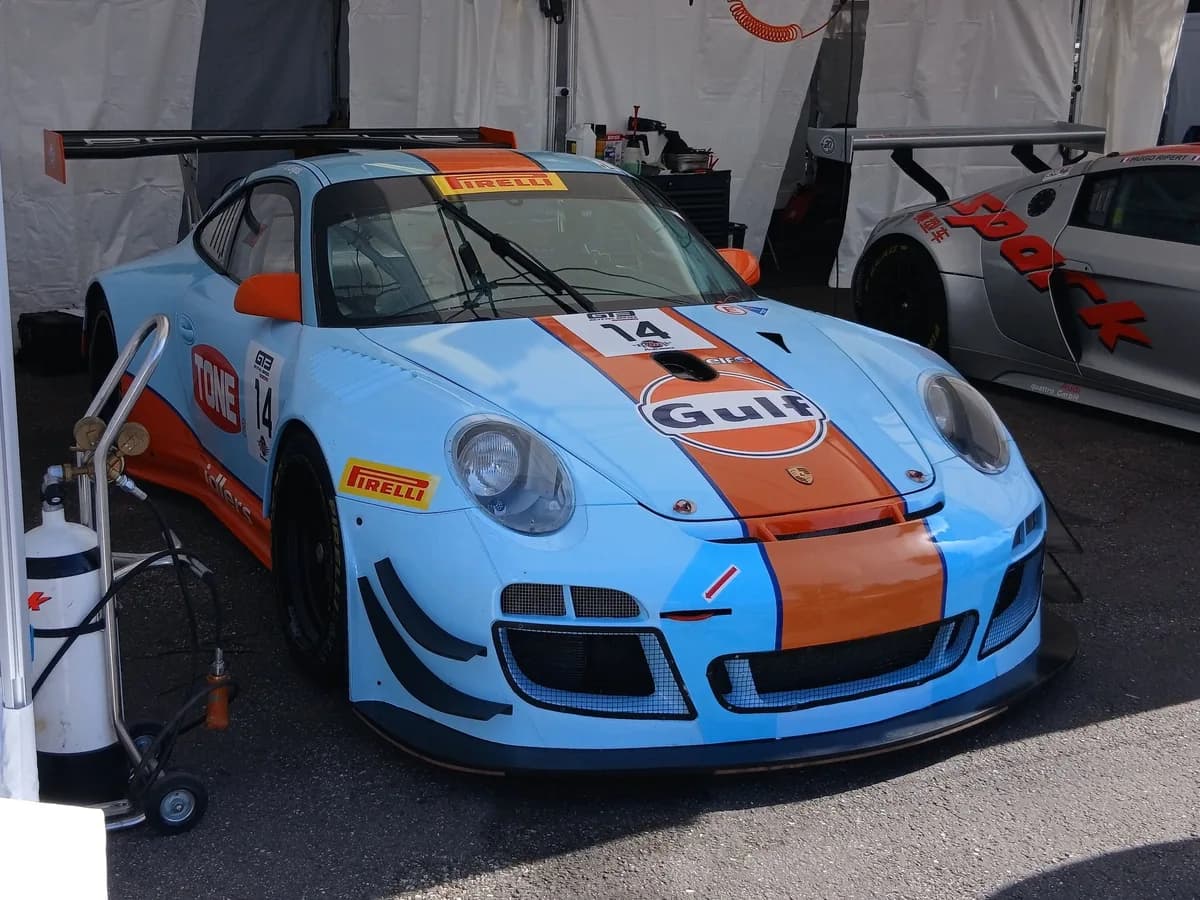 UR
UR2009
2008
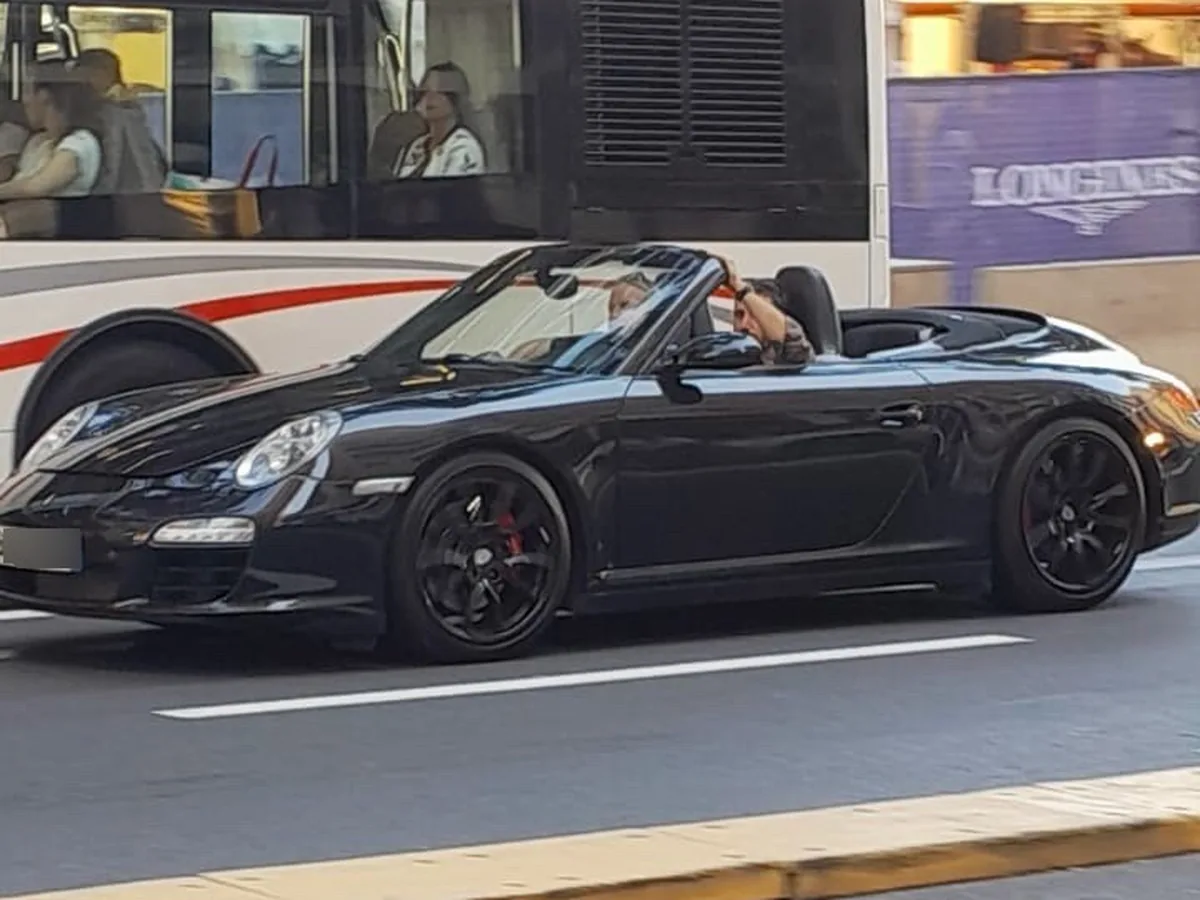
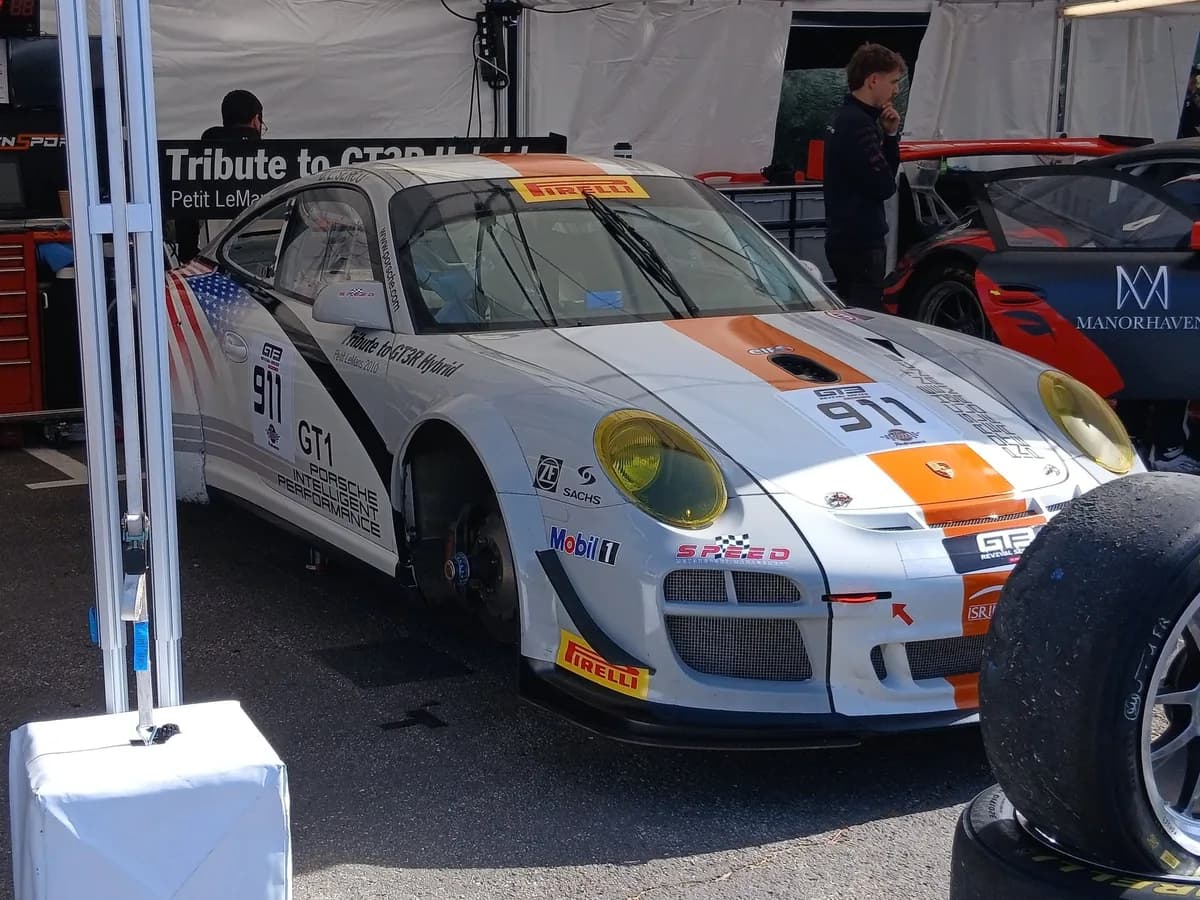
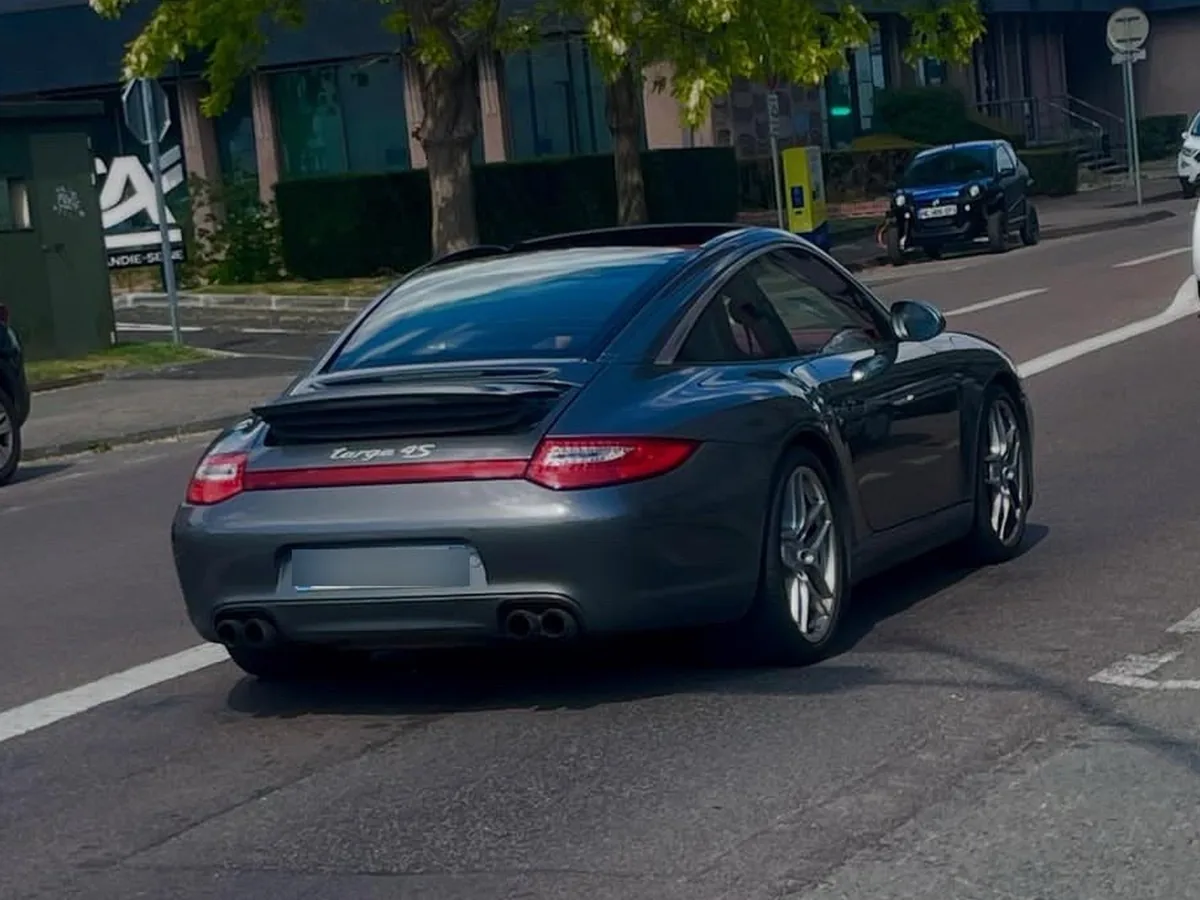
2007
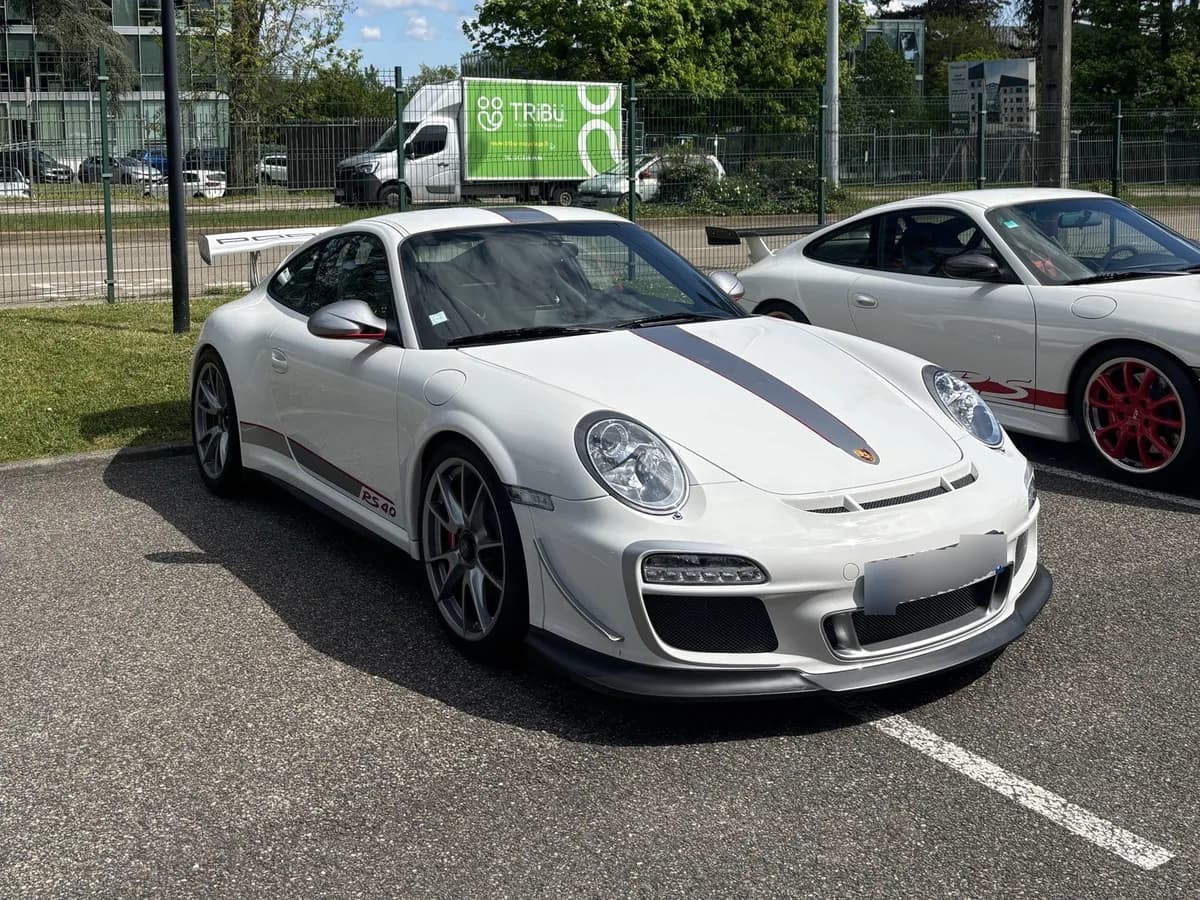
2006
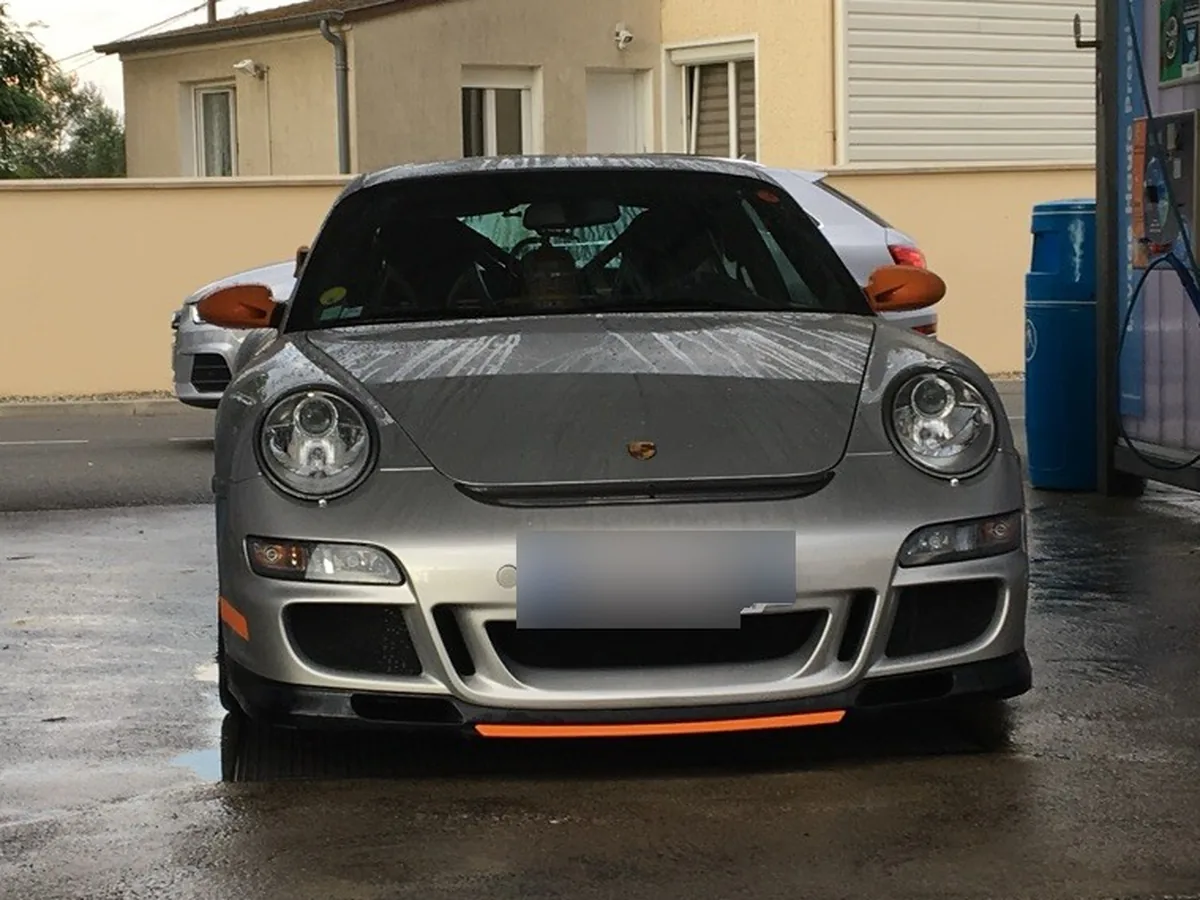
2005
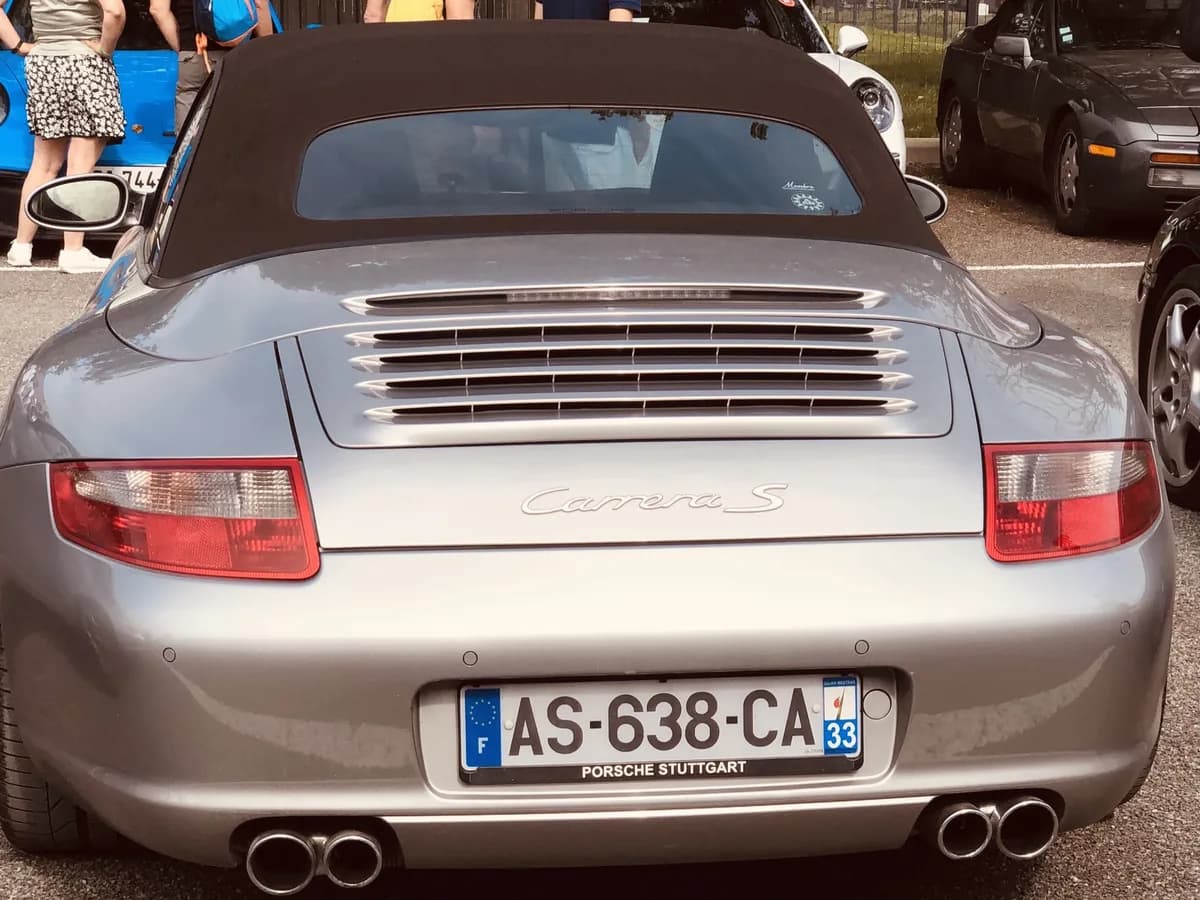

2004
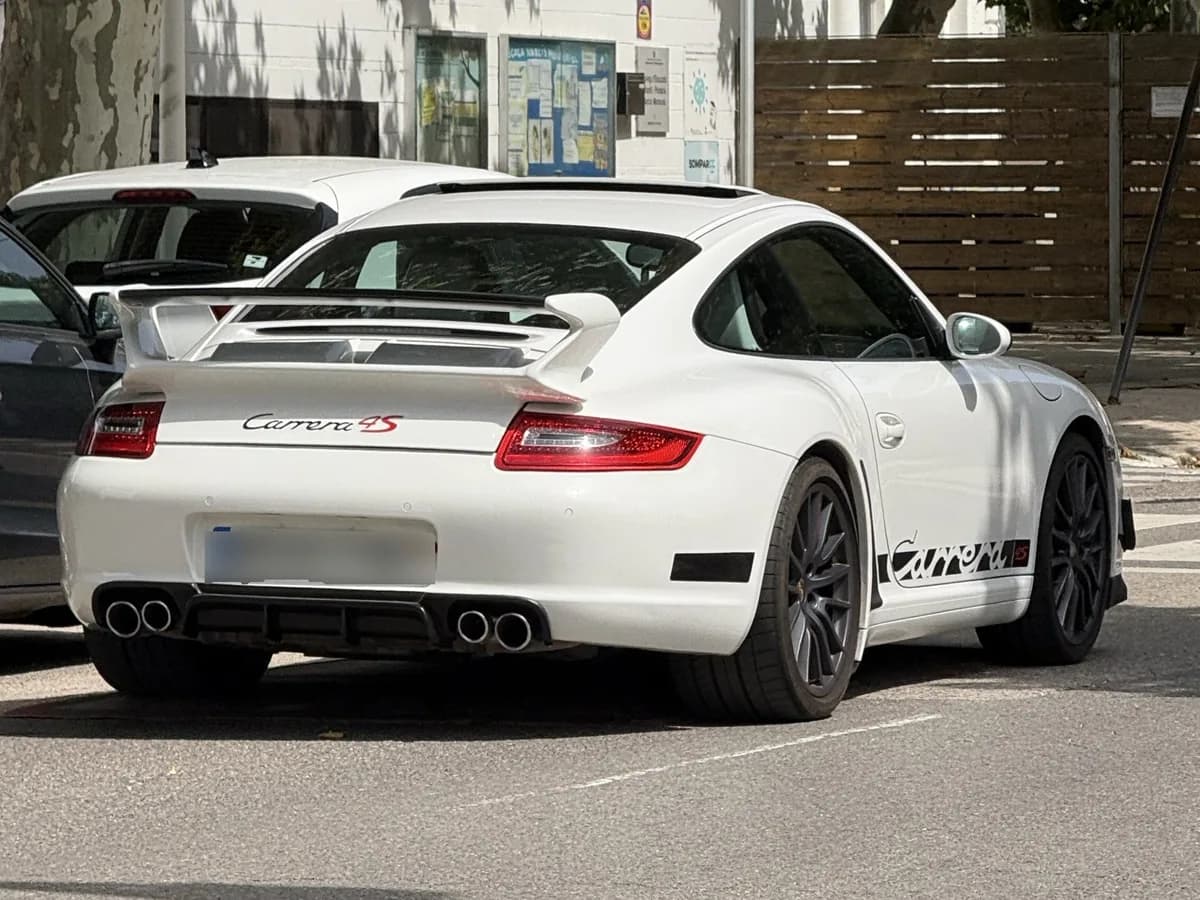 SR
SR2003
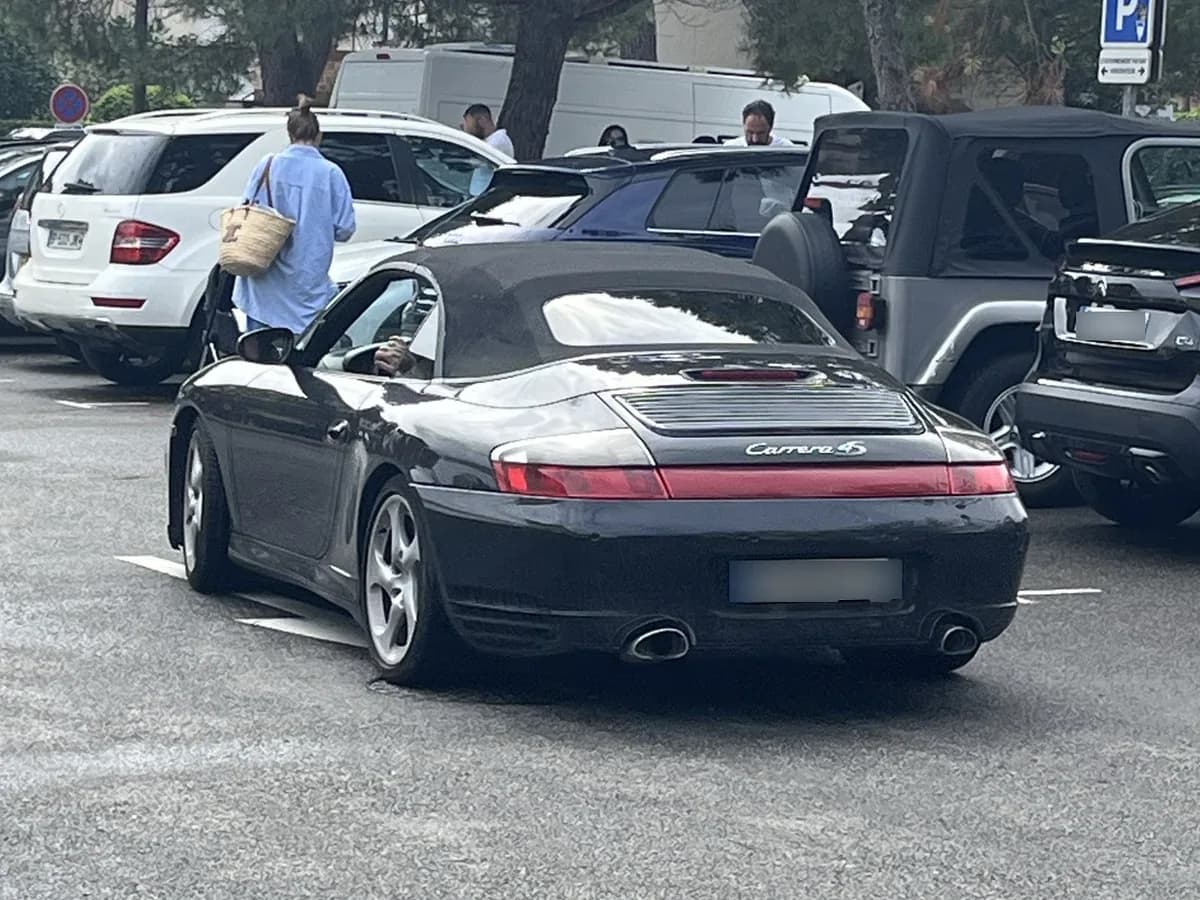
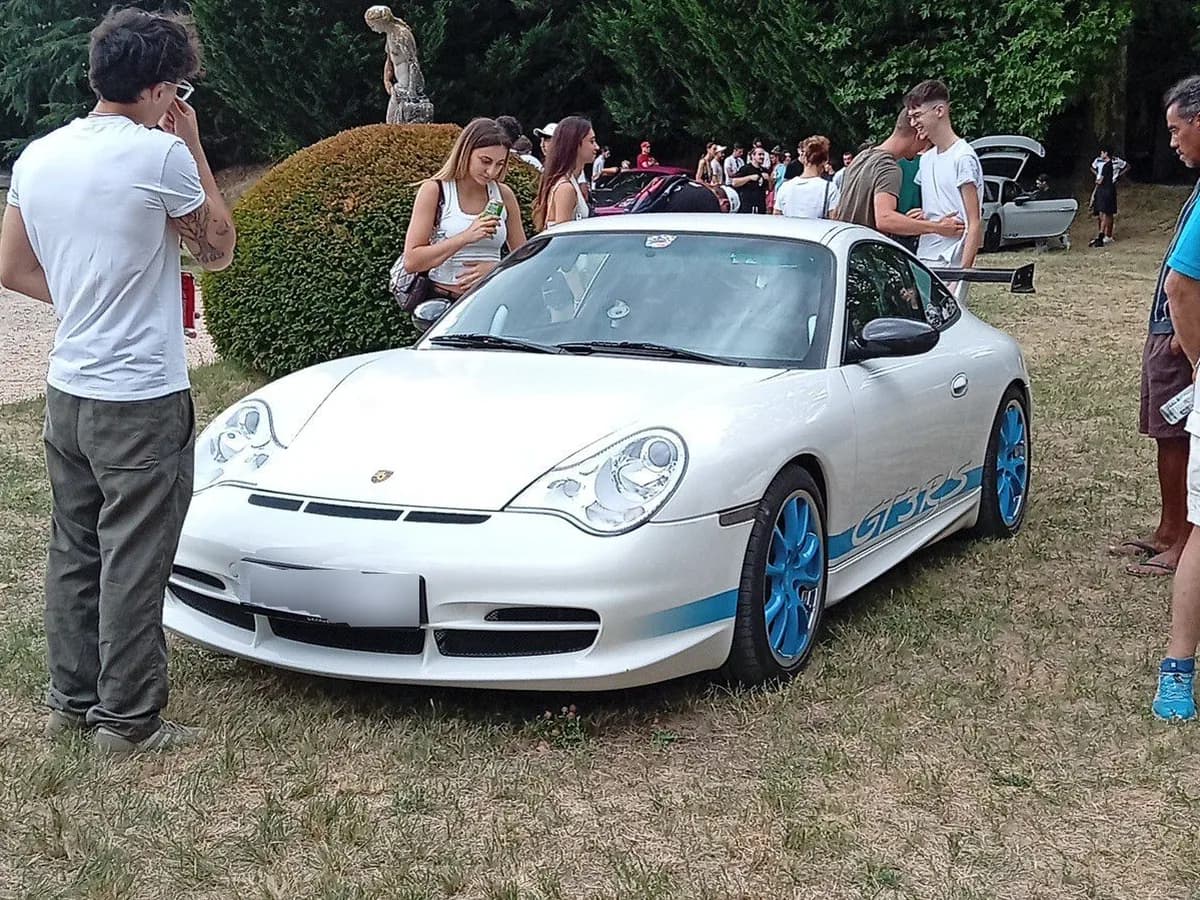
2001


1999
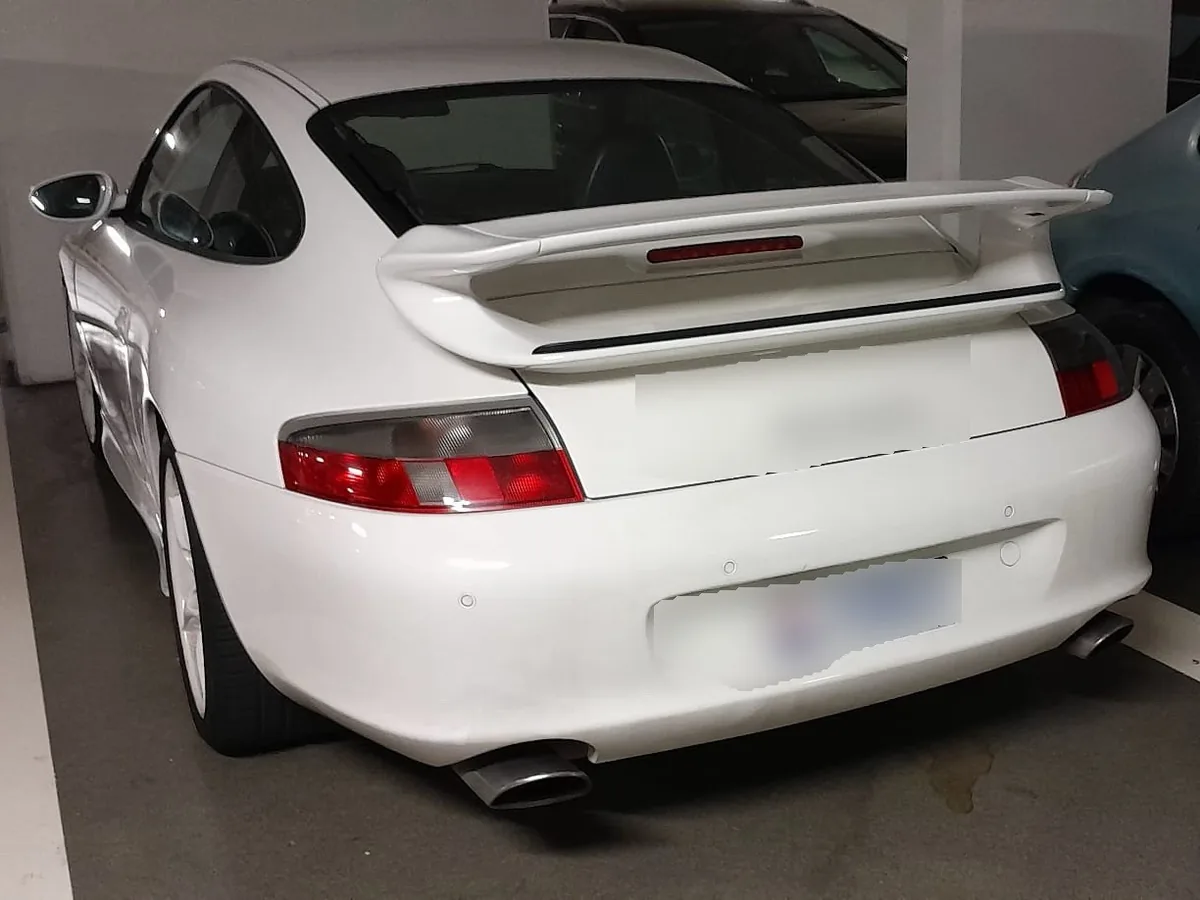
1998
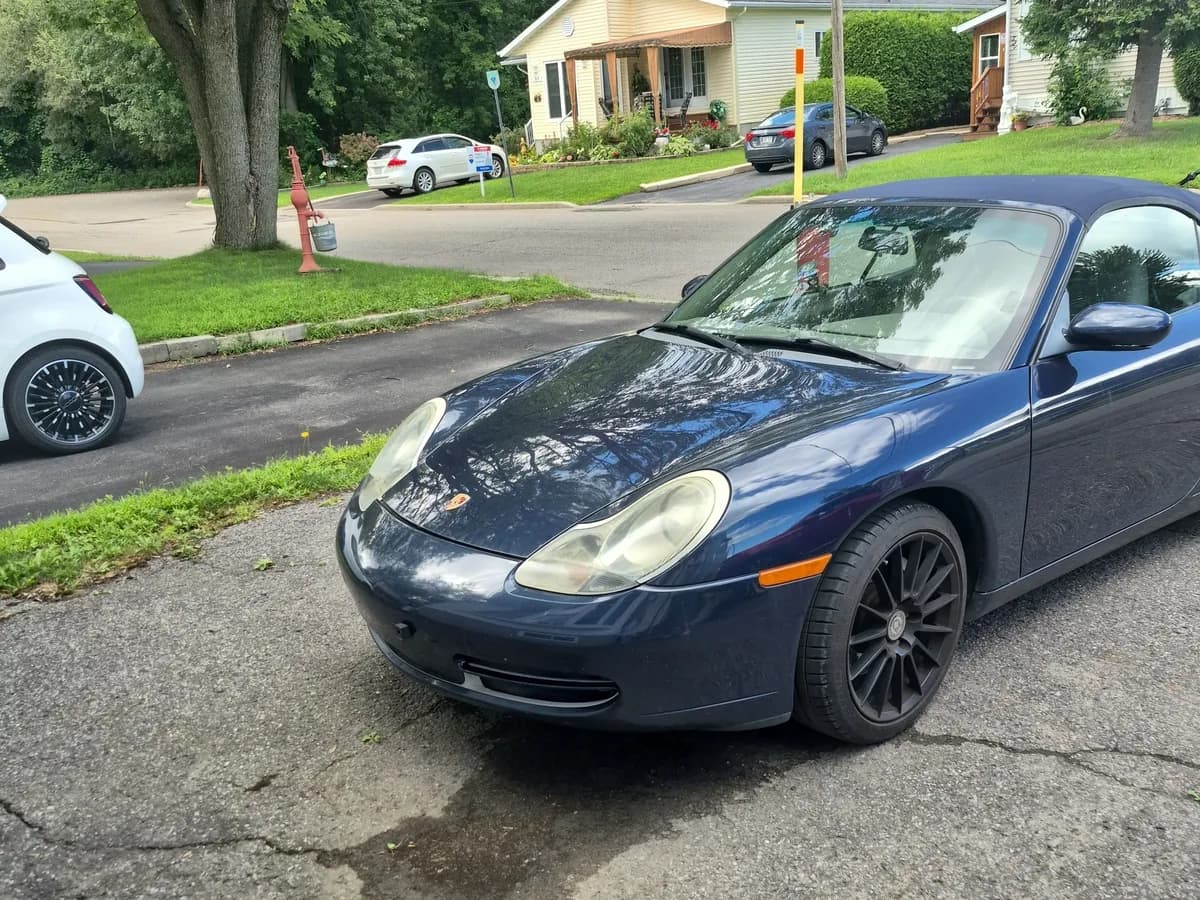 SR
SR1997
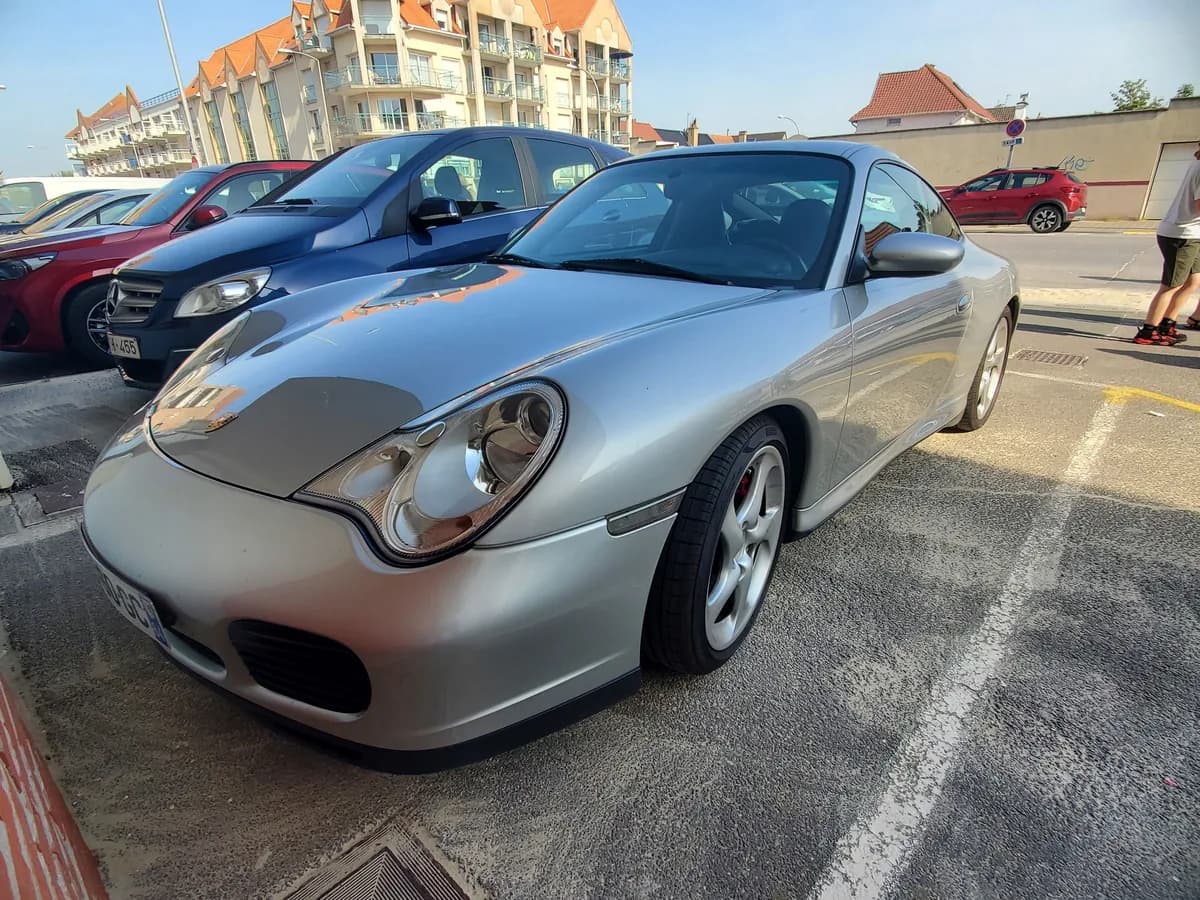


1996
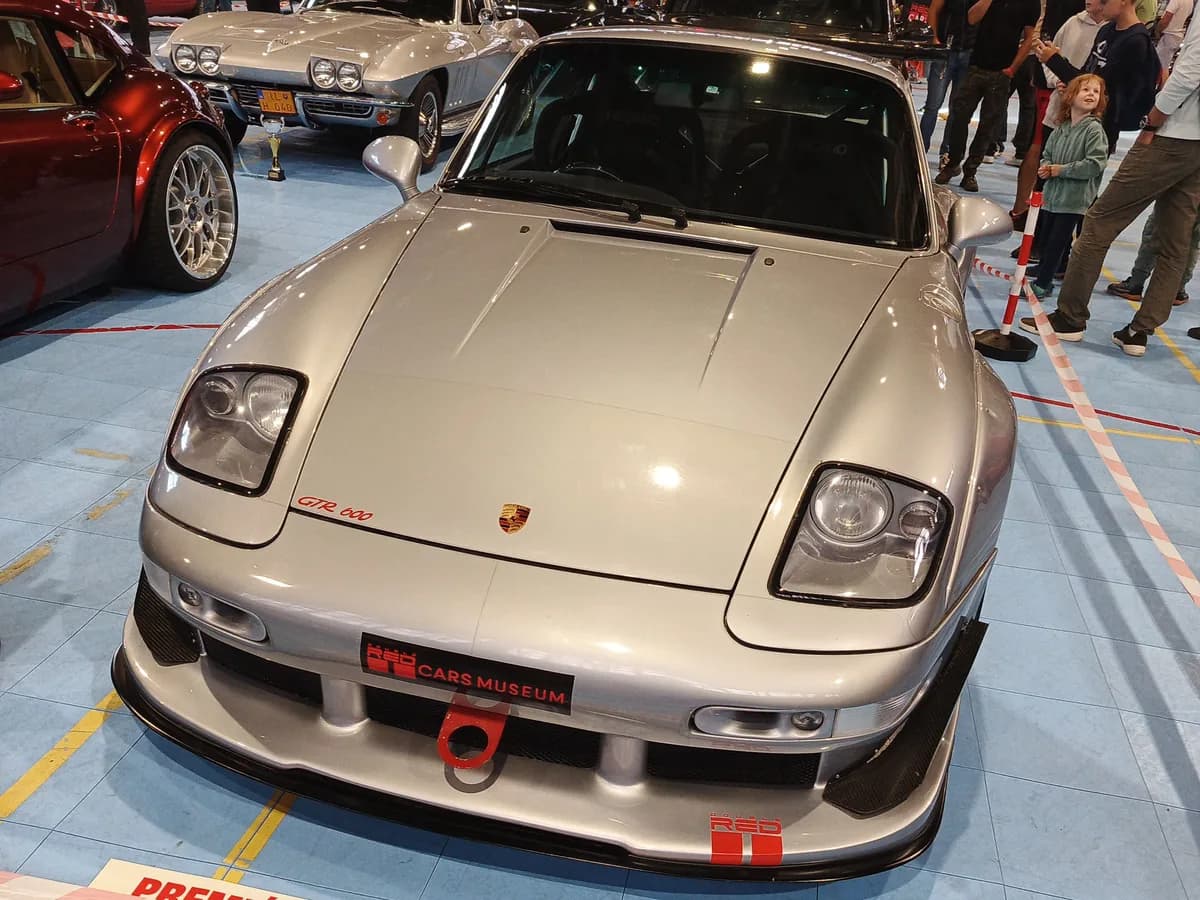
1995
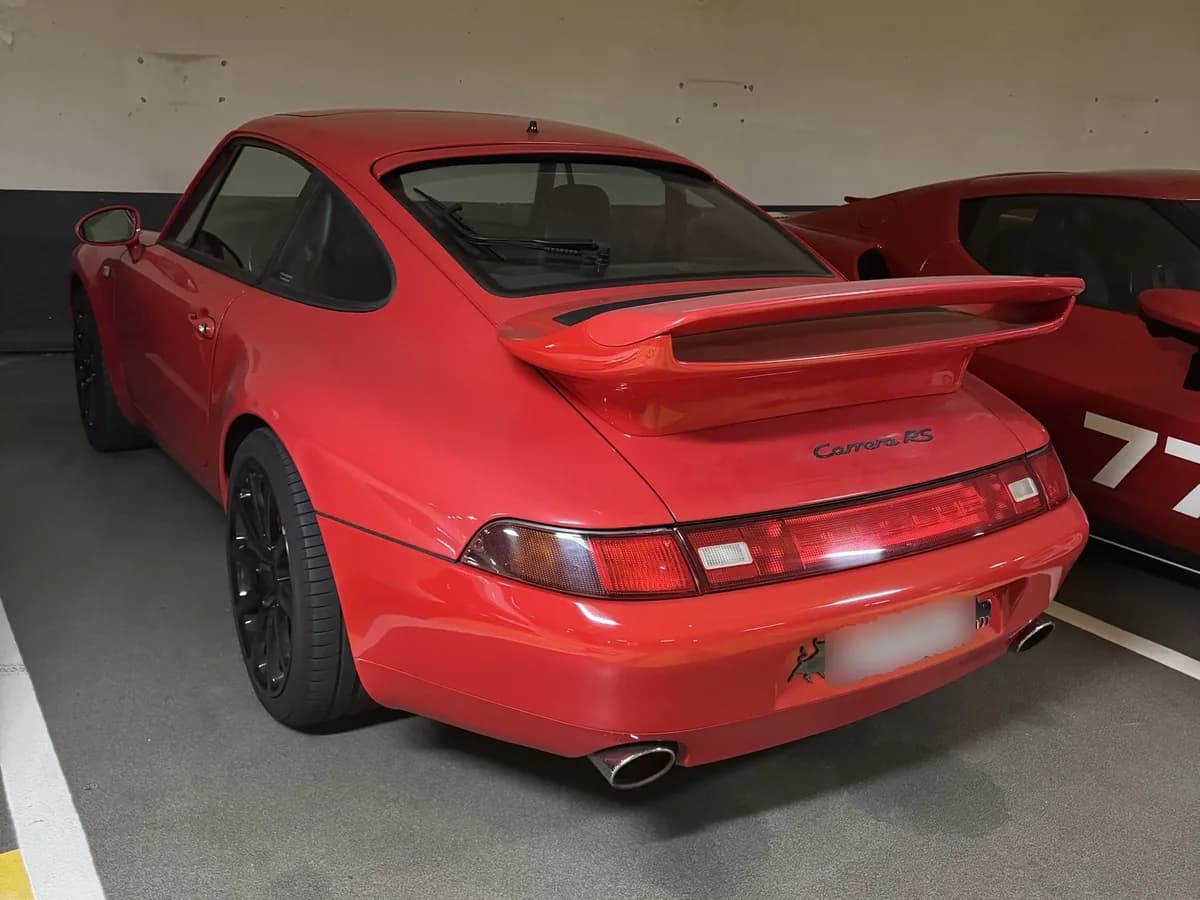
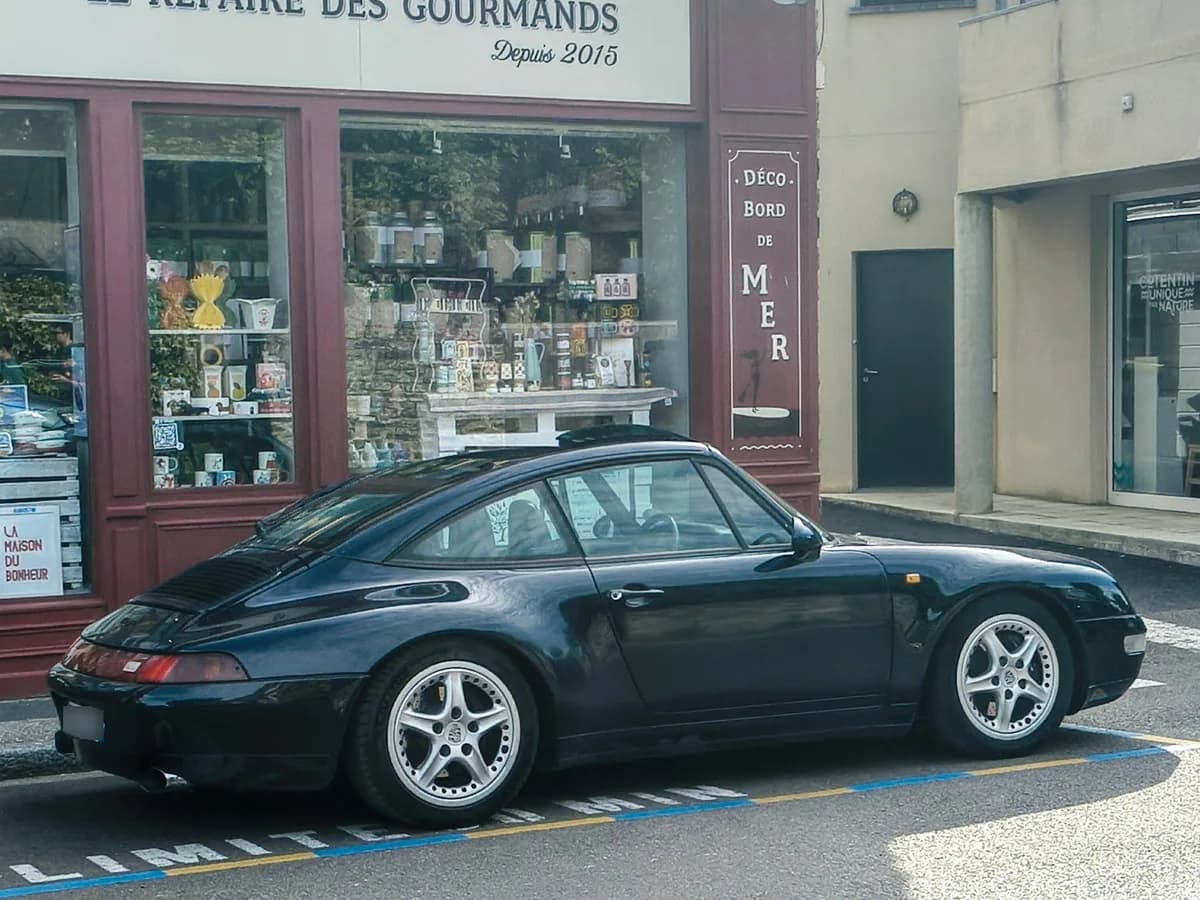
1994
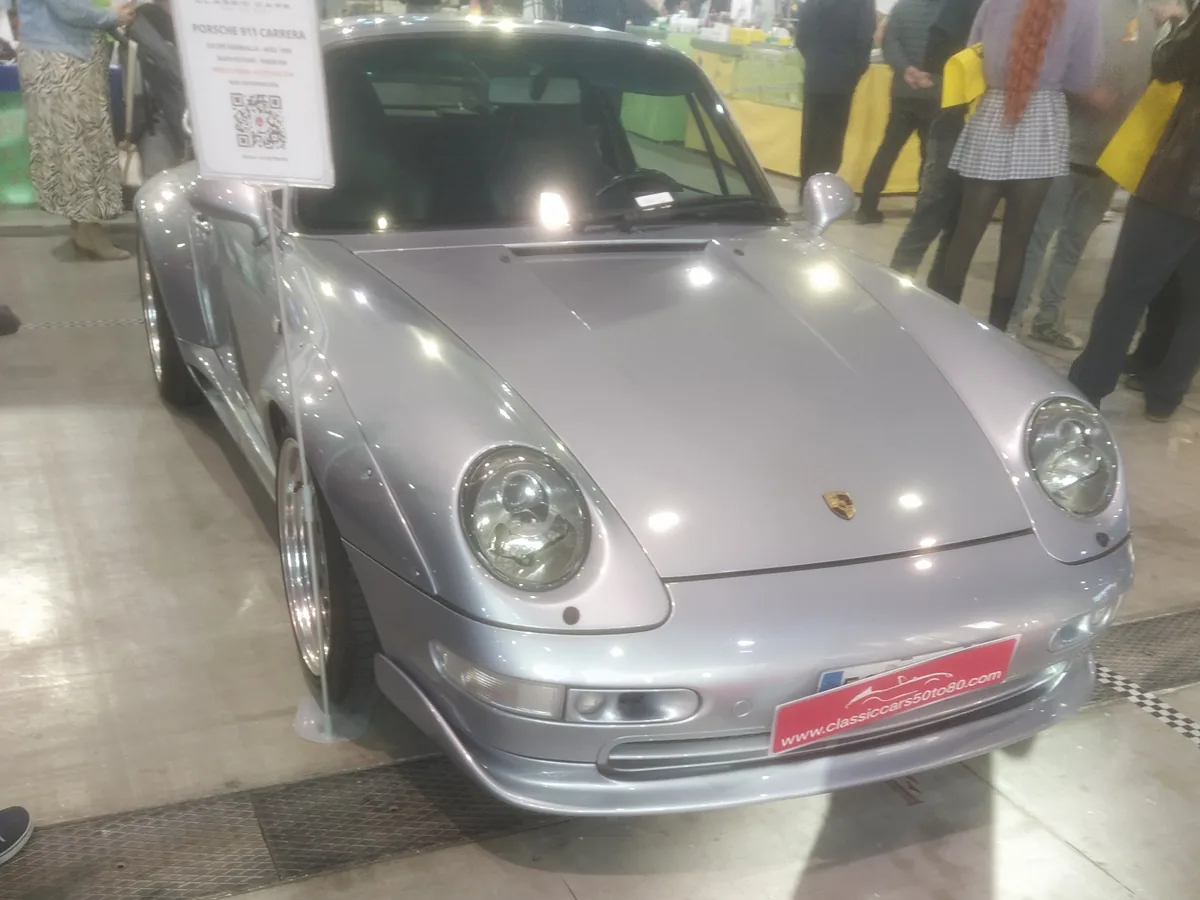
1993
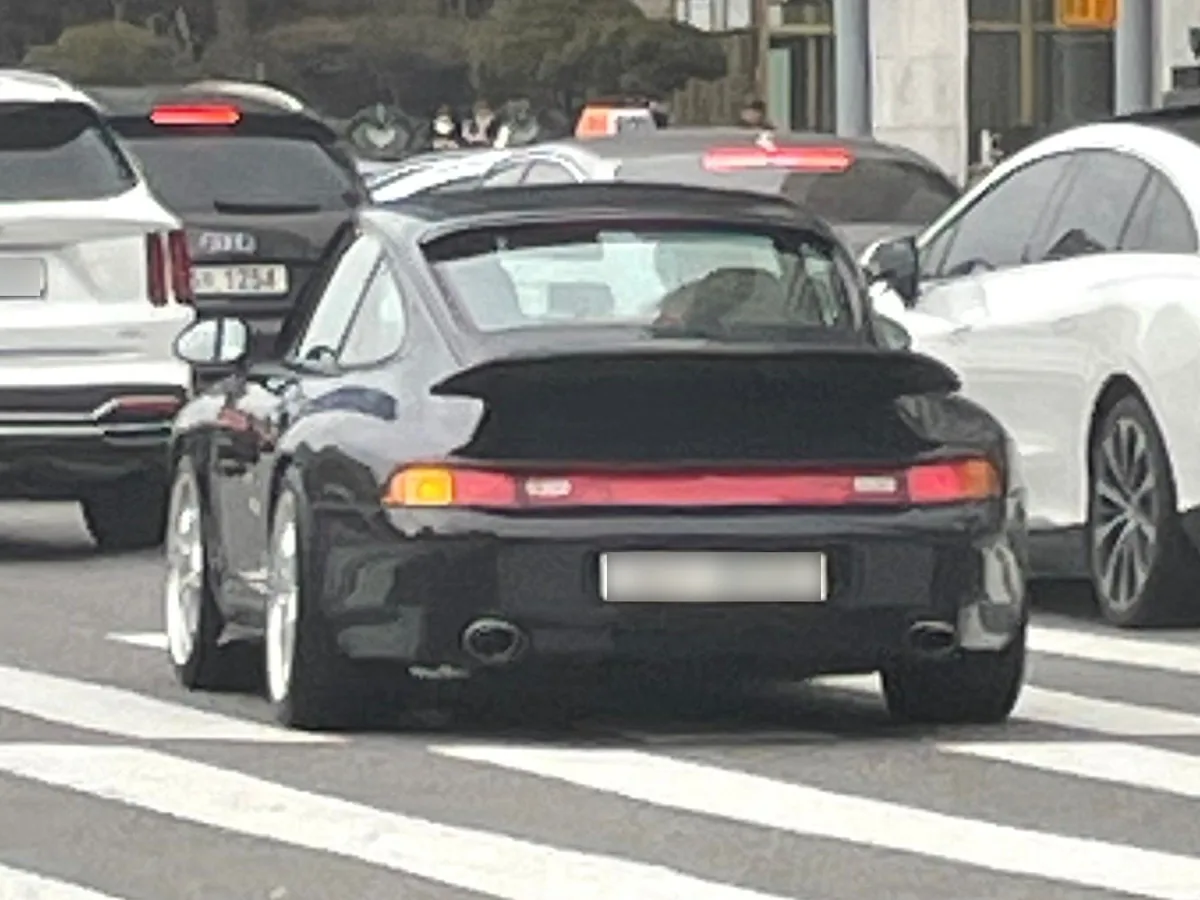
1992
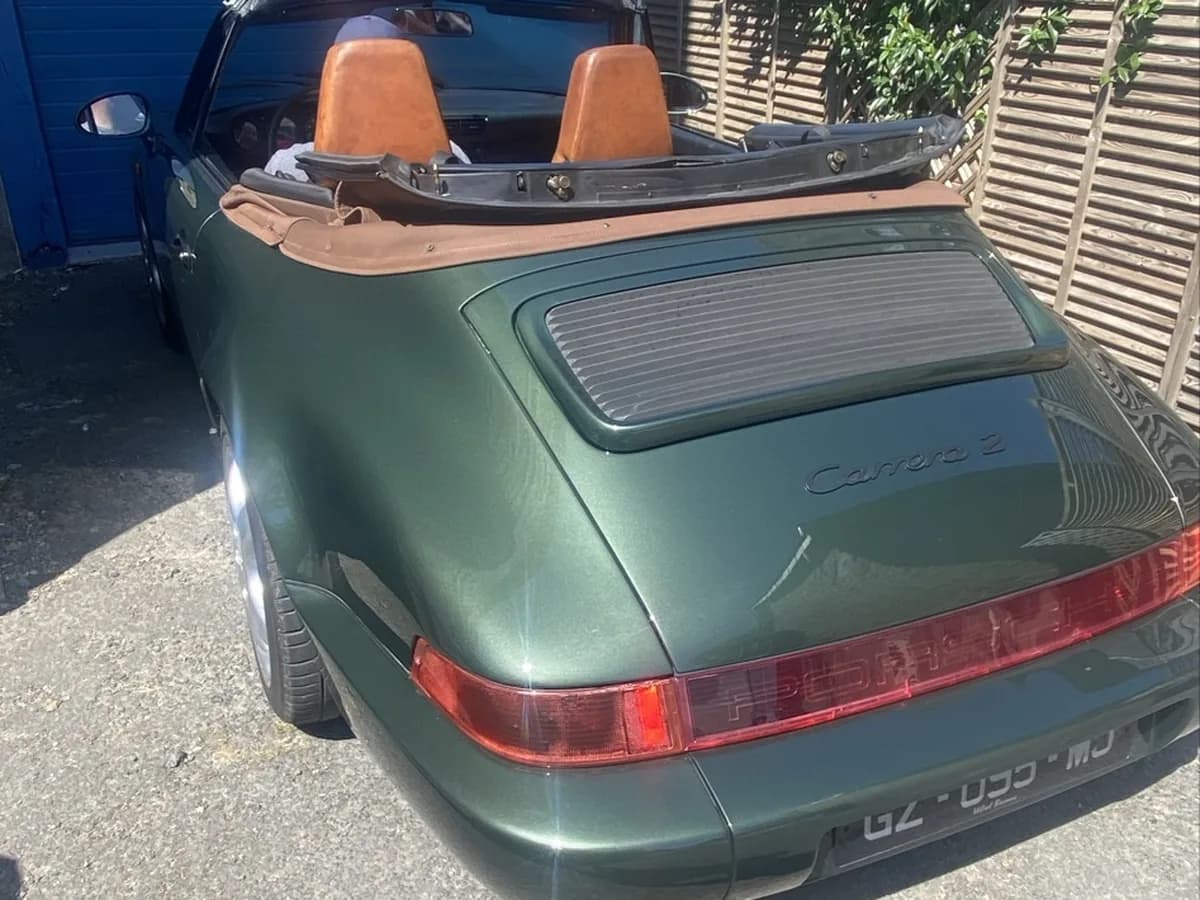
1990
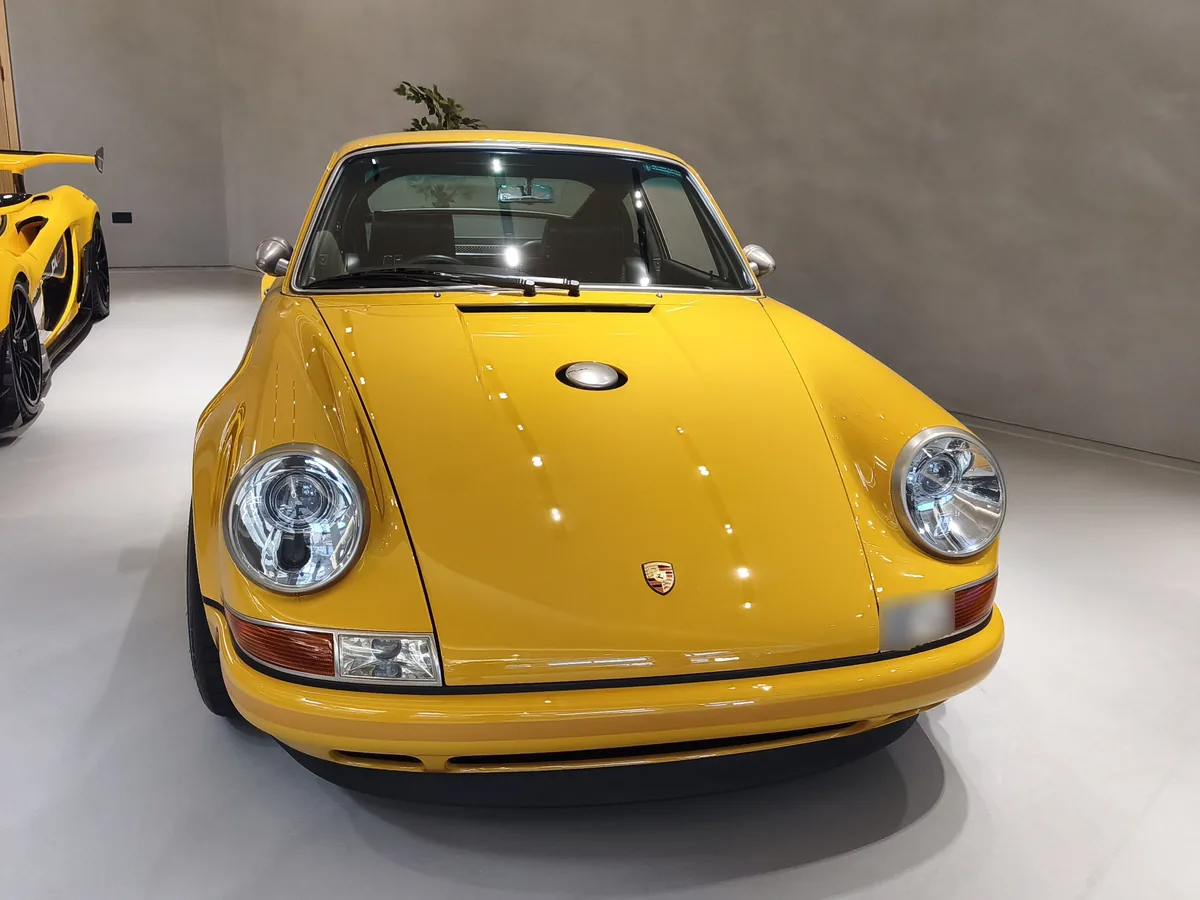
1989
1988
1987
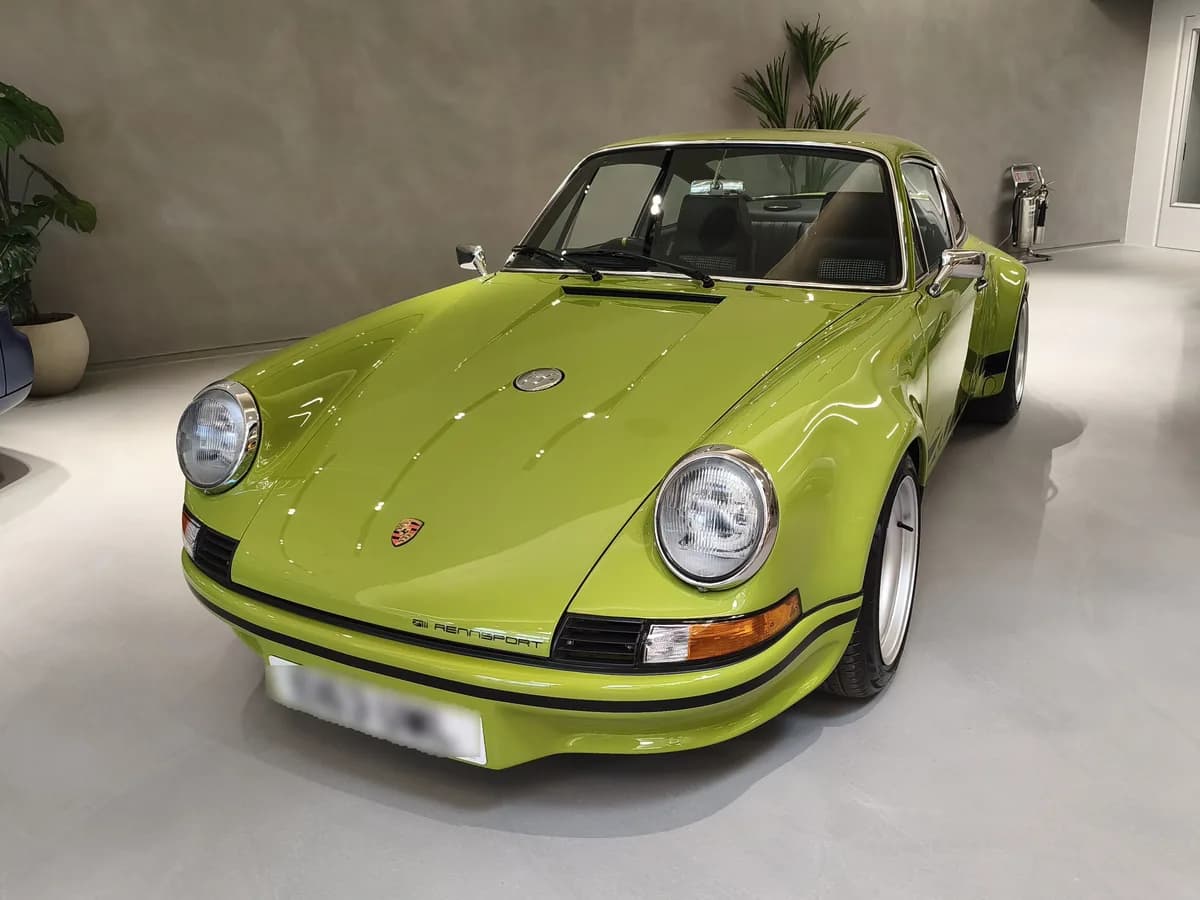
1986
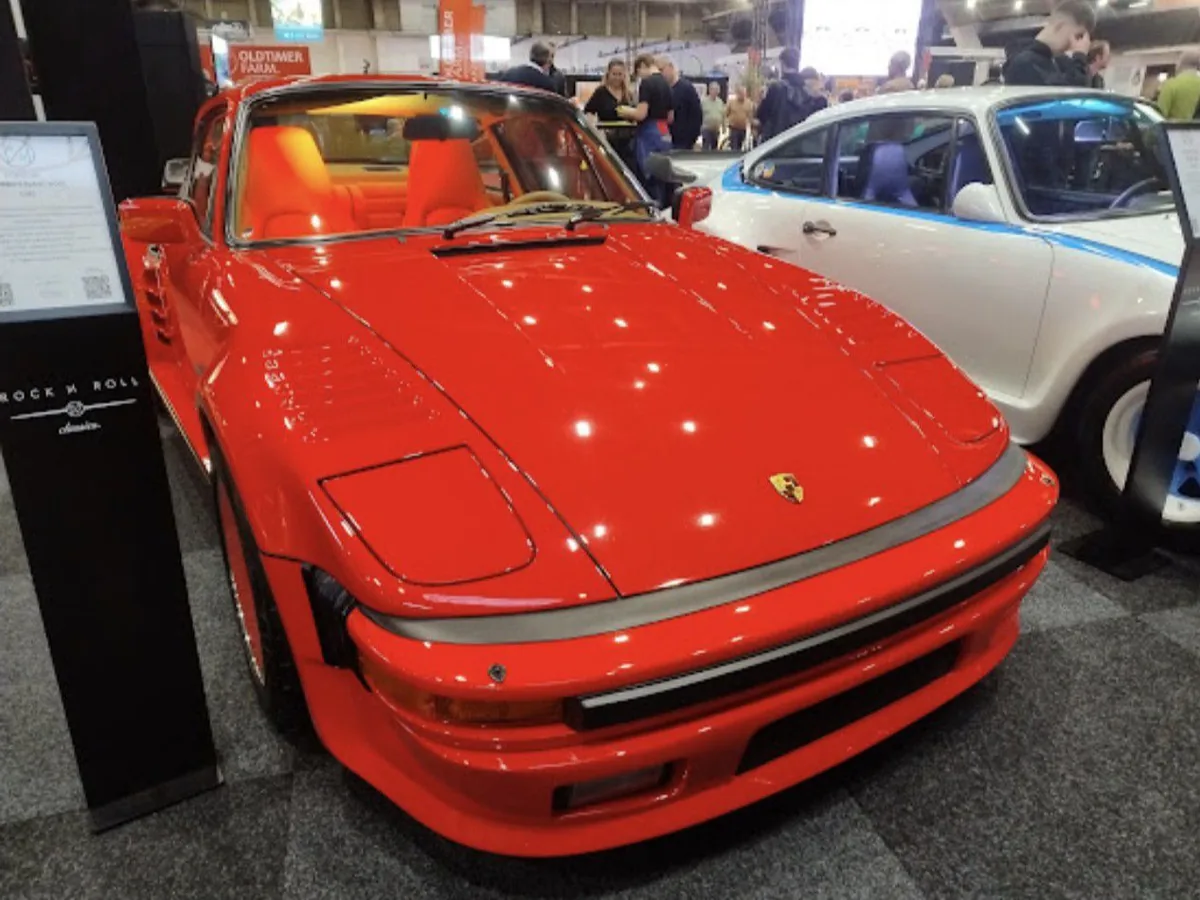
1984
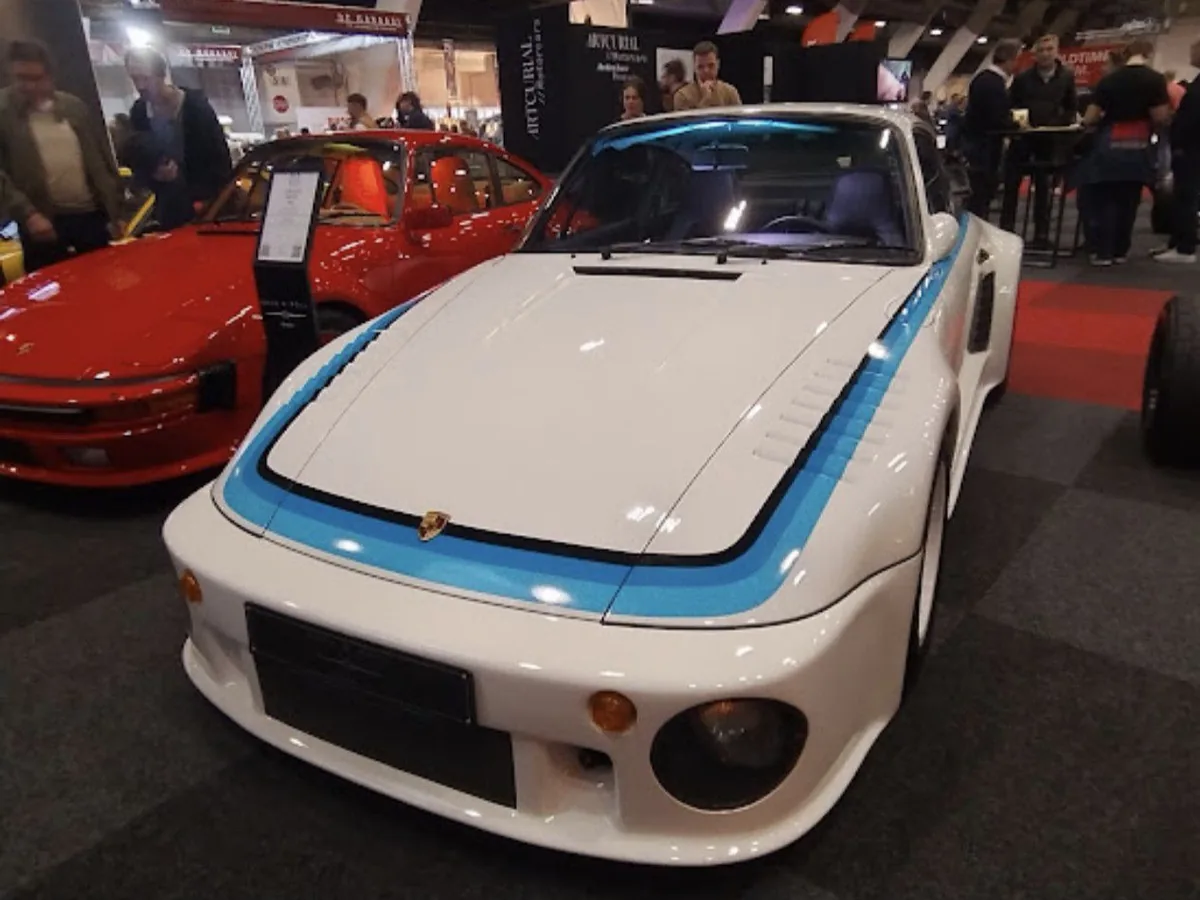
 SRSR
SRSR1982
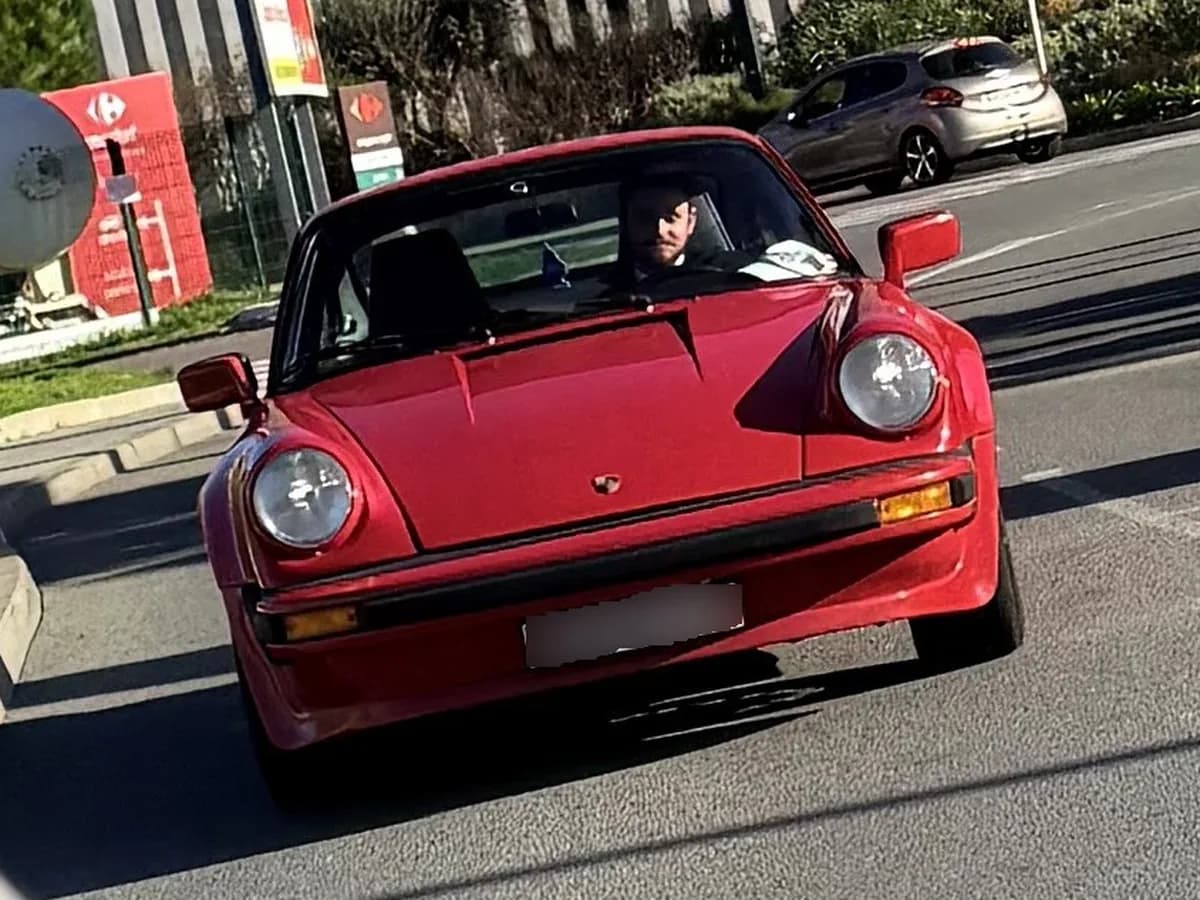
1979
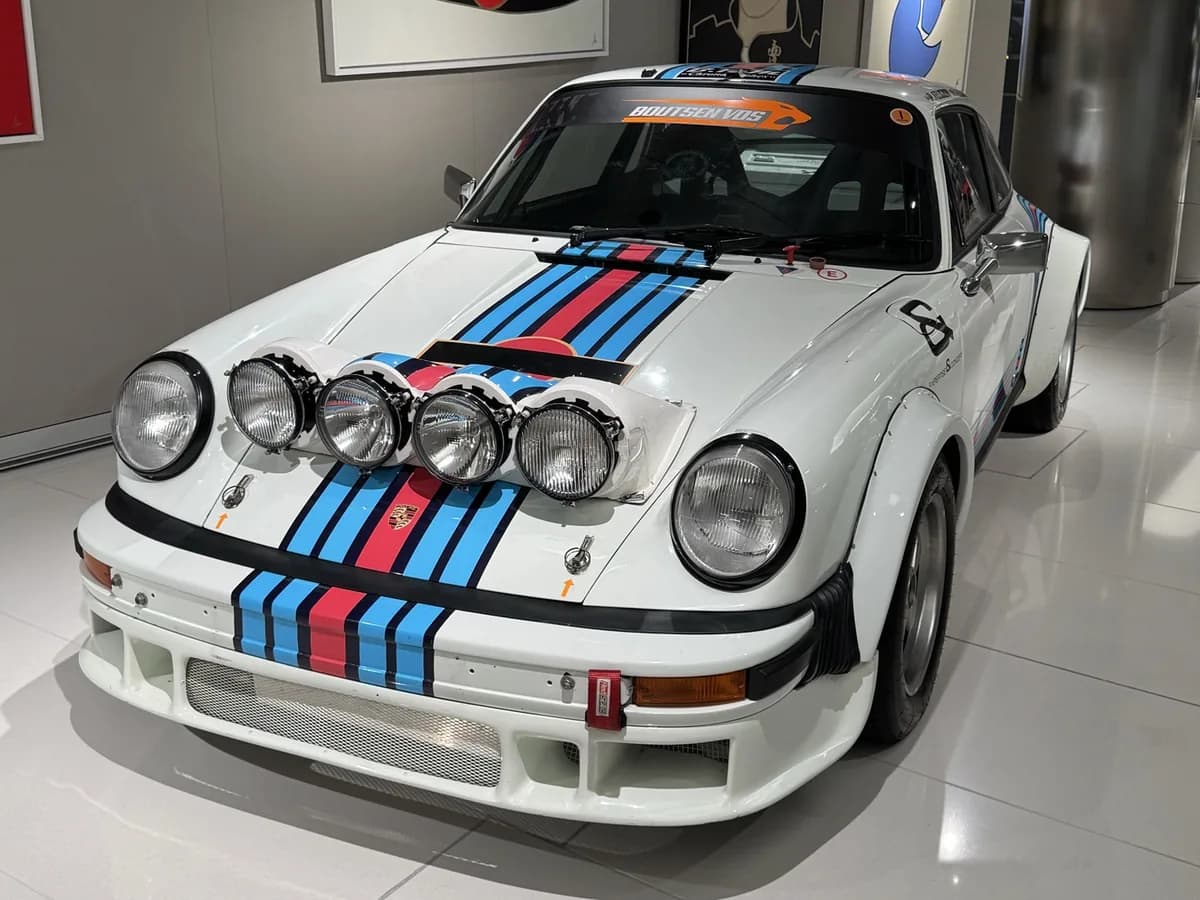
1974

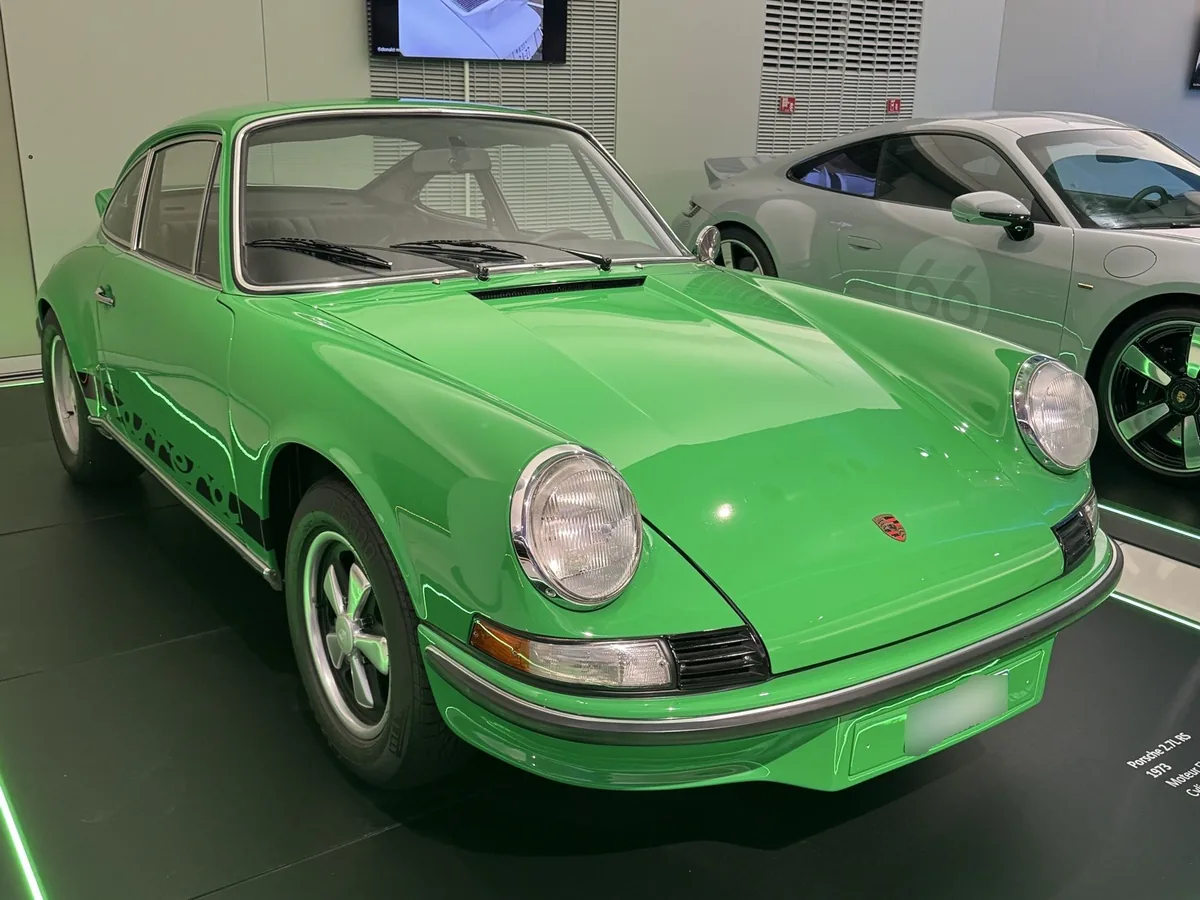
1973
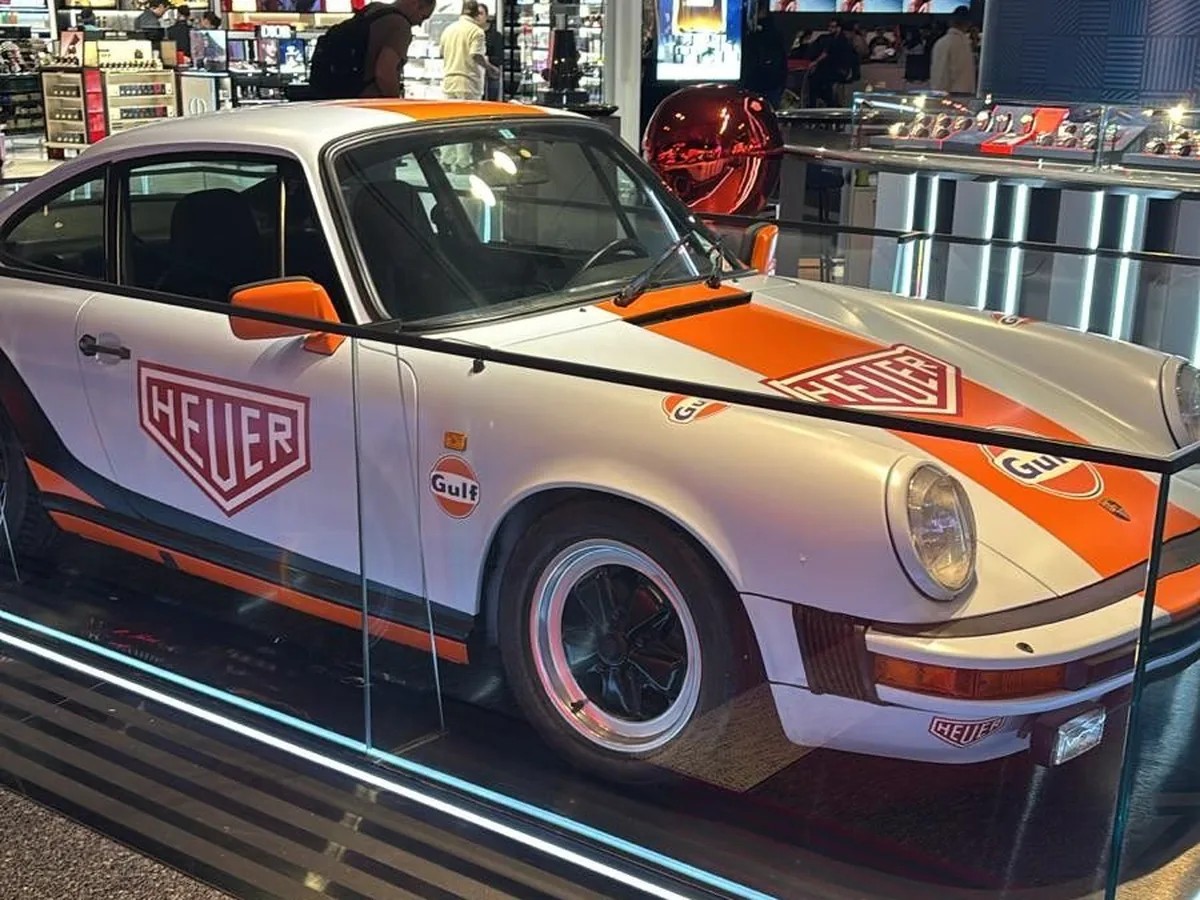
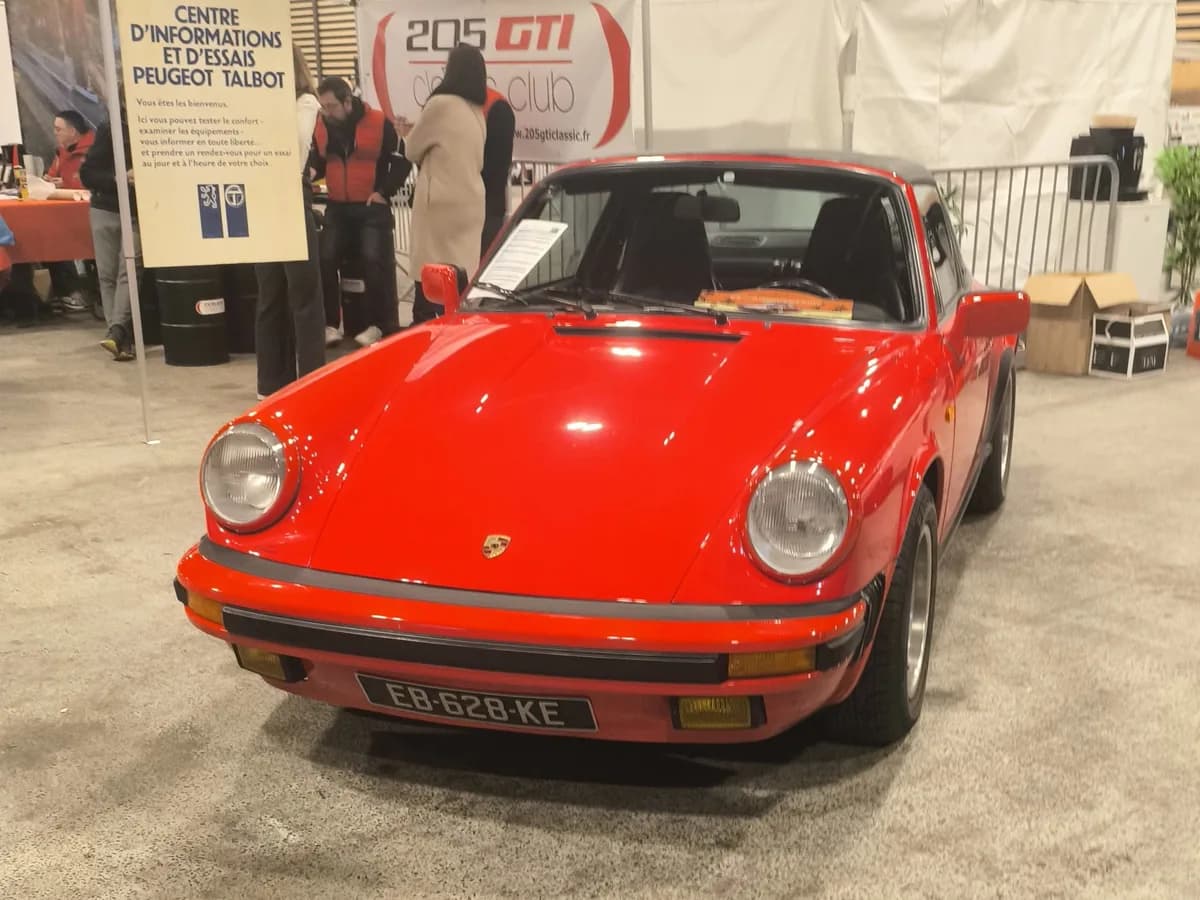
1966
1963
Model summary
Data from the ScanRacer library, organized to compare versions quickly.
Model introduction
First shown as the Type 901 at the Frankfurt Motor Show on September 12, 1963, Porsche changed the name to 911 before the car went on sale. Its rear-mounted six-cylinder boxer engine, occasional rear seats and fastback profile established the basic formula for one of the longest-running sports-car nameplates in production. Across successive generations, Porsche retained that identity while adding turbocharging, four-wheel drive, electronic engine management, water cooling and increasingly sophisticated chassis systems. The recorded range includes Coupé, Targa, Cabriolet, Speedster, GT1 and Dakar forms, tracing the model line from the original 1963 car to the 992 generation introduced in 2019. The result is an unusually broad family that spans everyday Carrera models, open-top derivatives, competition-focused GT cars and limited-production special editions.
History
The 911 was developed as the successor to the 356. Porsche unveiled it as the Type 901 in 1963, then changed the name to 911 before market launch because of a naming conflict. The first generation, built from 1963 to 1973, combined a rear-mounted 2.0-liter flat-six with a 2+2 fastback body. The Targa, shown in 1965 and sold from 1967, introduced a removable roof panel with a fixed safety bar. The G Series began after the 1973 summer break, bringing impact-absorbing bumpers and the 911 Turbo, internally known as the 930. A regular production Cabriolet joined the range in 1983, followed by the Speedster in 1988. The Type 964, introduced in 1989, represented a major redesign; Porsche states that roughly 85 percent of its components were new. It brought the Carrera 4 all-wheel-drive system to series production and added the Tiptronic automatic transmission. The 993, built from 1994 to 1998, introduced a multi-link rear axle and became the final air-cooled 911 generation. The 996 then established the move to water-cooled engines. The 997, 991 and 992 continued the pattern of measured development, adding greater rigidity, efficiency, comfort and performance while retaining the model’s characteristic rear-engine layout and recognizable profile.
Generations
Porsche generally presents the nameplate as eight principal generations. The first 911 covers 1963-1973, using air-cooled flat-six engines and a body initially offered only as a Coupé. The G Series, built from 1973 to 1989, is associated with impact-absorbing bumper bellows and introduced the Turbo, regular Cabriolet and Speedster forms. The 964, produced from 1989 to 1994, brought a heavily revised body, a 3.6-liter engine and the Carrera 4 all-wheel-drive model. The 993, built from 1994 to 1998, added a multi-link rear axle and became the final air-cooled generation. The 996, launched in 1997, established water-cooled engines and used oval-shaped headlights. The 997, introduced from 2004, returned to more traditionally round headlamps. The 991, launched in 2011, brought a longer wheelbase and an aluminium-steel body structure. The 992 arrived in 2019 with a wider body, an eight-speed dual-clutch transmission and more advanced electronic systems. Production years and body variants can overlap, so a model year alone does not always identify a generation with complete precision. Internal type numbers such as 964, 993, 996, 997, 991 and 992 are therefore useful reference points when comparing cars.
Key differences
Confirmed fact: the most significant changes concern the engine, cooling system, drivetrain and body structure. Early generations used air-cooled engines, while the 996 introduced water cooling. Four-wheel drive first appeared on the competition Type 953 in 1984 and later entered series production with the 964 Carrera 4. The 993 brought a multi-link rear axle, the 991 used an aluminium-steel body structure, and the 992 introduced an eight-speed dual-clutch transmission within the modern model line. Cautious interpretation: exterior styling is useful for an initial identification, but it cannot distinguish every derivative on its own. A single generation may combine several engines, drivetrains, wheelbases, body styles and limited editions. Carrera, Turbo, GT3, RS, Targa, Speedster and Dakar therefore describe different roles or specifications, not necessarily separate generations. A reliable identification should combine the headlights, bumper design, air intakes, roof treatment, exhaust layout and the internal type number shown in the vehicle’s documentation. Regional equipment and later modifications can also make visual comparisons less conclusive.
Photo recognition
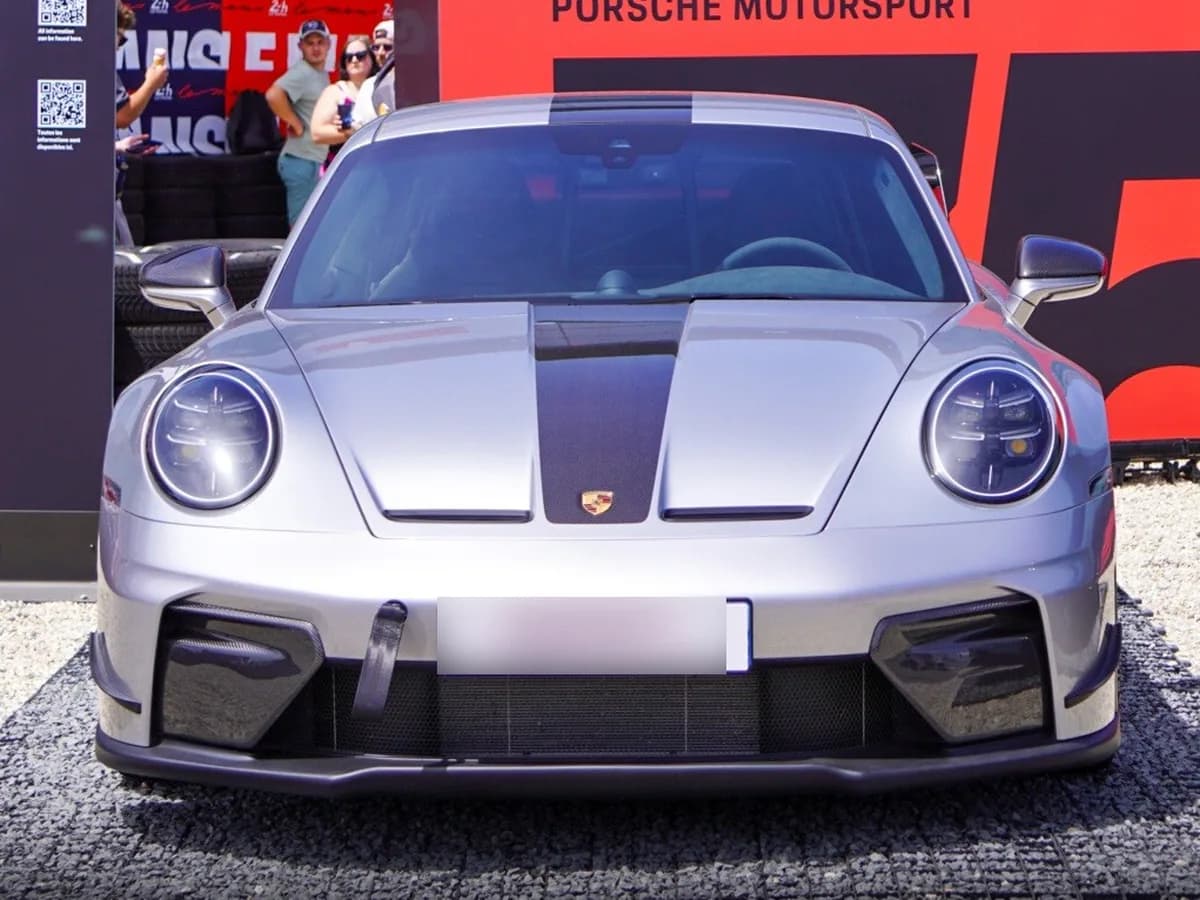
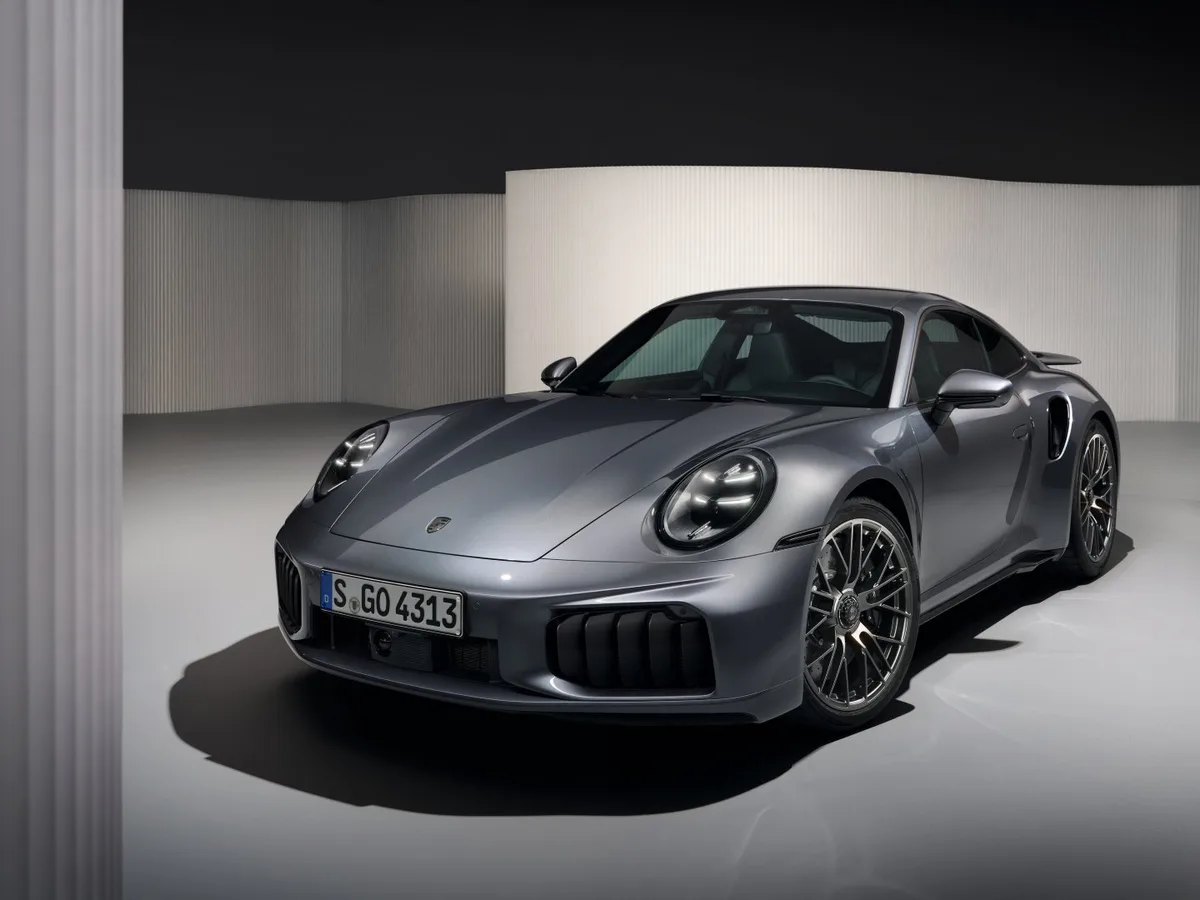
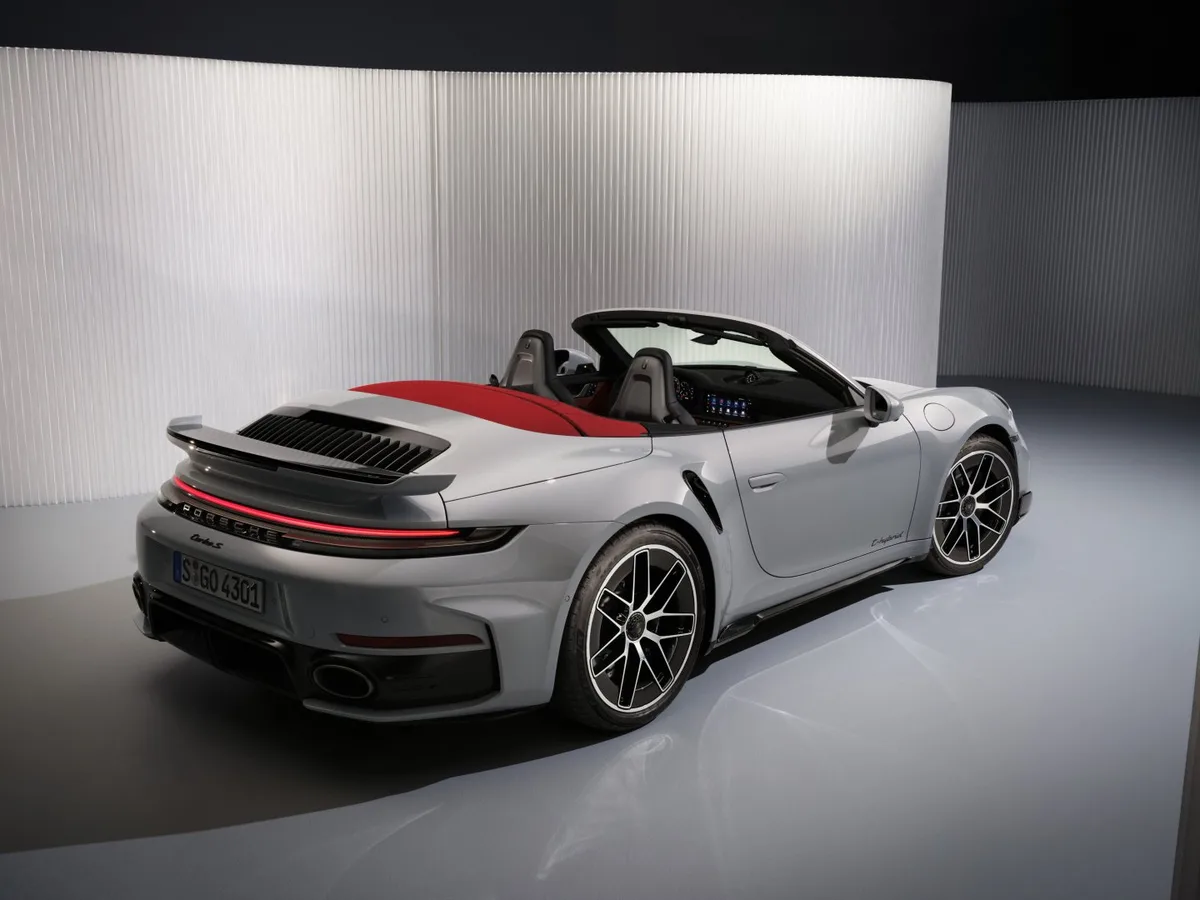
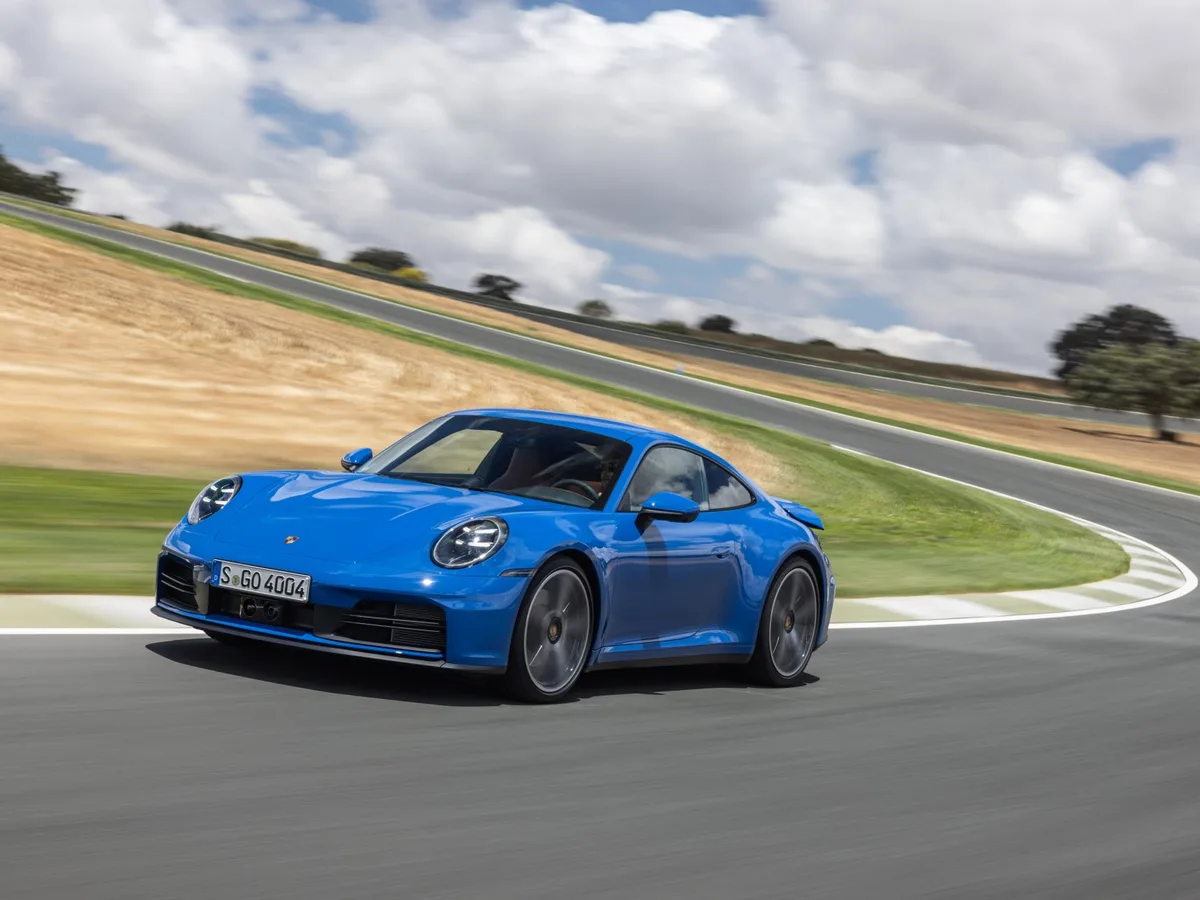
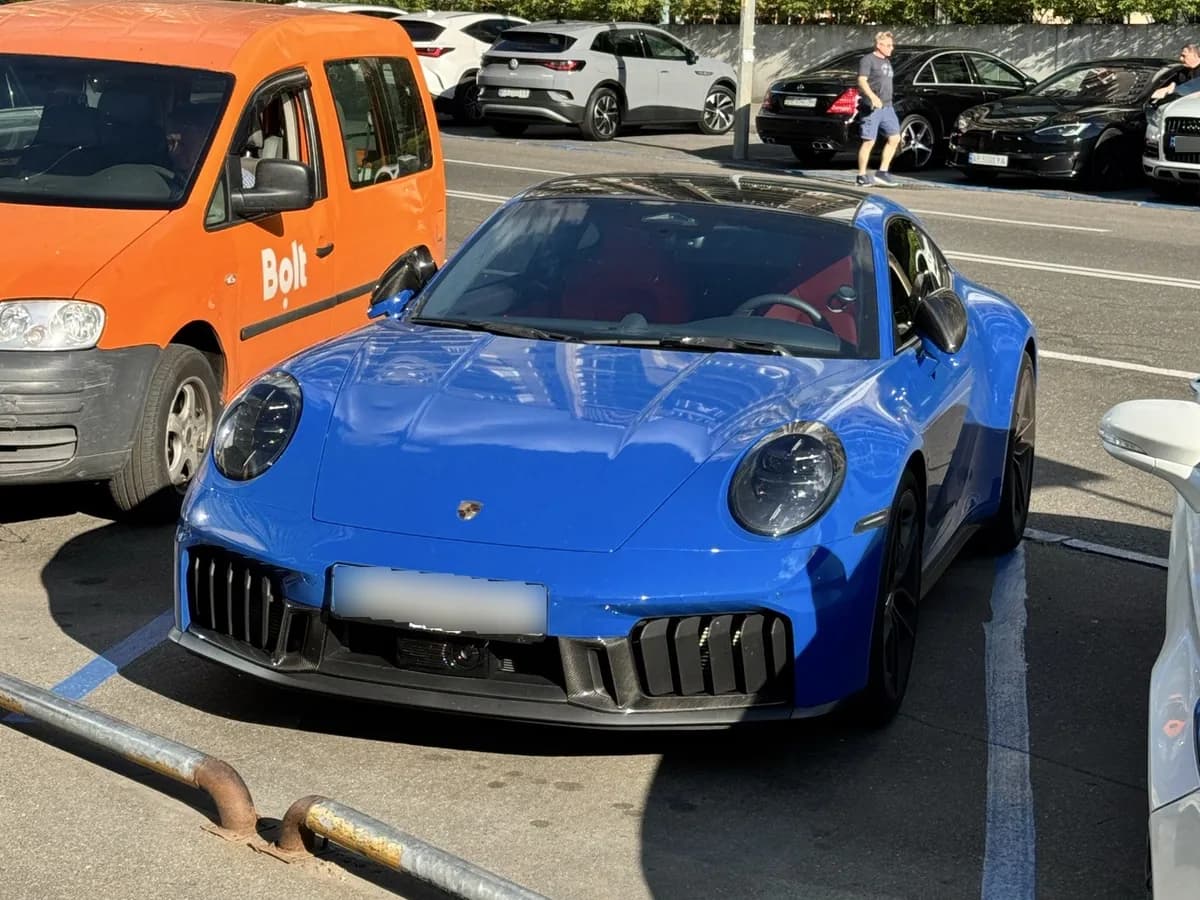
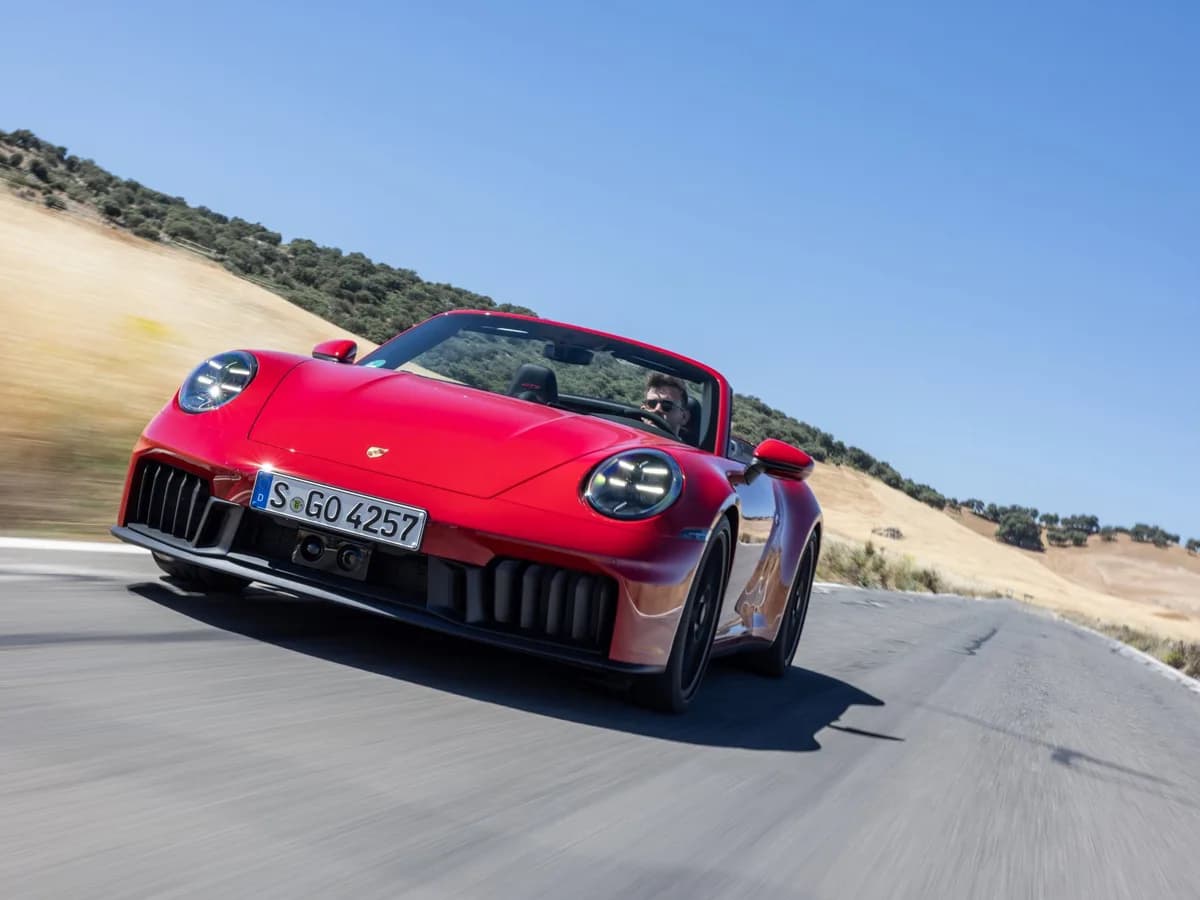
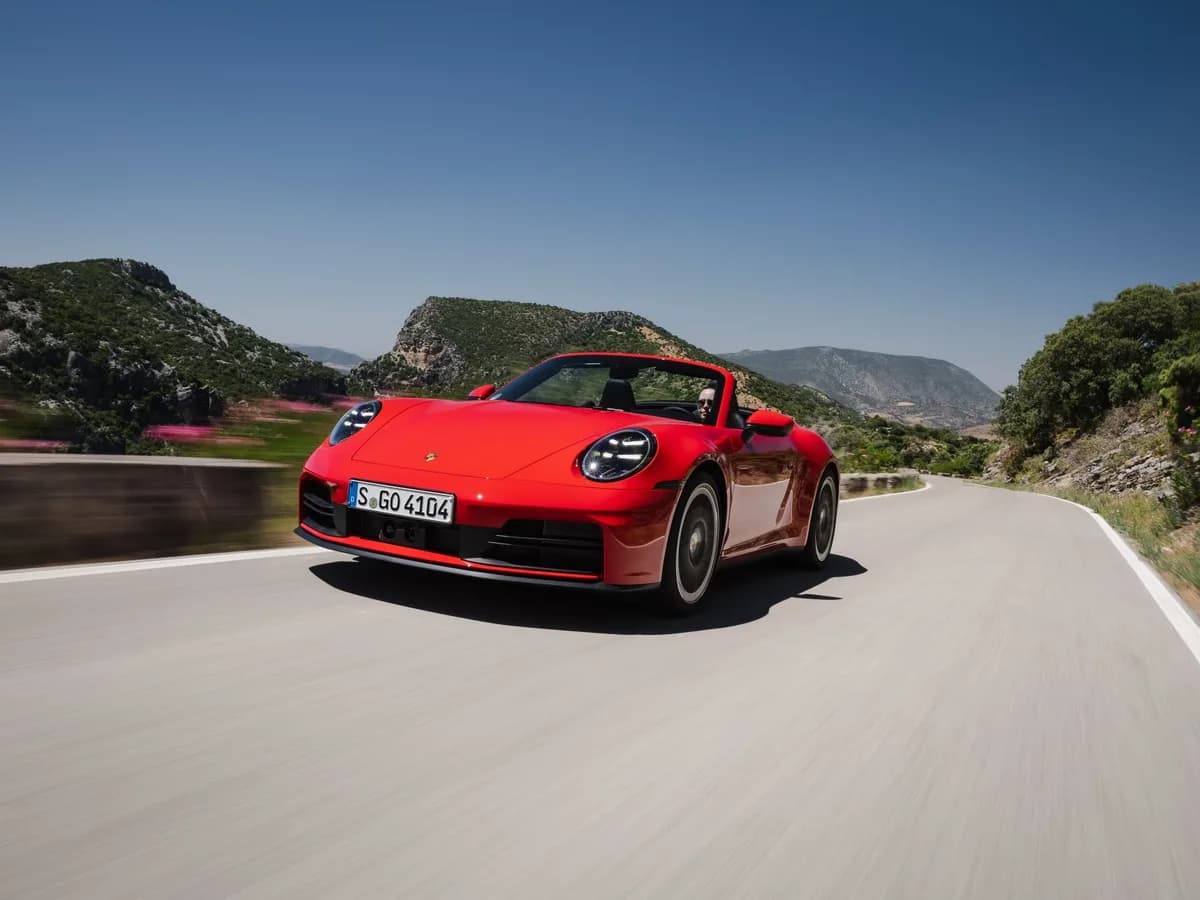
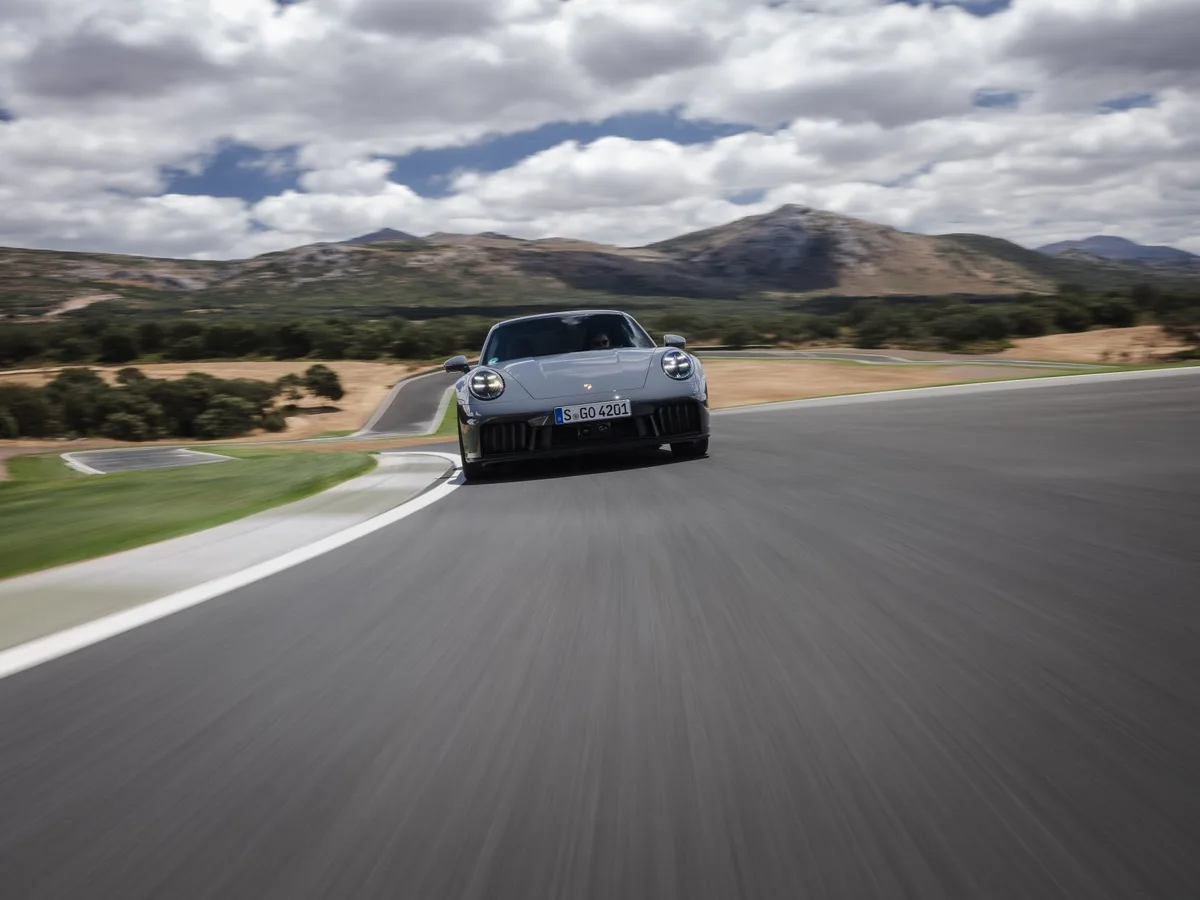
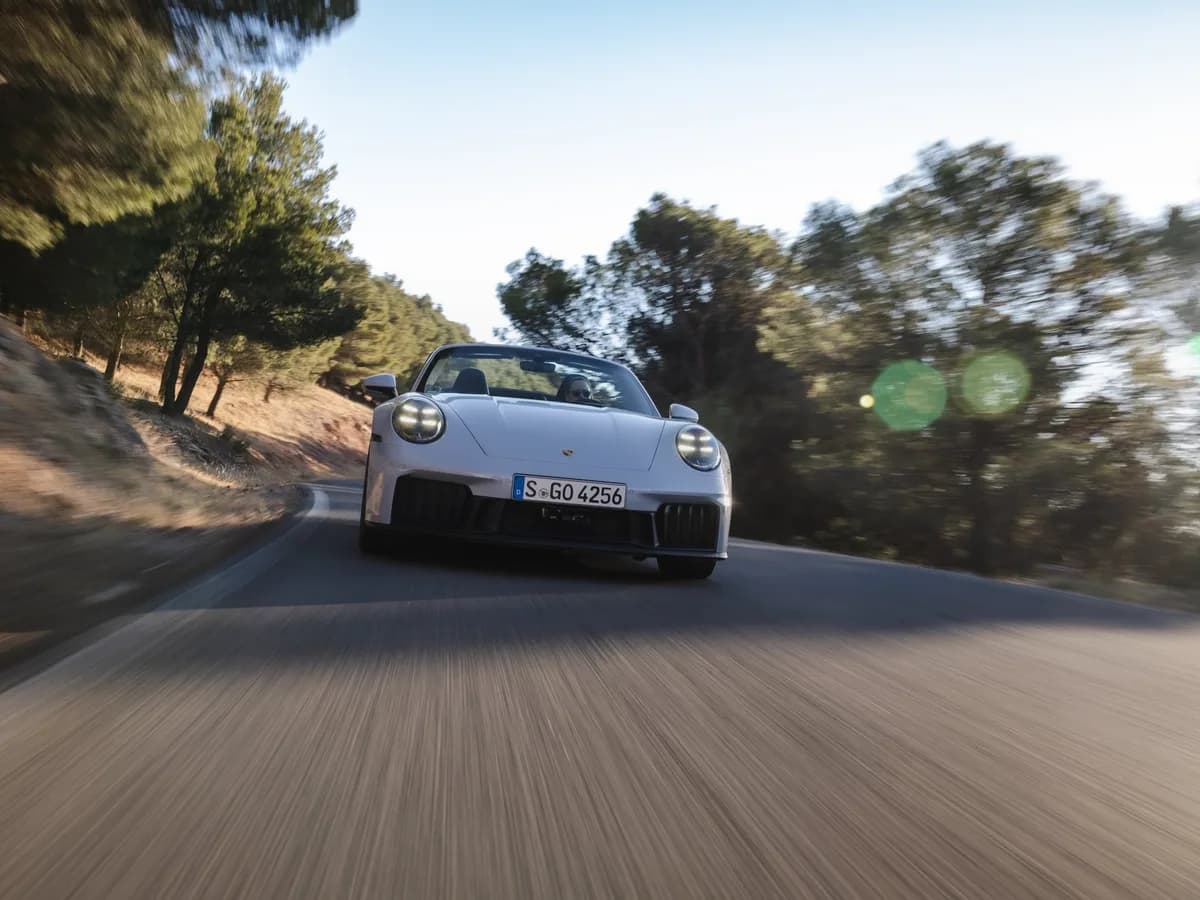
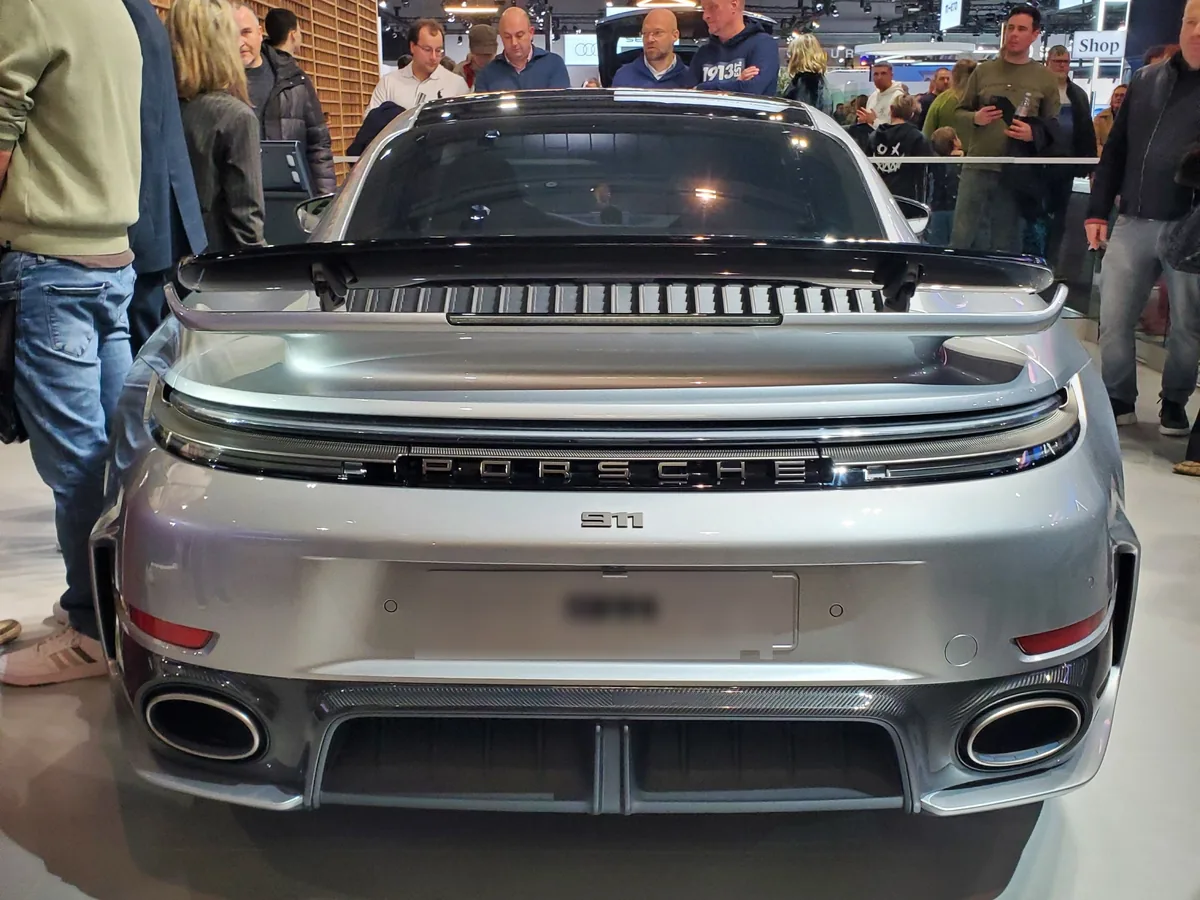
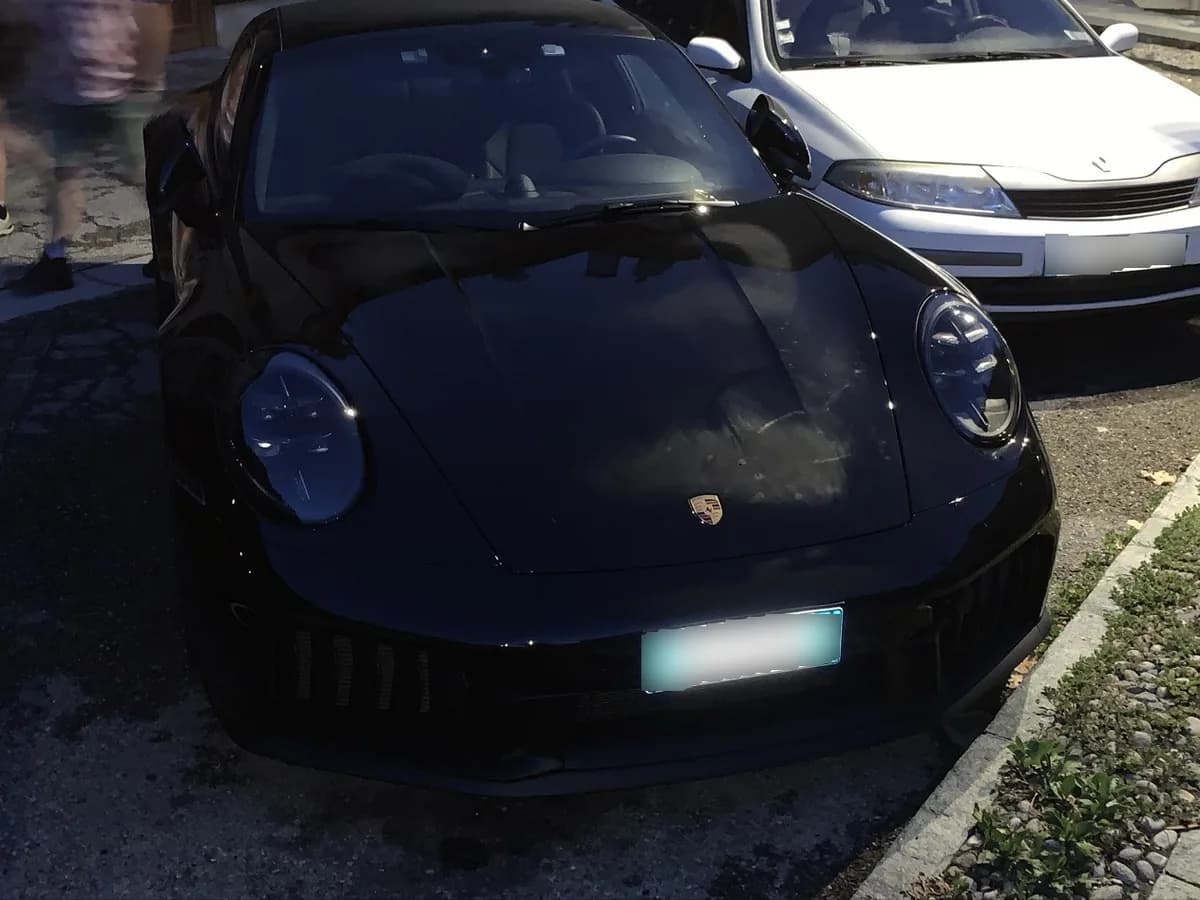
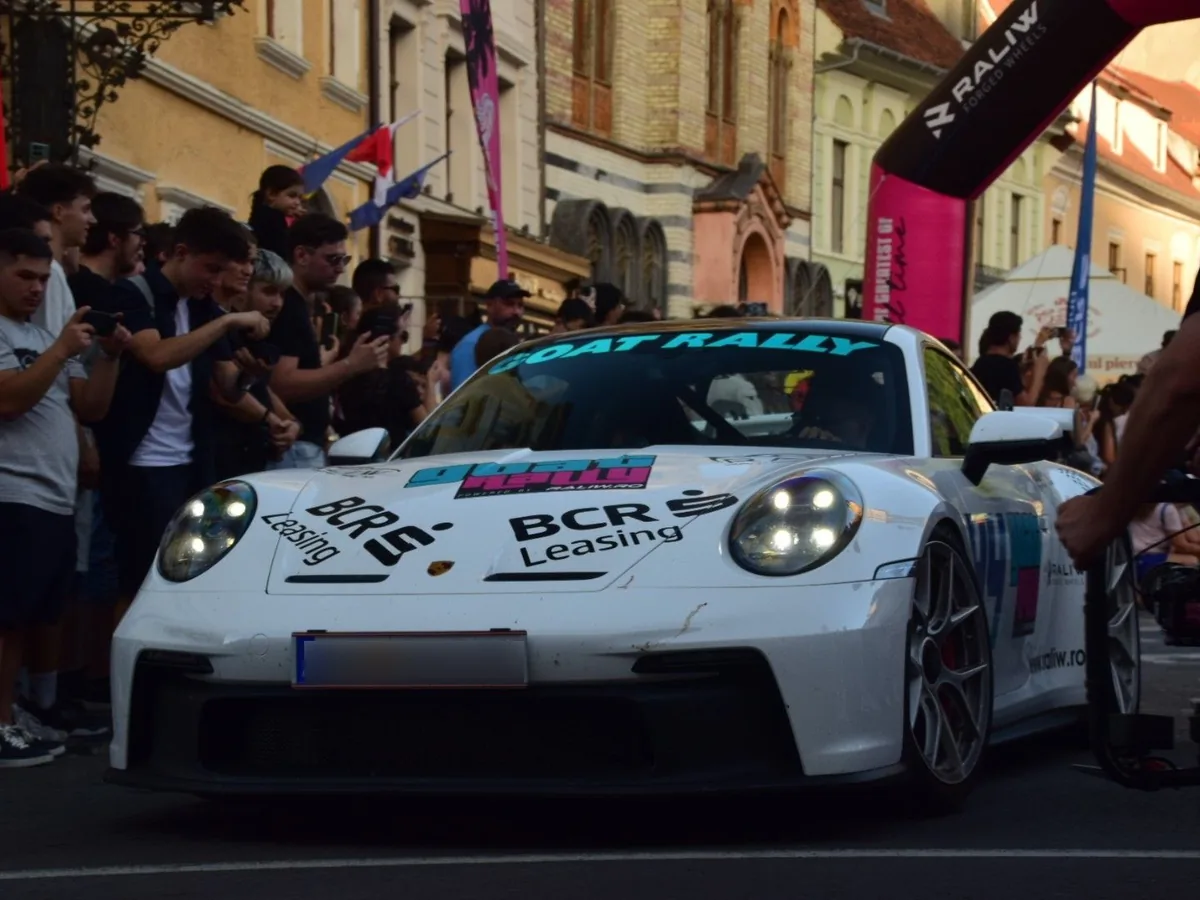
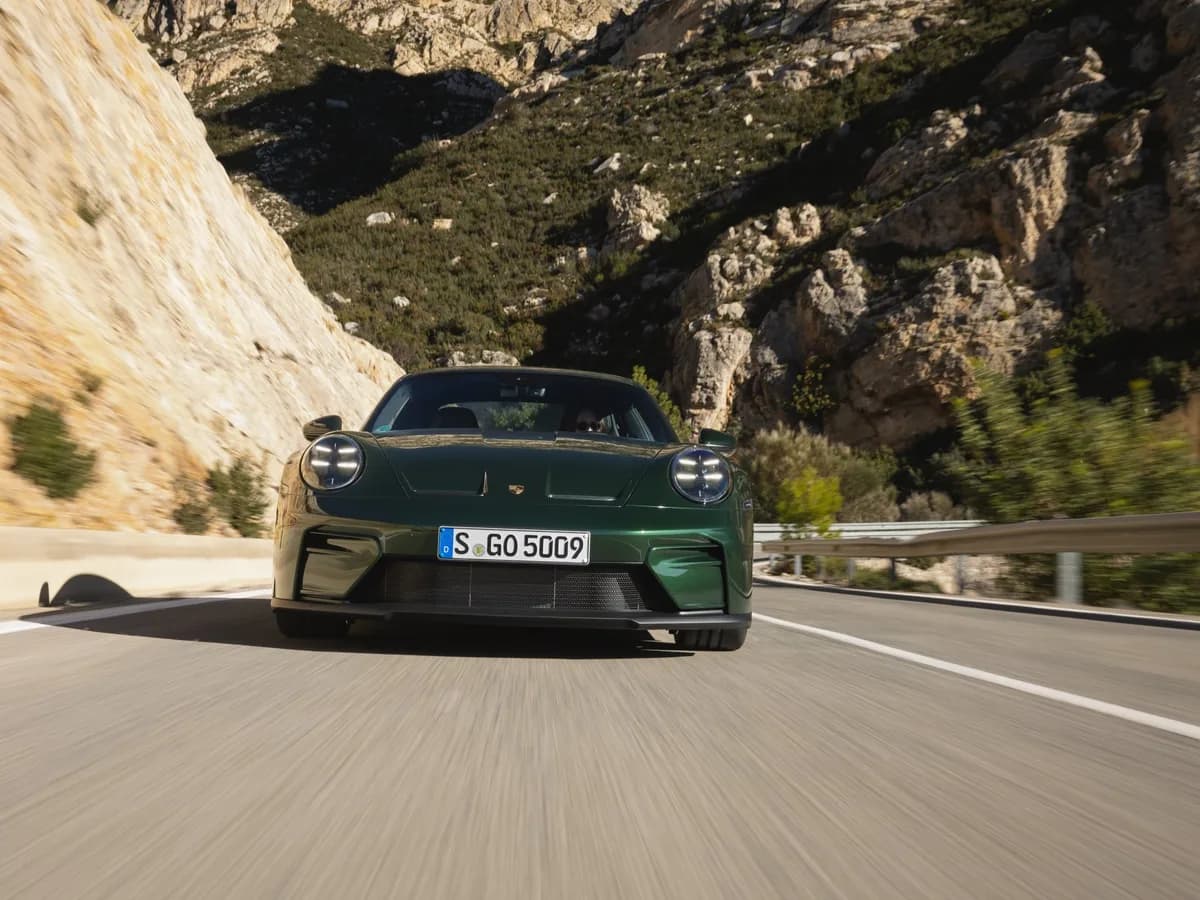
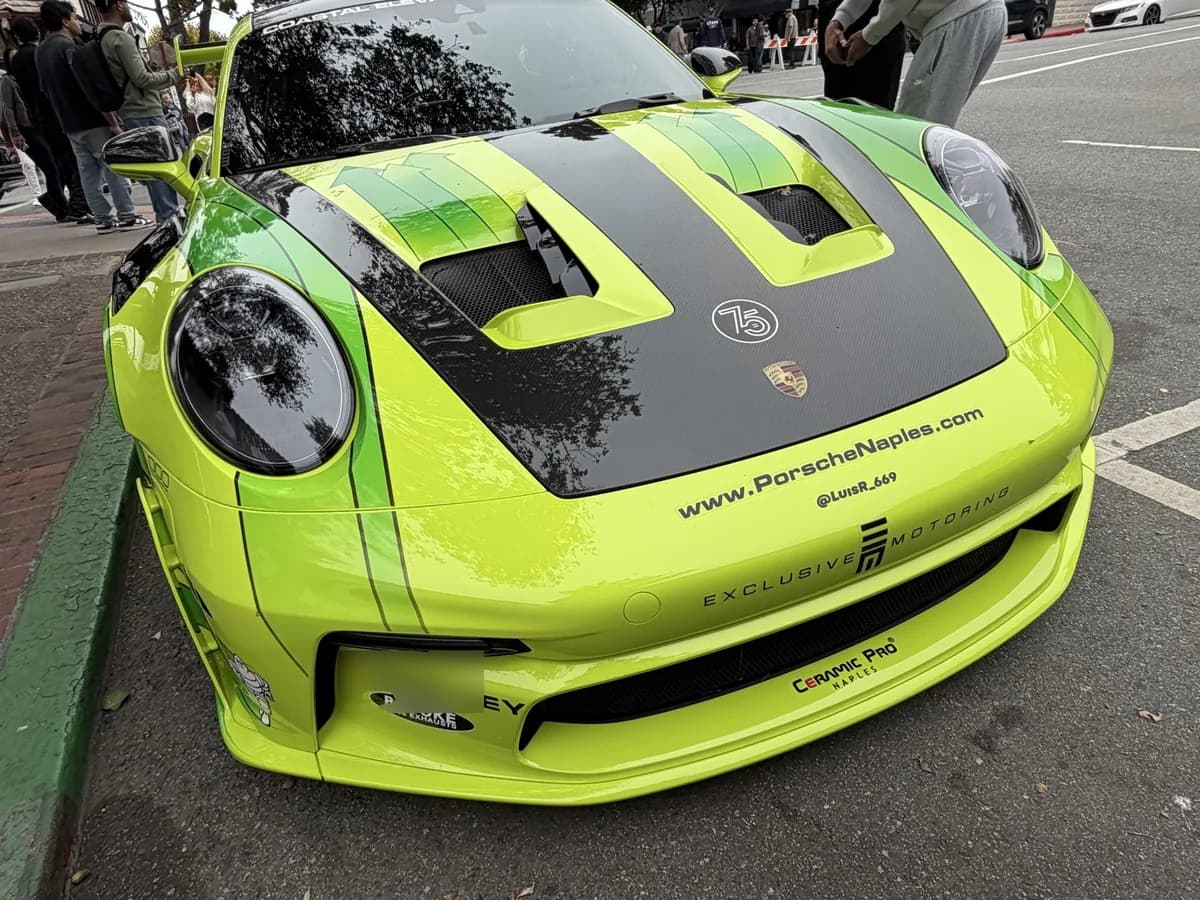
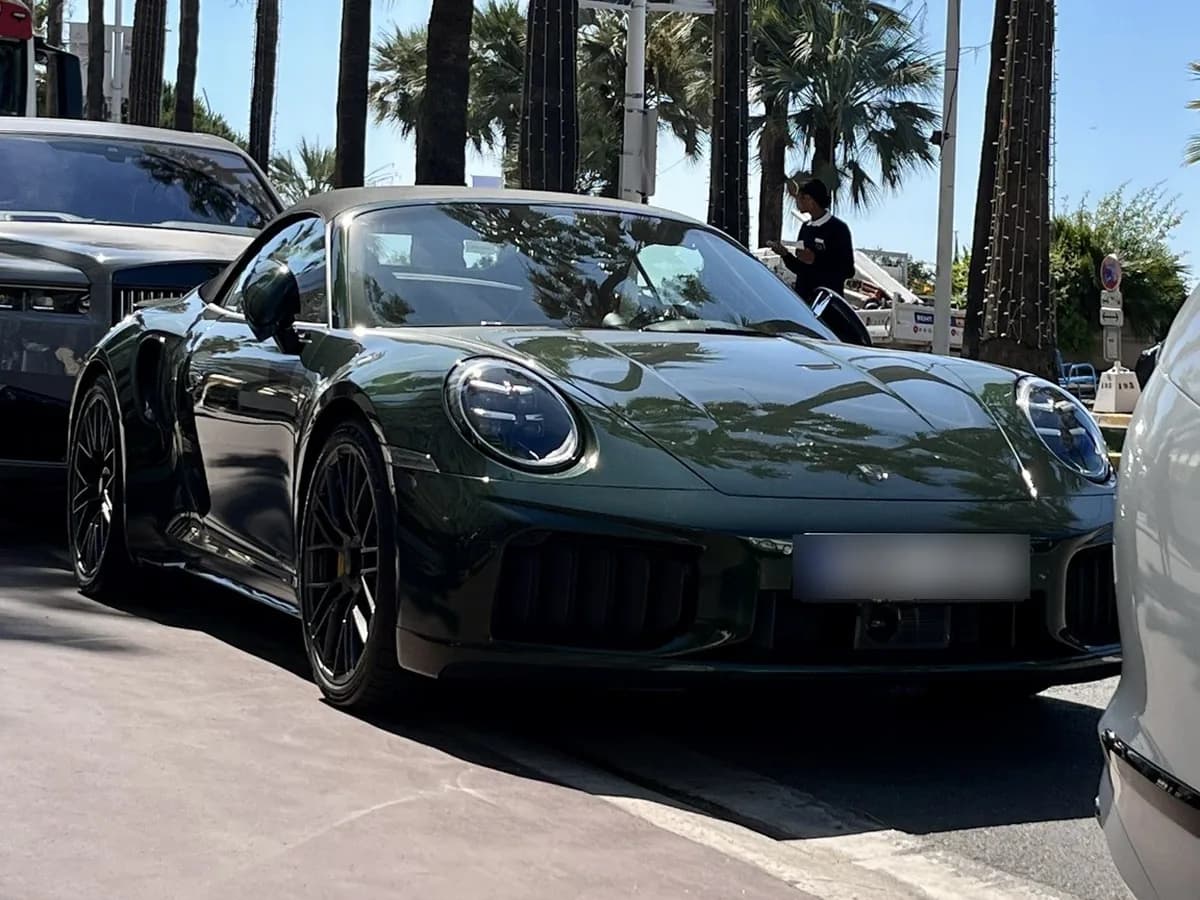
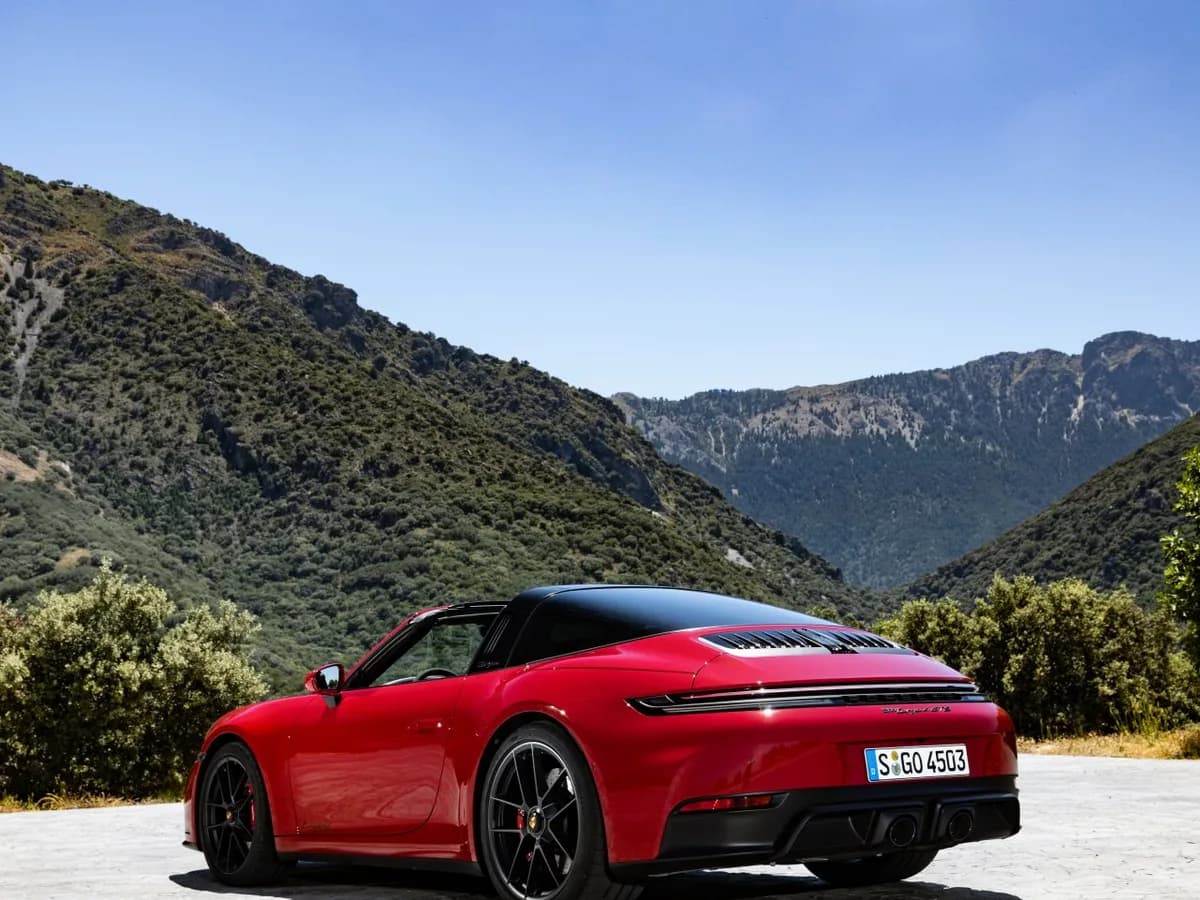
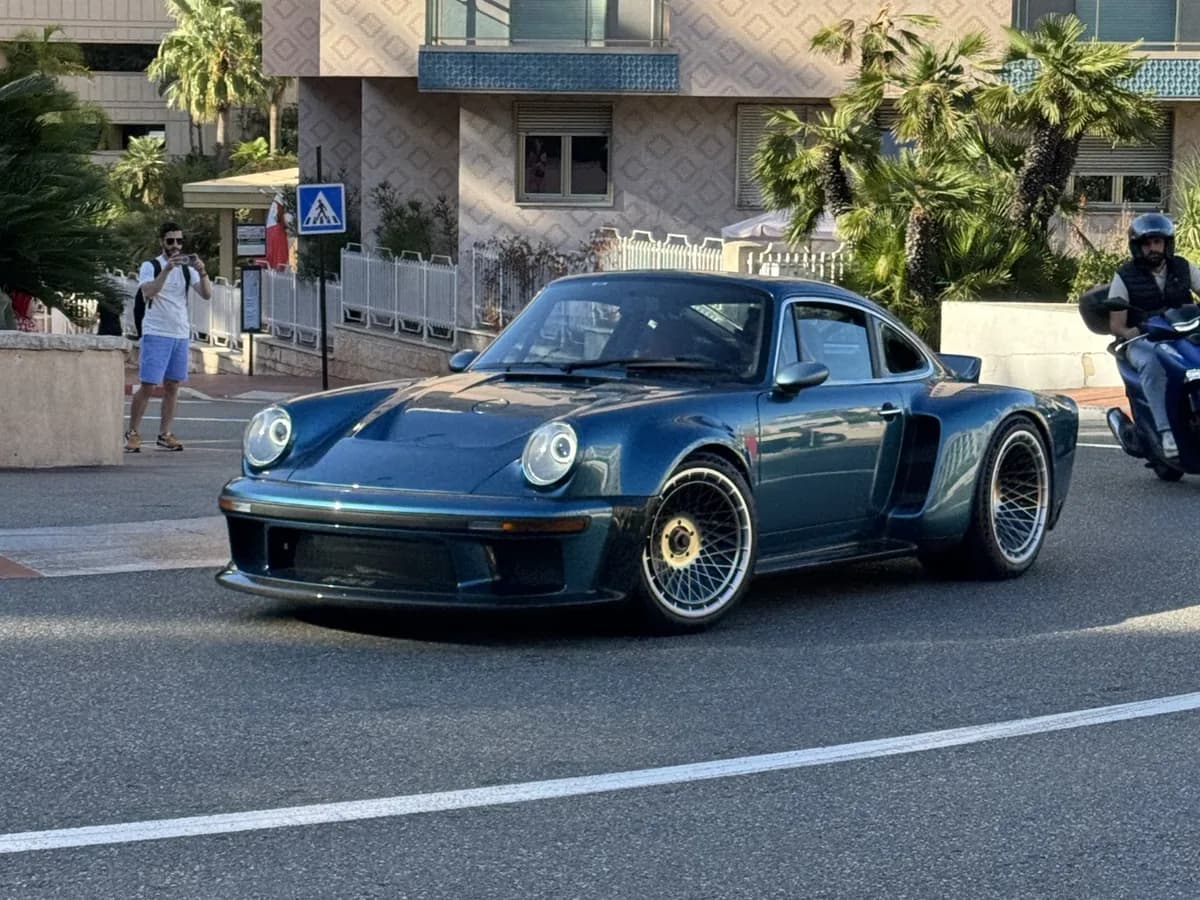
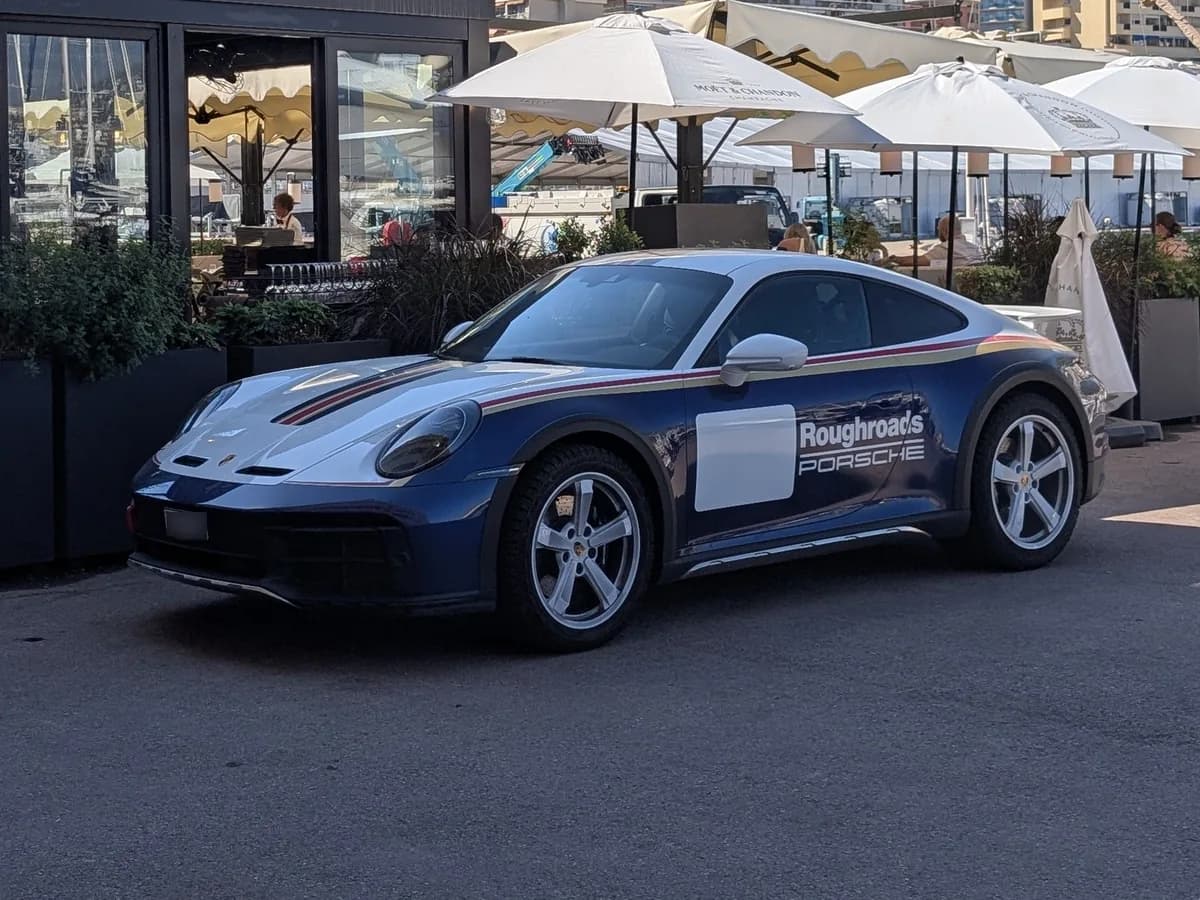
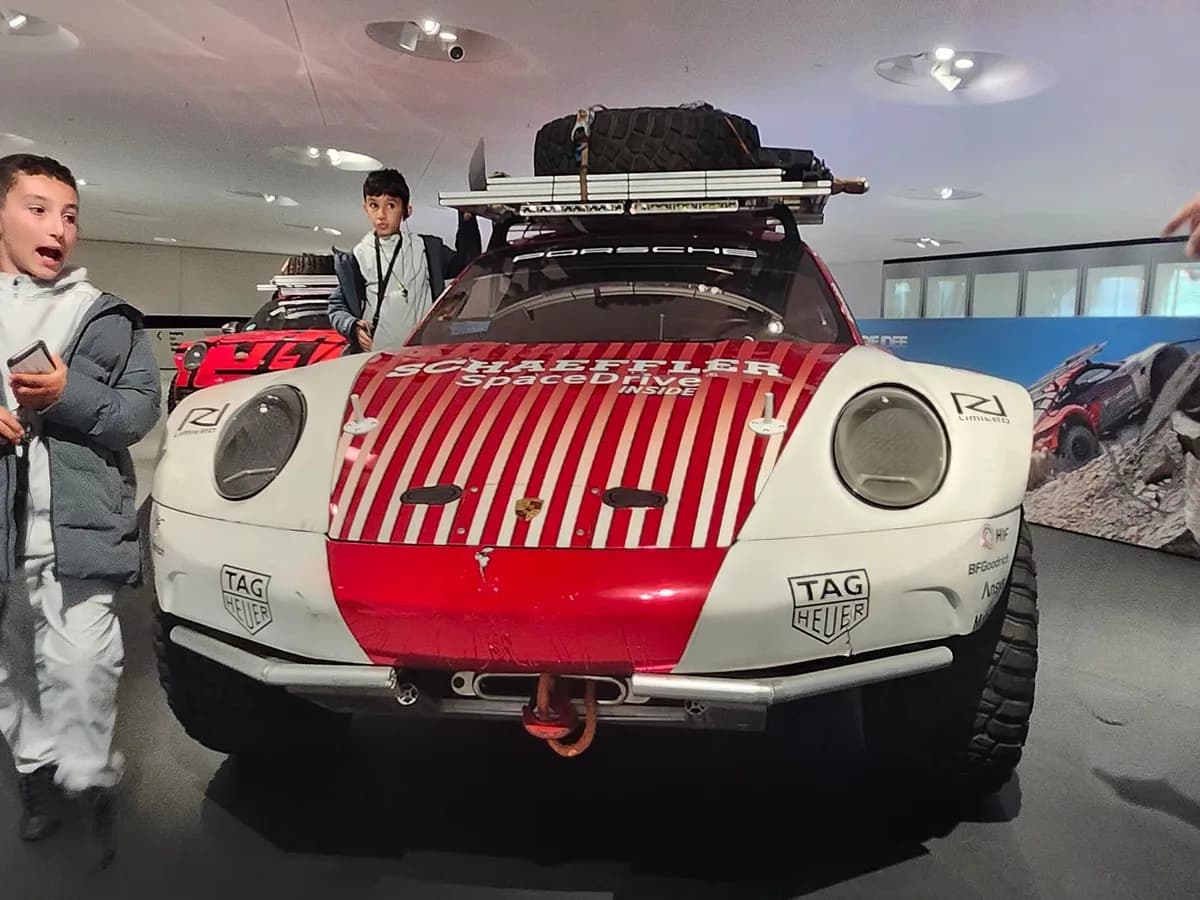
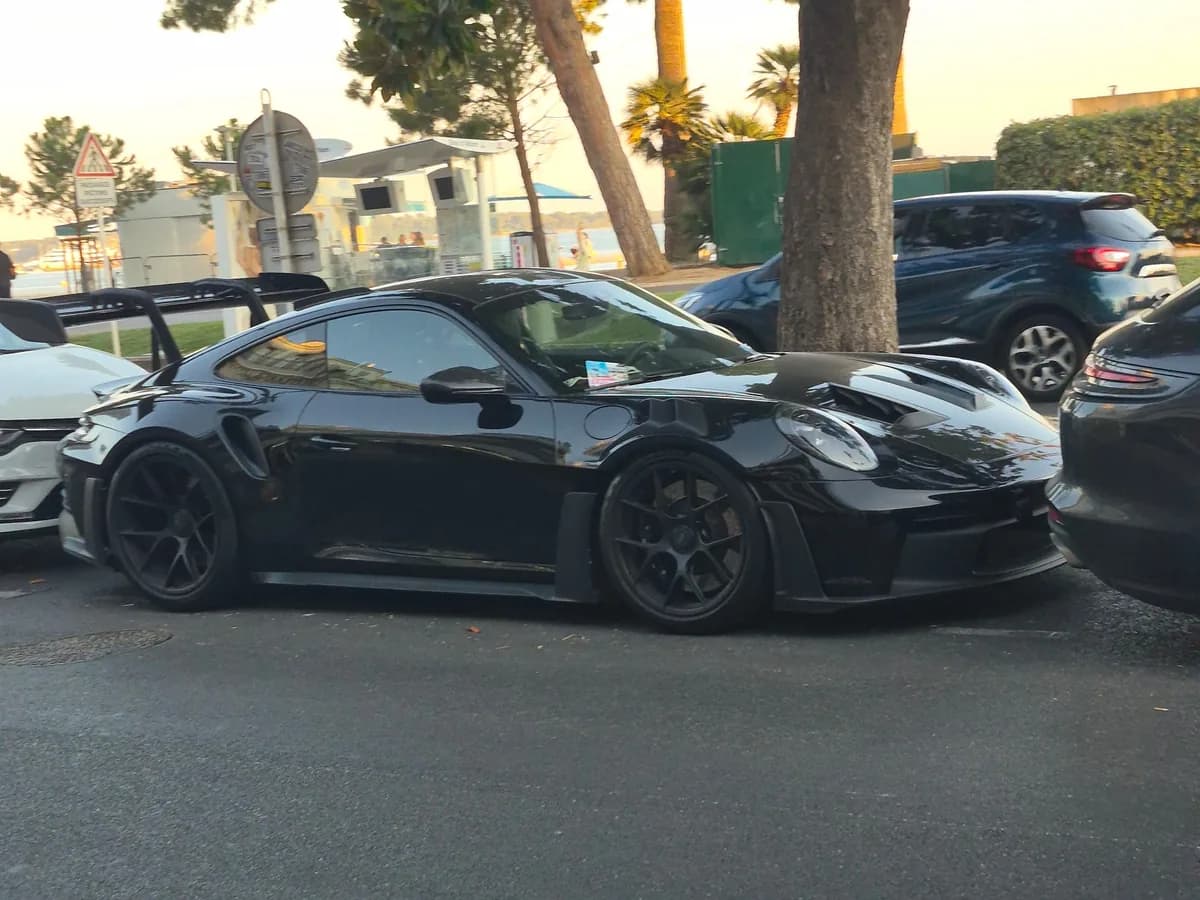
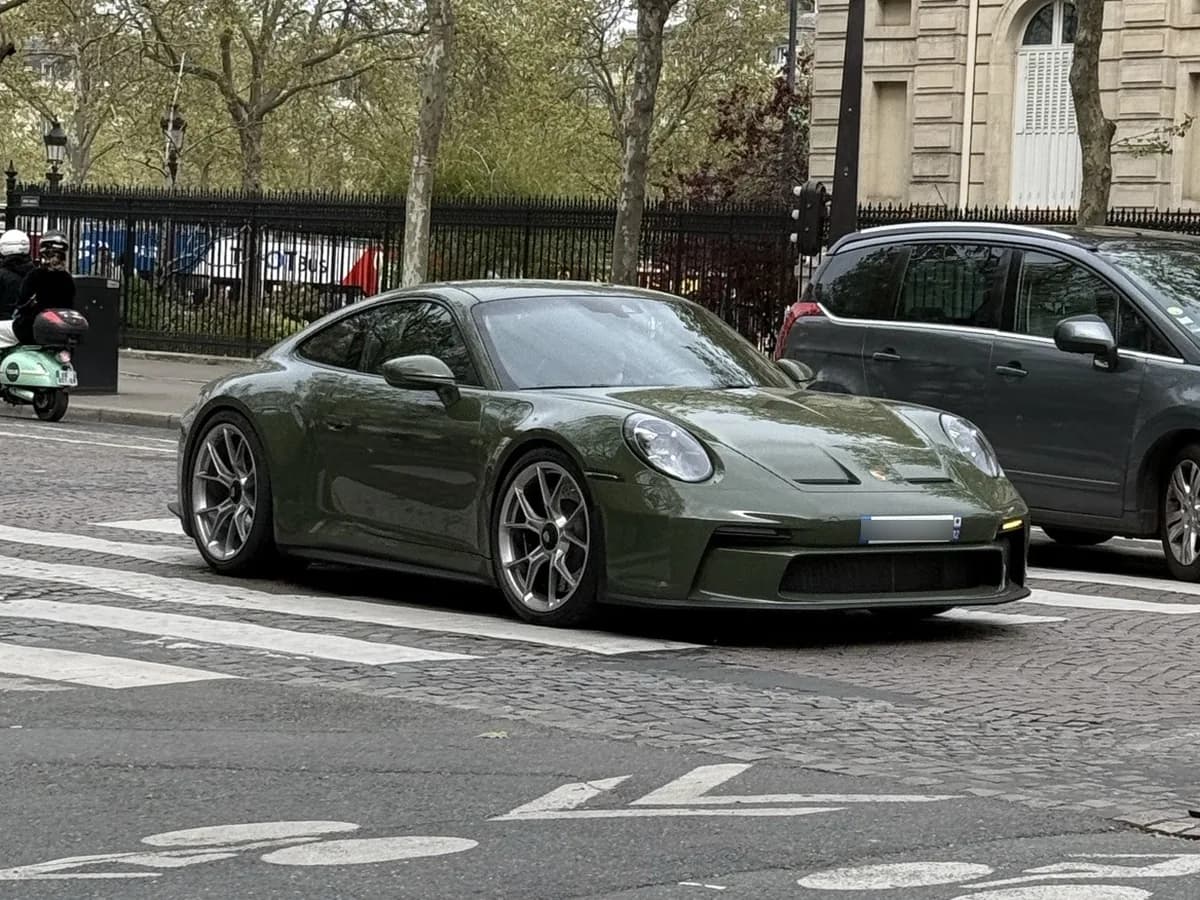
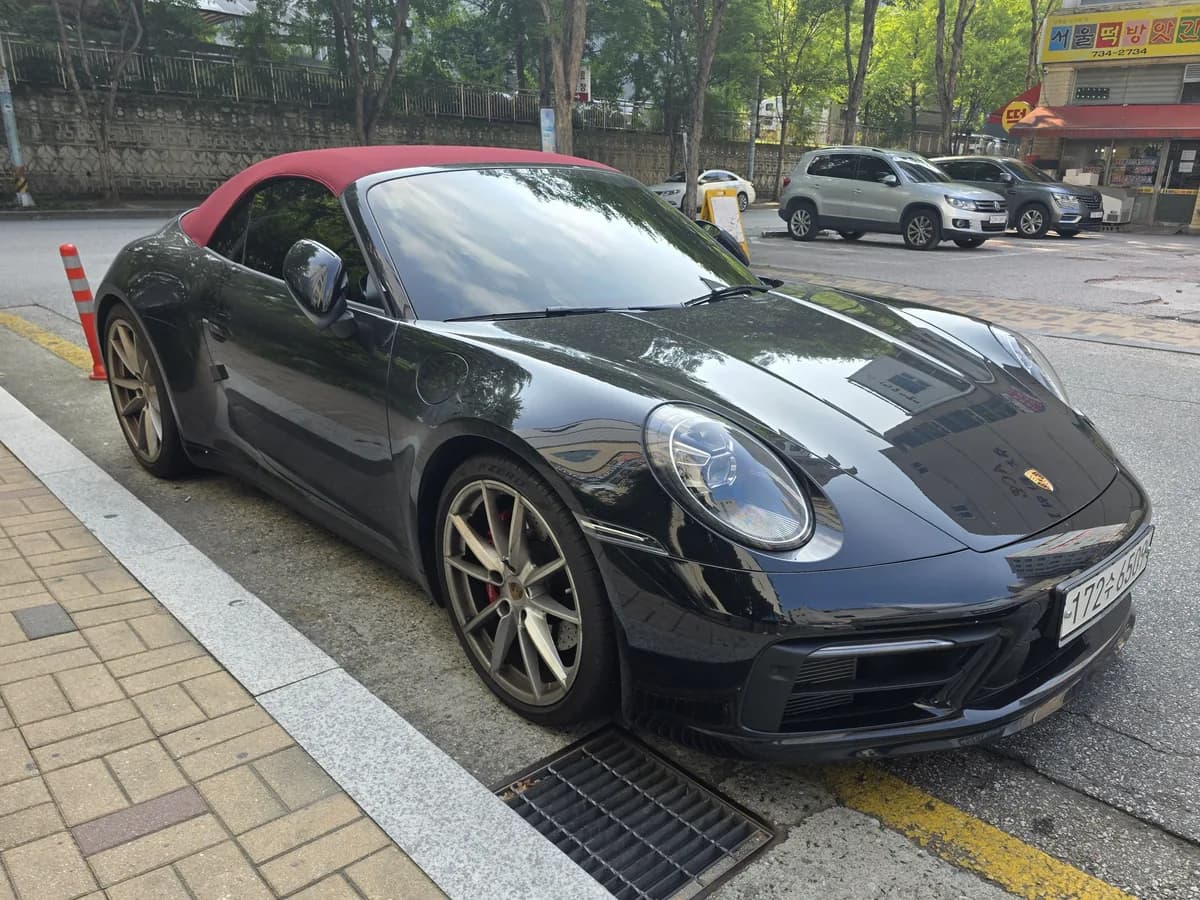
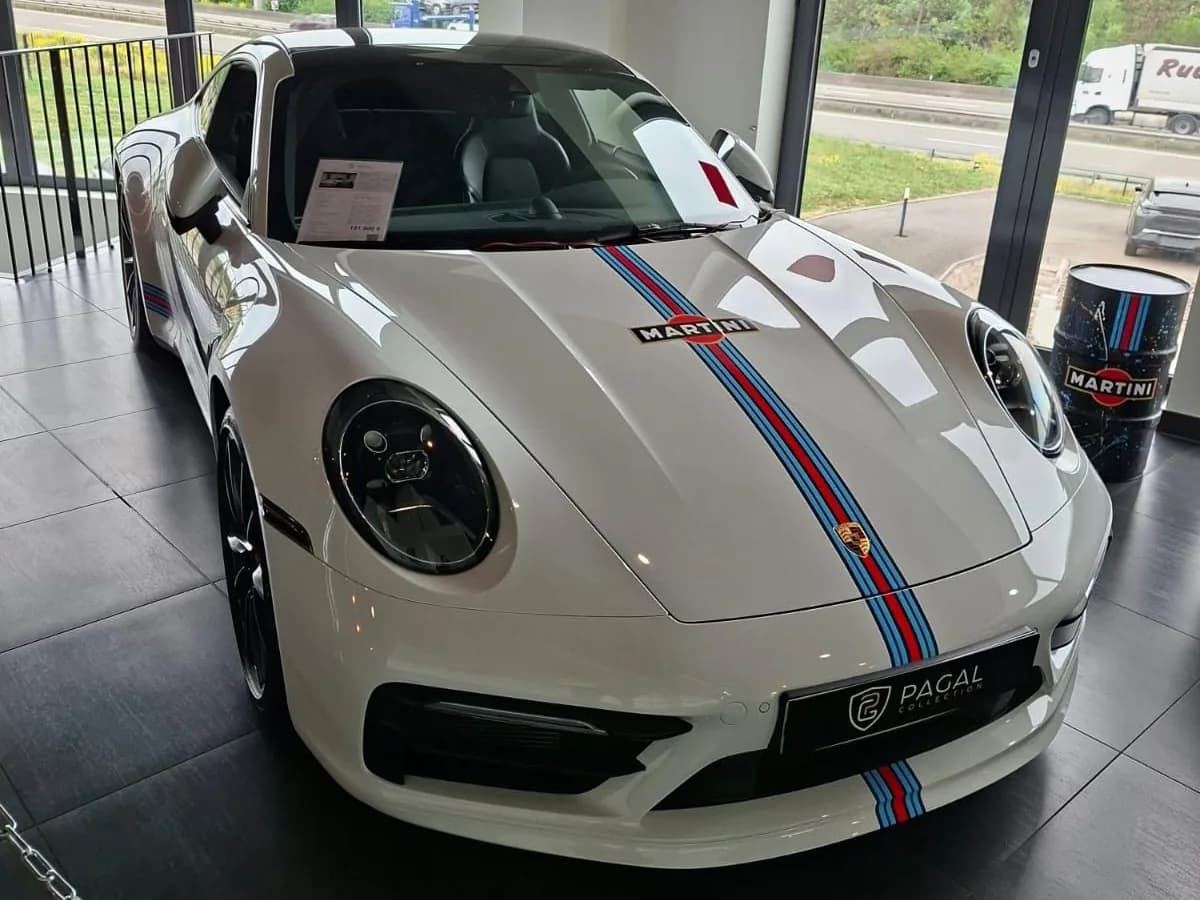
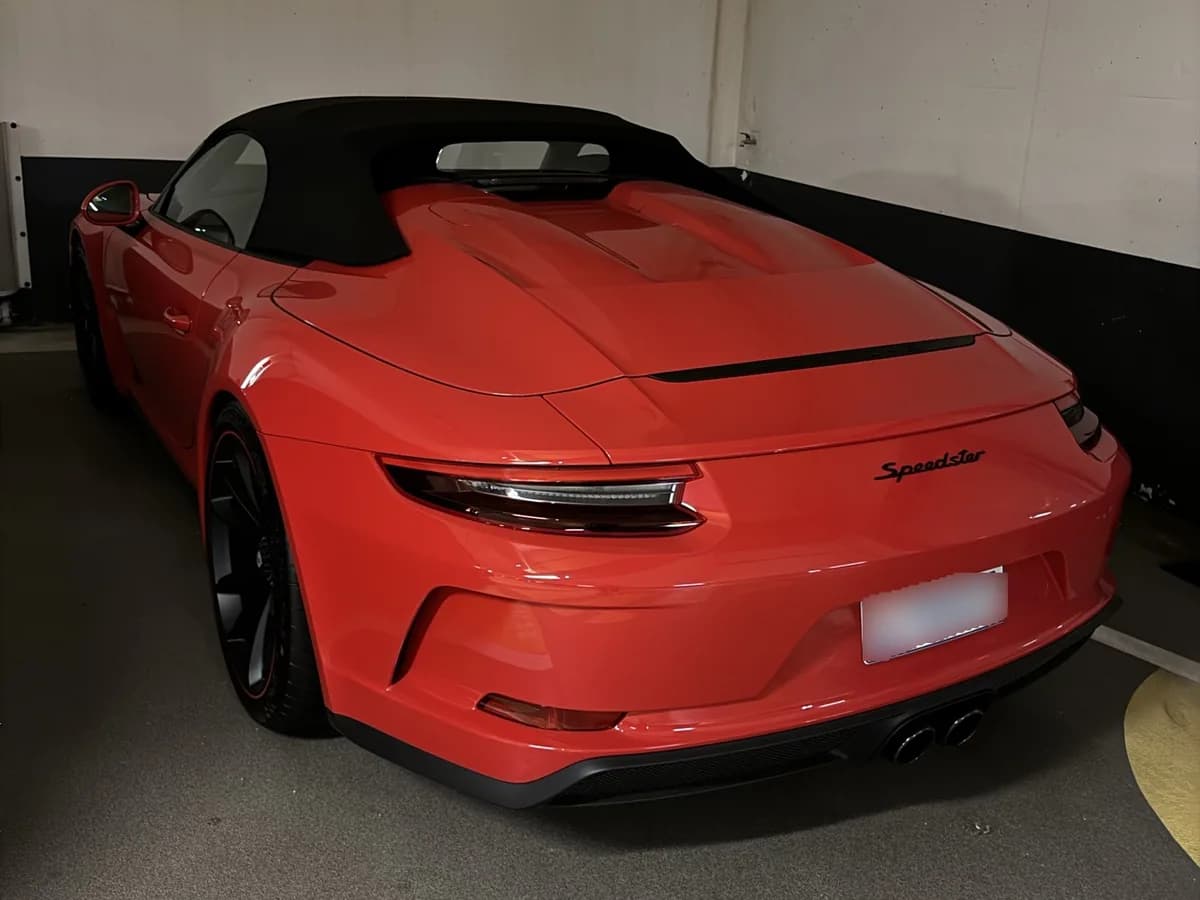
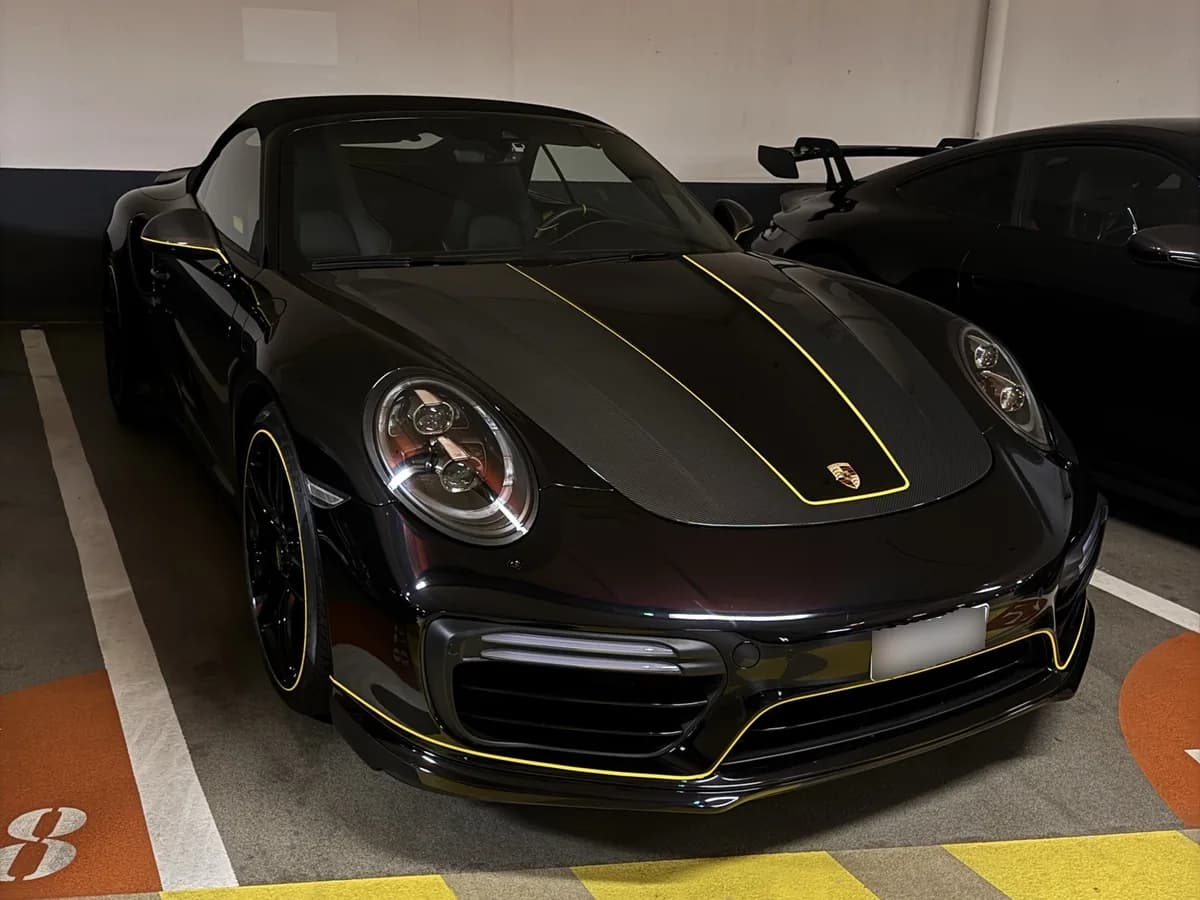
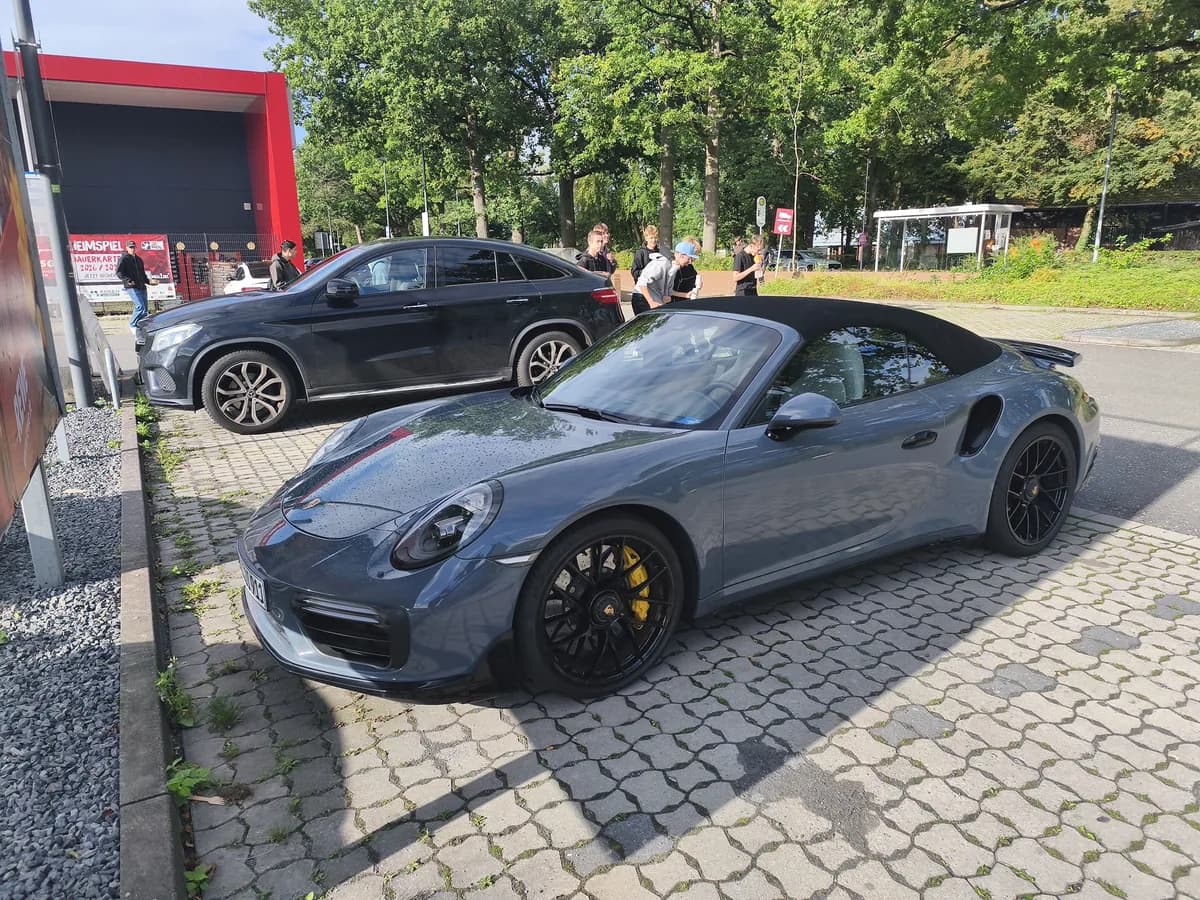
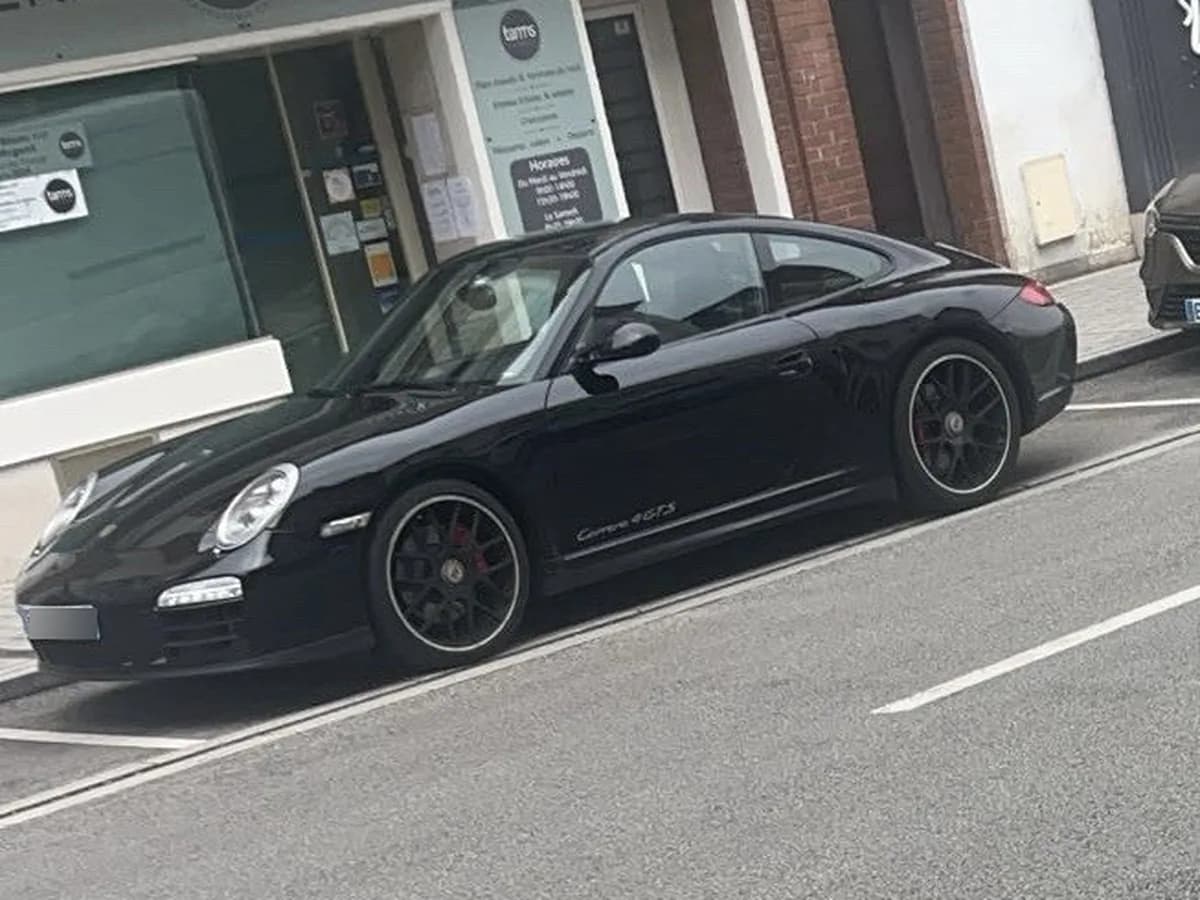
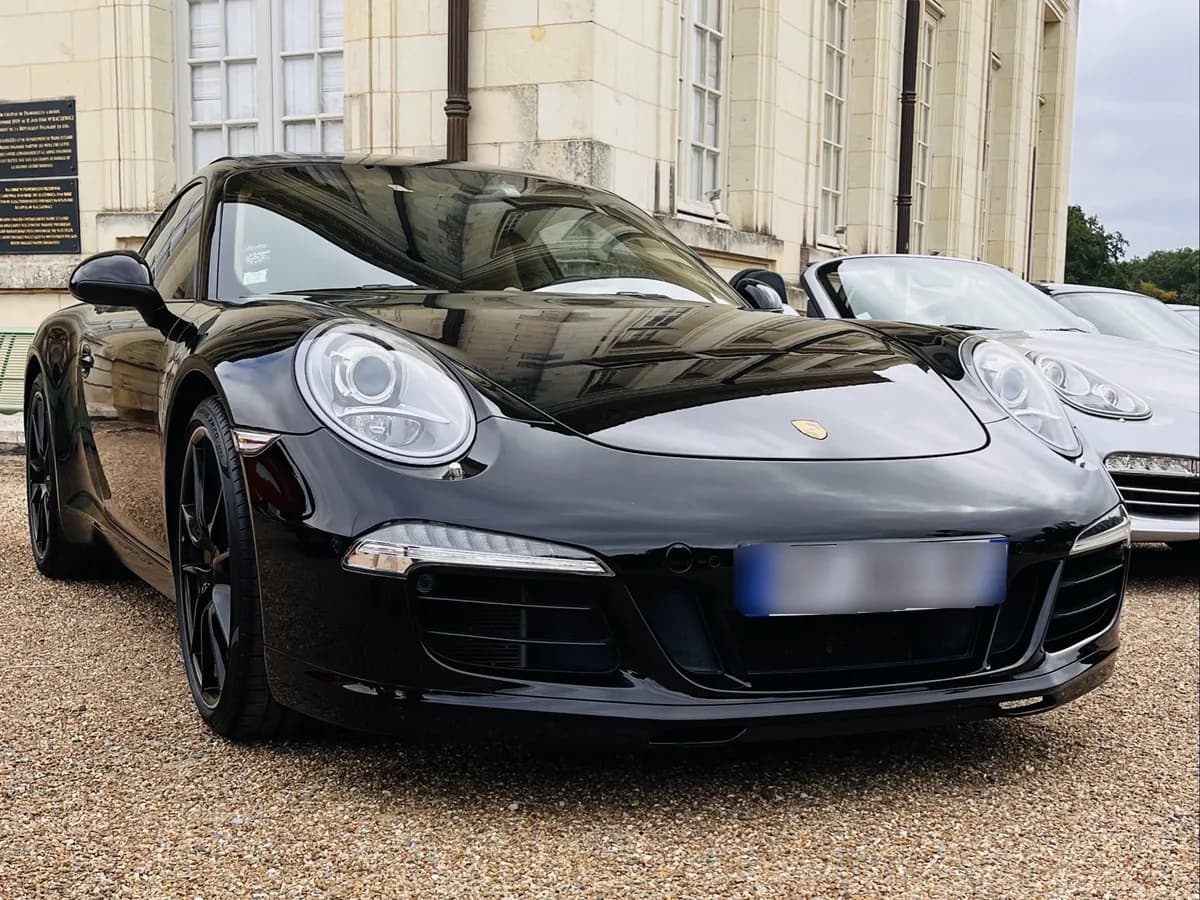
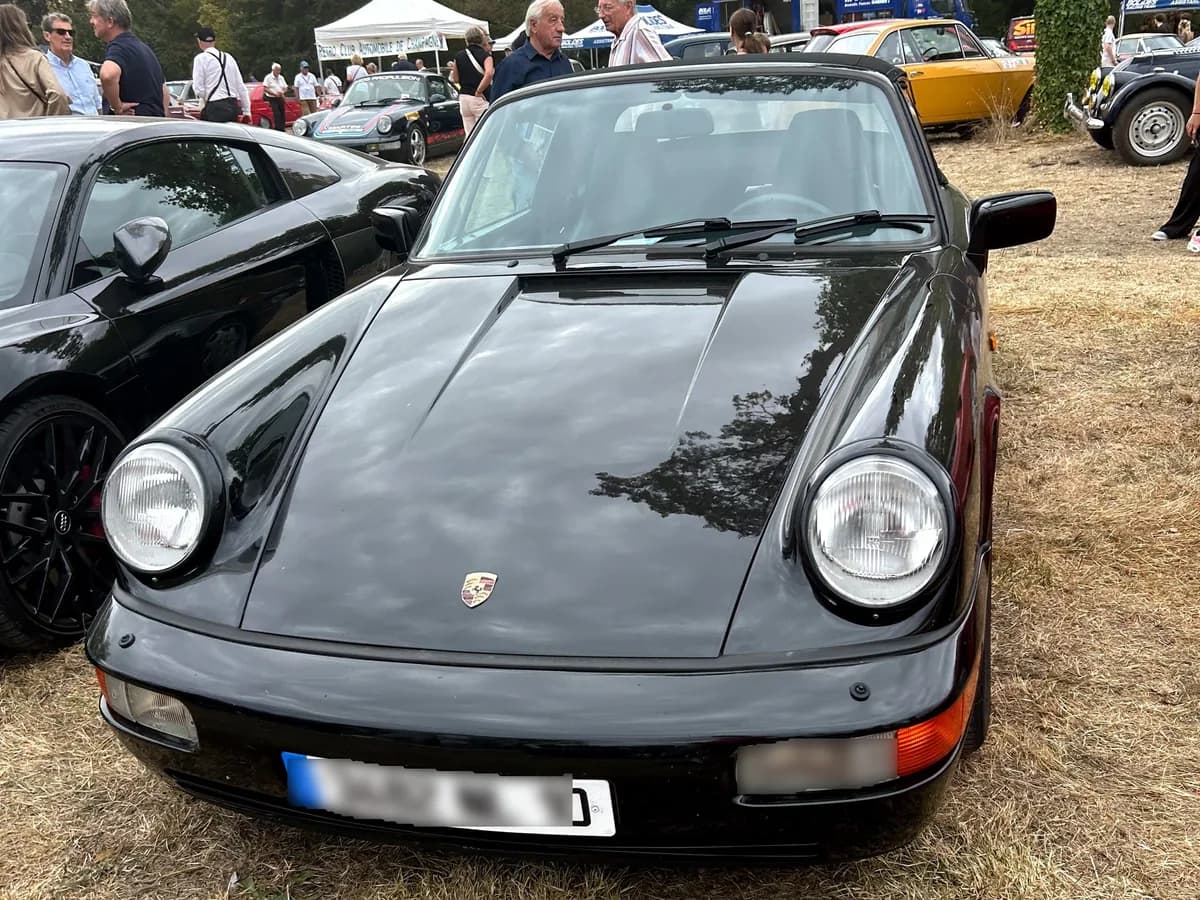
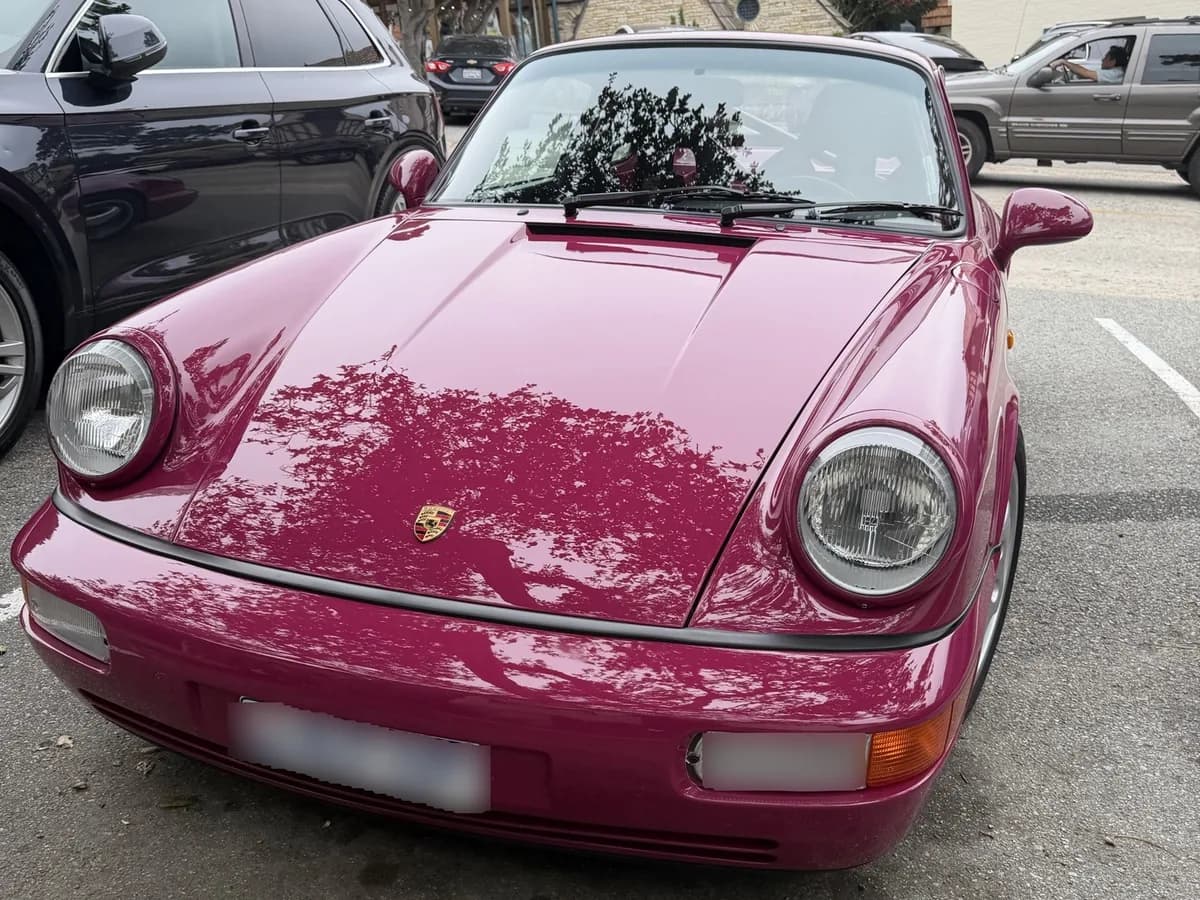
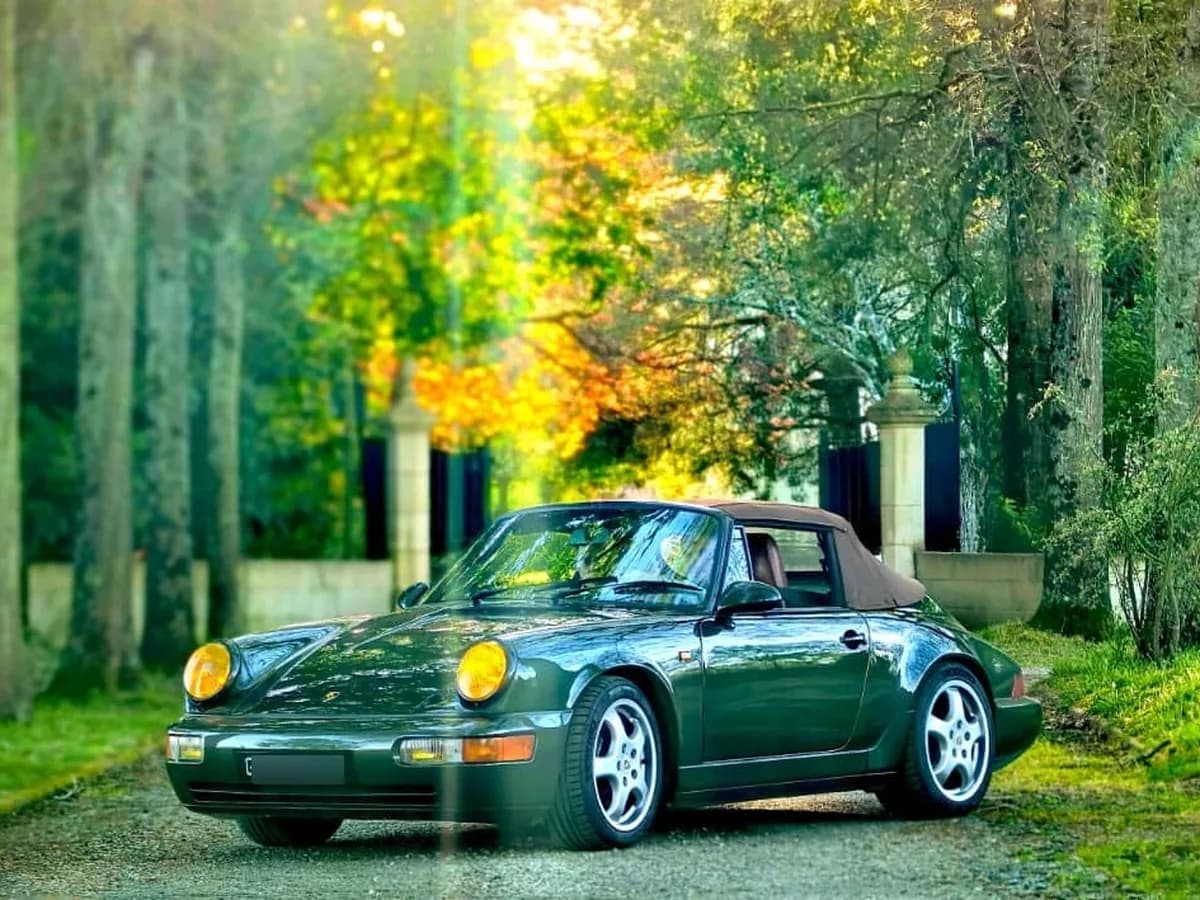
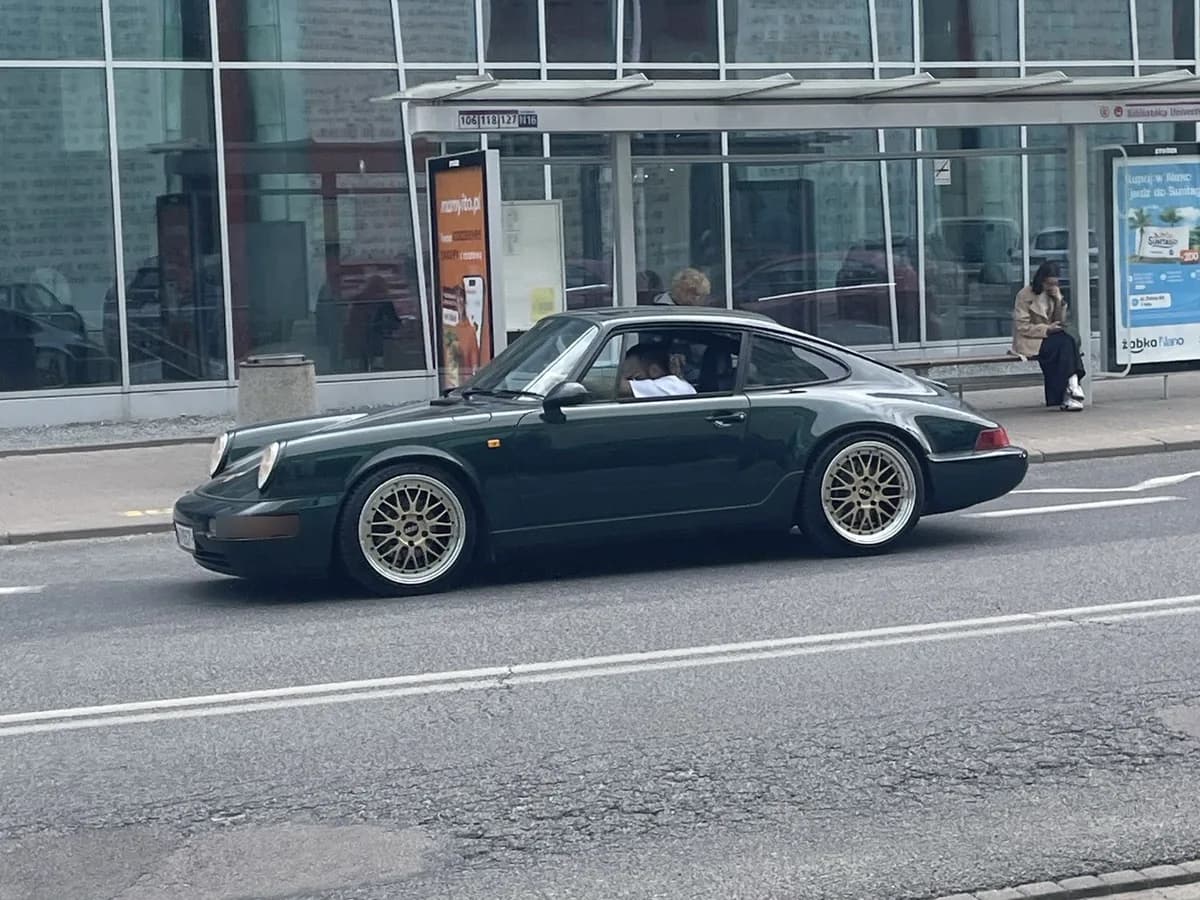
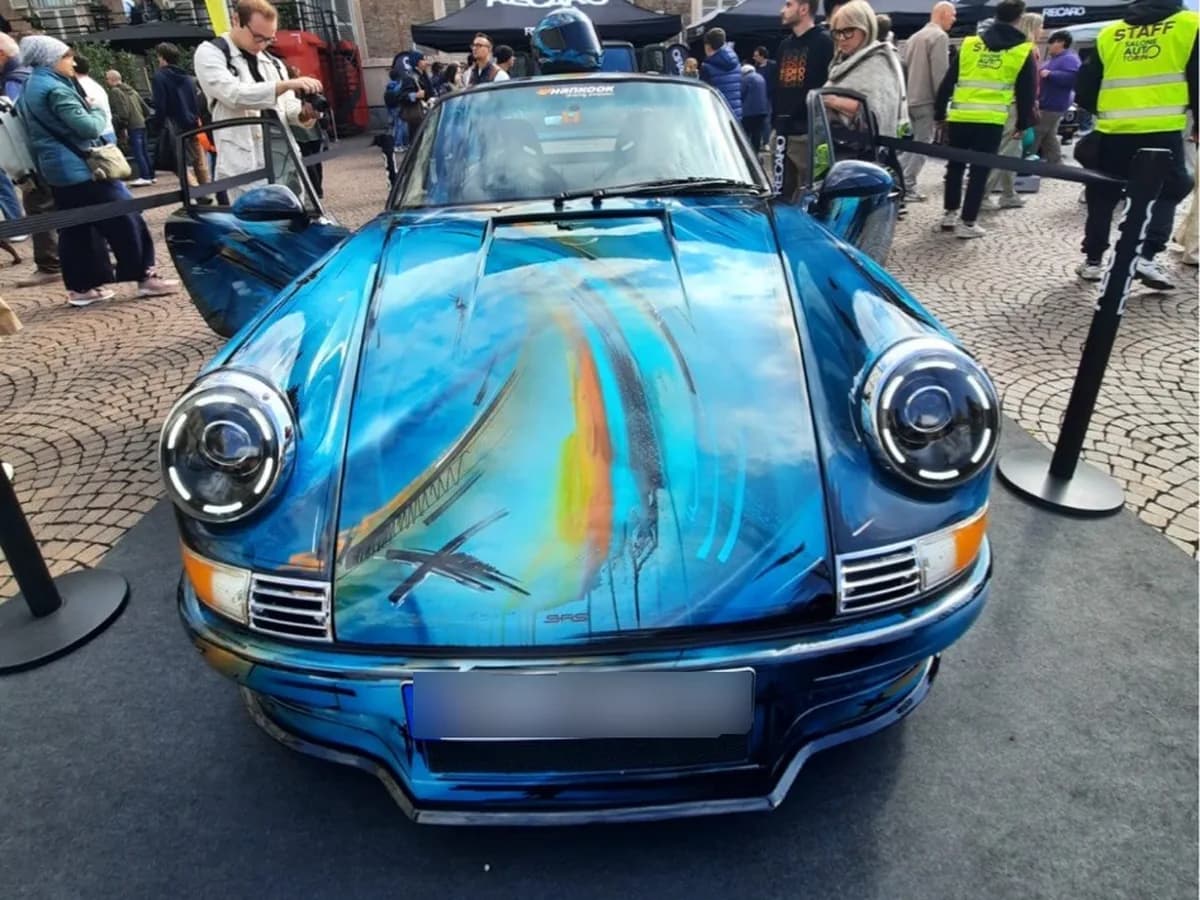
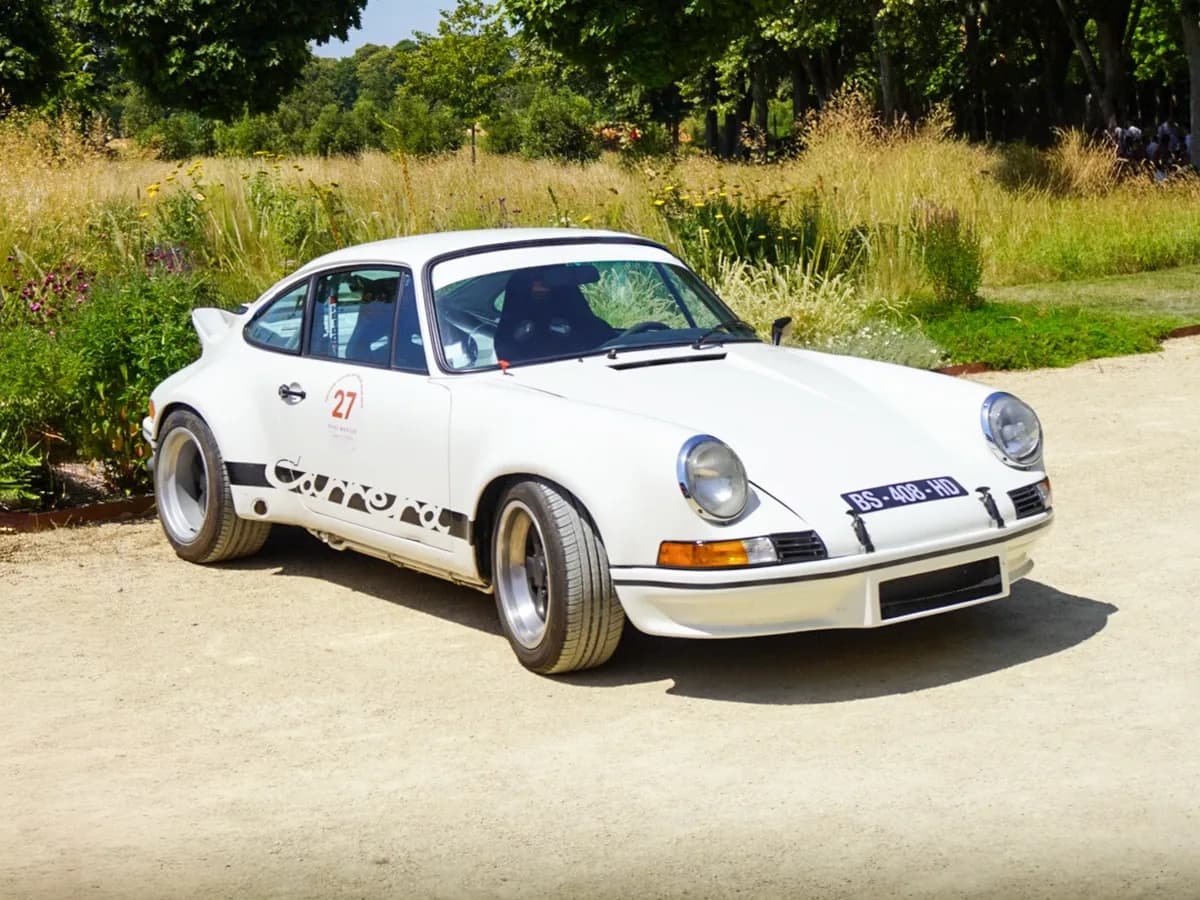
An older 911 is immediately associated with its fastback profile, rounded front wings and rear-mounted engine, but several details help narrow down the generation. The earliest cars and the G Series use slimmer bumpers, while the G Series later adopted large impact-absorbing bumpers with black bellows. Classic Targa models feature a fixed stainless-steel bar and removable roof panel; from the 993 generation onward, the Targa concept changed to a retractable glass roof. The 964 can be identified by its integrated bumpers and retractable rear spoiler. The 993 retains a smooth shape and uses wider rear bodywork on selected derivatives. The 996 is commonly recognized by oval headlights shared visually with the Boxster, while the 997 returned to round headlamps. The 991 appears longer and wider, and the 992 has a more horizontal front treatment and a significantly broader body. A modern 911 Dakar stands out through its increased ride height, protective details and rally-inspired equipment. Because wheels, bumpers, lights and body panels can be replaced, visual identification should be checked against the vehicle’s type code and production documentation.
Important versions
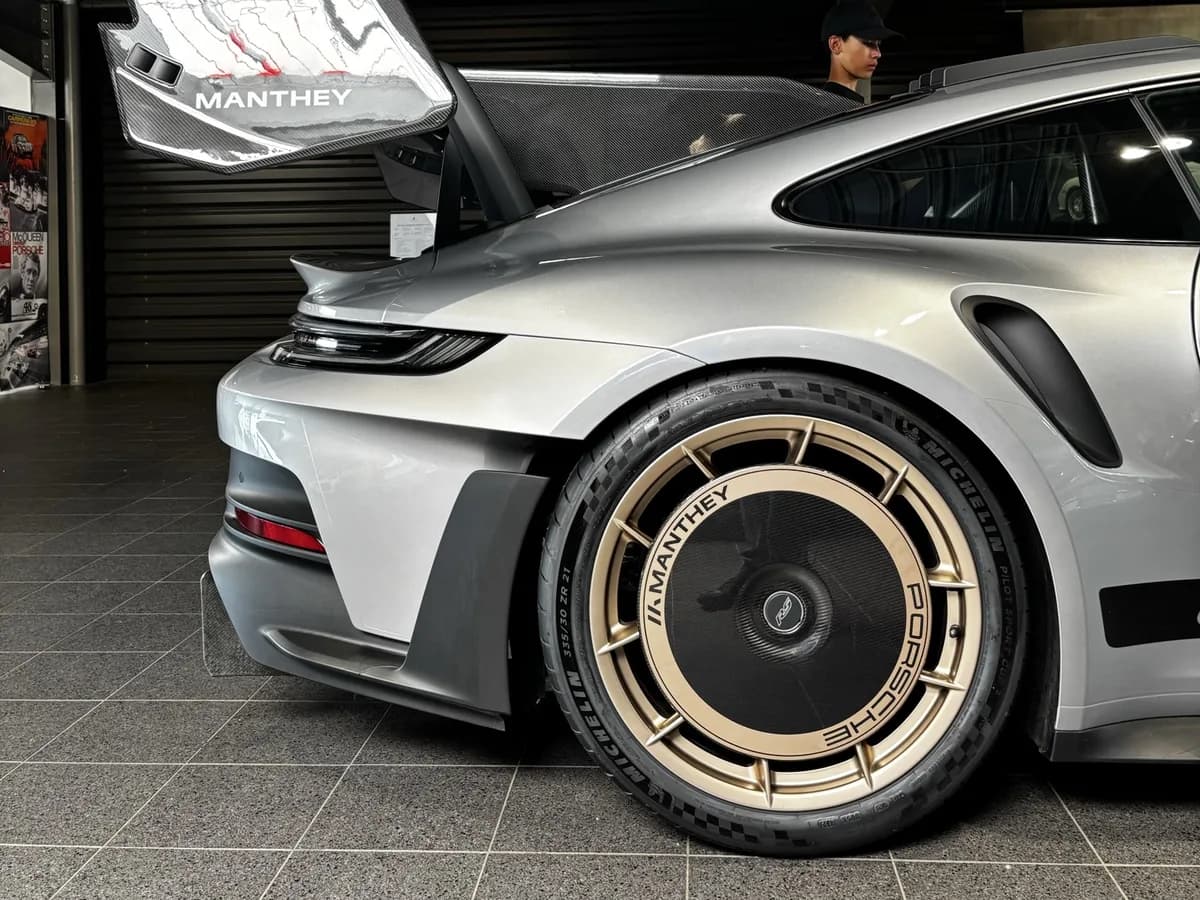
The Carrera RS 2.7 from 1972-1973 is one of the most significant historic derivatives, especially for its distinctive rear spoiler commonly known as the “ducktail.” The Turbo, introduced in the G Series under the internal type 930, established forced induction at the top of the road-car range. The 964 Carrera 4 made all-wheel drive available on a series-production 911. The 993 Turbo and GT2 pushed the line further toward high performance. The GT1 Coupé listed for 1997-1998 requires special care: it was a mid-engined GT racing car developed for competition and associated with Porsche’s 1998 Le Mans victory, not simply a regular road-going body style. Finally, the 1984 911 Carrera 3.2 4x4 Paris-Dakar, known internally as the 953, provided the historical inspiration for the 911 Dakar revealed in 2022 for the 2023 model year.
The name “911” follows Porsche naming, with its rules and its exceptions. Decode a Porsche name
References
- 60 years of the Porsche 911Porsche Newsroom
- The history of the Porsche 911Porsche
- For eternity: Eight generations of 911 DNAPorsche Newsroom
- History of the Porsche TargaPorsche Newsroom USA
- Porsche 911 GT1 '98Porsche Newsroom
- The history: Porsche 911 DakarPorsche Newsroom
- Highlights: Porsche 911 DakarPorsche Newsroom
- https://newsroom.porsche.com/en/press-kits/60-Years-Porsche-911/Fahren-in-seiner-sch%C3%B6nsten-Form.htmlnewsroom.porsche.com
Technical specifications
Structured data available for versions linked to this model.
| Version | Power | Torque | Top speed | Drivetrain | Fuel |
|---|---|---|---|---|---|
| 911 Carrera | 290 kW (394 PS) | 450 Nm | 294 km/h | Rear-wheel drive / 8-speed PDK | Premium unleaded |
| 911 Carrera S | 331 kW (450 PS) | 530 Nm | 308 km/h | Rear-wheel drive / 8-speed PDK | Premium unleaded |
| 911 Carrera 4S | 331 kW (450 PS) | 530 Nm | 308 km/h | All-wheel drive / 8-speed PDK | Premium unleaded |
Frequently asked questions
- What years was the Porsche 911 produced?
- ScanRacer's referenced versions cover 1963 - 2026.
- How many Porsche 911 examples are documented on ScanRacer?
- 551 published scans from 152 members, with the latest photo added in September 2026.