Porsche 911 GT3 2006
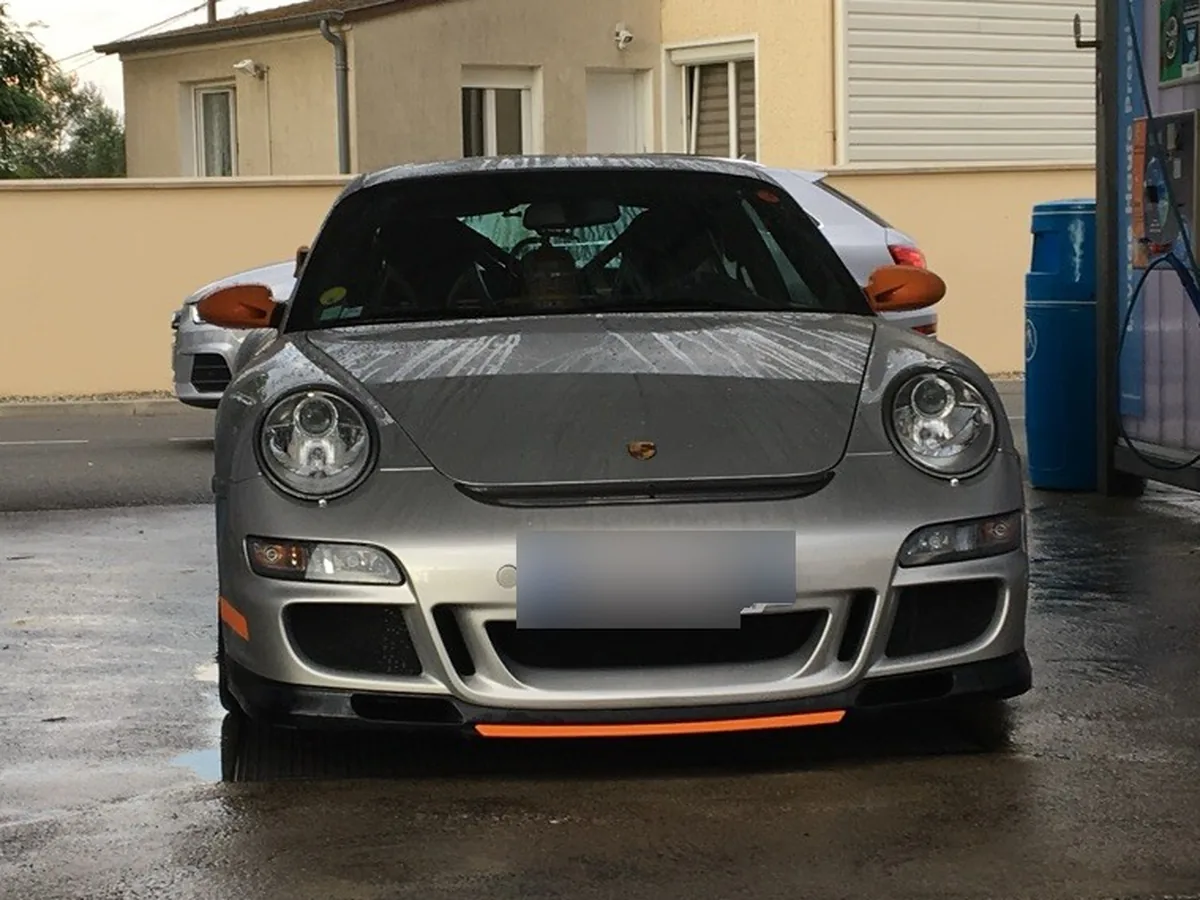
Unveiled at the Geneva Motor Show on February 28, 2006, the Porsche 911 GT3 introduced the GT3 version of the 997 generation. This two-seat coupe combined a naturally aspirated 3.6-liter flat-six with a six-speed manual gearbox and rear-wheel drive. Producing 415 hp and revving to 8,400 rpm, it used dedicated aerodynamic and chassis hardware to favor high-speed stability and circuit performance without becoming impractical on the road. The 2006 model belongs to the first 997.1 GT3 series. Its main visual identifiers include a prominent rear wing, a specific front bumper and a low, purposeful stance. Porsche also fitted Porsche Active Suspension Management as standard, bringing electronically controlled damping to the GT3 range for the first time.
History
The 911 GT3 first appeared in 1999 as a road car closely connected to Porsche’s motorsport expertise. The move to the 997 generation in 2006 represented a substantial technical step rather than a cosmetic update alone. Porsche retained a naturally aspirated 3.6-liter engine but increased output to 415 hp and raised the engine-speed limit to 8,400 rpm. Peak power was developed at 7,600 rpm, reinforcing the car’s high-revving character.
The new GT3 also received a thoroughly revised chassis. Porsche Active Suspension Management became standard equipment, using electronically controlled damping to broaden the car’s range between road use and track driving. Aerodynamic changes included a new front bumper, an improved underbody and a redesigned rear wing. Porsche also specified a six-speed manual transmission with shorter shift throws. European sales began in May 2006. In Porsche’s presentation, the 997 GT3 combined everyday usability with a more focused engineering approach, preserving the direct relationship between the road car and the manufacturer’s circuit experience.
Latest scans
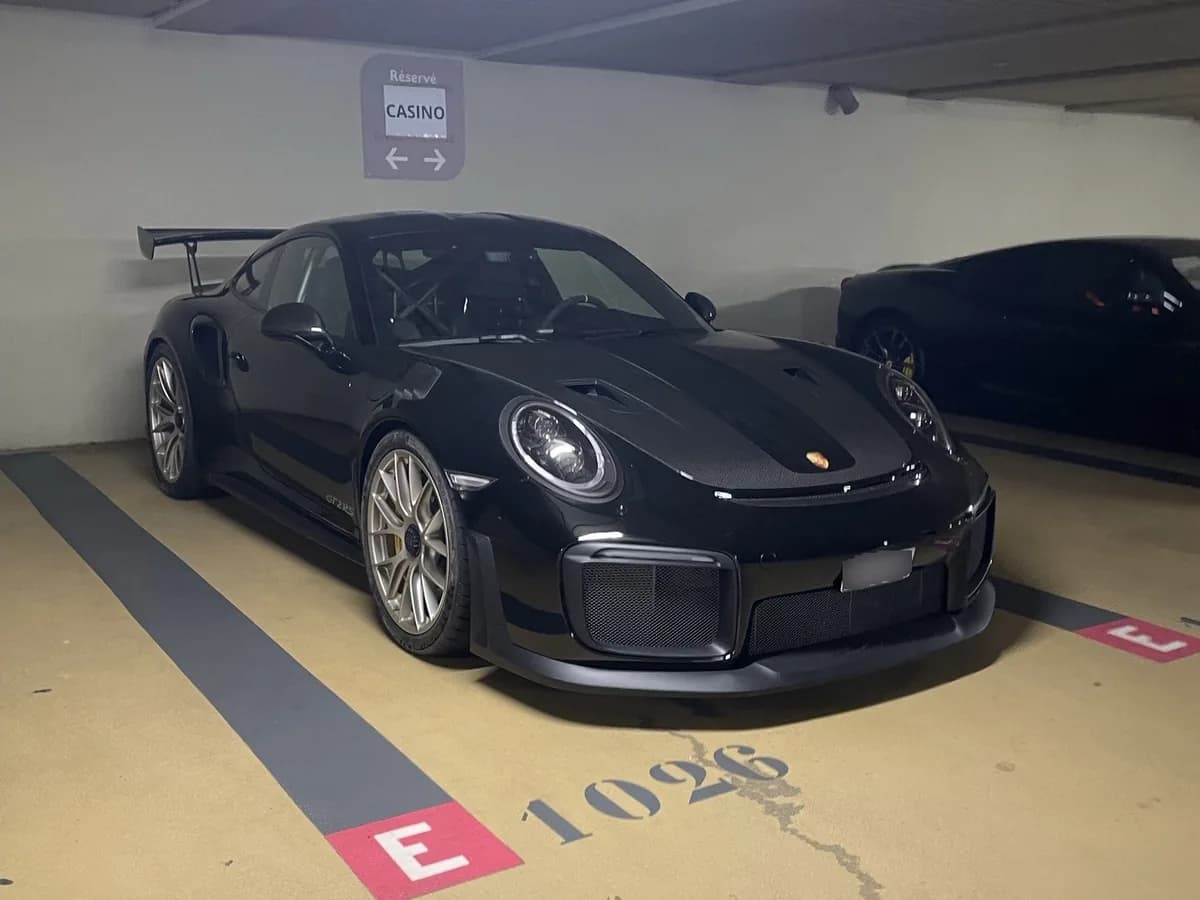
Photos added by the community for this page.
Anecdotes
Porsche states that the 997 GT3 became the first road-legal series-production car to complete the Nürburgring Nordschleife in under eight minutes. The claim highlights the attention given to its chassis and aerodynamic development. Despite that circuit focus, the car remained road usable, with adaptive suspension designed to broaden its behavior across different speeds and road conditions.
Production
Porsche unveiled the 997-generation 911 GT3 in February 2006 and announced European market availability from May of that year. The consulted sources clearly identify this car as the first 997.1 GT3, but they do not provide a reliable official production total for the standard Base version. Porsche’s figure of 213,004 cars for the complete 997 generation covers several years, body styles and powertrains, so it cannot be used as a production figure for the GT3. The specific number of standard 2006 GT3 examples is therefore left unreported rather than replaced with an estimate. This distinction is important because production totals for the wider 997 family and for individual GT3 derivatives are not interchangeable.
Press reception
Early road tests focused on the engine’s high-revving character, the precision of the chassis and the car’s ability to move convincingly between public roads and the circuit. Car and Driver highlighted the immediate throttle response, shorter gearing and the engine’s willingness to keep pulling toward its 8,400-rpm limit. MotorTrend emphasized a notable contrast: despite competition-oriented suspension hardware and serious performance, the GT3 remained tractable and comfortable enough for commuting. Contemporary coverage therefore tended to portray the car as demanding when driven quickly, but less intimidating than its race-inspired appearance suggested. The consistent theme was driver involvement rather than headline acceleration alone.
Evolution
Compared with the previous 996 GT3, the 997 version gained 35 hp and increased its engine-speed limit by 200 rpm. The changes extended beyond the powertrain. Standard PASM adaptive damping gave the chassis a wider operating range, while the body, suspension settings and aerodynamic package were revised to improve grip and high-speed stability. The six-speed manual gearbox received shorter shift throws and revised ratios. Braking performance also advanced through larger front rotors and six-piston calipers, while Porsche offered ceramic PCCB brakes as an option. The 997 GT3 was also the first GT3 to receive a traction-control system. Despite these additions, it retained the defining formula of a naturally aspirated engine, manual transmission and rear-wheel drive.
Variants
References
- New 911 GT3: The world’s fastest engine in the 3.6-liter classPorsche AG
Supports the February 28, 2006 Geneva premiere, May 2006 European launch, two-seat coupe body style, 3.6-liter engine, 415 bhp output and 8,400-rpm limit.
- History: 911 GT3Porsche Newsroom
Supports the 2006 move to the 997 generation, PASM as standard, 302 km/h top speed, 4.8-second 0–100 km/h figure and the Nürburgring under-eight-minute claim.
- Porsche celebrates the 911 GT3: 25 years of performance and passionPorsche Newsroom USA
Supports the 997 GT3’s 2006 introduction, 415 hp output, 8,400-rpm capability, six-speed manual transmission, shorter shift throws and brake developments.
- The history of the Porsche 911 GT3Porsche
Supports the 997.1 period, 3.6-liter flat-six, 415 PS, PASM adoption, aerodynamic development and 997.1 performance figures.
- First Drive: 2007 Porsche 911 GT3 997Car and Driver
Supports contemporary impressions of throttle response, high-rpm engine behavior, gearing, track grip, braking and available equipment.
- The 2007 Porsche 911 GT3 Is Basically a Race Car. So Why Is It So Easy to Drive?MotorTrend
Supports contemporary observations about the 415-hp naturally aspirated engine, competition-oriented hardware and everyday drivability.
- https://newsroom.porsche.com/en/2019/products/porsche-20-years-911-gt3-jubilee-six-generations-18311.htmlnewsroom.porsche.com
Source found by OpenAI web search for this vehicle page.
- https://newsroom.porsche.com/es/dosieres-de-prensa/pla-911-GT3/pla-Historia--911-GT3.htmlnewsroom.porsche.com
Source found by OpenAI web search for this vehicle page.