
Porsche
On June 8, 1948, the Porsche 356 “No. 1” Roadster received its operating permit in Gmünd, Austria, an event generally regarded as the birth of the Porsche brand. Built around lightweight construction, boxer engines and a strong motorsport culture, Porsche gradually expanded its identity beyond compact sports coupes. The 911, revealed in 1963 as the 901, became the defining model through its familiar shape and rear-mounted flat-six engine. Over the following decades, the 912, 944, 968, Boxster, Cayenne, Panamera, Macan and Taycan represented different interpretations of the brand’s engineering priorities: accessibility, versatility, comfort, performance and electrification. Porsche’s history is therefore not limited to one body style or one type of powertrain. Across its model families, the company has repeatedly tried to combine technical efficiency, driver involvement and the practicality required for regular road use.
Models from A to Z
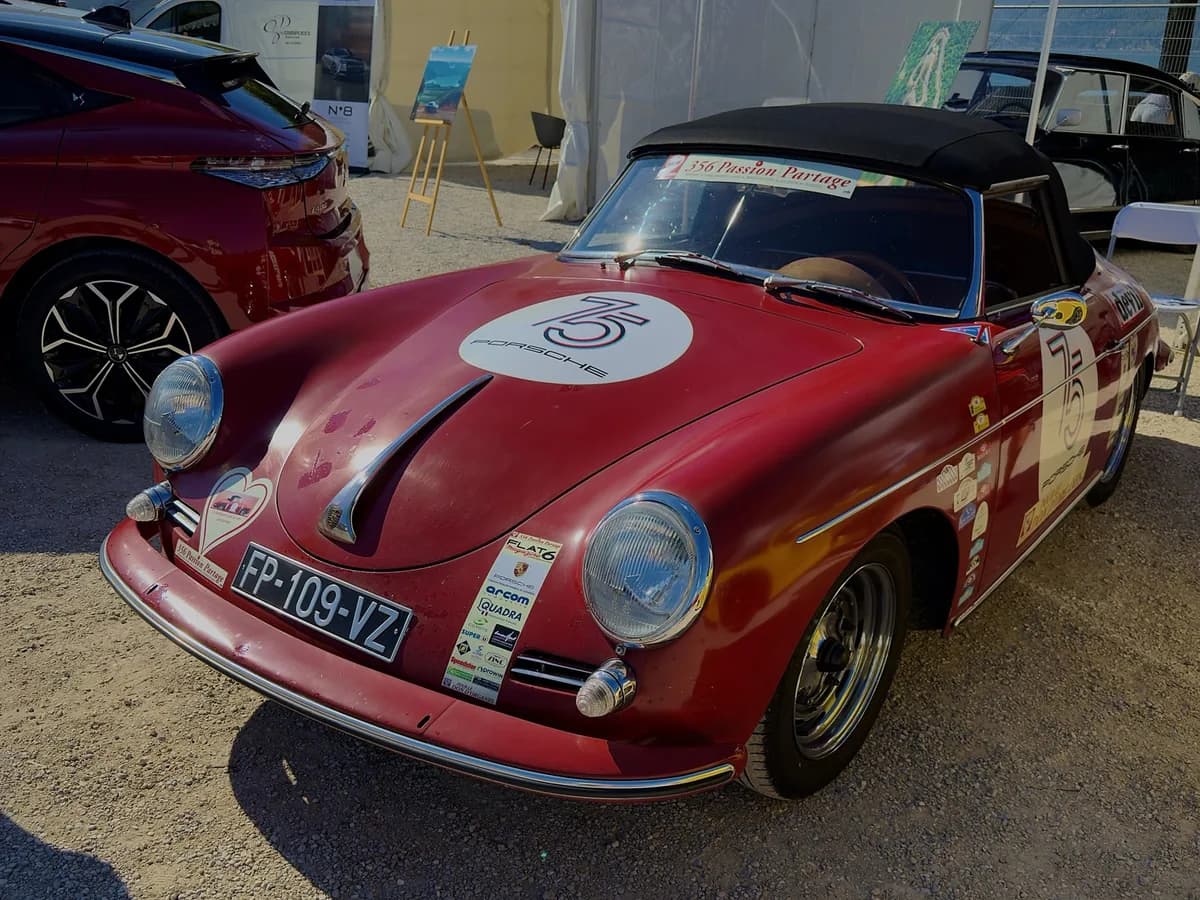
356

550
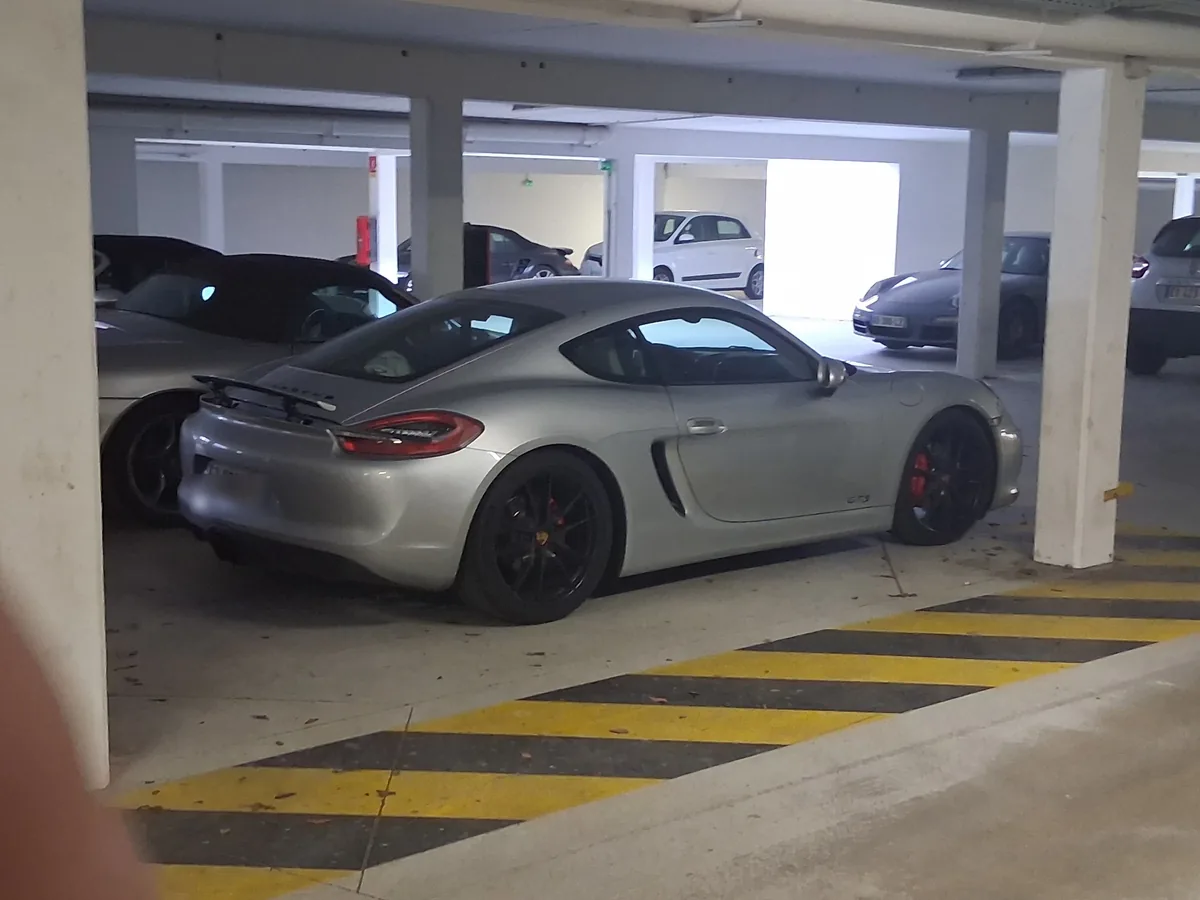
718
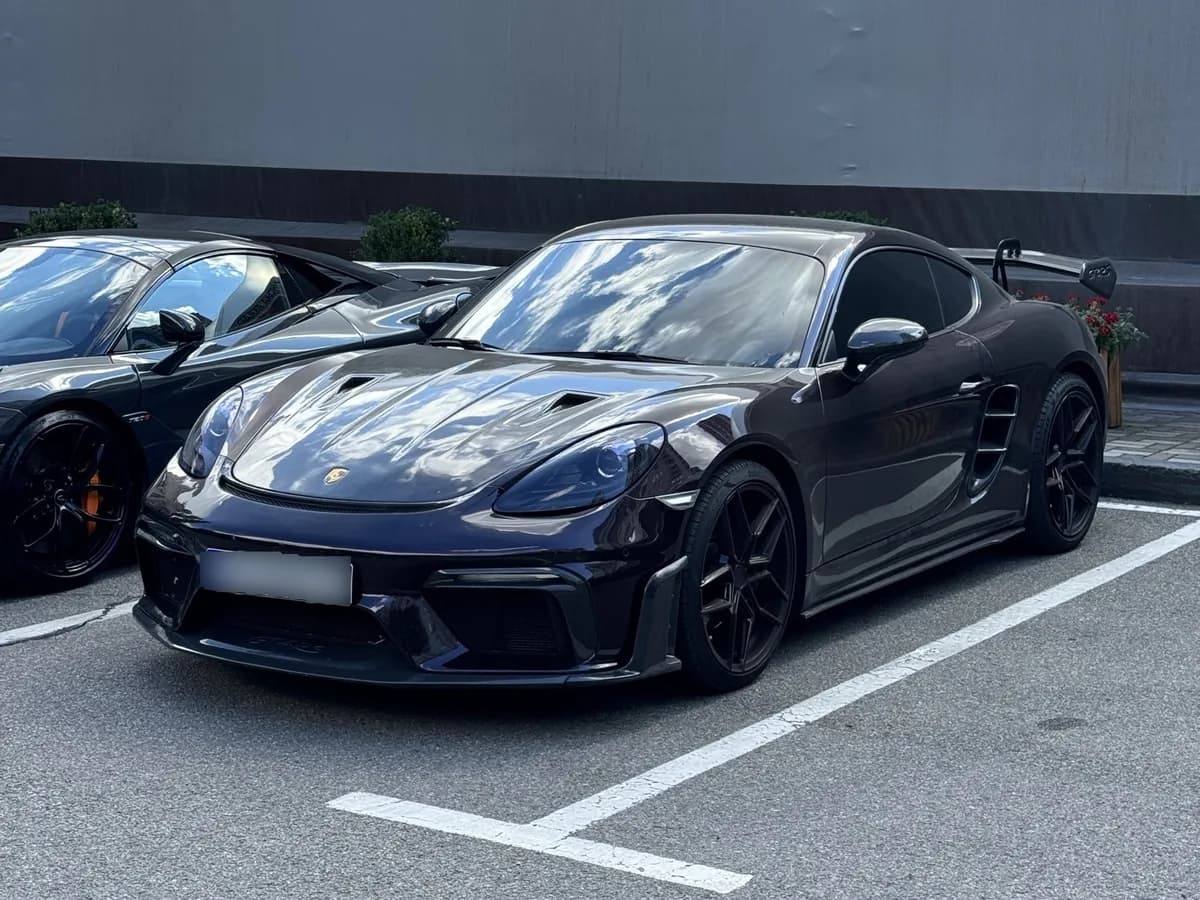
718 Cayman
901

904
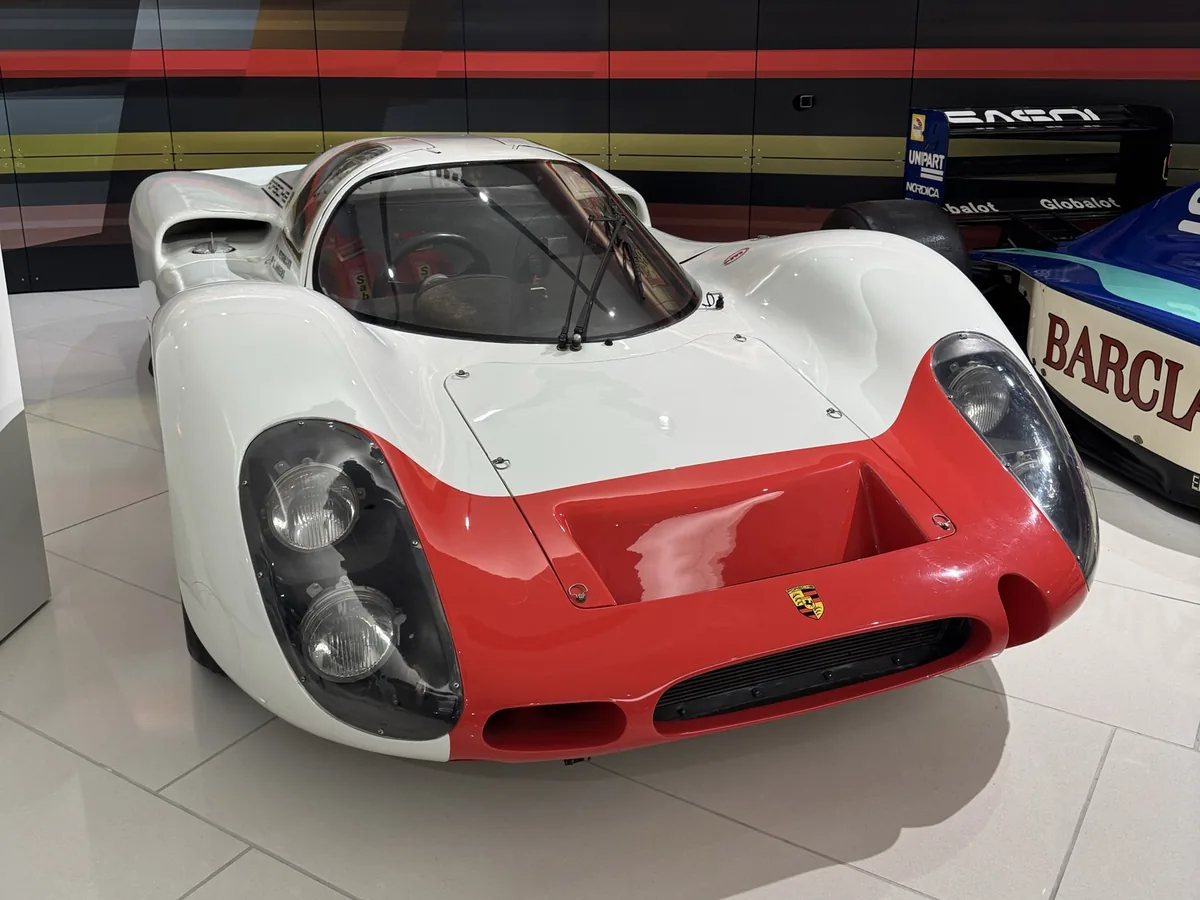
908
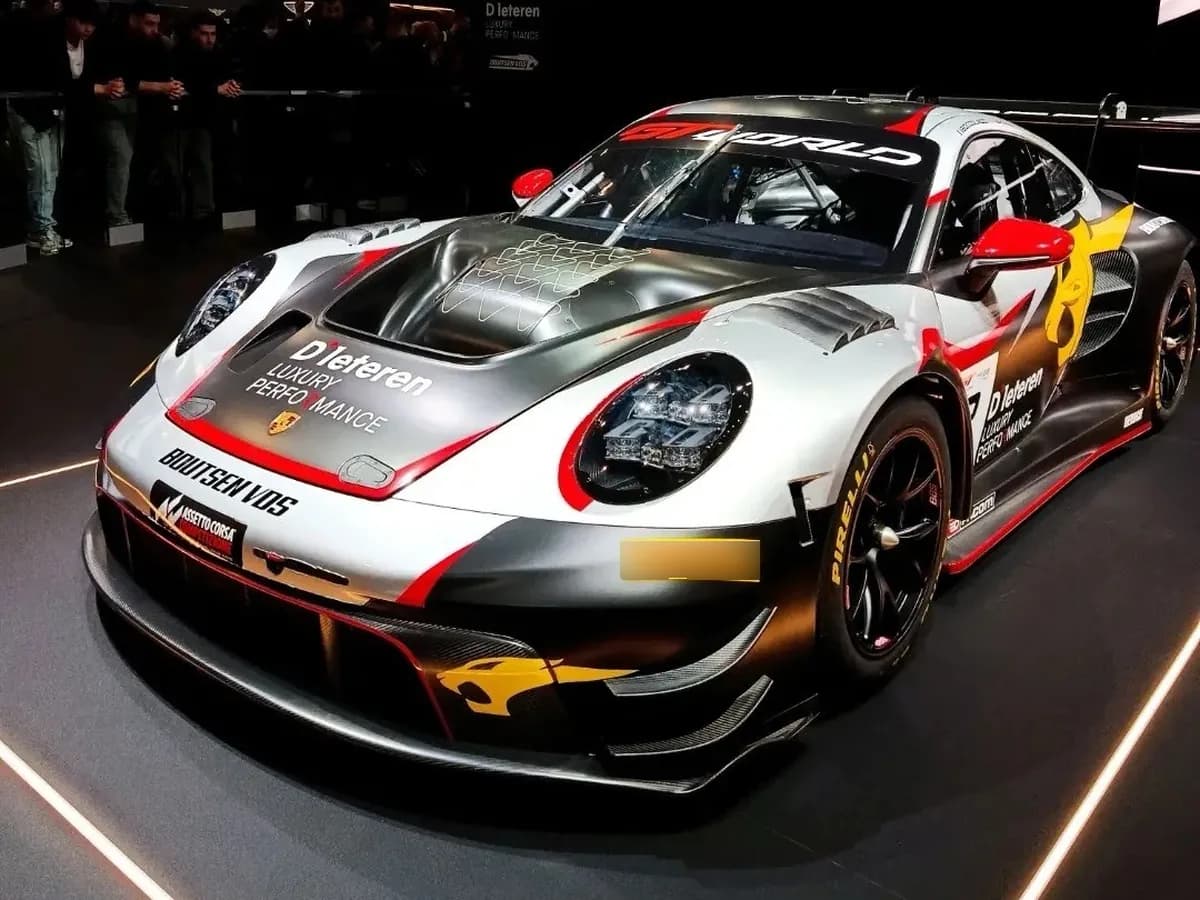
911
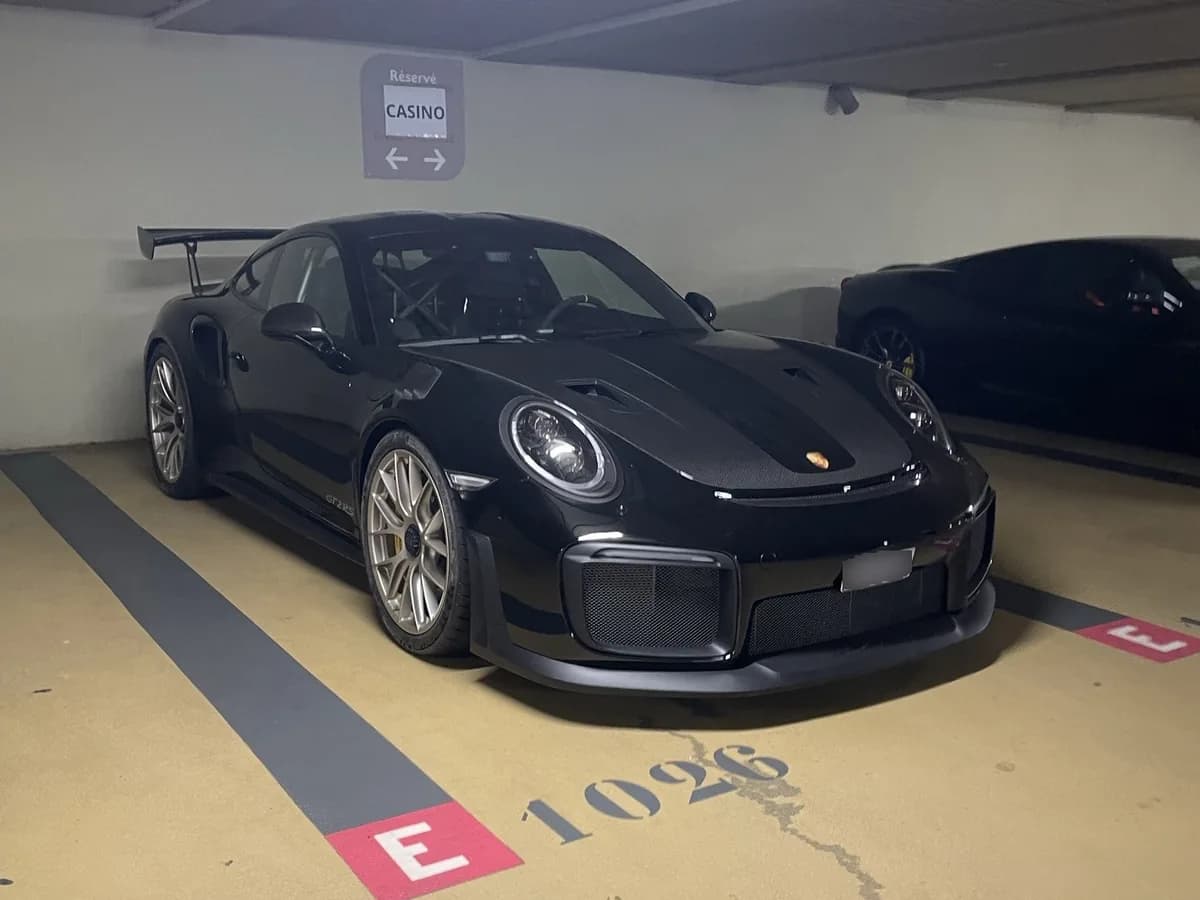
911 GT2
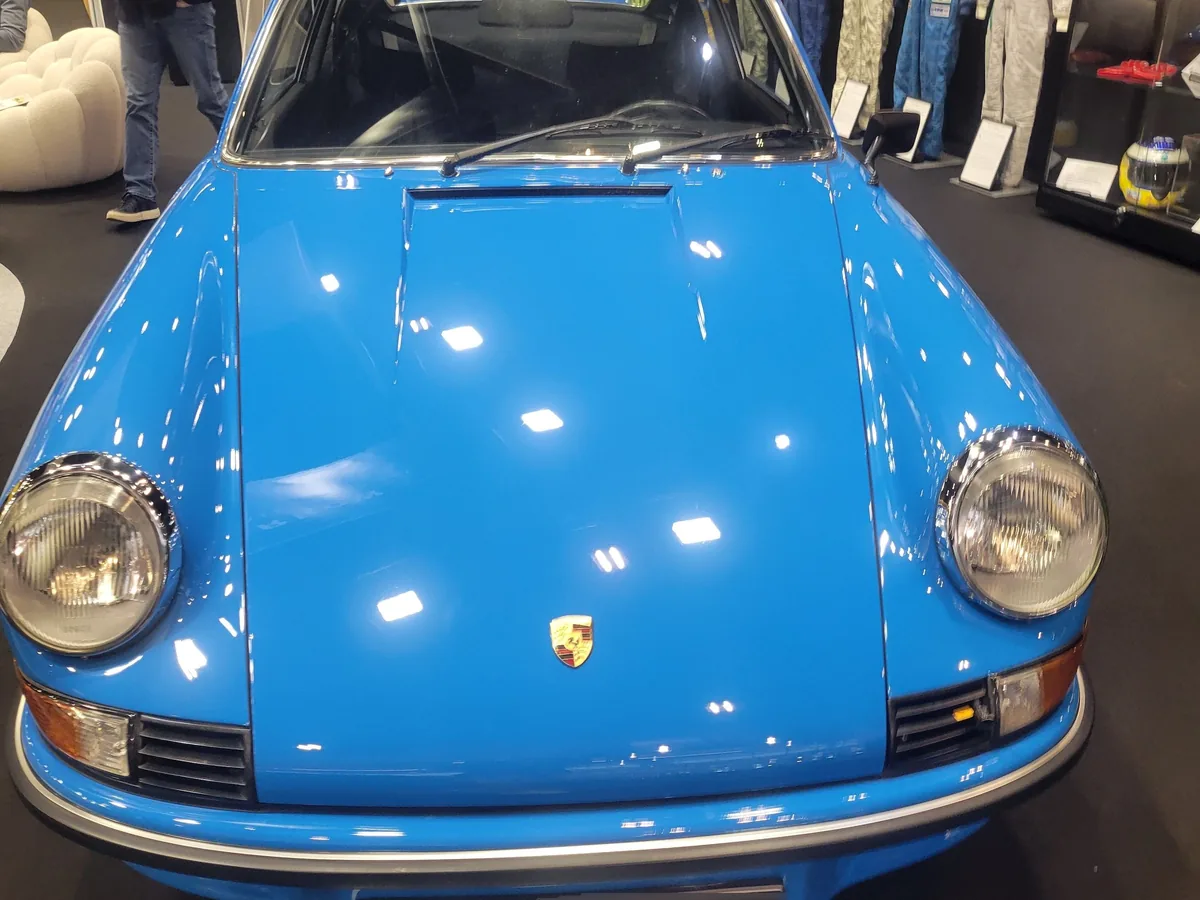
912
914
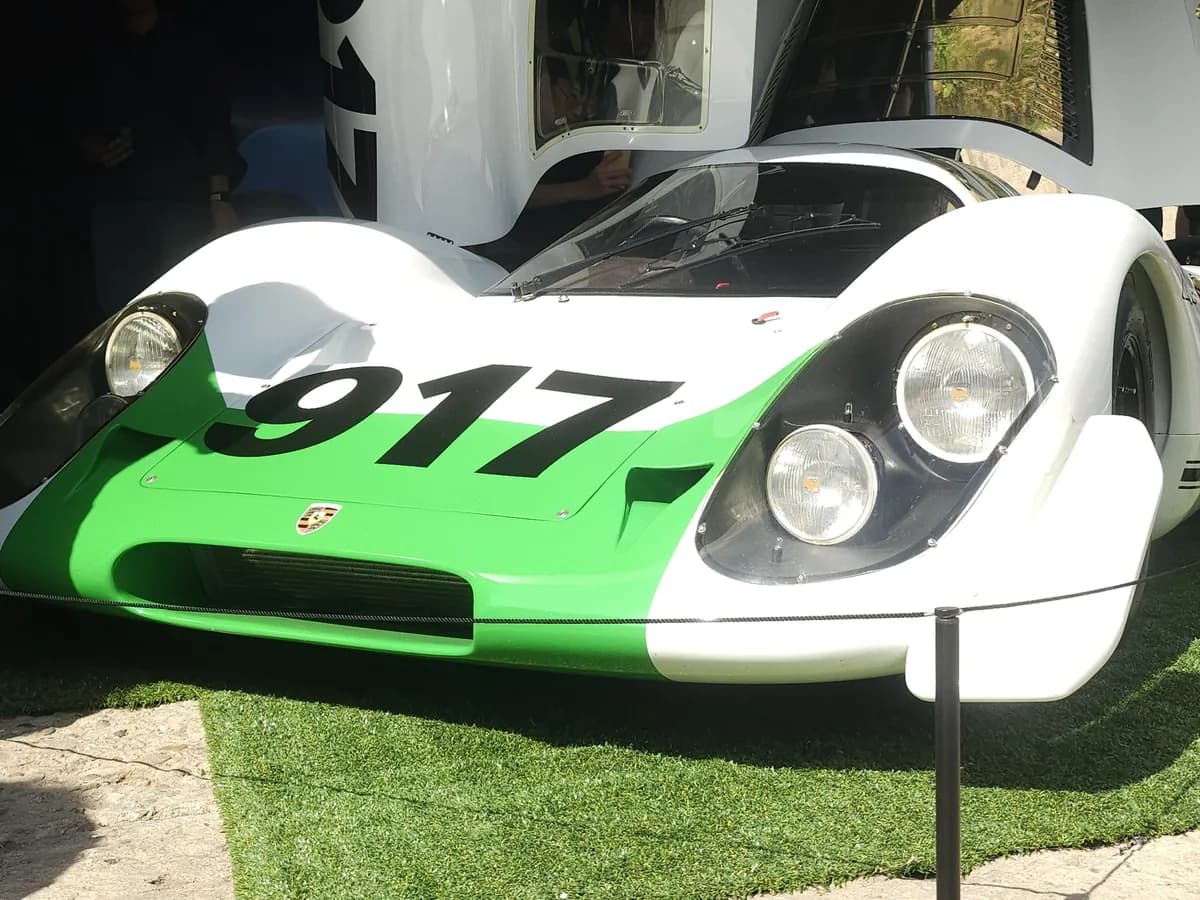
917

918
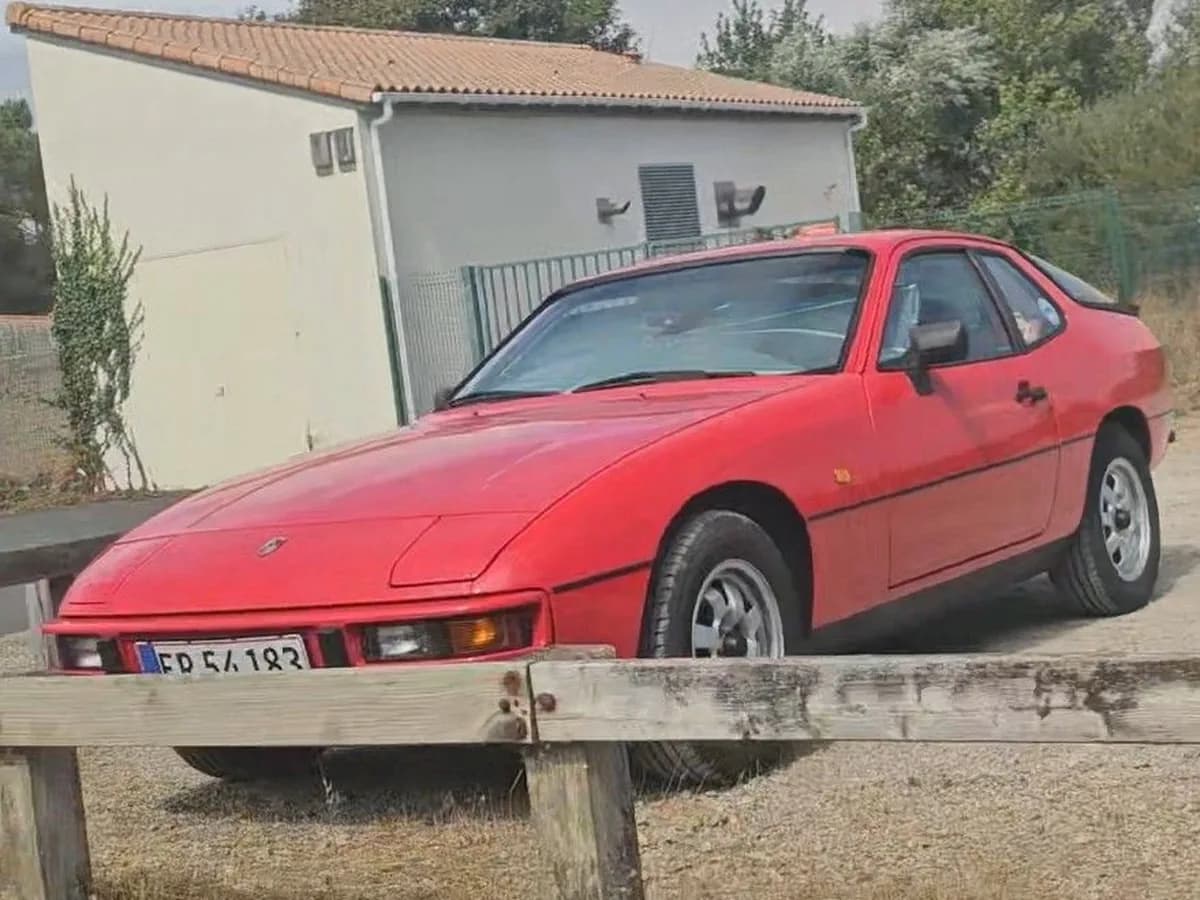
924

928

935
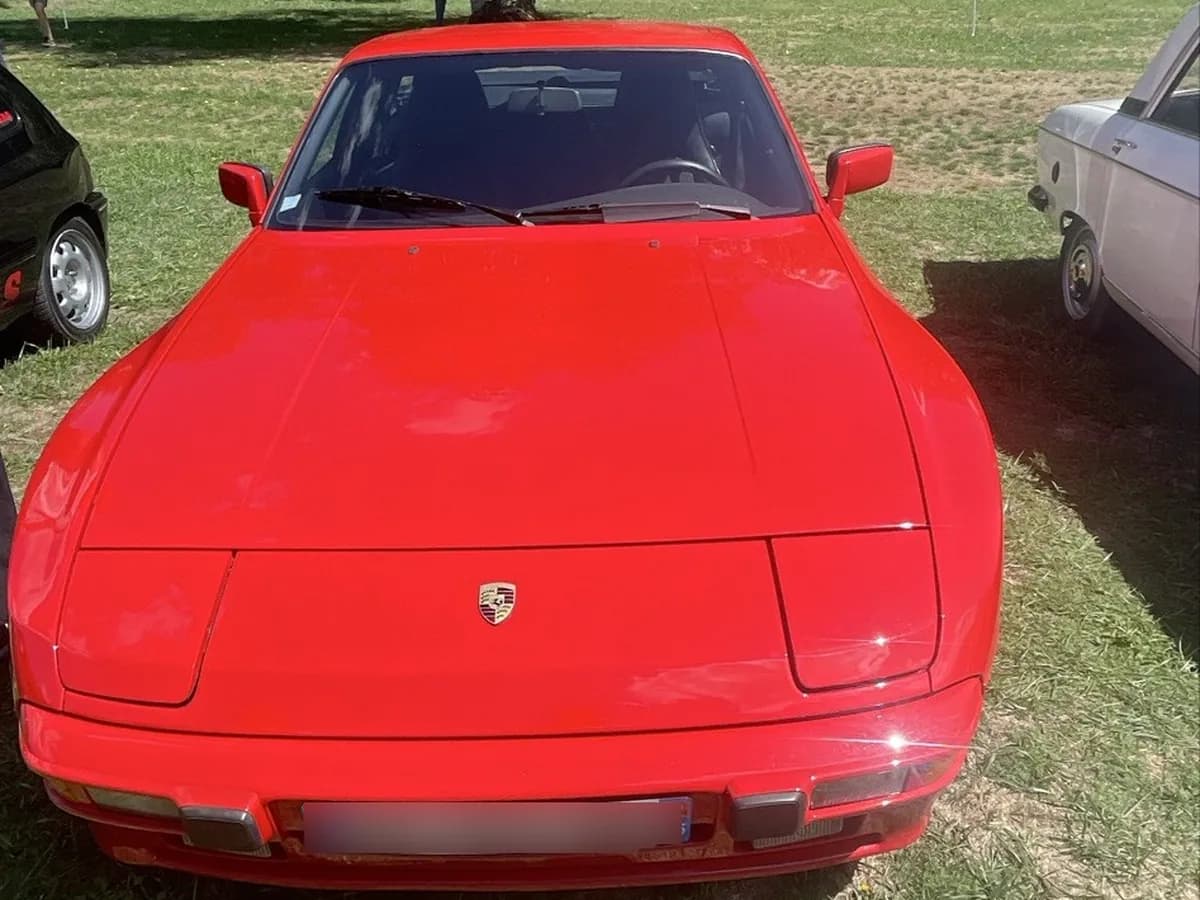
944

956

959

962

963
968
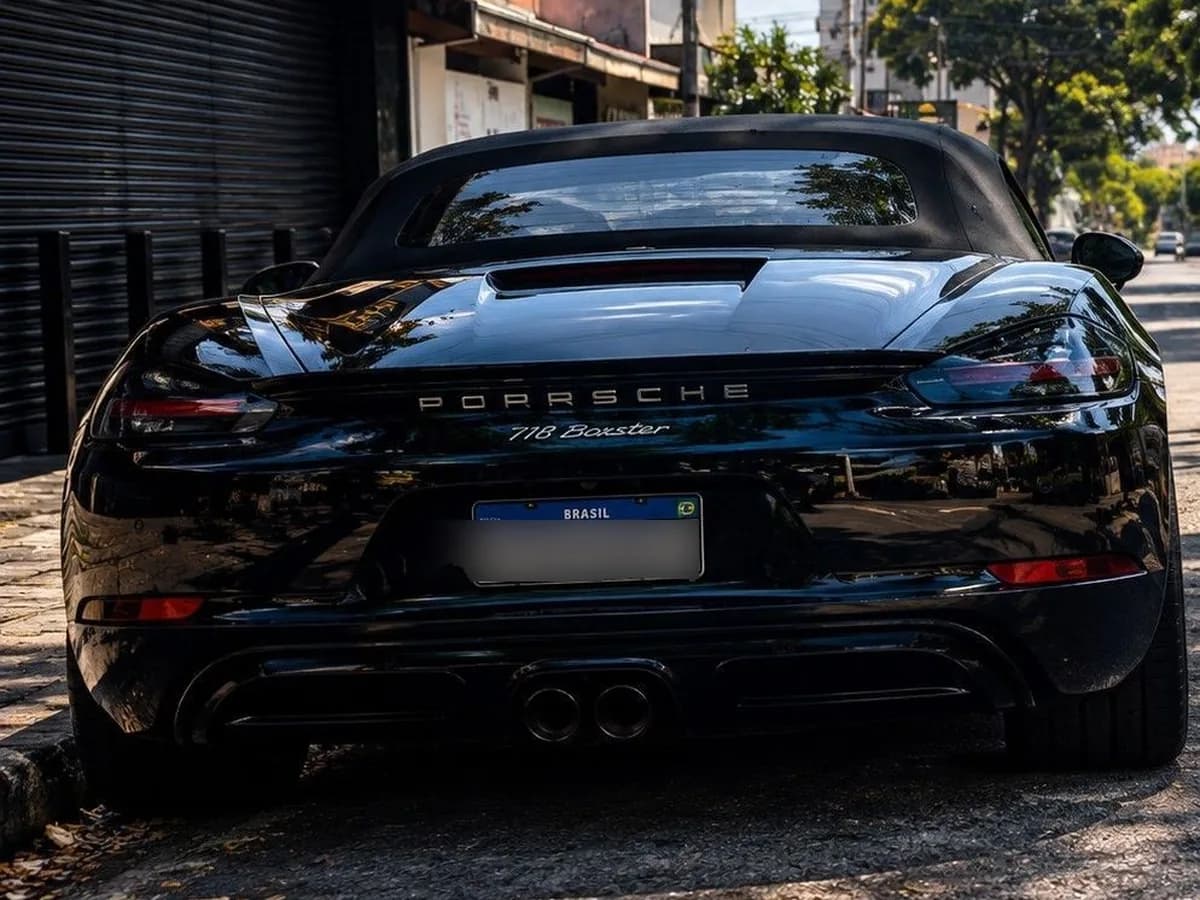
Boxster
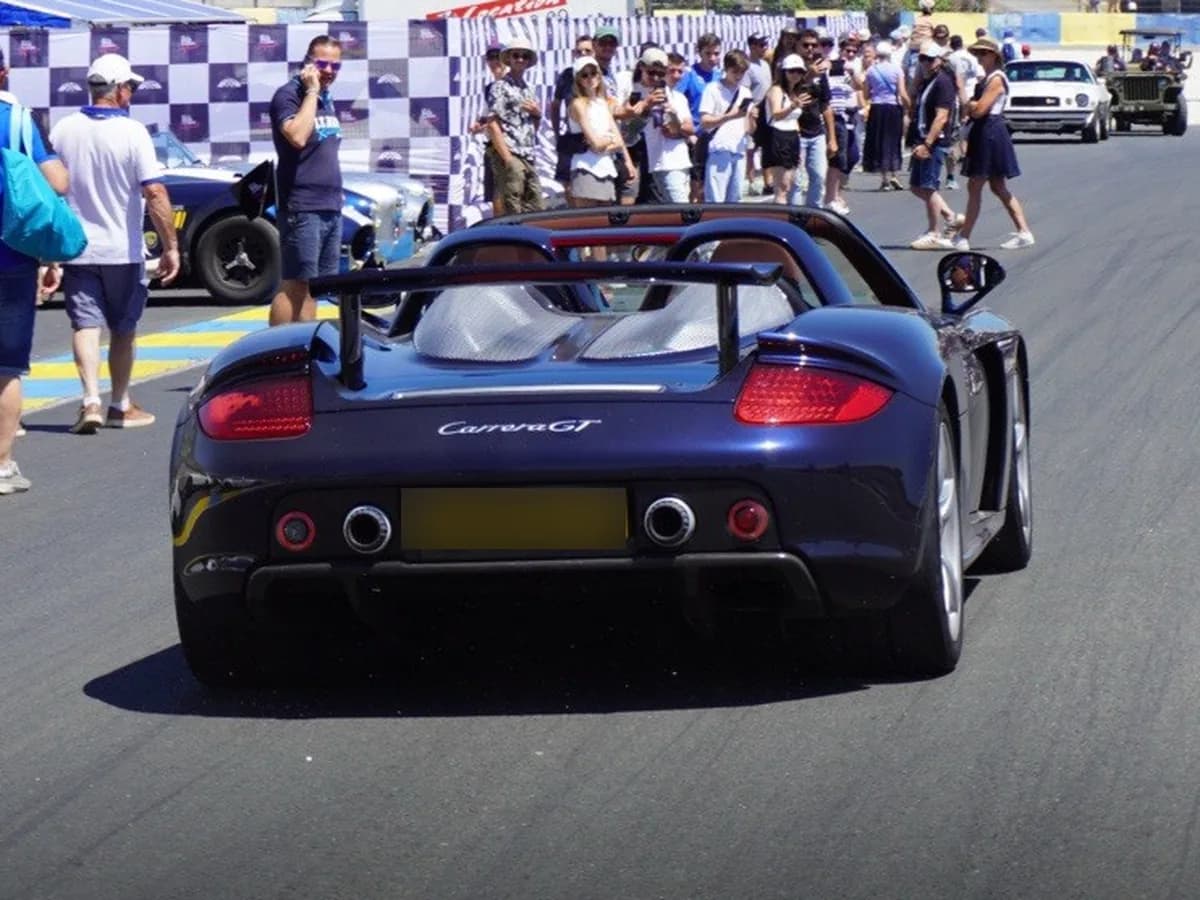
Carrera GT
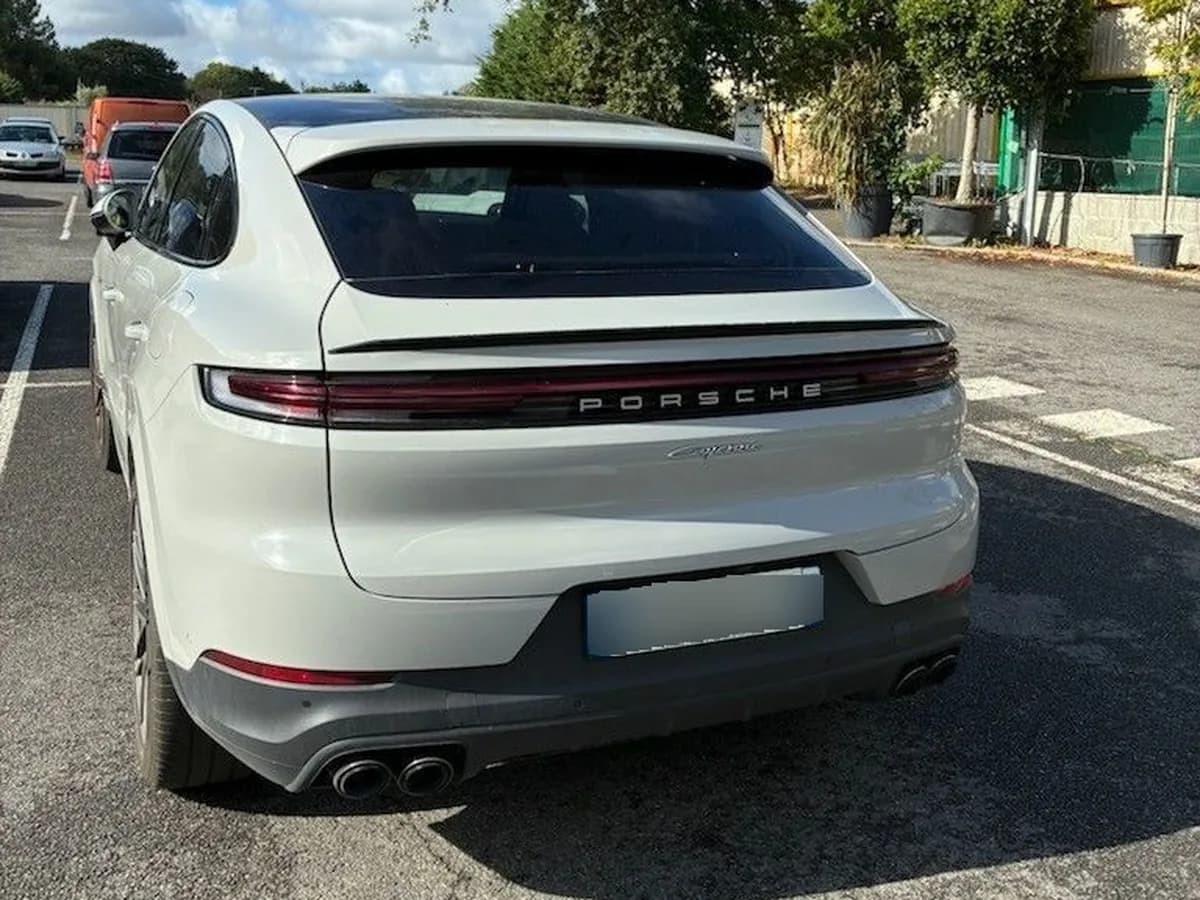
Cayenne
Macan
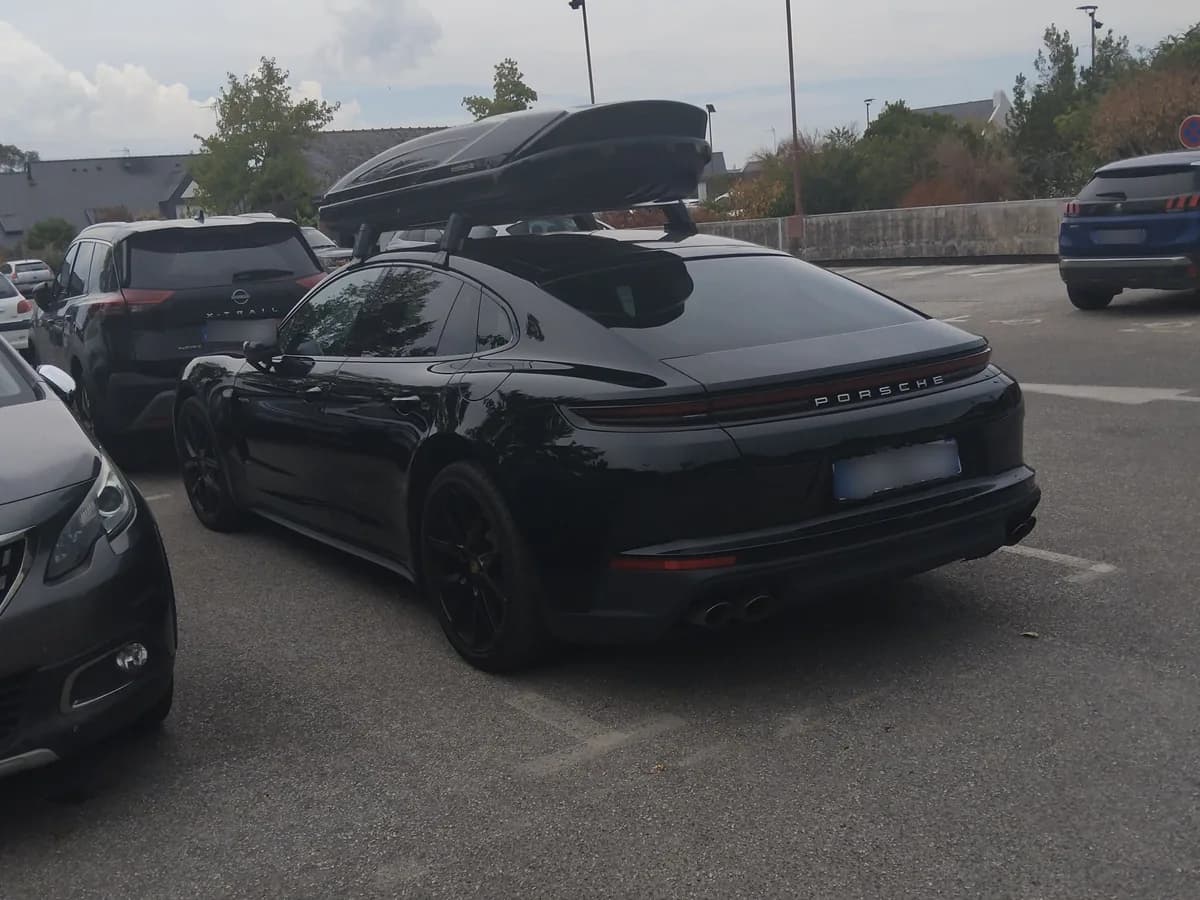
Panamera
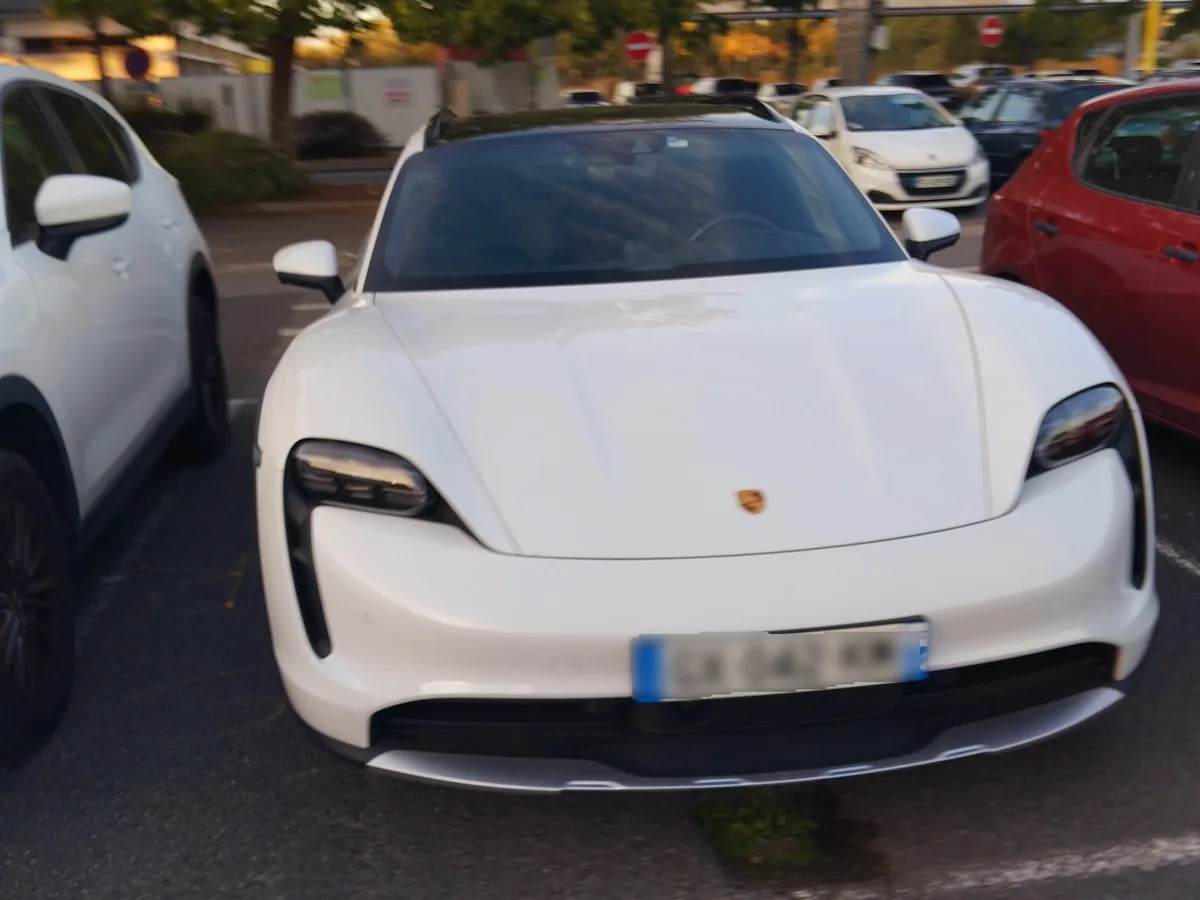
Taycan
Porsche overview
Porsche history
Before building cars under its own name, Ferdinand Porsche had already established himself as an engineer and had founded an independent design office in 1931. After the Second World War, his son Ferry Porsche and his team developed the 356 “No. 1” Roadster in Gmünd, Austria. The prototype received its operating permit on June 8, 1948, while production of the 356/2 began before the company returned to Stuttgart. Early cars used Volkswagen-derived mechanical components that were extensively adapted for a lightweight sports car. The 356 then evolved through the A, B and C series and remained in production until 1965. Displayed at the Frankfurt Motor Show in September 1963, the 356 successor was initially called the 901 before becoming the 911. Its rear-mounted flat-six engine, 2+2 layout and carefully evolved profile created the central thread of Porsche’s sports-car history. During the 1970s and 1980s, the 924, 928 and 944 demonstrated the company’s willingness to explore front-mounted engines and a V8, while the 968 continued that family into the early 1990s. The mid-engined Boxster later renewed Porsche’s roadster range. In 2002, the Cayenne broadened the brand’s audience with a performance-oriented SUV, followed by the Panamera, Macan and, in 2019, the Taycan, Porsche’s first fully electric sports car.
Porsche positioning
Porsche occupies a distinctive position in performance-car manufacturing. The brand has preserved strong technical and visual continuity while expanding into several vehicle categories. The 911 remains the historical centre of the range, with versions aimed at road use, grand touring and track driving. The 718 Cayman and Boxster offer a smaller mid-engined interpretation of the sports car. The Cayenne and Macan apply Porsche design and chassis priorities to SUVs, while the Panamera combines performance with the space and comfort of a four-door car. The Taycan demonstrates that the same approach can also be applied to electric propulsion. This broader range does not remove the brand’s sporting focus. Instead, Porsche repeatedly emphasises chassis precision, powertrain response, build quality and everyday usability. Motorsport is another major part of its public identity, reinforced by a long record of success at the 24 Hours of Le Mans. That reputation should nevertheless be used carefully: a model family’s general positioning does not define every generation, engine, body style or equipment level. Exact specifications and driving character can vary considerably within the same badge.
Recognizing a Porsche in a photo
To identify a Porsche, start with the overall profile, the likely engine position and the shape of the lighting elements. A classic 911 is often recognised by its 2+2 coupe body, low front hood, rounded front wings and roofline that flows continuously toward the rear. Across many generations, its flat-six engine sits behind the rear axle, a technical layout that separates the 911 from most contemporary sports cars. The 356 is smaller and more delicate, with narrow proportions and very rounded bodywork. The 924, 944 and 968 instead use a long hood, a rear-set cabin and, on many versions, pop-up headlights. Later Porsche models are easier to separate by body style. The Boxster is a two-seat roadster, the Cayenne and Macan are SUVs, the Panamera is a four-door sports sedan and the Taycan is a low electric sports saloon. Designations such as Carrera, Turbo, GTS, GT3 and GT2 indicate different performance or equipment directions, but they are not enough to identify a generation on their own. Headlights, rear lamps, bumpers, wheels and body proportions provide more reliable visual clues.
Important Porsche models
The 356 is the essential starting point: it was the first car to carry the Porsche name officially and established the foundation of the brand’s sporting reputation. The 911, introduced in 1963, is the defining model; successive generations retained the rear-engine concept and a highly recognisable silhouette. The 912 used the same basic body with a four-cylinder engine, while the 911 GT2 name identifies especially uncompromising performance variants. The 944 and 968 represent Porsche’s front-engined period and use a fundamentally different layout from the 911. The Boxster played an important role in renewing the company’s mid-engined roadster range. Launched in 2002, the Cayenne brought Porsche into the performance-SUV market and significantly broadened the company’s product scope. The Panamera added a four-door performance sedan, while the Macan applied a similar philosophy to a smaller SUV. The Taycan then marked Porsche’s move into fully electric sports cars, combining an electric powertrain with the brand’s established emphasis on acceleration, handling and long-distance usability.
Porsche model names follow a precise logic — with a few exceptions. Decode a Porsche name
References
- Porsche Historical Background: 1948-2025Porsche Newsroom USA
- Porsche 356 “No.1” RoadsterPorsche Museum / Porsche Newsroom
- 60 years of the Porsche 911Porsche Newsroom
- 20 years of the Cayenne: The ‘third Porsche’Porsche Newsroom USA
- World premiere of the Porsche Taycan: Sports car, sustainably redesignedPorsche Newsroom
- Porsche aims to add to its unparalleled track record in Le MansPorsche Newsroom
- Porsche models explained: a guide to the Porsche rangePorsche Stories
- https://www.porsche.com/stories/mobility/the-history-of-porsche-two-door-sportscars/porsche.com