
Taycan
Unveiled to the public on September 4, 2019, the Porsche Taycan became the German brand’s first fully electric sports car. It uses a four-door body, an 800-volt electrical architecture, and a layout intended to combine strong performance with comfort and everyday usability. The range began with the Taycan Turbo and Turbo S before expanding with less powerful derivatives and additional body styles. Within ScanRacer’s coverage, the model runs from 2019 to 2024 and includes three body variants: Sedan, Cross Turismo, and Sport Turismo. The Cross Turismo joined in 2021, while the Sport Turismo followed in 2022. A substantial technical and styling update arrived for 2024, bringing more power, greater range, quicker acceleration, and faster charging. (newsroom.porsche.com)
Variants by year
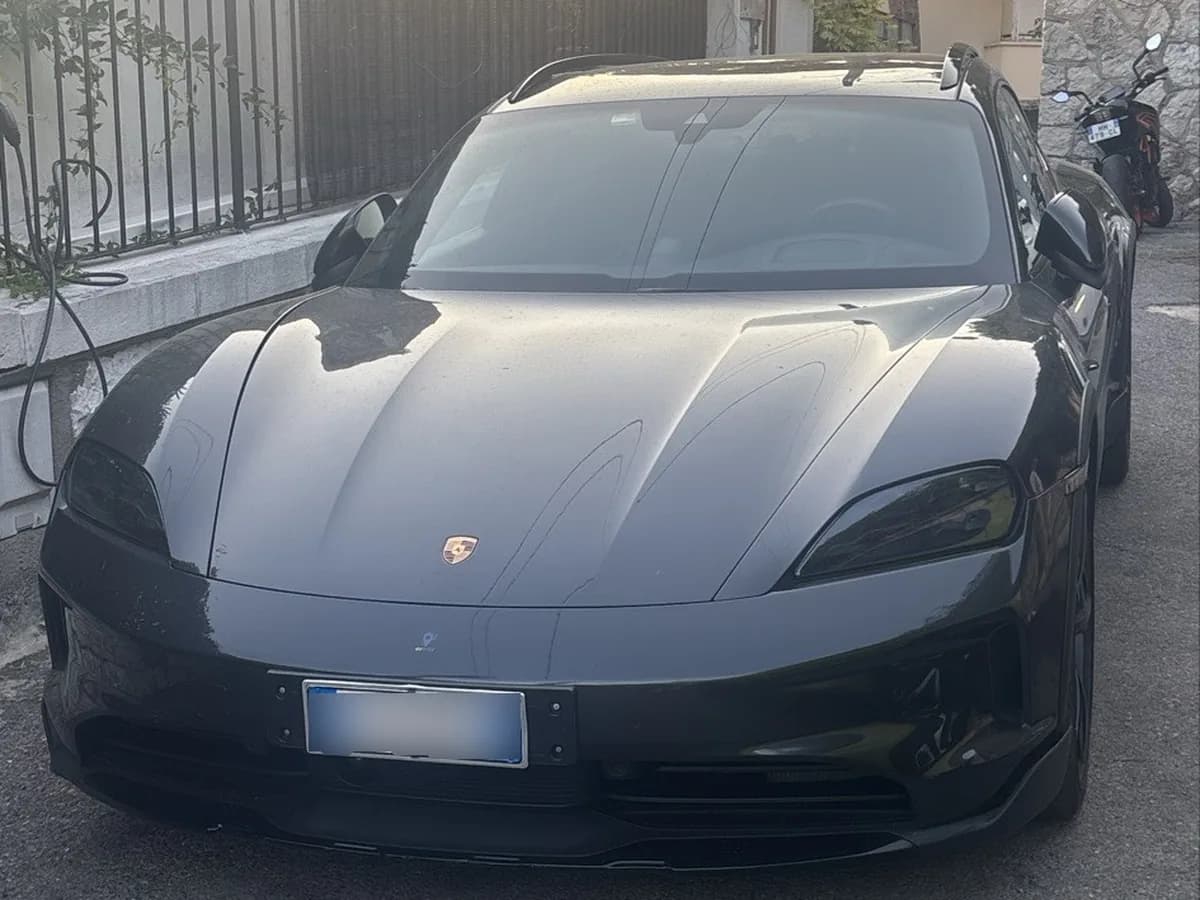
2024

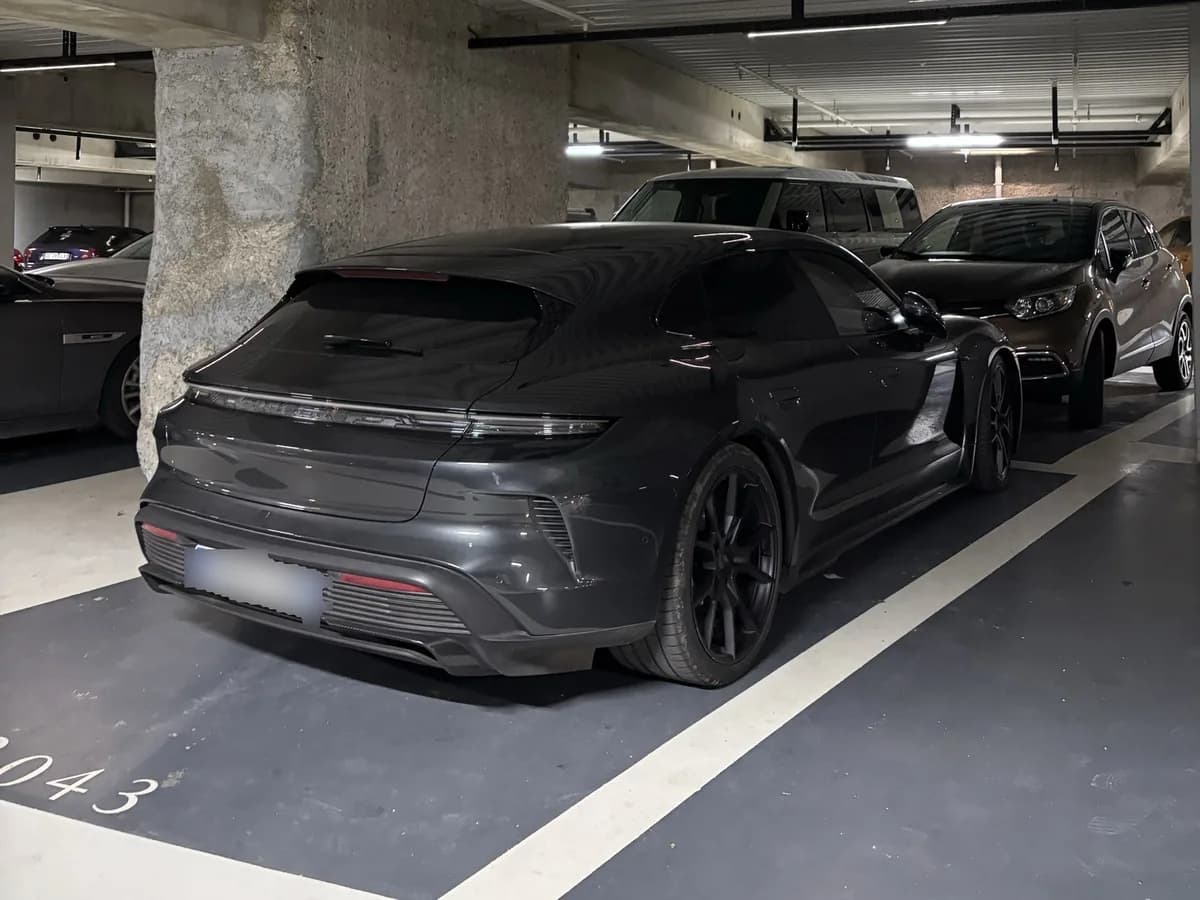

2021
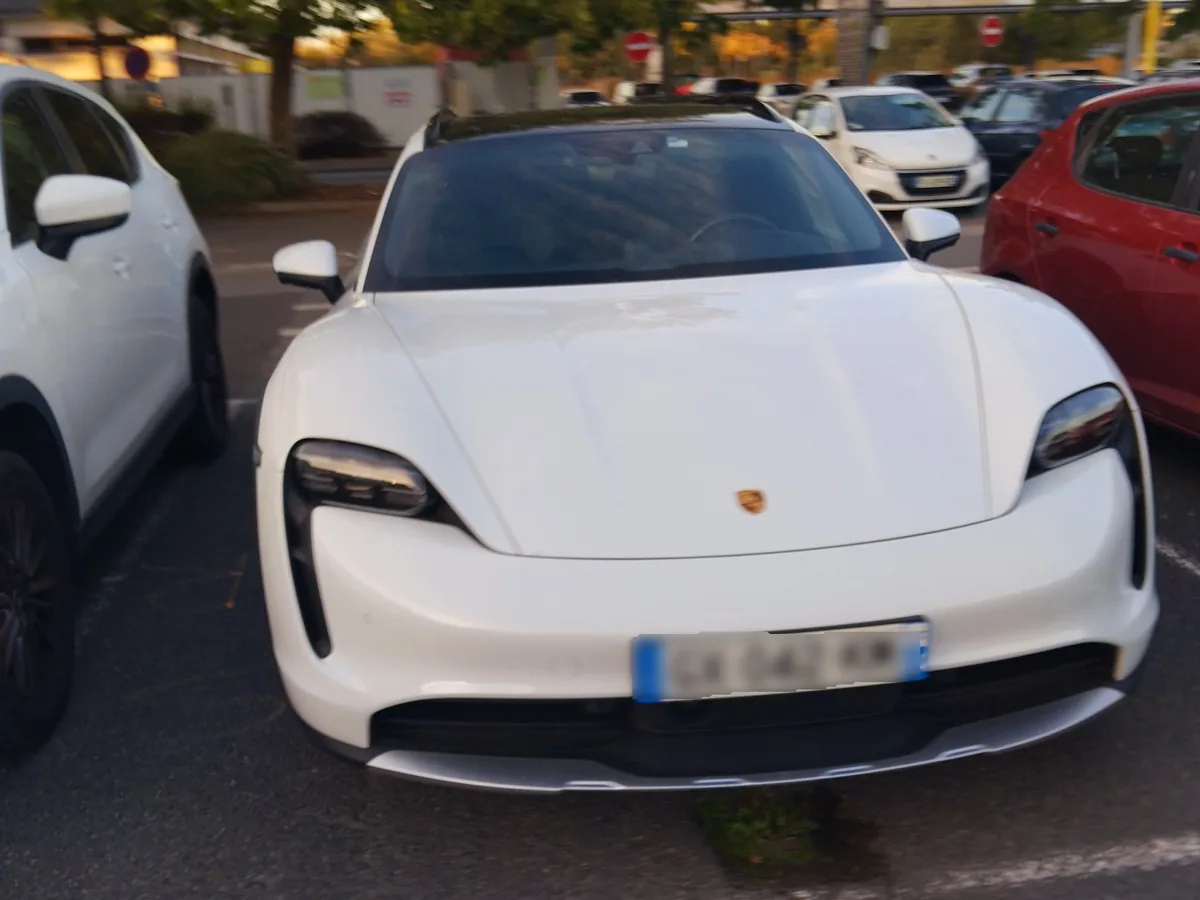

2019
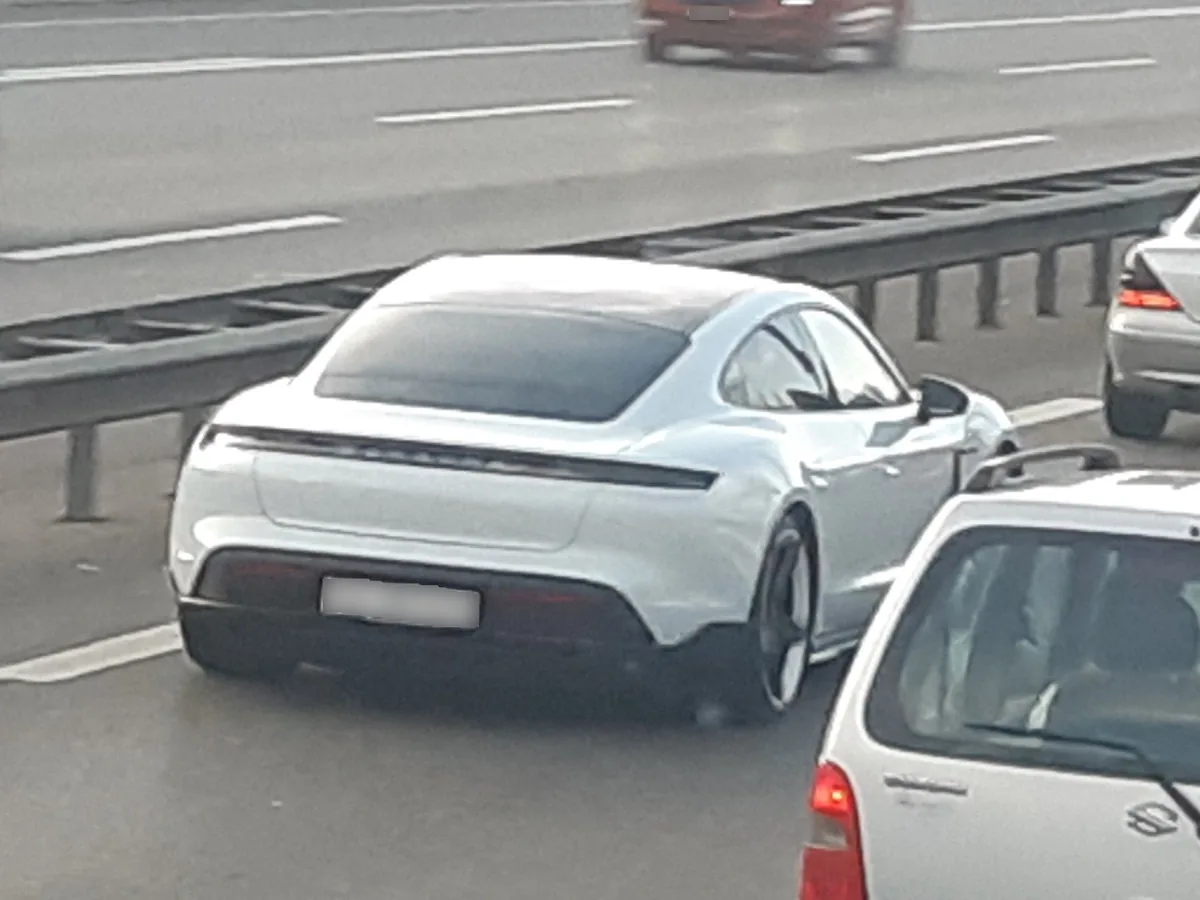
Model summary
Data from the ScanRacer library, organized to compare versions quickly.
Model introduction
Unveiled to the public on September 4, 2019, the Porsche Taycan became the German brand’s first fully electric sports car. It uses a four-door body, an 800-volt electrical architecture, and a layout intended to combine strong performance with comfort and everyday usability. The range began with the Taycan Turbo and Turbo S before expanding with less powerful derivatives and additional body styles. Within ScanRacer’s coverage, the model runs from 2019 to 2024 and includes three body variants: Sedan, Cross Turismo, and Sport Turismo. The Cross Turismo joined in 2021, while the Sport Turismo followed in 2022. A substantial technical and styling update arrived for 2024, bringing more power, greater range, quicker acceleration, and faster charging. (newsroom.porsche.com)
History
The Taycan emerged from Porsche’s electrification strategy and the Mission E concept shown in 2015. Porsche states that less than four years passed between that concept’s presentation and the start of Taycan production. The production car made its world debut on September 4, 2019, in simultaneous events held in Europe, North America, and China. The first announced versions were the Taycan Turbo and Turbo S, followed by additional power levels during the first model year. The car introduced a new technical family for Porsche, combining fully electric propulsion with a high-voltage battery and an 800-volt architecture designed to support rapid charging. Production was established at a dedicated facility in Stuttgart-Zuffenhausen, opened in 2019 to support the model’s launch. In 2021, Porsche added the Cross Turismo, bringing a larger tailgate, more usable cargo space, and greater ground clearance. The Sport Turismo followed in 2022, using the Cross Turismo’s practical fastback shape without its off-road styling elements. For 2024, Porsche extensively revised the Taycan with new motors, improved batteries, revised thermal management, expanded equipment, and more clearly differentiated styling. Porsche presents this change as a major modernization rather than explicitly naming it a new generation. (newsroom.porsche.com)
Generations
Porsche does not describe the 2024 Taycan as a completely separate generation in the sources reviewed. A cautious historical approach is therefore to distinguish the original phase, launched in 2019, from the major update introduced for 2024. The first phase began with the four-door sports sedan, identified as Sedan in the ScanRacer context. It is defined by a low stance, strongly shaped fenders, a sloping roofline, and an 800-volt electrical architecture. Launched in 2021, the Cross Turismo retained the Taycan’s basic engineering but added a large tailgate, more rear passenger space, protective exterior elements, and standard all-wheel drive according to Porsche. The Sport Turismo arrived in 2022 with the more practical Turismo body profile, while emphasizing road use and omitting the Cross Turismo’s off-road visual treatment. The 2024 model year is an important identification point for updated cars: Porsche announced increased power, a maximum WLTP range of up to 678 kilometers depending on specification, charging at up to 320 kW in certain conditions, and visible changes to lighting and Turbo trim details. These figures vary with body style, battery, drivetrain, equipment, and market. (newsroom.porsche.com)
Key differences
The three covered variants differ in more than their names. The Sedan is the original body style, using a conventional rear trunk and emphasizing a low, sporty profile. The Sport Turismo adds a large hatchback and shooting-brake-like silhouette, improving loading access and practicality without adopting the Cross Turismo’s exterior protection elements. The Cross Turismo is the easiest variant to identify through its off-road-inspired trim, wheel-arch protection, and more versatile body format. Porsche also specifies standard all-wheel drive and adaptive air suspension for the initial Cross Turismo range. Power, battery capacity, and drivetrain vary by exact version and model year, so mechanical specifications should not be inferred from body style alone. For 2024 vehicles, all three silhouettes receive the broad update announced by Porsche, but acceleration, range, and charging performance still depend on the selected configuration. (newsroom.porsche.com)
Photo recognition
From the front, the Taycan is identified by its very low and wide body, slim headlamps, and strongly arched front fenders. The side view shows a narrow cabin, a roofline that falls toward the rear, and pronounced shoulders over the rear wheels. The Sedan has a clearer separation between the rear glass and trunk lid, while both Turismo variants use a large hatchback. Among those two, the Cross Turismo is distinguished by wheel-arch protection, specific side skirts, and tougher-looking lower bumper sections. The Sport Turismo has a smoother, more road-oriented appearance. Updated 2024 cars may feature revised lighting signatures, more prominent Turbo trim details, and redesigned wheels, although equipment varies by market and specification. Rear badging, the presence or absence of a second motor, and bumper details can help refine identification, but they do not always establish the exact model year on their own. (newsroom.porsche.com)
Important versions
The first notable versions were the Taycan Turbo and Turbo S, introduced in 2019 at the top of the original range. The Taycan 4S followed with a less extreme position in the lineup. From 2021, the Cross Turismo became the more versatile derivative, with Porsche announcing 4, 4S, Turbo, and Turbo S versions at launch. In 2022, the Sport Turismo expanded the practical side of the family, including the GTS and later additional power levels. For 2024, Porsche applied a broad update across all three body styles, bringing significant changes to power, range, and charging performance. Version names and availability can vary by country, model year, and the market represented in ScanRacer. (newsroom.porsche.com)
The name “Taycan” follows Porsche naming, with its rules and its exceptions. Decode a Porsche name
References
- World premiere of the Porsche Taycan: Sports car, sustainably redesignedPorsche Newsroom
- A new chapter in the company's historyPorsche Newsroom USA
- World premiere of the Cross Turismo: the all-rounder among electric sports carsPorsche Newsroom USA
- The new Taycan Sport Turismo: a practical all-rounder with on-road dynamicsPorsche Newsroom
- Three body versionsPorsche Newsroom
- The new Porsche Taycan: improved in almost every disciplinePorsche Newsroom
- All Taycan ModelsPorsche
- https://newsroom.porsche.com/en/2019/company/porsche-oliver-blume-taycan-chances-e-mobility-interview-18559.htmlnewsroom.porsche.com
Frequently asked questions
- What years was the Porsche Taycan produced?
- ScanRacer's referenced versions cover 2019 - 2024.
- How many Porsche Taycan examples are documented on ScanRacer?
- 40 published scans from 34 members, with the latest photo added in September 2026.