
356
The Porsche 356 was the first model to officially carry the Porsche name. The 356 “No. 1” Roadster received its general operating permit in Gmünd, Austria, on June 8, 1948, while the subsequent 356/2 production car used a rear-mounted engine layout. Production later moved to Stuttgart, where the 356 continued to develop for seventeen years before production ended in 1965. Its lightweight construction, air-cooled flat-four engine, and rounded body established many of the technical and visual themes associated with later Porsche sports cars. Over time, the range expanded beyond the classic coupé to include cabriolets, Speedsters, and highly specialized Carrera models. The 356 therefore occupies a distinctive place in automotive history: it was Porsche’s foundational road car, a practical lightweight sports car, and an important part of the company’s early competition program. (newsroom.porsche.com)
What about the car you photographed?
Upload a photo to get a suggested make, model and likely year.
No account needed for the result · Publish only if you choose
Variants by year
Make: Porsche · Model: 356
7 / 7 versions shown
2000
1963
1960
1959
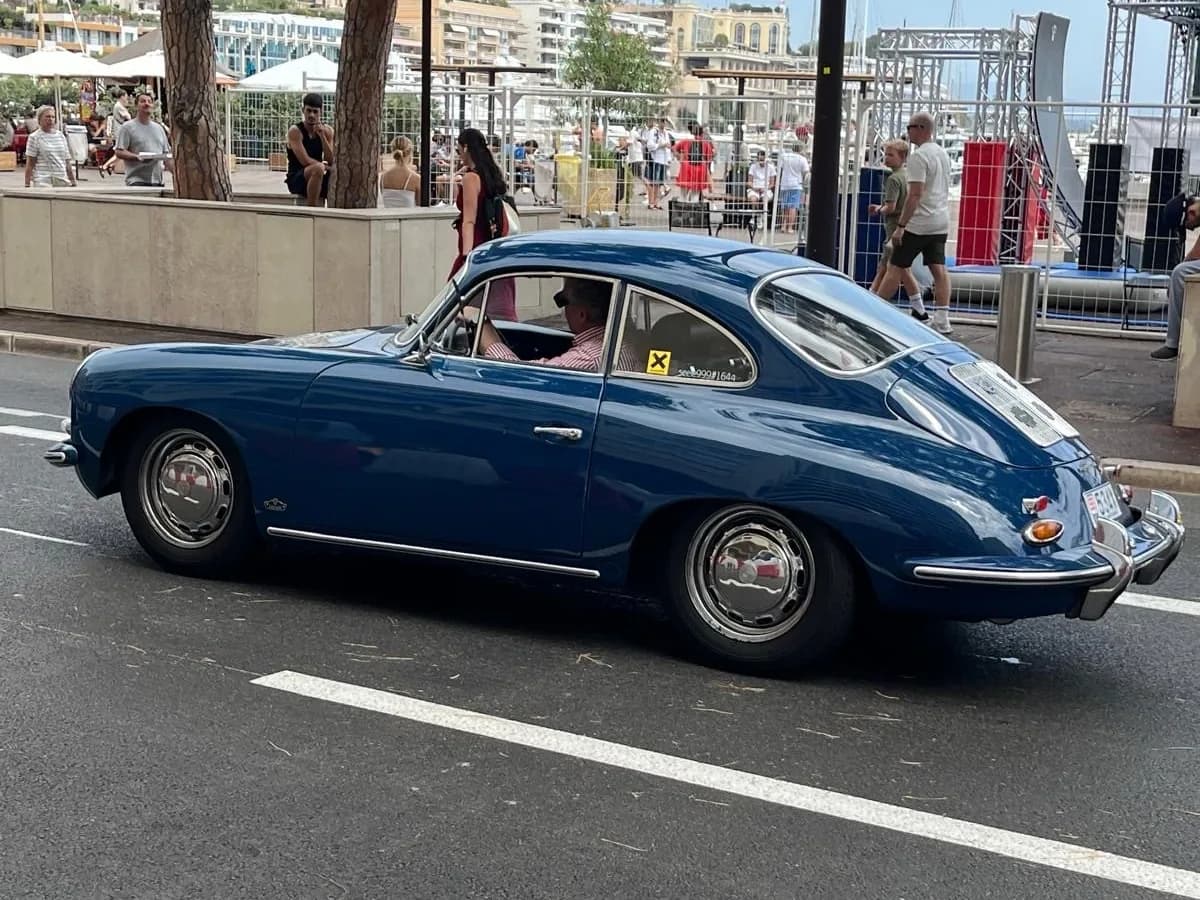

1948
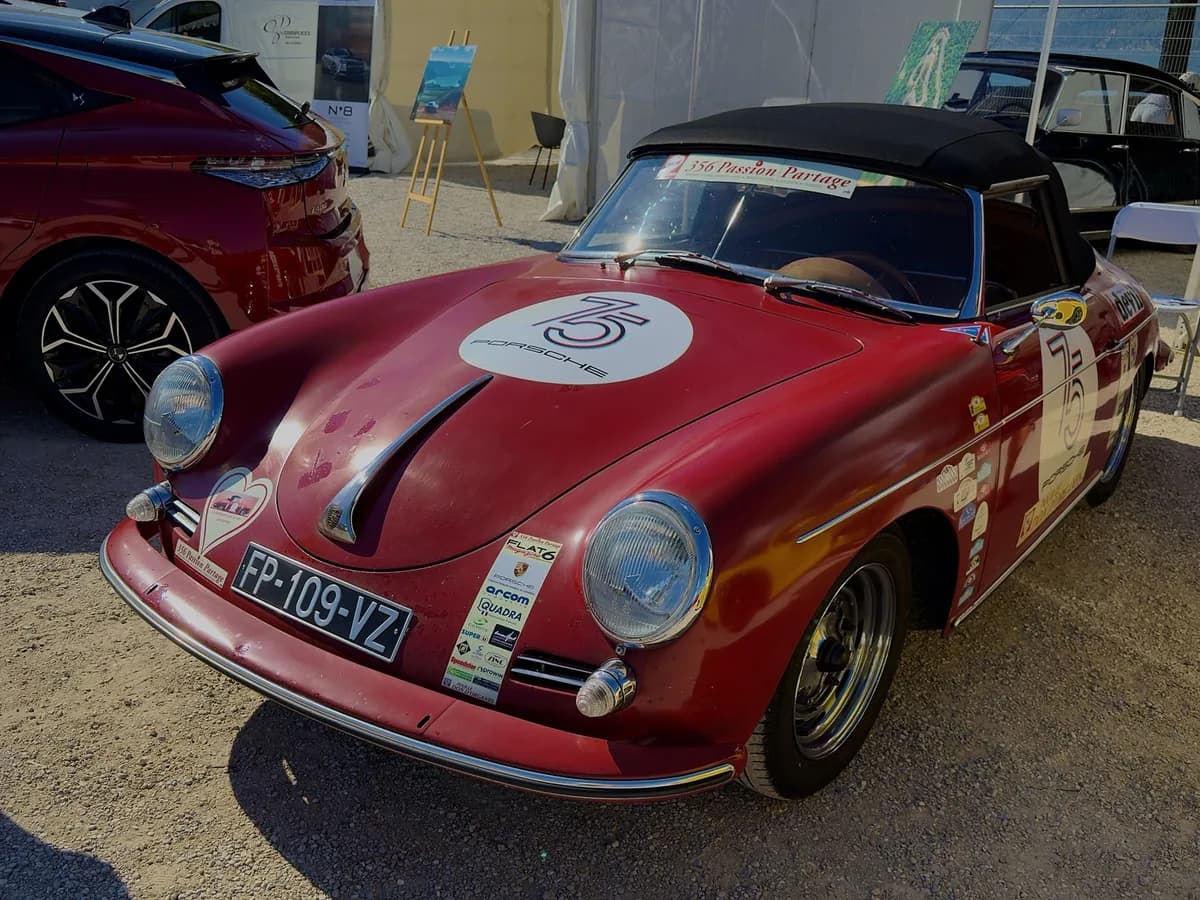
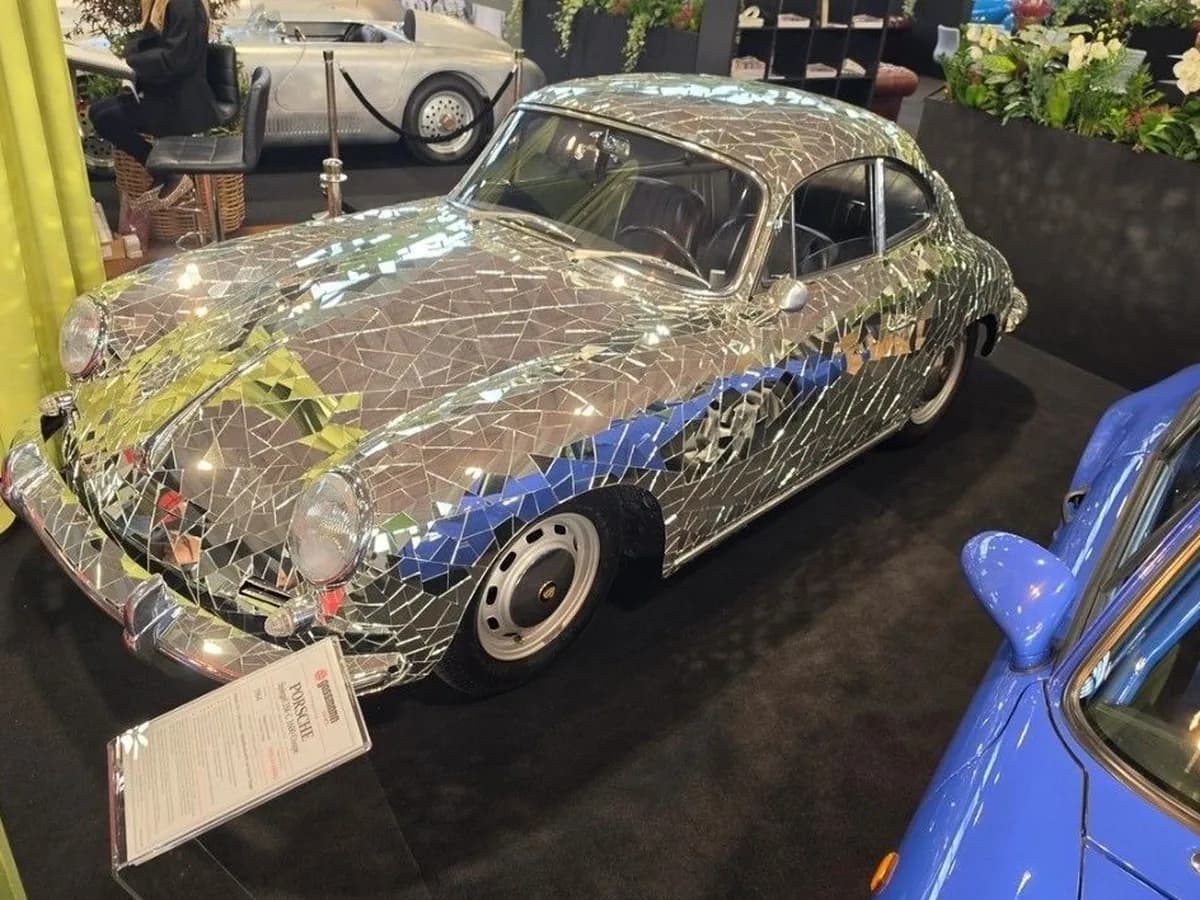
Porsche 356 photos
Model summary
Data from the ScanRacer library, organized to compare versions quickly.
Model introduction
The Porsche 356 was the first model to officially carry the Porsche name. The 356 “No. 1” Roadster received its general operating permit in Gmünd, Austria, on June 8, 1948, while the subsequent 356/2 production car used a rear-mounted engine layout. Production later moved to Stuttgart, where the 356 continued to develop for seventeen years before production ended in 1965. Its lightweight construction, air-cooled flat-four engine, and rounded body established many of the technical and visual themes associated with later Porsche sports cars. Over time, the range expanded beyond the classic coupé to include cabriolets, Speedsters, and highly specialized Carrera models. The 356 therefore occupies a distinctive place in automotive history: it was Porsche’s foundational road car, a practical lightweight sports car, and an important part of the company’s early competition program. (newsroom.porsche.com)
History
The Porsche 356 story began in post-war Austria. Ferry Porsche and his team developed a compact mid-engined roadster known as the 356-001, whose chassis was driven for the first time in February 1948. The one-off prototype received its official operating permit on June 8, 1948, becoming the first vehicle to carry the Porsche brand. The production 356/2 differed in one major respect: its flat-four engine was mounted at the rear. The earliest cars were assembled in Gmünd with hand-formed aluminum bodies, while series production began in Stuttgart in 1950 with steel bodies supplied by Reutter. (porsche.com) The range soon expanded from coupés to open models. Introduced in 1954 at the request of American importer Max Hoffman, the Speedster used reduced equipment, a lower windscreen, and a lightweight folding top. Carrera versions appeared with the 356 A and used the Fuhrmann four-cam engine for a more competition-focused character. The 356 A, introduced in 1955, brought chassis improvements and a broader engine range. The 356 B, presented in 1959, received substantial exterior revisions, while the final 356 C introduced four-wheel disc brakes. Porsche built approximately 78,000 examples before production ended in 1965, as the new 911 gradually assumed the company’s main sports-car role. (newsroom.porsche.com)
Generations
The 356 is generally divided into four main stages: the original series, often called Pre-A, followed by the A, B, and C series. The earliest cars, built from 1948 to 1955, remain closest to the original concept. They feature lightweight bodies, year-to-year detail changes, and substantial technical links to Volkswagen components. The aluminum-bodied Gmünd cars form a particularly rare subgroup within this early production. (newsroom.porsche.com) The 356 A arrived in September 1955. Porsche revised the chassis, introduced a single-piece curved windscreen, and offered engines ranging from 1.3 to 1.6 liters, including Super and Carrera variants. Open-bodied versions included the Cabriolet, Speedster, and Convertible D. (porsche.com) The 356 B replaced the 356 A in September 1959. It can be identified by features such as higher-mounted headlights and bumpers. The T6 update, introduced in 1961, added a wider front hood with a fuel-filler flap on the right front wing and two vertical ventilation grilles on the engine lid. The 356 C was the final evolution, produced from 1963 to 1965. It retained the broad shape of the B but introduced four-wheel disc brakes and flat wheel caps without a Porsche crest. (porsche.com)
Key differences
Differences between 356 series are usually evolutionary rather than dramatic. A Pre-A car generally has a simpler front end and less standardized body detailing. The 356 A introduced a curved panoramic windscreen, front indicators integrated into the horn grilles, and, from 1957, teardrop-shaped rear lights. The 356 B can be identified by its higher headlights, raised bumpers, and horn grilles with two horizontal slats. On T6 cars, the fuel-filler flap on the right front fender is a particularly useful clue. The 356 C is harder to distinguish from a late B at first glance: its four-wheel disc brakes are the major mechanical change, while flat wheel caps without a Porsche crest provide a practical visual indicator. Names such as Super, Super 90, SC, and Carrera refer to particular specifications or performance versions and should not be inferred from bodywork alone. (porsche.com)
Photo recognition
When identifying a Porsche 356, begin with the body details rather than the badges. Early cars can show different hood, bumper, and lamp designs depending on their production period. On a 356 A, the single-piece curved windscreen and indicators integrated into the horn grilles are useful clues. A 356 B generally has higher headlights, a raised front bumper, and flatter horn grilles with two horizontal slats. T6 examples add a fuel-filler flap on the right front fender and two vertical grilles on the engine lid. On a 356 C, look for flat wheel caps without a Porsche crest and, if a mechanical inspection is possible, disc brakes on all four wheels. Body style is also important: coupé, cabriolet, Speedster, Roadster, and Convertible D are distinct configurations. A reliable identification should still be checked against the chassis number, engine, and original documentation, because restoration work can change many visible details. (porsche.com)
Important versions
Among the most significant versions are the 356 Speedster, developed as a lightweight and stripped-back open sports car for the American market, and the Carrera models, whose Fuhrmann four-cam engine gave them a more competition-oriented character. The 356 A 1500 GS Carrera GT Speedster holds a special place in the model’s history: Porsche states that it produced 110 PS and was the first production Porsche to exceed 200 km/h. The B-series Carrera 2 models, equipped with a two-liter four-cam engine, represented the top end of the road-car range. The 356 B Carrera GT Abarth, listed in Porsche documentation as Carrera GT/Abarth, was one of the most specialized and uncommon derivatives. Finally, the 356 C and SC formed the final stage of the 356 family before the 911 fully assumed its successor role. (newsroom.porsche.com)
The name “356” follows Porsche naming, with its rules and its exceptions. Decode a Porsche name
References
- The Porsche story 4: 1950 – The perfectionist's momentPorsche Newsroom
- Model 356 APorsche Classic Australia
- Model 356 BPorsche Classic Australia
- Model Overview 356Porsche Classic Australia
- Blue wonderPorsche Newsroom Australia
- https://newsroom.porsche.com/en/2019/history/porsche-911-magazine-episode-13-sports-car-dna-356-gmuend-19078.htmlnewsroom.porsche.com
- https://newsroom.porsche.com/en/history/porsche-356-no-1-roadster-super-coupe-speedster-carrera-cabriolet-switzerland-bern-70-years-sports-cars-15858.htmlnewsroom.porsche.com
- https://newsroom.porsche.com/en/company/porsche-70-years-sports-car-new-year-reception-anniversary-356-no-1-roadster-ferry-porsche-ferdinand-alexander-porsche-tradition-future-mission-e-oliver-blume-14750.htmlnewsroom.porsche.com
Frequently asked questions
- What years was the Porsche 356 produced?
- ScanRacer's referenced versions cover 1948 - 2000.
- How many Porsche 356 examples are documented on ScanRacer?
- 11 published scans from 10 members, with the latest photo added in October 2026.
What about the car you photographed?
Upload a photo to get a suggested make, model and likely year.
No account needed for the result · Publish only if you choose