
Boxster
Introduced in production form in 1996, the Porsche Boxster is a two-seat, mid-engined roadster that reshaped the brand’s sports-car range. Its layout combines a water-cooled flat-six engine, rear-wheel drive and an electrically operated soft top, while separate front and rear luggage compartments add everyday practicality. The production car followed several design ideas from the concept shown in Detroit in 1993, whose appearance recalled Porsche’s 550 Spyder and 718 RS 60 Spyder. The first generation, known internally as the 986, began with a 2.5-liter engine before the arrival of 2.7-liter cars and the Boxster S. Across the 987, 981 and 982 generations, the Boxster became more powerful, rigid and technically sophisticated, while retaining its central-engine layout and compact roadster format.
Variants by year
2019
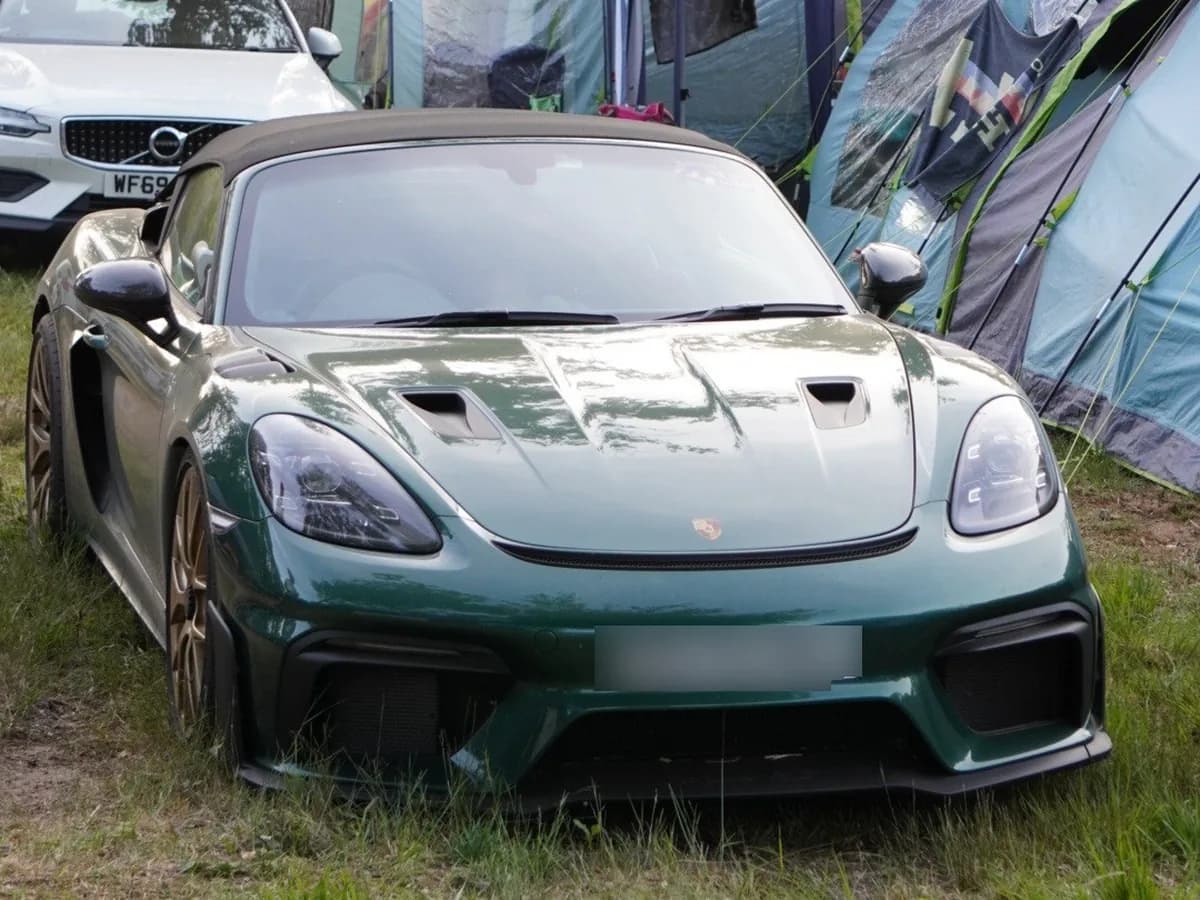
2016
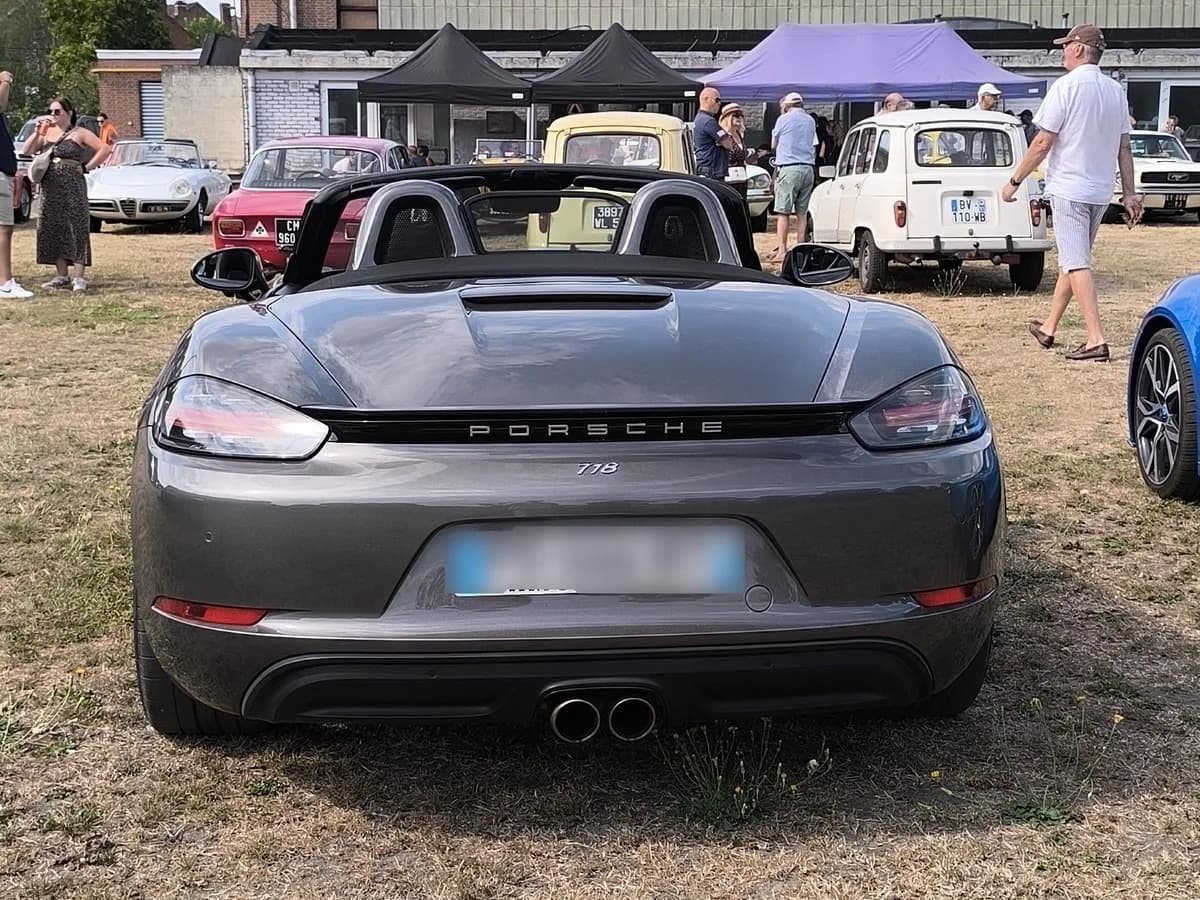
2015
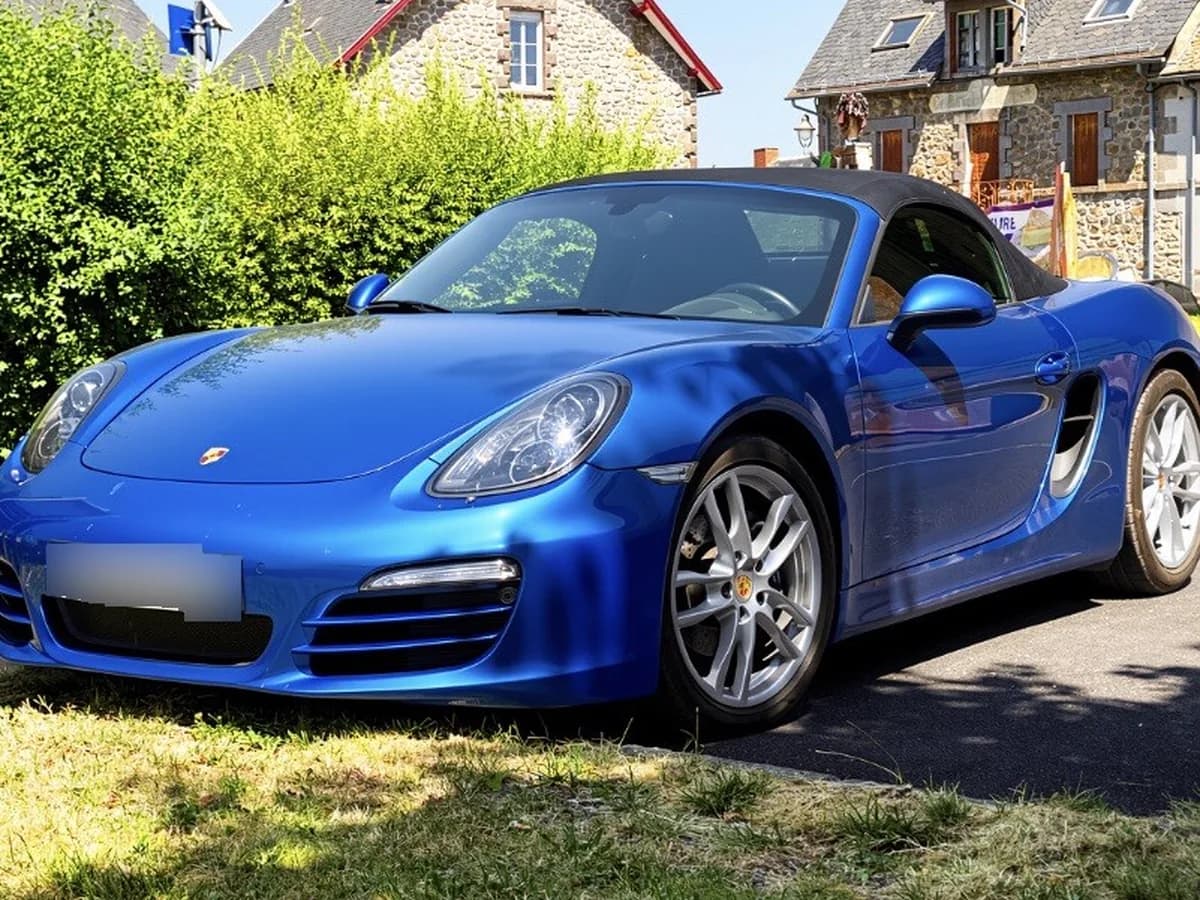
2012
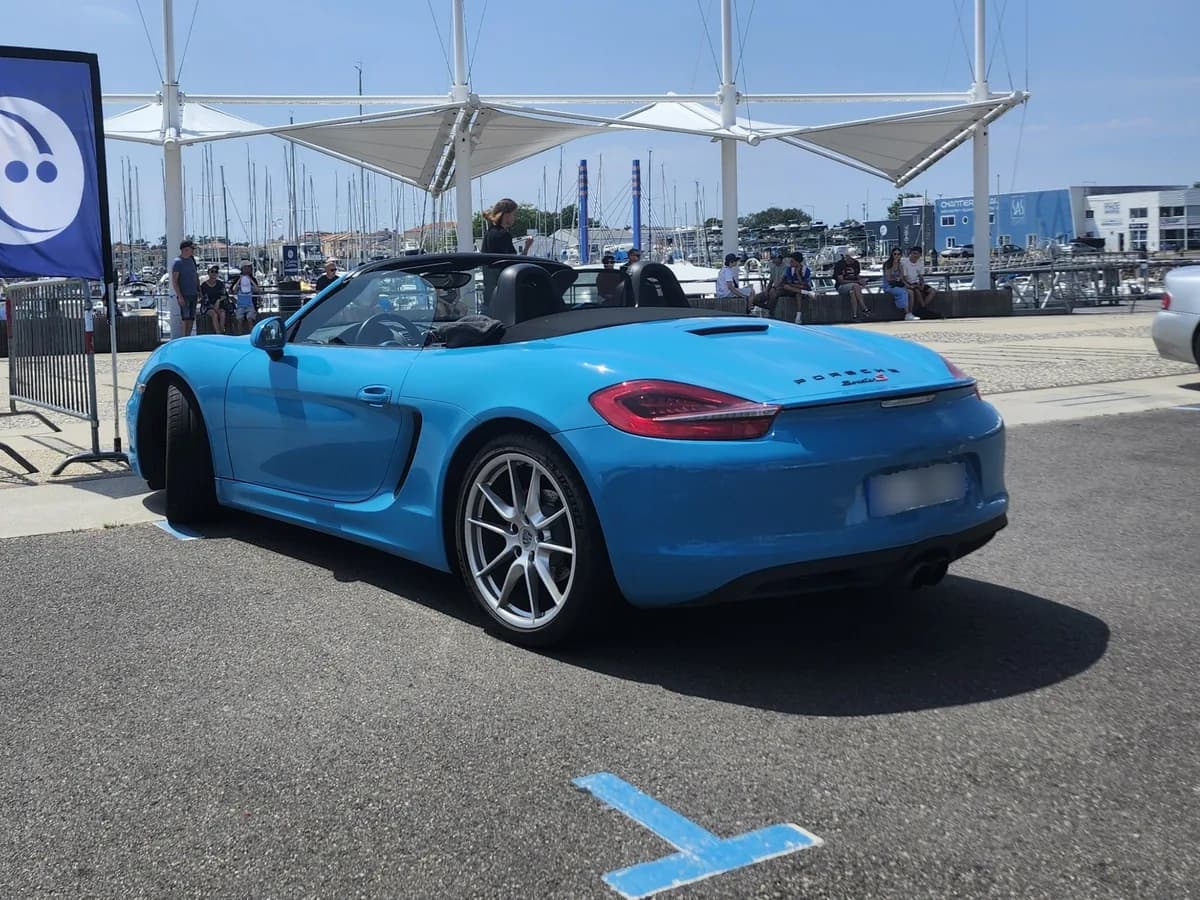
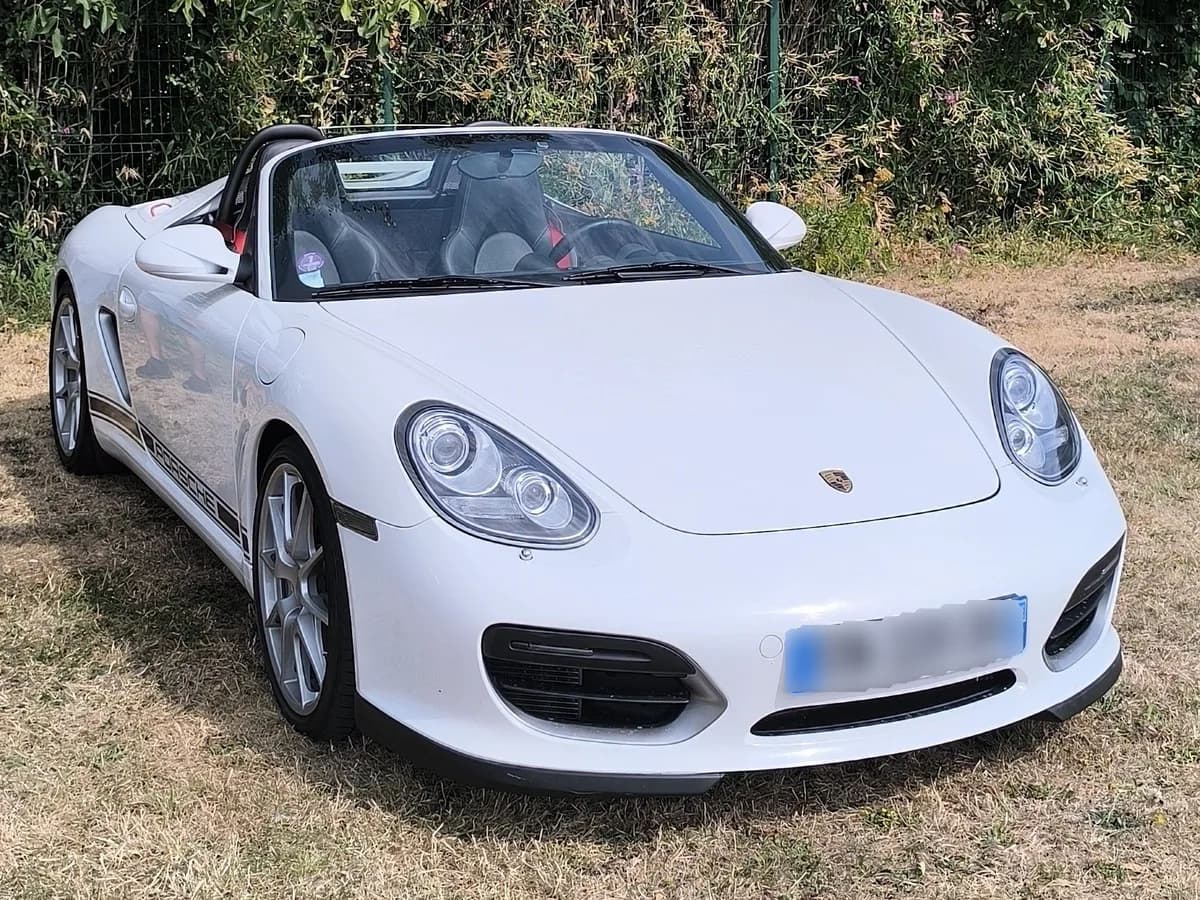
2010
2009
2004
1996
Model summary
Data from the ScanRacer library, organized to compare versions quickly.
Model introduction
Introduced in production form in 1996, the Porsche Boxster is a two-seat, mid-engined roadster that reshaped the brand’s sports-car range. Its layout combines a water-cooled flat-six engine, rear-wheel drive and an electrically operated soft top, while separate front and rear luggage compartments add everyday practicality. The production car followed several design ideas from the concept shown in Detroit in 1993, whose appearance recalled Porsche’s 550 Spyder and 718 RS 60 Spyder. The first generation, known internally as the 986, began with a 2.5-liter engine before the arrival of 2.7-liter cars and the Boxster S. Across the 987, 981 and 982 generations, the Boxster became more powerful, rigid and technically sophisticated, while retaining its central-engine layout and compact roadster format.
History
The Boxster originated with a concept unveiled at the Detroit Motor Show in January 1993. Its strong reception encouraged Porsche to retain much of the study’s visual character, including a shape that recalled the company’s earlier competition roadsters. Production began in the summer of 1996 for the 1997 model year, under the internal type number 986. The first Boxster used a 2.5-liter flat-six rated by Porsche at 204 horsepower. Liquid cooling, four-valve technology and an engine positioned ahead of the rear axle were among the model’s defining technical features. In 1999, the range expanded with a 2.7-liter engine and the Boxster S, which used a 3.2-liter flat-six. The second generation, designated 987, arrived in 2004 with updated styling, larger wheels and a redesigned interior. Later developments brought direct fuel injection to selected engines and introduced the PDK dual-clutch transmission in place of the earlier Tiptronic S. The 981, launched in 2012, brought a more extensive redesign of the body and chassis. In 2016, Porsche added the 718 name, with turbocharged four-cylinder engines for regular Boxster models, while Spyder versions retained a more focused performance character.
Generations
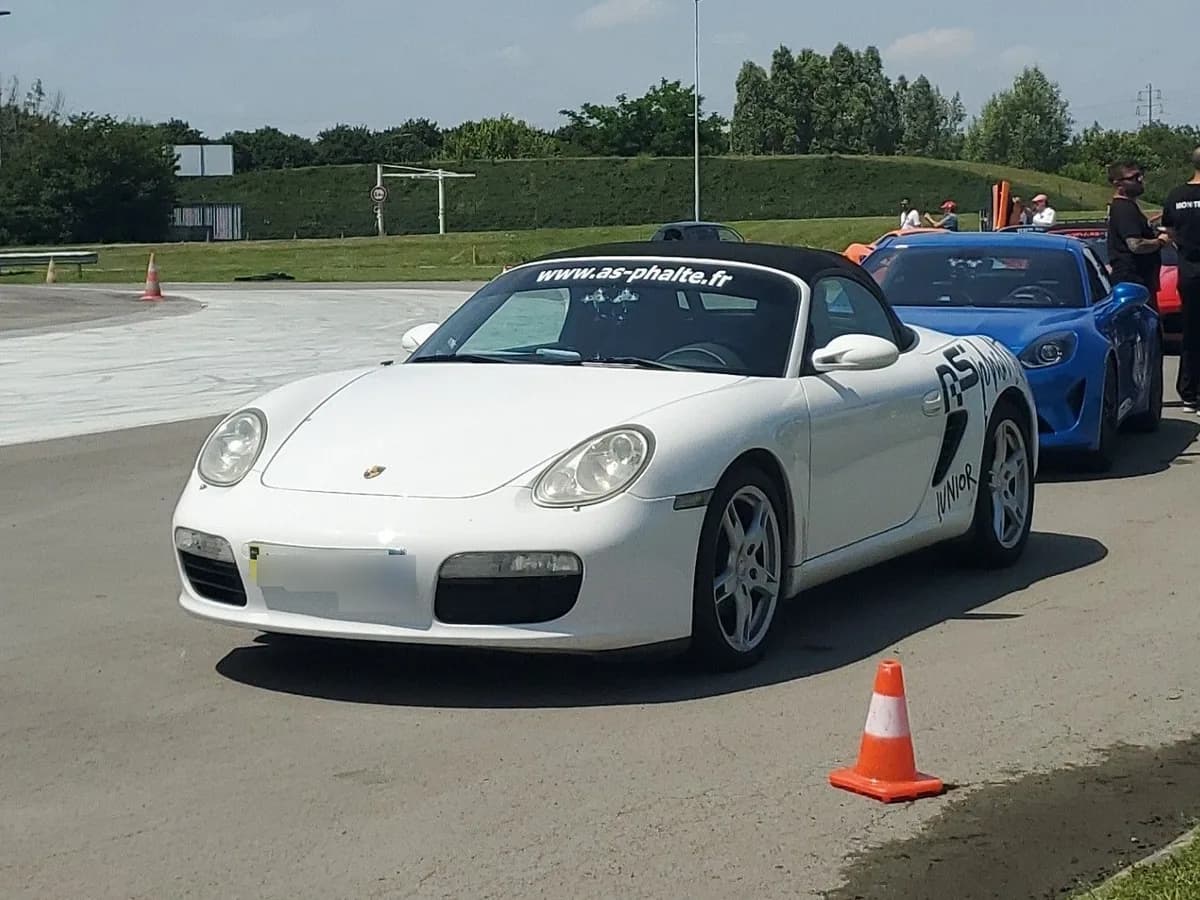
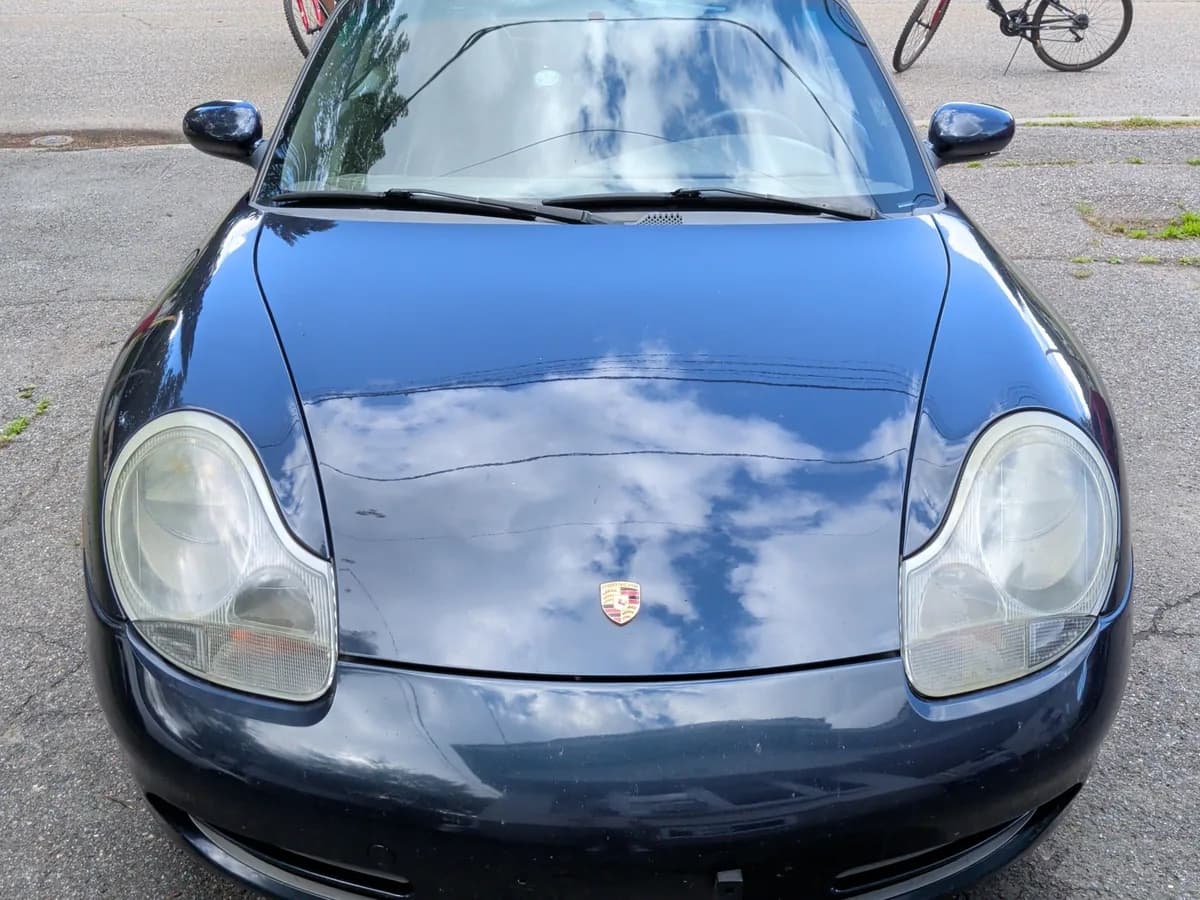
The 986 generation represents the Boxster’s initial era, beginning in 1996 and continuing until roughly 2004. Its most recognizable features include front lighting shared with the 996-generation 911 and exterior mirrors positioned ahead of the side windows. The body introduced Porsche’s shared-parts strategy while preserving a genuine mid-engined layout. Early cars used 16-inch wheels and a soft top with a flexible plastic rear window. The 987 arrived in 2004 with more distinctive oval headlights, 17-inch wheels on the standard Boxster and a revised cabin. Late-production versions received 2.9-liter or 3.4-liter engines depending on specification, while the PDK dual-clutch gearbox became available on selected cars. The 987 Spyder stood apart through weight reduction, a minimalist manually operated roof and a deliberately pared-back equipment list. The 981, introduced in 2012, brought sharper bodywork, shorter overhangs and a soft top that no longer required a separate convertible-top cover. It initially used naturally aspirated, direct-injection flat-six engines. From 2016, the 982 generation was marketed as the 718 Boxster and generally switched to turbocharged four-cylinder engines. The 2019 718 Spyder was an important exception, using a naturally aspirated 4.0-liter flat-six.
Key differences
The main differences between generations concern body design, cabin layout and powertrains. The 986 looks closest to the 996-generation 911, with shared front-end components and a relatively simple interior. The 987 introduces oval headlights, larger wheels and a more developed cabin. The 981 is identifiable by its visually lower profile, more sculpted flanks and shorter overhangs. The most significant technical change arrives with the 982. The 986, 987 and 981 generally rely on naturally aspirated, water-cooled flat-six engines, whereas the regular 718 Boxster range introduces turbocharged four-cylinder engines with a different response and exhaust character. Spyder badges usually indicate a more focused specification, such as a manual roof, dedicated suspension, reduced equipment or a higher-output engine. Exact equipment still varies by generation, market and model year, so the badge alone cannot establish every detail of an individual car.
Photo recognition
To identify a 986 Boxster, look for front lamps closely related to those of the type 996 911, compact side air intakes and exterior mirrors mounted ahead of the side windows. The 987 uses more visually independent oval headlights and keeps broadly similar proportions, but its presentation is more modern. The 981 stands out through sharper body sides, more vertical side intakes, a windscreen moved farther forward and a tighter overall silhouette. A 718 Boxster usually carries the 718 designation and has a more angular design with more pronounced air openings. Spyder versions are easier to distinguish because of their manually operated or specially shaped roof treatment and their distinctive rear deck area. Identification should still be confirmed with the type number, model year and vehicle documentation. Lighting units, wheels and other equipment can vary according to market and factory options, so exterior appearance alone is not always conclusive.
Important versions
The standard Boxster forms the core of the range and spans the model’s early years through the 987 era. The 987 Spyder, introduced around 2010, emphasizes low weight with a simplified roof, reduced equipment and a more focused chassis specification. The 981 generation added the Boxster GTS in 2014 and then a Boxster Spyder in 2015, using a naturally aspirated 3.8-liter flat-six, a manual gearbox and a lowered suspension. The 718 Boxster, launched in 2016, began the regular range’s turbocharged four-cylinder phase. The 2019 718 Spyder returned to a naturally aspirated 4.0-liter flat-six and a manual transmission, making it a particularly distinctive entry in the Boxster timeline.
The name “Boxster” follows Porsche naming, with its rules and its exceptions. Decode a Porsche name
References
- Porsche Boxster (type 986)Porsche Classic
- Boxster 25 Years: history of the model linePorsche Newsroom
- Porsche Boxster (type 987)Porsche Classic
- Boxster 25 Years cataloguePorsche
- World premiere for the new Boxster SpyderPorsche Newsroom
- https://newsroom.porsche.com/en_AU/2021/products/porsche-boxster-25-years-premiere-23387.htmlnewsroom.porsche.com
- https://newsroom.porsche.com/it/ppdb/2016/01/la-nuova-roadster-con-motore-centrale-a-quattro-cilindri-porsche-718-boxster.htmlnewsroom.porsche.com
- https://newsroom.porsche.com/dam/jcr%3A4ff9d202-b4b3-4b36-ac7b-a17bd555f92a/2016_Porsche_Boxster_Spyder_Technical_Specifications.pdfnewsroom.porsche.com
Technical specifications
Structured data available for versions linked to this model.
| Version | Power | Torque | Top speed | Drivetrain | Fuel |
|---|---|---|---|---|---|
| — | 420 hp @ 7600 rpm | — | — | Rear-Wheel Drive / 6-speed manual | — |
Frequently asked questions
- What years was the Porsche Boxster produced?
- ScanRacer's referenced versions cover 1996 - 2019.
- How many Porsche Boxster examples are documented on ScanRacer?
- 57 published scans from 44 members, with the latest photo added in September 2026.
- What is the power output of the Porsche Boxster?
- The sourced technical data lists 420 hp @ 7600 rpm.