
911 GT2
The Porsche 911 GT2 is a radical derivative of the 911 Turbo, built around a consistent formula: more power, less weight and rear-wheel drive instead of the Turbo’s all-wheel-drive layout. The GT2 name entered the Porsche 911 range in the mid-1990s, in the context of homologating cars for the international GT2 racing category. The first production generation was based on the Type 993, the last 911 with an air-cooled engine. Later versions based on the Type 996 and Type 997 adopted water cooling while retaining a twin-turbocharged flat-six and an intensely performance-focused character. In 2017, the Type 991 produced the 700-hp 911 GT2 RS, the most powerful and fastest expression of the lineage described by Porsche at the time.
Variants by year
2018
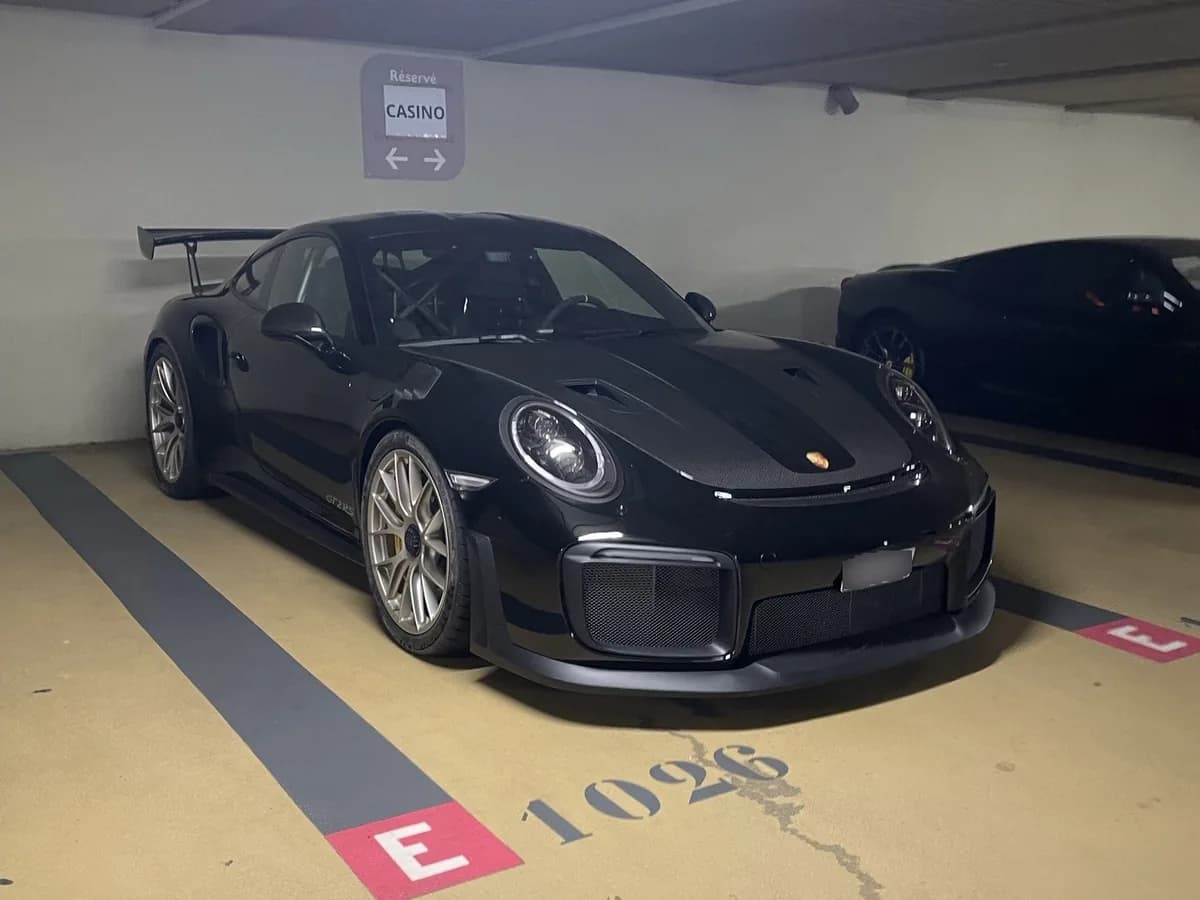
2011
2008
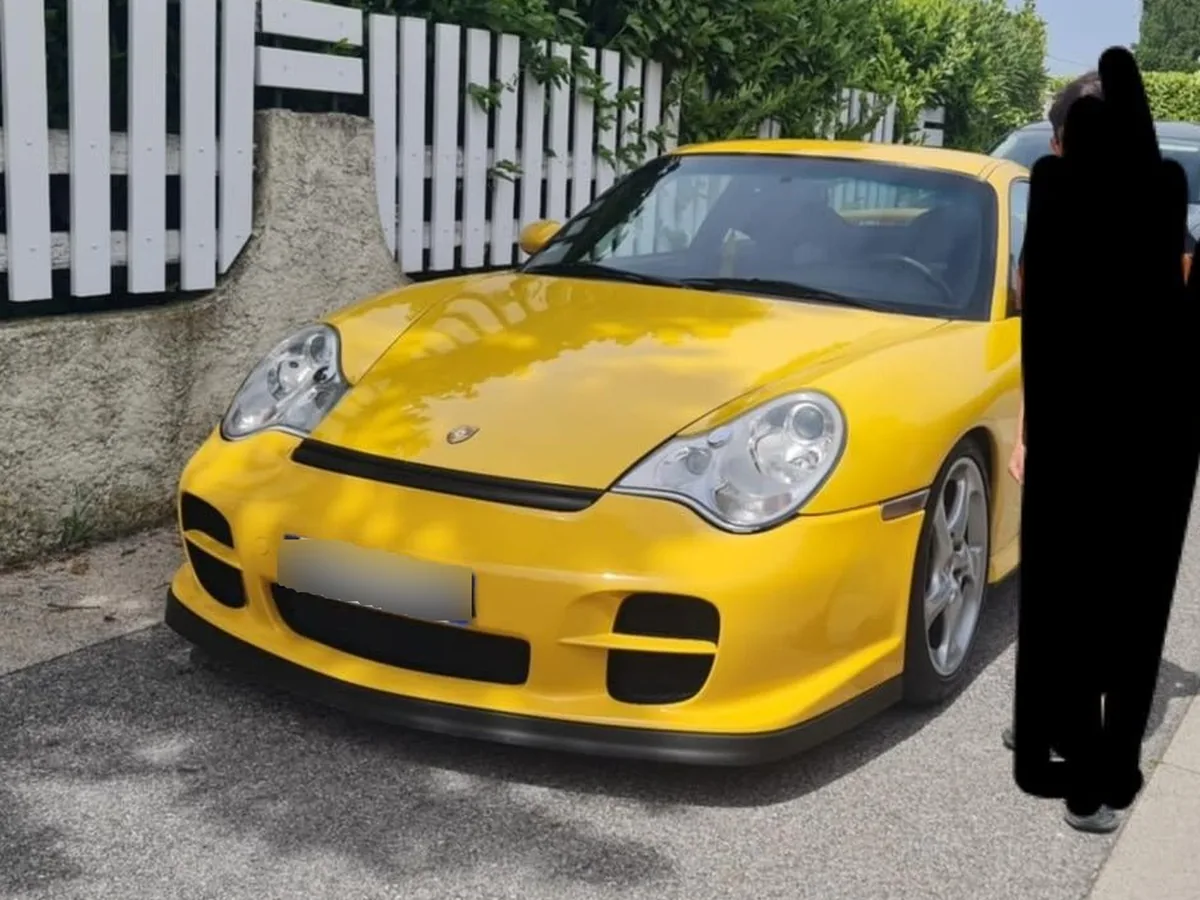
2001
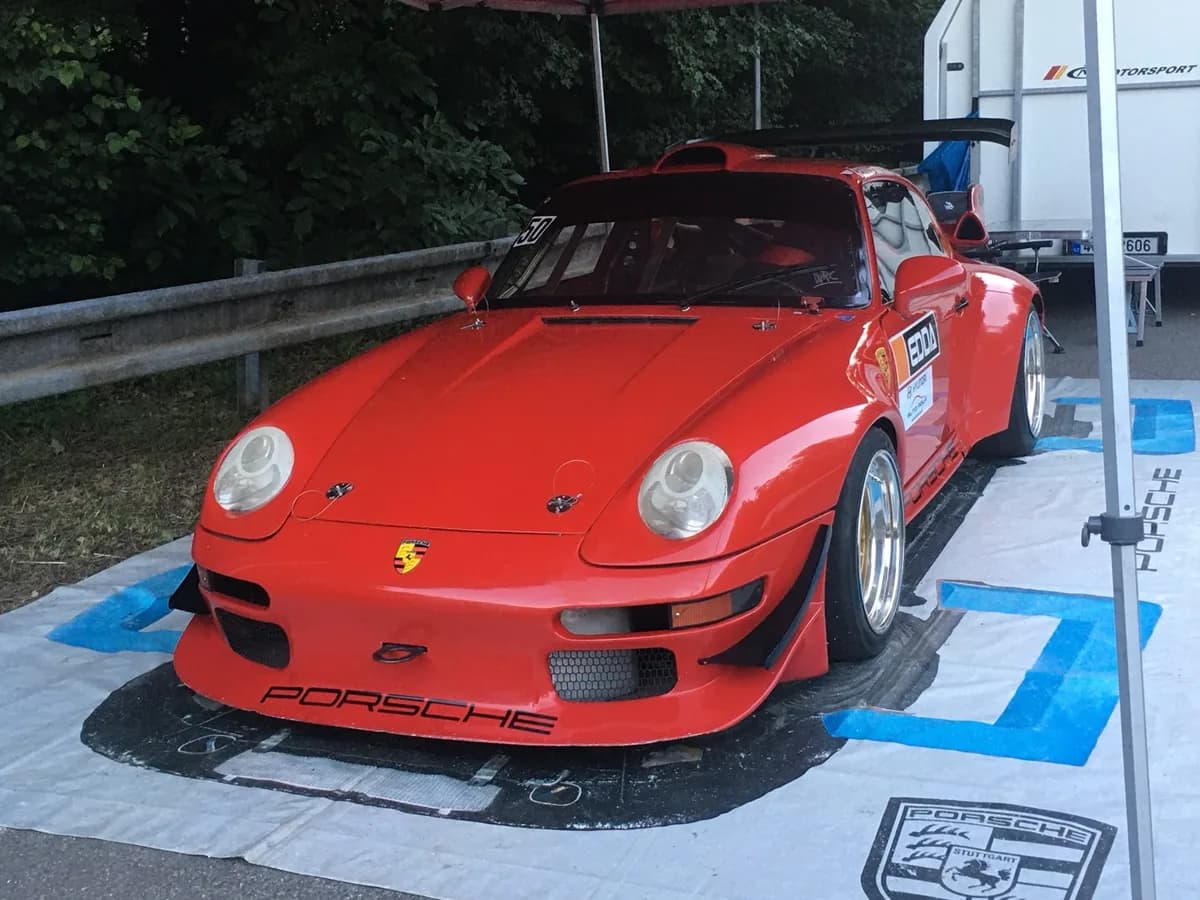
1995
Model summary
Data from the ScanRacer library, organized to compare versions quickly.
Model introduction
The Porsche 911 GT2 is a radical derivative of the 911 Turbo, built around a consistent formula: more power, less weight and rear-wheel drive instead of the Turbo’s all-wheel-drive layout. The GT2 name entered the Porsche 911 range in the mid-1990s, in the context of homologating cars for the international GT2 racing category. The first production generation was based on the Type 993, the last 911 with an air-cooled engine. Later versions based on the Type 996 and Type 997 adopted water cooling while retaining a twin-turbocharged flat-six and an intensely performance-focused character. In 2017, the Type 991 produced the 700-hp 911 GT2 RS, the most powerful and fastest expression of the lineage described by Porsche at the time.
History
The 911 GT2 emerged from a motorsport-oriented idea, although its role changed somewhat from one generation to the next. The Type 993, introduced in the mid-1990s, was derived from the 911 Turbo and notably discarded all-wheel drive. Porsche also reduced weight by removing the rear seats, using lighter body components and fitting a highly recognizable body with wide extensions and a large rear wing. According to Porsche, output later increased from 430 to 450 hp within this generation. Introduced in 2001, the 996 GT2 was the first GT2 with a water-cooled engine. It remained a rear-wheel-drive, twin-turbocharged flat-six, but Porsche developed it as an exceptionally fast road car rather than simply as a homologation special. Output later rose to 483 hp, while Porsche Ceramic Composite Brakes became one of its notable technical features. The Type 997 continued the formula with a 530-hp GT2 and then a 620-hp GT2 RS. Finally, the 991.2 GT2 RS, unveiled in 2017, produced 700 hp, used a seven-speed PDK transmission and reached 340 km/h. These figures show the steady rise in performance, but the underlying principle remained consistent: low weight, rear-wheel drive and a strong emphasis on driver involvement.
Generations
The 911 GT2 family can be understood through four main technical stages. The Type 993 represents the air-cooled era. Its Turbo-based package was extensively lightened and converted to rear-wheel drive, while the body received a much more aggressive appearance. The 430-hp cars and later 450-hp evolution belong to this first period. Porsche also describes production as highly limited, which helps explain the rarity of genuine examples today. The Type 996 brought a major mechanical change with the move to water cooling. The GT2 retained a twin-turbocharged flat-six and rear-wheel drive, but adopted the front-end styling associated with the 996 generation. Output began at 462 hp and later rose to 483 hp. The Type 997 returned to round headlights and introduced two important levels of performance: the 530-hp GT2 and the 620-hp GT2 RS. The latter was an even lighter and more extreme derivative. The 991 generation is represented by the 991.2 GT2 RS, launched in 2017. It replaced the manual gearbox with a seven-speed PDK and combined a 3.8-liter twin-turbo engine, rear-wheel drive, rear-axle steering and a circuit-focused chassis. Within the ScanRacer context, the stated coverage runs from 1995 to 2018 and distinguishes entries such as Base and RS.
Key differences
The key difference between a 911 GT2 and a 911 Turbo is their engineering philosophy. The GT2 retains the Turbo’s twin-turbocharged engine concept but generally replaces all-wheel drive with rear-wheel drive. This reduces weight and changes the car’s behavior, particularly under acceleration and when applying power out of a corner. Depending on the generation, Porsche also removed rear seats, reduced insulation and used lighter components. The GT2 is further distinguished by more substantial aerodynamics, including wider bodywork, specific bumpers, pronounced wheel-arch extensions and a large rear wing. RS versions take the concept further with more power and additional weight reduction. The 997 GT2 RS is associated with a manual gearbox, whereas the 991.2 GT2 RS uses a seven-speed PDK. Exact equipment and specifications vary between the 993, 996, 997 and 991 generations, so identification by type number is essential before making a detailed comparison.
Photo recognition
To identify a 911 GT2, first look for the features that visually separate it from a standard 911 Turbo. The body is typically wider, with prominent wheel-arch extensions and a large rear wing. On the 993, the plastic arch extensions and Carrera RS-inspired front-end treatment are useful clues. The absence of all-wheel drive cannot be confirmed visually, but it is part of the model’s defining technical specification. The 996 can be recognized by its distinctive “fried-egg” headlamps and smoother, more modern appearance than the 993. The 997 returned to round headlights and a more traditional 911 face. To distinguish a GT2 from a GT2 RS, check the badges, documented power output, wheels, brakes and interior specification rather than relying on an isolated spoiler or paint color. Cosmetic conversions and replicas are common. The type number, VIN and Porsche documentation remain the most reliable ways to verify an individual car.
Important versions
The most significant versions include the 993 GT2, the first production generation and the last air-cooled representative of the lineage, followed by the 996 GT2, which introduced water cooling to the series. The 530-hp 997 GT2 marked another performance step, before the 620-hp 997 GT2 RS became the high point of the 997 generation. The 2017 991.2 GT2 RS represented a further break from earlier cars with 700 hp, a seven-speed PDK, rear-axle steering and a 340-km/h top speed. In the supplied ScanRacer data, RS entries cover 2011-2018 and Base entries cover 1995-2008; those ranges describe the library’s coverage and should not automatically be read as one uninterrupted commercial trim designation.
The name “911 GT2” follows Porsche naming, with its rules and its exceptions. Decode a Porsche name
References
- The legend of the Porsche 911 GT2Porsche
- New 911 GT2 RS with 700 hp, rear-wheel drive, racing chassis and rear-axle steeringPorsche Newsroom
- GT2 RS is the fastest Porsche 911 of all time at 6 minutes, 47.3 secondsPorsche Newsroom
- The Porsche 911 GT2 Turns 25: A Brief History of the Ultimate 911MotorTrend
- https://www.motortrend.com/features/porsche-911-gt2-models-history-price-specs-0-60-performancemotortrend.com
- https://www.caranddriver.com/reviews/a17012856/2008-porsche-911-gt2-first-drive-review/caranddriver.com
- https://www.autoweek.com/news/sports-cars/a1837506/porsche-911-gt2-brief-history/autoweek.com
Frequently asked questions
- What years was the Porsche 911 GT2 produced?
- ScanRacer's referenced versions cover 1995 - 2018.
- How many Porsche 911 GT2 examples are documented on ScanRacer?
- 29 published scans from 21 members, with the latest photo added in September 2026.