
Panamera
Launched in 2009, the Porsche Panamera became the brand’s first major four-door production model and one of its first true Gran Turismo cars. It combines a coupé-like four-door profile with a practical hatchback and long-distance comfort, while retaining the dynamic focus associated with Porsche. The model made its official debut in Shanghai on April 19, 2009, opening a new segment for the company between luxury sedans and sports cars. The range later expanded with gasoline, diesel, and plug-in hybrid powertrains, rear- and all-wheel-drive layouts, and more versatile body styles. The Panamera is now divided into three model generations, introduced in 2009, 2016, and 2023. Across its history, it has served as both a luxury performance car and a technology platform for Porsche innovations.
What about the car you photographed?
Upload a photo to get a suggested make, model and likely year.
No account needed for the result · Publish only if you choose
Variants by year
Make: Porsche · Model: Panamera
5 / 5 versions shown
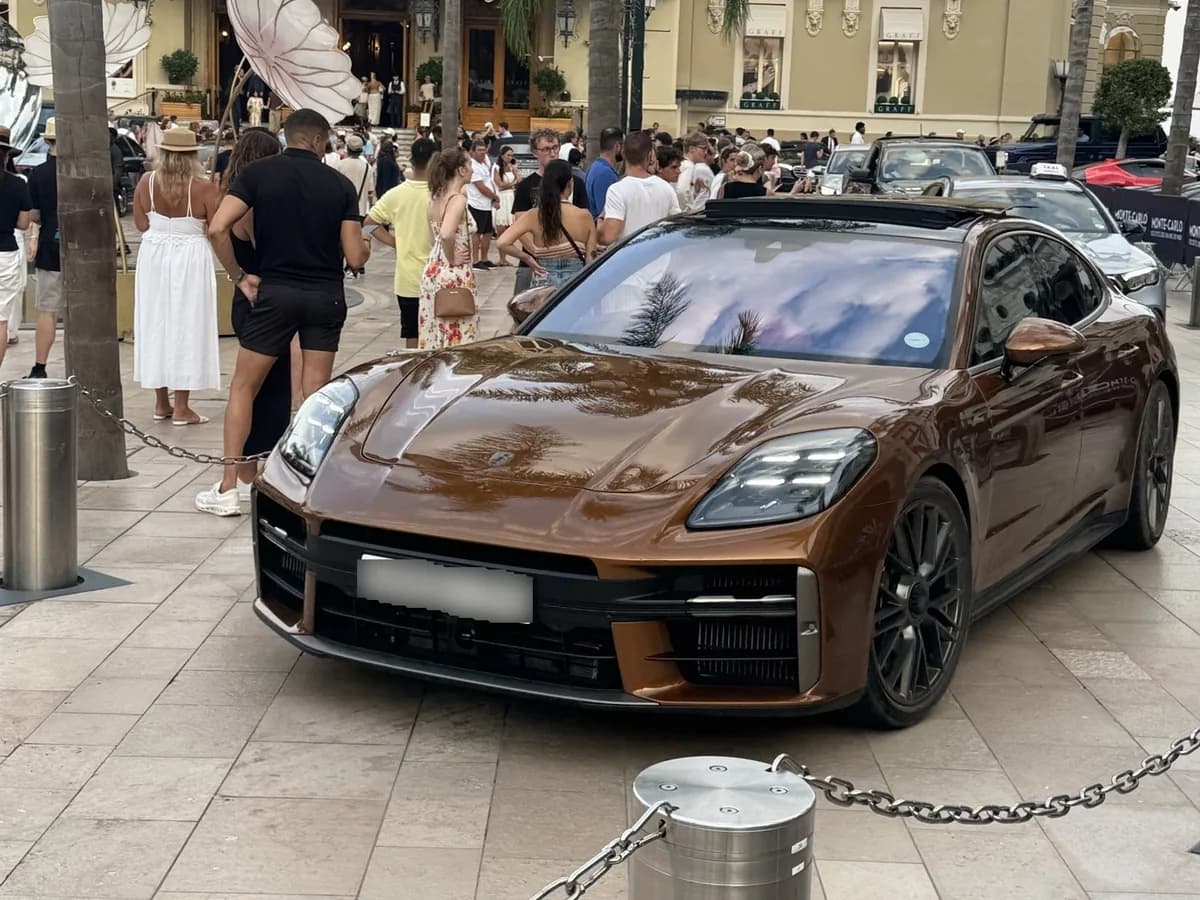
2023
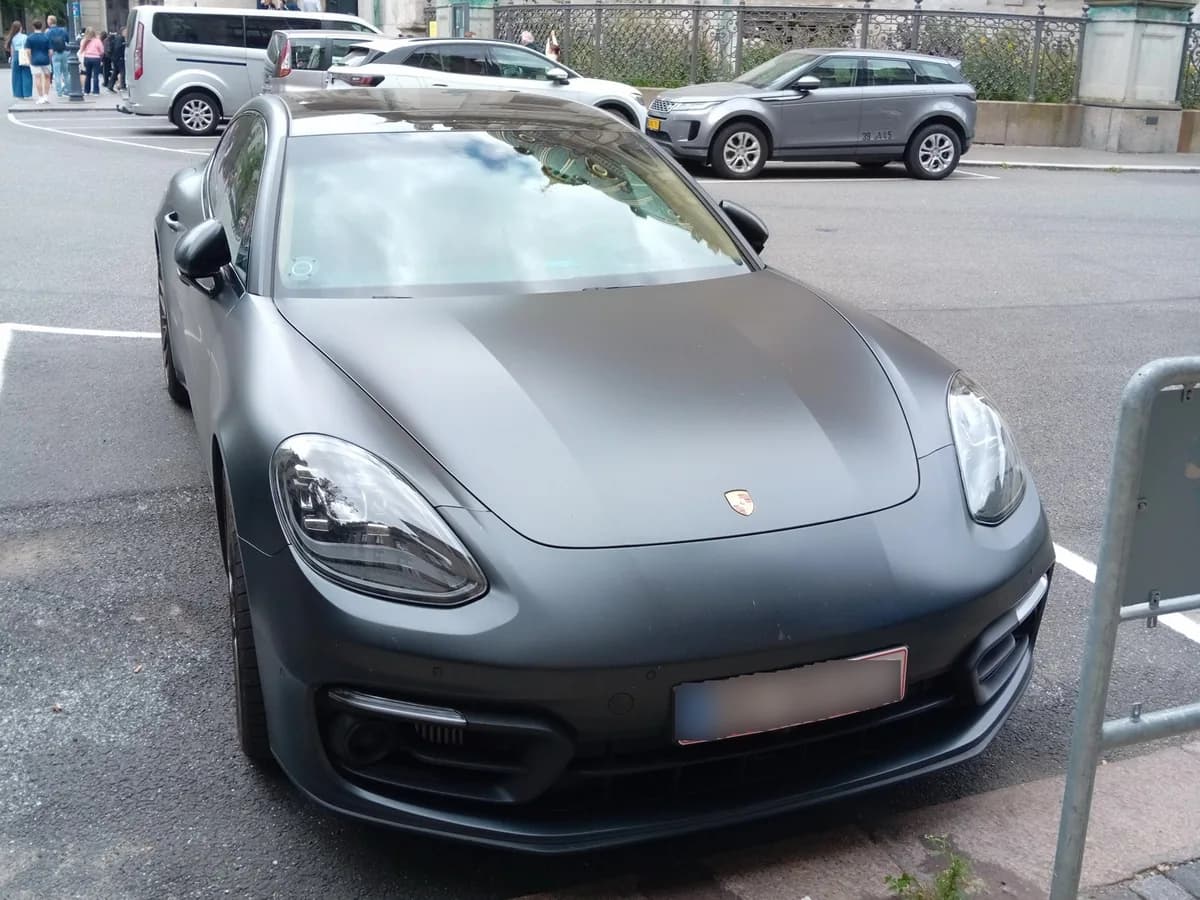
2017
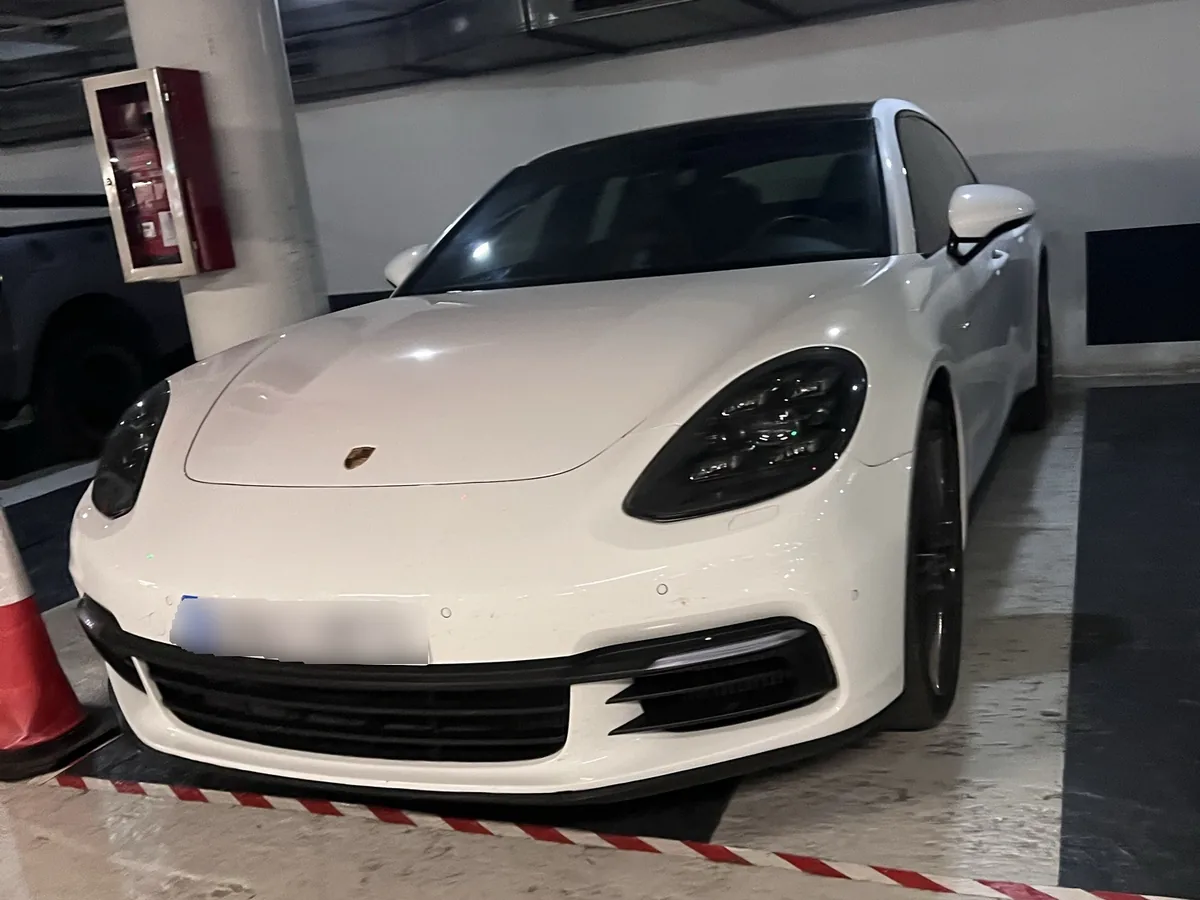
2016
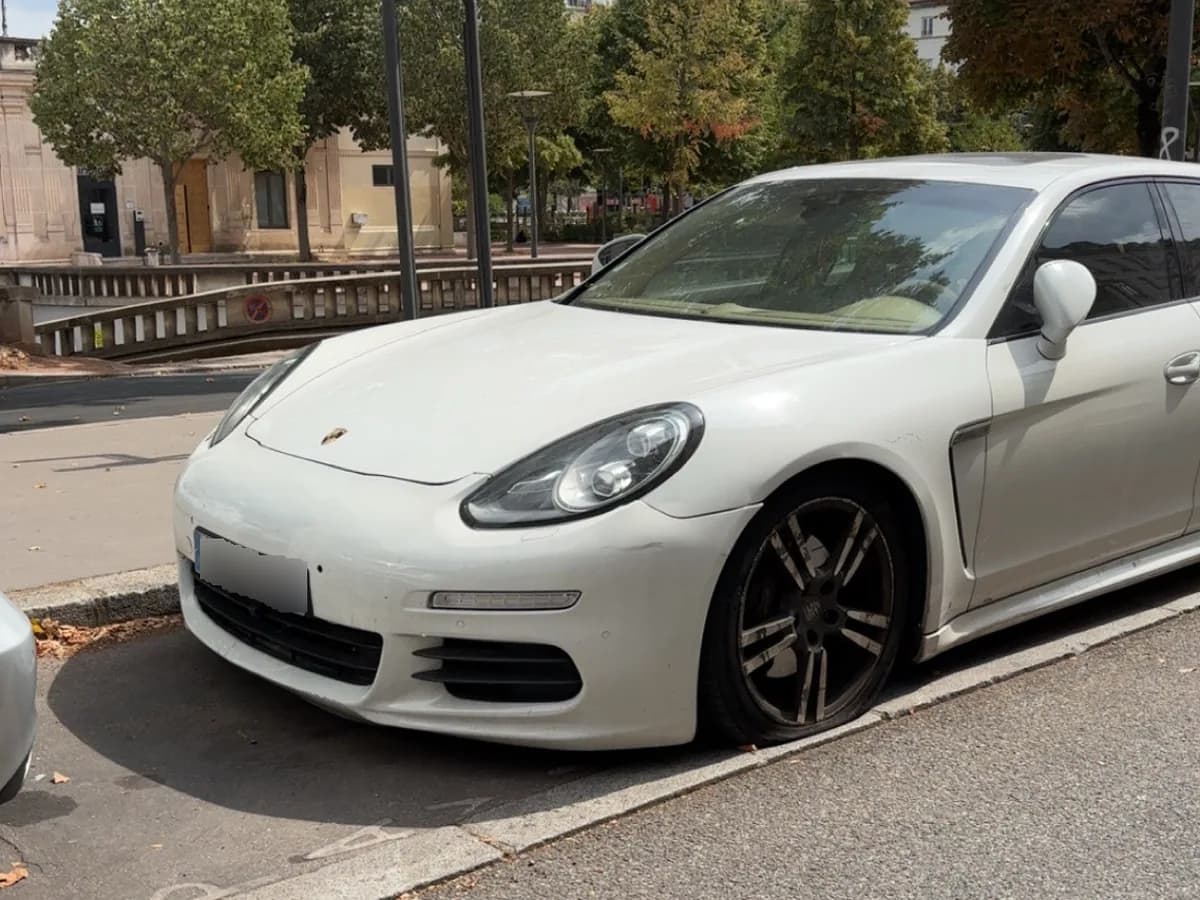
2013
2009
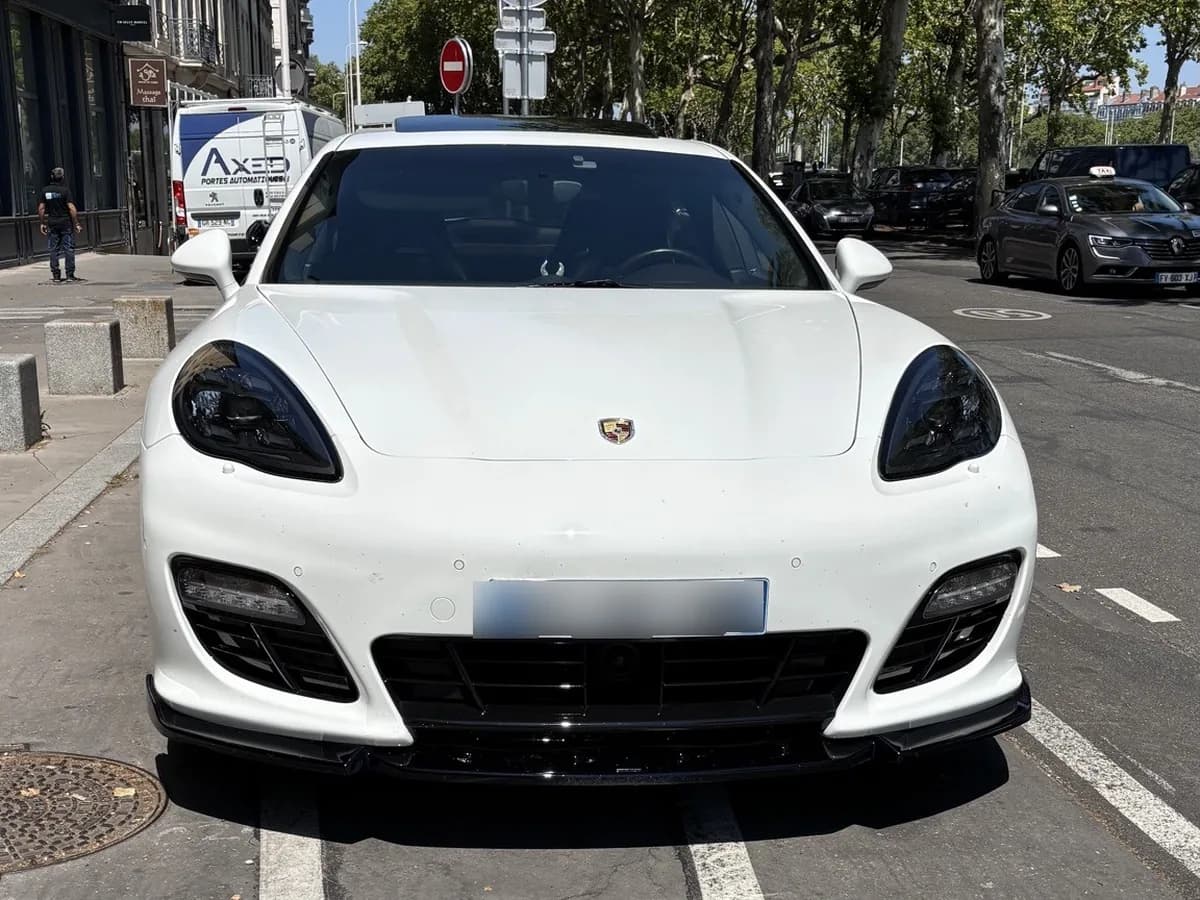
Porsche Panamera photos
Model summary
Data from the ScanRacer library, organized to compare versions quickly.
Model introduction
Launched in 2009, the Porsche Panamera became the brand’s first major four-door production model and one of its first true Gran Turismo cars. It combines a coupé-like four-door profile with a practical hatchback and long-distance comfort, while retaining the dynamic focus associated with Porsche. The model made its official debut in Shanghai on April 19, 2009, opening a new segment for the company between luxury sedans and sports cars. The range later expanded with gasoline, diesel, and plug-in hybrid powertrains, rear- and all-wheel-drive layouts, and more versatile body styles. The Panamera is now divided into three model generations, introduced in 2009, 2016, and 2023. Across its history, it has served as both a luxury performance car and a technology platform for Porsche innovations.
History
The idea of a four-seat Porsche predates the Panamera. Porsche previously investigated several prototypes, including the Type 530 based on the 356, stretched 928 variants, and the four-door Type 989 coupé. None reached series production, but these projects helped establish the idea of a Porsche capable of carrying four adults with more comfort than a 911. In the early 2000s, Porsche approved development of a four-door hatchback sedan aimed at the luxury market. The Panamera name refers to the Carrera Panamericana, the famous Mexican endurance race. The first generation, internally known as G1, was produced from April 2009 to August 2016. It introduced a new combination of performance, comfort, and everyday usability, later expanding to include hybrid and diesel versions. The second generation was unveiled on June 28, 2016, with major changes to the body, interior, powertrains, and chassis technology. It also introduced the Sport Turismo body style in 2017, adding a larger tailgate and a more flexible rear compartment. The third generation debuted on November 24, 2023. It continued the same basic concept while adding a modernized digital cockpit, stronger plug-in hybrid systems, and new suspension technology, including Porsche Active Ride as an available system.
Generations
The first generation, produced from 2009 to 2016, has a visibly taller and heavier profile than its successor. Its design emphasizes a large glasshouse, pronounced rear shoulders, and a sharply sloping hatchback. This generation received a broad powertrain range, including V6 and V8 gasoline engines as well as diesel and hybrid variants. A 2013 facelift brought styling and powertrain revisions and introduced the long-wheelbase Executive version in selected markets. The second generation arrived in 2016. It adopted lower, longer-looking proportions, a more sharply falling roofline, broader rear shoulders, and a narrow light strip linking the rear lamps. The cabin became substantially more digital, while the range introduced an eight-speed PDK transmission and advanced chassis systems such as three-chamber air suspension, rear-axle steering, and active roll stabilization. The Sport Turismo body style joined the range in 2017 and was based on this generation. The third generation was unveiled in 2023. It retained the Panamera’s four-door Gran Turismo profile but placed greater visual emphasis on width, updated the driver-focused interior, and expanded the plug-in hybrid offering. New suspension technology, including Porsche Active Ride, broadened the intended range between ride comfort and handling performance. Production continued at Porsche’s Leipzig plant.
Key differences
The clearest difference between the generations is their body shape. The first-generation Panamera appears taller and more conventional, with substantial rear volumes. The second generation introduced a lower-looking roofline, a more sculpted rear end, and a distinctive horizontal rear light strip. The third generation keeps the same broad architecture but sharpens the surfaces, places more emphasis on visual width, and updates the lighting signatures. The changes are not purely cosmetic. The first generation established the formula and expanded it across several types of powertrain. The second generation brought a major step forward in chassis engineering, displays, and transmission technology, while also adding the Sport Turismo body style. The third generation focuses on deeper digital integration, more capable E-Hybrid systems, and a wider balance between ride comfort and dynamic performance. Power outputs, drivetrains, wheelbases, and body styles can vary by model year and market. Reliable identification should therefore combine the model year with the body shape, rear lighting, interior layout, and visible trim or badging rather than relying on a single design detail.
Photo recognition
A first-generation Panamera can usually be identified by its relatively tall profile, large glasshouse, and separate rear lamps. The 2013 facelift introduced revised bumpers, lighting, and trim, but retained the basic G1 silhouette. The Executive version is distinguished by its longer wheelbase and more stretched side proportions. The second generation has a lower, smoother roofline and a more pronounced sports-car profile. Its three-dimensional rear lamps are connected by a narrow horizontal light strip, while the rear appears wider and more structured. Inside, the generation is associated with a highly digitized center console and display layout. The Sport Turismo adds a large tailgate and a more practical rear body, with an extended roofline and increased cargo flexibility. The third generation retains the four-door fastback shape but introduces a newer front-end treatment, more prominent front wings, and revised rear lighting. Exterior details vary with trim level and market. Badges such as Turbo, GTS, E-Hybrid, or 4S should therefore be used alongside the body design, lighting pattern, interior, and model year when identifying a car.
Important versions
The standard Panamera is the core of the range: a four-door hatchback body combining long-distance comfort with sports-car behavior. All-wheel-drive versions, commonly identified by the number 4, added further versatility depending on the generation and market. The Sport Turismo, introduced in 2017, is the most practical body style. Its large tailgate, lower loading edge, and 4+1 seating configuration distinguish it from the conventional fastback sedan. Porsche has also used the 4S, GTS, and Turbo names to position versions according to performance, equipment, and drivetrain specification. E-Hybrid variants are particularly significant in the Panamera story. They combine a combustion engine with a rechargeable electric system and demonstrate the model’s role in developing Porsche’s E-Performance strategy. Exact engine combinations, outputs, equipment, and availability vary by model year and market, so version names should always be read in context.
The name “Panamera” follows Porsche naming, with its rules and its exceptions. Decode a Porsche name
References
- The last of its kindPorsche Newsroom
- 10 years of the Porsche Panamera: sports car, luxury saloon, hybrid pioneerPorsche Newsroom
- The sports car among luxury saloonsPorsche Newsroom
- Sport Turismo expands the Panamera model linePorsche Newsroom USA
- The new 2024 Panamera: More digital, more luxurious, more efficientPorsche Newsroom USA
- Porsche Panamera: SummaryPorsche Newsroom
- https://newsroom.porsche.com/dam/jcr%3A82339041-ce23-4b22-9deb-774f8e49b76d/15%20-%20Porsche%20Panamera%20Sport%20Turismo%20Press%20Release.pdfnewsroom.porsche.com
- https://newsroom.porsche.com/en/products/porsche-panamera-3d-high-end-surround-sound-system-burmester-world-premiere-12797.htmlnewsroom.porsche.com
Technical specifications
Structured data available for versions linked to this model.
| Version | Power | Torque | Top speed | Drivetrain | Fuel |
|---|---|---|---|---|---|
| Base | 308.9 KW @ 6000 RPM 420 HP @ 6000 RPM 414 BHP @ 6000 RPM | 384 lb-ft @ 1750 RPM 520 Nm @ 1750 RPM | 178 mph (286 km/h) | All Wheel Drive / 7-speed automatic (PDK) | Gasoline |
| Base | 294 KW @ 6500 RPM400 HP @ 6500 RPM394 BHP @ 6500 RPM | 370 lb-ft @ 3500-5000 RPM502 Nm @ 3500-5000 RPM | 176 mph (283 km/h) | Rear Wheel Drive / 7-speed automatic (PDK) | Gasoline |
Frequently asked questions
- What years was the Porsche Panamera produced?
- ScanRacer's referenced versions cover 2009 - 2023.
- How many Porsche Panamera examples are documented on ScanRacer?
- 36 published scans from 23 members, with the latest photo added in September 2026.
What about the car you photographed?
Upload a photo to get a suggested make, model and likely year.
No account needed for the result · Publish only if you choose