
718
The Porsche 718 is the name used for Porsche’s mid-engine sports-car family, principally comprising the Boxster roadster and Cayman coupe. Porsche introduced the 718 designation with the 2016 model update, reviving the name of a successful four-cylinder racing car from the late 1950s. The Cayman retains a fixed-roof, two-seat coupe body, while the Boxster uses the same basic architecture with a folding roof. The first Cayman arrived in 2005 under Porsche’s internal 987 type code, followed by the 981 generation and then the 982 generation marketed as the 718. Across this period, Porsche used both turbocharged four-cylinder engines and more highly focused naturally aspirated six-cylinder versions. The 2015 Cayman GT4 and 2019 718 Cayman GT4 stand apart through their track-oriented chassis, aerodynamic treatment and high-performance flat-six engines.
Variants by year
2023
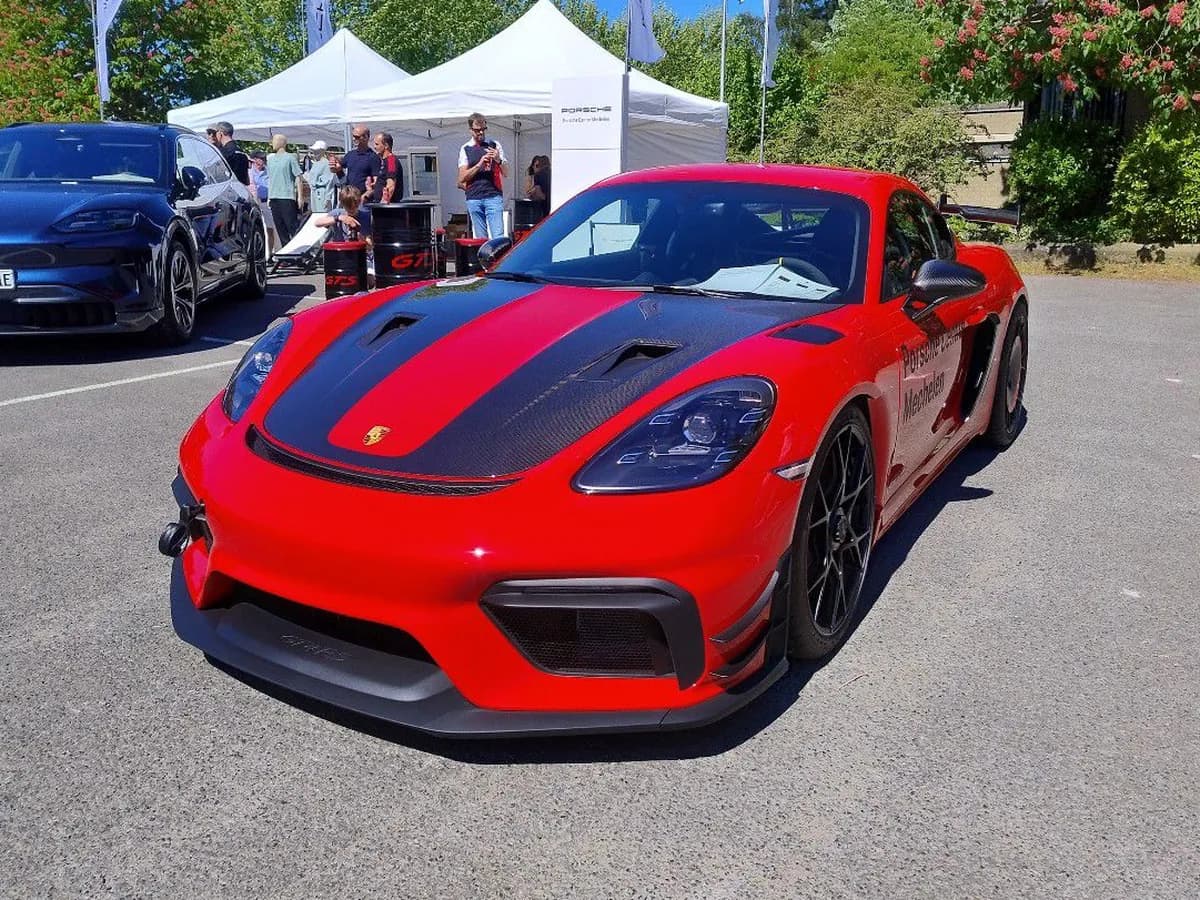

2019
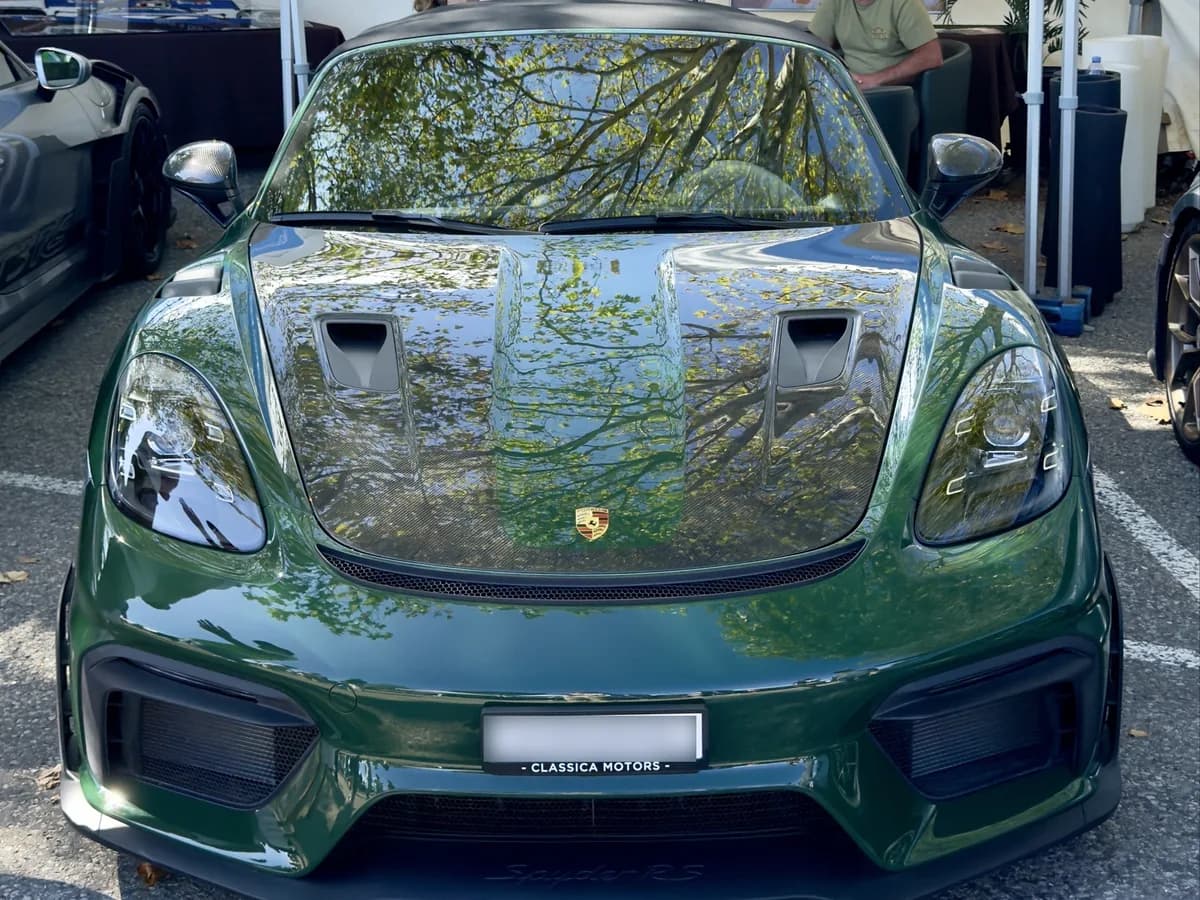
2016
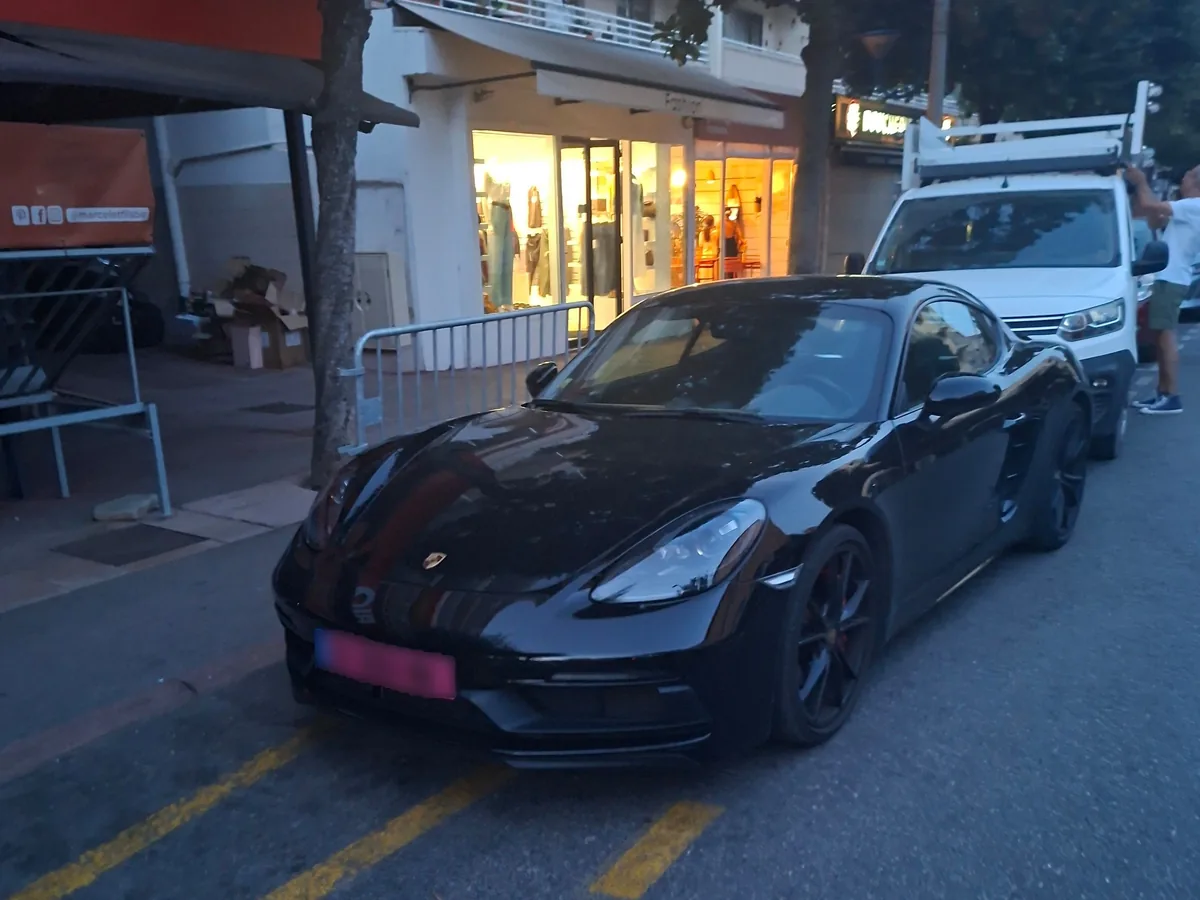
2015
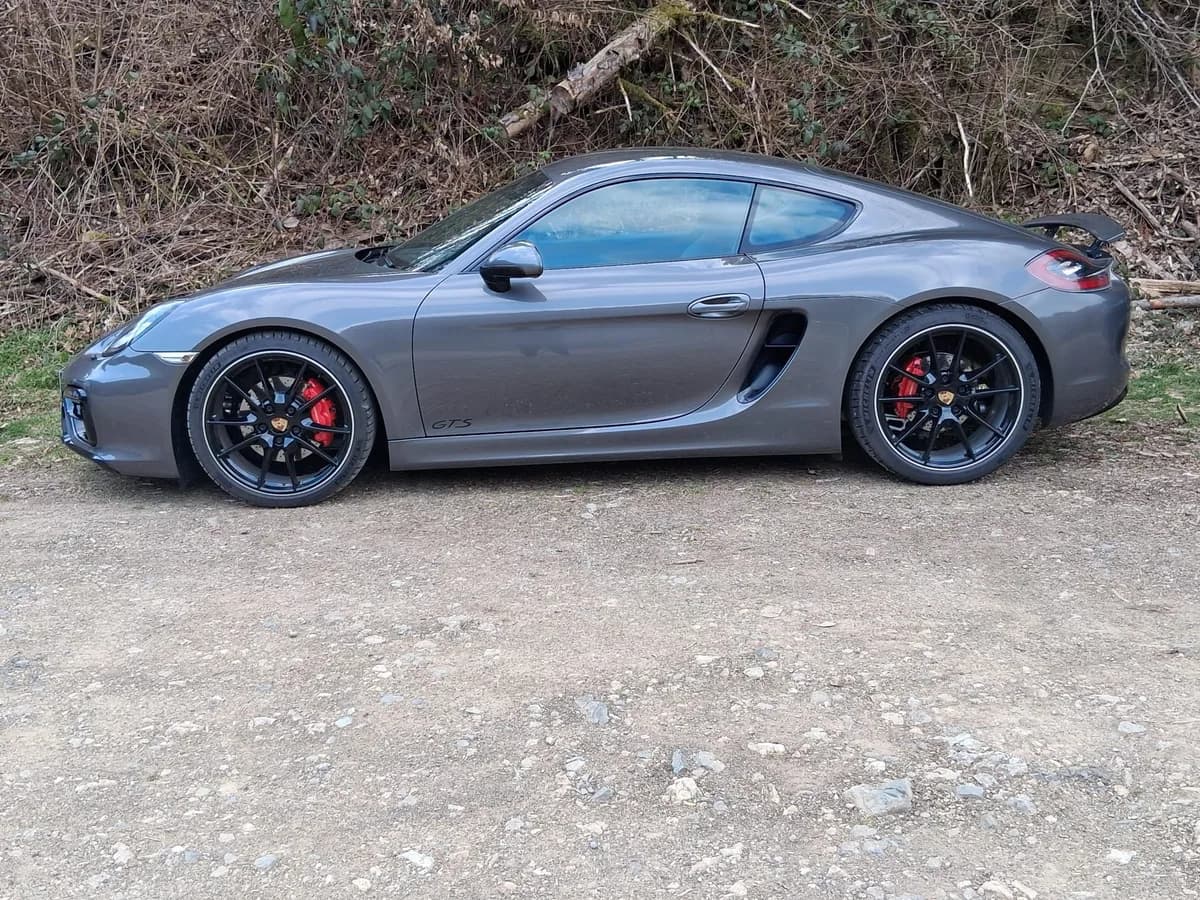
2012
2009

2005
Model summary
Data from the ScanRacer library, organized to compare versions quickly.
Model introduction
The Porsche 718 is the name used for Porsche’s mid-engine sports-car family, principally comprising the Boxster roadster and Cayman coupe. Porsche introduced the 718 designation with the 2016 model update, reviving the name of a successful four-cylinder racing car from the late 1950s. The Cayman retains a fixed-roof, two-seat coupe body, while the Boxster uses the same basic architecture with a folding roof. The first Cayman arrived in 2005 under Porsche’s internal 987 type code, followed by the 981 generation and then the 982 generation marketed as the 718. Across this period, Porsche used both turbocharged four-cylinder engines and more highly focused naturally aspirated six-cylinder versions. The 2015 Cayman GT4 and 2019 718 Cayman GT4 stand apart through their track-oriented chassis, aerodynamic treatment and high-performance flat-six engines.
History
The Cayman joined Porsche’s range in 2005 as a two-seat, mid-engine coupe shaped by the philosophy established by the Boxster. Porsche documentation links this first period to the 987 type: the Cayman is listed from 2006, while the 987 Boxster appears from 2005. That distinction matters because the Cayman’s commercial history does not begin at exactly the same time as the Boxster’s. The 981 generation arrived first for the Boxster and then for the Cayman in 2014. Porsche expanded the range with Cayman, Cayman S, Cayman GTS and Cayman GT4 variants. The 2015 GT4 was a major milestone: it was Porsche’s first GT sports car based on the Cayman. It combined a naturally aspirated 3.8-liter flat-six engine with a six-speed manual transmission and a chassis, brake package and aerodynamic specification intended for demanding performance driving. In 2016, Porsche brought the Boxster and Cayman together under the 718 designation. The regular and S models switched to turbocharged four-cylinder boxer engines. In 2019, the 718 Cayman GT4 returned to a naturally aspirated 4.0-liter flat-six and manual transmission, strengthening the model’s connection between road use and circuit-focused driving.
Generations
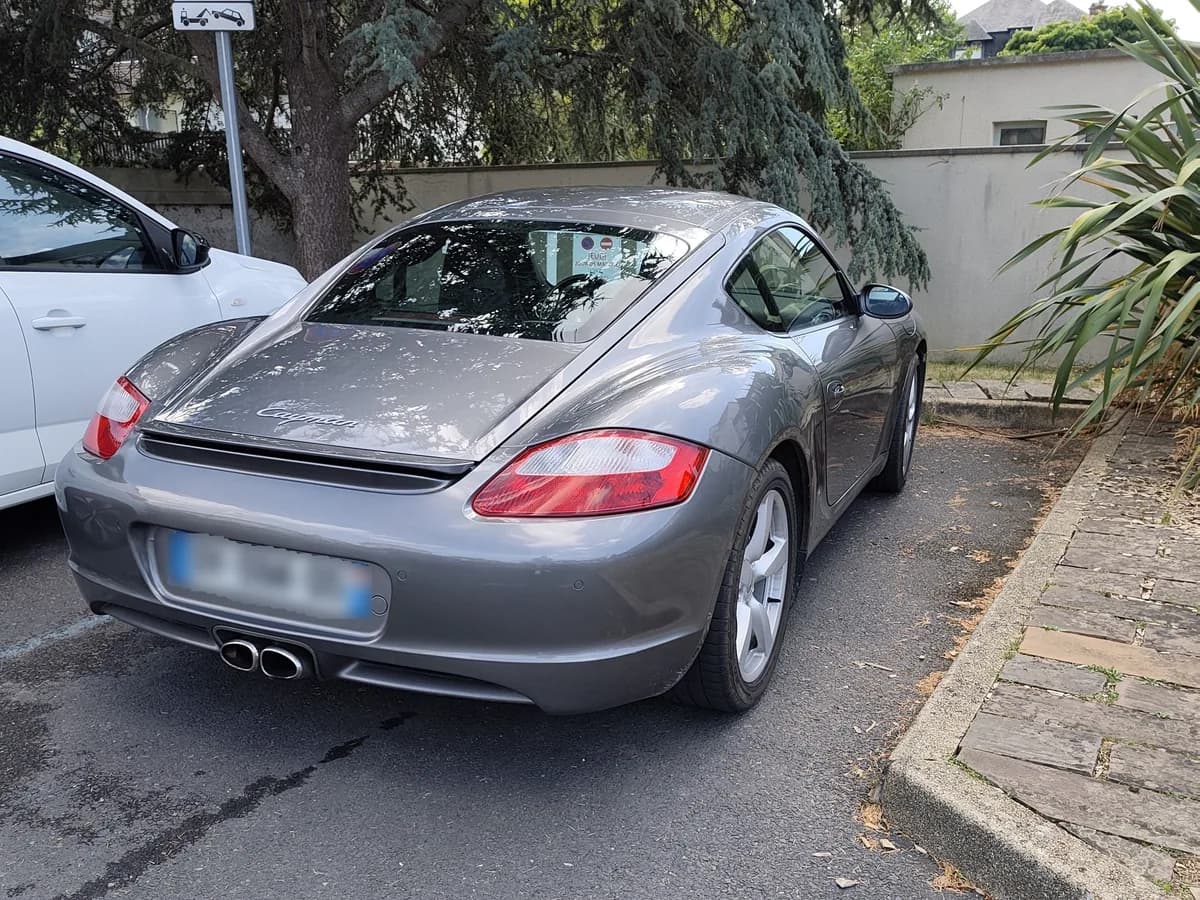
The Cayman timeline can be understood through three main internal type codes. The 987 represents the first Cayman generation and shares its technical basis with the Boxster from the same family. It is identifiable by its compact proportions, rounded front lighting and cabin design typical of Porsche products from the mid-2000s. Cayman and Cayman S models form the core of this period. The 981 is the following generation. The Cayman retains its mid-engine layout, but its styling becomes sharper and its proportions are revised. Porsche gradually added more performance-focused derivatives, including the GTS and the 2015 Cayman GT4. Despite its special specification, that GT4 is still associated with the 981 type. The 982 generation was marketed as the 718 from 2016 onward. The 718 Cayman and 718 Cayman S introduced the next phase with turbocharged four-cylinder boxer engines. The 718 Cayman GT4 followed in 2019 with a different emphasis: a naturally aspirated 4.0-liter flat-six, a manual gearbox and settings closer to a track-oriented sports car. Porsche’s documentation therefore presents the 718 name not as a completely separate architecture, but as a further development of the Boxster-Cayman family.
Key differences
The main differences between generations involve both naming and powertrain strategy. The Cayman 987 belongs to the first coupe phase and uses Porsche’s 987 family codes. The 981 brought revised bodywork and introduced variants such as the GTS and Cayman GT4. The 718 Cayman, internally associated with the 982 generation, adopted turbocharged four-cylinder boxer engines in its regular versions from 2016. Choosing a GT4 changes the car’s character substantially. The 2015 Cayman GT4 used a naturally aspirated 3.8-liter flat-six and a six-speed manual gearbox. The 2019 718 Cayman GT4 increased displacement to 4.0 liters while retaining a manual transmission. Both GT4 generations also received more specialized chassis settings, brakes and aerodynamic equipment. It is therefore useful to separate the 718 name, which identifies the later generation and marketing designation, from the GT4 suffix, which identifies a considerably more performance-focused derivative.
Photo recognition
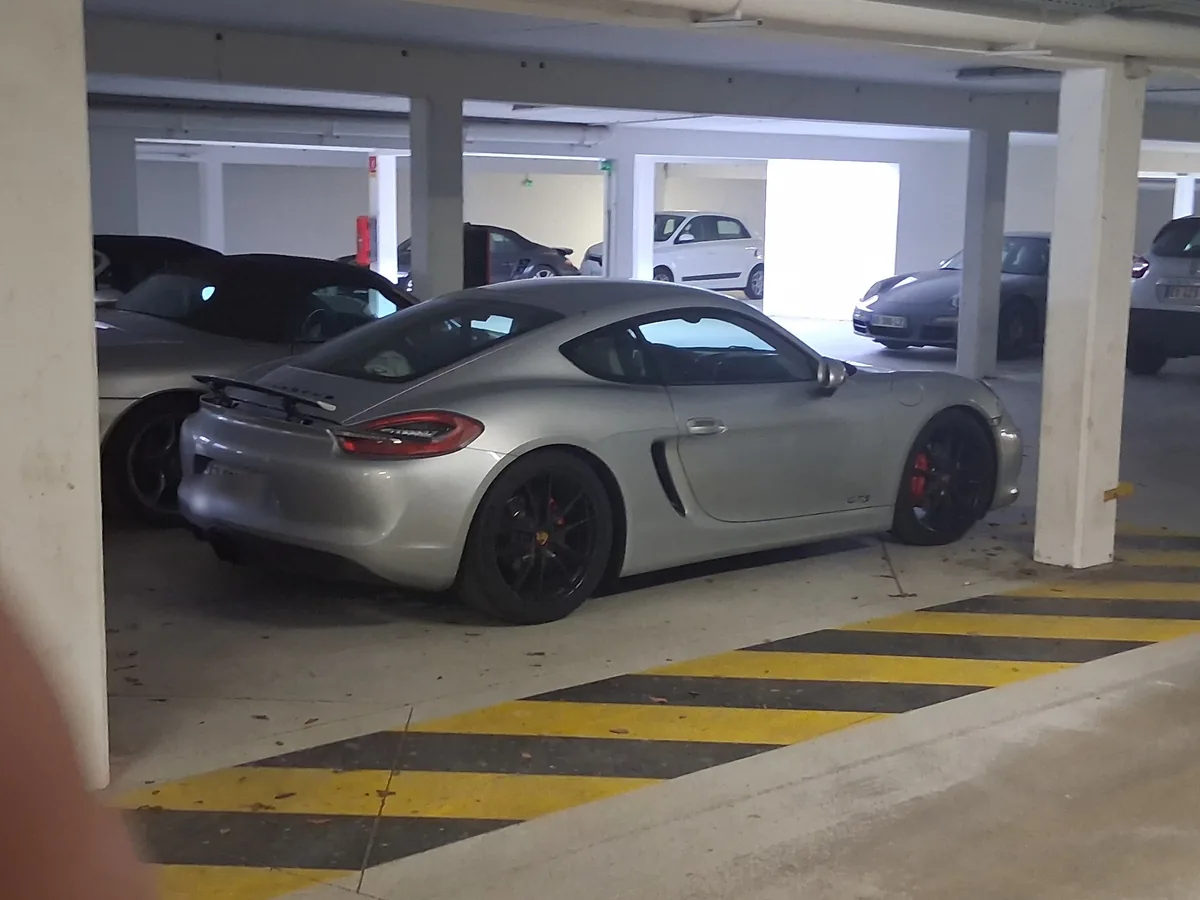
The first clue when identifying a Cayman is its body style: it is a fixed-roof, two-seat coupe with a mid-mounted engine and side air intakes behind the doors. The production year or internal type code is more dependable than any single exterior detail, however, because styling changes can vary with market, trim and optional equipment. A 987 Cayman belongs to the model’s first generation and generally has a more compact, rounded appearance. The 981 adopts a longer-looking and more contemporary design, with revised front-end graphics and more sculpted bodywork. The 718 Cayman, internally linked with the 982 generation, usually has sharper styling and a more modernized cabin, although facelift details and options can make visual identification uncertain. The GT4 badge is an important clue but should not be used in isolation. It normally accompanies more pronounced aerodynamic equipment, a lower and more focused stance and a strongly performance-oriented specification. For a reliable identification, compare the car’s type code—987, 981 or 982—with its model year, equipment and vehicle identification number.
Important versions
The early Cayman S is important because it established the coupe as a serious mid-engine sports car within Porsche’s range. The 981 Cayman GTS strengthened the balance between everyday road use and performance, while the 2015 Cayman GT4 introduced a distinctly track-focused approach with its naturally aspirated 3.8-liter flat-six and six-speed manual gearbox. Within the 718 generation, the Cayman and Cayman S represent the turbocharged four-cylinder models introduced in 2016. The 2019 718 Cayman GT4 is the defining performance version for the period covered here: Porsche gave it a naturally aspirated 4.0-liter flat-six rated at 420 PS, a manual transmission and a dedicated chassis specification, placing it at the top of the family’s sporting range.
The name “718” follows Porsche naming, with its rules and its exceptions. Decode a Porsche name
References
- Porsche Boxster and Cayman: New model series 718Porsche Newsroom
- Production launch 718 CaymanPorsche Newsroom
- Hungry for every curve and optimised for the racetrackPorsche Newsroom
- Time Travel: The Porsche 718Porsche Newsroom
- https://newsroom.porsche.com/en/products/porsche-boxster-model-series-718-roadster-12163.htmlnewsroom.porsche.com
- https://newsroom.porsche.com/it/ppdb/2015/12/boxster-e-cayman-saranno-commercializzate-in-futuro-con-la-denominazione-serie-718.htmlnewsroom.porsche.com
Technical specifications
Structured data available for versions linked to this model.
| Version | Power | Torque | Top speed | Drivetrain | Fuel |
|---|---|---|---|---|---|
| — | 420 chevaux | — | — | Propulsion arrière / Boîte manuelle à six rapports | — |
Frequently asked questions
- What years was the Porsche 718 produced?
- ScanRacer's referenced versions cover 2005 - 2023.
- How many Porsche 718 examples are documented on ScanRacer?
- 35 published scans from 29 members, with the latest photo added in September 2026.
- What is the power output of the Porsche 718?
- The sourced technical data lists 420 chevaux.