
Macan
Launched in 2014, the Porsche Macan is the brand’s compact SUV, positioned below the Cayenne and engineered to combine family-car practicality with Porsche-style road manners. The first generation, commonly identified by the 95B type code, evolved through several updates to its styling, equipment and powertrain range. The facelift introduced for 2018 is particularly easy to identify by its three-dimensional rear light strip and 10.9-inch central touchscreen. A major change arrived in 2024 with the electric Macan, Porsche’s first model based on the Premium Platform Electric architecture. Within the ScanRacer scope, the model coverage runs from 2014 to 2024 and includes entries such as Base and EV. Trim names and engine availability varied between markets, so a badge or model year alone may not completely define a vehicle’s specification.
What about the car you photographed?
Upload a photo to get a suggested make, model and likely year.
No account needed for the result · Publish only if you choose
Variants by year
Make: Porsche · Model: Macan
4 / 4 versions shown
2024

2021
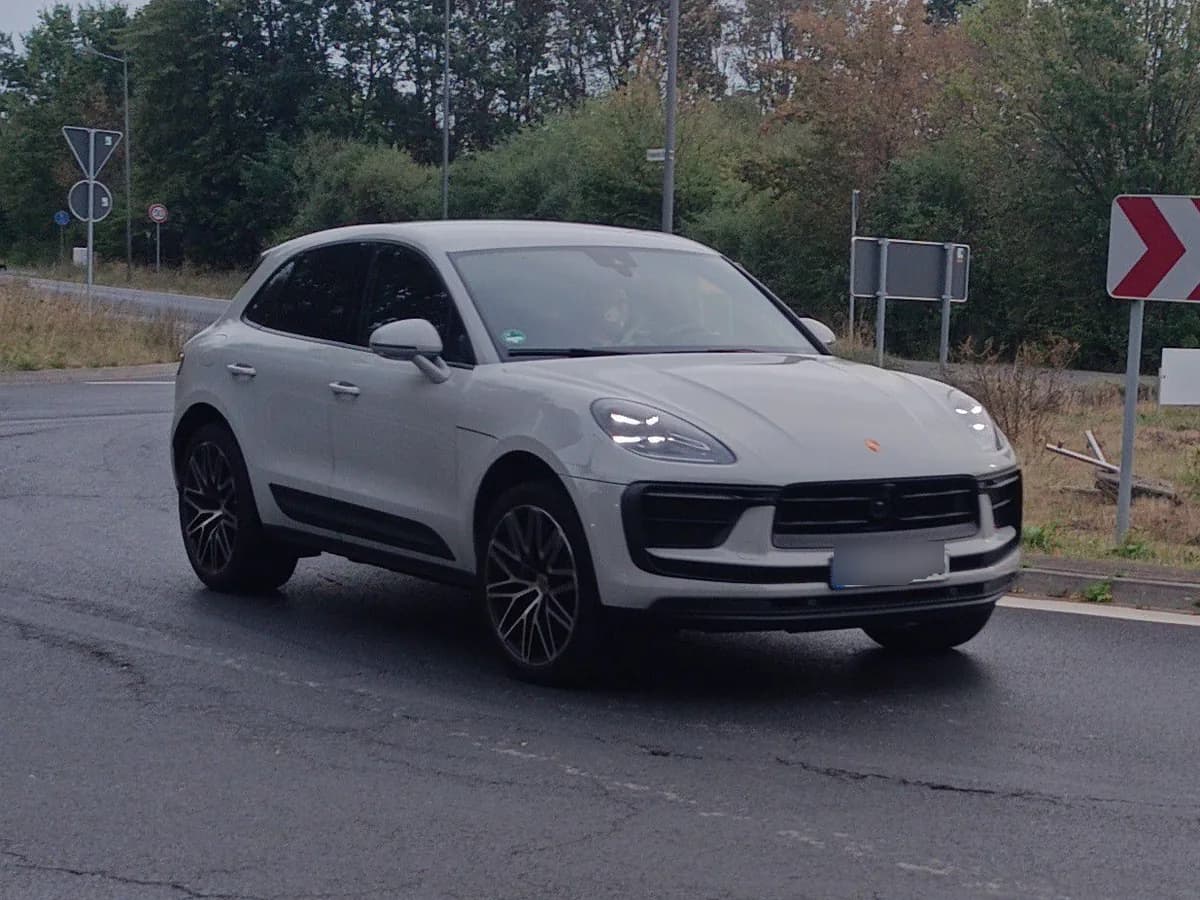
2018
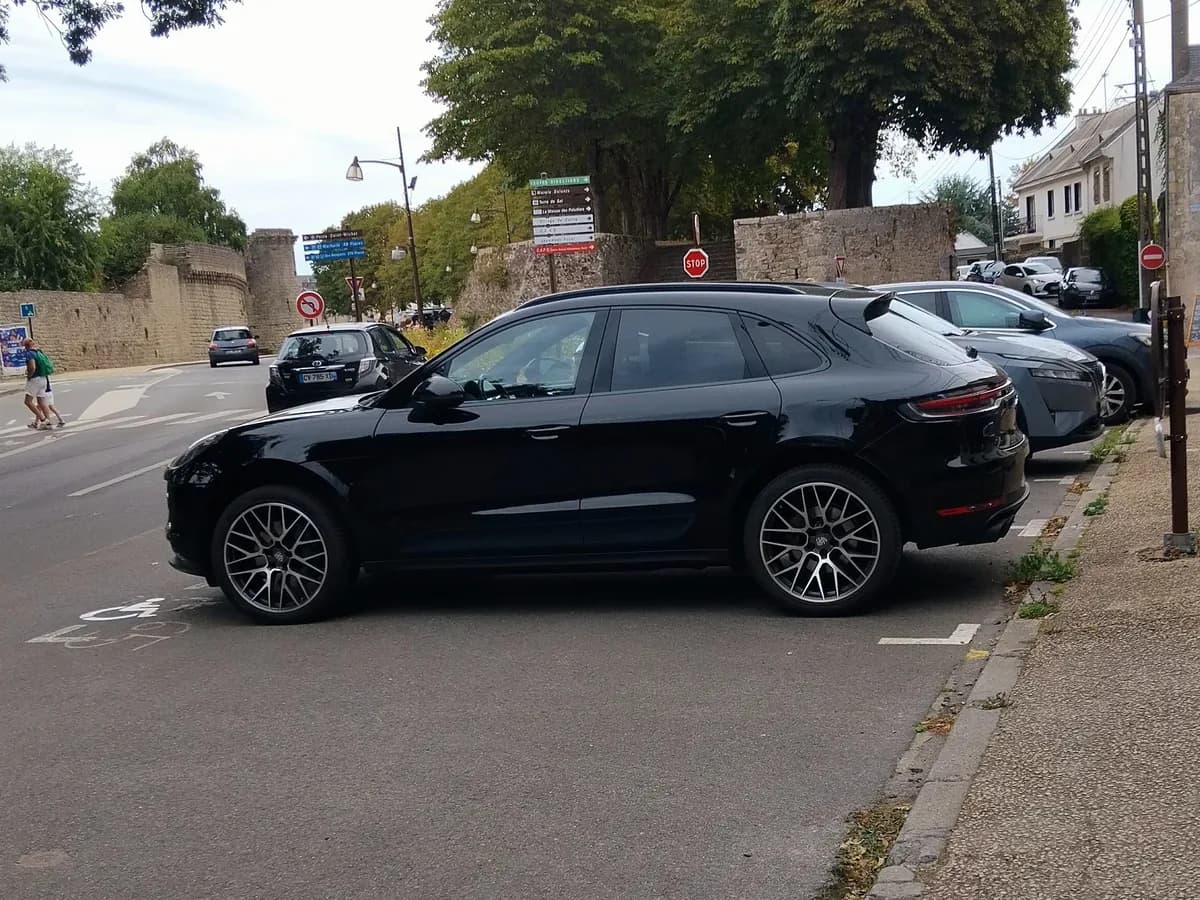
2014
Porsche Macan photos
Model summary
Data from the ScanRacer library, organized to compare versions quickly.
Model introduction
Launched in 2014, the Porsche Macan is the brand’s compact SUV, positioned below the Cayenne and engineered to combine family-car practicality with Porsche-style road manners. The first generation, commonly identified by the 95B type code, evolved through several updates to its styling, equipment and powertrain range. The facelift introduced for 2018 is particularly easy to identify by its three-dimensional rear light strip and 10.9-inch central touchscreen. A major change arrived in 2024 with the electric Macan, Porsche’s first model based on the Premium Platform Electric architecture. Within the ScanRacer scope, the model coverage runs from 2014 to 2024 and includes entries such as Base and EV. Trim names and engine availability varied between markets, so a badge or model year alone may not completely define a vehicle’s specification.
History
The Macan marked Porsche’s entry into the compact SUV segment. Its market launch began in April 2014, following the start of production at the Leipzig plant. Porsche described it as its fifth model line, joining the 911, Boxster/Cayman, Cayenne and Panamera. The initial range included models such as the Macan S and Macan Turbo, while additional variants appeared in different markets over time. Commercial demand was strong from the outset: Porsche reported approximately 45,000 units sold during the first launch year and more than 350,000 deliveries since 2014 when production of the facelifted model began in 2018. The first major visual update was presented in Shanghai in July 2018. It introduced revised front-end styling, standard LED headlights, a new Porsche Communication Management system with a 10.9-inch display and a three-dimensional rear light strip. In 2021, Porsche further developed the range with higher output, an updated center console and clearer differentiation between the Macan, S and GTS versions. The second generation was unveiled on January 25, 2024, as an all-electric model. It introduced an 800-volt electrical system and Porsche’s Premium Platform Electric architecture. As a result, the 2024 period brought two technically different Macan directions: the established combustion-powered first generation and the new electric model. Their shared name and similar proportions should not obscure the substantial differences in platform, drivetrain and vehicle architecture.
Generations
The first-generation Macan is identified by the 95B type code and covers most of the 2014-2024 period in commonly used model classifications. It retains a five-door SUV body with a sloping roofline, pronounced shoulders and a driver-focused cabin. Engine choices, trim names and equipment changed by year and market. S, GTS and Turbo versions generally occupied the performance side of the range, while a four-cylinder entry-level Macan was offered in selected countries. The country of origin and engine code therefore matter when identifying a specific car; the badge alone is not always sufficient. This generation went through several visible stages. Pre-facelift cars have an earlier multimedia layout and a different rear-light treatment. The 2018 update brought the 10.9-inch Porsche Communication Management touchscreen and the three-dimensional rear light strip. The 2021 revision changed the front end, diffuser, center console and selected chassis equipment, while giving the GTS a more clearly performance-oriented position within the range. The second generation began with the electric Macan introduced for 2024. It is not merely a styling refresh: Porsche describes it as a completely new development based on the Premium Platform Electric architecture. Electric motors, an underfloor battery and an 800-volt system distinguish it fundamentally from the combustion-powered 95B. Similar exterior proportions connect the two generations visually, but their platforms and propulsion systems are substantially different.
Key differences
The most important distinction is between the combustion-powered 95B Macan and the second-generation electric model. The former uses an internal-combustion engine, a Porsche dual-clutch PDK transmission and Porsche Traction Management all-wheel drive in the versions described by Porsche. The latter is based on the PPE platform, uses an underfloor battery and adopts an 800-volt electrical system; Porsche quotes DC charging capability of up to 270 kW when compatible conditions are met. Within the first generation, the 2018 model year is a useful visual and equipment reference because it introduced the 10.9-inch central touchscreen and rear light strip. The 2021 update can be identified by its touch-surface center console, shorter selector lever and revised model range. S and GTS versions generally have more powerful engines and sportier chassis specifications than the standard Macan, but standard equipment was not uniform across all countries. Market differences make the original specification, VIN or factory documentation more reliable than a trim badge alone.
Photo recognition
For a quick Macan identification, begin with the rear end and cabin. Pre-facelift cars do not have the three-dimensional light strip connecting the rear lamps, so its absence usually points to the earliest model years, although replacement parts can complicate that clue. From 2018 onward, the 10.9-inch Porsche Communication Management touchscreen is another useful indicator, as are the standard LED headlights announced for the updated model. The 2021 revision features a redesigned front end, a more pronounced rear diffuser and a center console operated through touch surfaces. A GTS may be identified by black exterior details, larger wheels and, depending on specification, lowered sport air suspension. These clues are not definitive because options, market equipment and aftermarket changes can alter the appearance. The 2024 electric Macan belongs to a new generation. Its smoother proportions, updated lighting signatures and lack of exhaust outlets help separate it from the combustion-powered 95B. For a dependable identification, visual details should be checked against the model year, country of sale, VIN and powertrain rather than relying on a single badge or styling feature.
Important versions
The key versions for understanding the Macan’s development are the first-generation standard Macan, S, GTS and Turbo, followed by the Macan 4 Electric and Macan Turbo Electric introduced in 2024. The standard Macan served as the entry point, with engine availability varying by market. The S generally added more power, while the GTS emphasized sharper chassis tuning and distinctive styling equipment. The Turbo occupied the top position in the combustion-powered range for much of the first generation before Porsche revised its naming strategy. Within the ScanRacer context, Base and EV should not be read as a complete worldwide commercial nomenclature. Base is a library category, while the exact retail names and specifications could differ by country and model year. EV identifies the new electric generation introduced in 2024.
The name “Macan” follows Porsche naming, with its rules and its exceptions. Decode a Porsche name
References
- A world premiere in Shanghai: Porsche presents the new MacanPorsche Newsroom
- Stronger, sharper, sportier: the new MacanPorsche Newsroom
- Start of production for the new MacanPorsche Newsroom
- World premiere: Porsche takes the all-electric 2024 Macan to a new levelPorsche Newsroom USA
- The new Macan is coming – with a striking designPorsche Newsroom USA
- World Premiere Porsche takes the all-electric 2024 Macan to a new levelPorsche Newsroom
- https://www.jdpower.com/cars/history/porsche/macanjdpower.com
Technical specifications
Structured data available for versions linked to this model.
| Version | Power | Torque | Top speed | Drivetrain | Fuel |
|---|---|---|---|---|---|
| Base | 189.8 KW @ 4000-4250 RPM258 HP @ 4000-4250 RPM255 BHP @ 4000-4250 RPM | 428 lb-ft @ 1750-2500 RPM580 Nm @ 1750-2500 RPM | 143 mph (230 km/h) | All Wheel Drive / 7-speed automatic (PDK) | Diesel |
| Base | 260.4 KW @ 5400-6000 RPM 354 HP @ 5400-6000 RPM 349 BHP @ 5400-6000 RPM | 354 lb-ft @ 1360-4800 RPM 480 Nm @ 1360-4800 RPM | 158 mph (254 km/h) | All Wheel Drive / 7-speed automatic DCT | Gasoline |
Frequently asked questions
- What years was the Porsche Macan produced?
- ScanRacer's referenced versions cover 2014 - 2024.
- How many Porsche Macan examples are documented on ScanRacer?
- 47 published scans from 29 members, with the latest photo added in October 2026.
What about the car you photographed?
Upload a photo to get a suggested make, model and likely year.
No account needed for the result · Publish only if you choose