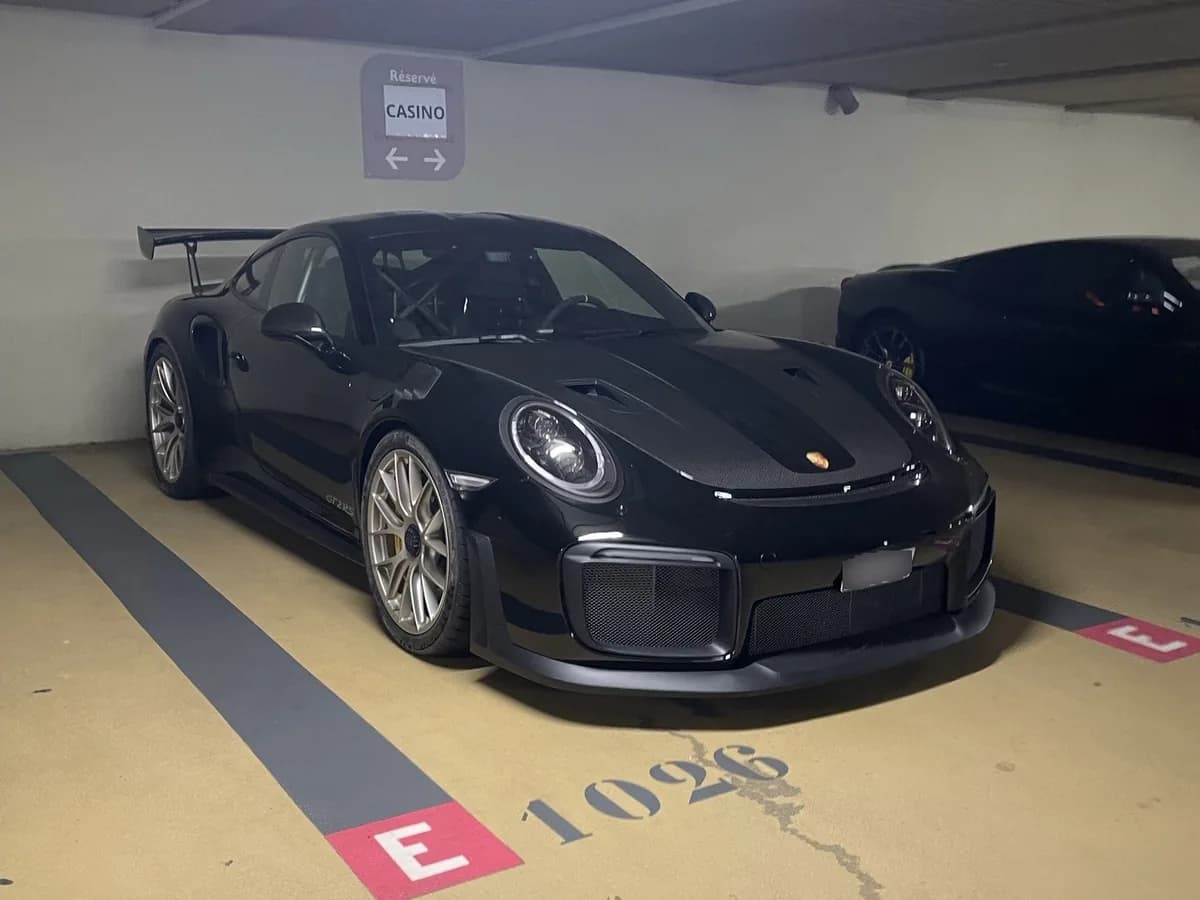
Porsche 911 GT3 Touring 2025
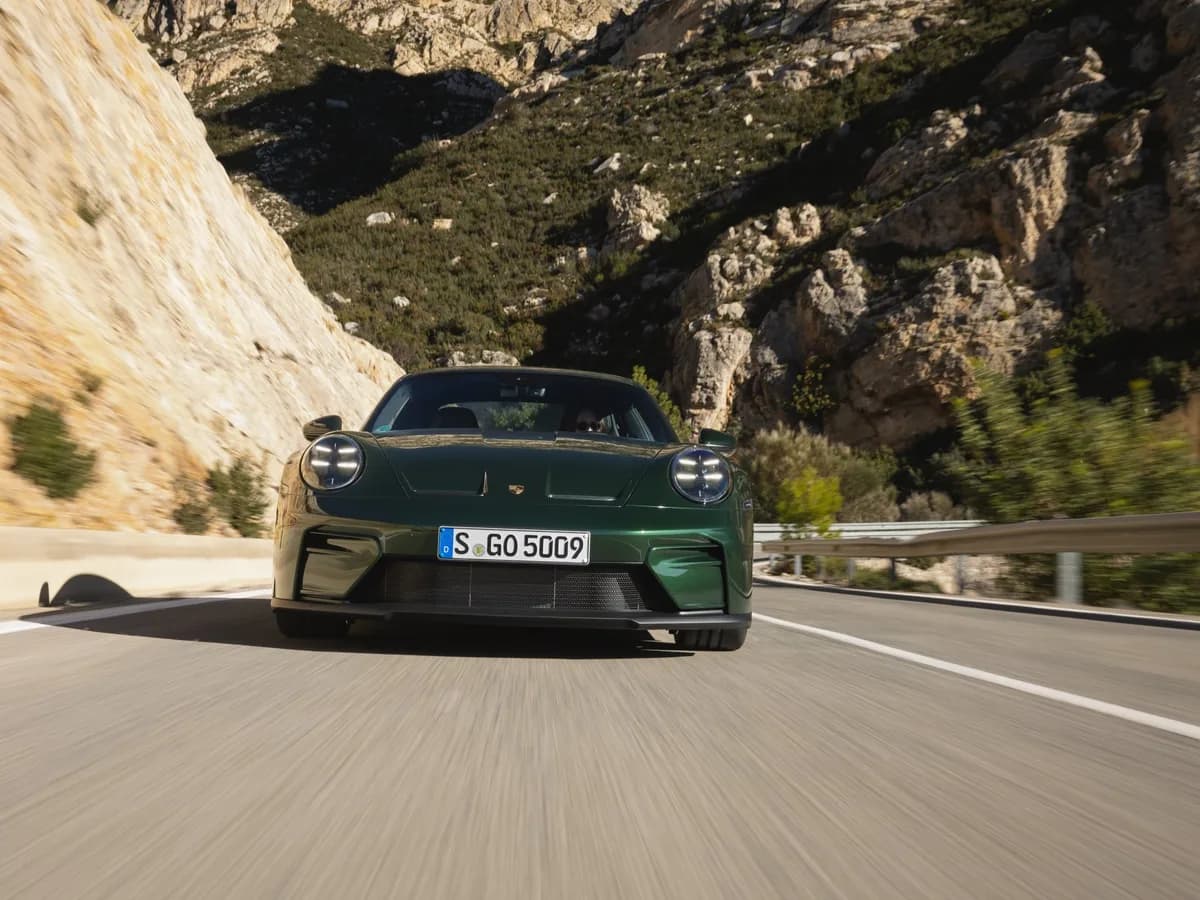
Introduced in October 2024 for the 2025 model year, the Porsche 911 GT3 Touring belongs to the 992.2 generation and retains a naturally aspirated flat-six layout. Its defining feature is the absence of a fixed rear wing, replaced by a more understated body treatment while keeping the GT3’s core engine and chassis specification. The 4.0-liter engine produces 502 horsepower and revs to 9,000 rpm. Porsche offers either a six-speed manual gearbox or a seven-speed dual-clutch PDK transmission. For 2025, the Touring also becomes more practical because rear seats are available as an option for the first time on this version. The result is a less overtly track-focused appearance without abandoning the GT3’s performance-oriented character.
History
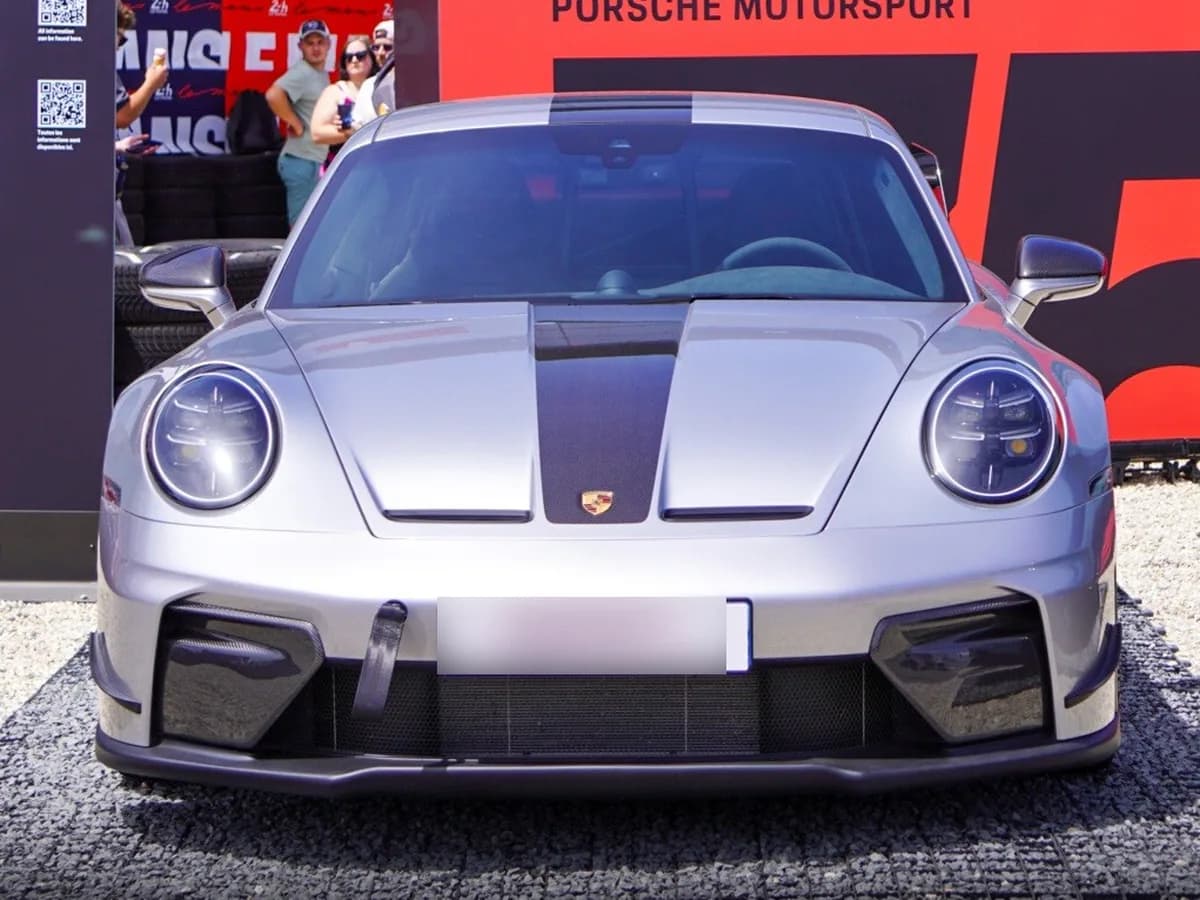
The Porsche 911 GT3 lineage began in 1999 with the 996 generation. Porsche presented it as a road car shaped by racing experience, following the philosophy established by earlier Carrera RS models. The first GT3 used a naturally aspirated 3.6-liter flat-six and established the formula of low weight, precise chassis responses and a high-revving engine. The 997, 991 and 992 generations progressively added power, larger 4.0-liter engines on later versions, rear-wheel steering and more sophisticated aerodynamic solutions. The Touring concept emerged within the 991 generation as an alternative to the prominent fixed rear wing, aimed at drivers who preferred a more restrained appearance. For the model’s 25th anniversary, Porsche introduced the updated GT3 and GT3 Touring together in 2024 for the 2025 model year. This update represents the second phase of the 992 generation and preserves the naturally aspirated engine, rear-wheel-drive layout and availability of a manual gearbox.
Latest scans
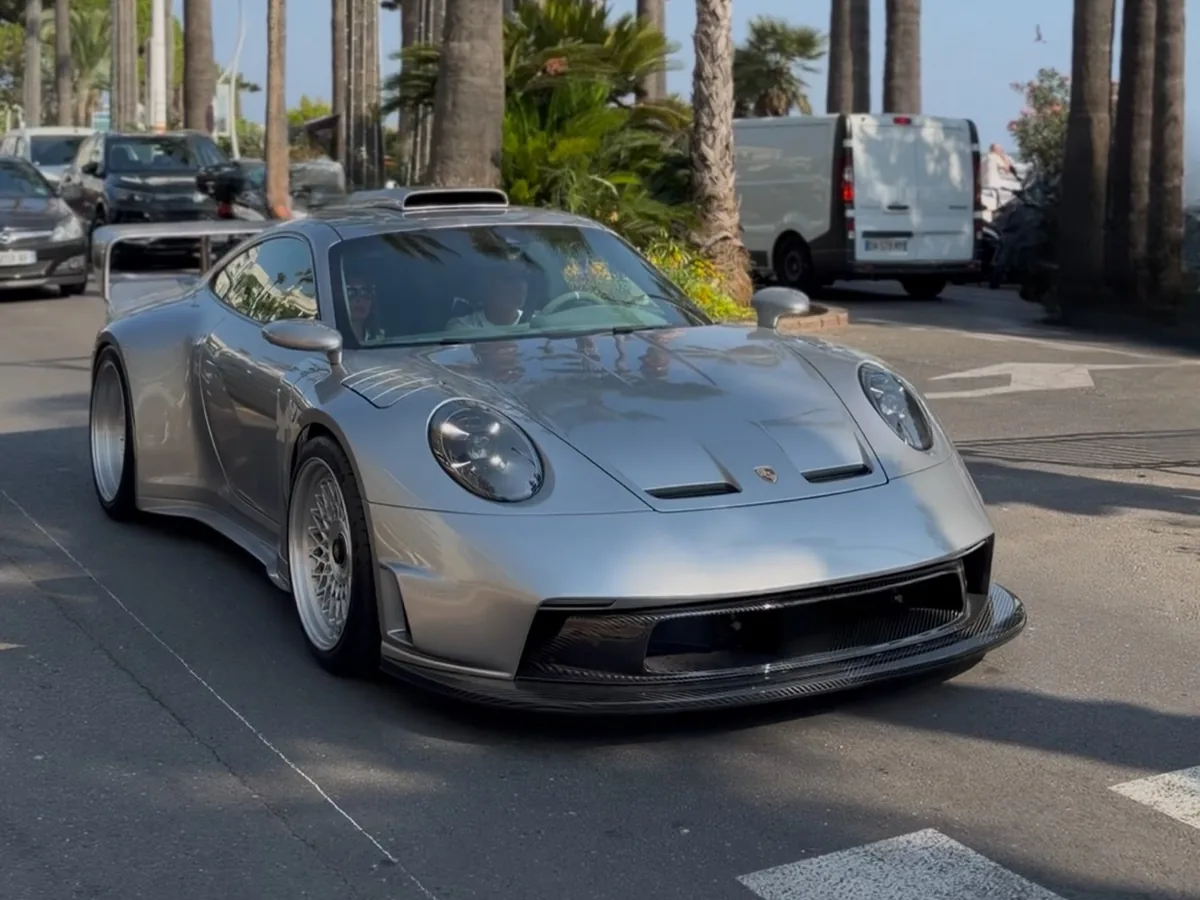
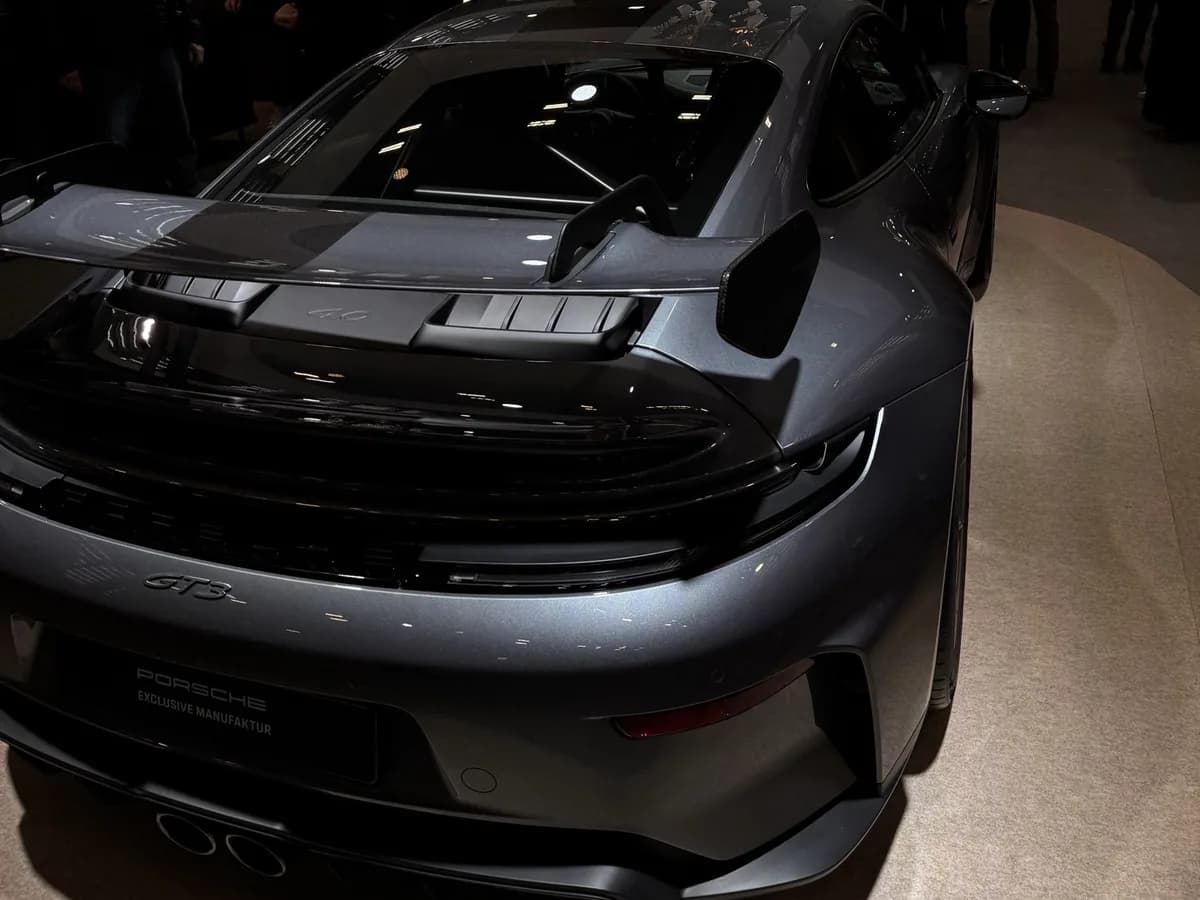
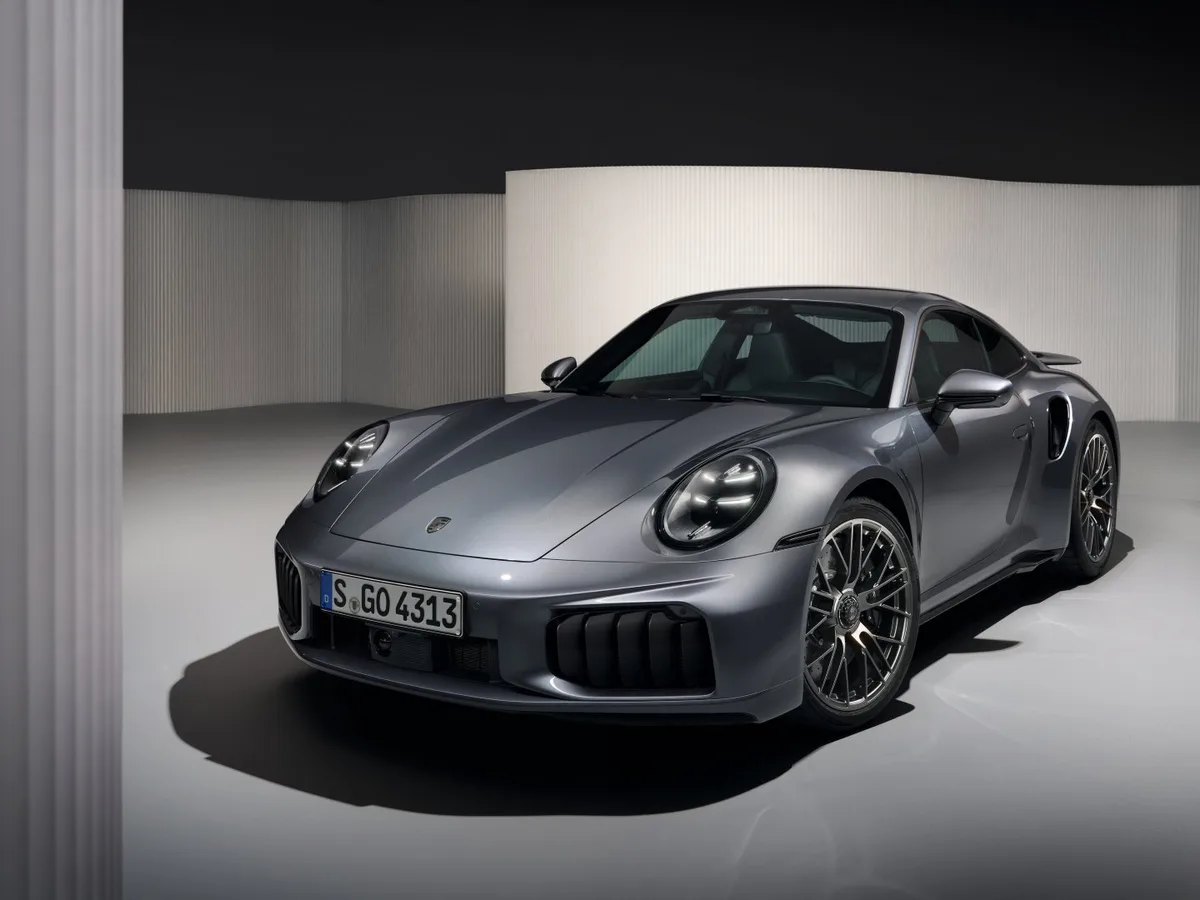
Photos added by the community for this page.
Anecdotes
The 2025 model year coincides with the 25th anniversary of the 911 GT3. Porsche marked the occasion by presenting the standard GT3 and GT3 Touring together, pairing the winged version with a more discreet alternative. Another notable detail is that the Touring can be ordered with rear seats for the first time. Its Lightweight Package also brings together several weight-reduction measures, including forged magnesium wheels and carbon-fiber components. The combination reflects the Touring’s purpose: retaining the GT3 identity while allowing a broader range of road-oriented configurations.
Production
Porsche has not published a specific worldwide production figure for the 2025 911 GT3 Touring in the sources consulted. It should therefore not be described as a numbered limited edition or assigned an unofficial production total. The car is presented as a regular GT3-range variant rather than a separately counted collector series. In the United States, Porsche announced ordering from the end of 2024 and expected deliveries to Porsche Centers in summer 2025. The manufacturer listed a U.S. starting MSRP of $222,500 for both the 2025 GT3 and GT3 Touring, excluding the stated delivery, processing and handling charge.
Press reception
Early road tests generally emphasized continuity with the established GT3 character rather than a dramatic change. Car and Driver found that the Touring retained the naturally aspirated engine’s high-revving intensity while benefiting from additional suspension travel and improved road usability. The lack of a fixed rear wing was treated as an aesthetic and practical choice, not as a retreat from the car’s sporting purpose. Testers also praised the chassis balance, steering precision and clear communication between the car and driver. The recurring qualification was comfort: despite the 2025 suspension revisions, the Touring remains firmly tuned toward performance. Its appeal therefore rests on combining GT3 hardware with a more restrained appearance and greater configurability.
Evolution
The 2025 911 GT3 Touring is a detailed update rather than a clean-sheet redesign. Its naturally aspirated 4.0-liter engine remains rated at 502 horsepower and continues to rev to 9,000 rpm, while the final-drive ratio is shorter than before. Porsche also revised the chassis: shorter bump stops increase usable suspension travel, and the adaptive damping strategy was adjusted accordingly. The front lower control arms use a design derived from the GT3 RS. The Touring’s most significant practical change is the availability of rear seats as an option. Porsche also introduced a Touring-specific Lightweight Package that combines carbon-fiber components, forged magnesium wheels and lightweight door panels. These changes broaden the car’s usability while preserving the high-revving engine and rear-wheel-drive character that define the GT3.

Variants
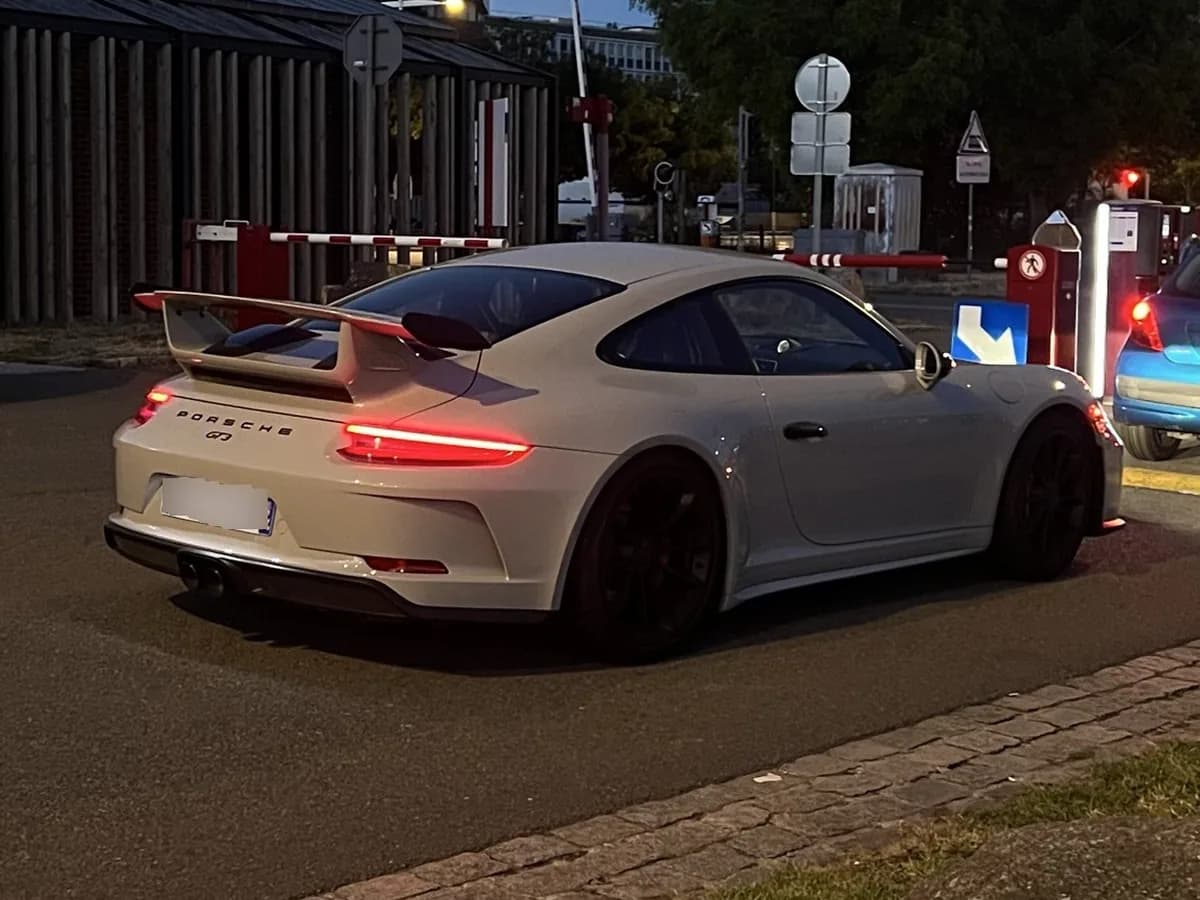
For the 2025 model year, the 911 GT3 is offered in two principal forms: the standard GT3 with a fixed rear wing and the GT3 Touring with a more understated rear design. Both versions share the naturally aspirated 4.0-liter engine, rear-wheel-drive layout, core chassis and choice of a six-speed manual or seven-speed PDK transmission. The Touring is separated mainly by its exterior aerodynamic treatment and less conspicuous appearance; it is not transformed into a conventional grand tourer. Porsche also offers several equipment and weight-saving options, including a Touring-specific Lightweight Package. The optional rear seats are a notable practical distinction for this model year. As a result, buyers choose between two expressions of the same GT3 mechanical concept rather than two fundamentally different cars.
References
- The 2025 911 GT3 and 911 GT3 with Touring packagePorsche Newsroom USA
Supports the 2025 launch, anniversary context, equipment packages, U.S. timing and announced MSRP.
- 911 GT3 with Touring packagePorsche Newsroom USA
Supports the 4.0-liter naturally aspirated engine, 502 hp, Touring presentation, optional rear seats and model positioning.
- 911 GT3 with Touring Package technical data, manual transmissionPorsche Newsroom
Supports the manual transmission, rear-wheel drive and chassis-related technical data.
- The history of the Porsche 911 GT3Porsche
Supports the GT3 lineage from 1999 through the 996, 997, 991 and 992 generations.
- 2025 Porsche 911 GT3 and GT3 Touring Keep the Revs High and the Experience IntenseCar and Driver
Supports independent observations on the 2025 update, engine output, chassis revisions, road behavior, transmission choices and press reception.
- The 2025 Porsche 911 GT3 and GT3 Touring Celebrate 25 Years of an IconRoad & Track
Supports the 25th-anniversary context, Touring positioning, engine specifications and transmission availability.
- https://www.caranddriver.com/reviews/a69800691/2025-porsche-911-gt3-touring-test/caranddriver.com
Source found by OpenAI web search for this vehicle page.
- https://www.motortrend.com/reviews/2025-porsche-911-gt3-touring-first-test-reviewmotortrend.com
Source found by OpenAI web search for this vehicle page.