Porsche 911 Targa 2024
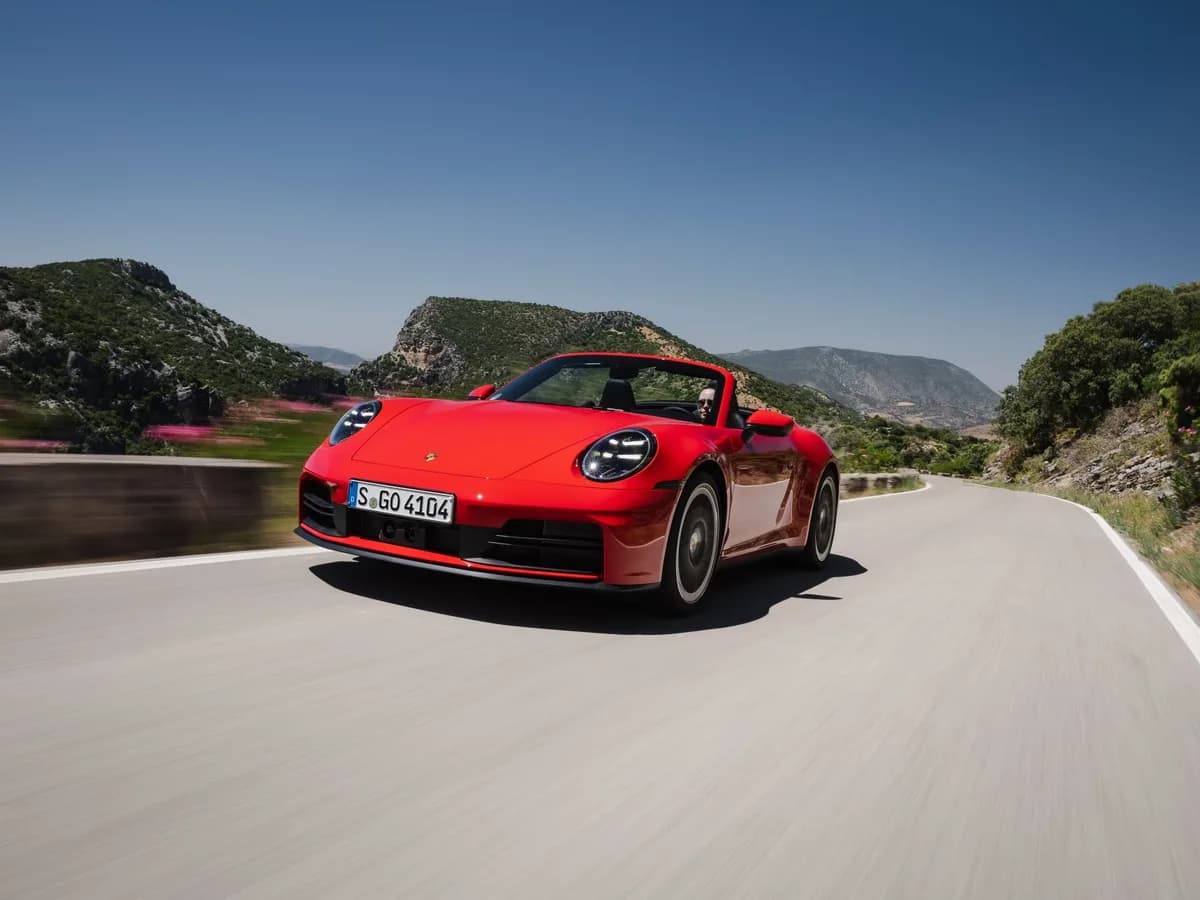
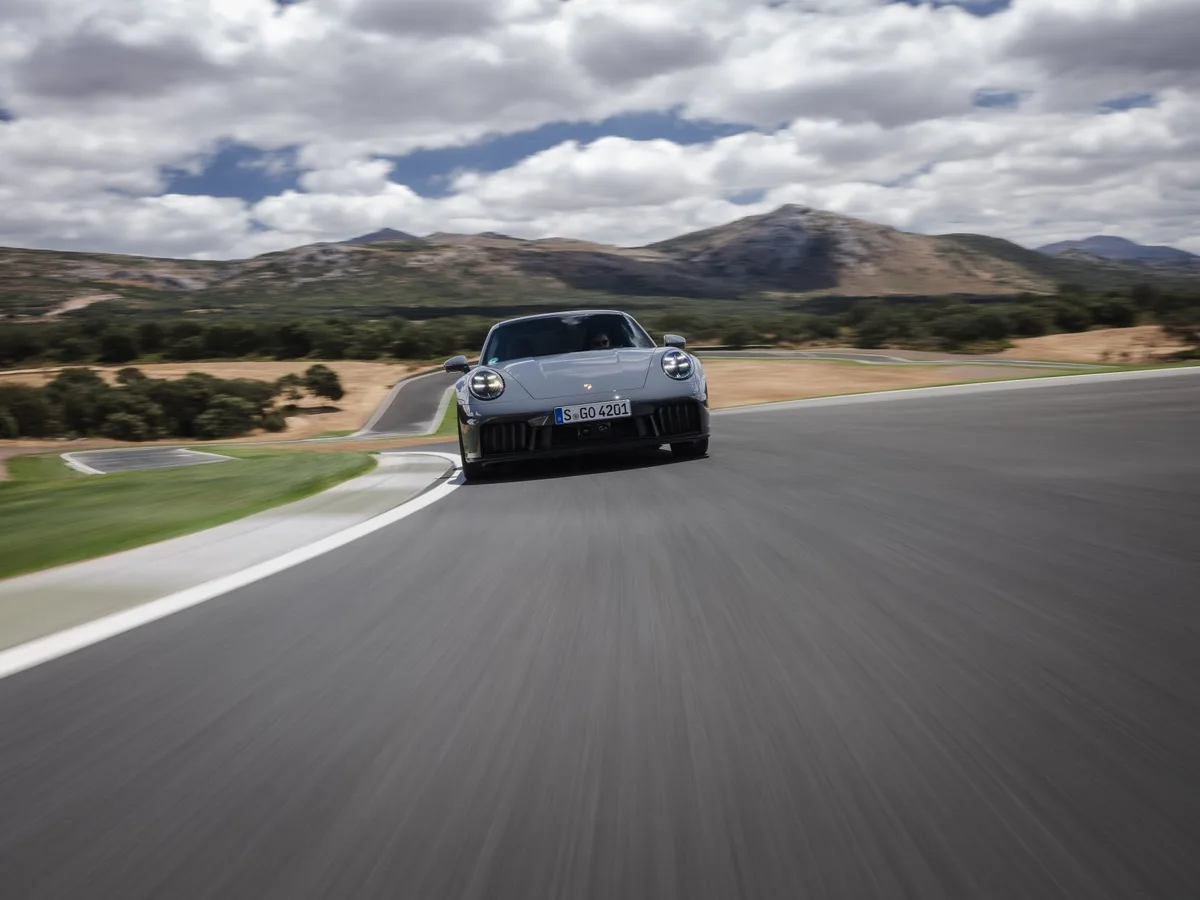
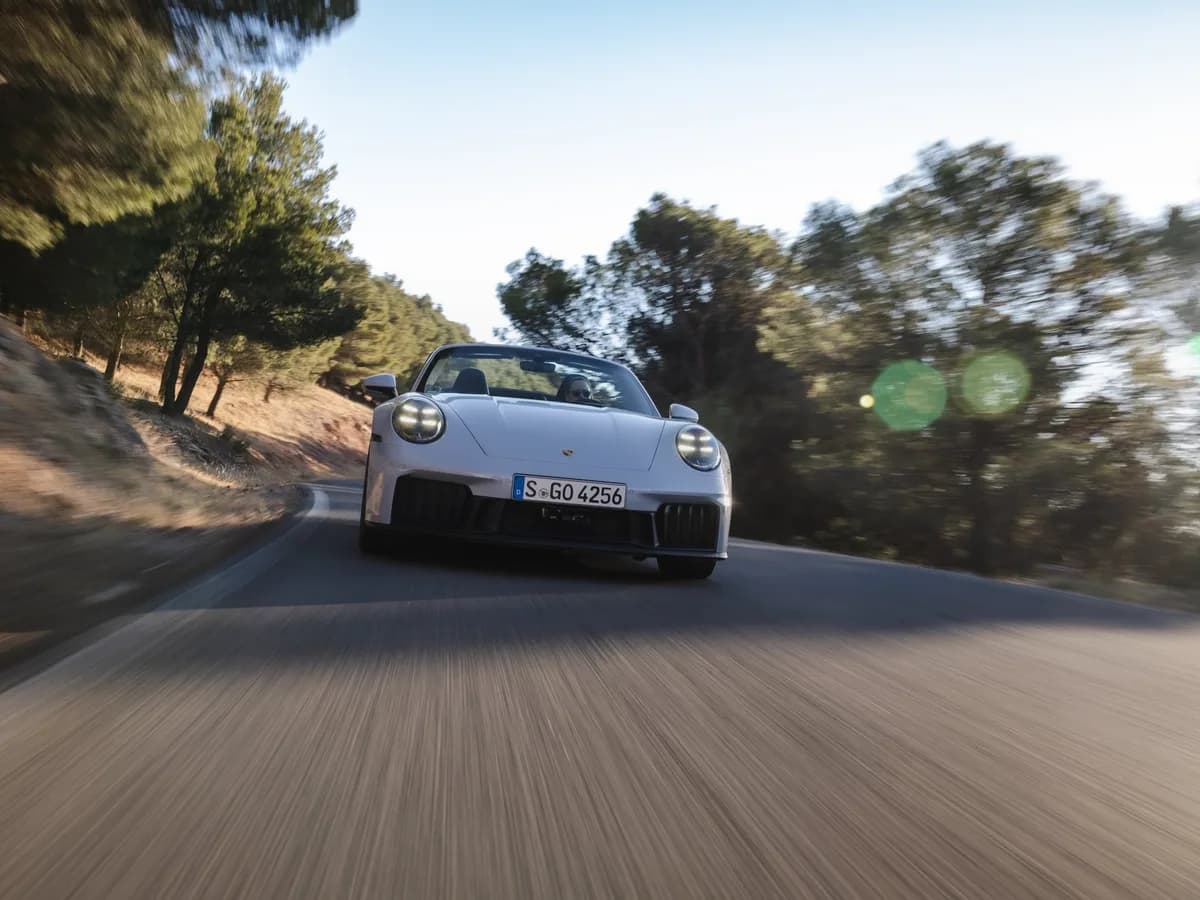
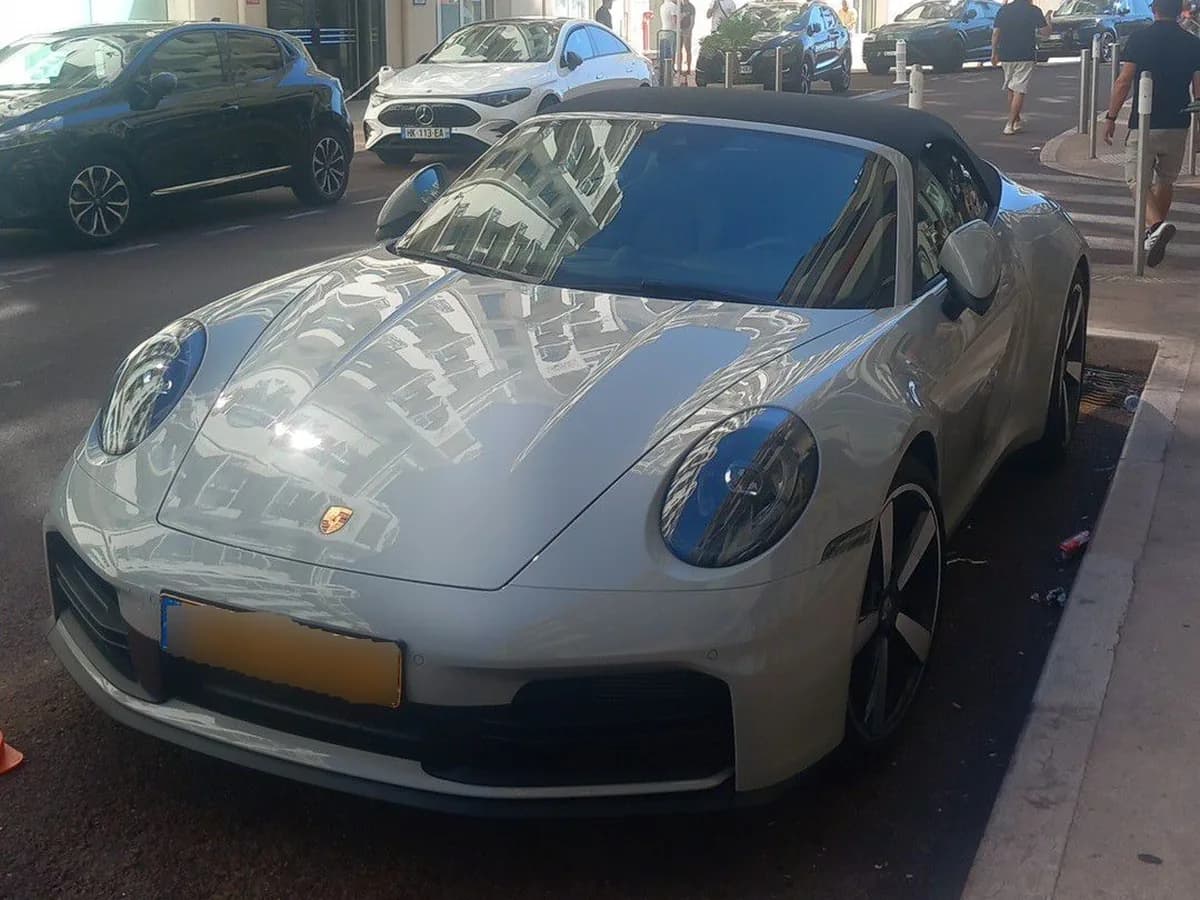
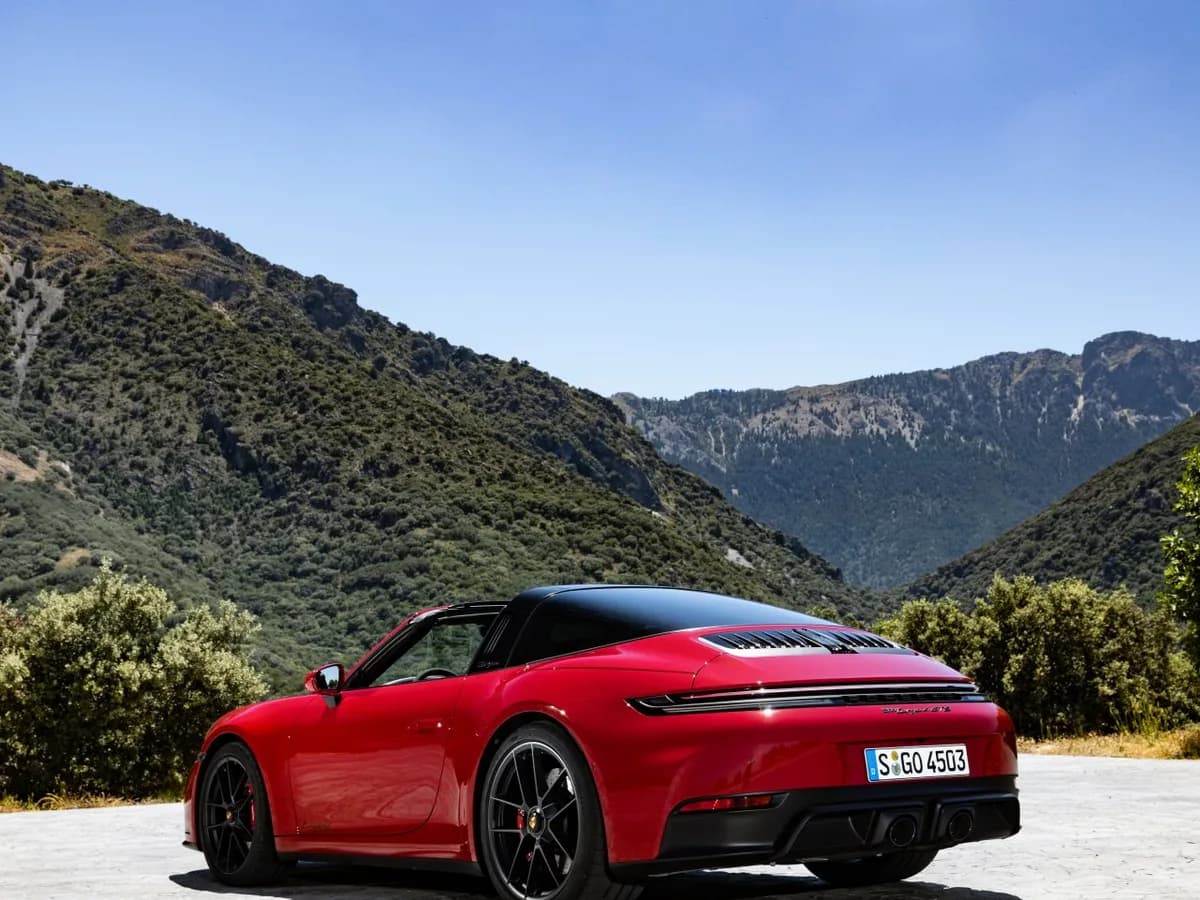
The 2024 Porsche 911 Targa combines a rear-mounted flat-six engine, all-wheel drive and a retractable hardtop roof. Within the Type 992 911 range, it occupies a distinctive position between coupe and convertible: its fixed roll-over bar recalls the original 1965 Targa, while its electrically operated roof system brings modern convenience to open-air driving. For 2024, the Targa was offered primarily as the Targa 4 and Targa 4S, with the Targa 4 GTS also listed in some market trim guides. The Targa 4 uses a 3.0-liter twin-turbocharged flat-six producing 379 horsepower, while the Targa 4S produces 443 horsepower. Both versions emphasize traction, refinement and long-distance usability without abandoning the characteristic rear-engined 911 driving experience.

History
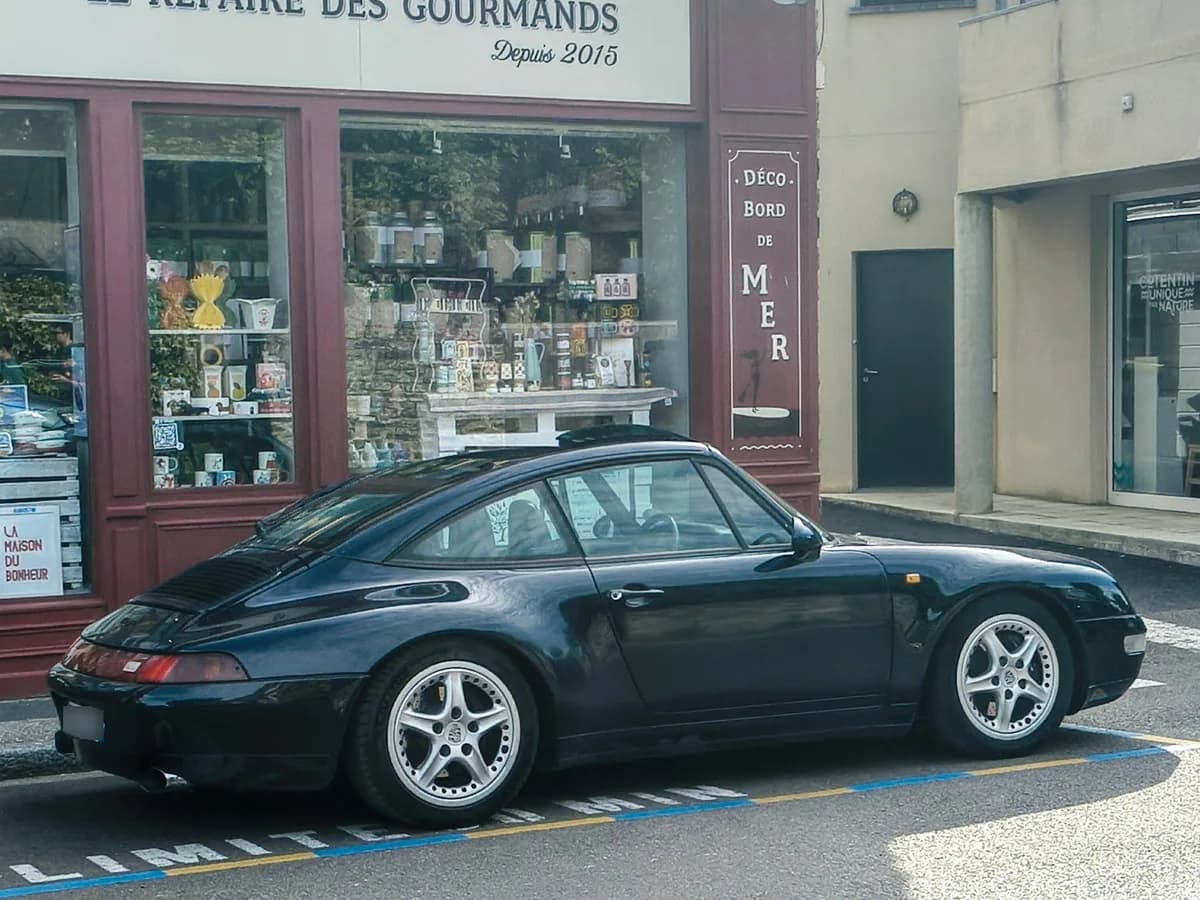
The Porsche 911 Targa was presented at the Frankfurt Motor Show in September 1965, with sales following from 1966-1967. Porsche developed it as a safer open car, combining a fixed roll-over bar with a removable roof section and, initially, a small flexible rear window. The Targa name was inspired by the Targa Florio road race in Sicily, where Porsche had achieved several important victories. The original plastic rear window was soon supplemented by a fixed, heated glass window that became a lasting feature of the design. Through the early 911 generations, the Targa retained its transverse roll bar and removable roof panel. The Type 993 introduced a major departure with a large sliding glass roof and no traditional bar. The Type 991, launched in 2014, brought back the familiar bar with a fully automatic roof mechanism. The Type 992 arrived in 2020, and the 2024 model continues that modern interpretation of the classic concept.
Latest scans
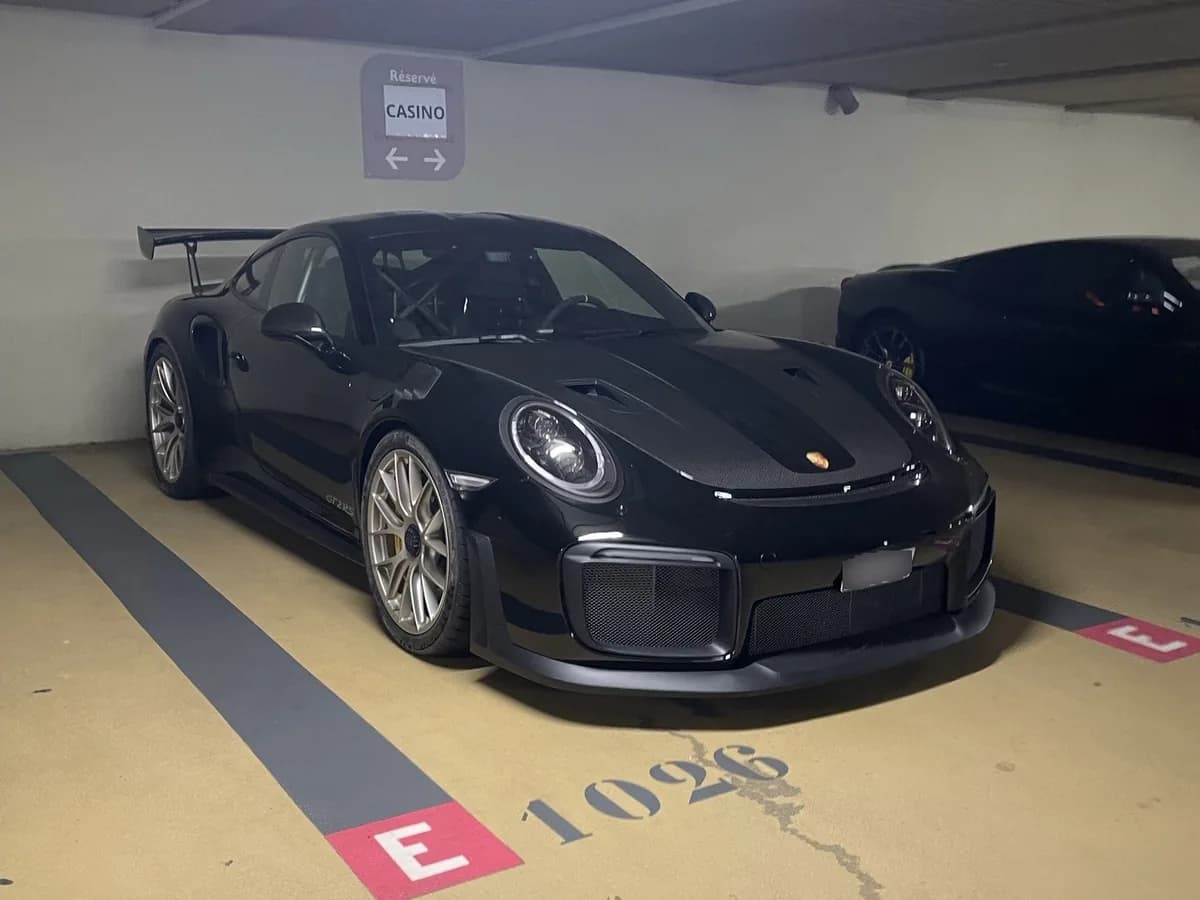
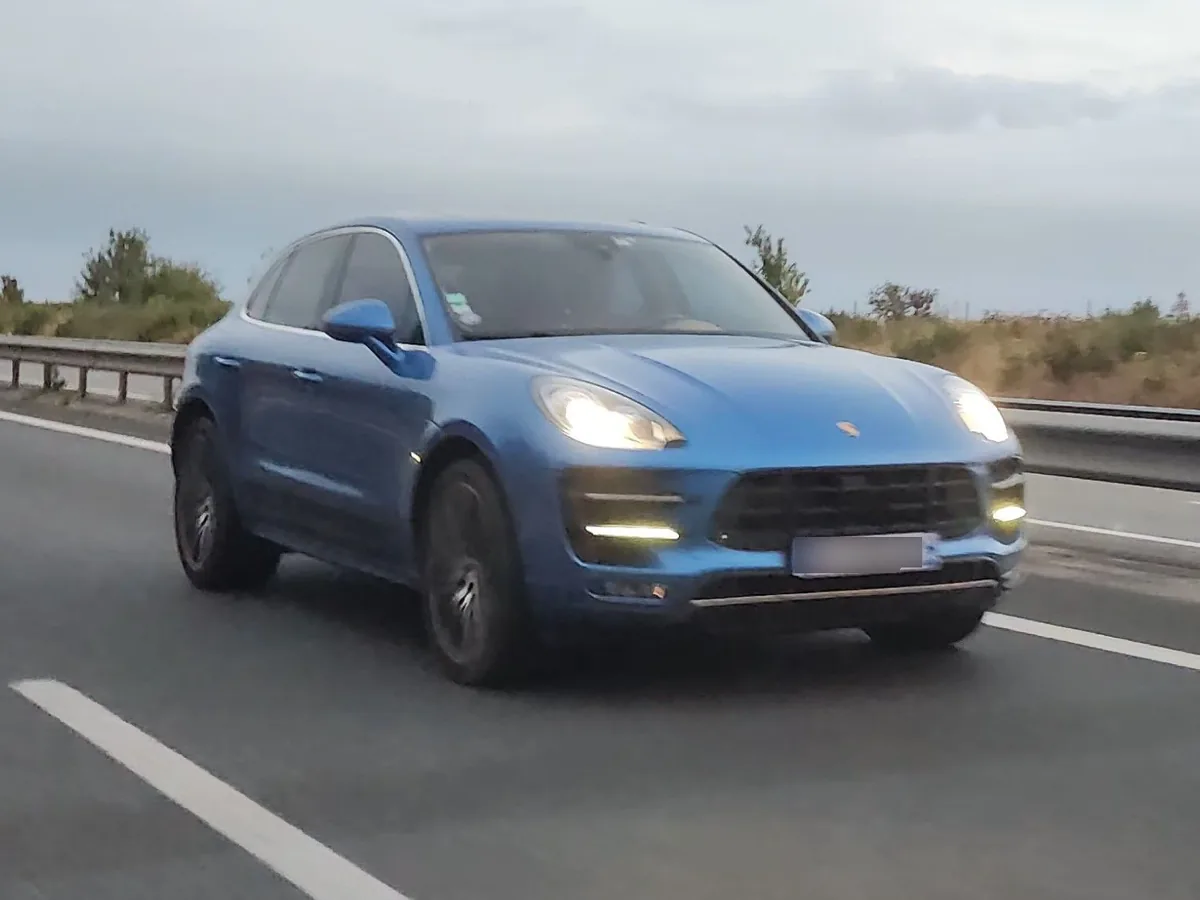
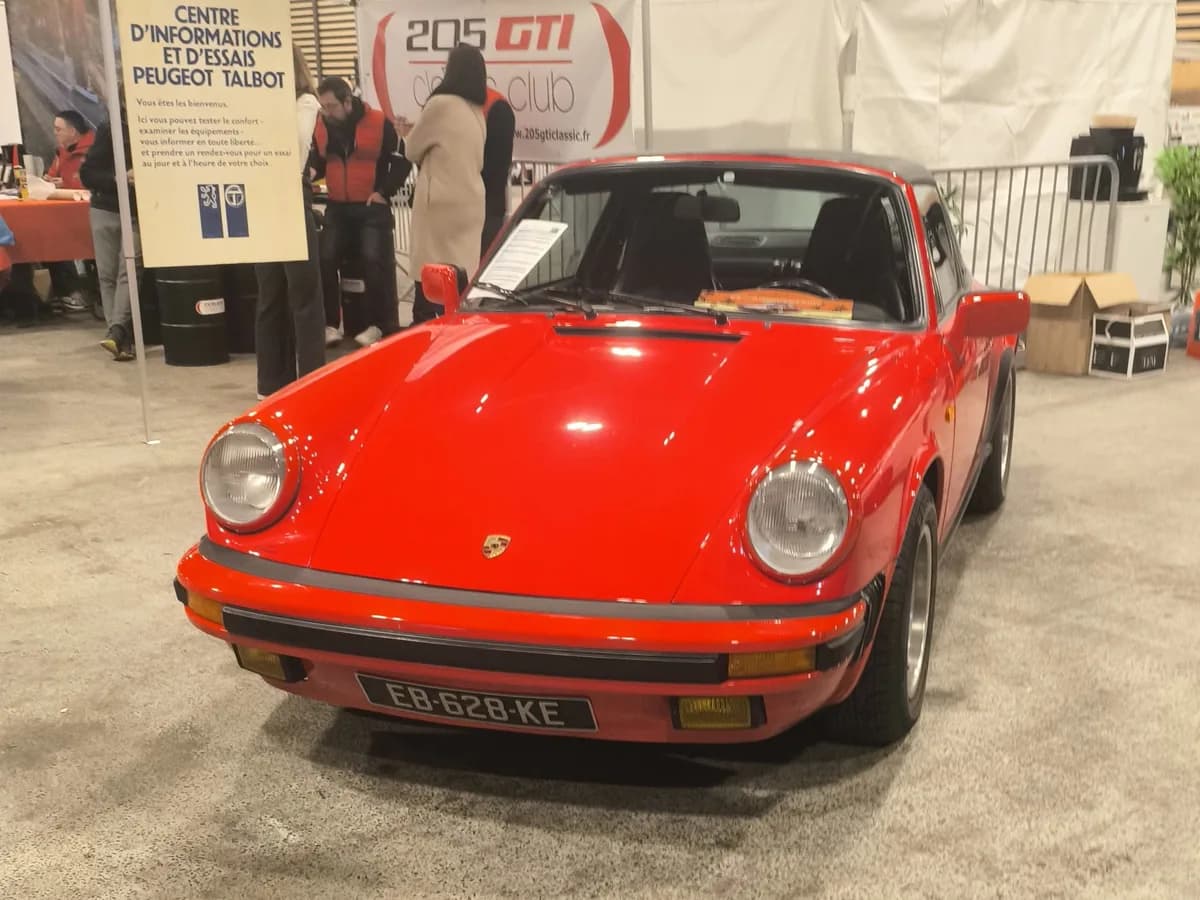
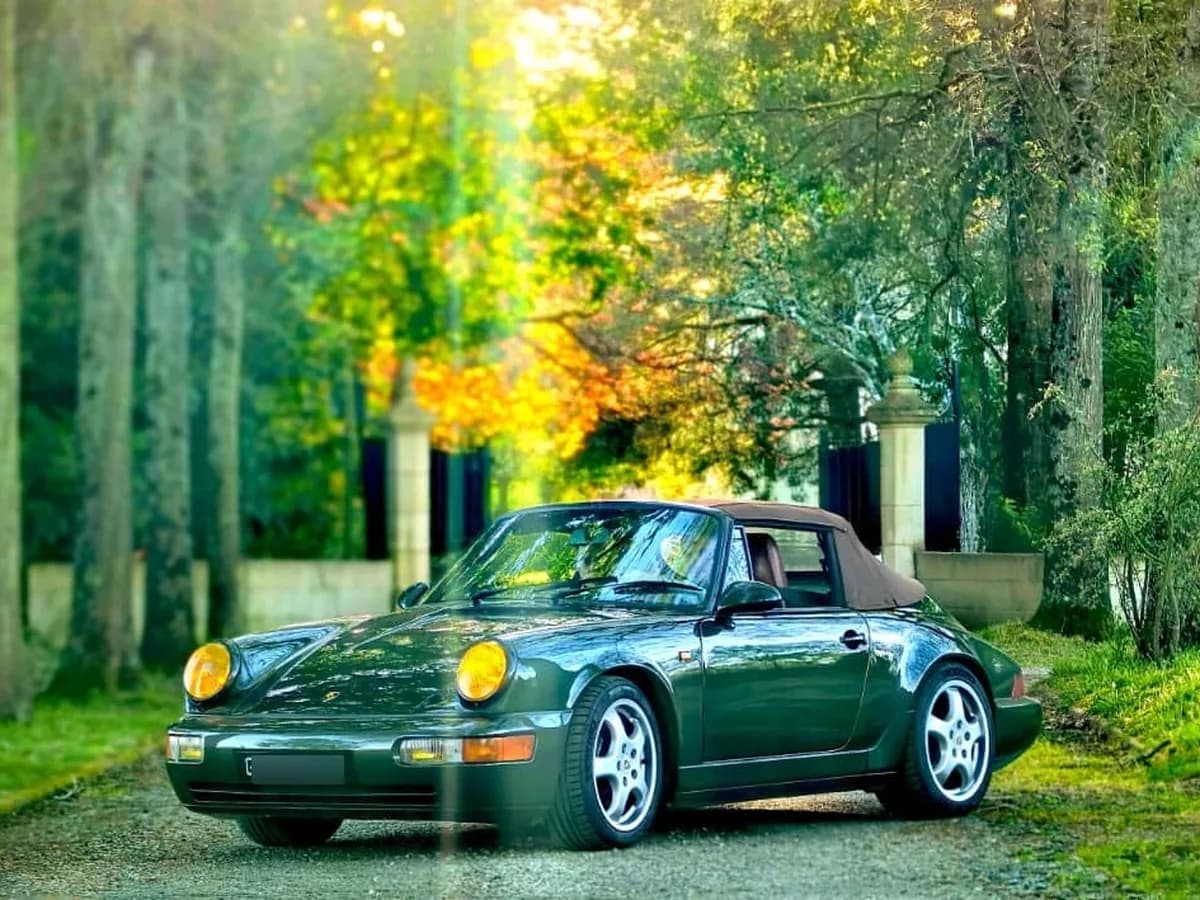
Photos added by the community for this page.
Anecdotes
The Targa name is more than an Italian word: it pays tribute to the Targa Florio, the famous road race held in Sicily. Porsche briefly considered alternative names before settling on “Targa.” The company also filed a patent for the roof concept in August 1965. Early cars offered several open-air configurations depending on whether the center roof panel and the flexible rear window were installed, removed or folded down.
Production
Porsche does not provide, in the sources consulted, a separate production total for the 2024 911 Targa. Historical figures nevertheless show how important the model became within the 911 family: Porsche states that 87,663 Targa cars were built across the first three 911 generations. Annual output also rose significantly during the early years, from only a handful of cars in 1966 to 5,855 units in 1973. Those figures apply to historical generations and should not be projected onto the 2024 model year. The modern Targa is produced as part of the Type 992 911 family, but detailed production totals by trim, market and model year are not disclosed in the references used here.
Press reception
Automotive coverage of the 2024 911 range was broadly positive, emphasizing its balance of performance, precision and everyday usability. Car and Driver gave the 2024 911 an Editors’ Choice award and described the Targa as a way to enjoy open-air driving once the roof is retracted. The publication also noted that the Targa versions come with all-wheel drive. MotorTrend ranked the 2024 911 among the strongest performers in its segment, while also pointing to the high purchase price and expensive options. These assessments primarily concern the 911 family as a whole rather than an independent test of every Targa trim. Even so, they help explain why the 2024 Targa was positioned as a refined grand-touring sports car rather than a minimalist open-top model.
Evolution
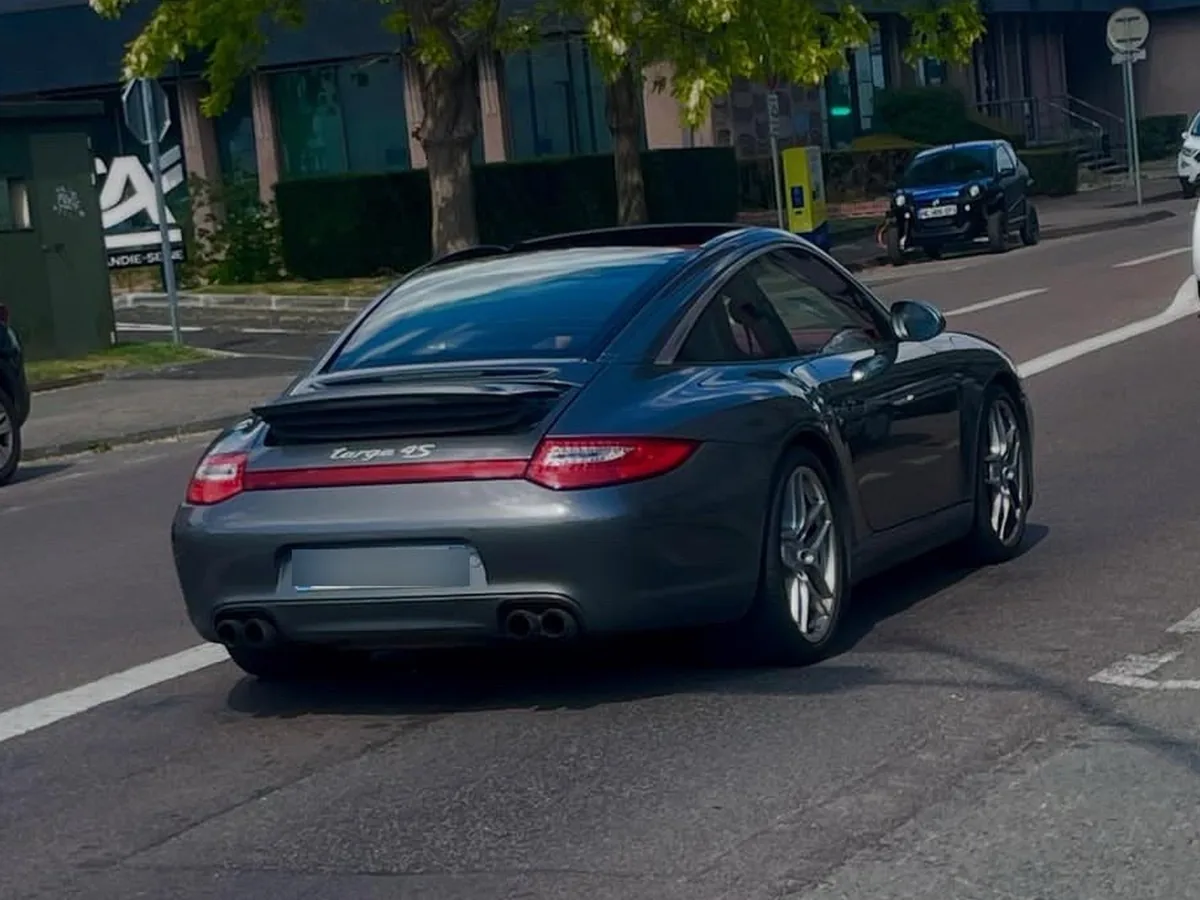
The evolution of the 911 Targa is most clearly seen in its roof design. Early generations used a removable center panel, a fixed structural bar and either a flexible or glass rear window. The Type 993 replaced the transverse bar with a large sliding glass roof, emphasizing cabin light and a silhouette closer to the coupe. The Type 996 added a large opening rear hatch, improving access to the rear storage area. The Type 997 retained the glass-roof concept and restricted the Targa range to the all-wheel-drive Targa 4 and Targa 4S. With the Type 991, Porsche returned to a wide, visible roll bar, this time combined with a powered system that stores the rigid roof panel behind the rear seats. The Type 992 carries that architecture into the 2024 model year with more integrated bodywork and contemporary electronics.




Variants
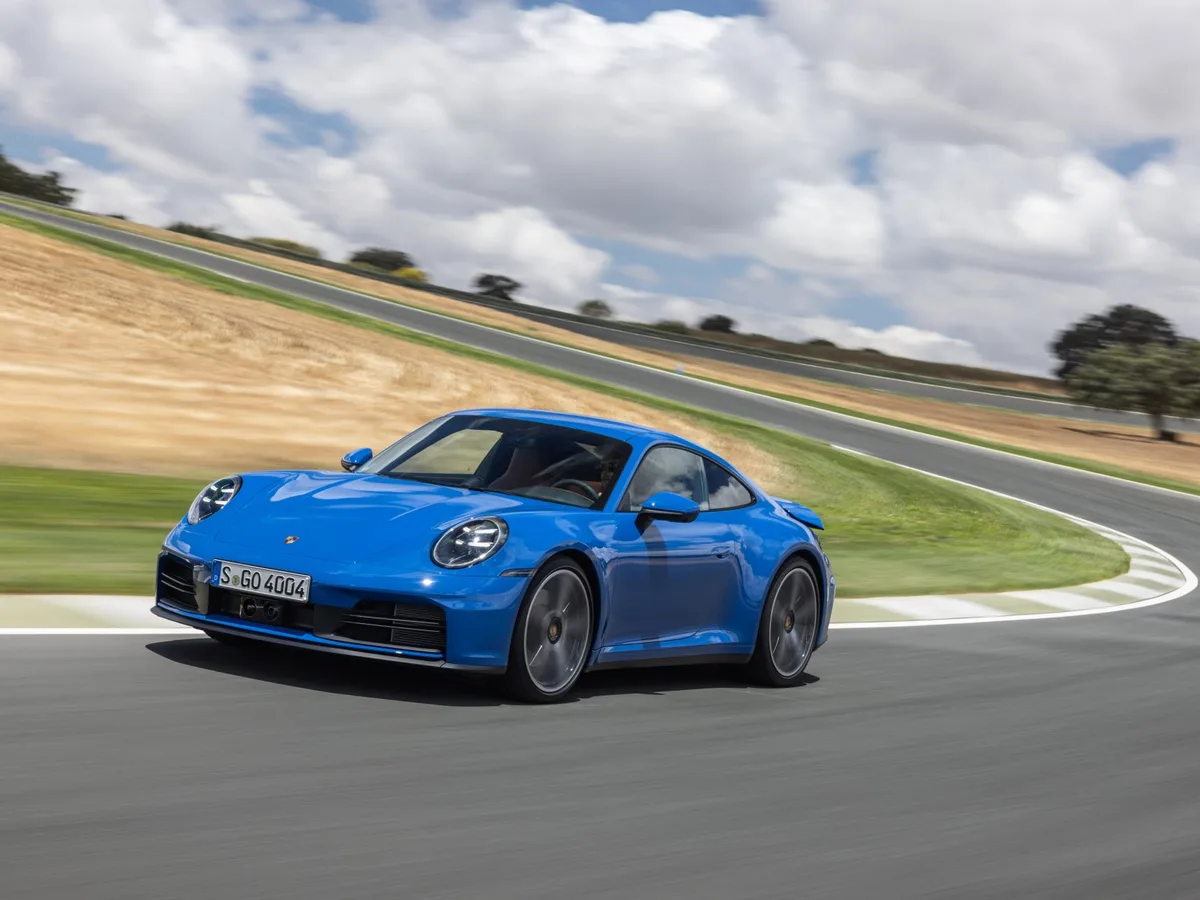
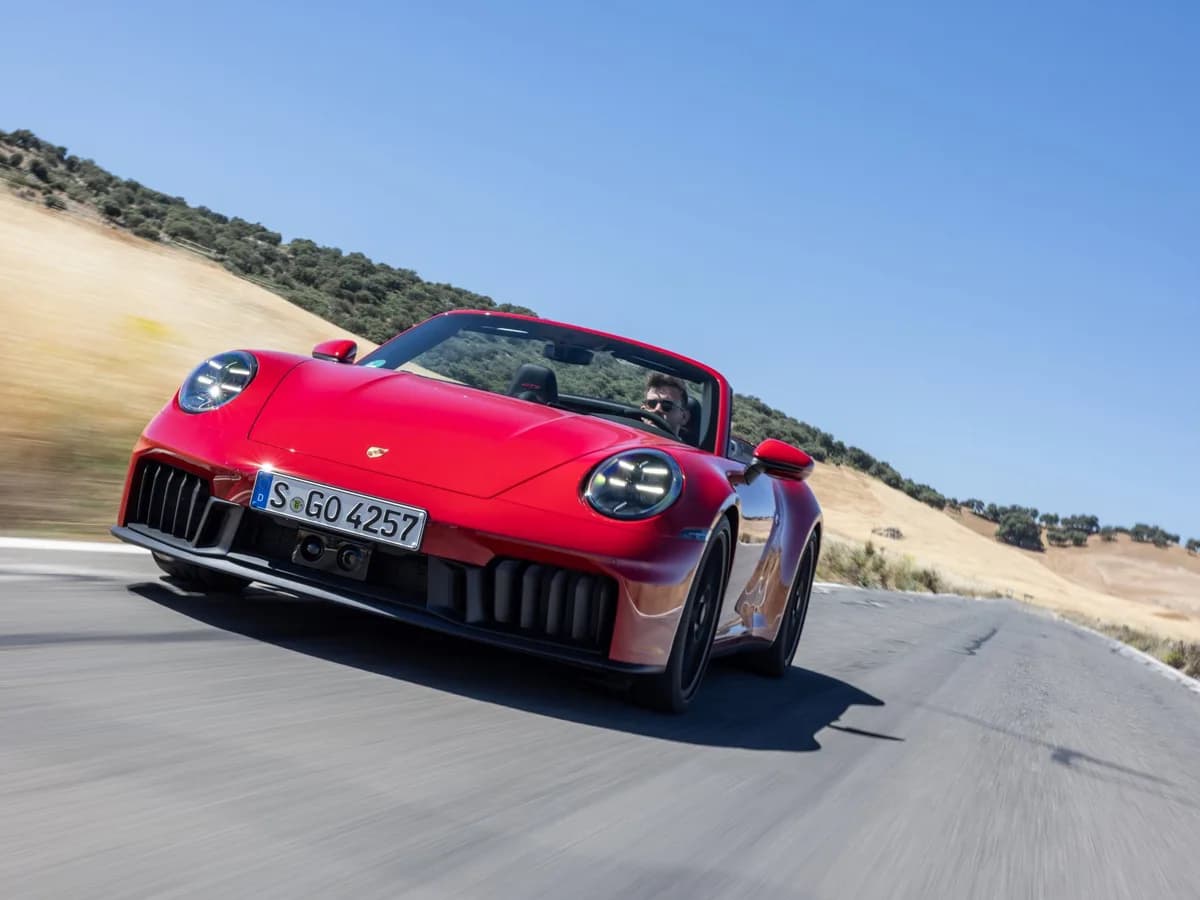
The 2024 range primarily includes the 911 Targa 4 and 911 Targa 4S. The Targa 4 uses a 3.0-liter twin-turbocharged flat-six producing 379 horsepower, paired with an eight-speed PDK dual-clutch transmission and active all-wheel drive. The Targa 4S follows the same basic layout but raises output to 443 horsepower and can also be specified with a seven-speed manual transmission, depending on configuration and market. Both versions use the automated Targa roof and a nominal four-seat layout, although the rear seats are better suited to storage or smaller passengers. 2024 trim guides also list a Targa 4 GTS and a Targa Edition 50 Years Porsche Design in selected markets. Equipment, availability and naming can therefore differ between countries.


References
- Type 992 911 Targa 4 and Targa 4S Technical Specification Sheet 2024 UpdatePorsche Newsroom
Supports the 2024 engine, power, transmission, drivetrain and performance specifications for the Targa 4 and Targa 4S.
- History of the Porsche TargaPorsche Newsroom
Supports the Targa timeline from the original 1965 concept through the 993, 996, 997 and 991 generations, including roof-system changes and historical production context.
- History of the Porsche TargaPorsche Newsroom USA
Supports the 1965 introduction, safety-bar concept, early roof configurations and the Targa Florio name origin.
- 2024 Porsche 911 Review, Pricing, and SpecsCar and Driver
Supports the 2024 911 range overview, Targa all-wheel-drive configuration, general press assessment and Editors’ Choice recognition.
- 2024 Porsche 911 Expert ReviewMotorTrend
Supports the 2024 trim listings, including Targa 4, Targa 4S, Targa 4 GTS and the Edition 50 Years Porsche Design, plus the publication’s broad assessment of the 911.
- https://newsroom.porsche.com/en/press-kits/Exhibition-Kit-2025/60Y-911-Targa.htmlnewsroom.porsche.com
Source found by OpenAI web search for this vehicle page.
- https://newsroom.porsche.com/en/2020/history/porsche-classic-factory-restoration-911-s-targa-1967-23123.htmlnewsroom.porsche.com
Source found by OpenAI web search for this vehicle page.
- https://newsroom.porsche.com/dam/jcr%3Aa76c5e2e-815a-4aba-940b-9bfac8ca7120/Datenblatt%20Porsche%20911%202.0%20Targa.pdfnewsroom.porsche.com
Source found by OpenAI web search for this vehicle page.